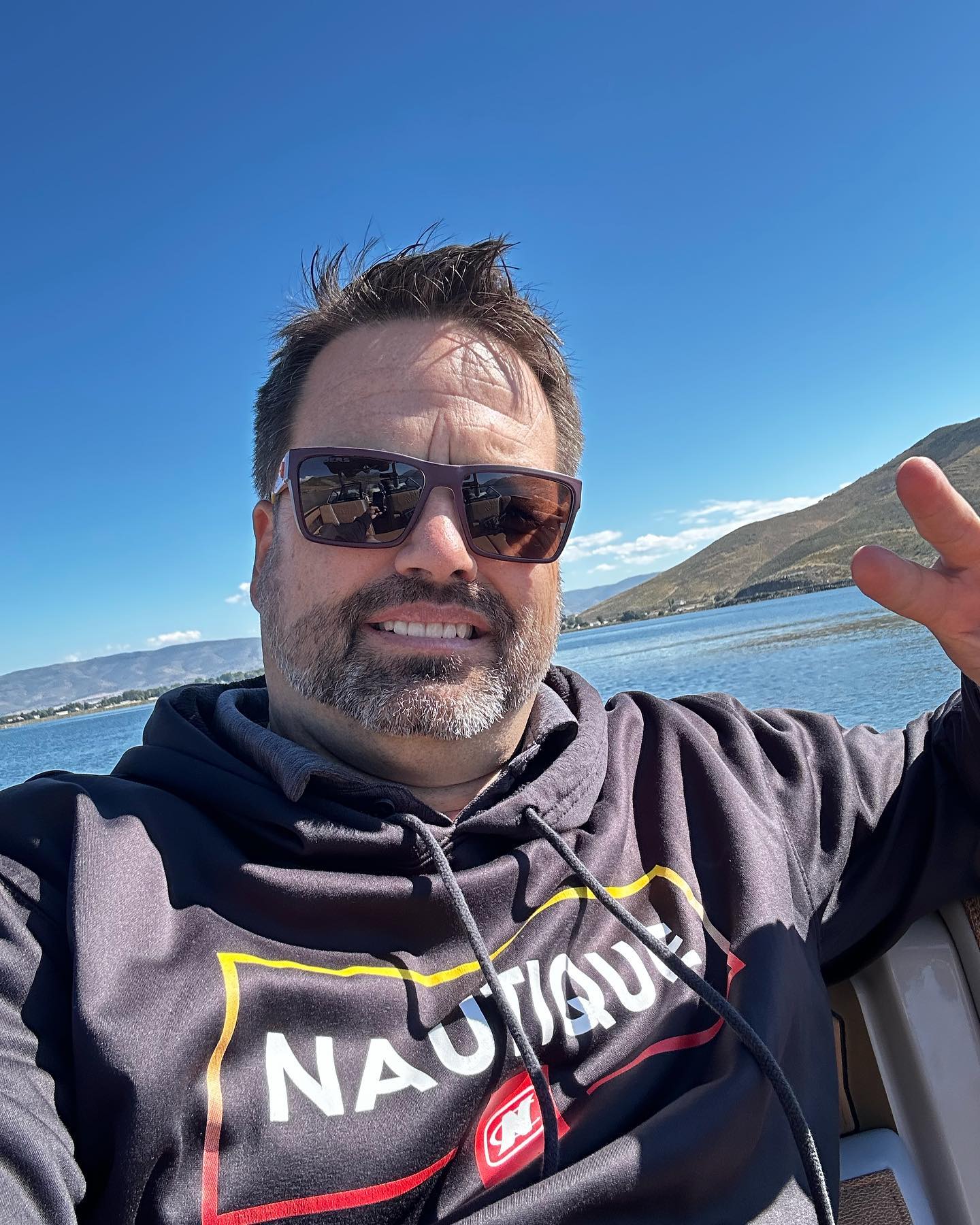
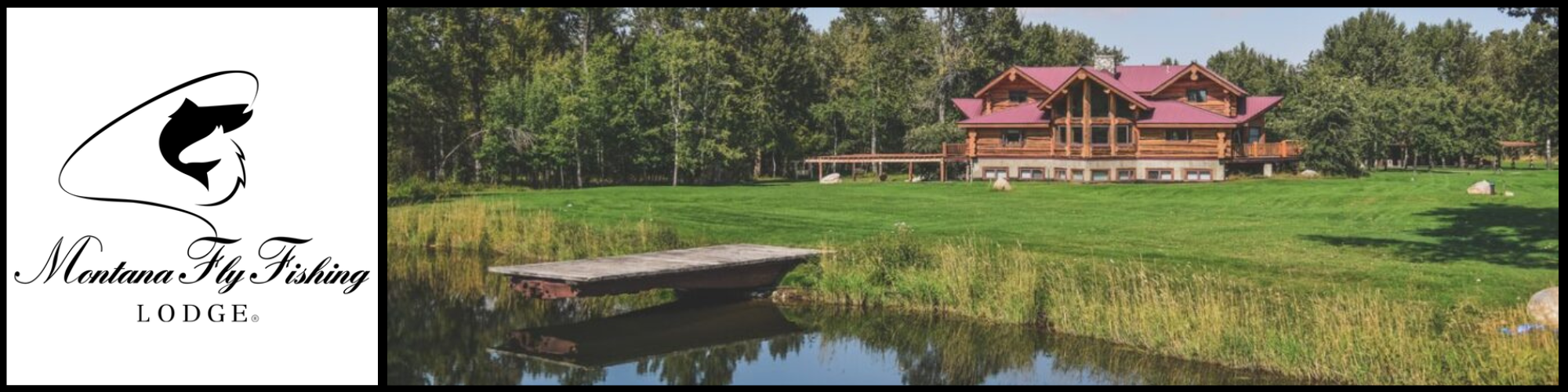
Corby Egan, owner of The Pines at Island Park, walks us through the rich history, cozy cabins, and amazing surroundings of their lodge. Our chat with him will give a glimpse of what our upcoming Stillwater School will look like.
1:37 – Corby shares the history of The Pines at Island Park. The lodge used to be called Phillips Lodge which was named after its previous owner, Harry Phillips. Corby and his family bought the lodge in 1997. Read more about their history here.
10:40 – He talks about the demographics of the tourists who visit their lodge, and also the funny experience of one of their guests who encountered a wild animal during her stay.
14:33 – He describes the Island Park Reservoir.
25:00 – He shares that time when Gordon Ramsay stayed in their lodge.
26:36 – He talks about the wildlife in their area.
37:16 – He talks about Henry’s Fork and the other popular establishments in their area.
41:22 – He describes what the itinerary would look like if you visit them during the weekends. They have a restaurant that is also open to the public.
45:00 – He recommends going to the Big Springs which he says is the most beautiful iconic spring in North America. That is also where the Johnny Sack cabin is. He also mentions other must-see places in their area such as the Harriman State Park and Grand Teton National Park.
51:18 – For animal seeing, he recommends visiting Yellowstone Park in the spring and fall.
57:02 – He encourages the listeners to go see the lodge for themselves.
Episode Transcript
Dave (2s):
Welcome to Traveled, where we take a journey to a specific region. So you discover what makes this part of the world so unique. Before we get rolling with our guests this week, I wanted to share the love with our Traveled sponsor. This podcast is powered by Swing Outdoors, the Wet Fly Swing podcast and Yellowstone Teton territory. From the Henry’s Fork to the South Fork of the Snake and all the high alpine lakes and streams in between Yellowstone Teton territory provides anglers and other outdoor enthusiasts with all the information they need to plan their next big trip. You can visit wetly Swing dot com slash Teton right now to get the full list of Outfitters Lodges fly shops, and all kinds of inspiration to get you started on your next trip to Eastern Idaho, that’s Teton T E T O n wetly Swing dot com slash Teton.
Dave (52s):
Let’s do it. Let’s jump in and find out where that road less Traveled is gonna lead us today. How you doing Corby?
Corby (60s):
We’re doing great. How are you today, Dave?
Dave (1m 2s):
Great. Great. It’s really great to get have you on here. We’ve been doing a lot of cool stuff out in your neck of the woods. We’ve had a number of episodes on, you know, fly fishing the rivers, and now we’re starting to get into like lake fishing. We’ve got a, a great, one of our gurus, Phil Roy’s coming out there. We’ve got some local folks that are helping put together this trip, and you, it looks like you’re gonna be the place that we’re heading to do our, you know, have our luxury accommodations. And I’ve heard a lot about what you have going, but let’s dig into this because we’re gonna talk about everything you have going now. I want to hear a little bit on the history of the lodge, ’cause I know there’s a lot of that history. Can you first talk about who you are and what your connection is to the, the lodge there?
Corby (1m 40s):
Yeah, so we’re talking about the, as I refer to it, the historic Phillips Lodge. And the lodge was built basically in the twenties, kind of through the Great Depression part of the, the, the works projects there, built the reservoir and a bunch of different things. And Harry Phillips ended up being the owner. And, and thus the name Phillips Lodge, we bought the lodge in 1997. It came along with 15 acres of land, and at the time it was, it was, the lodge was in, you know, a little bit rundown, but in fair shape for being, you know, almost a hundred years old. And, and it had a few outbuildings, but as we researched the property, the property had a grandfathered in subdivision.
Corby (2m 27s):
And so we sat down and I remember getting a call. I was actually living up in Seattle area, and I get a call from my dad, and I’m like, well, what are you doing? He is like, oh, we’re gonna build log cabins. And I’m like, what do you know about that? Absolutely nothing. It’s gonna be beautiful. And I was like, man, that’s, that’s really cool. And ended up subsequently moving to help build a bunch of log cabins. So, so yeah, so we, we’ve built 20 of the main units and then as we built the larger units, we built some kind of more, you know, overnight what we call a smaller unit. There’s still about 600 square feet and, you know, two beds, full bath. And so we built those along the ways and we have 26 total units now that surround the lodge.
Corby (3m 10s):
Wow. And then we inherited one of the iconic Lodges of the greater Yellowstone area and being the stewards of that, you know, as, as a lot of responsibility, as, as anybody that’s tried to restore a lodge knows. So Yeah, you find, you find some interesting things in the attic, so. Right.
Dave (3m 27s):
What were the, what was one interesting thing you would find in that old lodge?
Corby (3m 31s):
I think from my perspective, I’m a, I’m a real people person, and so the stories people tell, so one of my, one of my favorite stories, this lady comes barreling in one day, you know, just sunny afternoon, whatever it was, mid, mid-August right. About this time kind of thing. And, and she pulls this huge, I mean, it must have been one of those, like old school l t d just the longest, you know, seventies car, sixties car you’ve ever seen. And she was in her nineties, I mean, and she’s still driving this thing. And I, I’m like, oh my gosh, like, how did she not sideswipe 10 people? What’s going on? And she came in and, and she was just dressed to the nines, you know, just all primm and proper.
Corby (4m 14s):
And, and she starts telling us that she worked there when she was a teenager. And I’m like, well, man, that’s gotta be like right when this place was like right built. And they’re, you know, every lodge I think up there’s either burnt down or almost burnt down, you know, for better or worse. And so, so I tried to get some details and she, in her, in her exact quote was, you know, young man, I don’t remember much. I just remember it was fun. And the lodge was known as, as truly like a, a dance tell don, you know, bar. So it was part of seven bars. And then there were two sportsman bars, so nine liquor licenses that were established in, in that area.
Corby (4m 58s):
And so Island Park itself is about a thousand feet wide, the original city, and it was 500 feet of either side of the original Yellowstone Highway. And then it was some odd miles long, like 27 miles long. And so, like, our property was, was actually half in, half out of the original city limits. So as we went to develop, we incorporated in, and, you know, and so the city’s grown and whatnot, but Island Park will never be a, a Jackson hole or a Sun Valley because it’s 27 miles long and it’s a thousand feet wide. So there’s no way to develop in, in that, in that kind of a corridor. Anything that will, that will ever grow in that magnitude.
Corby (5m 41s):
So it’s always gonna be real mom and pop. And that’s what we found, you know, it took us years before the local population accepted us, you know, all those kind of stories you hear about moving to someone else’s, you know, town, so to speak. But it’s been such a beautiful blessing for our family and, and so rich history, so like this lady, right? She, she was part of that era of just, you know, bands dancing and you can still see on the wood floor like where they danced and how, you know, how like we’ve tried to restore it, but we’ve never replaced it. And it was a true, you know, throw the sawdust on the ground and dance till Don and grown men like myself would come in and say, oh, it’s so nice to be on this side of the windows. And I’m like, what are you talking about?
Corby (6m 21s):
Like, well, when, when we were little kids, we had to just sit in the car while mom and dad danced all night long right. In the lodge. And so now they’re on the other side of the windows, right. Actually having dinner and whatnot. When we bought the lodge, we transformed the main salon, the bar, basically into a just dining room. So we have the bar open with the food, and it’s more of just a, a nice historic, you know, lodge than the nitty gritty bar that we bought. But that’s, you know, yeah. That’s our, right. I guess.
Dave (6m 53s):
That’s cool. So the island park, and it is interesting ’cause we had at least one other Guest talk about that story of how it was created. And so when was, and Island Park is actually, is it, it is a city officially.
Corby (7m 4s):
Yeah. Yeah. It’s official city, so
Dave (7m 6s):
It’s official city, but it’s got this unique thing where it’s super, you know, not very wide and 27 miles long. And what was the thinking there? Like, these were people back in that day that were traveling. I mean, why create that little strip along the highway? It was just a place to hear some, some bars, some places to hang out. Like do you know that history?
Corby (7m 25s):
Well, so, I mean, I have my version that I was told, right? And I am from the latter day Saint Faith or the Mormon, you know, heritage, right? So I’m, I’m, I feel I’m well within my rights to say, yeah, it was a dry county. Oh,
Dave (7m 39s):
Right. And
Corby (7m 40s):
People wanted someplace to go to have a good time. And so you went up the hill and you know what, it’s like Vegas, right? What happens in Vegas? In Vegas? So you went up the hill and we, we had one lady, she told us that, she goes, she goes, yeah. She goes, I remember my mom and dad, the pastor told ’em, and I don’t know what faith they were, right? So a pastor could have been any faith, right? Said y’all can go to that Phillips Lodge on Saturday nights, so you can come to church on Sundays, but you need to stop trying to do both.
Dave (8m 11s):
Right. That’s awesome. So,
Corby (8m 13s):
Yeah. But yeah, so the, the intent there was, you know, was to recreate now the, the ori the area originally started being habitated through the railroad. So the railroad would come through and it crosses the Henry’s Fork of the Snake River just between Big Springs and what is now max in, or the highway area, right? Where Highway 20 goes across and the railroad bridge is still there. You can take UTVs and snowmobiles over it, or just walk over it. It’s beautiful little spot just down from the headwaters of the Henry’s Fork, which is Big Springs. So we go there all the time, have some great pictures of it, you know, it’s iconic spot in the area.
Corby (8m 55s):
And so they would, the railroad would stop there. The train would stop and people would get out and they’d just camp along the river. And then when the train came back, they’d jump back on and go back home. It eventually stopped at West Yellowstone. And then people got on the stage coach and went into the park if they were traveling that far. So, like, for example, my dad, he is a, a local Utah, you know, born native down in the Rexburg Rry area, just an hour south of Island Park. And for him, a whole vacation would be going up to Island Park and just stopping at the different fishing holes, you, you’d fish the warm Springs area, then you’d, you know, you’d fish the ranch and then you’d work your way through the box canyon, coffee, pot rapids, like different iconic places where they would go fishing.
Corby (9m 45s):
So for him, that was one of the motivators. We always vacationed there as children because he vacationed there as a child. And then, like I said, in the, in the winter of, of 97, he sees a little ad for, you know, Philip’s Lodge for sale and knew about it ’cause his uncle had a home down the road. So we had been by there to say hi on one of our vacations. And next thing you know, we, we got a, a full fledged resort, and wow, it’s almost 30 years later, you know, so time flies when you’re, when you’re building cabins and, you know, and, and hosting thousands of different people from all over the world. You know, it’s, it’s such, like I said, it’s just such a, a beautiful opportunity to, you know, grow your person with everybody else that comes to say hi.
Dave (10m 34s):
Yeah. And that’s why people, I guess people are obviously coming there because of the area, just like we are coming there. But in, so currently, you know, over the last, you know, whatever few years, you have a diversity of people, like, describe the, you know, people that are coming there. Like, who are these just a diversity of people around the country, around the world?
Corby (10m 50s):
Yeah, absolutely. So Yellowstone is, you know, up there with Las Vegas, Disneyland, Disney World, right? Like, it’s, it’s truly people’s dream to see and, and being in such proximity, but having such nice lodging available, you know, we, our our floodgates are opened all summer long with, with a, a very diverse, I think we’ve probably had somebody from about every country. We haven’t kept track. So, but legitimately before the pandemic, the Chinese people were, were probably one of our largest customers. Their sons would be in school and they would come over and do just a tour of the United States, and Yellowstone was always on the spot.
Corby (11m 36s):
We have a, a lot of European folks that will come in and stay. And then of course, the Western United States is, you know, is, is massive. So probably the Western United States is, you know, 60, 70% of our population are guests. Right. But the, you know, the diversity and just, again, people coming in and, you know, my dad got real good at Google Translate because Yeah. Right. Not everybody’s, you know, speaking English. And, and he is like, this is great, man. You know? Right. I just speak in my phone and it tells me what these guys are, you know, needing and yeah, it’s been really cool. So we’re, you know, we, we use, we use Airbnb and other, you know, V R B O and, and all those avenues to, to get people in.
Corby (12m 21s):
And then obviously we have a, a really strong, like, we come up this time every year and, and they just book the cabin. They don’t need to own a cabin themselves, they just book ours. And we have standing reservations with a, a really solid, you know, clientele list. So it’s, like I said, it’s a little bit of both. I have the guys that I’ll see, you know, once a year or twice a year, and I have the people I see one time, and I can remember ’em all, you know, the guys from Florida, that this is a cool story, you know, to give you an idea. So they come in from Florida, they’ve never seen snow. They come in around Mother’s Day. So we’re still getting snow, you know, in the area, like at the, it’s a beautiful time. I love that time of year because you have, you have very little park activity.
Corby (13m 3s):
The fishing is now open everywhere, but the ranch, I believe, if I’m up to my new fishing guide rules. But, so you can really get out and explore, and you might get a snowstorm and you might get like 70 degree, you know, sunshine, you just don’t know. Right. So it’s just that time where you can, you can kind of get all the seasons in a day. And so this lady comes back and there’s just a huge dent in their rental car. Hmm. And I am looking at her and I’m like, oh my gosh, you know, did you guys get in an accident? And she looks at me and she has the funniest look, and I’m like, I have no idea how to read this look. Right. Yeah. And she goes, I just had to touch it. And I was like, you mean the buffalo?
Corby (13m 43s):
Because it was instantly new, right? Like, what happened? So the buffalo be standing next to your car, she rubs the buffalo’s head or whatever, or rum, it kicks the door in and runs off.
Dave (13m 54s):
Oh, wow.
Corby (13m 55s):
Right. Like, subsequently, you know, like, I’ll never forget that family. Right. Like, like who, you know, the door kicked in by a buffalo. Right.
Dave (14m 5s):
That’s pretty amazing because I, I’ve been there, I remember last time we were there, we had a buffalo that Yeah. Walked right by our car and I thought the same thing. I was like, man, I could touch this thing, but Oh yeah. Well, she did, but you definitely don’t wanna do that.
Corby (14m 17s):
She went for the ping zoo, you know, option, but Right,
Dave (14m 19s):
Right. Not a good idea.
Corby (14m 21s):
Obviously not condoning petting or touching any of the animals.
Dave (14m 25s):
No, definitely don’t wanna do that. So this is cool because, I mean, yeah, you guys have this really cool lodge. I wanna dig more into, you know, more about the lodge, but, but what is the, so you’ve got a large reservoir lake right next to you. What is that? What is that lake to the, I guess to the east? Yeah,
Corby (14m 39s):
So Island Park Reservoir, and it sits on the Henry’s Fork of the Snake River. And they basically, they dammed up just above what people refer to as the box canyon. So if you’re gonna float for like, fishing or recreational purposes, that area, you get in just below the dam there, there’s a, an area to, to jump in. And the reservoir itself, it follows like a, like a fish hook. It follows the river. So the river does, it’s kind of a fish hook, and they put the, they put the dam right at the far end of, of the hook before it goes up. But there is like a section that goes up, and then there’s a massive floodplain that goes out to the west that just kind of filled in a valley.
Corby (15m 23s):
Basically the shotgun valley Sheridan out towards Sheridan Ranch. It’s a beautiful reservoir, full recreation available. The waters are very heavily nutrient rich. And so the, the fishing is great. There’s still lake salmon that spawned. I mean, it’s just, it’s just an amazing ecosystem up there. And so the, the reservoir itself is one of those top of the line reservoirs, right? Yeah. Like the water starts like a couple miles up, up the street, basically. Right?
Dave (15m 54s):
Yeah. This is high quality.
Corby (15m 56s):
Yeah. It’s just absolutely stunning.
Dave (15m 58s):
Yeah. And what is the elk on Elk Creek Ranch? The right near you? That little, what is that?
Corby (16m 4s):
So about the same time they were building the, the Phillips Lodge, the Elk Creek Ranch was established, and that’s actually about a 500 acre plot of land, give or take a few acres. And they, they have basically a, a dam that they built right. With, with its gates and stuff. So, so they built a causeway or, you know, whatever you wanna call
Dave (16m 28s):
It. So that’s Elk Creek, that’s like Elk Creek Reservoir or something like that?
Corby (16m 32s):
Yeah, I mean, it’s a, it’s a, you know, it’s, I I wanna say it’s probably about a 20, 30 acre, you know, lake, right? Like small pond lake, however, you, and then it feeds the Elk Creek River right there, then goes into the Buffalo River that then goes into the Henry’s Fork. So one of the reasons why they call Island Park, island Park, there’s two theories around it, going back to kind of that history side of it. And the one is that as the stage coach and and railroad went through, they had to make so many bridges that they would camp on what they would call islands, because there’s just springs and rivers coming throughout the whole area, right.
Corby (17m 12s):
And through the, the area. So that was one of the ideas. And then the other idea where the islands were, were kind of the, the volcanic tufts where the trees couldn’t grow so they could get, you know, protection and sea. So, so I think the combination, right, you’re looking for dry land and you’re looking for someplace where you were, you know, able to, you know, fend off any unwanted guess, so to speak. But, but we’re basically in, in the, you know, in the mini Yellowstone Caldera, right? We’re in what they call the Henry’s Fort Caldera. So, so Island Park was a volcano 1.3 million years ago, Yellowstone, 700,000 years ago, roughly, when it went off.
Corby (17m 54s):
And, and so we’re part of that ecosystem. And then you have the continental divide to the north and basically east, and then Yellowstone right to the east. So, so like from the lodge, for example, if you could go in a straight line, you could hit Old Faithful Lodge, and we’re almost on the same, you know, parallel, right? We’re almost parallel to each other. So you could hit Old Faithful Lodge in like a 25 minute drive.
Dave (18m 21s):
Oh, wow. Yeah, yeah. Versus
Corby (18m 22s):
Going up around. So, so your rate there, you know, you’re in the, literally what Yellowstone is, we were a million years ago kind of a thing. And that, that ridge is still there. So you can be, you know, if you’re fishing the lake or you know, on the reservoir, if you’re fishing in the, in the river system, you’re either on one side or the other of that hump, basically of the crater. So it’s pretty, but it’s like, you know, it’s like 15 miles across, so it’s not Yeah,
Dave (18m 49s):
Yeah, yeah. This is really cool. You
Corby (18m 50s):
Just think it’s a mountain range. And then you read a little sign that goes, this is actually an ancient volcano. Congratulations. You’re standing in the middle of, and you’re like, wait a minute, what? Right.
Dave (18m 59s):
This is great. No, I love the history and the geology and stuff is amazing. Yeah. And so that paints the picture a little bit, and we’ll dig probably more into this as we go. But our, you know, what we’re gonna be doing here is we’re gonna be heading out in probably late June, July to fish a bunch of lakes in that area. And we’ve talked about, like I said, we’ve already had, we’ve talked about the Henry’s Fork, we’re actually doing a trip out there to the South Fork as well, to fish the streams. But this trip specifically is gonna be the lakes. And your lodge is in a really perfect spot, because I mean, you’re within minutes of all these cool reservoirs and lakes and, and so, but you also have the history, which is cool. I’m excited. So paint that picture. Let’s say we’re coming in there in late June, early July.
Dave (19m 39s):
What is that lodge? We’re walking up to it. You’ve got the old historic paint, the picture of what we can expect for what we first see, and then what it’s like if we’re gonna be staying there for a few days.
Corby (19m 48s):
So the lodge itself sits right on, on the main road. We’re just about a quarter mile off the main highway. So it’s an, it’s an easy, you know, you see the sign you turn and, and drive kind of down to the lodge. It’s actually, for me, it’s super nostalgic whenever I drive down that road, if it was 10 minutes ago that I left, or, or it’s been a week because I was gone or something, it has a couple rolls. So it’s the old highway, it’s the remnants of the old highway. So, so they didn’t use as much dynamite back in the day. So it’s, you know, just kinda rolls with the landscape. And so you kind of come up, up over the, the last little roll. And again, these are just like a ten second, you know, to go over type roll.
Corby (20m 28s):
Right. Not a hill or anything, but, and then you see the lodge, and as you pull in, you’ll, you’ll see the lights on at the restaurant, the, you know, if it’s evening, if it’s daytime, you’ll just see, you know, the lodge. We have our welcome desk right there, our office right there in the corner of, of the lodge. So you come in, you’re hungry, you sit down, take a bite, you know, take a, a load off, grab a drink, you’re not hungry, you know, get up to your cabin. And then the cabins all sit behind the lodge and up in the trees. That’s why we call it the pines. So the cabins are incredibly private, even though they’re clustered for ease of, you know, you know, maintaining everything, right.
Corby (21m 8s):
With, with a, a single entity crew that they don’t have to drive a truck a half mile to get to the next location. So you’re very private. Everything’s full log construction between the lodge and the cabins. You’ve got private hot tubs on the cabins. So you’re, you’re in the middle of nowhere, like rustic, but you have all the amenities you need. And I guess that’s where, you know, you go back to being the stewards of this property, right? This property’s hosted gatherings for almost a hundred years, probably we’re, you know, right there on a hundred years old. And so that call to, that’s what we do. That’s who we are, you know? Right.
Corby (21m 47s):
And so there’s a lot of pride in there, you know, through the pandemic. We created a, a touchless check-in because, you know, nobody knew what you’re supposed to do. And again, not, not to get into any right or wrongs, just that was, you know, the new standard, right? So the nice thing about that is it’s carried over. So now plane get delayed, like things happen, no big deal, right? With a text message or a quick communication. We know you’re coming late, everything will be sitting out for you. You’ll have a beautiful map, little packet with your name on it. You grab your packet and you drive up to your cabin. So it’s really become, you know, with technology and everything, a real seamless from the lodge to your home, your log home, right?
Corby (22m 28s):
Yeah. I should, I should call it a home versus a cabin. And so that, that, again, that’s just such a privilege to be able to share that with people. ’cause I don’t know about you, but growing up as a child, if I was ever in Old Faithful Lodge or any of these iconic Lodges, I just, I just felt like I was in something that was on purpose and was meant to be. And, and you get the same feeling, you know, these are miniature, you know, miniature Lodges basically. And, and you just have that feeling of Yep, I’m here. I have, I have one buddy. He actually owns a really, really high line hotel in Park City, and there’s a, a couple of his staff members, his, you know, core guys that have been up to our place, and he is like, I don’t know what it is about that lodge, but every time they come back, they are so happy.
Corby (23m 17s):
So can I just send them, you know, I’m like, yeah, like, you know, gimme a few nights to your Park city place, no big deal, right? So,
Dave (23m 22s):
Right. Yeah. Let’s do a trade. Right.
Corby (23m 24s):
So he, you know, and he does, and, and, and we see his guys, you know, twice a year, and he is like, yeah, just recharges their batteries. And it’s our off season. They’re off season. So it works great for everybody.
Dave (23m 34s):
It’s really cool. You can look at it. I, we’ll put some links or photos in the show notes for this too, so people can take a look. But yeah, these, these Lodges are really spectacular, you know, I mean, they’re log cabins and, and the, the places you’re talking about are beautiful. And I’ve also heard that you guys have some pretty amazing food as well. So is that something, if we had a, a group coming there to do some fishing, you know, we arrive, how’s that look? Do you guys cover everything? Are you gonna cover food? All that stuff.
Corby (23m 59s):
Yeah. Yeah. Depending on the party, we just set it up, you know, on an individual basis on, Hey, what do you need? And, and what works for you. And it’s a nice thing about Island Park. I mean, you know, competition is, you know, for some people it’s fearful for us, it’s just enjoyable, right? That Island Park is growing again. It’ll never be big, you know, it’s like 400 people or something. Is the, you know, the official, the official signage you come in says like 2 87, right? I, I think there’s, you know, there’s probably about four or 500 people that, that call Island Park home, whether they’re seasonal or not, you know, maybe you get up if you include seasonal folks that only come summers, maybe you get up, you know, near a thousand of like a full-time resident.
Corby (24m 42s):
I live here for, you know, several months kind of, you know, category. And so it’s just, you know, this, this small oyster basically of a place. And so the nice thing is, is you don’t have to do everything there, but if you need to or want to, that’s your options. And, and it’s pretty fun to see some of the growth as we grow. They, you know, other things have grown. And then it’s also nice just to, like you said, you walk into this lodge and you know that you’re someplace, you know, beautiful. Even we had Gordon Ramsey come up, he did a, he did one of his shows up there on a, a hotel. His, his, I can’t remember what the, the, it wasn’t the, you know, it wasn’t the kitchen, hell’s Kitchen
Dave (25m 26s):
Was
Corby (25m 26s):
Like hotel or whatever. And he stayed with us, and we were able to, you know, let him come into the lodge. And, you know, I’m waiting for him to like, do his thing and like critique everything, you know? And, and, and it was awesome. He was like, oh man, this is beautiful. And we take him back to the cabin and we got talking about, you know, the reality of grizzly bears and, and we’re in grizzly country and he’s like, like a real grizzly bear, right? And he is, he is using some colorful language. I’m like, yeah. Like we have grizzly bear walking through all the time, bro. Like, and he’s like, and like they could come through that drum, they could come through anything. If like a grizzly bear wants to get in, he iss getting in, man. There’s like, there’s not a deadbolt that keeps a grizzly bear out.
Dave (26m 5s):
You guys see plenty of grizzly bears around there.
Corby (26m 7s):
Yeah. We, we have a, a thriving population of grizzly bear wolf, you know, wildlife in the area. Nice. They don’t let the buffalo come over. They actually keep the buffalo in, in Yellowstone in a few special places near the park. But everything else, we, we probably have more moose, for example, because of our geography with all the rivers and streams than you would ever see in, in Yellowstone and the surrounding area. But yeah, it’s, it’s awesome. But that was, you know, that, that was really fun to, you know, truly one of the most famous chefs in the world, you know, is eating at our lodge. And again, you know, it, it, it wasn’t a critique event, it was a fun event.
Corby (26m 50s):
And he had that spirit and he is like, this is just such a beautiful place. I gotta bring my family, you know, and, and whatnot. So,
Dave (26m 56s):
Right. God, that’s really cool. Yeah. Yeah. So, so when we’re up there, yeah, you, we might, we’re out there fishing the lakes we might see, have a chance to see a grizzly, a moose, a wolf, or even a, right. I mean, that’s pretty
Corby (27m 6s):
Absolutely. I’ve seen like moose, I would be shocked if you didn’t e either see a moose or, you know, come near it. Right. Legitimately the wolf in the grizzly bear, obviously they’re the more exotic Right. Endangered species, all that fun stuff. But they are, you hear ’em all the time, you’ll hear those wolf and, and there’s the Yellowstone packs and then there’s the, you know, they don’t really exist, but they’re there, you know, Idaho packs, there’s, there’s all all sorts of, you know, wildlife. That’s really cool. We had a couple lodge dogs and, and I’m pretty sure we had a big husky and he passed along a few years ago.
Corby (27m 47s):
But he was, he was, you know, iconic personality right. Fit right in. And I’m pretty sure he tussled with something. I, I, I doubt it was a wolf. ’cause I think a wolf probably would’ve taken him, it could’ve been some coyotes. But he came back one night and he was, he was all mad at him, you know, I was like, it’s like, what? What you been into buddy? You okay? Right. He didn’t wanna go outside for a few days. He was like, yeah, I’m good dude. I’m chilling. Yeah,
Dave (28m 12s):
No, that’s great. That’s cool. I, man, I love that. I love that you’re out. I mean, yeah, you’re in the middle of you essentially. You are in the Yellowstone, like you said, the, the greater Yellowstone area. So you got a chance to see everything on the cabins. Are these, are there different sizes? Are these like, multiple people are staying in a cabin? Like families? How big are these cabins?
Corby (28m 30s):
Yeah, so, so the original 20 that we built are roughly a thousand square feet on the main floor. And then they have about a 600 square foot loft.
Dave (28m 39s):
Oh, wow. So yeah, they’re good size.
Corby (28m 41s):
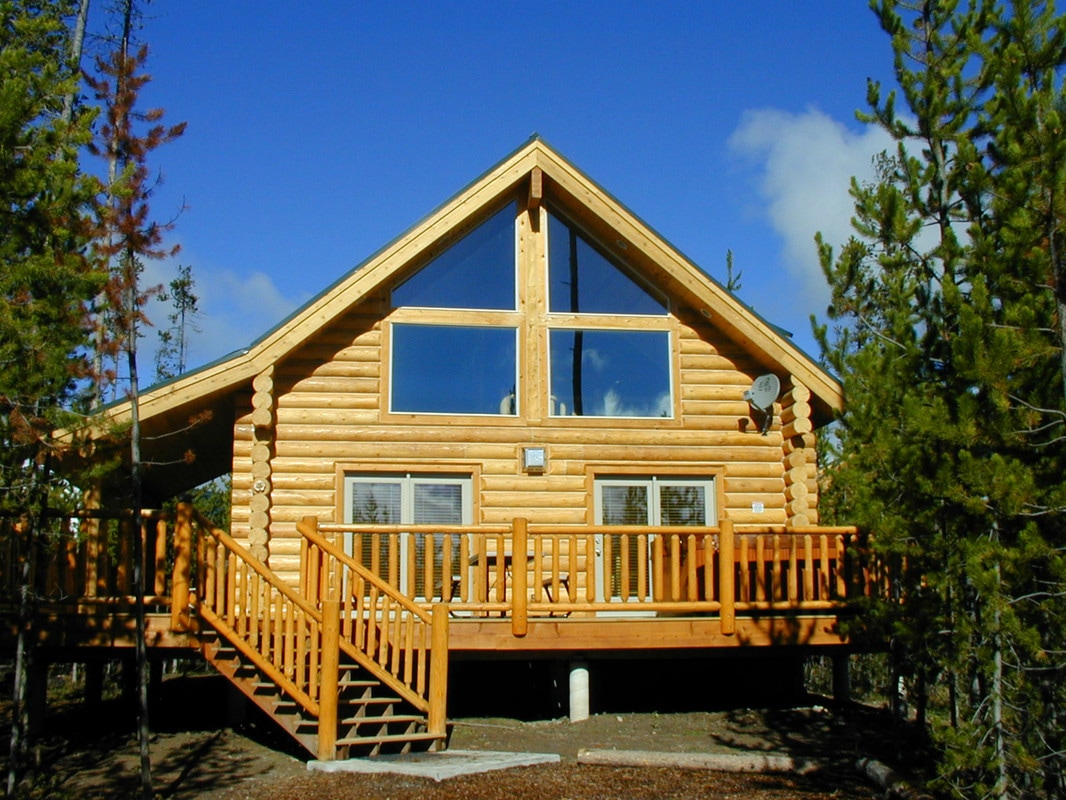
Yeah. You’re, you’re, it’s a log home. So you have two bedrooms in the back of the, of the home, a full bath with like a washer and dryer, full kitchen, and then kind of a living room dining nook along the front of it. And then you have a three-quarter loft. So half the, a a third of the loft is kind of open, you know, that, that vaulted ceiling, you know, two stories, high, beautiful windows, see the pine trees sway in gas fireplace. And then in the loft, we have two versions of the loft. So we have a, a kind of open loft where there’s a, a second bathroom and then two queen beds. But it’s kind of, you know, by distance it’s private to below, but it’s not walled in.
Corby (29m 22s):
And then as we were designing ’em, we were like, what if we walled that in and made like a master suite up there? And then sure enough, we did, my brother kind of designed that layout. So we have a, about half of ’em are the open loft, and then we have a private loft. So we call it a three bedroom, ’cause it creates kind of a third bedroom. So every unit has four beds of that style. And then you either have the open loft or the private loft. So easily two families can be in these cabins comfortably. Oh wow. We’ve done like corporate events where they’ll put, you know, these three or two or three or four people because, you know, everybody’s got their own bed together type stuff.
Corby (30m 3s):
So, so again, it’s a little different than hotel rooms, but that, you know, we didn’t build hotels. That’s why every cabin has a private hot tub out front, barbecue grills. So you have, you know, again, you have pretty much everything you need to enjoy. Wireless, internet, you know, satellite tv. If there’s a special game that’s coming on that, you know, everybody needs to see, or my wife makes me do when we’re on vacation there, you know, like we sometimes we’ll stay in the cabins, you know, on the off season. Right. And just take a Sure. Take our own little time and take
Dave (30m 37s):
Your own stay vacation. Right.
Corby (30m 38s):
She unplugs that little wireless thing. It’s crazy. Huh.
Dave (30m 43s):
So basically, let’s just say we were coming there, we had say six to 10, you know, clients that were coming in to fish. And then we had, you know, there was the guides that are coming there and maybe me and a couple other people. So, you know, we might have say 11 to 15 people. How would that be split up? How would you recommend that we, you know, to make that as comfortable for the clients that you typically would you, how would you think that might look?
Corby (31m 5s):
Yeah, so if you need real privacy, so we have five one bedroom cabins. Oh, okay. They have two queen beds. They have a kitchenette versus a full kitchen. So as we were building the larger cabins, we basically replaced, we had a bunch of cabins that were just sitting on dirt. And, and we basically have replaced half of those with a, you know, a foundational, you know, unit that can be here for hundreds of years basically. So, so we have a basically one bed, full bath, little loft area, and then again, a sitting area, private hot tub fireplace. So again, it’s about 600 square feet. So depending on when you’re coming and what you need, we’re gonna do.
Corby (31m 48s):
Okay. These guys kind of need their own space. Great. You know, me and the guides, we can just be in one room ’cause we know each other or we’re comfortable in that space. So, so you’re gonna, you know, you’re gonna profile your guests in a positive way, right? Yeah,
Dave (32m 0s):
Exactly. We’ll talk to them. That’s
Corby (32m 2s):
A catch phrase, isn’t it? Oh yeah,
Dave (32m 4s):
No, that’s what we’ll do. Yeah, we will definitely, I think we’ll see who’s coming and who needs single occupancy versus double occupant and then we’ll make it work. So I, so that’s great. So, I mean, this seems like, I mean, definitely this is luxury stuff. People can have, you know, different levels and then we’re gonna have the food, because at the lodge you guys actually have, like, this is all full on, or would we be coming in for dinners in the actual, the old historic lodge to eat dinner there? Yeah, I
Corby (32m 26s):
Hope so. Yeah. Nice. That’s,
Dave (32m 27s):
That’s
Corby (32m 28s):
My
2 (32m 28s):
Plan. I have a few drinks. Right. Kill the, kill the day the
Dave (32m 34s):
Right way. That’s right. No, this is what, this is what we’ve been, you know, we’re just putting together now, you know. But this is, you know, the week that we’re doing now, this Stillwater week is really cool because we have Phil Roy who’s our guide. He’s one of our guides who’s gonna be really teaching, and then we’ve got some of some other folks that are gonna be there helping out. But yeah, this is what it’s all about because we’ve been doing these trips around the country and it’s critical. You know, we find that even when the fishing isn’t, you know, it’s fishing right. Isn’t the best. Yeah. Having that really experience that you’re talking about with the great food is something that really makes the trip like over the top, even when the fishing’s not good. Do you feel like, you know, that’s something that, you know, like separates you from kind of some of the other places out there? Or, or what do you think is the one thing that really separates you guys?
Corby (33m 17s):
I would say it’s that we stayed true to what the intent, you know, the original owner, Harry Phillips, he grand, you know, he did those, that subdivision talking with his grandson, who still has some property next to us. You know, he’ll, he’ll say things like, this was grandpa’s vision. Right. And, and he in turn is, is quite old now, right? So we’re talking a, you know, a, a generation that’s passing. And I think when you do that, when you don’t go greed, but you go for quality, it, it reciprocates itself. It’s pretty dang hard to go there, go there and not have, you know, a top 10 experience.
Corby (33m 58s):
And it’s not because it’s a Ritz Carlton, right? No, I mean, look, dude, there’s 400 locals, right? Like yeah. Keeping a good chef around, you know, keeping, you know, things tidy, you know, I mean, like, when things break, like I know how to fix a lot of things. I’m not mechanically inclined, you know, so it’s, it’s that kind of, I think we just, my dad and mom were pretty inspired, I believe, quite honestly. And, and they kept it true to what the intent was. And in that I think that it just fits, you know, things just fit, you know, and, and being a little vulnerable, right? We got some, we got some derelict cabins that we just need to, to get into and, and people, ’cause they can’t see the actual cabins, right?
Corby (34m 43s):
These are the ones that are left over from a hundred years ago. And some of them we just got stuff stored in and we got a metal Roof on it, but it’s leaning a little bit, but it’s like, hey, you know, like it works, right? That’s cool. And so, and so sometimes, you know, we’ve had guests like play tricks on their friends or whatever, you know, like, like it’s, but oh yeah,
Dave (35m 1s):
Like, here’s your cabin. Like, yeah,
Corby (35m 2s):
Here you go. They’re just like, what? You know, like, whatcha doing to me. But I think the, you know, again, once you, you know, smell the dirt, you know, like that base level of, you know, the crushed pine needles and you know, it just, one of those mountain thunderstorms just rolled through and everything’s just like a potpourri basically, right? You’re just like, you’re getting everything in you and, and you know, the dude’s dripping off of a pine needle and the sun’s catching it just right. And you just know that that moment is eternal, like that moment never leaves your person. And so, yeah, like, I expect you guys to catch some great fish and have a great success.
Corby (35m 47s):
And I think that there’s a few people out there that only go for the fishing, but most people that go explore the Henry’s Fork Explorer, you know, island Park Reservoir, Henry’s Lake GaN lake, right up, up to just north of us, they’re there for a lot more reasons. Yeah. And I believe it’s a, I believe it’s just a sacred place, you know, with Yellowstone and, and the whole geological thing. I just think it’s a, it’s a really special place and I have my own experiences to believe that, you know, it’s, it’s not a, if you guys come up there, you’re gonna have another place where you’re like, wow, 20 years from now, you’ll be like, remember that trip?
Corby (36m 27s):
Yeah. To the wines man. Like we, you know, hopefully it’s not 20 years later that you’re finally coming back, but, but you, you get the idea of it, right? Yeah.
Dave (36m 36s):
Yeah. No, I think the plan is to do this annually, especially, you know, when we get up there and, and we’re gonna be talking about all week here because we have, this is our Stillwater week. So like I said, we’re gonna have Phil come on, I think we’re gonna do a conservation episode with one of the groups in that area. I think it’s gonna be the Henry’s Lake Foundation. Yeah, yeah. Who’s gonna talk about some of the cool stuff they’re doing. So I, we’ve been doing this program up there and it’s been really awesome because, you know, I’ve been there a number of times just in the Yellowstone area and Yeah, I mean it’s obviously, you know, it’s one of the, you know, most unique places in the world. Yeah.
Corby (37m 6s):
I come across some, one of my other jobs is skiing. I’m a, I’m a Oh cool. Decorated ski instructor and, and lifelong, you know, advocate. And I’ll talk to people and they’re like, whoa, whoa, wait, you have multiple cabins, like not just a cabin, you have multiple cabins near the Henry’s Fork, what, like, let’s go. Right? Yeah. So the the two sports follow each other pretty iconically. Yeah. You know, but like I said, from my perspective, it’s, it’s really bigger than that. But that’s why the Henry’s Fork is so renowned. Yeah. The fishing’s incredible. I mean it really is, no matter where you go there, it’s also just that it’s this place that, the way it’s laid out.
Corby (37m 47s):
Right. For better or worse, when they decided to make a town that was 25 miles long and a thousand feet wide Yeah. Just to have some bars Right. And get drunk, like whether that was inspired or not, right. Yeah. Depending on where you wanna go with it.
Dave (38m 2s):
And your bar was one of the, yeah, I mean was was yours one of the, out of the seven original ones or whatever it was, how many are still there?
Corby (38m 9s):
Yeah, so, so currently there’s Trout Hunter Lodge, which is down to the south. Beautiful. Great people, right? Yep. World renowned guiding crew there. Across the street from them is where Henry’s, Fork anglers, also Lawson and, and renowned pioneers of the area. They own two bars. They actually own the bar next to them, which is the a bar, which is closed currently. Hasn’t been open for years, but they have two of the licenses as far as I know. Then there’s the Ponds Lodge, which is just down the road from us, our lodge. And then Max in, I believe, had something, but Max in itself burned down.
Corby (38m 50s):
Oh, wow. So currently they built a, a Marriott there, you know, Envoy Marriott, one of their brands, they have a bar, but I don’t believe they have one of the licenses. They have like more of just, you know, they don’t have the liquor license part of it. And then there’s two private clubs. The North Fork, I believe has one of those Sportsman’s deals. And then going up into the north by Henry’s lake, there was Sunset Village, which was one of them. And that, that building, when we bought the lodge, that building was kind of on the way down. And I believe that’s one of the licenses somebody else’s has taken. But, but you know, like I said, there’s, there’s not five more.
Corby (39m 34s):
No. You know, ever. So I think, you know, and, and just Lodges, you know, like our lodge, luckily, quite frankly, it was built, it’s like on two different foundation, kinda like, you kinda, you know, it was built in like stages. So you have like, you know, you have some, you know, some character there. Oh yeah. But it was built on a foundation, so it’s at least a few feet out of the ground level and the logs are, you know, maintaining themselves. But it’s a full log, a d log, you know, building and, and it’s just, I lived up upstairs in the lodge for 10 years of my life before I got married and whatnot. And, and you know, to say that the spirits are lively, there is, is an understatement, bro.
Corby (40m 15s):
Oh, really? Like, has that place has its, it has its history and, and not like haunted or anything, but just like if we have a band play, there’s way more people like there than what you see, right? Like, there’s an energy that just like instantly lights up. Because in the fall they used to have the big harvest, you know, balls. We have a few pictures. As you walk through the lodge, you’ll see ’em of, of, you know, back in the day when they had the, you know, the big, they’d do a pit barbecue and, and just, you know, have the whole town basically come out. And so I think that’s, you know, what you’re trying to carry on, right? You’re trying to make a living, you’re trying to be, you know, good with the land, good stewards, but you’re also making sure that, that somebody, you know, like my daughters or five and three, that they bring their children there.
Corby (41m 7s):
’cause there was some reason to go there.
Dave (41m 10s):
Right. You’re keeping the going. Yeah.
Corby (41m 12s):
And I think that’s pretty powerful. So it’s been fun.
Dave (41m 15s):
Yeah. Love the history. So, well, let’s just take it, I mean, I think we’re, like I said, we’re planning on coming there. I think it might even be after 4th of July, maybe. Let’s just say it’s the next weekend. So if we were coming in on say a, a Thursday night, so we roll up, let’s just kind of talk about that a little bit. We roll in, do we roll up to the Phillips, the main lodge first? Is that the first stop? Or, or, or you said there’s check-in without even doing that.
Corby (41m 36s):
Yeah, you’re, you’re gonna check in there again, you know, depending on the time. So typically we, we keep, you know, office hours till about six ish, you know, five or six. We try to just communicate to every party. ’cause like I said, some parties aren’t getting there till, you know, midnight. And, and that’s okay too, right? Yeah. So let’s say you guys arrive about four o’clock, right? You’re gonna come in the office, we’re gonna kind of, you know, welcome you, make sure everything’s good, make sure we know where parties are going, how to park, how to, you know, make sure you know how to take care of your garbage. Because we are in bear, you know, world grizzly countries, so we have bear proof containers. You can’t just leave it on the porch. Right? You got it in the cabin or in the, you know, in the bear proof containers kind of thing.
Corby (42m 19s):
Yeah.
Dave (42m 19s):
What are the bear proof? Are these these metal big containers that are out there? The garbage can things? Yeah,
Corby (42m 23s):
They’re, they’re like the big dumpster, but instead of the, the easy flip plastics, they have like a huge still lid on ’em. And then they have, they have like the handles that the bear can’t, you know, can’t manipulate. He can still move that sucker around like you every once in a while, you know? ’cause they just smell it. So they’re like, oh yeah, that smells good. And, and they give it a couple pushes and they’ll like, it’ll be kitty wampus, right? Yeah. And you’re like, oh, and you see these, you know, these big paw marks. And then, and then the claws like three inches further. You’ll see like the little pokes where the claw was actually, you know, touching the dusty side of the garbage can, you know. And you’re like, oh, so he’s big, you know? Right. Wow. But yeah, so they, they wander in, they push around a little bit and then they wander, you know, to the next, next food source or next smell they have in their, you know, in their nostrils basically.
Corby (43m 11s):
But basically, we’ll, we’ll give you the 4 1 1 of, Hey, this is, you know what you do, this is what you need. And in your group’s case where we’re gonna be fairly, you know, hosting on a really larger level, we’re gonna, you know, go over times and, and a little bit with you. We probably already talked about it. So we won’t, won’t do too much of that. We’ll get everybody up to the cabin, walk you through how everything works. The reality is, is in July you still might need to use the fireplace. Hmm. Cool. ’cause it can get cold at, you know, at night, the cabins, you know, they’re insulated log unit. Basically how the, how the log cabin works is as you heat up the log, it radiates the heat bag. So they’re super efficient. That’s why they used them for so long.
Corby (43m 52s):
And they, you know, they, they kept people relatively comfortable and alive for so long. And so vice verse in the summertime, you wanna keep it cold. So, you know, it comes with the warning of it’s better just to let your cabin get really cold, because Yeah, when it’s 85 in the mountains, it feels like it’s, you know, a hundred sometimes. So, so we go over that. Here’s your hot tub, right? Here’s how it works, here’s where you’re gonna find stuff. And then basically, you know, you guys just chill.
Dave (44m 22s):
Yeah. And we chill. And then is there a, is there a, a typical, like a dinnertime bell, so people come in and eat dinner or, or you just, is it more of like restaurant whenever you wanna come in?
Corby (44m 30s):
We’re a restaurant, so we’re open to the public as well. Typically, we do have large, large groups. We can host about 50, comfortable, 50 to 60 people in, in the lodge. So we do have groups that’ll rent, behold, you know, lodge out for an evening. But that’s on occasion, that’s not on a normal stuff. So, yeah. So hey guys, we’re, we got a reservation for seven 30. It’s, you know, four 30 right now. Corby, where’s a couple places we can see? Well dude, you should just go up to Big Springs and you can see the spawning area of, you know, the most beautiful, iconic spring in, in North America, quite frankly. Is
Dave (45m 7s):
That what the little cabin, the little guy that, yeah.
Corby (45m 9s):
Johnny Sack cabin, right? Yeah. And there’s a cool story about that too. There’s a, there’s a rumor out there that Estelle Phillips and Johnny Sack were better than friends. Oh,
Dave (45m 20s):
Really?
Corby (45m 21s):
Yeah. So there
Dave (45m 22s):
You go. This is perfect. I got, I
Corby (45m 24s):
Got that from a, from a hardcore local. So
Dave (45m 27s):
Are there any small cabins on the Phillips on your ranch there? Any of those tiny cabins? Or did, did Johnny have any, he wasn’t helping build any of the cabins at your place.
Corby (45m 35s):
No, no. His cabin’s so amazing. So definitely like, if you can, you know, ’cause I, I mean, I’m not a great fisherman, but I know like there’s a certain time where you’re like, yeah, it’s just not worth being out here. Right? Yeah. So whenever that time is right. Yeah. You could go in, in the summertime, so kind of between Memorial Day and Labor Day, you can actually tour the cabin. But he, he did like his own veneer little strips, you know. I mean he was, he was like a four foot nine German. Yeah. You know, homesteader. And he really did some special stuff with that little cabin. He had a a, a water wheel that gave him pumped water up to the cabin, gave him, I think, rudimentary electricity for the time and stuff.
Corby (46m 19s):
So it’s a pretty amazing little spot. And, and you just look around like, dude, somebody actually lived here. Like, this is silly, right? Like, this is so pristine. But yeah, so, so hey, go up to Big Springs, you know, you’re not gonna go fishing right now. We’ll see you, you know, in an hour for dinner kind of thing. You also have Herriman State Park in Mesa Falls to the south, which again, Herman’s connected to, to the ranch section of, of the Henry’s Fork. And then Mesa Falls is the largest unaltered or, you know, molested waterfall in the Snake River system. And so it’s about a hundred feet high, a little over a hundred feet high and about 150 Wow.
Corby (47m 0s):
Wide. So it’s a hu huge absolute must go see and cool story about that section. So there’s two falls. There’s upper falls and lower falls, and they’re both too big for fish to go up. Right. Fish can actually go over the falls and, and survive. Apparently, I, I don’t know like how many would survive, right? Right. But my brother and I were, were hiking the, the lo ’cause there’s some fishermen access and you can get down in between them. And so we follow a fishermen down there as we’re exploring the area. And it was one of our first summers up there, you know, owning the lodge. And this osprey comes down and takes a fish and, you know, goes, and as I learned the, the geology, I’m like, so that fish, like for at least a couple thousand years, right.
Corby (47m 48s):
We don’t know exactly when the earthquake happened that shifted these two waterfalls, but it’s, it’s, you know, it’s been a while, right? Like there’s Yeah. They’re not new waterfalls. And it’s like, so that fish and his buddies have been like, just in this section for how many thousands of years. Right. And, and I think, you know, again, to me, that’s why I go fish, right? That’s why I get out in nature is because I, I look and I, and I realize how small we are, but then how big we are at the same time. Right,
Dave (48m 16s):
Exactly.
Corby (48m 17s):
So like, our footprint is an eternal footprint in my opinion. And, and watching that, you know, Osprey come down, take that fish and you know, he just goes up in a la tree and starts, you know, having lunch and I’m like, dude, that is really cool, man. Amazing.
Dave (48m 32s):
Yeah. This is gonna be great. Yeah. I’m, I’m excited to get out there because I think yeah, you, you offer, you know, that cool, you know what I mean? It’s like that luxury. But at the same time, it’s kind of a rustic too, a little bit, right? I mean, the cabins, but I mean, I love a good wood stove, right. So this is gonna be really awesome. And, and we’re, like we said, we’re gonna come in, it’s probably gonna be maybe four nights there. Yeah. So we’ll probably be, you know, fishing all day. We’ll come back, we’ll probably have a session where we do our school, you know, our fly fishing school at one of the, you know, one of the cabins, one of the bigger cabins. And then we’ll go out and fish and come back and have food and just enjoy everything. So this is all great. I’m glad you painted this picture. So you mentioned a few things. If we were coming up there, what else would you be hitting as far as tourists?
Dave (49m 14s):
I mean, I guess you’ve already talked about a few of them, but anything else we’d wanna make sure to hit if we go to that area other than obviously Yellowstone Park.
Corby (49m 21s):
Park? Yeah. Yeah. I mean, I think, again, you got Grand Teton National Park. Oh
Dave (49m 27s):
Yeah. How far is that away?
Corby (49m 28s):
So you’re, you’re about an hour and a half. It’s 90 miles to Okay. Jackson Hole, like city center. And so yeah, I mean, you could spend four days not fishing at all and not get bored and not see the same place. Right. Yeah.
Dave (49m 42s):
Maybe we shouldn’t go there. That’s the thing that we’ve only got four, actually three days of fishing, four nights. Maybe we should just focus on like the, you know, we’re gonna be fishing, enjoying the lodge. Right. Hanging out when we get there.
Corby (49m 52s):
Yeah. I think the nice thing though about Island Park is while like maybe you do take a day, like a half day and you go in and see Old Faithful,
Dave (50m 1s):
Right?
Corby (50m 2s):
I wouldn’t not do that. There’s an app now that you can actually time when geysers are going off. So you can see like not just old faithful, ’cause it’s going off every roughly 70 to, you know, 80 minutes, right? It’s, it’s kind of on an hour and a half schedule, give or take. But you might be able to see, like one time we timed it just, you know, the stars align, seven different guys are, you know, events in one like three hour period. Like, it was just silly. Right. And, and we have, again, two very young children that don’t like to hang out a lot. And, and we did that with, with two kids in tow, right? So the last time we were, we were up there just a, a week ago, you know, we saw two, so that was pretty depressing for us.
Corby (50m 48s):
But anybody else is like, oh my gosh, like this is so amazing. Right? So, so we’re kind of spoiled at this point, but, so I wouldn’t be, I I would definitely look at your schedule and say, yeah, we’re gonna do an excursion into old fateful and see the lodge and see that area. It’s about an hour and a half drive barring any buffalo traffic jams or, you know, just the congestion of, of summer. Right. That can happen.
Dave (51m 10s):
That’s right. What are the tips on the summer if, if, because people will be going there, you know, listening now probably throughout the year and when it’s really busy. What’s the tip on getting into the park? Do you just get there real early?
Corby (51m 21s):
Get in crazy early? Yeah, just like fishing, right? Like, you gotta get, you know, and the, and the animals don’t like the heat, right? They’re in big fur coats walking around. So if you wanna see stuff, you time it, you know, I really, I’m a huge fan of spring and fall for, for the animal seeing, right? And so I, I preach that as people talk to me and I’m like, you know, just do two trips, do your fishing trip, right? Your, your summer trip, right? That’s right. And then, you know, do a Mother’s Day trip, do an early spring trip, the park’s empty, you get the place to yourself, you know, do a later fall trip, hear the elk bugling, right? Like that’s where we’re, we’re going into the rutt and the Elk bugling and stuff.
Dave (52m 1s):
God, that’d be cool. So the park’s empty. So that’s one of the things when you’re out there, I mean, if you’re camping, obviously with snow stuff, but that’s the cool thing about your place is that it could be nasty out there. You
Corby (52m 11s):
Just, yeah. You know, you’re in your car and then, you know, you put your umbrella out or you’ve got your, you know, hoodie or whatever. And I mean, again, like with, with your guests, right? Like you’re silly if you don’t pack a raincoat and a sweatshirt even in July. Yeah, absolutely. Right? Because we can have, you know, we can have snow pretty much any of the 12 months of the year, right? Right. Now what will it likely be? It’ll likely be in the eighties and very comfortable, but as soon as the sun goes down, you lose 20 degrees. Another, you know, hour or two, you know, by midnight, you’re typically in the, in the mid forties to low fifties is kind of your average temperature, you know, in the summertime. So it’s nice, you know, you jump in that hot tub, you, you know, you just relax the bones, right?
Corby (52m 55s):
You’re, you’re sipping your, your favorite cocktail or you know, your rum and coke or whatever it is. Right? And, you know, for me it’s, it’s just a Sprite, you know, I’m pretty simple. It’s okay, right? Yeah. You can still make a mean drink if you need it, you know, no big deal. But that’s the neat thing though about Island Park is you’re, you’re away from the congestion, but you’re really easily accessed into it. Right. Even, like I said to Jackson Hole, it’s an hour and a half drive. You can be in the heart of Jackson Hole, go to the, you know, cowboy, you know, million dollar cowboy bar, wherever you want it to go, your whole life. In Island Park itself, like I said, you’ve got big springs, you’ve got Herman State Park, and again, a bunch of really like little places you can go up to the Warm Springs where the, the spring just comes out of the side of the mountain.
Corby (53m 45s):
Basically, the Corps of Engineers tried to tap it, so it’s like coming out of a big, you know, conduit now. Oh really? And you know, but, but again, it’s where it came out. They just were trying to like, you know, figure out a way to make it power and, and never did like, like we do. Right. And so that history is all there. And so if you get a dry spot, you’re like, well, there’s only like a million things we could go see that aren’t, you know, that aren’t fishing. So I think that’s the, the beauty of the place is you’ll be able to do a lot within five, 10 minute drive. You can see some pretty iconic things just in Island Park. And so as we have guests that come back, they’re like, well, what else is there?
Corby (54m 25s):
I’m like, oh my gosh. Like, you know, you’ll never get bored. There’s, I mean, even in the wintertime there’s almost 500 miles of snowmobile trails that are grew.
Dave (54m 33s):
Oh, right. Yeah. So in the wintertime, you still, people are staying at your lodge throughout the winter too, throughout the whole year? Yeah, we’re
Corby (54m 38s):
Open year round. The snowmobiling starts up about mid-December and, and typically goes through mid-March. You know, our, our busy time is when the parks open, Yellowstone still draw, so
Dave (54m 50s):
Yeah. Yeah. So July is a busy, busy time for you guys.
Corby (54m 53s):
And, and then, and years ago they opened up most of the river section and the lakes to year-round fishing. So there is a lot more now the, the winter up there is big, like you have big snow, so, you know, get into water is, is, is definitely, you know, a task and whatnot. So what,
Dave (55m 13s):
What is the closest resort, the one that you’re skiing? So
Corby (55m 15s):
Targe is the closest right? Grand Targe. They’re just on the other side of the Idaho border, but on the Idaho side of the Tetons. And then you’re about another half hour to get to Jackson. And about the same if you went up to Big Sky and then Yellowstone Clubs, right, right next to Big Sky and Moonlight Basin. That’s kind of a big sky, you know, an appendage on the, on the north side there. So those are the three big ones. Cool fact though, Al GaN, who is the, you know, iconic alta, you know, guru, he established Alta basically he did lay out a, a little ski area called Bear Gulch, and it’s, it’s right at the bottom of the upper and lower Mesa Falls is that as the river, you know, the Henry’s Fork drops basically down to the Ashton Plateau.
Corby (56m 8s):
Right. And through Ashton and St. Anthony, the more of the south Fork, you know, as you’re going down, there’s, there’s this little gulch, right. And they put a, you, you stopped, so you got off the train and you walked over basically, and you skied from the top of it down. So the, the wow, the bottom of the lift brought you back up basically out of the gulch. So there, there is, it’s, it’s defunct. It was only, I think it only ran for a few years, but in the fifties there was another little, you know, ski resort right there. So, and then there’s a, an platitude of, you know, backcountry opportunities. So
Dave (56m 44s):
Yeah, yeah, lot of stuff. And we’ve talked about a little bit of that, you know, over the last few months on all the opportunities out there. So this is great. Nice Corby. Well, I think we’ve given a, a little insight on what you offer. Anything else you want to, you know, give a shed light on, on anything we missed today that just paints the picture of what you have going there or the area?
Corby (57m 2s):
No, I just, we appreciate the conversation. It’s hard to, until you’re there, it’s hard to put it in pictures, you know, but I always say this lion is from a funny farm with Chevy Chase, right? Oh, nice. Tell the house and he is like, cue the deer, right? And the deer go running out, right? Right. And it’s like, like all over the place. Like cue just anything you think about the great Outdoors, right? Anything that you’re your inner child, you know, or you’re, you know, you’re adult, I’m in this cubicle and I just gotta get free or you know, or if you just like, I mean, again, you know, mountain people, like people that live in the mountains, you go there and you’re like, dang, this is something, you know, unique and, and, and so, so we appreciate the, that your guests and, and, and you know, your followers are, are gonna be looking us up and, and have another place in that area and another reason to, to maybe, you know, make that journey.
Corby (58m 2s):
I just, you know, nobody comes and says, oh man, you know, should have, you know, should, should have done something else. No,
Dave (58m 9s):
Nobody’s disappointed to, to come there. Right? Yeah.
Corby (58m 11s):
I think that’s what really is neat about it is, and, and you know, again, it’s, as I talk to you, I rekindle the things that I take for granted a little bit, right? Yeah. And, and this is sweet being that steward. But yeah, you know, I think we’ve covered the, the idea and if, if this doesn’t get somebody out there going, oh man, I need to make that reservation, then I dunno what will
Dave (58m 34s):
We’re, we’re we’re fired off. We’ll, we’ll send everybody out to, like we said, start pines island park.com and they can take a deeper dive into it and they have questions they can reach out to you and, but this is great Corey. I’m, I’m excited for the trip. It’s gonna be right around the corner for us and we’ll be great to meet you in person and, and see you there, you know, and, and just stay in touch and thanks again for all the time today.
Corby (58m 56s):
Absolute pleasure.
Dave (58m 58s):
That’s a wrap on travel part of the Wet Fly Swing podcast and Swing Outdoors. This podcast was supported by Eastern Idaho’s Yellowstone Teton territory. You can support this podcast and Eastern Idaho by heading over to wetly Swing dot com slash Teton right now. And you could let any of the brands know that you found them through this podcast and click in there and check out all the great brands. We’ve had a number of ’em on this podcast and, and we would love you to find out all the good stuff they have going. You can also check in with me anytime Dave at wetly Swing dot com if you have any questions or feedback or have an idea of where we should be traveling to next. And one big reminder before we get outta here, the Still Water School is going right now. if you go to wetly Swing dot com slash Stillwater School, you can find out if we have any slots available for the big trip out to this part of Eastern Idaho.
Dave (59m 46s):
Phil Roy is gonna be our guru. He’s gonna be breaking out the Stillwater Magic. And if you wanted to up your game this year, this is your best chance right now. You can check in there or send me an email, like I said, Dave at wetly Swing dot com. And as we roll outta here, I just want to thank you for taking the time today to check out the Travel podcast. And I appreciate you for your support and all the listens here. And I hope you have a chance to experience that road less travel.
We hope you enjoyed our episode with Corby. His stories and knowledge have provided us with a fascinating glimpse into the rich history of their lodge, the cozy cabins that offer a home away from home, and the must-see attractions that make their area truly remarkable.