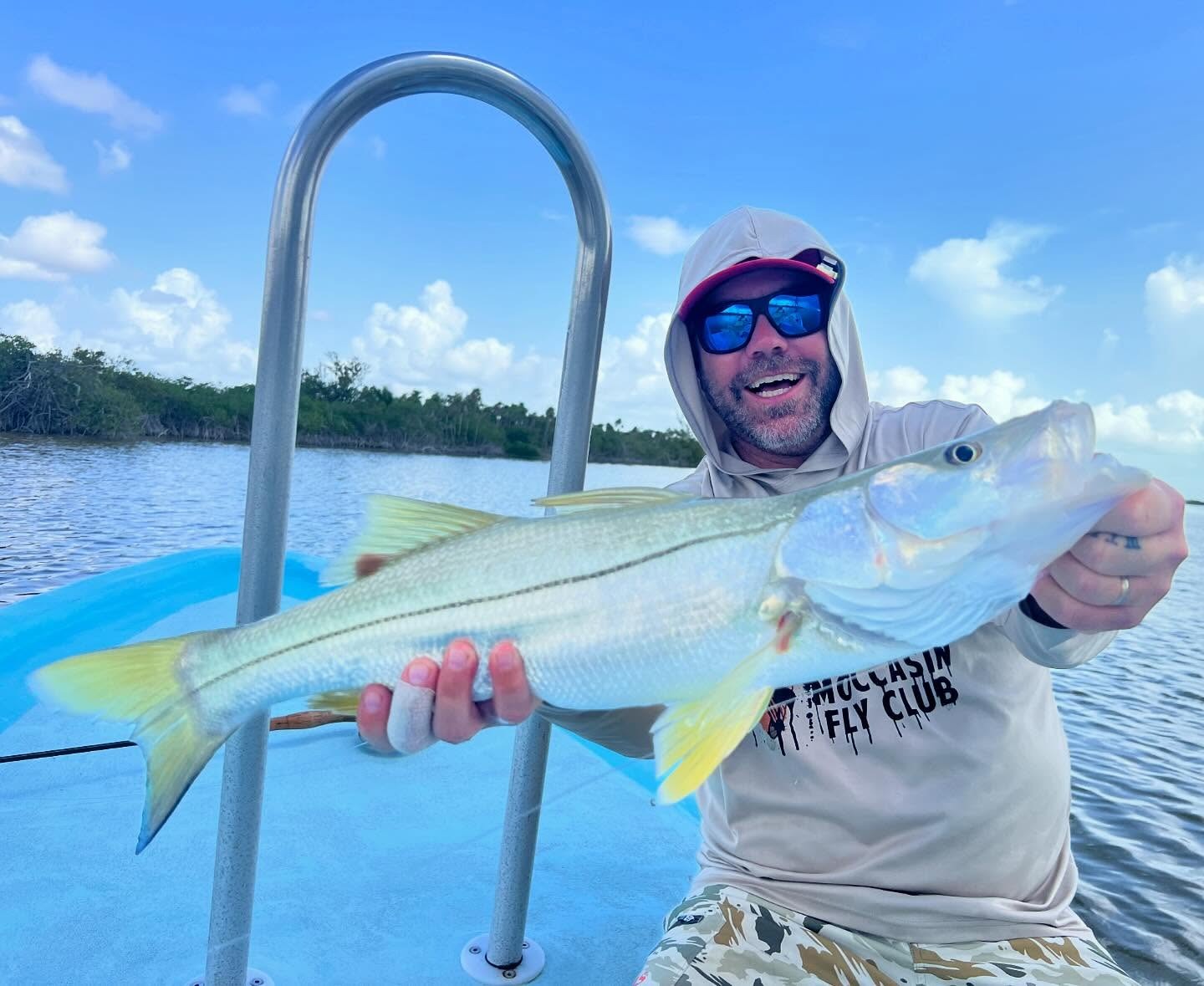
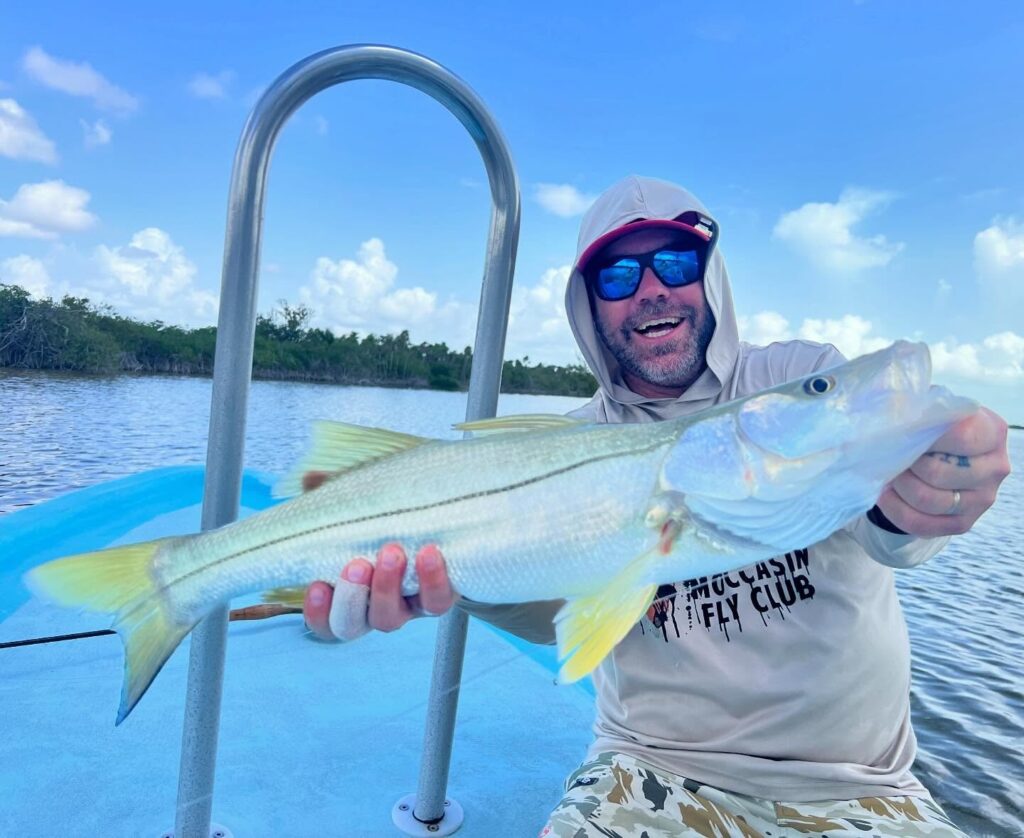
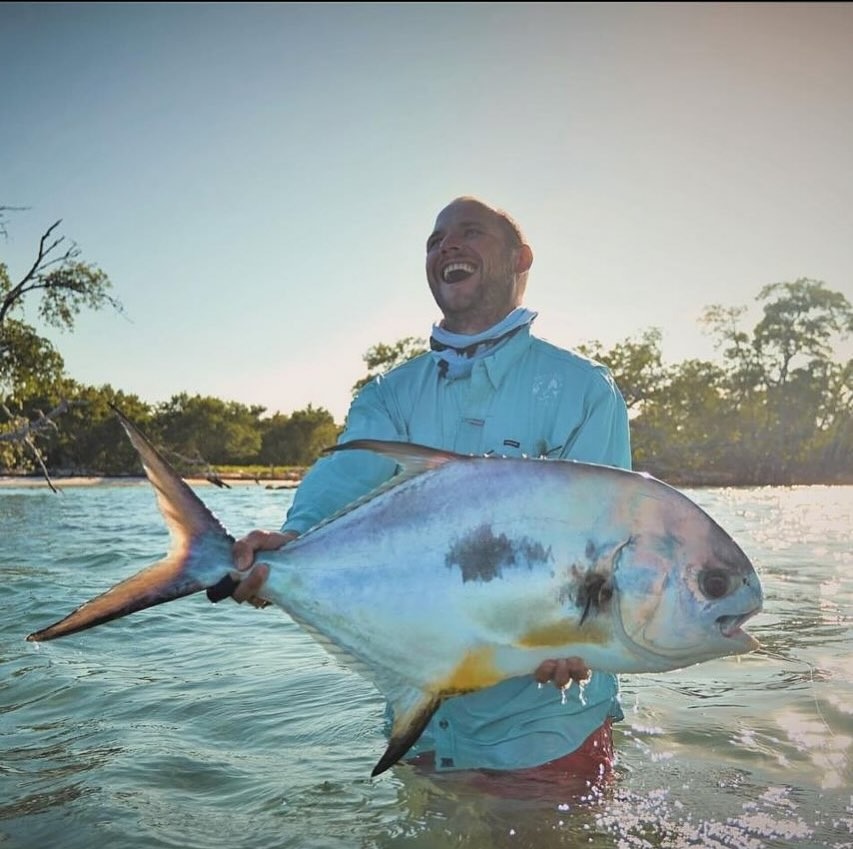
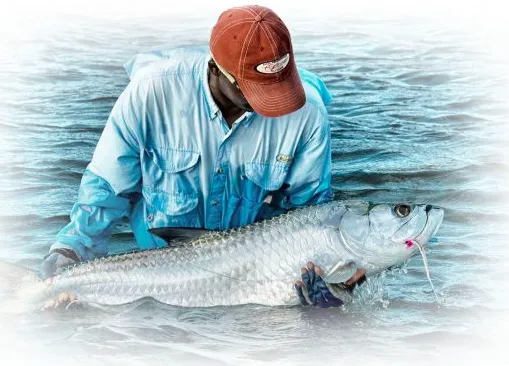
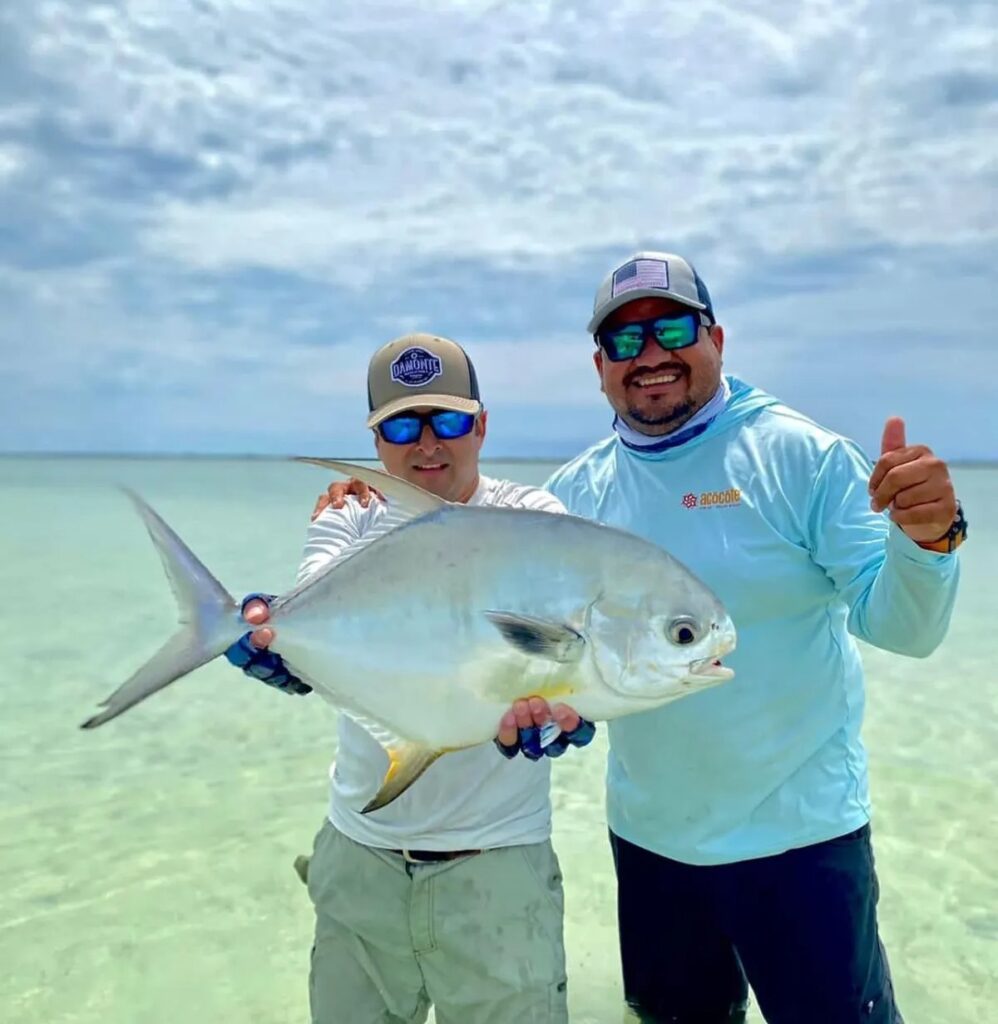
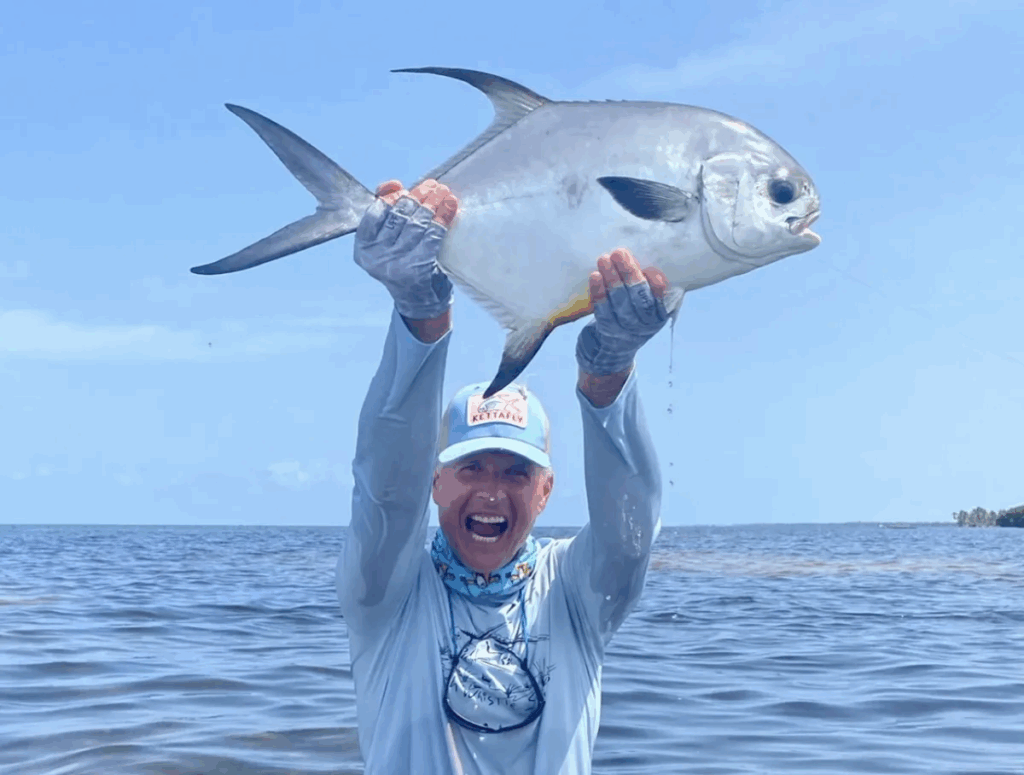
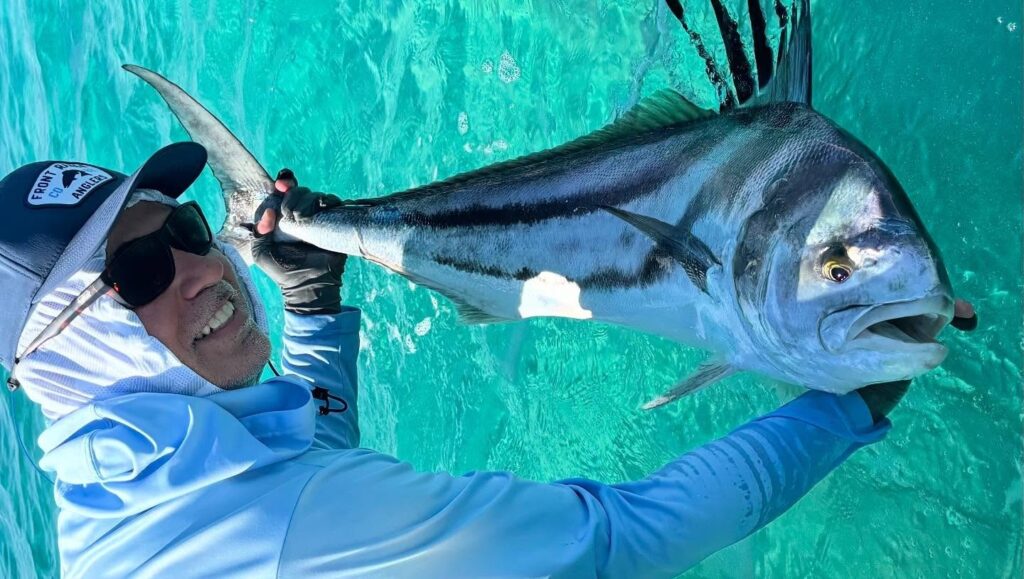
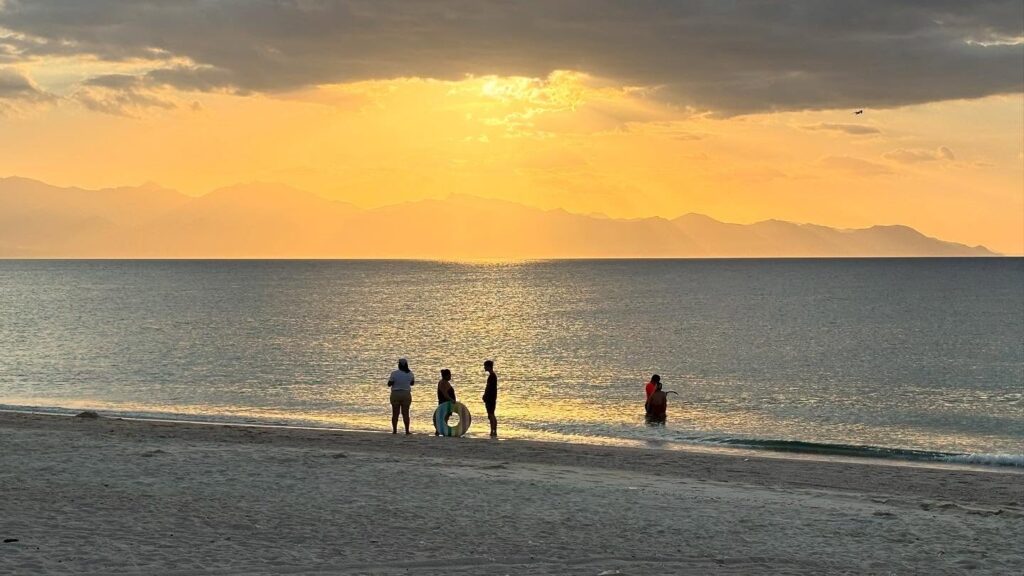
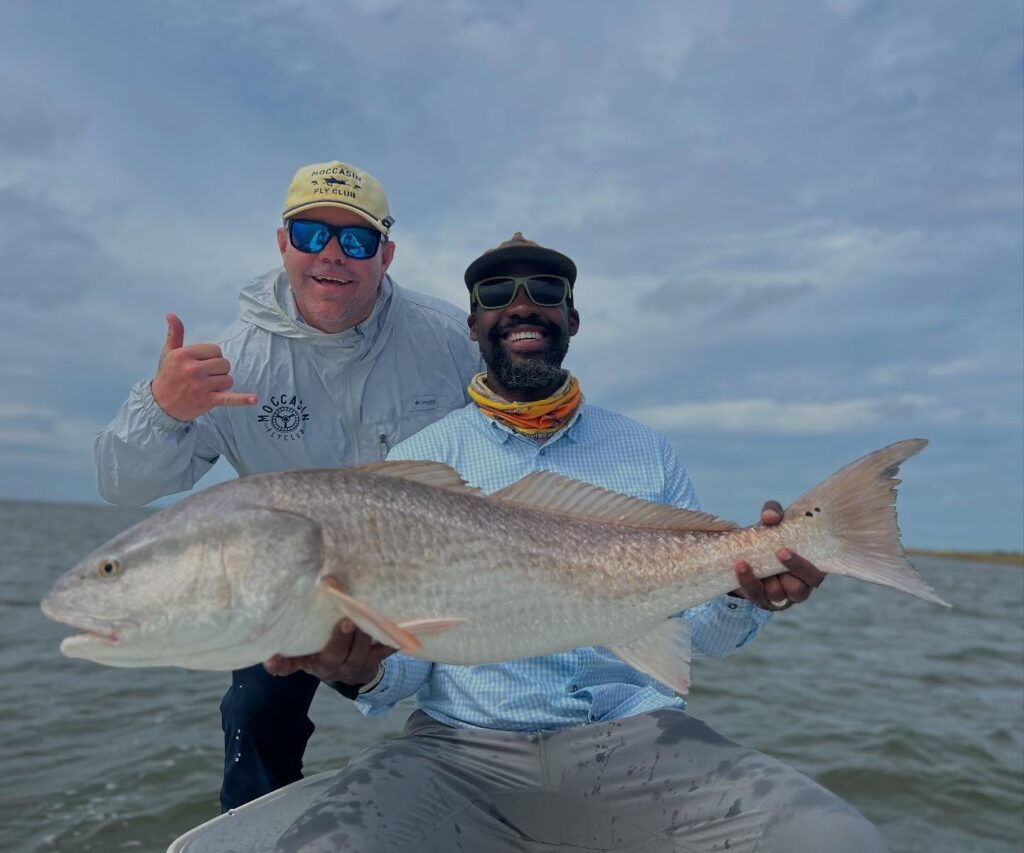
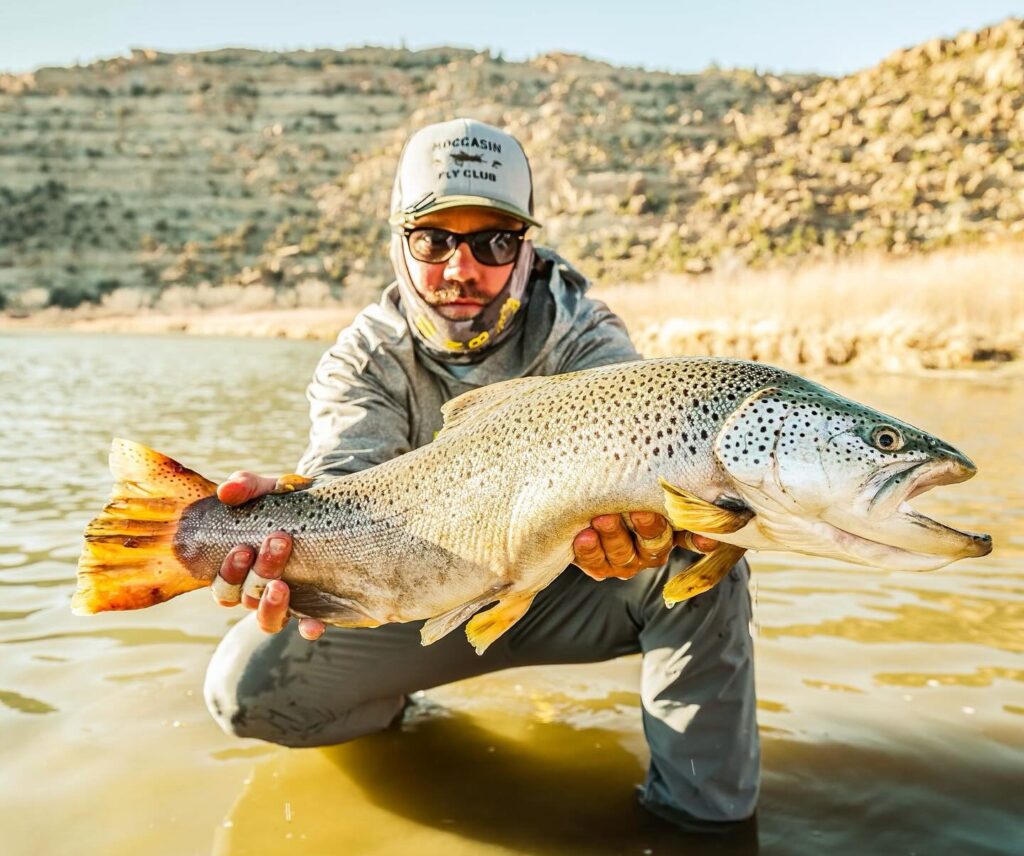
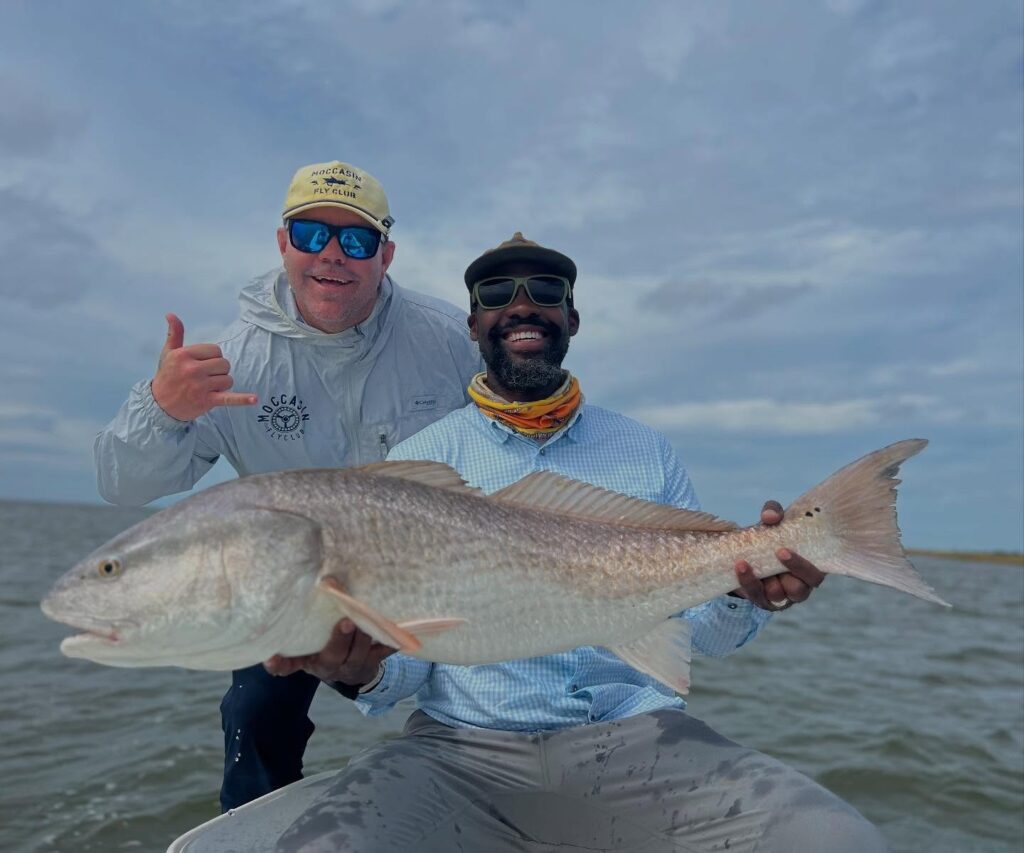
John Hunt of Moccasin Fly Club is back, and this time he’ll walk us through two upcoming saltwater programs: the Double Haul Tournament in Xcalak, Mexico, and the Baja Blast in El Sargento, Baja California Sur.
Moccasin Fly Club has been connecting anglers with unique destinations since 2018. John’s focus has always been on making bucket-list trips more accessible while ensuring they give back to local communities. The program covers a wide spectrum from affordable hosted weeks in places like New Orleans to high-end liveaboards in the Amazon and expeditions in Mongolia and the Galápagos.
John gave us the lowdown on how September kicks off a busy run of hosted trips that go straight through January. Both their Colorado and New Mexico lodges are almost fully booked for hunting this season, with tags and outfitters lined up months in advance.
Waterfowl is also a big deal, especially geese on the Colorado Front Range around Fort Collins, Denver, and Colorado Springs. Groups of 4–10 can book hunts, sometimes just days before heading out. For bigger hunts like moose in Alaska or red stag in Argentina, you’re planning years. 2026 is already in the books for some trips.
A portion of every angler’s fee goes straight back to the local community in Xcalak, supporting schools and infrastructure projects. It’s part of how Moccasin Fly Club ties every trip to a good cause.
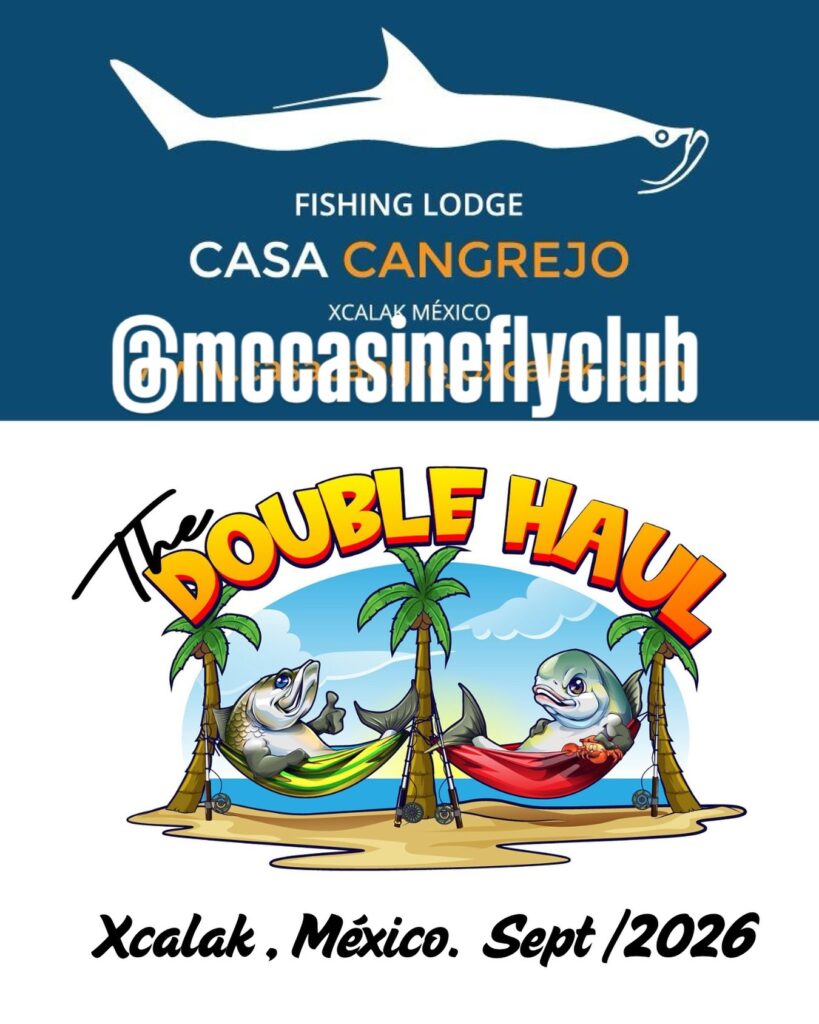
John said they’ve already lined up five local guides from Xcalak and locked in the dates: September 13–19, 2026. A few teams are already signed up, but there’s still room if you want in.
If you can’t make that week, John said they can book custom dates at the same lodge with the same guides. The price might change, but the experience stays just as good.
John talks about how Moccasin Fly Club is all about getting more people on the water, without the crazy price tags. Here’s a list of some of the trip options available:
John dropped some practical advice for anyone targeting these bucket-list fish.
Episode Transcript
00:00:00 Dave: Today’s guest has built a fly fishing and travel program that blends adventure, affordability and community impact from Colorado and New Mexico lodges to saltwater destinations in Mexico and Baja. John Hunt and the team at Moccasin Fly Club are creating experiences that make bucket list trips more accessible. By the end of this episode, you’ll hear how their double haul tournament in Mexico is giving anglers a fresh way to chase permit tarpon and bonefish. Why offseason trips sometimes deliver the best fishing of the year, and how Baja’s Baja Blast program is opening up new opportunities at Roosterfish and Dorado. This is the Wet Fly Swing podcast, where I show you the best places to travel to for fly fishing, how to find the best resources and tools to prepare for that big trip, and what you can do to give back to the fish species we all love. John Hunt at Moccasin Fly Club is here to share what he’s building in travel around, fly fishing, community and all the unforgettable destinations they’re hitting. We’re going to find out how John does it at Moccasin and all the great stuff they have for affordable trips and experiences around the planet. That’s planet. All right, let’s get into this one. Here you go. You can find him at Moccasin Flyklubb dot com John Hunt. How you doing, John?
00:01:10 John: Good man. Been traveling, but things are good. And it’s finally cooling down here in Colorado.
00:01:15 Dave: Nice. Nice. Yeah. You’ve been out. Uh. That’s right. It’s September as we’re chatting here kind of mid September. So are you are you starting to think about the transition to your kind of hunting, or are you still fully fishing right now.
00:01:26 John: Uh, I mean, it’s full go fishing. Uh, as soon as August ends. I mean, we start off with a lot of our hosted trips and pretty much every month September, October, November, December, January, we have fishing going on. Uh, this hunting season for us has already been pretty booked up. We have both of our lodges, Colorado and New Mexico have, I think out of the total of like eleven weeks or something, I think we have nine or ten of them already booked. So we have hunters in both places that already either have OTC tags or, you know, drawings and etc. that they’re getting into in the hunting outfitters have already booked week blocks. Um, we did have a couple people that were inquiring about Alaska and Argentina and some of the other hunting options that we have. Those didn’t get booked, but I mean, for our hunting season, we really focused on getting people into the lodges for whatever tags they have. And then once that happens, we’re kind of in like a relaxed state because it’s rinse, wash, repeat type of thing with our guests. But, um, in the hunting world, the biggest one that I would say is, you know, kind of the focus outside of fishing right now, uh, would be waterfowl and everything that’s happening in Colorado. So we will have people, you know, for the next two months or so, uh, for all of November and December booking days here or there to get out for waterfowl, for waterfowl.
00:02:47 Dave: So waterfowl is as big or it’s, it’s big there. Just like big game. Like we’re talking like ducks and geese or.
00:02:53 John: Yeah, uh, geese. we we do have some great duck options that happen in Texas. But yeah, here in Colorado, specifically on the Front Range, like Fort Collins, Denver, Colorado Springs, uh, it’s mostly geese, but we do have a lot of small groups, you know, groups of four, five. I think we can hold up to like ten in certain pits in certain areas. Uh, but the geese is a big thing that is more of, like, a real short kind of, you know, we may get called on a Thursday and they want to go the next week to. Oh, yeah. Um, for a morning or a day. The big game stuff is definitely more of a, a thought out process and further in advance. So I mean, like if you’re trying to get up to do a moose in Alaska right now, we’re talking to people about twenty twenty six. Yep. If you’re trying to do red stags or, um, birds or anything down in Argentina, that one is usually about a year out as well. But I mean, for our like same season type thing, like all of our hosted trips for fly fishing are booked from now until January. Yeah. So those are just, you know, us working on the details and getting everything done and everybody paid in full and etc. we do get a lot of bookings though, for waterfowls that happen this whole entire season of twenty twenty five hunting season, but the big game stuff is kind of already locked and loaded and ready to go.
00:04:08 Dave: Okay. And are people doing kind of the some of the cast and blast stuff? So they’re doing, you know, birds and fishing in the same trip. Do you get much of that?
00:04:15 John: Oh, we have some of that for sure. We have that in New Mexico. There’s a cast and blast option during the hunting season. And then we also have some in Colorado, but not a ton on the casting blast. A lot of it is just once it gets cold enough, there are people that don’t want to go stand in water and they want to go shoot birds. And so we’ve helped out that transition since, uh, twenty twenty one. We used to have like specific dates that we would book our guys and clients for the waterfowl. Now we work with, uh, two different outfitters where it’s kind of, you know, whatever date they want, we’re able to put them in with a group or have them go as their own group. The Colorado River allows for some cast iron blasts further on the western Slope, but New Mexico would probably be an easier one. Around and on the San Juan, they have a lot of cast and blast options that occur. Oh yeah, and the last one that’s always a funny one to bring up is, I mean, there’s a lot of not so much cast and blast. It’s either cast or blast. Um, but down in New Orleans, there’s a lot of waterfowl hunting that happens.
00:05:17 Dave: Oh, yeah. Nice. Nice. So that’s something we talked about that in one of the last episodes. We did the kind of the redfish trip, so we’ll get a link out in the show notes to that as well. Um, and maybe we’ll talk more cast and blast as we go here. But I wanted to touch on today. Focus on Mexico. You know, you’ve got a couple of big trips coming up, the double haul tournament, which we talked a little bit about on the last episode. We’ll talk about that today. And then also Baja. I think Baja and Roosters is also a big topic. And it would be cool to to check in on. So yeah. So let’s start there. Let’s first start with um, maybe we can go to the double haul. I know you’ve been planning some of that. Let’s just break that out a little more for those folks that didn’t maybe catch the last episode, what is the double haul and how is this tournament maybe different than some of the other things out there?
00:05:59 John: Yeah. So, um, when was that twenty twenty three? Uh, we started kind of brainstorming around having to host a trip, but, you know, there are many different options on hosted trips. Some of them, you’re going on a fishing trip with a host that is a well-known fly fishing guide or, or some sort of, you know, I wouldn’t say famous, but.
00:06:20 Dave: Yeah, famous in the fly fishing world, you’re going with a yeah, you’re going with a land and or, you know, you know, like Colorado or um, who else would be some of the famous, you know, any of those names? Phil Rollie. Right. Some of these people.
00:06:30 John: Yeah. Yeah. So you’re going to go out fishing with somebody and they bring people out. And I mean, during that trip they’re fishing, you’re fishing, etc.. What we consider more of a hosted trip with us is that there’s not necessarily somebody that’s the focal point of it, but we actually have a, you know, a concierge and a host that’s on the trip that’s making sure things are going right. Also may not be fishing as much, but knows the fishing and the area and all that stuff. And then there’s another aspect where we’re trying to add a little bit more flavor. Fun. Um, and a lot of the trips we have, you know, small little competitions, it may be a group of of anglers that know each other and they’re betting on who’s going to get the biggest fish, or we have people that are coming from all over and there’s, you know, throw twenty dollars in the pot and see who catches the most fish, whatever. Yeah. Um, so we’ve always tried to come up with, you know, how do we have something slightly different that draws people in, and also not just for single anglers, but could be for, you know, filling a whole boat. So most of these trips, you have two people in a boat, and sometimes those trips you have to put two people that have never met in a boat. And it works out great. Yeah. Other times you may have to put two people in a boat in the next day you switch it and put other people in a boat and whatever. Um, so we came up with this idea for the double Hull tournament, which is down in Mexico, and we have an unbelievable lodging partner at Casa Cangrejo that we’ve worked with. Um, I was just there three weeks ago, uh, for the week, kind of ironing everything in with Eduardo and the team and getting things going. And this isn’t a tournament necessarily that’s trying to draw in, you know, those big names of the celebrities are come in and win a five thousand dollars check and sort of crazy. This is more of a hosted trip that is formatted around a tournament aspect. So there’s points given for permit and tarpon and bonefish. And the bigger they are, some extra points or the biggest one on tape may get its own, its own single award. And just having something that we were able to kind of brand set up structure but still have the aspect of there’s a host on site, which will be myself. We’ll have ten anglers, so we have five boats, two people per boat. You can come on your own and we can place you with somebody else or you and your fishing buddy, whoever he or she is, you can come down and have your own boat and kind of bring your team to the event. You get two days of fishing with your guide as training, and then the last three days are what we’re structuring as the actual tournament. So you get five days of fishing, six days of lodging. There’s a big closing ceremony where we’ll give out some plaques and trophies and, you know, thank everybody for being there. Uh, and a big part of this is, is like we do with our Brazil trip and our other trips, we’re trying to tie in some sort of local impact. So this one will be working with, uh, the town of Xcalak. I know there’s talks about the elementary school that’s there. There’s also talks about the infrastructure and what’s going on in Xcalak. Uh, so the direct destination of that donation is not necessarily as ironed out as I would like, but it is happening. And Fly Club Casa Cangrejo will both be making a donation from this week and this event to give back to the local community. And that’s always like kind of the the little icing on the cake that we have going on, no matter where we’re at, whether it’s biological research in Argentina with golden Dorado or it’s in Brazil with the nets, and kind of educating guides on how to conserve the fish and not have the pink dolphins eat all the fish that they’re catching. So the double hull has that spin on it. But I mean, the the attractive part in the way that we’re letting people know about it is that it is it is a tournament. It’s not necessarily a crazy over the top tournament.
00:10:08 Dave: There’s not going to be a thousand people out there with spectators and no, no, no. Yeah.
00:10:12 John: And especially the time of year in September when we do it is considered the off season. So the rate is unbelievable. Um, I doubt you’ll be able to go fish for a permit or tarpon anywhere in Mexico for five days for cheaper than our three thousand four hundred, which is the the cost? It is. So that’s your transportation from the airport, all the meals. We now have, uh, an open bar every day from four pm to eight pm.
00:10:37 Dave: Oh, wow. There’s a bonus.
00:10:39 John: Yeah. The Casa Cangrejo, Home team has decided that that’s another thing that they’ll be doing. So I mean, their rate in twenty twenty six for that is thirty four fifty. You know, we all came together and it’s three thousand four hundred plus out of that four hundred per angler. Some of it’s going to go to the local community. You also will have, you know, all the fun and everything else that’s going down. We’re going to have, um, you know, special tapes and little fly boxes and all kinds of stuff that’ll go for every team. So every boat will have that. But we were able to get, you know, the guides locked in on the dates. We were able to talk the Delgado and get everything kind of situated with the town to make sure that’s going to be okay. And I mean, the biggest part, obviously, is that we want to make sure that we’re supporting the local community and helping out the guides and the business down there, but also we want to have an aspect for our clients that is the best price, the most fun, the least amount of pressure on those fish. And that all kind of comes together with it in general. Um, being that place that, I mean, we’ve known about it for years and have gone there and had a great time. So now it’s, you know, it can be somebody’s first time fishing for permit or tarpon and you’re going to have shots, you’re going to have the availability to try to get on fish. And that’s what we wanted. It’s not necessarily like, you know, Island or or the Del Browne tournament or anything that’s crazy. Like you’re saying where there’s yeah, seventy boats out and everybody that has done it before and it’s, it’s the biggest and the baddest. We just wanted to have a hosted week for Moccasin that also had a brand and a name and some sort of aspect behind it. Now, in the future, I’d love to be able to say that, you know, we’re going to have a double haul in Belize and a double haul at Xcalak and a double haul in Honduras. And, you know, like we can take the permit Tarpon brand of the double haul almost anywhere if and when it comes to that. Yeah. But just to get it off the ground. We worked on it for two years. Uh, we had a, a different, uh, fishery in different locations that we were going to work with, timing and pricing and everything just didn’t work out for this year was actually supposed to be the first one. Now we found a better partner and find a better aspect. That is Skylark and Casa Cangrejo is where we know we need to be. And after being there for, you know, four or five days, we had some bad weather for me fishing personally, but we were able to get everything done that we needed to get done. The lodging facilities are amazing. There’s air conditioning in every room, the food is all homemade and unbelievable. You’re right on the beach. It can’t get better than what you want that to be. For anybody’s first permit trip or for anybody that is really, you know, chasing permit and tarpon in general. Every aspect of skill level will have a great time.
00:13:14 Dave: Right. And what is the name again? How do you spell where the where you’re going there. The lodge.
00:13:19 John: The lodge is Casa Cangrejo, which just means crab house. Okay. And Eduardo is is a good friend of ours. Lives here in Boulder, Colorado. Um, so we I mean, we work back and forth on a lot of stuff with Eduardo and the lodge down there, and after spending the time down there for the week, you know, it’s better than anywhere else that you can stay. It’s newer. Uh, the food is unbelievable, as I’ve already stated, because I’m a big food person. Yeah. But, uh, it’s also just the fact, like, you walk out right on, you know, to the coastal aspect of it. Yeah. And you’re, you know, you’re a ten minute boat ride to Chetumal Bay and and where everybody wants to get on the schools and the talent aspect. Plus you have the whole coastal side. So, you know, the week before I was there, uh, some clients were down in that area and, and hooked into, you know, what they thought was a ninety or one hundred pound tarpon on the coastal side. There’s big perms on the coastal side. Plus you have a, you know, an array of stuff in the bay that’s moving everywhere. So that’s kind of the, uh.
00:14:16 Dave: Right. So the.
00:14:16 John: Big part of.
00:14:17 Dave: It, you got both things. And so, yeah, the price is unbelievable. Three thousand four hundred for a week, a full week of everything. Kind of. And is this all inclusive if people show up? Talk about that a little bit.
00:14:27 John: Yeah. So it is I mean we consider it all inclusive. All your meals involved, your drinks from four to eight. You know, there’s always a point. If people want a specific beer that maybe they don’t have on site, or if you want to have your own tequila or your own Habana club or whatever it needs to be, all of that stuff would be separate. But yeah, I mean, you’re going to get picked up at either Cancun or Tulum, depending on where you fly into. Yeah, you’ll be brought down that ground transportation is all handled in the three thousand four hundred you’ll get on site. You’ll probably get in late the first night. The first morning. Wake up, have breakfast. You know, we can draw names for the guides, but we’ve also been talking to a lot of people that already have a specific guide down there that they want to use, which is is completely available also. So give it to your guys your first day, uh, training. And so that has your lunch involved, your dinner and etc. the second day training. Then the third day opens up day one of the tournament. You’ll have day one, two, three. And on the third day tournament ends, we’ll calculate all the scores. That night we have a nice big thing set up that’ll be right on the beach at the lodge. And then we’ll give out the plaques, talk about everything else, do some raffles, etc. and then all of your transportation back to the airports on the, uh, the last day as well to Tulum and Cancun are part of that. So I mean, for us, it’s as all inclusive as it gets outside of your flight. Yeah. And rods and flies or whatever. We are working, um, to have a little fly box that’ll have some of the flies that have been working the month leading up to what’s been going on down there. We’ll have a specific tape and little card for all the teams to take photos and use for the scoring system. Um, we’ll have the scoring system come out kind of next year closer towards the event. But I mean, for everything that you need to do, you will be able to go catch, you know, any bycatch you want from ocean or bay bone permit, tarpon, uh, juvenile tarpon all the way up to if you really want to go out to the edge of the reef and try to get after some of the big the big girls, all of that’s available, and that three thousand four hundred price, you know, is kind of ridiculous compared to the pricing that is this year. And then already the pricing that’s coming out from a lot of the places, you know, whether you’re blacksmith’s at nine thousand, uh, a week for Espiritu Santo or you’re in Ascension Bay, you know, usually that’s probably anywhere from like five to six, depending on what you’re going to do. Um, so, I mean, for us, it’s again, trying to have that introduction to salt or, you know, just our clients that fish a ton and want to get another five days on permit. You know, you can come down there and do that. We do have five guides already lined up for those dates. Um, I, you know, met and talked with everybody while I was down there. Yeah. They’re guys that everybody knows from Xcalak.
00:17:11 Dave: Right? And what are those dates? What are those dates you guys are doing again?
00:17:14 John: Uh, so it’s September thirteenth to the nineteenth of twenty twenty six. Um, if you go to Mox and Flyklubb. Com, you can just click on the double haul. It’ll be right on the homepage. There’s a little, uh, up on the, uh, the.
00:17:27 Dave: Header.
00:17:27 John: There.
00:17:28 Dave: Yeah.
00:17:28 John: Yeah, you can click that. It’ll get into all of that information and kind of, you know, cover what’s going on. And obviously, as always, you know, you can reach out to us directly, talk about it. We do have, I think already two, we have one team of two anglers already secured that are coming. Um, so that leaves us another like eight. Technically, we have some soft yeses. And the great thing is that, I mean, we’re literally, as of today, I think, uh, you know, we’re one year away from it.
00:17:55 Dave: Yeah, exactly. Yeah. Today as we’re talking, we’re it’s literally September thirteenth. So we’re exactly a year. That’s amazing.
00:18:01 John: It’s cool that we have a lot of, you know, planning ahead. Planning is already done. But we have a lot of time for people to decide what they want to do, talk about it. Um, and that’s the benefit of us trying to have this kind of situated in the spot every year that people can come down and do it, and then if they want to repeat it, they repeat it. If they don’t, you know, we’ll probably have a hopefully we’ll have a list of of people that are waiting to either do the double haul or get down for that week or want to do a different week. And I should say that, you know, we book people to go down and stay there whenever they want to on custom dates. So if you’re already doing something on September thirteenth and nineteenth and don’t want to do it, we can do different dates and have you at the same place with the same guys. It just won’t be the same price, but it’ll be the same experience and all of that stuff. So I mean, I don’t want to deter anybody if you can’t make those dates, we can still get you dialed in, uh, and have you at a place that we know is unbelievable to stay at, and we know the the guides you’ll be with and etc.. This is just our week to kind of yeah. You know, go.
00:19:00 Dave: Off the branding the tournament. No it’s great. I think it makes sense. I think the price is amazing. And having that tournament atmosphere is kind of a cool thing to add and really. But you know, you guys are just fishing. I mean, there is a chance out here that people like talk about that a little bit, permit the species is there. You know, obviously it’s fishing, but people have a chance to catch some permit down here, right?
00:19:20 John: Oh, I mean one hundred percent. There are some people that are attracted and drawn to the challenge of catching a permit. There are other people that are totally deterred and don’t want to have anything to do.
00:19:32 Dave: Yeah, well, there’s probably some people that are thinking, um, wow, do I want to go down to a place where I might not catch a single fish, you know? Right. And I mean, you hear some of those stories, but, I mean, that doesn’t sound like this is the place. Like there’s other species there, too. Are we talking bones to potential?
00:19:49 John: I mean, yes. I mean, you have permit. Tarpon and bone are prevalent all over juvenile tarpon. Uh, kind of teenage middle tarpon. And then there are some big, you know, full grown tarpon, uh, in that whole zoning area. Um, you have the lagunas that you can fish, you have a bay, you can fish, you have the coastal side of, of the ocean that you can fish. So, yeah, I mean, you know, we were down there for four days. We got two, you know, good days of fishing. Yep. Got into some tarpon, had a blast, caught some bonefish. Uh, and there are some nice sized bonefish in certain areas. Uh, we didn’t touch a permit, though, on those two days, and we definitely went out and had shots, I would imagine.
00:20:23 Dave: Oh, you did. So you saw some.
00:20:25 John: Oh yeah. Yeah, yeah. So in the two good days we had, I would imagine we probably had, you know, ten to twelve real nice shots.
00:20:32 Dave: Oh wow. See that’s where it comes back to you know again you can’t be too disappointed there because you guys are in an area. You had shots. I mean that’s the thing about permit. That’s why they’re so sought after is that they’re a freaking hard fish, right? I mean, that’s what it comes down to.
00:20:45 John: Yeah. I mean, I think it’s a it’s an analogy, right? Like, you know, with the trout.
00:20:49 Dave: Yeah.
00:20:50 John: You gotta have a night. There’s like four or five boxes, you gotta check. And even if you miss one of those boxes, the trout still may put it in, eat it right. Like you gotta have a nice drift. Yep. You gotta be able to have a good mend. You gotta have a hook set. You gotta know how to fight the fish. Even if you mess one of those four or five up, you still will probably have a trout in the net or to hand. Yeah, with a permit. There’s like ten boxes. And if those ten boxes aren’t all checked, it’s not happening. And even in my experience, in my situation, like this last trip, you know, fed a couple Nothing. Got shots. You know, at one point you’re standing thigh deep in water watching, you know, fifteen permit schools chase up and down and they move fast. They eat fast. If you can find them tailing, that’s awesome. If you can’t.
00:21:34 Dave: Oh yeah.
00:21:34 John: You’re trying to do other stuff. And I think it’s also the the aspect of people being like, if you haven’t gone in permit fished and you think you can catch permit, you should go try it out. It’s not necessarily as easy for everybody. But, you know, I’d always rather be lucky than good any day of the week. And people get it done, even if they’re not necessarily sure. I think there’s a lot of good beginner’s luck with not knowing how to do it, but a slow strip for a crab and how to present it, where to cast it, and if it is sank, if you can see it when you feel it, you know, do they eat it? Do they not? There’s just so much stuff on the permit.
00:22:08 Dave: Well, take us to one of those. Take us to one one of your closest out of those fish that you had shots at. Is there one that you almost or were they all about the same?
00:22:16 John: No, no, there was definitely one that I mean put in its mouth.
00:22:19 Dave: And.
00:22:20 John: Spit it faster than I could get the hook set on it.
00:22:22 Dave: Oh, man. It actually put it in its mouth. What was the fly? So it touched it. And it what just didn’t.
00:22:27 John: It’s just a little, uh, like a little brown rag head. You know, you look at all these crazy, super realistic crab things. And when it comes down to it, you’re in the zone that, you know, you got to get it to the right place. It’s got to sink. It’s got to move the right, you know, uh, speed. Yeah. All of this stuff, I mean, it all happens in milliseconds. And sometimes it’s not necessarily the most, uh, fancy, detailed, whatever. Sometimes it’s, you know, those little ragheads are unbelievable, and they work almost anywhere that you go, whether it’s a white or a tan or whatever. But even in those situations, like, you know, being able to be somewhere and you’re I mean, I at one point I was standing there waiting and it’s like, you know, we’re going to see what happens. They come back this way, they’re going right from left. It, you know, forty feet, they’re going left to right at thirty feet. They’re moving this way. They’re going that way. Like there’s all this stuff with just being able to watch the permit. And even if you can see the fish or not is the cool thing. Once you start to get, you know, more advanced into it. It’s not necessarily like tarpon where they’re going to swipe at it, hook themselves, and blow up into the air. A lot of this happens that the permit are tricky and people like that and other people hate it. And it’s, you know, to each his own. I think every angler should at least at some point in their saltwater journey, you know, try to go see what they can get after. It’s, you know, if you always play the par three at your local golf course, you’re probably good at it. But as soon as you go over to Scotland and you try to play in the love grass and get it on a on a different course, it’s a different, uh, experience. And that’s part of why it is so great is that there’s availability and shots at permit, and there’s also tarpon and bones and everything else that you can get into. So I mean, yes, there are people that go down there and spend four or five days focused on permit and may not hook anything or catch anything but have shots. There’s other people that go down there and are like, look, I want to catch as many things as possible. And if we run into permit, then I’ll cast that right. The real question I always ask people, I’m like, so do you have a nine weight with a crab or a shrimp on it the whole time you’re on the bow? Or do you have a tarpon rod or something else? And that’s how you can kind of filter through the angler.
00:24:30 Dave: Filter through what. So there are so there are anglers that are going to be down here that are going to have the permit set up on the whole time. And that’s what they’re if they see a bonefish and be like, no, I’m just going to wait for the permit.
00:24:40 John: Yeah. They’re going to stand on the bow with a nine weight and a crab. And when they see permit it’s on. And if they see anything else that it’s just considered a bycatch at that point. And there were so I was down there and there were two other clients, uh, at the lodge doing their own thing, and their focus was tarpon, the twenty twenty four, um, one of the guys had had caught like a ninety five pound tarpon off the coast and was stoked. And he had his buddy Jeff down, and that’s what they were going after. They don’t care about permit if they run into him, cool. But to run into a permit, then you got to change a rod and get ready and cast and anybody that fishes for permit will tell you that by that time the permits gone or you’re not in the right situation. So, I mean, you can get into all that kind of stuff or, you know, you can go out. There’s certain places you can get into some really big bones that are awesome. Um, you see bonefish moving, you can stock bonefish just like you stock the permit. Um, so, yeah, I mean, that’s the availability of the double haul is that you don’t have to just go down there and get a permit to hand one to win anything, or two, if that’s what you want. There’s a good chance that that could happen. And I don’t want to deter people from if you’re thinking about going out and you don’t know if you can or can’t catch permit, you don’t know until you try. So you might as well start getting days in.
00:25:54 Dave: Yeah, yeah. Get your numbers in. That’s what it sounds like. A good thing to do down there is that there’s definitely going to be permit down there to fish for. So you could go out. And the tournament is great because it’s you know, it kind of adds a little spin on it. But you could do whatever you want. Day one of the tournament, you could have your permit rod all day if you want, and then the next day you could maybe go for whatever. Go for bones, right? So. Yeah. Yeah. Is that kind of the idea with tournaments, more about having fun and just fishing and still doing your own thing?
00:26:19 John: Yeah. And if you want to go out and anchor up on the side of the reef and start casting it some, you know, massive tarpon and do it that way, you know, you go do that way. They’re all available. Yeah. And there’s also a mix and match like, you know, you see something that’s good. You know, cast it that one. You have the opportunity to cast it at a school of perm that are coming at you and that are eating. Take that one. Those are all, um, part of it. But, I mean, I think a lot of it too, is that trying to attain any type of trophy fish takes days. And you don’t, you know, maybe day one you get a thirty four pound golden dorado. Maybe it’s day thirty seven. You never know what day it’s going to be. You just got to put days and same thing with permit, same thing with big tarpon. You know, you may hook a bunch of big tarpon and never land one.
00:27:00 Dave: Until.
00:27:01 John: Yeah, later on. And you may never hook a big permit, but then one day you hook one and it all comes together.
00:27:06 Dave: That’s so cool. So who’s gonna win? So what’s your estimate? What’s going to take home the number one. Is there a is the person that comes in with a ninety pound tarpon. Is that a winner?
00:27:16 John: I think, uh, there’s going to be one award for biggest tarpon, and there’s going to be an award for biggest permit. Um, you know, rewarding the rewarding the trophies is every trip we’ve ever done since twenty eighteen has had a little wooden plaque. Uh, and it says, you know, biggest fish winner. And it’s got a picture of the fish and whatever. So we’ve done the biggest fish since forever, and it’s always a fun competition in and of itself. So I think biggest, permanent, biggest tarpon will get something, you know, best scorer best team placement. You know if if some team puts five tarpons in the boat or five permit in the boat in three days of a tournament, I think they got a great shot at it. If somebody has a couple big, big tarpon, I think that’s also a big shot. Uh, you know, there may be some sort of strategy to go out and just catch as many bones as possible to get a bigger score. Yeah. You know, I don’t I don’t know, I think we’re trying to figure out the scoring system so that it awards not only how many you catch, but something of size. Maybe you know, an extra. You know, every fish handled is one and then a bigger size fish. Maybe that’s two, but I think we’ll figure I, you know, there’s going to be a boat in this tournament that goes out in probably in the three days, the last three days. You know, I would hope they get to touch three perms and a couple juvenile tarpons. And that I would assume is going to be a hard score to beat. Yeah.
00:28:33 Dave: That’s right. Okay. Cool. Yeah. Anything else on uh, I know there’s a lot more to this, but that you want to just give a shout out on this trip coming up that people should know about that we haven’t chatted on?
00:28:43 John: No, I mean, I think, uh, the price at three thousand four hundred, I think is a big bullseye for a lot of people. I will also say that, you know, it’s not like you got to do crazy numbers either. We have some people that will put down a five hundred dollars deposit and do a payment plan. We have other people that put down one thousand. We work with everybody. We know that it could be the first saltwater trip for certain anglers. So let us know if you are interested. Reach out. We can talk about it. We can, you know, get you. There’s photos of some of the lodging. There’s stuff all over our Instagram. Perfect. You don’t have to worry about being remote and lodging remote. It is very comfortable. It’s very fun. It’s a very large kind of lodge for that type of area and safe.
00:29:21 Dave: Right? Everything, it’s kind of it’s all safe and everything’s good to go.
00:29:24 John: Yeah, everything’s good and safe and it’s what it is. So I mean, reach out to us and let’s talk about it and ask us questions about what you have going on or the timing of the travel. We can help you out figuring out, you know, if you want to get to Tulum and have a shorter drive, but make a connection to get down if you want to go Denver to Cancun direct, is.
00:29:42 Dave: That pretty easy? Is that pretty easy? Just Denver. That’s direct to Cancun. And then from Cancun, how do you get down there?
00:29:47 John: Yeah. So I you know, I like direct flights. I go Denver to Cancun direct. It is a five hour drive. So you go through Playa Carmen and Tulum and all these places that, you know, I usually stop at the Santeria and the Supermercado and get some stuff or get tacos Hawkins. Either way that you come in or out, you usually don’t get in the first day until the evening, because even from Tulum, you’re going to have a two and a half three hour drive from Tulum Airport to Xcalak or five, uh, from Cancun. With Tulum, you usually have to do a connection through Dallas or Houston or something. So like, if I go from Denver, I gotta go Denver to Dallas, Dallas. And then when I’m coming back, I gotta go Tulum to Dallas, and then I gotta pick my bags up, go back through customs, wait in the line, recheck my stuff. So it’s technically a faster travel day for me to go Denver Cancun, direct and do the five hour drive each way. A lot of people don’t like five hours of driving no matter what, and I get it. So we can help you figure that out. If you are in the South, you may be able to get direct to Tulum with American or United. Everybody can get to Cancun. Um, so we have ways to help you figure that out. But, you know, yeah, you can get in early and stay a night in Cancun or get in early and stay a night in Tulum, like, you know, you can do however you want to do the travel stuff, but it’s very easy. The shuttle transportation is great. You know, you’re in a C in a shuttle having Coke zeros or Cervezas or whatever you want to have while you’re doing that as well. So it’s not necessarily comfortable. Yeah. But I think, you know, the pricing is good, the lodging is great. The fishing is going to be good. There’s going to be less pressure that time of year. Overall, I would just say that if you have questions ask them. Let us know what’s up.
00:31:29 Dave: Just ask questions. Yeah. And what about that on the time of the year. So that September mid September, why is that time not the busiest. Because I mean pretty much you could fish year round out here right. But what’s the deal with September. Because you’re still getting shots. How is it different than say you know I don’t know. What is the peak. Is there a peak time?
00:31:44 John: Uh, yeah. So the peak is usually going to be like February June type of time. Um, one. You got high hot sun, great visibility, low clouds and things that make permit fishing better are sun and low wind. Right. Because you’re casting. and your casting far. And you also need to be able to see the fish. In September, we do get into the start of what they call the rainy season. Yeah. While I was down there, there was, you know, one day or whatever. Doesn’t mean the shots aren’t there. Doesn’t mean we we still go out and fish every day as long as we can. Yeah. So I think the biggest thing is that there’s August and September are like that shoulder to off season, that there’s way less boats out. So instead of seeing twenty five boats you may only see three.
00:32:28 Dave: So it’s kind of better in that way right. It’s kind of better to actually.
00:32:30 John: See.
00:32:31 Dave: Less.
00:32:31 John: Less pressure on the fish also just mean the fish aren’t seeing a ton of boats and people every day like, you know, uh, Ascension Bay, you may see sixty boats out in a day in the peak season, and it’s like a peak season day, maybe twenty, but in September, fish have less pressure. Yeah. So the permit aspect of it is less pressure is always good. Fish may eat a little bit easier. You may run into some aspects with the weather. And that’s why the pricing is how it is. But we also know that having less pressure and less boats out gives our our group and our crew, you know, a better aspect of what it’s going to do. And you can always fish the ocean and the coastal side too, whether there’s high clouds or low clouds or whatever, Tarpon are still eating bonefish or still eating. Yeah. So that time of year is just, uh, personally for me, more advantageous than you go down there in peak season and it’s, you know, slightly crowded. There’s more people, there’s more boats, the fish have more pressure, they’re smarter, yada, yada, yada. Yeah. Those things I don’t like as much as having a great price for something that has a great potential.
00:33:33 Dave: Right. Exactly. No. That’s huge. So we’ll leave that one there. People can check that out at your website. Like we said in the menu, they can check that. Um, let’s swing around. Let’s go over to the other side of the country or the of the I guess you know the. Well, where are we at? We’re kind of going from let’s just break that down because this is really interesting where we’re at, the what we’re talking about is kind of near. Yeah. How would you what would you describe? You just call it the Caribbean because it’s Yucatan. All this famous places are there.
00:33:58 John: Yeah. So, I mean, like, I think the like Cancun being the, the northernmost of the Caribbean or the Caribbean, you come down Cancun along that line, you’re going Cancun. So the first one you would hit is Tulum in Ascension Bay. Then the next is Espiritu Santo or ESB Bay. Uh, and then the last one, uh, is sits on a little peninsula that is on Chetumal Bay and, and the, the ocean. And as soon as you leave that, you know, while you’re on the water fishing in the bay, you’ll be in Belizean water and in Mexican water. So you’re on, you know, the southern most east coast like tip of Mexico where. So that’s all Caribbean side.
00:34:40 Dave: That’s all Caribbean. So and essentially yeah, this is I don’t even know. It’s not even really Central America yet. Right. You’re just it’s.
00:34:46 John: Yeah. I mean yeah, technically.
00:34:48 Dave: Maybe it.
00:34:48 John: Is technically Central America because it’s Mexico. But I guess if you look at a map, there’s the Gulf. Yeah. Which, you know.
00:34:55 Dave: The golf I’m looking at now, the Gulf of America right there. Yeah.
00:34:58 John: So they we called the Gulf of America. They called the Gulf of Mexico. It’s whatever. Uh, so the Gulf comes around and where the Gulf ends. And that Cancun tip is right by, like, holbox. All of that would be the Caribbean side down to Belize. Then if you go on the other side of the country, you’re talking about California, Baja, you know, the sur, the South and the north and etc. and that’s where our new program is, uh, in a little town called El Sargento. So you fly into Cabo San Lucas, you got an hour drive to El Sargento. We have a, uh, beachfront property right in El Sargento that we’re able to have people stay at. They have a restaurant on site. They have food and liquor and everything on site. And then it’s a short drive every morning to get to Bahia de Ventana. So window Bay, which is like the southern tip of that Baja Peninsula that.
00:35:48 Dave: It comes.
00:35:49 John: To, uh, and there’s big roosters, there’s Dorado, all of that whole aspect. It’s not the mag Bay and and other aspect of it. This is going to be on the not coastal ocean side, but on the bay side. Um, and we’ve just we’ve had a couple people go down there and check it all out.
00:36:09 Dave: Yeah. Well take us back there again on that real quick. So we’re going from where we were, which is the east tip of Mexico East. And now we’re going all the way basically to the other side of Mexico and a little bit north. Correct. And describe that again. So we’re first on the Baja because you have Baja California. Um, how does that work with California. Maybe talk about that for somebody who isn’t familiar with Baja.
00:36:28 John: No worries. Yeah. So if you if you hit the southern border of the state of California, you’re going to be in the Tijuana area, which is the northwest corner of Mexico, where we were just talking about the double haul tournament is the southeast corner of Mexico. So we’re literally furthest point diagonal from one to the other. Yeah. Uh, so you get to Tijuana and that’s, uh, Northern California. Baja. So there’s two states in Mexico. One is Baja California Norte and one is Baja California Sur, which is the south.
00:37:00 Dave: Okay.
00:37:01 John: We’re talking about the southern tip of the south part of that peninsula. So when you look at a map, you come down the coast of San, like California where San Diego is. Then you get into Tijuana, then you keep coming down that whole entire piece to it looks kind of like looks like a knife. And at the tip of the knife is where the ocean and the bay kind of start. If you go up the bay side a little bit, that’s where El Sargento is. Or La Paz is the biggest city that most people know of. Oh, yeah. Uh, and La Paz is well known because it’s kind of one it’s in the, the, the line of this big hurricane that everybody talked about this past week. But it’s also kind of safe and secluded in the bay on a little point of the bay, if you come out of La Paz and you go south east a little bit, that takes you to El Sargento is, and El Sargento is just a beach town, more of a resort town. But that Bahia de bandana, or Window Bay in English, is where a lot of people, uh, are finding big roosters and a lot of roosters. Uh, and dorado or mahi mahi, uh, that really covered up kind of blue, green or yellow fish that people are catching. Uh, it makes unbelievable tacos. Most of the tacos you eat that are mahi mahi tacos are that fish. Um, so that’s a new program that we’re just starting. Like our first trip will be March of twenty twenty six, and then in twenty twenty seven, we’ll have two in February and two in March. But that trip is a whole new thing, kind of devoted to the people that want to catch roosters, which now you’re fishing a ten weight or an eleven weight, um, you’re out on a boat. The roosters stay super deep and in chaotic.
00:38:42 Dave: So you’re on the boat, you’re not on the beach fishing for roosters.
00:38:45 John: You can be on foot on the beach if you want. It’s hot. It’s physically exerting. You’re going to be running around, chasing shadows, casting whatever you can.
00:38:53 Dave: It’s it’s much harder to catch them off the beach.
00:38:55 John: Yeah. I mean, it’s much hotter. It’s much it’s slightly more difficult, but it is completely possible. Uh, the biggest ones are more of the trophy roosters that we’re finding are off the shore a little bit in a boat. And I will say, for the purists out there, you’re not going to like some of the stuff I talk about. But to get the roosters up from out of the, the, the deeps and the chaotic water, there is some chumming and some stuff that’s used to kind of entice them up. Then you’re sight fishing them with a streamer to try to cast and do it. It is not as easy as it sounds, just talking it out loud. I mean, you’re going to catch some jacks, you’re gonna miss some roosters. It’s not like they come up and they eat whatever you throw at them. They’re they’re coming up in a bait ball to try to hit whatever they can find. The bait ball may be artificial, or it may be natural, but you’re casting it what you can see. And the roosters are another part of the Jack family like Jack’s and permits or whatever. They’re super fast, they’re super strong and they’re real headstrong. So most of the muscle is like right behind their eyes and up in the body. The tails are huge, but they’re able to, you know, really move some force and some mass. So that hit is big. The fight is big. Wow. You’re on a ten weight, which is what’s recommended. Uh, new program is us trying to figure out there is Meg Bay. There’s nothing against what they do down there. It’s a great program. It’s just kind of crowded. And there are other places to go. Like, you can go down to Panama and try to catch roosters, the western coast as well. So, you know, like Mexico, Costa Rica, Panama, all of that stuff in the Central American range. You got to be on the West Coast for the rooster and the mahi, much like people tend to go to the East Coast to get after the permit and the tarpon and etc. but this new program we have coming out, we’ve named it Baja Blast because that’s everybody’s favorite Taco Bell drink. Um, so we have the Baja Blast program, which is you fly down on day one, you fish day two, three and four. So you get three days fishing.
00:40:49 Dave: Yeah. And where are you flying into?
00:40:50 John: So you fly into Los Cabos or Cabo San Lucas. You can get direct flights from all over the West coast, San Francisco, LA, uh, Denver. Uh, if you’re coming from the east, you’ll probably have a quick layover, but you can get there kind of fast. You fly right into Cabo San Lucas. We have a one hour drive to El Sargento. That first day, you’re having dinner, hanging out beachside pools and hot tubs and all of that stuff. Then the second, third, and fourth day, we wake up early, we get out fishing, come back to the resort, and on the fifth day we do the hour drive back in the morning. You have a little bit of time in Cabo San Lucas and then you catch your flight out. So it’s a five day trip with three days fishing. We’ve modeled it after our New Orleans trip, but because of the flight times, we can’t fish the fourth day. Do an hour drive and fly out the fourth day from Cabo San Lucas. It’s just not available. So we got everybody taking care of two thousand eight hundred, which includes all your lodging, all your food, all your drinks, all your fishing and your ground transportation, plus a little gift bag for moccasin with a hoodie and some other stuff. Two thousand eight hundred gets the whole trip done and that gets you there fishing three days and back.
00:42:01 Dave: So you get your flight to Cabo San Lucas and that and then that. Everything else is covered, correct?
00:42:07 John: Everything else is done other than that.
00:42:08 Dave: Amazing. Yeah. I mean, that’s the that’s the beauty of what you’re doing here. You’re basically putting together we’ve talked about a couple of these trips now and the, the, the one in, uh, that we’re talking about for redfish that you’re getting this price point, which is super low, super affordable. You know, it’s affordable for, for not everybody, but for a lot of people it’s not ten thousand. You know, it’s not six thousand. It’s these. So you’re able to do this and get the experience of going to these remote amazing places. So has that always been your your focus with Moccasin? Have you always been has that been a key thinking about and have you done some other stuff that’s like the more higher end, like real high end stuff.
00:42:42 John: Yeah. I mean, we do. And I mean, for us, when we say high end, you know, we’re talking about over five thousand dollars. You know, we have stuff on our website like if you want to go to the Galapagos Islands and hit Blue marlin for ten thousand dollars a head, you can get down for a whole week. But it’s, you know, much more expensive. It’s a shorter season. Uh, if you want to get out to some super remote permit areas for fifteen thousand dollars for a week, we have all of that available. Like even our Mongolia trip next August is five thousand.
00:43:11 Dave: Oh, wow.
00:43:12 John: That’s very affordable for going to Mongolia, but the flights are more expensive. Yeah. I mean, since the start, our focus has been how do we introduce people to travel outdoors? So whether you’re traveling to fish or traveling to hunt, how do we introduce people into that? And a lot of that is the price point. Yeah. And then the other part is them having the experience that should exceed that price point. So we want them to have a great experience where it’s like, yeah, you know, we paid two thousand five hundred dollars to go down to New Orleans. And it was awesome. And we know that it could have been four or five grand, but doing it this way is possible. And we have the other, you know, like if you want to spend nine thousand dollars and go down into Argentina and spend three days at this place and three days at that place, we have all of those and some of our clients love that aspect of the business. Yeah. But I mean, I think, you know, from the start, we want to be able to get people to enjoy what’s happening at an affordable price. That also gives them an experience that is, you know, second to none. And that’s what happens with all, you know, two thousand five hundred dollars to New Orleans for three days of fishing. Two thousand eight hundred to Baja, you know, three thousand four hundred to Mexico. Or, you know, like our Argentina Bariloche trip is four thousand. And that puts you, you know, right in Bariloche, in Patagonia, fishing for ten pound trout for four days. And some of those things is that we for our hosted aspect in getting new clients involved, that that’s what we look for in some of our clients have dubbed it, you know, like, you know, everyday man’s working price and all these other things. For us, a lot of it is just making sure we have a product that is affordable and the experience is.
00:44:48 Dave: And the experience is still. Yeah, it’s not like you’re getting some, you know, affordable trip and then you’re going down there and you’re not getting a chance to catch any fish or it sucks, you know.
00:44:56 John: Yeah. And that’s unfortunately what the stereotype was. You know, they’re like, well, why are we paying less? Are we going to. It’s like, yeah, the same fish. It’s the same technique. It’s just a different time of year or it’s the same type of year. But you know, I tell people all the time, if you want to spend, you know, twelve thousand dollars and go to the Seychelles and get a GT, we can make that happen for you all day. That’s technically a little bit easier of a trip for us because.
00:45:16 Dave: Yeah, you don’t do any.
00:45:17 John: Legwork to host with you. We can get you booked. It’s all great. We know how it goes, but when you’re going to be with a representative from OCS and Fly Club on a trip, usually in another country, you know, there’s a lot of things that we want to make sure go the right way. And all of it happens. I mean, like, right now I’m gearing up. Uh, we have our Brazil trip next month, so on October sixth, I fly to Brazil. We have eight clients down there. We’re on one hundred and twenty foot mega yacht. Everybody’s got a room. We’re fishing for Peacock. There’s a two star Michelin chef on the boat. You fish every day in the Amazon. You have Wi-Fi, you have AC, you have fresh water. I mean, like, those are the things. And that is, you know, fifty eight, fifty is the price tag on that one. But that also includes a lot of other stuff with a liveaboard. And I mean, we have a liveaboard with, you know, fifteen tracker boats behind it. You’re on a boat in a special part of water every day. You’re trying to catch trophies. That’s cool. We do those and we love those, and our clients love those, but that doesn’t mean that everybody can do that. So we want to have options that allow for other stuff. For me, we’re starting to you know, the New Orleans program is awesome and it’s developed. And now we’re trying to do that same thing with Baja.
00:46:30 Dave: That same plan. That’s awesome. No, I mean, that’s good to hear. Yeah. Because the the New Orleans program is going to be great. I think that’s definitely exciting. And you’re just kind of not rinse and repeating because I know it takes a lot of work, but you’re following something that’s already worked. And I the first time we talked, I knew when you were mentioning some of the price, I was like, yeah, that sits well, because I feel like, you know, even though it’s still a lot of money, it’s more doable, you know, for people and they’re getting the experience. Plus you can break up some of the payments, things like that. But but let’s talk about a little bit on the before we get out of here in a bit. Just again back to the Roosters. So you’ve got the Roosters. You’re out in the boat doing that experiment. What are some of the other species you might be catching on this trip?
00:47:08 John: Uh, you’ll get into, I mean, the roosters and the dorado or the mahi mahi are the two target. Yeah. You also get into snappers. You can get into. Uh cuberas. You can get into a lot of other things. I can’t necessarily say offhand that there may be marlin in that exact area. Um, but there’s a lot of stuff that’s going to be not considered bycatch, but also could be an unbelievable fish that you pull out of there. their and I mean, that’s kind of the thing, right? When you’re sight fishing on flats, you only see what you can see when you’re pulling fish up and you’re casting it. Bait balls, you’re not always going to see what’s there or what’s moving. And so that’s a cool thing to see what you can get into and how strong that fish can be and and how it happens.
00:47:48 Dave: Yeah. So that’s what it is. So you got the the bait, you chum it up and then you just cast out into that area and then strip or talk about that a little bit. How are you hooking up.
00:47:56 John: Yeah. So you’re going to be watching. They’re going to be feeding some bait. They’re going to be looking for bait balls and explosions and blitzes and everything else. You get into those and then you’re, you know, either putting it right into the middle of the blitz or the bait ball and stripping it through, or you’re trying to sight fish and actually land that streamer. In my personal opinion, if you really want a rooster, you got to put it in front of the rooster because the jack is going to come as fast as possible to steal it out of a rooster’s mouth, which is my experience for like five or six of my days trying to catch rooster. Every time I thought I put it in a rooster, it turned out, which is also a great fight. Yeah, but it’s not a rooster, right?
00:48:33 Dave: Yeah. Roosters are just that unique. Uh, the fin and just they’re like, yeah, the difference between a jack and this is the what’s the full name of the Jack species is that the trevally.
00:48:42 John: Jack crevalle would be the one that I’d. I mean, there’s jack jack trevally. Um, the jack trevally is the big badass one that is always pulling on stuff. The rooster just has a real big, uh, for that. Kind of looks like.
00:48:56 Dave: Looks cool.
00:48:57 John: Yeah, I mean that that’s why they’re named that way. They also have some stripes. They got great coloration and yeah, other parts of it. So that’s the other side.
00:49:04 Dave: That’s the other side. No. But for me, and I think a lot of people that are going to be going on this trip, I mean, especially if it’s one of their first times, it’s like any species is going to be great. You know, if you get the rooster for sure, it’s going to be a icing on the cake. But yeah, catching a jack or, you know, anything else, it will be really cool. Yeah, man. Yeah. Cool. And then like you said, so if somebody went down there, could they also be like, hey, I want to take a day and go on the beach and go for roosters.
00:49:28 John: Yeah. Every pretty much we we start early in the morning and late afternoons. You can walk right out onto the beach from where we’re at and start casting Adam if you want to.
00:49:36 Dave: Okay. You could do that. Good. Yeah. Okay, so I know this one. You’re kind of still building out. I mean, it’s going to be ready to go next year, but, you know, anything else on this one people should be thinking about? It sounds like again, it’s pretty straightforward. You get your flight down well in Cabo. Is that a place where you might want to be hanging out? Where would you go if you want to experience that you had a day or two to experience more of Mexico, you know, after there, before the trip.
00:49:58 John: I mean, if you want resorts and all inclusive and that stuff, Cabo San Lucas is the vibe for sure. If you want to just spend another, uh, in the area and have another day somewhere, La Paz is is another great one.
00:50:09 Dave: Yeah. What if you wanted that? Like you wanted to get maybe not as much of the tourist. You wanted more of the Mexican feel of the culture.
00:50:15 John: La Paz for sure. Yeah. Going up to La Paz for a day, grabbing a hotel or an Airbnb, enjoying the food, uh, all that stuff would be La Paz, which is like a twenty minute drive from where we’re at in El Sargento. Or you can do the hour drive back to Cabo San Lucas and grab a spot there and spend a day or two or or do what you need to do.
00:50:33 Dave: Yeah. Okay. Well, this sounds great, I think. I think we’ll leave it there. Well, let’s leave it there for the fishing. We’ll be following up with you more on this, but let’s do a couple of random get a shout out here. Um, you know, and I wanted to give one shout out in our wet fly swing pro community. We’ve been chatting with Rey, has been there for a while, so I’m gonna give a shout out to Rey. He’s he’s been chatting. You know, I think we’re going to get some assault trip here with him soon. So first a shout out to Wet Fly Swimming pro our community. And obviously today Marks and Fly Club is kind of sponsoring this. Um, here my questions for you. I get a couple random ones and a couple of tips. So so first let’s go to the tips. We’re out there fishing. Let’s go back to permit. We’re on this trip. We’re doing the double haul. We’re sitting there the day before thinking about, okay, how do I get ready? What are you telling somebody? Is there a one big tip you’re going to tell us to be ready to get a shot at a permit.
00:51:19 John: If you can’t see the fish, ask him where it is. Try to have eyes on the fish before you cast.
00:51:24 Dave: Mhm. Okay. Yep. Good eyes. So don’t just don’t ruin that one. Maybe that one cast you get without knowing. Exactly.
00:51:30 John: If you only get one, make it a good one. So you know make sure you can find the fish. You’re always going to have to lead the fish. But like if you can’t see it, you know them telling you that it’s thirty or you know, get I fish is going to be a great one.
00:51:42 Dave: Okay. And how do you do you get that as you’re out there. Do you kind of get better at seeing the fish. Does that take a day a week. What does that look like?
00:51:49 John: Yeah. If you got fins sticking out of the water it’s easy. If you can understand what nervous water looks like, it’s even better. Yeah, but a big part of it is just, you know, asking. Looking polarized glasses. Yep. Looking through the water. That gets easier as you do more of it for sure.
00:52:04 Dave: Okay. And then back to the other side on the west. So Roosters what is your one tip for Roosters if the day before we’re getting ready for them.
00:52:11 John: Uh check the drag.
00:52:13 Dave: Okay. So they’re gonna tear you up.
00:52:15 John: Yeah. If the drag is too loose, it’s going to turn into a bird’s nest. If the drag is too hot, it’s going to just pop the fly right off the line. So you want to make sure that drag is is smooth for when you get the line out of your hand and it hits the drag, it’s not too loose and it’s not too hard. It’s always going to happen to somebody on any trip. It’s going to be too tight or too loose, and then mayhem goes off.
00:52:35 Dave: Yeah. So just check with your guide and have them set it for you usually.
00:52:38 John: Yeah. Make sure you give it a couple pulls or ask them and be like, you know, what do you think it should be at? They’ll check it. You can always check it. I mean, if you’re pulling it off really easy with your arm, a rooster’s going to pull it off ten times faster.
00:52:49 Dave: Right. And do you have a what reels do you like to use? Do you use a lot of different things?
00:52:54 John: Uh, I use the, uh, red truck stuff out of Sacramento.
00:52:58 Dave: Yeah.
00:52:58 John: Red truck. Uh, I use all his stuff. I think the sage spectrums are great. I think the reddington’s are good. I can’t really tell you that. There’s a reel that is as bad as long as it’s a good reel and it works. Yeah, shut up to it.
00:53:10 Dave: Yeah. So is that the case with the reel? The rods you hear a lot about? Like, you know, there’s not a bad rod or the reels. The same thing, is there? Pretty much. Or are there some reels you got to be careful of. Drag. Is the key here right?
00:53:21 John: Yeah. Drag is the key. I mean, you just need to have a sealed reel for saltwater that works. Having it be strong enough. You know, a ten or a nine plus. Something that can hold up to the fish. I mean, I’ve seen old reels fall apart. I’ve seen new reels not work. Yeah, it’s all kind of hit or miss, but I think if you keep it in good maintenance and keep it clean and give it the bath when you need to have it ready to go. And I guess the easiest thing is test all of it before you leave your house. If something’s not working when you leave your house, you probably don’t want it on the boat.
00:53:48 Dave: Yeah. Gotcha. Yeah, I’m looking at one. I’m not sure if this is. This is probably just one of them. But the red truck diesel game. Fish seal drag, seven ten. That looks like a pretty meaty reel.
00:53:57 John: Yes. For sure.
00:53:58 Dave: Okay, good. So we got that. So a couple of random ones here and then we’ll let you get out of here. We mentioned when we were talking off air about the kids. I guess your kids are into soccer. Are you? I can’t remember if we asked you before. Are you into the sports? Do you have have you has that been part of your life over the years?
00:54:11 John: Yeah, I played, uh, I played collegiate lacrosse at Towson University. Played goalie. Oh, wow. Played a little bit after after college as well. But I’ve been, uh, involved in lacrosse for a long time. I played football and lacrosse in high school. Uh, now, I don’t coach any of the soccer stuff because my kids are still really young. But I will eventually be coaching lacrosse again once they get older. Probably third or fourth grade or something like that. But yeah, I mean, I’ve I’ve been involved in sports, uh, forever. That’s how I got to go to college and and how I might agree.
00:54:42 Dave: That’s really cool. And so your kids, are they in lacrosse or is it soccer?
00:54:45 John: Uh, they do. They’re pretty young, so they do lacrosse in the summertime, but we play soccer and, uh, basketball almost year round.
00:54:53 Dave: Okay. In basketball. Right. So you got they’re going strong in the sports. And how what are the ages?
00:54:57 John: Uh, six and four.
00:54:58 Dave: Okay. Yeah. Yeah. That’s right. So they’re super young, but they’re into it. Is that something. Yeah I guess what do you see about the sports for you? You know, it sounds like it was huge. Got you into college. Is that the same thing? What do you see as the big bonus for sports with kids?
00:55:10 John: Uh, learning defeat, learning, uh, team skills, being involved with other individuals. I think all of it builds character and builds being, you know, well-rounded. But I also think that whether it’s sports or music or art, you should always be doing some sort of extracurricular just because you got to fill up time. So you got to be doing something.
00:55:29 Dave: That’s right. You can’t be sitting there letting them get bored and getting in trouble on on stuff. Right? That’s always that’s always. I always think about that because that was my case as a kid. I basketball was my thing, you know, it kept me out of trouble. And and I loved it. And I did it since the same thing, since I was like five years old and and so it’s important, but but cool man. Well and then golf is that also something that you mentioned? Golf. Is that something you, uh, work on?
00:55:52 John: I don’t, I don’t play a lot anymore. Our, our, our kids like hitting balls and going to the driving range, which is cool. I think it’s, you know, great for hand-eye and some other stuff. It’s, uh, the solo individual sports I think are hard mentally once you get older. But for right now, anything they want to try to do, we try to get them at least to have a little taste and see what they think about it, because, I mean, you never know. I’ve, I was from Saint Louis, Missouri. So in nineteen ninety three or whatever, when I wanted to play lacrosse, it wasn’t big there and there weren’t a lot of kids doing it. So, you know, it was very foreign. Yeah, to my community. But because I got to play lacrosse, you know, I played through grade school, high school.
00:56:30 Dave: And how did you get into lacrosse? Well, it seems like. Yeah. What got you into it?
00:56:34 John: I just there was a family that moved from the East Coast, and, uh, the younger brother was in my class in grade school, so they played it. And then we started playing it, and, uh, eventually had a youth team that got formed because of it. But, I mean, without them coming from the the East Coast and bringing it there, I would have never known.
00:56:51 Dave: And lacrosse, how would you explain? It’s like a mix between what sports or if you had to throw that out there. What is lacrosse?
00:56:57 John: Uh, yeah. I mean, it’s like uh, so it’s ten on ten, like soccer, but you have sticks that carry the ball. There’s a penalty box like hockey. A lot of set offenses, like basketball.
00:57:09 Dave: Oh, wow.
00:57:09 John: Originally came from, uh, the, the Native American culture. No kidding. It’s a super old game that’s kind of been adapted over the centuries.
00:57:18 Dave: And oh, wow. So lacrosse comes from actually Native American culture?
00:57:22 John: Yeah. The original game that was played a long time ago was like, kind of like a substitute, uh, for war and, and and things like that. We’re trying to play against each other. And then it has evolved through the years. And now you can find a lot of colleges with it. Uh, the professional championship for the outdoor stuff is going to come up the World Games. It’ll be in the next Olympics.
00:57:43 Dave: Oh it will.
00:57:44 John: Yeah. So it’ll be in the LA Olympics for sure.
00:57:46 Dave: Amazing. Yeah. It seems like there’s these sports. Definitely. This isn’t a fad. You see him sometimes like I think pickleball, right. I think is one that maybe, maybe is a fad. Have you played any pickleball?
00:57:55 John: My in-laws do, but I haven’t yet. Unfortunately, with all the travel, I get less and less time to do seasonal stuff because it’s in and out and trying to keep on it. But, uh, still working out and running. I play lacrosse every. I don’t think I’ve played lacrosse in like over a year, but hopefully we’ll play again. And yeah, every day playing in the backyard is probably the biggest thing.
00:58:15 Dave: So yeah, yeah, I know you’re busy for sure. No that’s cool, I love it. I think lacrosse is a sport I’ve never played, so it’s interesting to to hear about it, but cool man. Well I think we’ll leave it there and we’ll send everybody out to Moccasin Fly Club.com. And it’d be real easy to check out anything we talked about today. And we’ll be keeping in touch with you on this because it definitely, you know, I think getting down to saltwater is something that we’re interested in. So so cool man. Well, John, I appreciate all the time today and we’ll be in touch on the next one.
00:58:40 John: Sounds great guys. Have a good one.
00:58:43 Dave: There you go. If you want to check in with John head over right now. Moccasin flyklubb dot com. Connect with him. Um, if you’re interested in connecting on some of these trips as well with our Wet Fly Swing program, check in with me. You can go to Wet Fly. Com. Sign up and you can get access to our next round where we open up Fly Swing Pro as the best chance. If you want to get access to some of the trips we’re doing and some of them are going to be with John, we’ve got a trip to New Orleans, and this trip in the Baja and the double haul both sound amazing, so I’d love to hear from you if you’re interested. As always, you can send me an email. I want to give you a heads up. We’re also right now we just launched the Atlantic Salmon School. This is Atlantic salmon in Newfoundland. The big trip there. I’ll be there this year. Uh, go to Wet Fly giveaway if you want to get more information on entering the giveaway this week. And, uh, and if you want to get information on this trip, send me an email Dave at com. All right. That’s all I have for you. Thanks for tuning in today. Hope you’re enjoying everything. Hope you’re having a good morning. I hope you’re having a good afternoon. If it’s evening. Hope you’re having a great evening and we’ll catch you on the next episode. Thanks for stopping in. Talk to you soon.