Home Blog Page 25

687 | DIY Options for Belize with Chris Watters and Mary Alice Hoppe from Iguana House

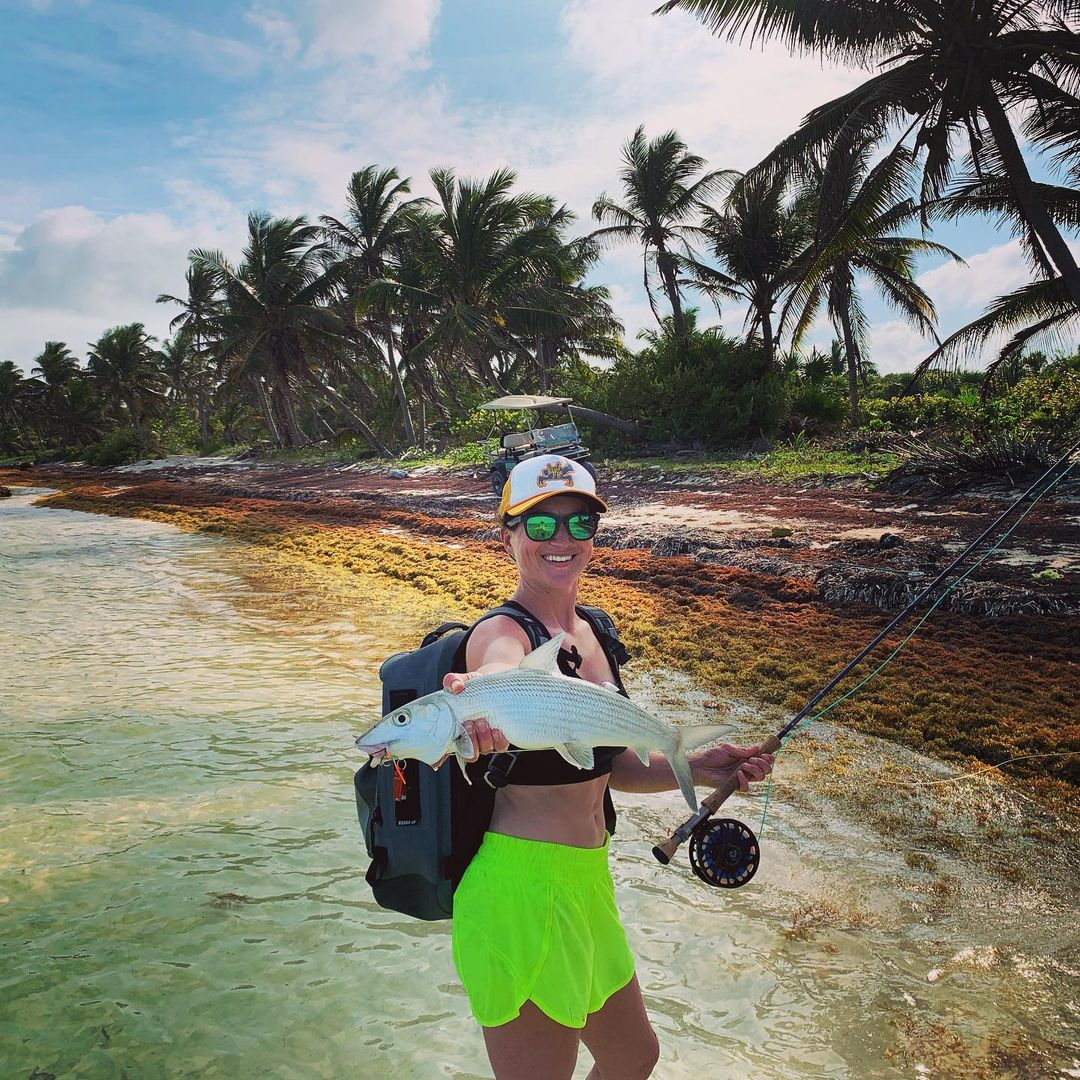
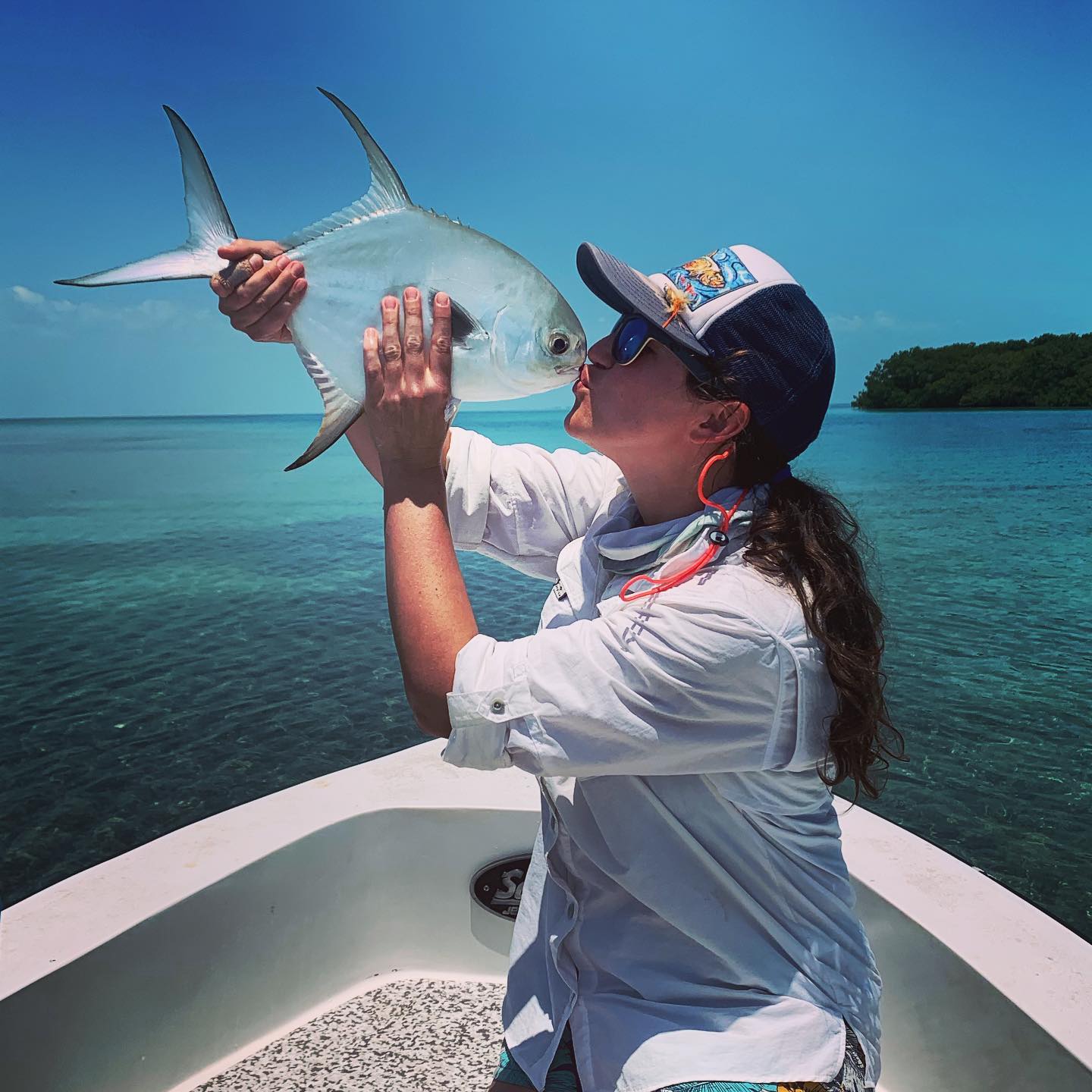
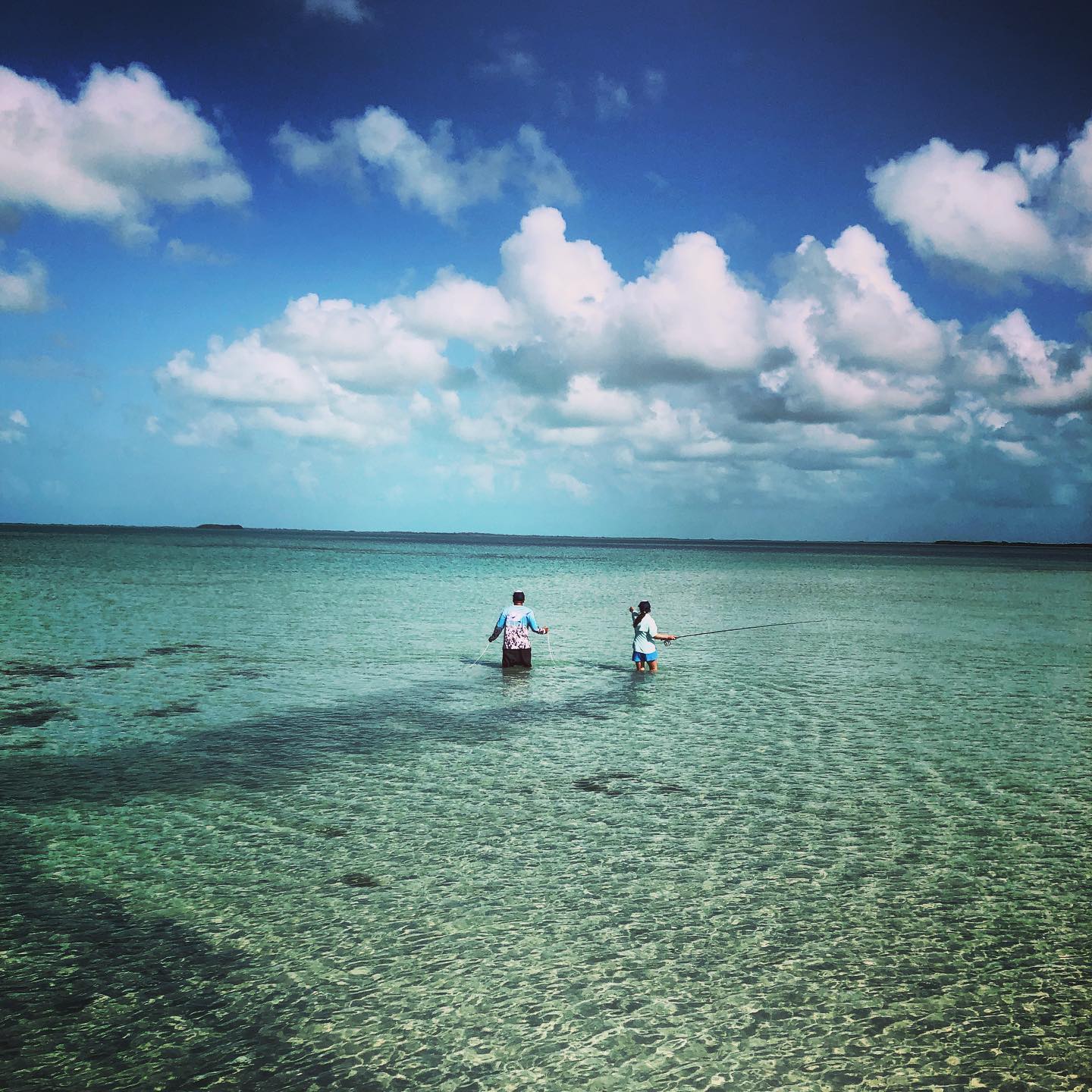
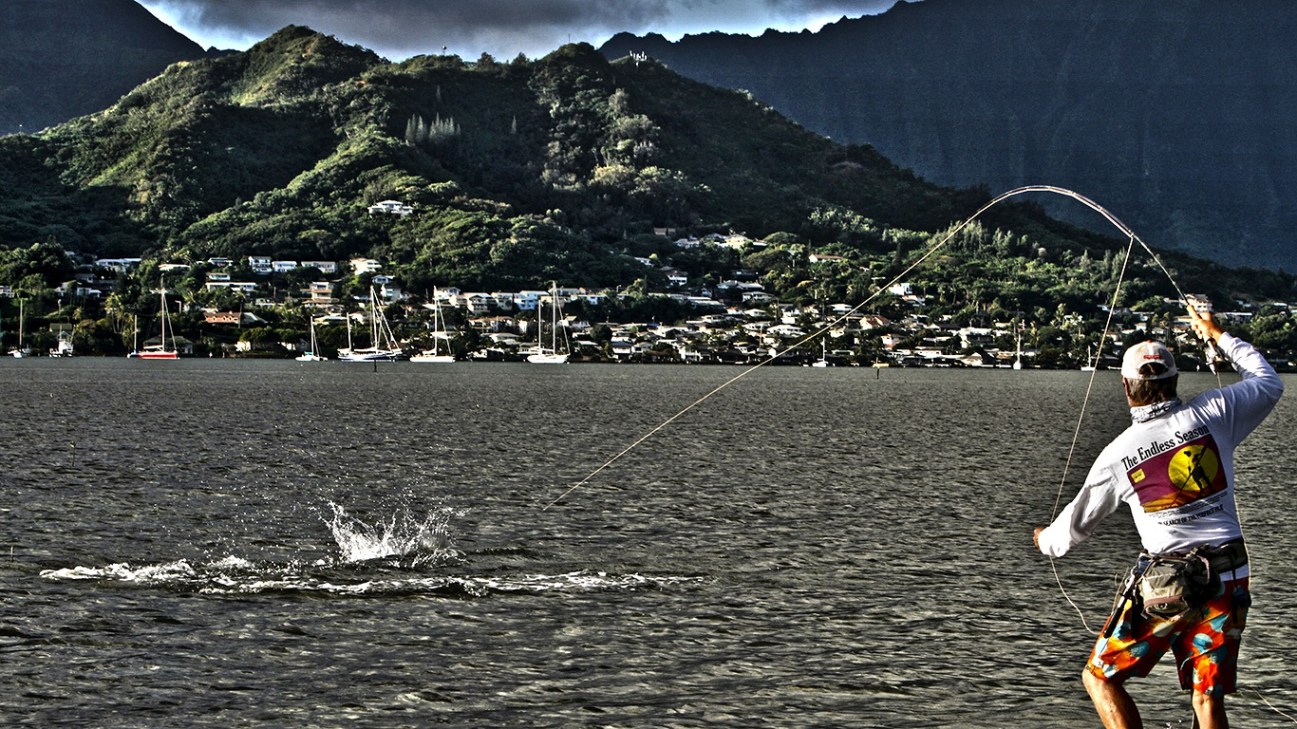
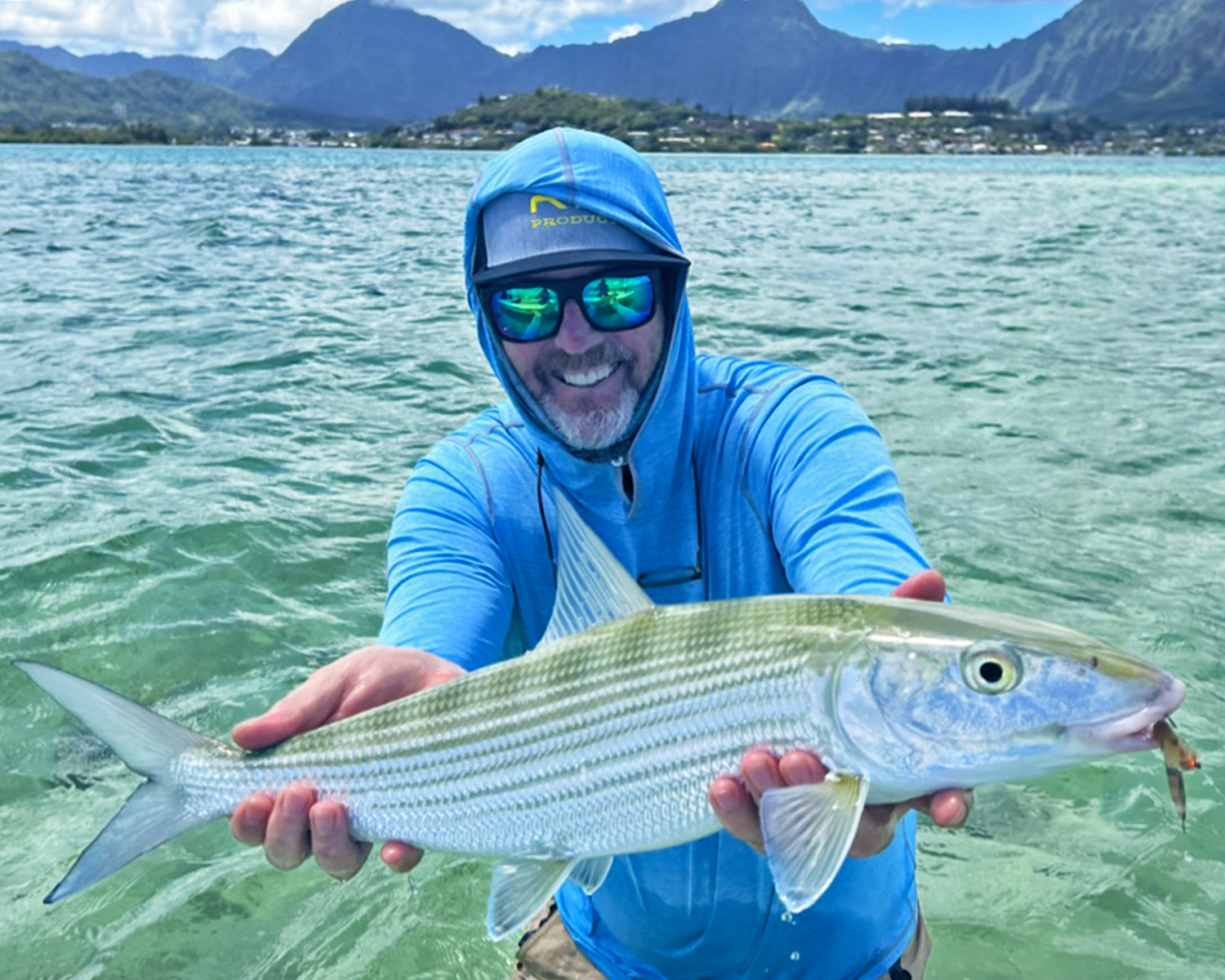
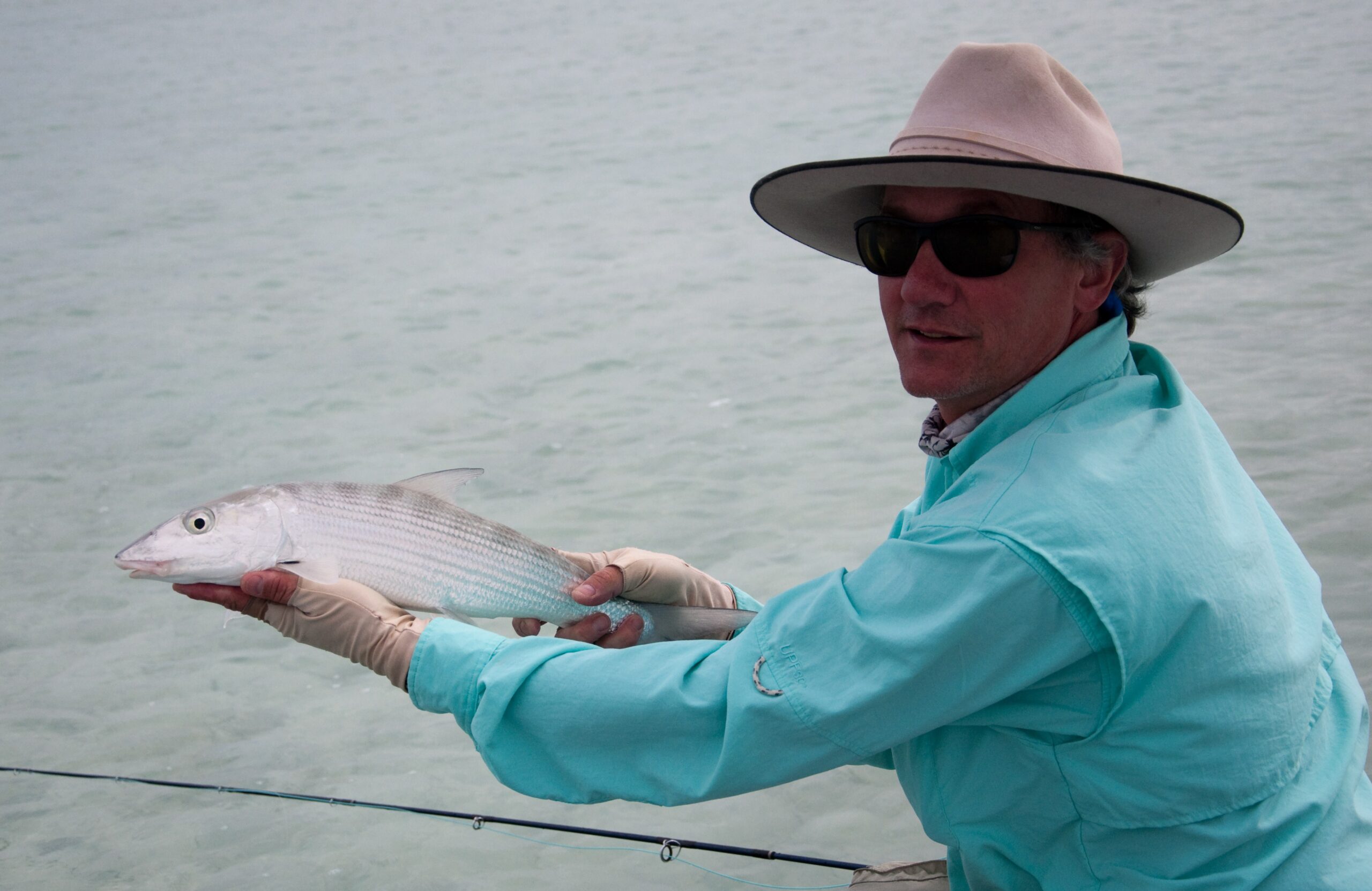
Has a Belize saltwater trip been on your bucket list, but felt a bit out of reach? Did you know it’s easier than you think to DIY Belize and pair it with a few guided days to maximize your experience? Today, we’re diving into everything you need to know for chasing Bonefish, Tarpon, and Permit on the fly.


Show Notes with Chris and Mary Alixe. Hit play below! 👇🏻

apple podcasts

Find the show:  iTunes | Stitcher | Overcast

Subscribe on Android

Subscribe on Apple Podcasts

Subscribe on Google Podcasts

Subscribe via RSS

(Read the Full Transcript at the bottom of this Blog Post)


Sponsors and Podcast Updates

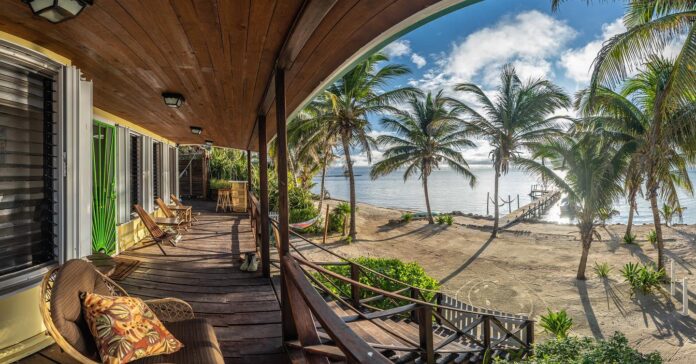
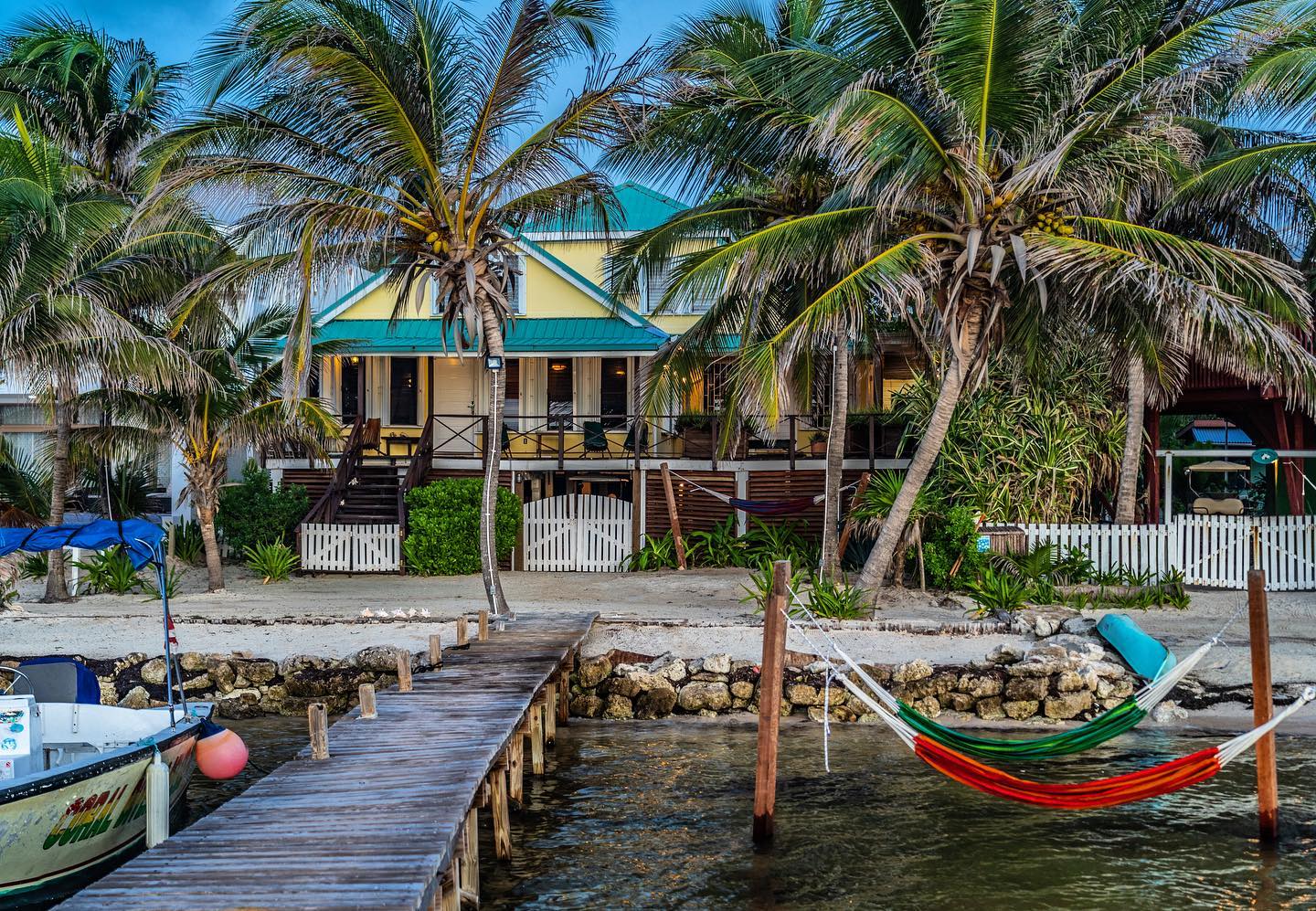
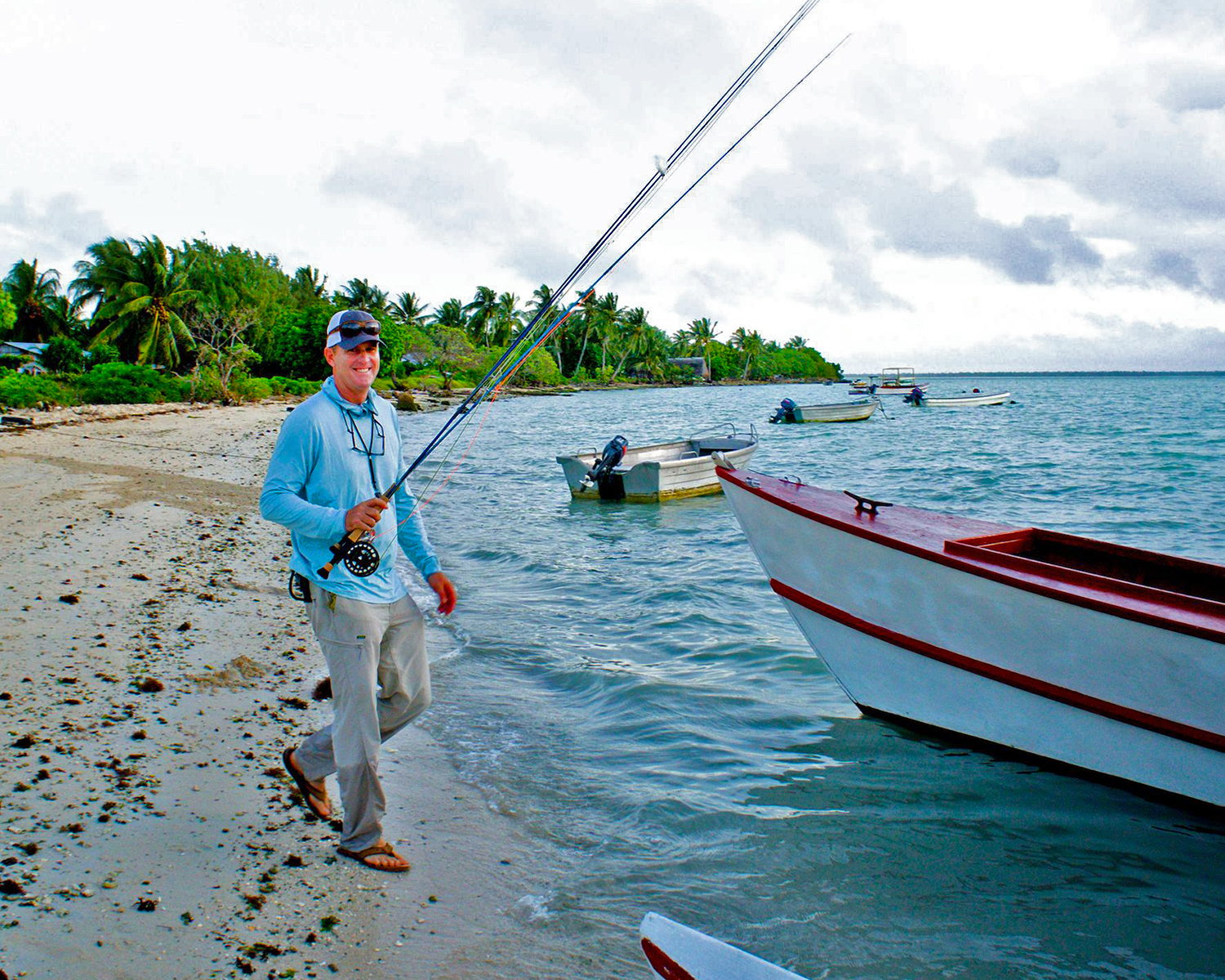
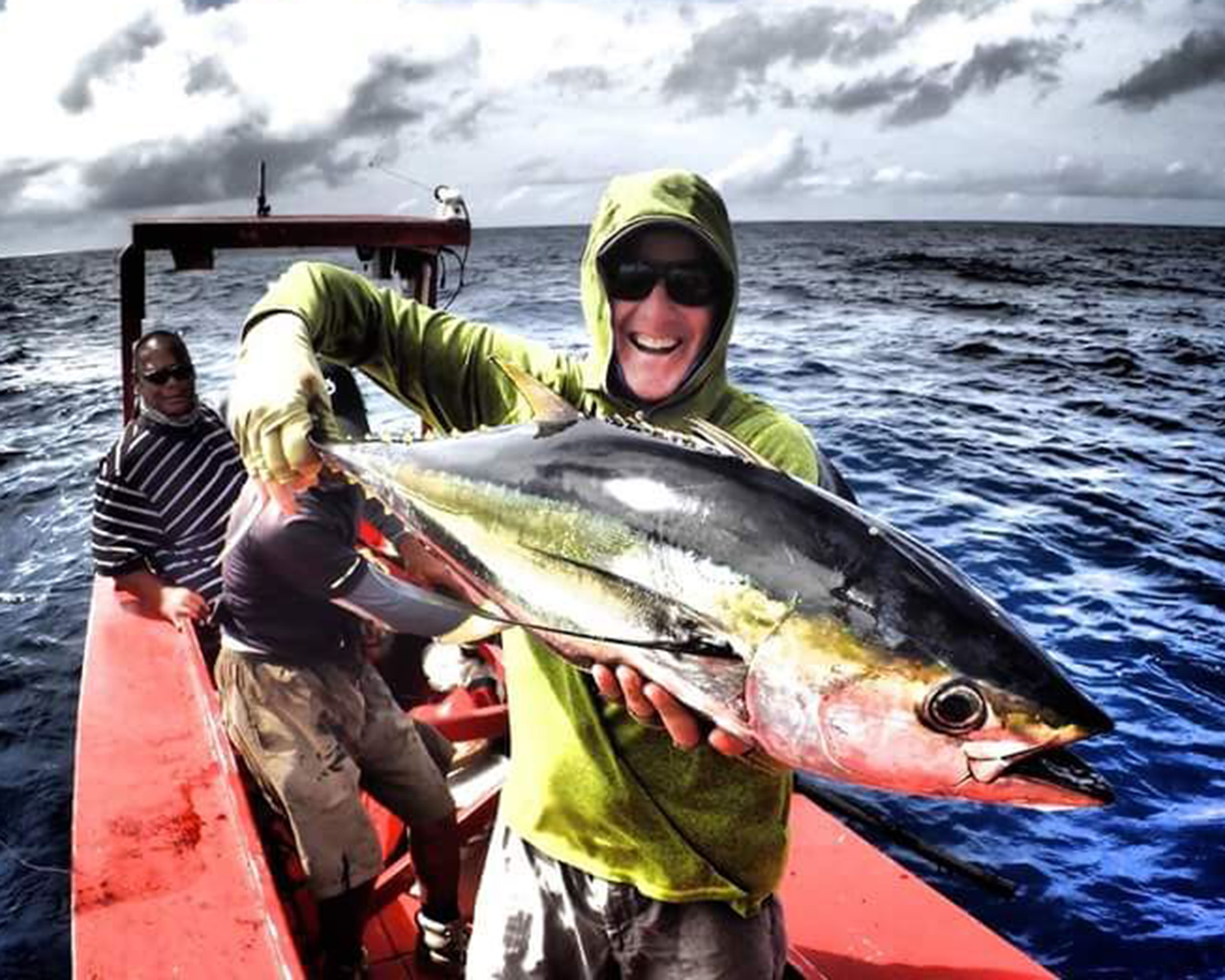
Chris Waters and Mary Alice Hoppe from the Iguana House are here to give us a behind-the-scenes look at their incredible beachside operation. We discover how reef fishing in Belize compares to other saltwater areas, what to consider when targeting Bones or Permit, and the best techniques for casting against the wind. Fishing, however, is just the beginning of this Belizean adventure. Let’s dig into everything this special destination has to offer!


Follow Iguana House on Instagram 👉🏻 @theiguanahouse

Facebook at 👉🏻 The Iguana House Belize

Visit their website at IguanaHouseBelize.com


686 | Fly Fishing in Chile with Mark Melnyk – Big Trout, Colin McKeown, The New Fly Fisher

fly fishing in Chile

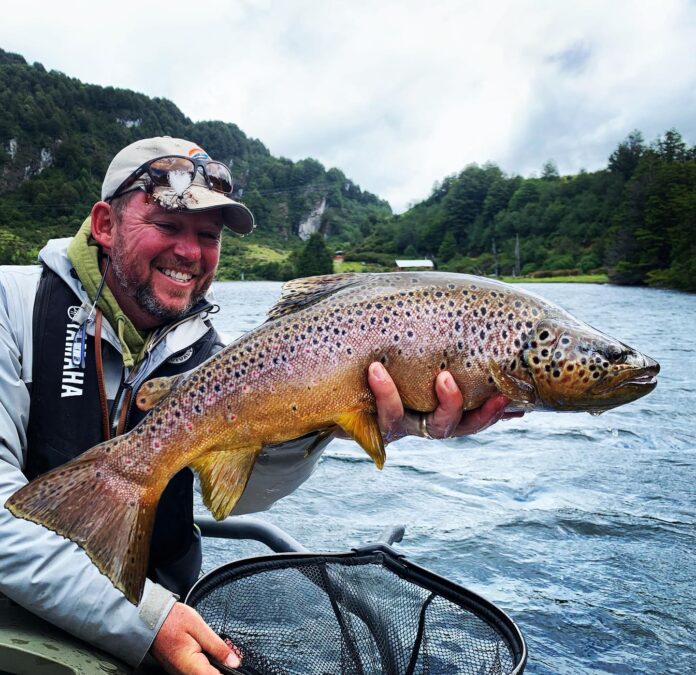
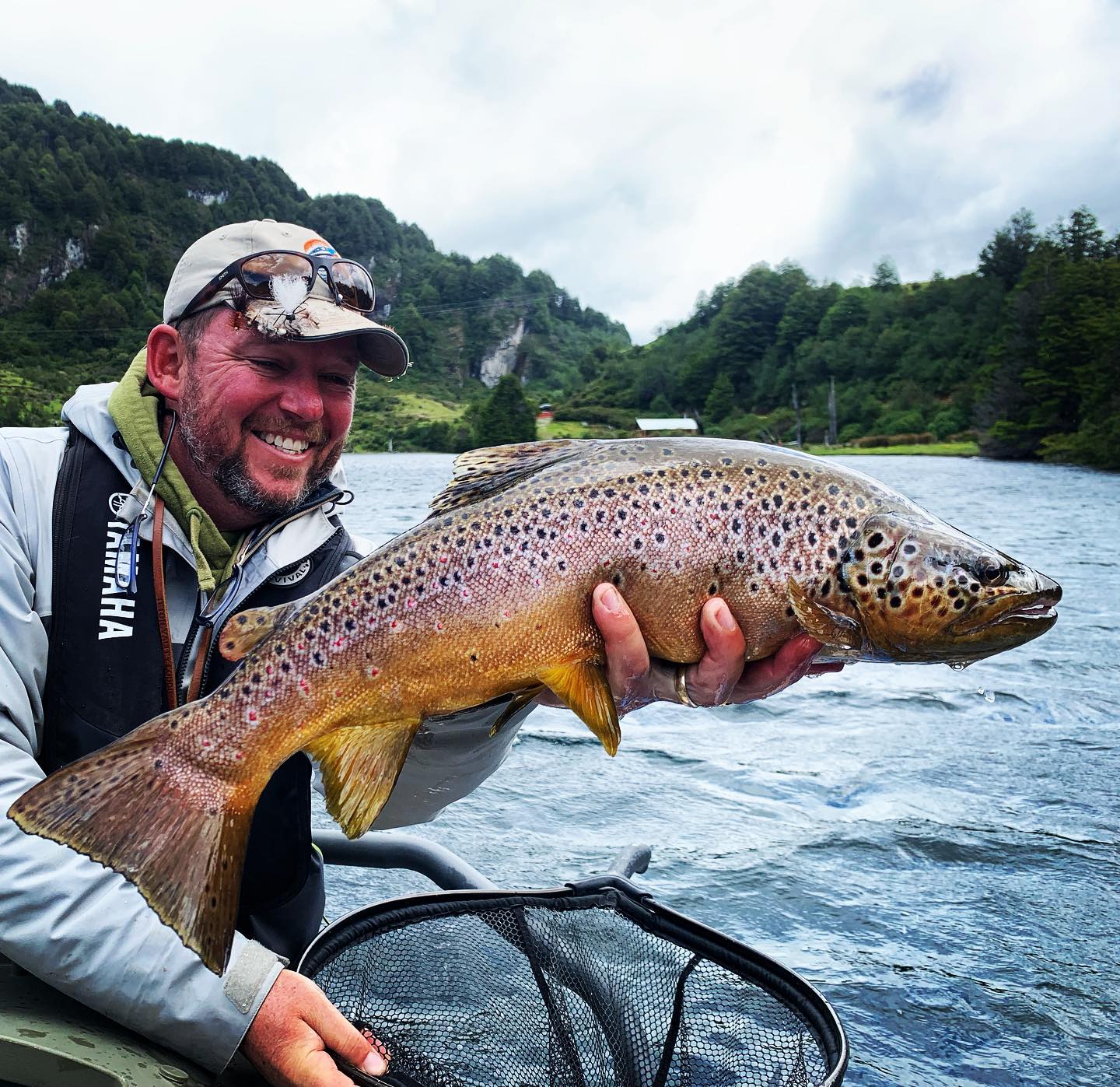
Mark Melnyk, executive producer at The New Fly Fisher, takes us fly fishing in Chile which is renowned for its large trout and breathtaking landscapes. Mark shares invaluable insights and tips on how to plan an unforgettable fishing trip to this beautiful South American destination. We also pay tribute to Colin McKeown, the beloved former host of The New Fly Fisher, whose legacy continues to inspire anglers worldwide.

Discover the allure of Chilean waters, learn about the fascinating cherry salmon that might just rival steelhead, and explore the legendary magic waters for giants. Whether you’re an avid fly fisher or a curious traveler, this episode promises to enrich your understanding and passion for the sport. Tune in and let Mark Melnyk guide you through the secrets of catching big trout in Chile’s pristine rivers.


Show Notes with Mark Melnyk on Fly Fishing in Chile. Hit play below! 👇🏻

apple podcasts

Find the show:  iTunes | Stitcher | Overcast

Subscribe on Android

Subscribe on Apple Podcasts

Subscribe on Google Podcasts

Subscribe via RSS

(Read the Full Transcript at the bottom of this Blog Post)


Sponsors and Podcast Updates


fly fishing in Chile

Episode Chapters with Mark Melnyk on Fly Fishing in Chile

3:29 – Our chat started with the legacy of Colin McKeown, the founder of The New Fly Fisher television series. Colin, who recently passed away, had been struggling with health issues for several years. Mark shares his journey with him, starting 25 years ago when Colin pitched the idea for the educational fly fishing show. After layoffs in Canadian sports, Colin invited Mark to host episodes, demonstrating his generous and loyal nature.

Colin McKeown Photo via: https://www.thenewflyfisher.com/about-us/our-team/

12:21 – Mark discusses collaborating with travel partners. He explains his approach of identifying which lodges need marketing assistance, especially as younger generations take over lodge operations. Mark offers to help these lodges market their businesses by hosting episodes at their locations. The lodges are only required to provide time and resources, with no financial cost involved. This model allows the lodges to benefit from increased exposure while the show explores their regions for several days.

17:15 – We ask about his trip to Chile, specifically to a town called Balmaceda in Patagonia. Mark, along with Tom Rosenbauer, will target brown and rainbow trout in various water bodies. Mark highlights the unique fishing experience in Chile due to its low fishing pressure compared to other places, as well as the cultural and scenic aspects, such as the friendly locals and gauchos on horseback.

20:53 – Mark highlights the three outfits of Magic Waters Patagonia, namely: Magic Waters Patagonia Lodge, Magic Waters River of Dreams, and Patagonia Baker River Lodge.

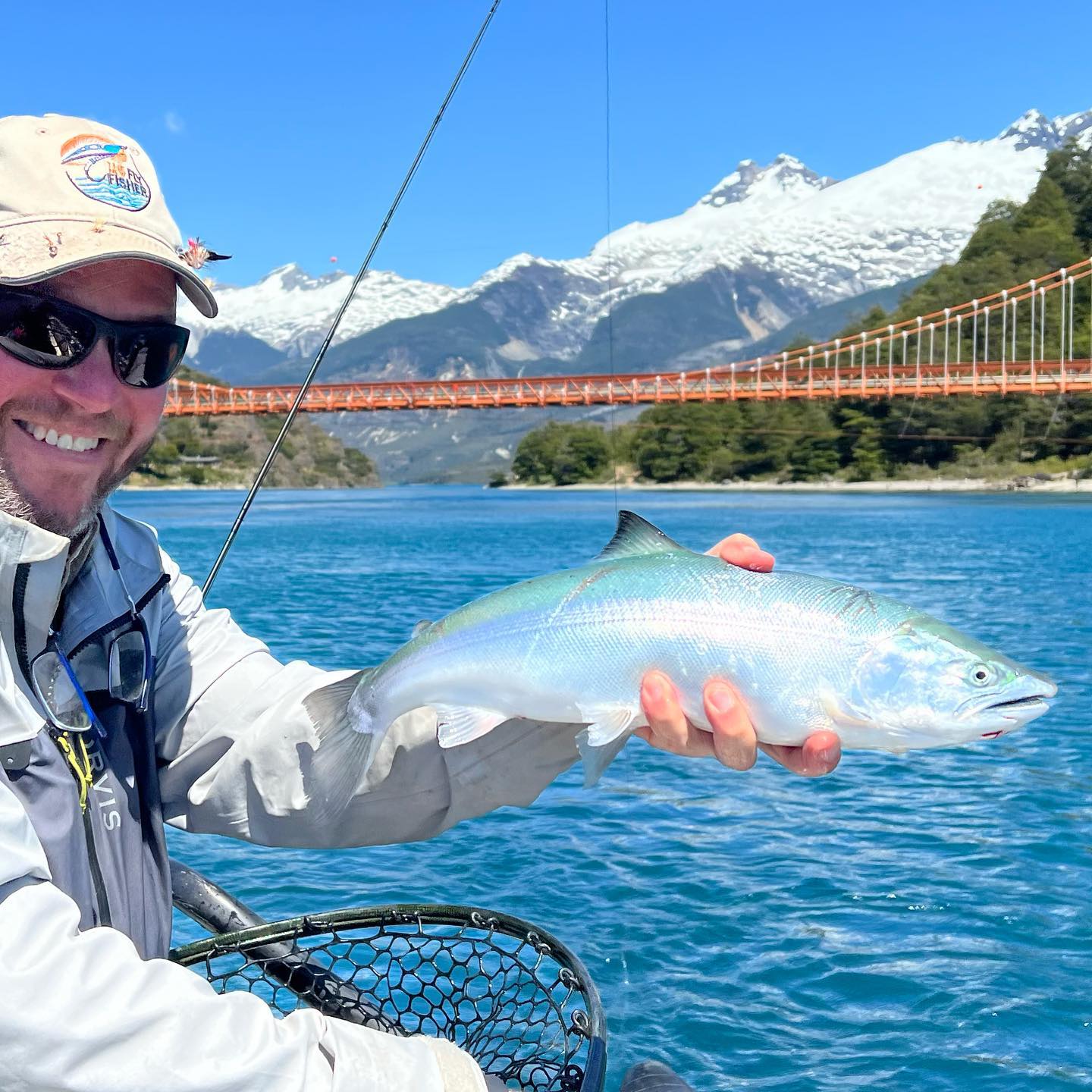
24:26 – He walks us through traveling to Magic Waters Patagonia. Starting from Toronto, he takes a red-eye flight to San Diego, followed by a short layover, and then a connecting flight to Balmaceda. Upon arrival, the Magic Waters team picks them up, and it’s about an hour’s drive to the main lodge. Alternatively, reaching the Baker River Lodge takes about four hours through the mountains, offering views of General Carrera, Chile’s largest lake, known for its exceptional fishing of big browns, rainbows, and cherry salmon.

fly fishing in chile
“New species alert. This is a Cherry Salmon caught and released in Patagonia. Blindingly silver! @magicwaterspatagonialodge” Photo via: https://www.instagram.com/markmelnykfishing/

26:57 – Mark describes the first day on the water, explaining they fish with large terrestrial flies like chubby chernobyls and damsel flies, which attract brown trout that leap dramatically to catch them. He also mentions the unique challenge of fishing in a very narrow but deep spring creek, where fish strike quickly, and the windy conditions of Patagonia.

29:02 – Mark will be hosting a trip to Chile on March 1st to 8th. He mentions that he still has spots available for this trip and plans to bring a cameraman to document the experience, showcasing what a hosted trip entails. This documentation aims to offer insight to those considering such trips, whether it’s at Magic Waters or other destinations like Cuba or Belize.

fly fishing in chile
“Interested in being a guest on The New Fly Fisher? Join Mark Melnyk in Chile at Patagonia Baker Lodge March 1-8, 2025. If you’d like to be in an episode of the show, email Mark Melnyk at Mark.melnyk@me.com for the information package. Patagonia Baker Lodge – an Epic Adventure in Chilean Patagonia” Photo via: https://www.facebook.com/@thenewflyfisher/

30:45 – Mark gives some valuable tips in fly fishing in Chile. He emphasizes the importance of listening to guides who are familiar with the fish behavior on local rivers. He advises anglers to “fish big,” using large flies and robust presentations, as the environment is competitive and predatory. He also suggests bringing extra rods due to the remote location, while noting that the guides provide ample flies and exceptional support, including meals and entertainment like traditional Chilean music.

34:29 – For more content and information on Magic Waters Patagonia, Mark recommends their YouTube channel @newflyfisher, featuring episodes from Magic Waters Patagonia Lodge, Baker River Lodge, and River of Dreams.

36:51 – Mark shares some tips on traveling for fishing trips. He emphasizes the importance of being prepared for unexpected travel issues, such as mechanical problems or weather delays, and advises travelers to stay calm and adaptable. He recommends keeping essential fishing gear like rods and reels in carry-on luggage to avoid issues if checked luggage is lost. Mark also suggests planning extra days around a trip to explore the local culture and environment, enhancing the travel experience.

40:40 – We get into the gear. Mark highlights the importance of bringing appropriate gear, such as floating lines, five and six weight rods for stream and lake fishing, and potentially a two-handed rod like a spey or switch rod for larger rivers with fast-moving water. He advises having reels with great drags due to the smart fish and strong currents.

43:53 – Mark mentions some other stuff and gear to bring for a fly fishing trip in Chile. He emphasizes the importance of layering, starting with a merino wool base layer for its moisture-wicking properties, followed by insulation layers like jogging pants and a synthetic puffy jacket. Additionally, he highlights the necessity of a waterproof shell and backpack to store extra layers, ensuring they stay dry.

Mark also discusses the intense sun exposure in Chile, advising the use of buffs, zinc sunscreen, and sun gloves to protect against sunburn, particularly under the chin and on the tops of hands.

IconX Heated Core Long Sleeve Shirt Photo via: https://heatedcore.com/collections/tops/products/iconx-heated-core-long-sleeve-shirt

49:38 – Mark describes a standout dish featuring abalone prepared by Chef Angela at the River of Dreams Patagonia. He had never tried abalone before, which is not commonly available in Canada. He found the dish to be extraordinary, with the abalone being tender and flavorful, complemented by fantastic sauces.


You can find Mark on Instagram @markmelnykfishing and @theofficialnewflyfisher.

Email him at mark.melnyk@me.com.

Visit their website at thenewflyfisher.com.

Facebook at The New Fly Fisher

YouTube @newflyfisher


Related Podcast Episodes

668 | Celebrating the Life of Colin Mckeown – Ep 84 Re-released


fly fishing in chile

Conclusion with Mark Melnyk on Fly Fishing in Chile

Through our chat with Mark, it’s clear that Chile offers a unique and thrilling fly fishing experience. From the vast landscapes to the promise of landing large trout, Chile stands out as a premier destination for anglers seeking adventure and challenge. Whether you’re drawn to the allure of Chile’s wild waters or intrigued by the idea of trying your hand at catching cherry salmon, this episode has something for everyone.

Be sure to check out their YouTube channel @newflyfisher if you’re planning to go on a fishing trip to Chile or just wanting to learn about other popular lodges and outfitters.


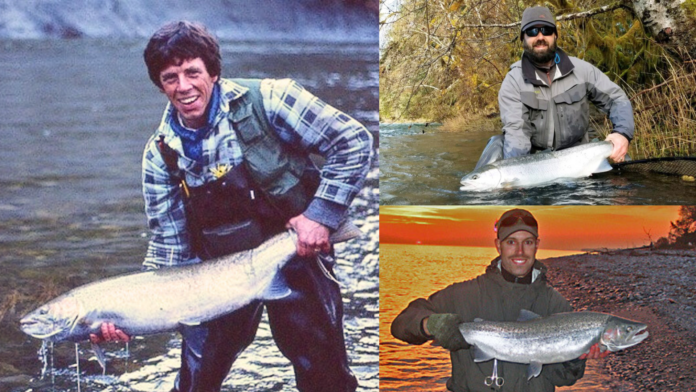
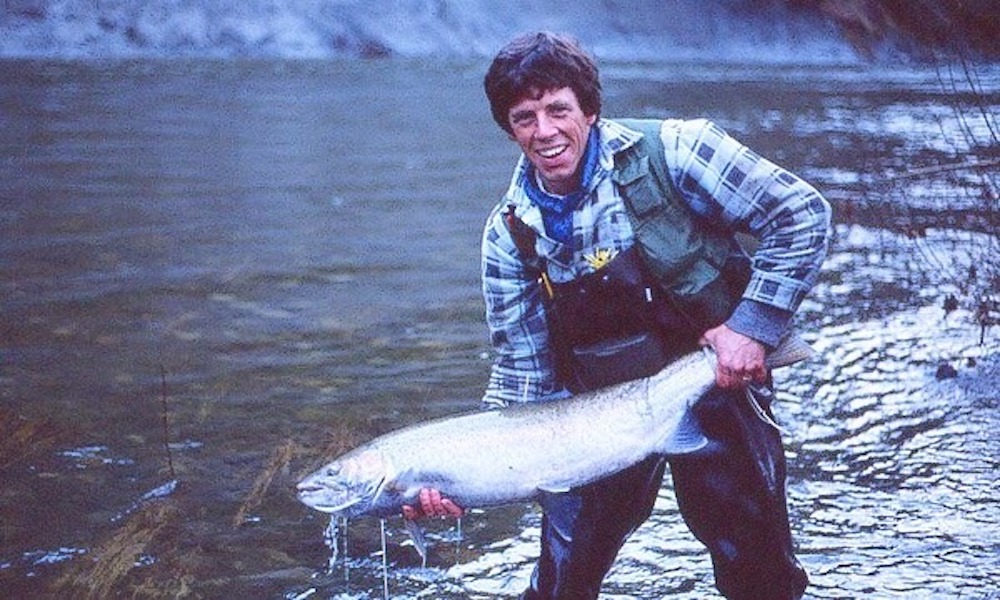
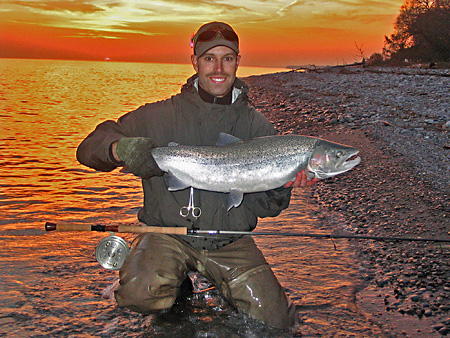
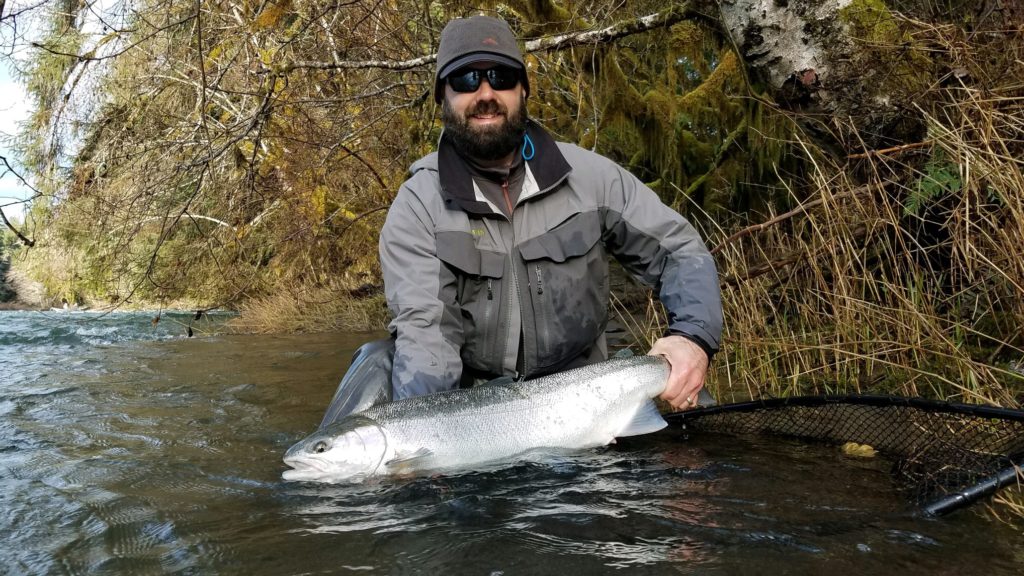
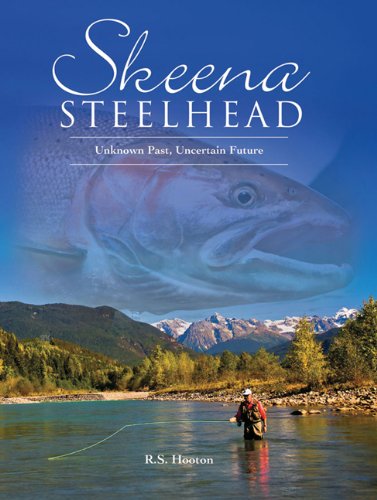
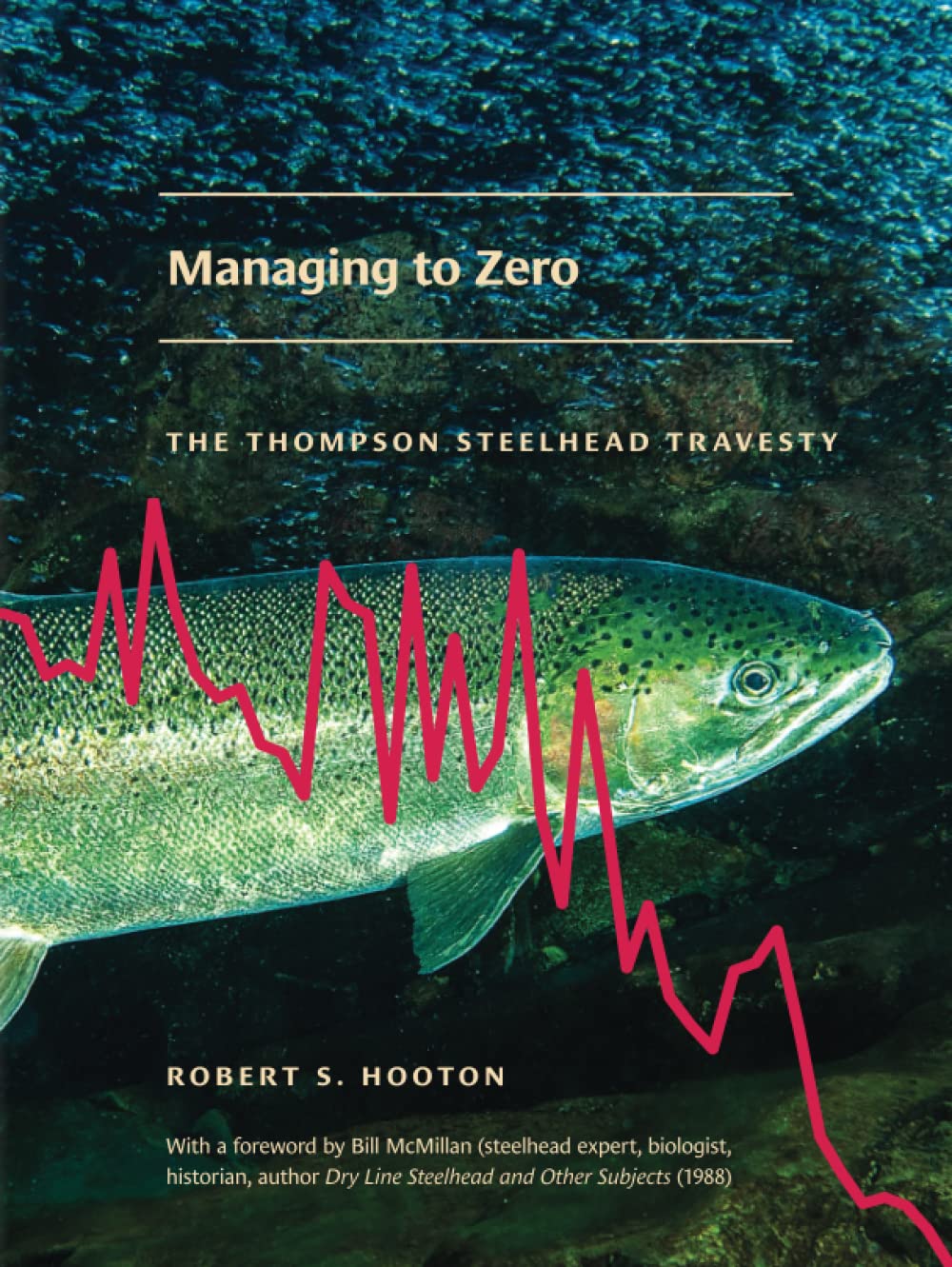
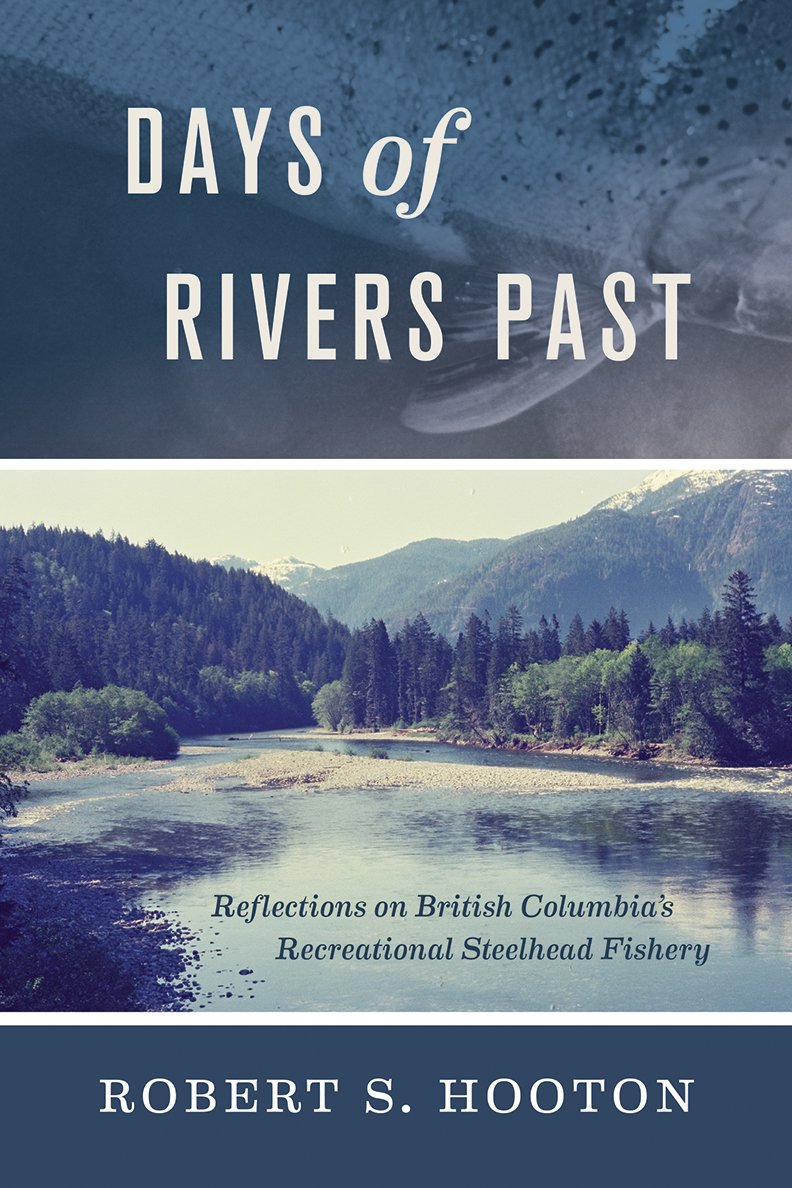
In the Bucket #11 | Steelhead Science: Insights from Fisheries Biologists with Bob Hooton, Brian Morrison, and John McMillan

In this episode of In the Bucket Podcast, we sit down with three passionate fisheries biologists—Bob Hooton, John McMillan, and Brian Morrison—to talk all things steelhead. From the wild rivers of British Columbia to the Great Lakes and Washington’s rugged streams, these guys share fascinating stories, hard-won insights, and the challenges of balancing fishing with conservation. We dig into the evolution of catch-and-release fishing, the impact of angling pressure, and what it takes to protect steelhead for future generations. Whether you’re a steelhead guy or just curious about these incredible fish, this is a conversation you don’t want to miss! It’s time to get in the bucket…


Show Notes with Bob, Brian, and John. Hit play below! 👇🏻

apple podcasts

Find the show:  iTunes | Stitcher | Overcast

Subscribe on Android

Subscribe on Apple Podcasts

Subscribe on Google Podcasts

Subscribe via RSS

(Read the Full Transcript at the bottom of this Blog Post)


Sponsors and Podcast Updates

Bob Hooton
Brian Morrison
John McMillan

Follow them on Instagram 👇🏻

John 👉🏻 @rainforest_steel

Bob 👉🏻 @bobhooton

Brian 👉🏻 @bmo_fisheries


Resources


Related Episodes

Fly Water Travel with Ken Morrish – Dry Fly Patterns, Fly Design (WFS 181)


684 | Surf Fishing California with Tyler Vanosdell – Mission Bay Fly Fishing, Corbina, Halibut

Surf Fishing California

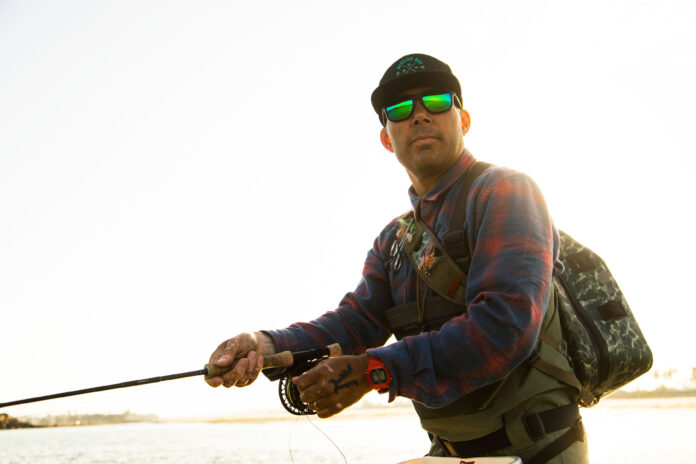
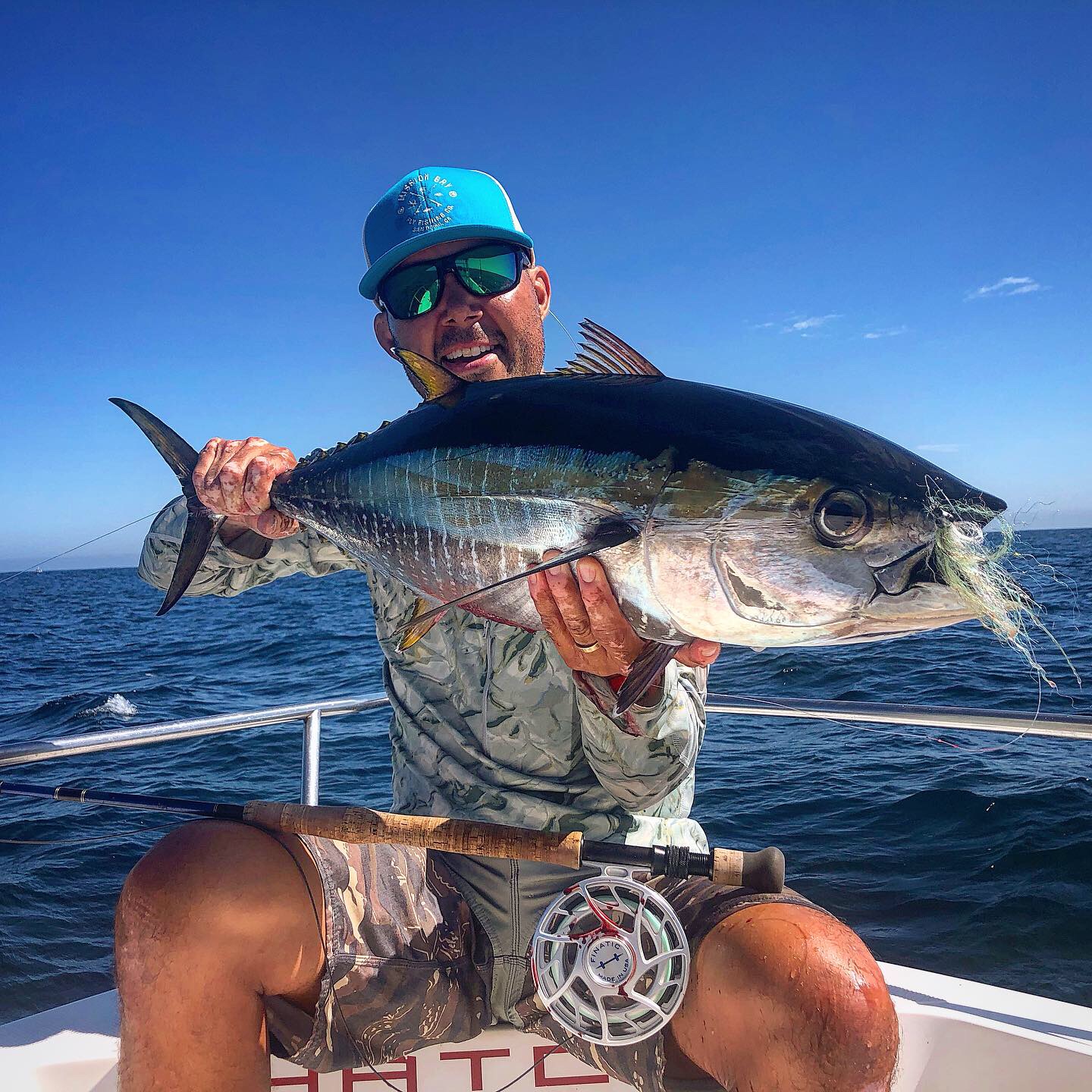
Today, we’re surf fishing California, home to some of the toughest surf fishing spots in the country. Southern California also boasts one of the largest manmade bays and some of the best weather and fish species around.

Tyler Vanosdell from Mission Bay Fly Fishing takes us from his roots on a cotton farm to becoming a San Diego fly fishing guide. Tyler shares the top three things you need to do before hitting the surf, the best apps to use, and essential tips for casting a full sink line.

Plus, you’ll learn why the strip set is critical and how walking your line can make all the difference.

Show Notes with Tyler Vanosdell on Surf Fishing California. Hit play below! 👇🏻


apple podcasts

Find the show:  iTunes | Stitcher | Overcast

Subscribe on Android

Subscribe on Apple Podcasts

Subscribe on Google Podcasts

Subscribe via RSS

(Read the Full Transcript at the bottom of this Blog Post)


Sponsors and Podcast Updates


Surf Fishing California

Episode Chapters with Tyler Vanosdell on Surf Fishing California

02:10 – Growing up on a fifth-generation cotton farm in western Arizona, Tyler started fly fishing on the muddy Gila River, catching largemouth bass, catfish, and even carp before it became popular.

03:42 – Tyler spent time in Montana, Utah, Colorado, and even traveled to Mexico and Costa Rica before landing in San Diego. It was a chance offer from a friend needing a roommate that brought him to San Diego, and he’s been there for almost 18 years now.

Surf Fishing California

Surf Fishing California: Where to Begin? 

05:24 – The first thing Tyler teaches new surf anglers is understanding the conditions. The waves are constant in San Diego, so knowing how to read the waves, tides, and wind is key. Tyler also emphasizes showing beginners the right structure and how to use apps and gear.

Must-Have Apps for Surf Fishing

06:43 – Tyler recommends starting with free apps for tides and wind. For waves, he suggests paying for Surfline, which costs about $10 a month. The cool part? Surfline offers live video feeds of different beaches, letting you scout out fishing spots before heading out.

Surf Fishing Species

07:51 – Tyler talks about the top fish species to target in Southern California.

  • Corbina – The most popular by far is corbina (or “beans”), which come into shallow waters in the summer to feed on sand crabs.
  • Halibut – Tyler also loves fishing for halibut, especially the big ones. There are two types of halibut:
    • Pacific halibut
    • California halibut
  • Croakers (like Yellowfin and Spotfin)
  • Corvina – a toothy fish similar to white sea bass.
  • Surf Fishing California

Ideal Fishing Conditions and Timing

Tyler explains that fishing in San Diego is possible year-round, but winter is his favorite time. It gets crowded in summer, so Tyler tries to fish early to avoid the crowds.

When it comes to conditions, he looks for low-energy waves, around zero to two feet. For tides, he prefers lower ones, especially around zero to two feet, which helps him find good structures for casting. He also likes light winds, ideally 3 to 5 knots, for a smooth experience.

Tyler encourages anyone interested in surf fishing to give it a try. The conditions might be tough some days, but other times, it feels like everything just falls into place. He believes if he can do it, anyone can.

Gear and Casting Tips for Surf Fishing

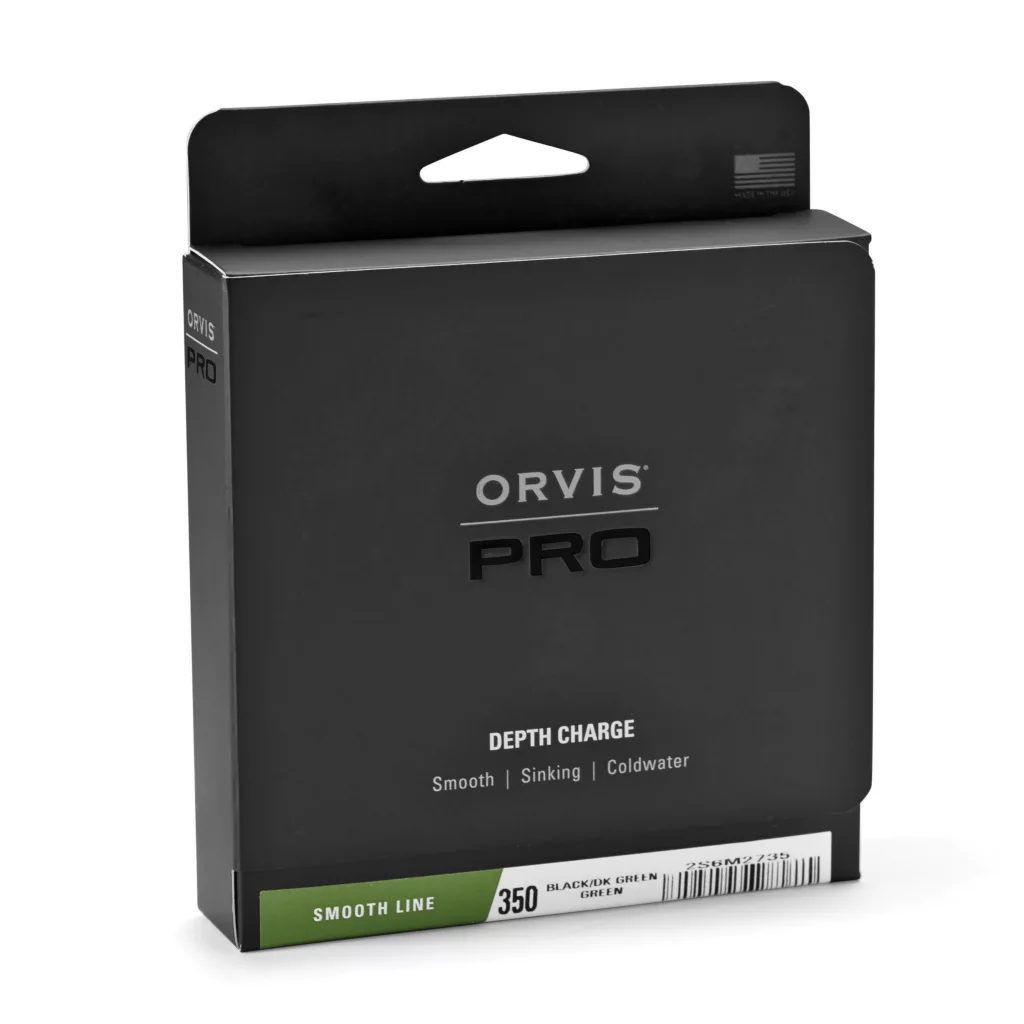
18:57 – Tyler talks about the gear he uses for surf fishing. He usually takes one rod, sometimes two, with a backup just in case. He recommends a full sinking line of around 250 grains to handle the strong surf and currents.

He explains how casting with a heavy sinking line takes a bit of practice but it’s all about letting the rod do the work. Tyler also suggests using a wider casting stroke and double hauling for distance. Start close, work your way out, and you might even catch fish right in front of you.

surf fishing california
PRO Depth Charge 3D Fly Line—Smooth Photo via https://www.orvis.com/

Finding Fish

24:18 – Tyler says low tide is the best time to spot fish-holding structures like rocks, holes, or steep beaches. These areas give fish a place to feed or wait for prey. Tyler also recommends checking out river mouths, which are great spots because they bring in brackish water full of baitfish that predators love.

29:15 – Tyler sticks to a few key flies like the Clouser and Surfin’ Merkin, which are great for catching fish in Southern California. He uses size four hooks with medium dumbbell eyes, and colors like red and white, chartreuse, or olive. Tyler also likes red flies because they’re popular in the area.

Chasing Corbina and Other Fish

38:56 – Tyler talks about how fishing for corbina can be a mix of blind casting and sight fishing. Sometimes the fish are right at the water’s edge, and you can literally see their backs and tails. To catch them, you often have to wade out into the water depending on where the structure is.

Mission Bay Fly Fishing 

44:11 – Mission Bay is the heart of fly fishing in San Diego. It’s the largest manmade aquatic park in the U.S., offering 34 miles of fishable shoreline. You can walk around, cast, and explore different areas, making it super accessible.

One of the coolest things about fishing there is the spotted bay bass. It’s a unique species to the area, and you can catch them year-round. Tyler likes fishing at lower tides with an intermediate sinking line for better results.


Check out MissionBayFlyFishingCo.com or connect with Tyler on Instagram @missionbayflyfishing

Related Podcast Episodes

Read the Full Podcast Transcript Below

Surf Fishing California

Conclusion with Tyler Vanosdell on Surf Fishing California

If you’re new to the area or planning a trip down south, make sure to reach out to Tyler. As he mentioned, even if you’re not heading down right away, it’s worth picking his brain to find out where the best fishing spots are and what’s happening.

And honestly, who wouldn’t want to catch a halibut on a fly? I know I do!


683 | Fly Fishing the Missouri River with Craig DeMark – Big Trout, On DeMark Lodge

on demark lodge

In this episode, we’re joined by Craig DeMark of On DeMark Lodge to guide us through the intricacies of fly fishing the Missouri River. You’ll discover expert tips on navigating downstream fishing, strategies for handling pressured waters, and the crucial elements of achieving the perfect drift.

Whether you’re a seasoned angler or new to the sport, Craig’s insights will equip you with the knowledge to enhance your fishing experience on the Missouri River. Plus, you’ll get his top casting tip and learn what to do when you hook that elusive trophy trout.

Join us as we unravel the secrets of the Big Mo with Craig DeMark—your gateway to mastering the art of fly fishing in Montana’s majestic waters.


Show Notes with Craig DeMark on Fly Fishing the Missouri River. Hit play below! 👇🏻

apple podcasts

Find the show:  iTunes | Stitcher | Overcast

Subscribe on Android

Subscribe on Apple Podcasts

Subscribe on Google Podcasts

Subscribe via RSS

(Read the Full Transcript at the bottom of this Blog Post)


Sponsors and Podcast Updates


fly fishing the missouri river

Episode Chapters with Craig DeMark on Fly Fishing the Missouri River

3:02 – Craig shares his journey into fly fishing and the establishment of On DeMark Lodge. He taught himself to fish, starting with lakes and gradually moving to streams. Originally from the auto repair industry, he eventually transitioned to fly fishing.

fly fishing the missouri river
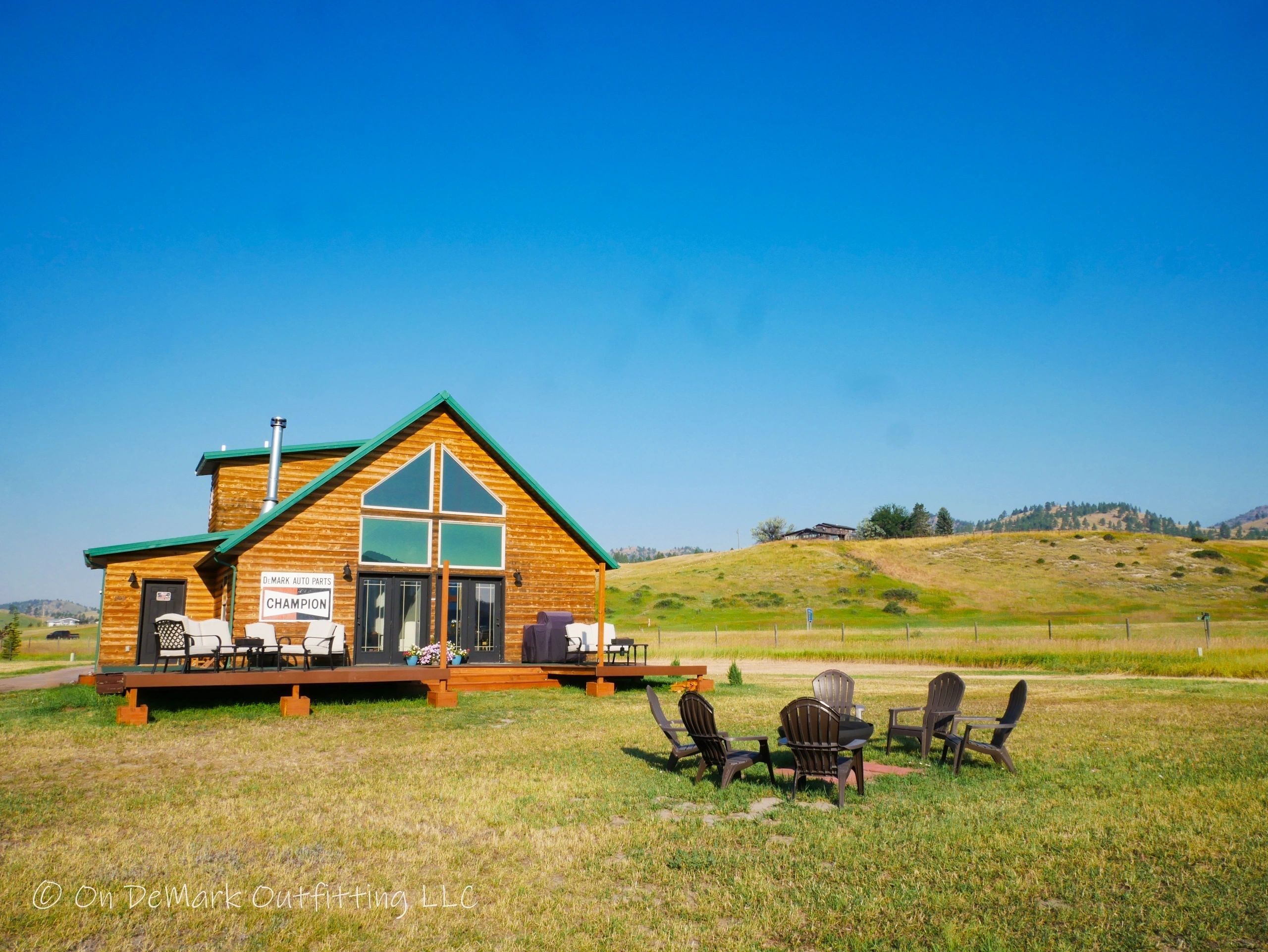
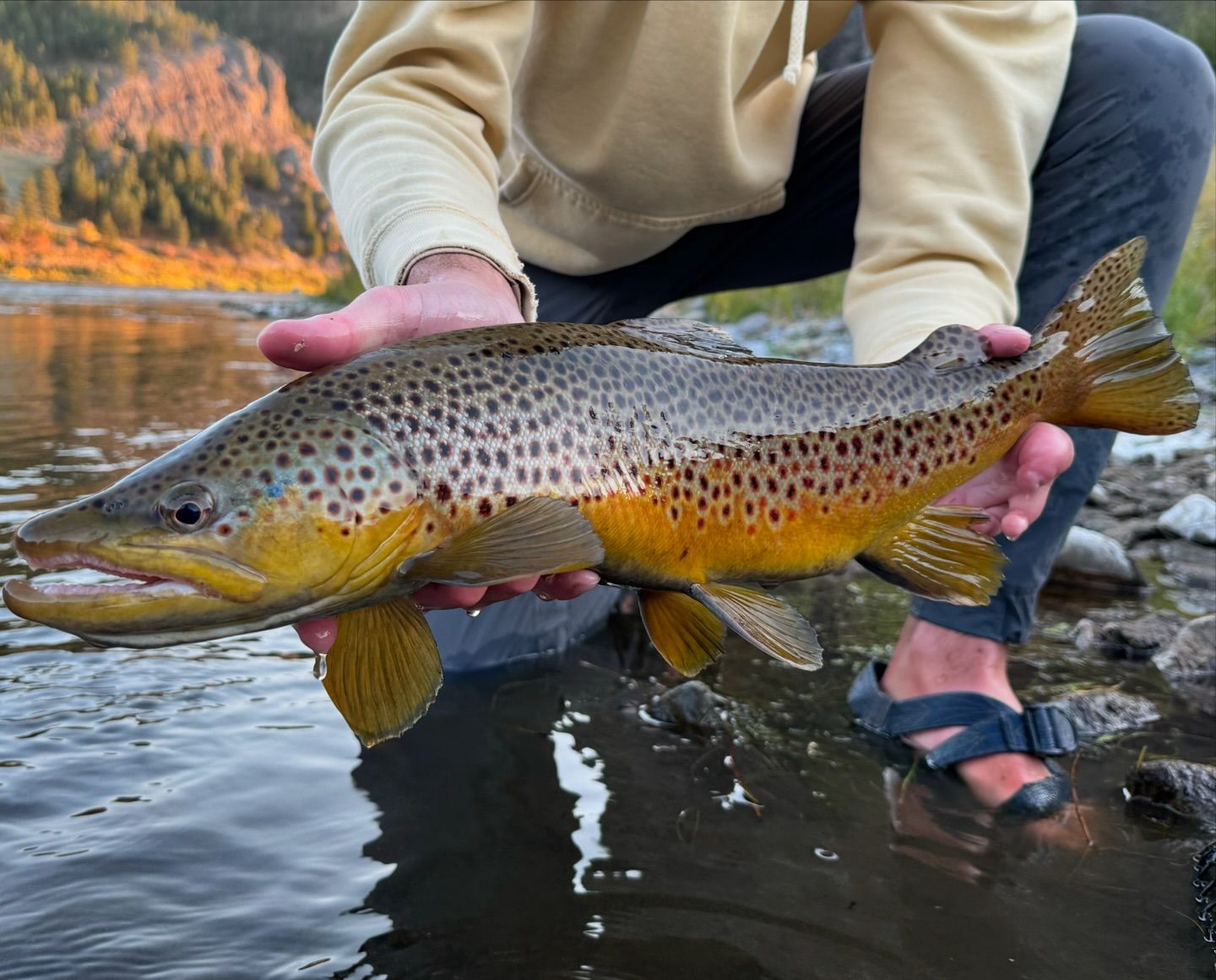
Photo via: https://ondemarklodge.com

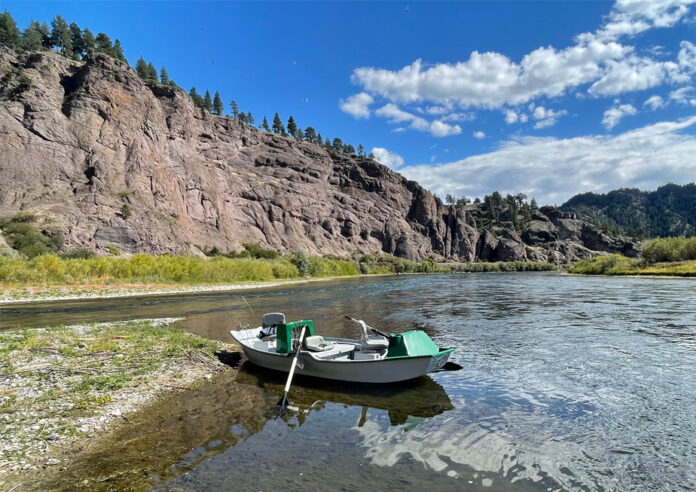
7:43 – We talk about the Missouri River. Craig explains that the river originates from the confluence of the Gallatin, Jefferson, and Madison rivers at Three Forks, located south of their area. He also notes that they fish on the stretch below the Holter Dam down to the town of Cascade, a 40-mile stretch known for its diversity and clear waters due to the reservoirs storing cold water.

10:56 – Craig discusses their lodge, a small, family-run lodge located between Great Falls and Helena, Montana, providing convenient access to the Missouri River. They offer a personalized experience with Craig as a guide and his wife and son assisting in operations. The lodge provides easy access to fishing spots, with launch points within a 10 to 30-minute drive.

fly fishing the missouri river
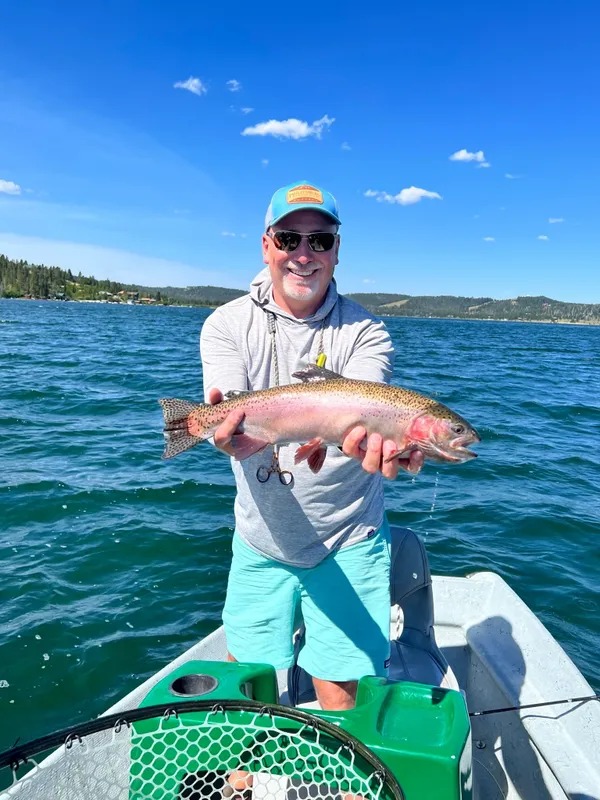
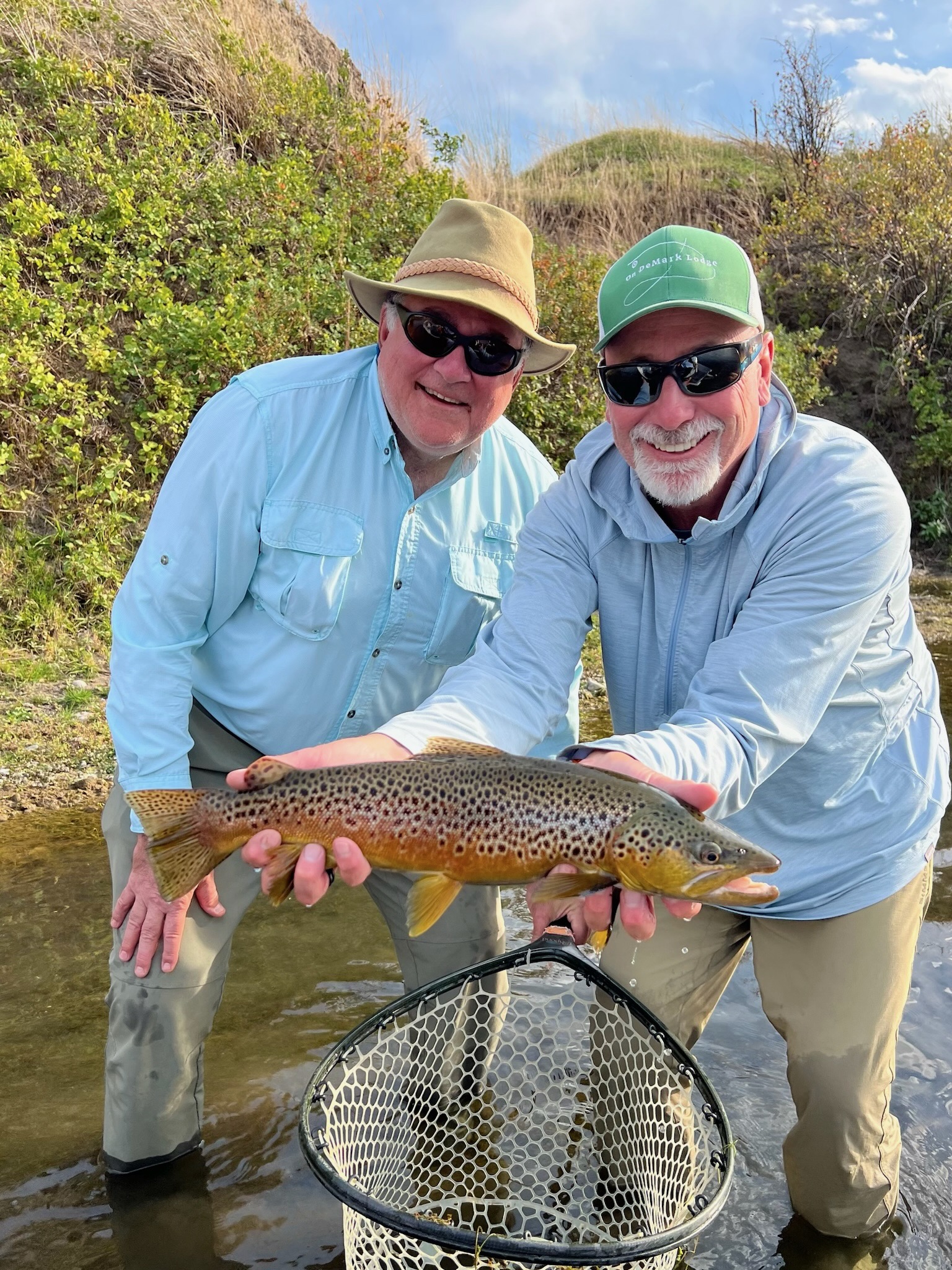
Craig with his sons (Photo via: https://www.facebook.com/ondemarklodge)

13:57 – Their fishing trips span from April to October. Craig explains that although the season has ended, the favorable weather could have allowed fishing into November. April begins with variable weather, offering both sunny and cold, rainy days, but it features excellent fishing with minimal crowds. The fishing season wraps up with blue wing olives and October caddis. Craig highlights the abundance of dry fly fishing opportunities throughout the season, expressing gratitude for the rich fishing environment they enjoy.

17:16 – Craig discusses fly fishing techniques on the Missouri River, emphasizing the excitement of tricos fishing, where timing and the right drift are crucial as fish rise to eat small flies like size 18s or 20s. He notes that while the river is known for technical fishing with small dry flies, there are also opportunities to use larger flies like hoppers in sizes 6 and 8 for a few months. Craig prefers using a single dry fly for a better drift but acknowledges that a dry dropper setup can be effective.

fly fishing the missouri river
Hoppers (Photo via: https://www.instagram.com/ondemarklodge)

19:14 – We get into the use of dry flies during a PMD (Pale Morning Dun) hatch. Craig explains that during such hatches, fish move to shallow gravel bars, sometimes in waters as shallow as a foot deep. Anglers often anchor on these bars, either wading or fishing from the boat. He notes that it’s common to find a spot rich with fish and spend several hours there without needing to move much.

21:03 – We talk about fishing for caddis flies, which are prevalent during the June to July summer period and continue into the fall with species like the tan caddis and big October caddis. Craig mentions they had a successful caddis season and describes different methods for fishing them, such as using corn fed caddis and X-caddis flies.

22:46 – Craig advises that newcomers to the area should look for rising fish during hatch seasons, emphasizing that smaller rises often indicate larger fish. He also stresses that achieving a good drift is more crucial than the choice of fly pattern. To achieve a dead drift, he recommends positioning above the fish and utilizing a reach cast technique.

25:18 – We ask his fishing setup, focusing on using 5wt rods for dry flies, with a preference for rods with softer tips. Craig explains they use 9 to 12-foot leaders ending in a five or even four-weight tippet to prevent fish from breaking off. He emphasizes the importance of balancing pressure when reeling in fish, advising anglers to let the fish run to avoid breaking the line. Craig mentions the advantage of being in a drift boat, which allows them to chase the fish downstream if necessary, ensuring a better chance of successfully landing it.

28:09 – We dig into the best times and conditions for dry fly fishing. Craig highlights that the timing depends on what anglers want to experience. Trico hatches are challenging due to the number of rising fish, but the PMD hatch is considered easier, as early-season fish are less picky. For those who prefer not to use nymphs, August offers a great opportunity to fish single dry flies without worrying about weeds.

31:09 – Craig walks us through their daily routine at their lodge.

32:48 – We talk about the involvement of Craig’s family in the lodge. Craig shares that both of his sons started fishing at a young age, initially using spinning rods before naturally progressing to fly fishing. His younger son developed a passion for fishing and began guiding at 18 or 19. The other son contributes on the technical side, helping with their website.

34:49 – We discuss the pressure on the Missouri River. Craig explains that while the river does experience pressure, especially during busy times like June and July, its large size allows anglers to spread out, minimizing the impact of crowded conditions. Craig suggests strategies to avoid pressure, such as fishing at different times of the day or choosing less crowded stretches.

fly fishing the missouri river
Photo via: https://ondemarklodge.com/waters-we-fish

42:43 – Craig emphasizes the importance of mastering the reach cast technique for successful dry fly fishing. He advises anglers to fish downstream to avoid spooking fish and ensure the fly drifts naturally, as drag can deter fish from biting.

In the gear section, we discuss the advantages of skiff boats, particularly the ClackaCraft HeadHunter, for their lightweight design and ease of rowing in flat, swift-moving waters. Skiffs are praised for their low profile, which makes them easy to get in and out of, especially for older guests.

Photo via: https://www.clacka.com/boats/headhunter-skiff-ii/

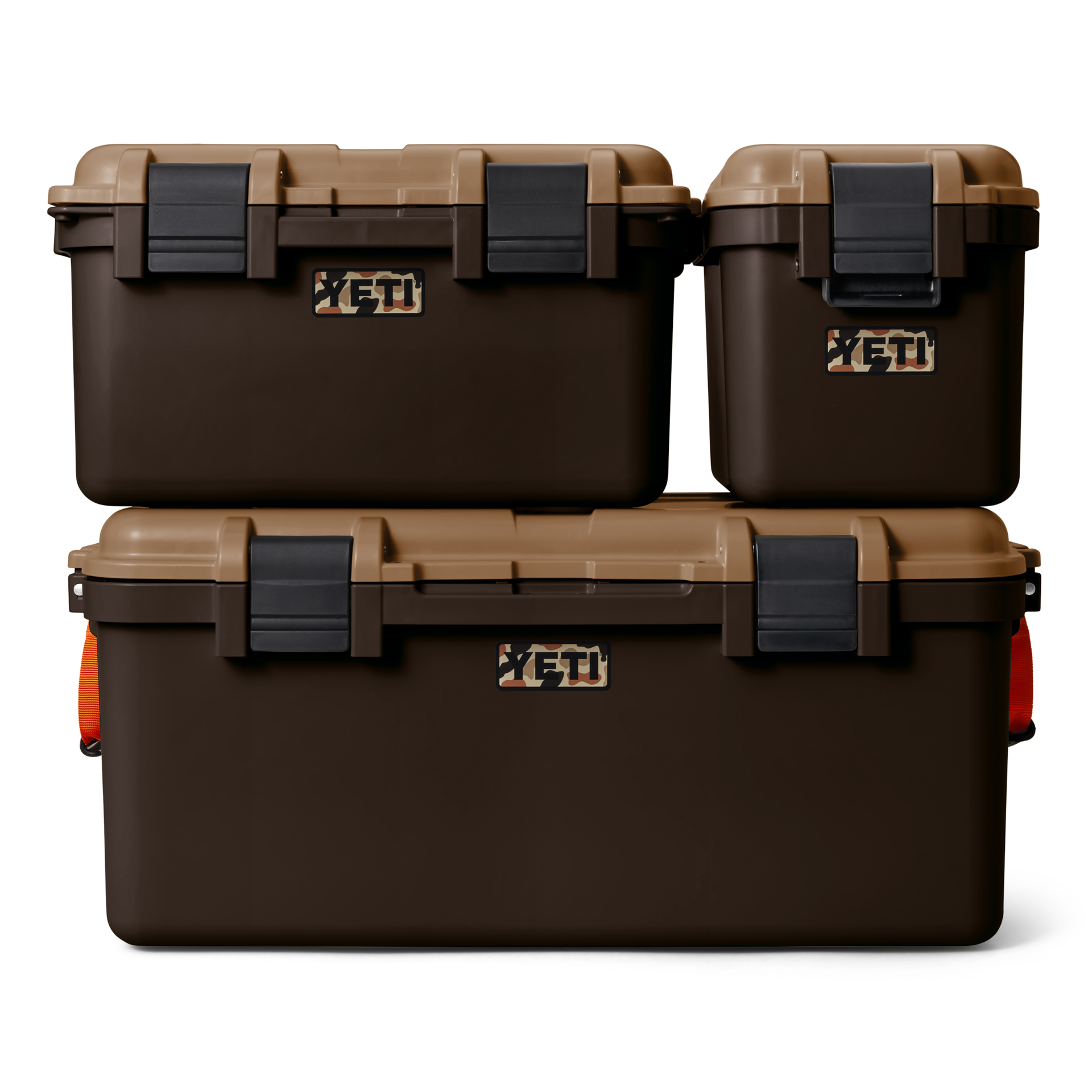
47:01 – We ask Craig what his essential gear is for fishing trips. He emphasizes the importance of having a long-handled fish net, especially on the river, for effectively landing fish. He also mentions his Yeti gearbox, which is crucial for holding all his fishing essentials, such as fly boxes, tippet, and floatant.

Photo via: https://www.yeti.com

50:07 – Craig talks about the similarities and differences between the cities of Great Falls and Helena, Montana. Craig advises travelers to check flight rates to decide which airport to fly into, as both cities are equally accessible. He emphasizes the convenience of their lodge’s location, being remote enough to avoid city life yet close enough for easy access to urban amenities.

51:47 – Craig emphasizes that the Missouri River consistently meets the high expectations people have when fishing in Montana, offering memorable experiences each day, whether through the sight of fish, a missed opportunity, or a successful catch. He notes that the river provides numerous large fish, making it common to encounter 18-inch fish, which are considered significant in other locations.

fly fishing the missouri river
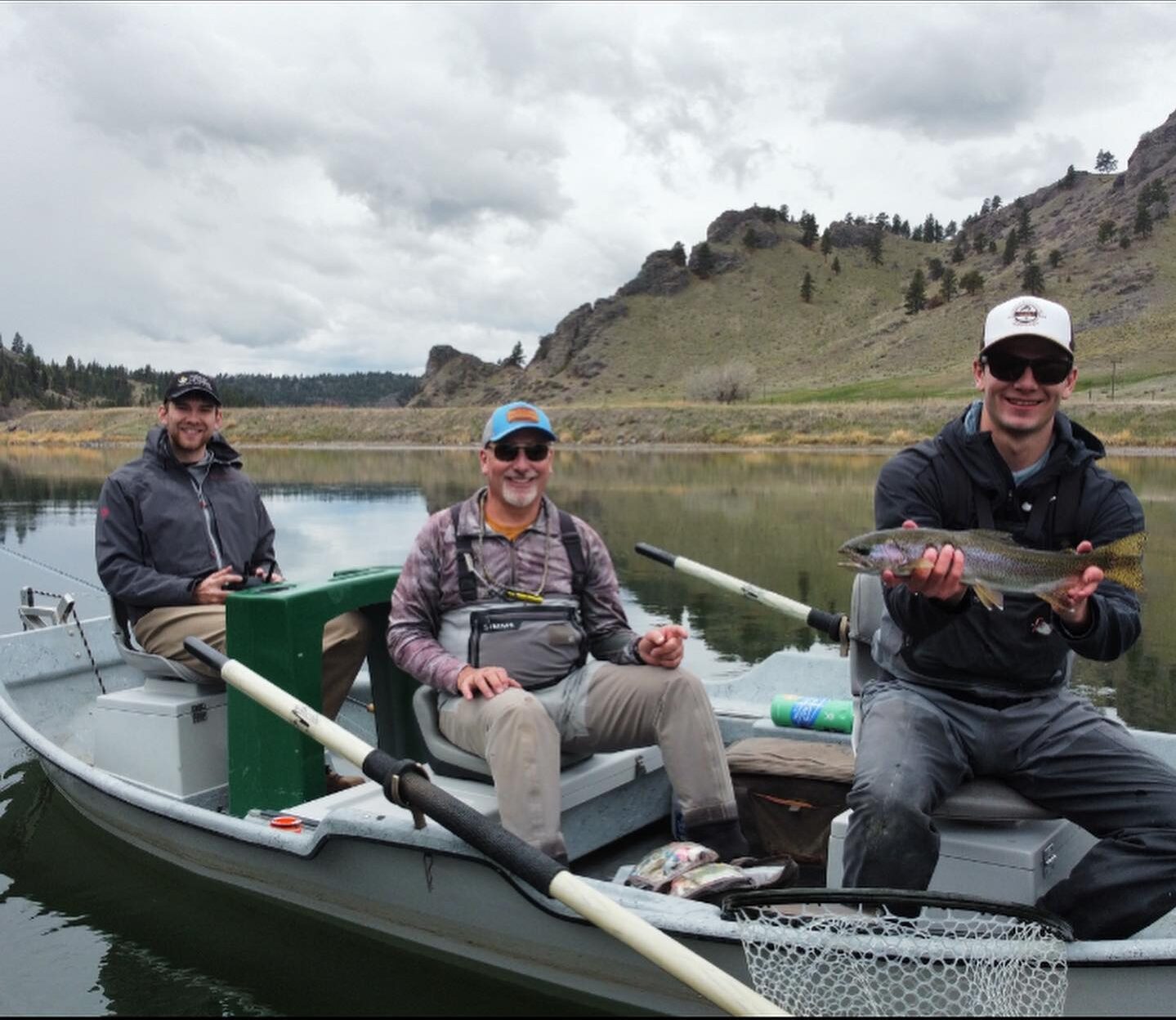
Photo via: https://www.instagram.com/ondemarklodge


You can find Craig DeMark on Instagram @ondemarklodge.

Facebook at On DeMark Lodge

YouTube @OnDeMarkLodge

Visit their website at OnDeMarkLodge.com.

fly fishing the Missouri river


Related Podcast Episodes

Traveled #15 – ClackaCraft with John Stenersen – Drift Boats, Boat Design, Fly Tying


591 | The Future of Drift Boats with Justin Waayenberg – Adipose Boatworks, Helena, Missouri River


fly fishing the missouri river

Conclusion with Craig DeMark on Fly Fishing the Missouri River

From understanding the importance of the drift to mastering techniques for fishing the Missouri River, Craig’s insights offer invaluable guidance for both novice and experienced fly fishers. His dedication to the craft and the family-run On DeMark Lodge provides a unique perspective on what makes this river so special.

Whether you’re planning your next fishing adventure or simply dreaming of casting your line in these storied waters, this episode offers the tools and inspiration to elevate your fly fishing experience. Until next time, tight lines and happy fishing!


682 | Steelhead Fishing in Southeast Alaska with Rick Matney – Montana Trout, Rajeff Sports, Airflo Fly Line

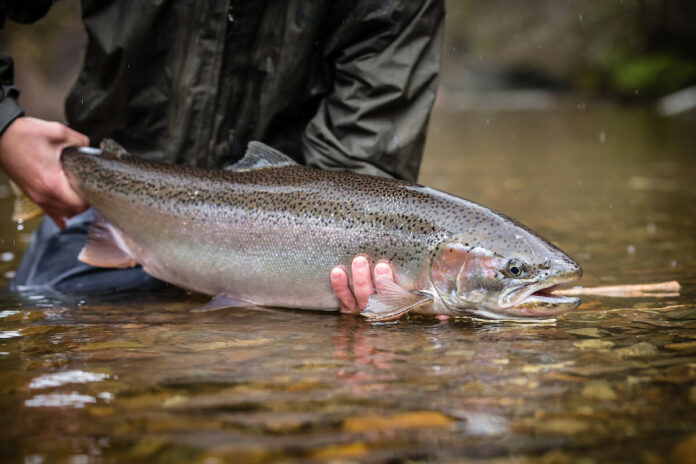
Would you like to fish for steelhead that are so fresh from the salt that they are blue in coloration and not even quite chrome yet How about traveling to a place where it’s highly unlikely that you’ll see another angler in a full week efficient? Today we’re heading into southeast Alaska to find out how to spot and stock big steelhead on pristine Alaskan rivers


Show Notes with Rick Matney on Southeast Alaska Fishing. Hit play below! 👇🏻

Rick Matney, Southeast Alaska steelhead guide, Montana guide, chef, and Alaska immersion program host is gonna share some insight on catching steelhead and some other big species in Alaska. Today we get his best tips on avoiding the crowds, his take on line development, and his experience with Tim Rajeff back in the day. He’s going to teach us how to immerse yourself in Alaska and how to not die on a DIY fishing trip. Ocean fishing, salmon, trout, bear observing, cooking… it’s all in one trip. Rick’s gonna break it all down. So if you’re ready to jump in and step into Southeast Alaska and find out how to survive, listen to this episode

apple podcasts

Find the show:  iTunes | Stitcher | Overcast

Subscribe on Android

Subscribe on Apple Podcasts

Subscribe on Google Podcasts

Subscribe via RSS

(Read the Full Transcript at the bottom of this Blog Post)


Sponsors and Podcast Updates

southeast alaska
Steelhead Camp 2015 – photo by @steeliemike


Follow Rick on Instagram 👉🏻 @akchromechasers

Website 👉🏻 ChromeChasers.com


southeast alaska


Related Videos

Related Episodes

WFS 573 – The Subtle Art of Fly Casting with Tim Rajeff – Echo Fly Rod, Rod Technology, Double Haul


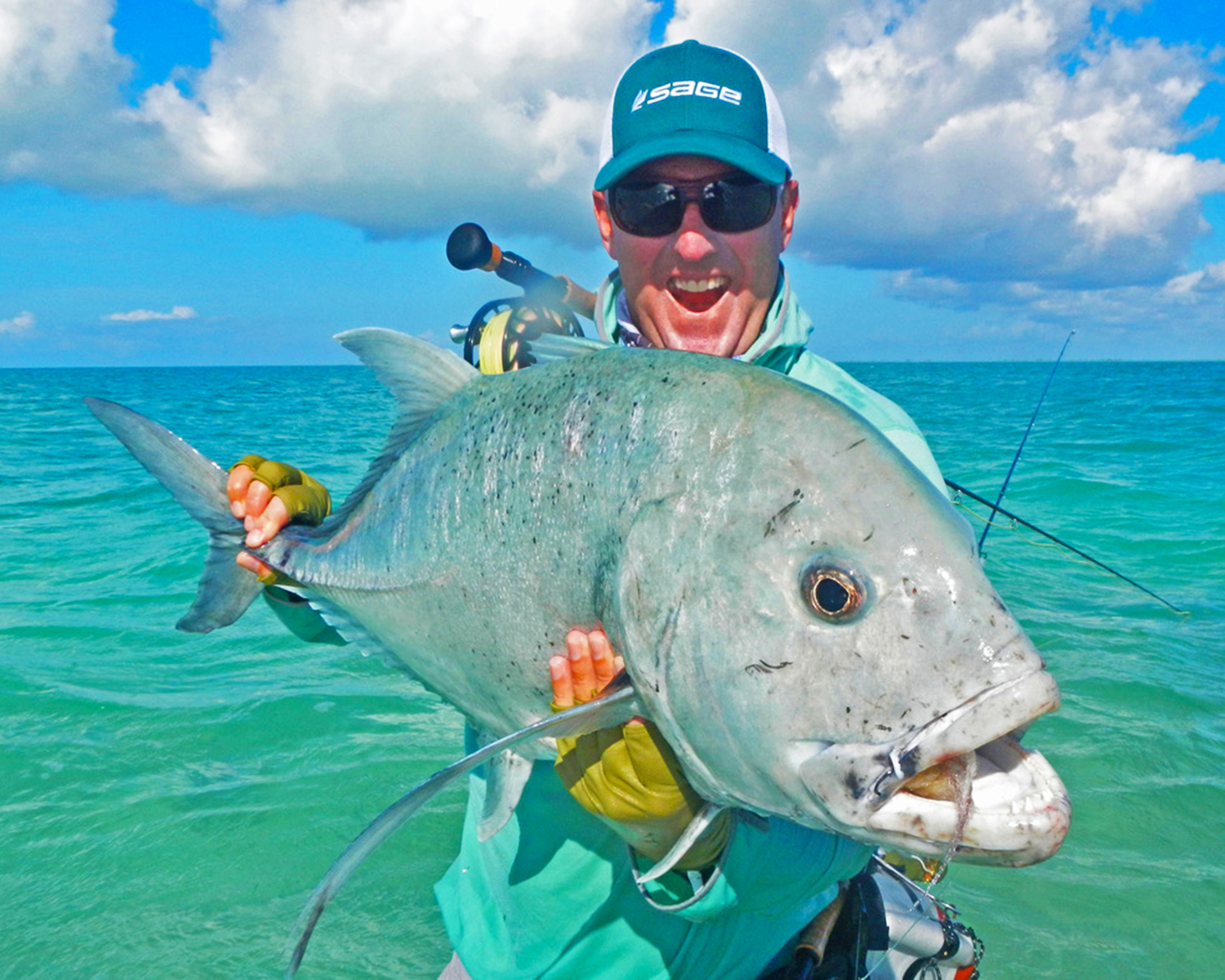
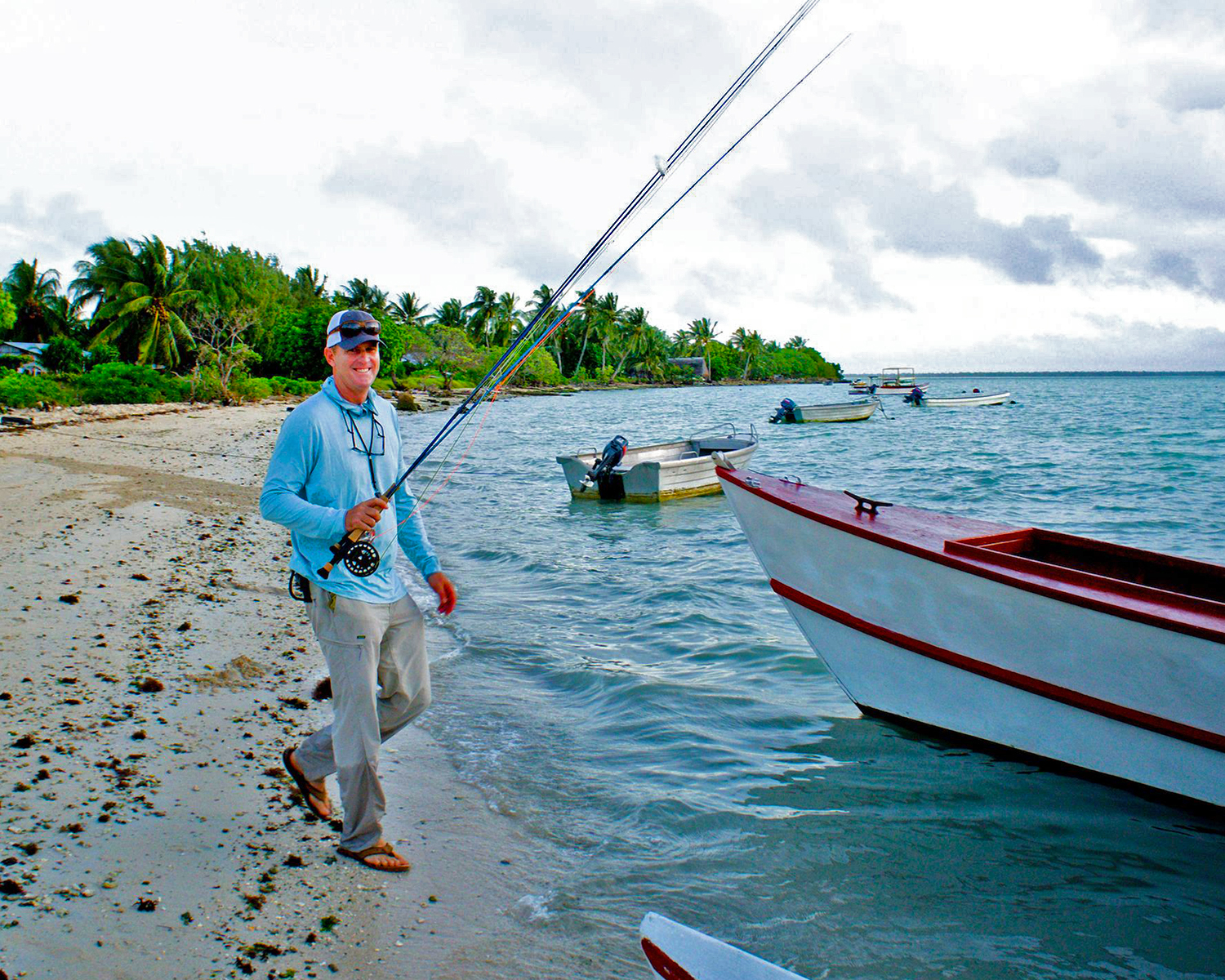
681 | Christmas Island Fly Fishing with Rick Lee – Hawaii, Bonefish, Captain Cook

Christmas Island

Rick Lee, Hawaiian fly fishing master and saltwater expert, is back on the podcast, and today, we’re diving into the waters of Christmas Island and Hawaii.

Rick’s got the scoop on where to find the biggest bonefish, and he’s sharing some tips on how to DIY your fly fishing trips across Hawaii. We also dive into the crazy world of triggerfish. Ever wonder why they’re called that?

Plus, he’s got some wild stories about Captain Cook’s adventures (and how he met his end in Hawaii).

Show Notes with Rick Lee on Christmas Island Fly Fishing. Hit play below! 👇🏻


apple podcasts

Find the show:  iTunes | Stitcher | Overcast

Subscribe on Android

Subscribe on Apple Podcasts

Subscribe on Google Podcasts

Subscribe via RSS

(Read the Full Transcript at the bottom of this Blog Post)


Sponsors and Podcast Updates

Episode Chapters with Rick Lee on Christmas Island Fly Fishing

02:33 – We catch up with Rick Lee since our last chat in Episode 116. Rick is still guiding out of O‘ahu while raising his kids.

We also discuss the challenges and progress of conserving Hawaii’s coastal ecosystems. He said he’s helping educate visitors about protecting the bonefish and other species.

07:26 – We catch up with Rick about his time in Hawaii during the COVID-19 pandemic. He was in Christmas Island when things started to get serious and had a narrow escape, catching the last flight home before the island closed for nearly three years.

He said tourism in Hawaii took a huge hit, but the silver lining was there was no traffic, no crowds, and empty surf spots.

Fishing in Hawaii: What You Need to Know

09:52 – Rick shares some helpful tips for those planning a trip to Hawaii. He said that while Hawaii isn’t a top destination for fly fishing, it’s a great activity to add to your vacation, especially if you’re looking for a few hours of fishing before the family wakes up.

Oahu has some of the world’s biggest bonefish, but with so many people and tourists, the fishing pressure is high. But Rick still recommends bringing your gear out for an adventure.

Aside from bonefish, Rick says you can also fish for triggerfish and some varieties of goatfish.

Christmas Island

12:37 – Rick shares that Oahu has flats around the whole island, but winter can bring dangerous surf on the north and west shores, while the south shore gets more giant waves in the summer.

For those looking for specific spots, Rick recommends contacting his team for personalized advice based on where you’re staying.

Gear

  • Rick suggests using a 7 or 8-weight rod, a floating fly line, and a tapered leader.
  • For flies, crazy Charlie patterns in tan, brown, or orange work well, as do mantis shrimp patterns.

17:28 – Rick talks about catching some really big bonefish in Hawaii, with some reaching over 30 inches! The average fish on their charters weighs around 5 pounds, but you can catch ones that are 7-10 pounds pretty often.

22:53 – Rick explains that Hawaii’s warm water temps stay consistent all year, from the mid-seventies to low eighties. This means you can fish for bonefish pretty much any day of the year. However, late summer and fall can bring rainy weather and strong winds, making fishing tougher. But if you’re up for a challenge, the fishing is still great year-round.

Christmas Island

Casting in the Wind

23:54 – Rick says the key is to slow down and keep your stroke smooth and powerful. He also recommends casting sidearms to help the fly cut through the wind more efficiently.

When it comes to rods, it’s all about personal preference, but fast or medium-fast action rods work best for wind and saltwater fishing.

As for fly lines, shorter, quicker shooting lines are great for windy days, while longer lines help with delicate casts when the conditions are better.

27:25 – Rick says there used to be a fly shop called Nervous Waters in Hawaii, but it closed down when the owner retired. If you’re heading to Hawaii, you must bring everything you need.

Fishing at Christmas Island

36:40 – Rick shares about Christmas Island, a remote spot south of Hawaii, where you can fish in a beautiful 145-square-mile lagoon. It’s known for its incredible fishing variety, from bonefish and triggerfish to big tuna and sailfish.

Triggerfish can grow up to 20 pounds and live in coral forts with special defenses. Rick talks about how tricky it is to catch them, but with the proper techniques, it’s one of the world’s best places for trigger fishing.

Rick explains that a Christmas Island day isn’t just about targeting one fish species. You could start with milkfish, which travel in huge schools, and then switch to offshore fishing for tuna or sailfish. After that, it’s back to the lagoon to target bonefish and triggerfish. And when you think it’s over, giant trevally might pop up.


Visit BonefishHawaii.com to book a trip with Rick.


Related Podcast Episodes


Christmas Island


Conclusion with Rick Lee on Christmas Island Fly Fishing

If you’re interested in a trip to Christmas Island, now’s the time to check in with Rick. He’s got some availability in February, so don’t miss out!


679 | iFishiBelong with Heather Hodson presented by TroutRoutes – Diversity, Inclusion, Ubuntu Fly Anglers

diverse waters

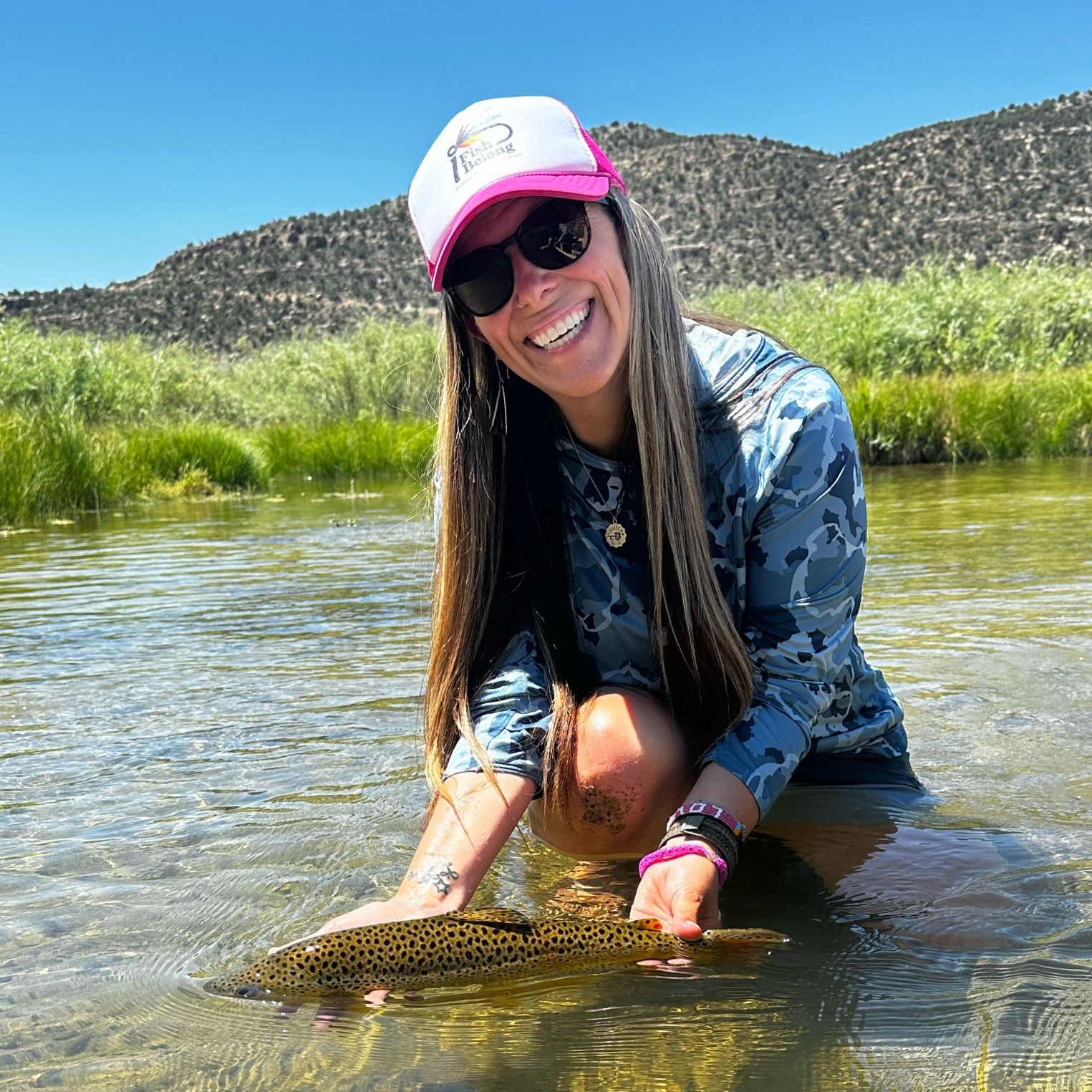
Heather Hodson, an avid spey fishing enthusiast and the founder of United Women on the Fly, shares her exciting initiatives with iFishiBelong.org. We delve into the significance of diversity among anglers, just as vital as the variety of native fish in our cherished streams. We also learn insights from a survey highlighting the role of women in fly fishing.

Join us as we discuss the need for swift changes in the industry and explore upcoming events designed to engage and empower the community. Get ready for an inspiring conversation with someone as passionate and busy as me.


Show Notes with Heather Hodson on iFishiBelong. Hit play below! 👇🏻

apple podcasts

Find the show:  iTunes | Stitcher | Overcast

Subscribe on Android

Subscribe on Apple Podcasts

Subscribe on Google Podcasts

Subscribe via RSS

(Read the Full Transcript at the bottom of this Blog Post)


Sponsors and Podcast Updates


diverse waters

Episode Chapters with Heather Hodson on iFishiBelong

3:14 – Heather discusses the success and mission of United Women on the Fly, an initiative she has been involved with for eight years that aims to empower and connect women in the fishing community.

She notes that while progress has been made, the push for broader industry change has been slow, which led to the creation of her new project, iFishiBelong. This initiative seeks to unite not just women but all people to foster collective change within the fishing industry and beyond, highlighting the need for inclusivity and collaboration to drive progress.

ifishibelong
Photo via: https://www.instagram.com/northwestflygirl/

5:45 – We dig into how they started iFishiBelong which aims to create an inclusive environment within the fishing community by advocating for diversity and unity. Heather also explains that while gender discussions are often easier to address, deeper conversations around ethnicity and sexual orientation can be more challenging. The organization aims to bridge these gaps by starting with gender parity and expanding to other areas of diversity.

9:44 – We ask Heather about the evolution of inclusivity in fly fishing, particularly focusing on women’s experiences in fly shops. She notes that there has been some progress in making fly shops more welcoming to women, but she emphasizes that change is slower than desired. A survey by United Women on the Fly revealed that while women feel more comfortable in these shops now compared to a decade ago, there’s still significant room for improvement. Heather highlights practical steps fly shops can take to fix this.

17:03 – Heather shares that in the current year, their organization successfully hosted four major events focused on inclusivity, both in terms of participant diversity and geographic accessibility. The events took place in New York, Montana, North Carolina, and Oregon. These efforts were supported by TroutRoutes, which sponsored scholarships to help attendees cover costs and hire guides.

ifishibelong
Photo via: https://www.facebook.com/ifishibelong

20:50 – She talks about the success of their event called Trout Fest held in Oregon and confirms plans to hold it again next year. This is a significant event for the local community, providing support and extensive educational opportunities, particularly in fly fishing techniques and entomology.

24:34 – Heather discusses an initiative called “All Kids Fish” founded by Becca Sue Klein in Atlanta, Georgia. This program focuses on engaging young people, particularly girls initially, in the world of fishing and environmental conservation. A key aspect of the program is its diverse mentorship, ensuring that children see role models who reflect their own identities, whether they are queer, transgender, or come from various racial backgrounds.

31:19 – We get into spey fishing.

37:49 – Heather highlights the advantage of using the TroutRoutes app for camping and fishing. It helps her find campsites and navigate the complexities of public versus private land, particularly in regions with restrictive access laws like Colorado. She also mentions features such as gauge stations, which provide detailed water data, and the ability to mark private waypoints, safeguarding secret fishing spots.

41:28 – She discusses one of their programs called Ubuntu Fly Anglers, co-founded by Bob Bartlett and Carl Crawford. This initiative focuses on advocating and supporting black and brown anglers to foster inclusivity outdoors. They recently held an event in Spokane called “We Are Here,” which was impactful and highlighted the importance of representation for black and brown anglers.

ifishibelong
The joy of sharing the river with the @ubuntuflyanglers leadership team is like no other! We Are Here!! (Photo via: https://www.facebook.com/ubuntuflyanglers)

46:43 – Heather shares her admiration for Rick Hafele, whom she first met at an event in Spokane about 10 to 12 years ago. A self-proclaimed “bug nerd,” she took extensive notes during his presentation on entomology. She finds the study of insects, particularly their changing prevalence due to factors like water temperature and sediment pollution, fascinating.

Photo via: https://www.rickhafele.com

48:00 – Heather also discusses the Spokane River’s rich history as a prolific fishery, despite being impacted by dam constructions like the Grand Coulee Dam.


You can find Heather on Instagram at @northwestflygirl and @ifishibelong.

Facebook at iFishiBelong

Visit their website at iFishiBelong.org.

diverse waters


Related Podcast Episodes

WFS 497 – Aquatic Insects with Rick Hafele – Eastern Caddisflies, Western Mayflies, Entomology


ifishibelong

Conclusion with Heather Hodson on iFishiBelong

Heather Hodson shared her inspiring journey in creating opportunities and fostering inclusivity within the fly fishing community. We delved into the pressing need for faster, more substantial changes in the industry. Heather also highlighted upcoming events that aim to enrich lives and support the growth of diverse fishing communities.

As we wrap up, remember that giving back to the sport and its ecosystems not only preserves the legacy of fly fishing but also enhances the experiences of future generations. Stay tuned for more insightful episodes as we continue to explore the best places, resources, and ways to contribute to the fly fishing world.


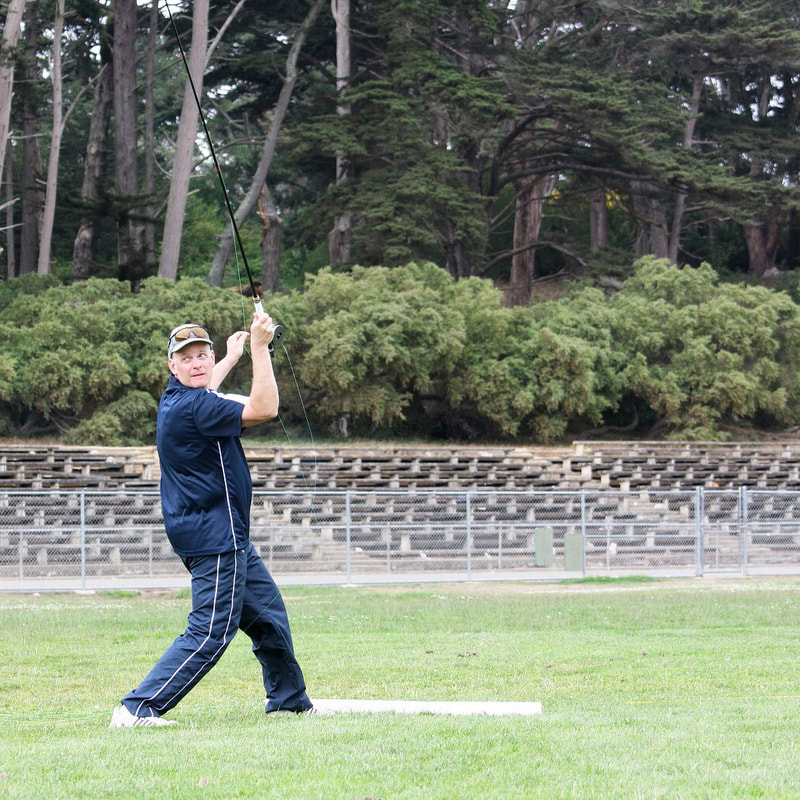
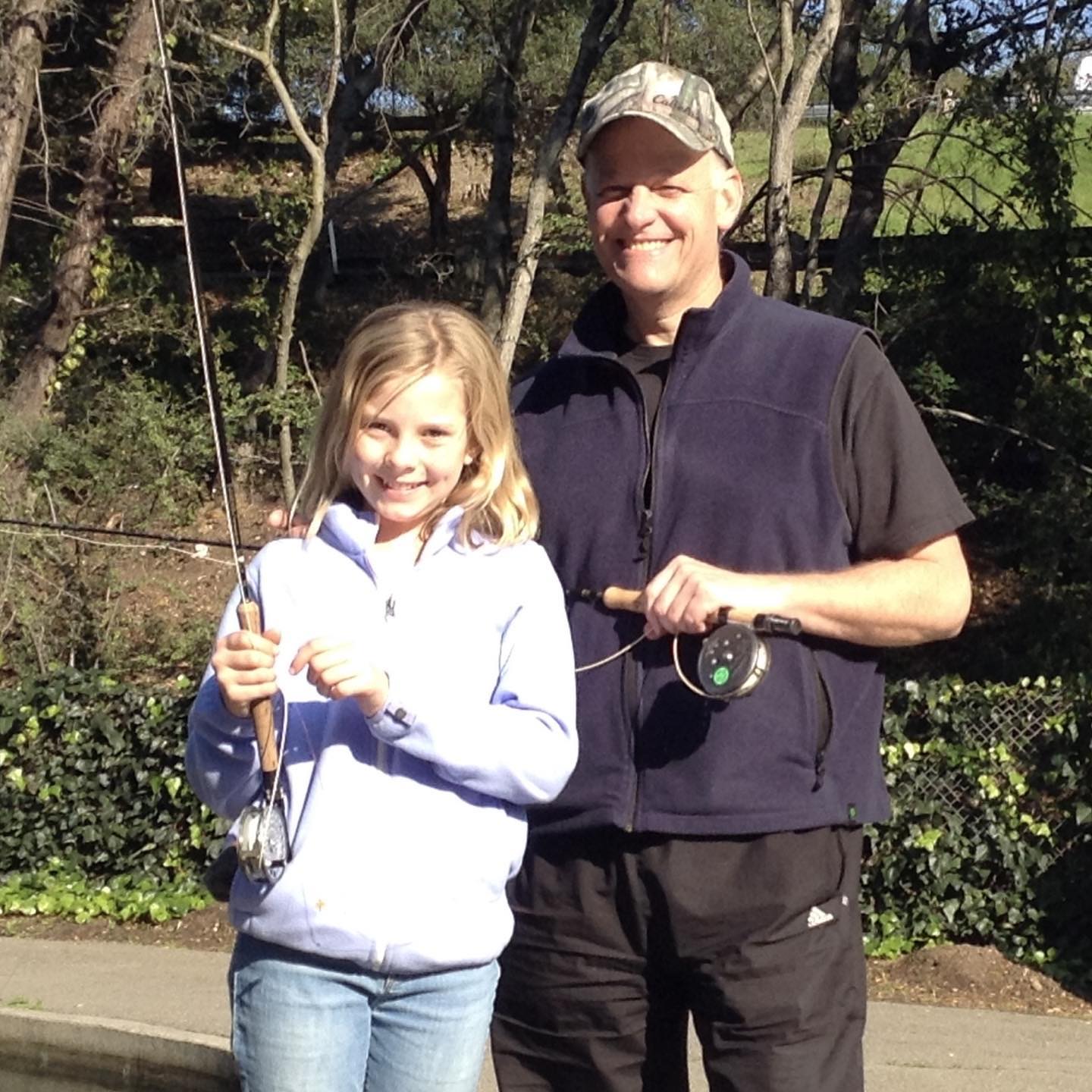
678 | How to Become a Fly Casting Champion with Chris Korich – Golden Gate Casting Club, Maxine McCormick

Chris Korich

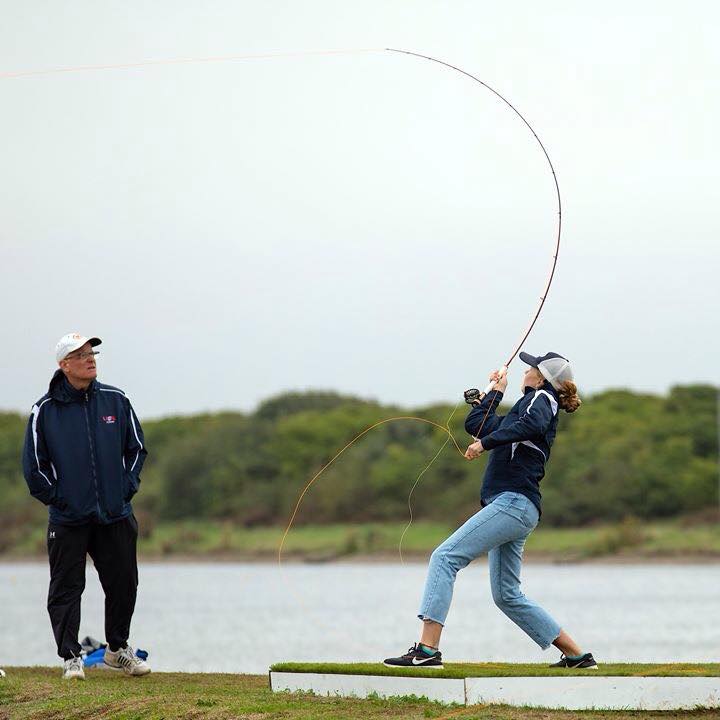
Curious how a 12-year-old girl managed to beat everyone and become the world fly-casting champion? Chris Korich, legendary casting coach to top champions like Maxine McCormick, is here to reveal the secrets behind her success.

You’ll hear Maxine’s full story, from winning her first titles at 12 to outcasting the world’s best.

Chris also shares the number one thing every caster should know, along with tips on rod selection, essential gear, and the history of fly rods. Find out why some top pros still swear by 1970s graphite rods to dominate competitions today.

Show Notes with Chris Korich on How to Become a Fly Casting Champion. Hit play below! 👇🏻


apple podcasts

Find the show:  iTunes | Stitcher | Overcast

Subscribe on Android

Subscribe on Apple Podcasts

Subscribe on Google Podcasts

Subscribe via RSS

(Read the Full Transcript at the bottom of this Blog Post)


Sponsors and Podcast Updates


Chris Korich

Episode Chapters with Chris Korich on How to Become a Fly Casting Champion

02:34 – Chris tells us about his childhood near the Golden Gate Angling and Casting Club in San Francisco. He spent his youth at the Oakland Casting Club, which opened its casting pools in 1958, just blocks from his home. By age eight, he had his first job helping people catch fish.

06:21 – Chris shares how he and his brother stumbled onto their first fishing rod—a discarded, rusty push-button reel they found by chance. They fixed it up and started casting at the trout ponds.

The experienced anglers noticed and stepped in to teach them how to cast properly. One of them was Tony Perry, who became Chris’s first coach.

Coaching Maxine McCormick

Chris Korich

09:51 – Chris shares how he became Maxine McCormick’s coach. It all began when he got a call from Donna O’Sullivan, who saw Maxine at the Golden Gate Club. Maxine was only 9 when she started, and within a couple of lessons, she was already scoring casts like a pro.

15:56 – In 2013, Maxine started training with her dad, Glenn, just a few months after meeting Chris. They jumped into tournament casting, and five months later, Maxine competed in the National Casting Championship.

She outscored every woman in a national competition. By 11, Maxine was making headlines, beating everyone except Chris and Steve. At 12, she became the youngest world champion in the sport.

30:06 – Chris explains that starting with a full-flex rod, like the ones from the old days, helps you feel the line better. He also talks about the benefits of shorter rods, especially for beginners or those fishing in windy conditions.

40:49 – We chat about the best fly rods for beginners, especially for kids. Chris discusses how shorter, softer rods, like fiberglass or combination graphite-glass ones, work great for new casters.

He shares a cool story where 22 women tried different rods, and everyone picked a short fiberglass rod as their favorite. It helps them feel the line better and roll cast more easily.

54:10 – Chris shares a fun exercise with a butter knife to help listeners understand the importance of “feel” when fly casting.

1:00:59 – Chris explains that while many anglers still use long rods, the trend is starting to shift. He compares it to skiing, where shorter skis became popular to help beginners learn, and then they went back to longer skis—only to eventually return to shorter ones again.

Chris believes that shorter rods make fly fishing easier, especially for beginners, and encourages anglers to try them out.

1:10:51 – Chris says there’s no doubt that Steve Ray Jeff is the greatest fly caster in history.

Chris Korich

1:13:11 – Chris shares the impressive story of Maxine, who broke records at the world fly casting championships in Norway. Despite limited training, she scored 80 points in accuracy and won multiple gold medals.

Maxine is also focused on finishing her biology degree while still finding time to fly fish and work at a fly shop.

Chris Korich


Ready to Improve Your Casting Skills?

Visit korichflycasting.com to learn more.

You can also contact Chris directly at ckorich@gmail.com or call (970) 376-3201.

For tips and updates, follow Chris on Instagram @chriskorich!

Related Podcast Episodes


Read the Full Podcast Transcript Below

Episode Transcript
Dave (2s): Do you know how a tiny 11-year-old girl can beat everyone to become the fly casting champion? And what do you think is the best length and action of Rod right now for casting? And would you like to know why some of the best fly casters in the world right now are using first generation graphite from the 1970s to win championships? Today we have the greatest fly casting coach in the world, and he’s going to get us lined out for success this season. This is the Wet Fly Swing podcast, where I show you the best places to travel to for fly fishing, how to find the best resources and tools to prepare for that big trip, and what you can do to give back to the fish species we all love. Hey, I’m Dave host of the Web Fly Swing podcast. I’ve been fly fishing since I was a little kid.   Dave (43s): I, grew up around a little fly shop and have created one of the largest fly fishing podcasts in this country. I’ve also interviewed more of the greatest fly anglers than just about anyone out there. Chris Kotch, legendary casting champion, legendary coach to some of the best in the world, including Maxine McCormick is gonna shed some insight on what it takes for success. And you’re gonna hear the whole story about Maxine, how she did it at 9, 10, 11 years old, how she beat everyone in the world. It’s an amazing story. You’re gonna find out today what the number one most important thing is to know about fly casting and a rod, and what gear to use. We’re also gonna get the history of fly rods and some of the famous names that got us to where we are. We’re gonna find out about how the feral was created, who that was.   Dave (1m 25s): We’ve talked about this before. And also some of the best brands who have rods that are focused on what we’re talking about today. And we’re gonna get into it all. Plus you’re gonna find out why a firm rod tip and a soft butt is what you need for success. Casting champion and casting coach, one of the best, Chris Kic from kwi fly casting.com. How you doing, Chris?   Chris (1m 50s): I’m doing great, Dave, how are you?   Dave (1m 52s): Oh, I’m doing good. It’s great to finally have you on here. We’ve been, we were talking behind the scenes a little bit on some of the podcasts we’ve had with some people, you know, including the Ray Jeff Brothers and folks around the Golden Gate Casting Club. We’ve done some, some podcast episodes there to hear the history. We’re gonna talk to you because you are one of the big guys. I think that maybe, well, we definitely haven’t talked in this podcast, but you’re a big person behind a lot of the people have won some of the events, including Maxine McCormick, who we’re gonna talk about today. I think she was 12 or 13 when she won one of her first events. So we’re gonna get into that. Your casting instructor, you’ve got all sorts of history here. So, but before we do, maybe just check in with you, how are you feeling? I know you made a big move. Are you feeling settled now and you’re in Portland, right?   Chris (2m 34s): Yeah, you know, born and raised in Oakland, California, right across the Bay Bridge. And you know, I just did a big move, And I have both my daughters now living up in on Portland and sister and, and mom moved up here. And so I decided, hey, you know, easier for grandpa to, you know, move than everyone else, obviously, and, you know, hard to leave the bear in, in a way. But I’ll still be traveling back and forth to help run the casting games. And I still compete and obviously coach the US casting team. So, you know, and, and the McCormick family moved up here back in 2017, so a lot of other friends like Steve and Tim just across the river, you know.   Chris (3m 14s): Yeah, exactly.   Dave (3m 15s): Well, like we said, we’re gonna talk casting, we’re going to get in some tips and tricks and things like that. But I also want to touch on the history. So, you know, where do you wanna start? I think we’ve got a lot going on here. We’ve been off air talking about this with Tim Ray, Jeff and Steve, and all the crazy stuff that they’ve done. I mean, really the the amazing stuff, you know, the Steve being kind of the Michael Jordan, as you’ve said of, of fly casting. But maybe take us back, let’s start with the history a little bit here. Maybe put us into fly fishing. When did you run into Steve and was that right around the time you started fly casting?   Chris (3m 48s): Well, you know, as I shared with you before, you know, I grew up in the Oakland Hills right across from San Francisco, and we of course have the famous Golden Gate angling and casting club in Golden Gate Park. There’s also an Oakland casting club that goes back to the thirties. And many of our famous members actually started at the Oakland Club and the casting pools in San Francisco. You know, that club started out at STO Lake and Golden Gate Park back in 1893. Dave. Wow. I don’t know, If you swung by the whole park. I know you went to the casting pools recently. Yep. But nonetheless, so, you know, my parents just happened to buy a home two blocks, you know, from the elementary school I went to, and two blocks the other direction from what we used to call my brother And I used to call the trout ponds.   Chris (4m 39s): It was just a beautiful park that was open the year before I was born. And the Oakland Casting Club had previously been at another Park Lake Temescal in the Hills, and they, along with other outdoor groups in, in the area, raised money. And in 1958, they opened the casting pools that were designed by some of the members. And, and of course many of the Golden Gate members came over for that. But the Golden Gate pools were built in 38, and the Oakland pools were built in 1958. And I was born in 1959, so it was either two blocks to the baseball diamond, you know, in the playground, or it was two blocks to what we, we called the trout ponds.   Chris (5m 19s): And it was actually a combination of these casting ponds that the Oakland Club built. And it was also actually a little stock trout pond with an old timer in, in a rustic shed. And you could take your grandkids down and rent a little bamboo pole and a little for two bits for 25 cents, a little, little bit of bait. And so you could catch your first stock to trout. They’d bring trout in from Northern California, from Las and hatchery. And, and so I got my first fish there with grandpa. And when I was eight years old, I actually got a job there every weekend helping people catch fish. Hmm. This was about a year before I actually started casting. Chris (6m 0s): So my brother And I hung out at the, at the trout ponds and And. we both got jobs helping people catch fish there. And then we graduated to our paper routes, you know? Dave (6m 11s): That’s amazing. So you started, yeah. This casting thing has been going, it’s in your blood. I mean, did you, so before that, were there any flight anglers in your family? Chris (6m 21s): Yeah, my mom’s side, both her and her younger brother, my uncle, they grew up with grandpa fishing a lot when they were kids, especially up in southern Oregon on the Rogue River. That was the favorite place of my grandfather’s. And so, you know, we had that, that’s not really why we got into, it’s just, you know, of course we had that great first fishing experience, you know, with the little trout pond where you catch your fish. And then my brother, And I started fishing the local reservoirs up in the hills that Lake Temescal with a club first had its casting activities back to 36. And you know, the crazy thing was that, you know, we used to kind of grab onto the, you know, coattails of the old timers and kinda like, Hey, Mr, what are you doing? Chris (7m 6s): And we’d see these guy casting at rings And. We kind of wanted them to let us try it, you know? Yeah. We didn’t own our own Rod And. we were just like pesty little kids, you know, playing around the park. And there’s a creek that went through there that flew through the trout ponds and, you know, and catching, you know, poly logs and things like that. And, but nonetheless, you know, they kind of gave us the cold shoulder. We were little, but as we were coming out of the creek one day, we had dammed it up, you know, to catch, you know, water skeeters and stuff. And my brother tripped and my older brother Stan, and he tripped on a rod. Somebody had thrown away a little plastic push button, closed face, spinning reel rod. It was all tangled and kind of rusted. Chris (7m 47s): And he goes, wow, look at what I found here. And, you know, it wasn’t castable or anything. And so we took it home. And I, I’ve always been a little bit of a Mr. Fixit kind of, you know, as it’ll come out. I’m kind of an equipment, you know, nerd. And that was the first rod and reel I actually worked on And, I took it all apart, I think I got some oil and stuff, and got off the rust and, and got it apart, cut all the line off. We went and bought a spool, bought some lead sinkers that were way too big. We just thought the bigger the better. Right? And, we go down to the casting ponds, to the trout ponds with this little rod and start slinging lead over the heads of the old guys that didn’t help us. Chris (8m 27s): And then they didn’t have a choice, Dave, you know, we were either gonna kill ’em with a piece of lead or they were gonna have to teach us. And they came over and they said, you can’t do that here. And cut off the lead and gave us a little official practice plug. And so that’s the start. My brother And I sharing a rod and casting at the hoop. So the, the, the rings in the pool with a little official plug. The guys introduced themselves and, and it turned out they were a couple of the best casters at the time. And one of ’em was left-handed, and I’m left-handed, and he became my coach. His name was Tony Perry. Huh. He was one of the top three or four flight casters in the country at the time. And, and that’s how it started on the, on the Oakland side of the bay for us, just going down to the trout ponds and, and sharing this little push button rod. Dave (9m 14s): Wow, that’s amazing. And there’s such, I’m excited about the history ’cause we’re gonna connect to some of the other podcasts we’ve done, like I said, with Tim Dray, Jeff, and hopefully we’ll have Steve on eventually, but I wanna hear about Maxine McCormick because, I mean, I think she was like 12 or 13 when she won her first, you know, whatever event. And to me, that’s amazing because I have a daughter right now that’s 12, and to think that she would be out there competing with, you know, other women, adults and men too. It seems crazy. So talk about that. How did you get to a point where you became the coach of Maxine and how did you take her to winning events at a such a young age? Chris (9m 51s): Well, you know, for me, I was about nine or 10 when the, this whole thing started when I, when we found that Rod. And one thing led to another. And you know, same thing with Steve. He’s about two and a half, three years older than me, Tim’s my age. And so we all grew up about the same age of nine or 10 starting out at the casting clubs. And you know, like anything, it’s magical when you learn early. So I had the benefit of starting very young and being mentored by these great casters and previous champions at both the Oakland Club and later the Golden Gate Club. And so, you know, I really started teaching people when I was 12. You know, my parents were teachers. Chris (10m 31s): So, you know, fast forward, we’ve had many champions, both teammates, you know, that I was able to learn from and coach along the way. And, you know, we’ve had tons of different great casters from the United States, but the San Francisco Bay area and our clubs have pretty much dominated the sport for a hundred years. And so Steve and Tim And, I were blessed. And, you know, about 11 years ago, I got a call from one of our US team members, Donna O. Sullivan, at the Golden Gate Club. I was working in the ski industry in, in Vail, Colorado at the time. And she said, Hey. She goes, you’ve been talking about we need a, a new kid. Chris (11m 12s): And at the club, we hadn’t had a kid in a while. And I was thinking some little Steve Ray, Jeff, or right. A little kid to show up like us. And she says, this little girl showed up today. And, and And I taught her the basic stuff that you teach in the grip and the stance and, and when are you coming back? You know, And I got this excited message. It was actually New Year’s Day of 2013. Oh wow. And I called Donna back and she was really animated and excited about this father and daughter that she met at the club on New Year’s Day. She was just, you know, taking the day off and enjoying herself. And she spotted this little kid and went over and she called me right away. ’cause we had recently been talking about the fact we hadn’t had a kid in a while. And I told her, don’t worry. Chris (11m 52s): I said, when the next kid shows up, I’ll be ready to teach ’em the, the Old Jedi master secrets and we’ll teach all these old timers at the club lesson. And, and, and so I got back, Donna started helping Maxine gave her a few things to just kind of step by step stuff to do to help her. And I flew back a little over a month later from Vail and after all the ski shows and everything, and I met Maxine, we picked a date. I met Maxine and her father, Glenn McCormick, and asked her lots of questions. And she was a very smart young girl. And, and she was into other sports and things. And I used some analogies, asked her about some different things she did, and, you know, gave her first lesson. Chris (12m 34s): And, and by chance we were having a memorial that day at the club. You know, sometimes things are just almost like just chance and special. But Steve came in about, oh, I guess about an hour or so later, his flight was a little late ’cause we had this memorial for one of our members that had passed away. And so I introduced Steve to Maxine and Glenn the father. And then we actually, Steve was like, Hey, why don’t we teach her how to, you know, score the targets and how to play a little game. And, and so we actually, you know, start teaching how to be a judge. And Steve And I did a little head-to-head cast off with one of the fun bigger eight weight games called Basketball, where the fly makes a big, you know, splash, like a popping bug, you know, so it makes a splash and it hits the target. Chris (13m 17s): And so the very first day, within about two hours, not only did Maxine get her first pointers from me, but she was scoring Steve Rage and me, and, and having a good time calling out the scores at nine years old. So, wow. You know, it’s kinda crazy. And I know that dad called me, I guess, you know, the next day or so And, we exchanged numbers and made a date to meet. And he said, God, I didn’t know how to describe it to, you know, my wife, that we went out to this casting pool and it was like, you know, getting lessons from Tiger Woods and, you know, Phil Mickelson or something. It was, you know, Steve And, I were both there, And, we had a good time. And of course, Steve didn’t live in the area, but that was the start. Chris (13m 58s): I started helping Maxine and her father a couple days later. We met on the weekend, and within a short amount of time, Dave, I could see how focused she was. And And I thought, okay, this will be the way to wake everybody up at the clubs and get people to start practicing their casting, you know? Yep. What about you? I mean, you started really young too. Yeah, Dave (14m 18s): I did too. The, the, the interesting thing is, that’s one of my things with the casting. I mean, I can cast a fly rod, but I, so my dad was a guide on the Deschutes and for my whole life. So pretty much, you know, I grew up around the fly shop. And I was same thing when I was 12. I was out on his guide trips, kind of helping new, new guys that didn’t, you know, didn’t, didn’t know how to cast, but I wasn’t an instructor, so I was just out there more helping catch fish or, and doing that stuff. And, I never really took a lesson. That’s my, my still my one downfall. I didn’t, never spent time or paid any money to do that. So I still have lots of struggles. And of course, spay got into that and still struggle with that. But that’s my story. I got started early ’cause of my dad and, but I, I do need, I still need a lesson. Dave (14m 60s): This is a good reminder for everybody. Yeah. Chris (15m 1s): Well, oh, we’ll have to get together and change that. Yeah. Best thing is the future, obviously of the young kids for all of us. You know, I’m 65 now and I’ve been doing this 55 years. So my real focus is, yeah, it’s great to help the, you know, the fellow teammates and the US team getting ready for, to go represent our country and stuff. But, you know, it’s all about improving your fundamentals for fishing and, and the kids of the future. So you can come And, we give you a pointer and you can bring your kids, your daughters daughters too. And, and you know, we can kind of help get them going on the right path. So they don’t, they don’t go as long as you did without 11. Dave (15m 39s): That’s right. Yeah. And I think actually one of them is pretty excited. So I think this will be something we could talk about here. But back to Maxine. So maybe take us back to her first event that she won. How old was she and, and what was that like? Was that a surprise for her? Or did everybody expect, what was the event? Chris (15m 56s): Well, it was, it was good fortune because after meeting her, it was February of 2013 that, you know, I came back and, and met her and her dad Glenn. But five months later we were hosting the National Casting Championships. You know, there’s different casting clubs in the United States, angling and casting clubs like Golden Gate in Oakland, And. we have an American casting association. I’m actually the current president of that. It’s kind of the governing body for the fun sport of casting games. And we were hosting the Oakland Club had bid to host the national championship that August of 2013. So, you know, once we started training, you know, and practicing, Maxine and the dad were just having a great time together. Chris (16m 37s): And, and the father had fly fishing a long time. Glenn had been fishing since a little kid. And he really just was praying that his, you know, his first child, you know, would wanna fish with him and she would go along and play in the rocks and, you know, help net fish and stuff. But she hadn’t learned to cast yet for the most part. So they were just having a wonderful time, you know, learning. And they’re both kind of perfectionists and they’re like, Hey, we wanna cast like Steve and Chris. So that was the start of it. We had a tournament, I think about six weeks after we first started little casting games. And I said, Hey, this is a good way to accelerate your learning. You know, people don’t, a lot of people think of tournament casting. I try not the word tournament. Most, most golfers don’t want an tournament, but they still want to go play games, you know, and they wanna bet and this and that. Chris (17m 22s): And, you know, the same thing, If, you know, the casting games are, the sport has different games to challenge you with different types of fishing tackles. So like trout fly accuracy or big fly accuracy, you know, with a, with a bigger fly and bigger outfit. And so the games was there just to work on the fundamentals of your casting. So I said, Hey look, let’s play these little games and you know, we’ll have you enter one of these little casting, you know, games or tournaments. And, and so that was about a month later. She had a great time. So they started training, even though at first they were a little reluctant. I said, Hey, you know, we’re gonna have this national championship. You know, Maxine could be the youngest fly caster, you know, she was still gonna be nine. Chris (18m 3s): I said, she could be the youngest fly caster we’ve ever had at a national, most kids start with spinning tackle and bay casting stuff. So, but she wanted to learn how to fly cast ’cause that’s what her dad was doing. So they both competed five months later in the national championship that we were hosting. And Maxine was in the junior division, but everyone took notice ’cause she was already, you know, casting, you know, with some proficiency and throwing nice loops and just this little tiny, at that time she was probably 68 pounds or something. And. we have a lot of photographs of it. And everybody was watching and it’s like, how in the heck is this little girl doing this? You know? Yeah. Chris (18m 43s): But they really got into it. I was practicing with him, you know, that summer leading up to the tournament, probably four days a week. And I, I don’t know if it was Maxina, the father Glen that, that, you know, that wanted to do it more. But Glen was, father Glen actually got out west. ’cause he played in the farm system for the Oakland A. He’s a great athlete. Big tall guy, six foot four. And he’d injured himself and didn’t make it to the majors, but baseball was his sport. And I grew up with baseball. So it was just something that was competitive and fun. And, you know, they were going fishing on weekends and, and if they weren’t away fishing and, and Northern California, they were at the casting club and, and they just got ready and they had a great experience. Chris (19m 25s): Maxine cast really good. So did Glen. And that kind of started it. And a year later we went to the national that was hosted in Tennessee by Angling Club out there. And Maxine outscored every, even though she was still in the junior division, she outscored every woman at the tournament. Hmm. And people were just shocked, you know, a year later how much progress she had made. And her dad did really well, you know, just for one year of experience. He did fantastic as well. And that’s what kind of got it going. You know, we took this trip and had a good time. The next year, the tournament at 11, Maxine went down, they competed at Long Beach. Chris (20m 7s): We have a great sister casting club in Long Beach, California. Long Beach Casting Club. And she not only beat every woman there, she beat everyone in the country except Steve and myself. And her father beat her by one point, and she made the All American team, you have to make top five in the country. And her dad got third and she got fourth, you know, and she was, you know, all of 11 years old. And that’s what kind of started all the media. The Chronicle, Cisco, Tom Steiner did a big article about this little kid beating everyone in the country except her father. And, and Steve and Chris. Chris (20m 47s): And, and the press started to take notice. And, you know, next thing you know, we’re getting, you know, interviews with Gink and Gasoline and Break Magazine and this and that. And, you know, so at 11 is when things really started to kind of hit, and social media people started to kind of follow the scores. Donna was only Donna who first met Maxine. She was always posting results on how Maxine was doing, you know, from nine to 11. But I handed Maxine the results to the world championships that took place. And I said, Hey, look, you know, in 2010, And I showed her the results and she did the math. And the games are a little different. And there’s a game in the World championship called Trout Accuracy. Chris (21m 29s): It’s at slightly different targets and different scoring. But about three days after I gave her the, the results and she looked at the scores and stuff, she went to her dad and said, Hey, I, I want to go to Norway, And I wanna try to beat those women. Hmm. You know, I said, Maxine’s a very competitive, you know Yeah. Young woman and at that time a young girl. And more than anything, she just can’t stand failing or losing. Huh. She gets that a lot from dad and mom. And so anyway, after she made the All American team and got fourth in the country that year, that was 2015 down, down in Long Beach, she said she wanted to go And I said, well, look, I said, you know, the world championship’s a lot of pressure and you’ll be competing against, you know, the best women in the world. Chris (22m 11s): There’s no junior division. So if we’re gonna do this, you know, we have to put a schedule together and, and work hard at it. ’cause I know you hate losing kid. And, and so we trained really, really hard that whole year. And as she was growing, you know, she was probably up to 85 pounds at that time. And by the time we got ready for the tournament a year later, she was all of like 99 pounds and five foot nothing. Dave. Yeah. We went over to Estonia. The, the Estonia Casting Federation was hosting the World Fly Casting Championships. And we traveled to Estonia, made a nice trip out of it, did some sightseeing and stuff, father and, and, and daughter Donna was there joining us on the team. Chris (22m 54s): And so the four of us went over there and Maxine slayed everybody in the world. She beat both the father and Maxine outscored everyone in the qualifying round. And at four o’clock in the afternoon when the finals came up, you have to make finals like track and field. Oh yeah. You know, top eight people make finals. And they were casting at the same time, both for the world title. I had already previously cast, and Maxine won the women’s division, shot the highest score, and I ended up shooting the highest score in the men’s father Glenn got the bronze medal. And so it was just a great start. But a 12-year-old becoming the youngest world champion in the history of any sport. Chris (23m 38s): And it was, everyone there knew it was something special and, and it’s just kind of exploded since then, you know. But she just, and the cool thing, something we want to get into, I mentioned the other day to you talking about the show, is I think people don’t realize, you know, they hear about tournament casting and people know about Steve and Tim and myself and, and then Maxine being the, the, you know, the latest champion we have. But like, how can this happen? You know? Yeah. How can a little tiny kid go in, in two and a half years and Outscore, you know, Paul Arden of Sexy Loops, right? And all these other casters that are fishing guides and, you know, big powerful people and very experienced women fly fishers and stuff. Chris (24m 22s): And, and how is it that’s, you know, not only could, you know, we do well as kids and then, you know, 50 years later a little tiny girl does it. And common denominator really is the equipment, the equipment that we learned with as kids, the Rage Up Brothers, And, I. We were really blessed. And that’s something we can chat about. Yeah. Because I think this is something that’s really holding people back today. And what about you? What are your experiences with different types of rods and Yeah, your first rods and equipment and stuff? Dave (24m 56s): I’m really excited to hear, have this conversation because I love that. I mean, obviously Maxine was a superstar. I mean, she, it reminds me of all the, you, you name the person Michael Jordan, you know, Kobe, probably any of the greatest of the sports were those you always Tiger Woods, right. Before he could walk or whatever, you know, Maxine was kind of in that range, right. And, and blew things out. So, and she had that work ethic, which is cool. But for me it was, you know, same thing, like a lot of people, you know, nine foot five weight. I mean, I still have one of the first steelhead rods my dad gave me here, lamb of glass. But it was pretty standard stuff. You know, just whatever Rod you would get off the, you know, off the shelf. Temple Fork Outfitters. And, and that was it. Just so you know, I started If you think about it, I am probably, let’s say probably in the mid eighties I was out there, so whatever the rods were then Chris (25m 44s): Yeah. Early generation, you know, mid eighties is like, or when second generation graphite was out, IM six graphite. And so the graphite was just starting to get lighter, right? As Tim talked about, you know, Jimmy Green, a a lot of this equipment stuff goes back to the great tackle designers and tackle tinkers at the Golden Gate in Oakland clubs. Jimmy Green, who many people know, as you know, he’s passed now back in 2006. But Jim was the first kinda world fly casting champion, amateur champion that went overseas and won big. He, he started at the Oakland Club in 1936 and started casting. Chris (26m 28s): And then he was discovered actually by a guy, a, a champion flight distance caster from the Portland area, from the Portland Club that used to exist. And Marvin Hedge, he had, he had set a new flight distance record. So there’s a lot of champions from the Portland area, actually. Dave (26m 46s): Yeah. Where was that Portland Club? Where, where was the actual casting? The ponds? Chris (26m 50s): Yeah, the ponds are actually built here in 1936. They’re located in Westmoreland Park, which is kind of just on the east side of the river, little south of the city, Southeast suburb. And Westmoreland’s a beautiful park. And back in the thirties, you know, with the Depression, they were trying to create jobs and the, the club, the Portland Casting Club, and they had a women’s club. They applied for the WPA grants that were building a lot of things to create jobs. Members of the Portland Club actually dug this massive pool, you know, they, they got, you know, paid to do it. Chris (27m 31s): And Marvin Hedge had set this flight distance record in 1934. So they kind of used that, Hey, we got this, you know, world record holder here, we need a casting pool. And this Westmoreland Park was just being built. So the casting pool is actually the centerpiece of the whole park. There’s, there’s baseball diamonds and Maxine’s brother plays Little League Baseball over there now. ’cause they bought a home five minutes away from that casting when they moved up from San Francisco. Relocated. But, you know, Westmoreland casting pool is, you know, right here it’s twice the size of Golden Gate. And, you know, you’ve been to Golden Gate, which is like the size of a football field. Yeah. With casting. And the pool here in Portland is actually like two football fields side by side. Chris (28m 14s): It’s gigantic. But the club died out in the sixties. The old clubhouse is sitting there. The city just uses it for tools and things and you know, it, it kind of needs to be revitalized and the pool needs some work, but it’s still a beautiful place. And, you know, it won’t be long with me just moving up here, you know, probably next spring when they clean the pool, they drain it for the winter. But when they clean it and stuff, we’ll, we’ll get targets out there. Oh, nice. And we’ve done training out there. And And I surely, you know, could see, you know, a youth program going again and, and, and getting local kids, you know, exposed to, to fishing and, and learning how to use their tackle. Dave (28m 53s): Grand Teton fly fishing is a premier guide service and fly shop that has access to some of the most coveted rivers and lakes in Western Wyoming. Their simple goal is to share their valued resource and have you experience a native cutthroat trout rising to a single dry fly in the shadows of the Tetons. You can check out Grand Teton right now at Grand teton fly fishing dot com. Let them know you heard of them through this podcast. Discover Smitty’s Fly Box for premium flies. Their monthly subscription service delivers expertly crafted flies and materials tailored to your fishing environment, boasting over 30 years of experience. Smitty’s is your trusted source for a diverse range of flies. Enhance your fishering experience and make life easier with their carefully created selections. Dave (29m 38s): You can subscribe right now at smitty’s fly box.com and join a community of passionate anglers. Well, going back to the equipment or staying on the equipment. So on Maxine, so what was it, what did you, what did that first year look like? What were the things she was doing to get ready to win this thing? Like what maybe some tips that people can think about And, I know, there’s probably some stuff people at home could maybe do, but what, what would you tell somebody who’s listening now and they wanna get better at their casting? Chris (30m 6s): Well, obviously the key is getting out, you know, as Tim says, away from fish and practicing. And of course when you have, you know, casting facility in your backyard two blocks away, or you know, a quarter mile away like myself and Lares had, you know, that’s a real blessing. But of course you can go out on a grass field. There’s plenty of soccer fields and parks around and there’s bodies of water and some people have access to swimming pools and things like that. It’s obviously best to get on the water when you can. But, you know, on the equipment side of things, you, you mentioned the nine foot five weight, you know, as one of your first rods and stuff. And Yeah. Chris (30m 46s): That’s kind of become, you know, over the last 40 years, the, you know, as soon as Rods started getting lighter, that became the, you know, defacto starting trout rod. And how many do you own Dave? Dave (30m 57s): Oh my God, I’ve got a lot. I’ve, I’ve had to put, make an effort to get, you know, over years. Did not get more knife at five weights. But yeah, I have more of those than probably anything else. Chris (31m 5s): Yeah, exactly. So it’s kinda like, you know, the golfer that’s searching for the magical putter that’s gonna help their putting and you know, and it’s not to knock any of the companies ’cause there’s a lot of wonderful rods out there, but you know, that’s not what most people learned on in the old days. You know, And we learned on bamboo and fiberglass rods and of course you’ve had a lot of shows. We’ve started to talk about fiberglass and fiberglass back. And so really that’s the common denominator is the Ray Jeffs and myself and, and everyone before us, you know, from when we started late sixties, early seventies, it really wasn’t a magical time in equipment. Chris (31m 47s): People don’t realize that the, the, the, the great bamboo rods and of course the fiberglass rods that really took off in the, in the fifties and the sixties before we introduced this graphite. And Jimmy Green was a big part of this Jimmy, this famous Astor from the Oakland Club, he went on to become the Fenwick rod designer starting in around 1960. And he was working down in southern California. They moved production down from Woodland, Washington down there. ’cause he was living by the Long Beach Casting Club. And he started working on, you know, these great affordable fiberglass rods. And he developed the feral system, you know, the tip over butt ferals that were patented by Fenwick. Chris (32m 32s): And a lot of people don’t know, like, you know, the Fenwick Rod company, when it was eventually sold off and stuff, they built a factory up in Bainbridge Island. And the sage factory is the old Fenwick factory. Oh wow. Steve And I used to go as kids crazy. The sage was started by Don Green, but Don was actually the blank manufacturer. Don had a company called Grizzly Rod Company, or blank company. He made tubular rods, fiberglass rods in the late fifties and sixties. And so Fenwick bought these blanks and they eventually, you know, brought Don into the company. They bought out Grizzly and you know, Fenwick kind of ruled the world, you know, in, in fishing with fiberglass rods in the sixties and early seventies. Chris (33m 17s): And then Jimmy started tinkering around with graphite in about 72, 73. And he launched, he was sending prototypes down to the casting club to his old casting mate, which was our coach, Phil Marelli, famous member at Golden Gate. You, you would’ve seen his picture up on the wall in the clubhouse. And you know, Jim and, and Phil developed a lot of things in the history of club. The, the shooting head with monofilament behind it was something that they came up with back in the forties. And, but Jim was the constant tinker and, and he would feed rods down to the club. And, and so he sent this first graphite rod down to Phil, his old buddy, and wanted, you know, Phil to have Steve try it and so forth. Chris (34m 4s): And then of course Steve let you know myself, Tim, try it. And, and so the first graphite rod actually came to the Golden Gate Club. And, but these fiberglass rods just before that were really magical. Mm. And you know, a lot of people think of, you know, bamboo and fiberglass as being slow action rods, you know, the old ones are really soft rods and And I almost. If there’s anything we can do on this podcast, it’s to strike that word from our vocabulary, you know, slow. ’cause people think, God, I cast too slow already. And I can’t get a good loop. And I don’t wanna slow rod. But actually what we’re talking about are full action, full flexing rods where you can feel the line extremely well. Chris (34m 45s): And that’s the key is feel. So back to Maxine, you know, early on, you know, I, I worked on our equipment, of course had the sand, all the handles down ’cause she was so small and tiny. And her dad did have a graphite rod for her. He had bought a bunch of rods for a kids summer program. He put together And I actually went through all of ’em and picked out the best one. It was one of the little, one of the little youth rods. But then very quickly I got Maxine on first generation, very full flexing graphite rods that we had come out with in the seventies and eighties. In fact, Maxine won that first world title and has won the casting since with old rods that we designed all the way back in the Fenwick days. Chris (35m 31s): And they’re shorter. Her, her rod that she had grown to was an eight and a half foot fly rod with a, a mandated five weight line. And Maxine and, and myself and her father were the only ones using shorter rods at that world, that first world championship, eight and a half foot rods. And it gave us a big advantage in the wind and their full flexing rods. So it gives us exquisite feel. And this is the key If, you can’t feel what you’re doing when you learn and, you know, think of anything you humans learn. I mean yeah, Dave (36m 6s): Like baseball hitting a golf ball or a baseball. Chris (36m 8s): Yeah. I mean, do we learn to walk fast? Let’s think about fast action rods and high modulus rods that everybody has sold today. You know, when they’re starting out. I mean, we don’t learn to walk fast. We don’t talk fast. You know, even though I’m talking fast now, we don’t draw fast. You know, everything we learn, we learn slowly if we’re gonna learn well, and yet we put people on rods that are so light and have so little feel when you’re first learning. And with a very short cast, they require a very short casting stroke And. we don’t learn any sport or any human activity like this. And yet everyone needs a high modulus fast action rod. Chris (36m 51s): I say wrong. Right. And you know, this is the problem. And it’s not to knock these rods. ’cause once you learn how to cast, you know, when you’re casting in really windy conditions, and when I’m out salt fishing and you got a 30 knot wind and you’re throwing eight weights, 10 weights, 12 weights, yeah. I, I want a, a lighter skinnier graphite rod to be able to deal with those wind conditions. But I don’t need that necessarily for trout fishing. Right. So basically it’s these full flexing full action rods that I was able to get Maxine and Father Glenn onto, just like Steve and Tim And, I learned with, and literally, you know, rods back to the sixties. Chris (37m 32s): In fact, the whole US team, we train on full action rods in shorter lengths and then we build up from there. Really? Dave (37m 42s): Can you get a, I mean, like now if somebody wanted to get a full action rod, where would they go to find one, Chris (37m 47s): Find? Well, you know, there’s more fiberglass rods and shorter rods becoming available. It’s just starting to happen. You know, like of course you know Tim. Yeah. Dave (37m 57s): Badass glass, right? Chris (37m 58s): Yeah, that’s right. Other companies, the badass glass that was actually, he came out with those at first, at nine feet. We were testing those in San Francisco and, and we’re actually cleaning out the parents’ home. And we were talking about it one day, And I said, Hey look, I said you And I can cast these nine foot rods, but like, we need shorter rods. You know, we need, like, we gotta get this thing shorter so that the average guy can move it through the air, especially salt water fishing. And that’s why he came out and he started tinkering around and, and shortening him a whole foot to the eight foot badass rods. In fact, that was the first weekend that he had watched little Maxine casting, which she was about 10. And he was just like, what the heck, man, this kid is doing great. Chris (38m 38s): And of course you saw her using these old shorter rods and later on that day we’re working on the parents’ home cleaning it out and talking about how we need shorter rods. So, you know, Tim is, and and the guys at Echo are working on it. You’ve got, you know, company like, you know, Scott, you know, Winston and Scott were both from San Francisco as kids. We, Steve And I used to go to the Winston, you know, factory down on Third Avenue and turn our handles down on our rods. And, you know, it was, it was owned by one of our famous members at the club before it was moved to Montana. People don’t realize a lot of the tackle evolved right outta San Francisco, you know, with Winston. And, and then later on Scott. Chris (39m 19s): But like Scott has some, you know, shorter rods today they make, in the trout series, they have eight foot four inch lengths and eight foot eight inch lengths. So it’s a combination of shorter levers, you know, kind of proportionate to your body size Dave (39m 34s): And full flex rods and full action. Yep. So you can feel it, you can feel the, the cast in the, almost in the handle, right? Is that kind of the idea? Chris (39m 42s): You have to feel the fly line. Yeah, the fly line’s at the end of the rod. And it’s kinda like, think about it in terms of rod length and faster action rods, these act like much, you know, stiffer longer levers. So if you’re learning an exercise at the gym, I’m gonna teach you a new workout exercise and I’m gonna hand you, you know, a 10 pound or 15 pound dumbbell to get the feel of the stroke of the actual exercise you’re doing. And you, you don’t hand somebody a 50 pound dumbbell when they’re trying to learn something new. And to a certain extent, you know, putting people on longer, stiffer, faster action rods that are very light where they can’t feel things, this is like handing somebody a dumbbell that’s, you know. Dave (40m 27s): Yeah. It’s so cool because I mean, I’ve done some things, you know, like with, I mentioned my daughters, I got them a fiberglass rod I think, can’t remember who recommended it, but I got ’em a couple of short rods. I think one might even be a seven and a half footer. I can’t remember off the look. But they’re super short. They’re super like, so now if somebody wanted to get one, can you, do you pretty much have to get a fiberglass rod or are there any graphite rods out? Or would you even want a graphite rod that’s like full flex? Chris (40m 49s): Well, there are some, you know, fuller action, shorter length rods out there now. Like TFO kind of worked with them a little bit on a, on on some social media and podcasts as we started teaching with those. Tim has his, you know, echo gecko rod for the kids. That’s shorter with a small handle. You know, the handle size is really important too for little people. You know, we hand ’em a rod with a big handle and this is just really tiring. And so all the way along with Maxine, I was constantly, you know, customizing the handles and as she grew, you know, her handles grew obviously, but you know, you’ve got the TFO has the little bug launcher series that are $99. Chris (41m 31s): They make that in a seven foot length and an eight foot length. Redington has not only their kids rod, but they have a series called the classic trout rods that are eight and a half. They make ’em in different lengths, but they do offer ’em an eight and a half foot lengths. Yep. Use When Dave (41m 48s): Would you get a, when would you get a seven foot length say that bug launcher versus an eight foot or eight and a half? Chris (41m 54s): Yeah. For the little tiny kids, we start out the little seven eight year olds. We do teach ’em fly casting. We use these little seven foot bug launchers or echo geckos that are like seven foot nine. Of course these are, these are graphite rods or combination graphite and glass rods and they’re less expensive. But, but we definitely need, you know, if there’s any challenge I wanna put out there, you know, with this podcast to the industry, especially now that I’m kind of, you know, resettled and semi-retired is, I think that this is an opportunity. Everybody’s got four or five, nine foot five weights. Yeah. And yet I stick a eight foot four inch or eight foot six inch rod in somebody’s hand. Chris (42m 35s): And And I don’t even tell them that it’s a shorter rod and especially if it’s a, a fuller action rod and they go, they get the three letter word. Yep. They feel what they’re doing and then they get a wow, you know? Right. And, and it’s a universal thing. They go, wow, wow, this rod, I can really feel the line. They almost can’t describe it except they go, wow, geez. That’s huge. Yeah. And you know, all you have to do as an example, maybe I think just before the pandemic, we had a new group of women fly casters at the club and they asked me to do a, a, a little session with ’em. There was 22 of them, And I went And I set up off to the side a seven and a half foot and eight foot fiberglass rod. Chris (43m 20s): Actually some older fenwicks from the sixties. Some real magical rods like Steve And I learned with and set up a couple of eight foot and eight and a half foot first generation graphite rods, which are also stretchier and more flexible, you know, from the seventies and eighties. And I said, here’s the deal, we’re gonna go watch you all cast and we’re gonna go over a few things, but I want you all to cycle through these four stations. And, I want you to try this, these seven and a half and eight foot rods and eight and a half foot rods. And they all tried it. And in fact all 22 women, when we were done, I took a little pull. I said, okay, what was your favorite rod that you cast today or that you tried? Chris (44m 2s): And 22 out of 22 women chose the seven and a half foot fiberglass rod. Wow. Now how can that be If? you know, they’ve been indoctrinated to buy a nine foot five weight or some package rod or something, but 22 outta 22 women go, wow. You know, it was just, you could really feel the line. And I could roll cast. There’s the other question, like think about it, you know, you’ve role cast before Oh Dave (44m 24s): Yeah. Love role casting Chris (44m 25s): And you know, Tim and myself, if there’s anything we do when we’re starting people out is just have ’em work on the fundamental roll cast. Of course it’s, you know, you kind of need to be on it’s best to be on water, but you can anchor your fly. There’s things you can do on grass. But you know, I, I remember once somebody was kind of arguing with me, I was talking about softer, fuller rods, And, we really need to, I was talking to a fellow instructor at a industry show, I think it was the Pleasanton show in fact. And he was kind of standing firm ’cause he was so proud about his a thousand dollars nine foot five way Rod And I said, well, I have a question for you. You know, what percentage of casting instructors in America would say that the role cast as an important cast to learn? Chris (45m 9s): And he says, well, everybody, I mean a hundred percent And I said, well, maybe it wouldn’t be a hundred percent. Some people would maybe argue. I said, but yeah, probably be 95% of the people would say roll cast is important. Right. For getting your line straight and being, you know, look at, look at spa casting today. Right? Yeah. Change of direction roll casting. Right, right. And I said. All right. So if roll casting is so important, And, we all agree that teaching the roll cast is one of the best ways to teach people good mechanics and good stance, good grip. Why are we selling them rods that don’t bend and don’t roll cast well at all? See most of these faster action rods don’t feel good when you try to roll cast and they don’t roll cast well at all. Dave (45m 53s): Right. And, and is it true that, and I’ve talked about this, it might have been with with Tim, but I mentioned that lamb aass I had in my dad’s old lamb of glass probably got in the eighties sometimes super flexy. You remember that one? Yeah. Yeah. That was a great, I mean it’s probably the, the most full flex rod I have And I love casting sinking lines with it. You would think that’s counterintuitive. You would think that exactly a fast action would be better. But this is it true that the slow or not slow, sorry, don’t say slow. The, the full flex rods are better at casting, sinking and weighted stuff. Chris (46m 21s): Yeah. I mean I don’t have this rod in front of me obviously to feel, but I know the lamb mcass rods from the past pretty well. Yeah. And you know, in fact Gary Loomis, who, who started, you know, g Loomis that Steve designed at for 40 years, you know, Gary actually was the rod designer at Lamb Mcass when we first Gary, he was working for lamb aas. And so he worked on a lot of those rods. Gary’s a great fisherman and wasn’t as much into fly fishing when we first met him back in the seventies. We were doing shows, the first fly shows ISE shows. Yeah. But you know, probably if, especially when you talk about how much you like this rod getting a sinking line out of the water, the great full action rods are actually firm tip soft butt rods. Dave (47m 7s): Oh, right. Chris (47m 8s): In fact, in the old days, in bamboo days, the famous bamboo rods that really took over in the, in the late twenties, thirties and forties, where the ec Powell rods from Northern California Marysville and also the Winston Rods from San Francisco, those were the bamboo rods that were in favor. Ec Powell had three different tapers he described in his rods when he was describing action where the rod bends and the A taper was a super fast action rod, even in bamboo, you know, they did make fast action rods back in the day. So it was, and he described it as a, a tip bending or a tip resisting If. Chris (47m 52s): you wanted to talk about the tip being firm. You would say it was a tip resisting rod. Right. Or a firm tip rod. So the A rod was a fast action rod. The C Taper was a firm tip soft butt rod. And he made it in particular for throwing big flies and, you know, steelhead fishermen Yeah. In the Northwest and British Columbia. And to get big lines and big flies out of the water and change direction. And you see, when you have a soft fast action rod, you don’t have good control getting a line out of the water, a sinking line, roll casting, changing direction. Chris (48m 33s): You want a firmer tip rod that bends more completely full down into the butt. So it’s kinda like an sea pal, sea taper, you know? Yeah. Dave (48m 42s): That is the rod. It’s a steelhead rod. Chris (48m 45s): So that’s what you’ve got is you have a, an old school firmer tip, softer, fuller action rod, and you can feel what you’re doing. But the firm tip allows you to get that sinking line up out of the water and change direction. Dave (48m 58s): So, cool. I also got a really cool, this is a, I’ve got an old rod, my dad used to make custom rods. And I. I, I’d love to, I, when I, when we meet, I’ll bring this up to you, you can take a look at it, but it’s a custom rod that a friend, actually Dick Sra from TFO, he’s such a cool guy. Dick came up to me and he said, Hey, he said, Hey Dave, I got something for you because my dad, you know, has been struggling with some stuff lately. And, and he broke out this rod old aluminum rod case. And it was one my dad, he said, you should have this rod. This is not. Wow. And so I have a custom rod And I. Don’t even have a, that’s actually the only custom rod I’ve ever had that my dad made. So it’s kind of cool. But I’m interested to hear with you, like, I’m sure it’s probably that old school style of, of action. I’ll bet. Dave (49m 37s): But does that also work for trout, does, does the slower action, like you said, the stiff tip, slow butt, is that better for casting like sink, like weighted stuff and all that, the sink split shot? Chris (49m 47s): Absolutely. You hit it right ahead. You know, another thing with these very light modern rods, and again, once you learn how to cast, you can cast anything. Right. And there is an advantage when it’s super windy. There are times when having a, you know, a low profile ultralight rod makes sense. Obviously, as Tim described when he was going over expensive rods and different price point rods that echo does, you know, the higher modulus material you use, the more suspect these rods are to potentially breaking If. You’re not careful or you whack ’em with your fly or whatever, you know, when you’re out salt water fishing or throwing a big stone fly or something. But in addition to the action of the rod and the length of the rod being so important so that you have good feel, it’s also the balance of the rod, especially in trout tackle lighter tackle, like, you know, five weights, 4, 5, 6 weights. Chris (50m 37s): And you know, a good way to describe it, you know, is that of course we have these beautiful reels today and reels are starting to get lighter. But as rods were getting a lot lighter in the late eighties and nineties when graphite three and then graphite four came out, like right when the river runs through, it came out, say with their super light rod, the first $600 rod. I think it was the SP at the time. And you know, before some of their later, later stuff. And you know, the rods got lighter and lighter, especially in the tip. And you know, to give you a comparison, like a fiberglass eight and a half foot fiberglass rod that we do extensive training with, you know, from back in the sixties, like Steve and Tim And, I learned with the, the top half of the rod weighs about 20, 22 grams for the weight of the rod. Chris (51m 27s): And then you get one of these modern super lightweight rods and the tip might only weigh 11 grams, you know, half the weight. And yet we have these beautiful reels that were evolving and the, you know, machine shot people making, you know, nicer and nicer reels outta solid stock aluminum and stuff. And so reels actually were too heavy. Rods were getting lighter upstairs. And yet the reels, you know, were getting heavier and you know, with fancy drags and stuff versus old click and Paul reels like old hardy’s and lighter reels that. And so that just takes away the feel even more because if the rod is, I balanced, especially a trot rod a little bit on the top heavy side, you know, with a lighter reel, again, you can’t, it’s like a phone call. Chris (52m 13s): You know, hopefully the phone today and our reception, you know, on sound is good. But you know, If, you don’t have five bars of reception with your fly line. You can’t talk to it. You can’t feel what you’re doing. And so we went through a period, it’s getting a little better now ’cause there’s more and more light reel options, but where a lot of people are still using reels that are way too heavy for the super lightweight tip rods they have. And then I put a seven and a half foot, or an eight foot rod or a rod that’s balanced with a lighter reel and immediately they can feel the fly line and they’re like, wow, here, here’s that four letter word. You know, the feel gives them the wow. Dave (52m 53s): Every angler knows the importance of impeccable gear. Jackson Hole Flight Company’s Fly rod combo kits are a culmination of passion, persistence, and craftsmanship. Handpicked and curated with care. Each kid is designed to provide an unparalleled fly fishing experience from the novice setting their eyes on the water for the first time with our beginner friendly Crystal Creek combo to the all-inclusive Flat Creek kit. Designed for season pros adventures. The lightweight Fall Creek combo ensures you carry your passion on every backpacking journey stream your enthusiast, let the White River kit capture your imagination, precision and accuracy are non-negotiable for you. The Missouri River combo won’t disappoint. Dave (53m 33s): Heed the call of the salmon with the Kenai River combo or explore vast salts with the Tarpon Alley kit. And for those who find joy in every faucet of sports, there’s always a kit tailored to your unique fishing style. Discover your perfect ensemble at Jackson hole fly company.com. I want to talk a little bit and pick your brain on the Euro nipping rods in a sec here. But I also wanna get people we’re kinda moving along here, get people to stand up. I know. Do you have some exercise that people listening out are probably sitting, maybe they’re in their car, but maybe for those that could get up, do you have some exercises maybe people can do that will help them with fly casting or anything like that? Chris (54m 10s): Well, let’s do something fun right now. ’cause since we’re talking about feel so much and the importance of feel when you’re learning in anything, I got a question for you. I think you probably own a butter knife, right? Yes. Do you have access to one right now? Dave (54m 25s): I could go find one, but yeah. Chris (54m 27s): Okay. I want you to go to your kitchen and grab a butter knife. And If, you got a spatula, a big spatula there. I want you to grab a, I want everybody on this podcast to go grab a butter knife. The biggest handle butter knife they have, not a steak knife where they’re gonna cut their hand, but a butter knife. And if they got a big spatula with a big top to it, I want you to grab that. I got a butter knife and a spatula right in front of me, Dave. Dave (54m 51s): Yeah. Perfect. Got it. So I got the butter knife, I got the, the spatula. Chris (54m 55s): All right, so let’s assume that a good percentage of the this is, this is the little challenge for the podcast, for all the people that wanna improve their fly casting and learn a little bit about their equipment and that maybe their equipment is, isn’t helping them as much as they think, right? Yep. So I want you to grab the butter knife, just like you know the handle of the butter knife. Just like a fly rod. Pretend it’s your handle. Yep. Go ahead and stand up. Let’s get a little, little motion in our bodies here. And I want you just to pretend like you’re making a 35 foot cast, a little trout cast, you know, with your five weight And I literally want you to pan aime. You don’t have a fly line on the end of this butter knife, but I want you to pan aime and make you know, back cast strokes and forward strokes, however you cast Dave. Chris (55m 38s): Yep. And as you do this, I want you to really emphasize the stop of the rod. You know, you’ve talked a lot with people about casting with Bill GA and the five essentials and stuff. And of course stopping the rod is something great casters do better than so-so casters, right? Yep. But when you’re making this casting stroke back cast forward cast, you know, each stroke’s about a half a second. I got a question for you. With this butter knife, you’re holding the handle, right? Yep. Does it feel like a fly rod or does it feel like a fly cast? Can you even feel anything on the end of this butter knife? Dave (56m 11s): Not really. It’s just a stiff butter knife. Chris (56m 14s): Yeah, exactly right. It’s not bending, it’s stiff and you’re holding onto the handle and you don’t really feel the fly line on the end of the rod. All right. All right, Dave, so I want you to take the butter knife and turn it around. I want you to carefully grab the blade of the butter knife as far on the end as you can so that the handle’s extended out in front of you. Okay? And I want you to close your eyes. And I want you to make the same 35 foot casting stroke and be real relaxed in your hand. And when you stop the rod, can you feel kind of a thunk feeling? Oh Dave (56m 50s): Yeah. Big time. Totally different. Chris (56m 52s): You feel that? Yep. Right. So all of a sudden you can feel the top of the fly rod, in this case, the heavy part of the handle of the butter knife, right? I hope you’re not cutting your hand here, but everybody’s casting and If you close your eyes especially so you can really concentrate on the feel when you stop the rod. You can feel the handle of the butter knife kind of shudder to a stop, right? Yep. Okay. That’s because we’ve got some mass out at the end of this fly rod, this butter knife fly rod and If, you turn it right back around and grab onto the handle and make the same stroke. Chris (57m 32s): Where’d the fly line go? Do you feel the stop anymore? Nope. Dave (57m 35s): No. You lose it. Yeah, Chris (57m 36s): It disappeared. Right? Dave (57m 38s): And the other one, it wants to, you know, the other one, it wants to shoot out. You could feel it wanting to go. This one you, you have to really struggle to do any Yeah. To get anything. Chris (57m 45s): Yeah, exactly. Like If, you make a stroke with the butter knife upside down and you’re holding the blade when you come forward and stop. It almost feels like the butter knife wants to fly outta your hand. Exactly. Aha. So let’s grab it again by the handle. When you have this feeling like you can’t feel anything on the end of the rod, that’s your thousand dollar ultra light, ultra skinny, stiff, fast action modern fly rod. And I’m supposed to ask you to learn how to fly cast when you can’t feel anything on the end of the rod. Dave (58m 22s): Right? Chris (58m 24s): And I’m trying to get you to stop the rod and you can’t even feel where you’re stopping it. Keep casting Dave. Dave (58m 29s): No, no, you can’t. Chris (58m 31s): All right, so turn the butter knife around. And now what you’re feeling is what little Steve Ray, Jeff and little Timmy Ray Jeff and 10-year-old Chris Corch, and 50 years later, little 65 pound Maxine McCormick. Got to feel. Yep. We had fiberglass rods and early graphite rods that had more weight out at the end of the rod. You know, more tip weight or top half weight. We happened to just be lucky that we had reels with these heavier rods that balanced ’em like the old fiberglass rods with fluer medalist reels, you know? Chris (59m 12s): Oh yeah. And it was just chance, the story here is that, you know, people have asked me for years, how is it that you know Steve and Tim and you and all these casters from Golden Gate, you know, are so good, and how did you guys get so good? And how can we be 65 years old, you know, six, I think Steve’s about to turn 68 in a in a few days. How in the heck are we still outcasting people? And I’m telling you, the story is not a story, it’s history. The great rods, the bamboo and fiberglass rods, and even the early graphite rods that we got to help, you know, put our input with Jimmy Green at Fenwick. Chris (59m 53s): These rods were balanced. You had more masks in the tip. The tips were firmer in most cases, And. we used smaller, lighter reels as the rods got lighter. Like we used our, our super small diameter like Hardy lightweights and Hardy Perfects and you know, the lightweight series of reels and other reels like it. And you know, when graphite started to evolve and higher modulus, graphite came out for the aerospace industry, sage and other companies all started saying, Hey, you know, faster, lighter, it’s like the nuclear arms race. And for 45 years, almost 50 years now, we’ve been actually, you know, while it’s a great tool for certain things, for teaching people how to cast and for people to work on their mechanics, we’ve been doing the wrong thing. Chris (1h 0m 43s): I’m sorry to say. Dave (1h 0m 44s): Wow. How is it that with everybody, you know, you’ve got, you guys FI mean there’s lots of people teaching this. Do you feel like people are just missing this? Do they know? Do they not know? Why does not, why doesn’t everybody start out with an eight foot like we’re talking about here? Chris (1h 0m 59s): Well, you know, I think it’s starting very slowly to change, at least it is at the Oakland Club and the Golden Gate Club. Because obviously they’ve had the benefit of me harping on ’em, you know, for the last, you know, 11 years. And really the sledgehammer was Maxine and her father, when they came along, I thought to myself, Hey, here’s a golden opportunity to wake everybody up and show them that what happened 50 years ago with a couple of kids in San Francisco and another little upshoot kid from Oakland, that it can happen again. And it really has never stopped happening. It’s just that, you know, industries get going in certain directions. Chris (1h 1m 43s): You know, I, I don’t what other sports you do, do you ski or anything else? I, Dave (1h 1m 46s): I’ve skied snowboarded, you know, but basketball and baseball were kinda my big sports back in the day. Chris (1h 1m 52s): Yeah, exactly. So, you know, skiing, I had mentioned skiing earlier. And I think Tim talked about a little bit. ’cause we kind of grew up casting and fishing and then, you know, skiing in the winter times. But nonetheless, I got into the ski business after I went to my first national championship. I spent all my money and went across the country and came back and said, I need a better job. And I need a winter job so I can fish And I can cast and travel in the summer. And so there was a famous Norwegian ski shop. And I started doing that. You know, this has happened in ski equipment. You know, not all the changes, you know, skiing went through this maybe 20 years before fly fishing where we, we had these long skis back in the, you know, forties and fifties and sixties. Chris (1h 2m 34s): And it was very difficult to learn how to ski. Used to reach up and, and you would size the ski by hitting it, you know, in like the palm of your hand or your wrist, right? Real long ski. And then someone came up with the idea in the late sixties, you know, Hey, why don’t we cut these skis shorter and, and, and let people learn on something really short that they can kind of pivot around and stuff. And so the short ski craze, and first it was called graduated length method, GLM. But you know, in the late sixties and early seventies, this is when most people today learned how to ski on shorter, slightly wider skis. They were called GLM Learning method than the compact skis. And I started working at the ski shop the same time this was really taken off. Chris (1h 3m 16s): And you know, the bulk of the baby boomers that are, you know, are just starting to retire from skiing now all learned on these shorter skis. And then late seventies and early eighties they started making the skis longer again. And the next thing you know we were back on two oh fives and two oh sevens and 2 0 3 centimeter length skis. And now where are we all these years later on skis? Are we still on long skis or have we come back to our senses? Dave (1h 3m 42s): I think I’m guessing, ’cause I don’t ski now, but I’m guessing, I think we are back to short stuff. Chris (1h 3m 46s): That’s right. Skis have gone back to shorter lengths and wider widths also influenced by snowboarding. Yep. Snowboarding. Yeah. ’cause of the great performance, you know, and powder and stuff. So you see other sports and other industries do this in golf. You know, shafts got too light, shafts got too stiff. Dave (1h 4m 2s): Oh right. The big Bertha What about the big ber the giant? Chris (1h 4m 5s): Yeah, exactly. The big drivers and you know, yeah, tiger Woods are, you know, going back in the day, Jack Nicholas or something. Once they’ve mastered their swing and their strokes, they’re moving this golf shaft so much faster than we are. And I obviously can rotate a fly rod and Tim and Steve and stuff. We can move a fly rod through the air far faster than the average person. And so yeah, great casters and experienced anglers will need a stiffer rod. We’re moving the rod a lot faster. And, we already know how to cast, you know, but I wouldn’t dare try to teach you with Tiger Woods driver, you know, a super staff driver. You’re not swinging the club that fast and yeah, Dave (1h 4m 47s): That’s Chris (1h 4m 47s): It. Roger Federer’s tennis racket, you know, strung at a hundred pounds of tension on the strings. Well that’s not right for somebody that’s moving the racket slowly when they’re learning. So I think we got an opportunity here. It’s kind of, you know, like a little bit of a back to the future or Renaissance And, I, And I. Think it’s just starting with some of the companies making shorter rods. Like the number one thing for instance that I do for And I, get these students from Silicon Valley, you know, these, these Silicon Valley guys that are going to the Seychelles Sure. 20, $30,000 trips around the world. And they come to me with, you know, two weeks and they want me to fix their casting, you know, before they go to the Sey shells. Chris (1h 5m 28s): Well, how am I gonna, I mean obviously I can help them with their mechanics and give them little tips, but they don’t have time to actually even tone their muscles. So the number one thing that I do for these students, for all of my students is I immediately am, am going through their tackle. And if they don’t own a fuller action, shorter length rod for whatever the trip is, whether it’s trout fishing or you know, salt water fishing, I’m getting them on shoulder rods, sometimes even loaning my students rods And. we don’t have time to get something so they can go on the trip and have a better experience. You know, Scott for instance, has an, they’re salt water rods and they have them in the nine foot lengths and they have two piece ones for boats at eight foot 10 inch lengths. Chris (1h 6m 13s): They also make an eight foot four inch series. And you know, that’s the number one thing I’m doing for my students is I’m fixing their tackle and I’m putting ’em on a shorter length lever where they can relax. So I’m going down the dumbbell rack to a lighter dumbbell, a less torquey weight, and I’m making it easy for them to go fishing for five days and I’m putting them on lighter reels and the whole outfit ends up, you know, a salt water outfit when I’m done ends up being like a, like a six weight trout rod. And they go, God, wow. And they get this, wow, I can cast this thing. It feels like my trout rod. It’s, it’s almost easier than my trout rod. Yep. You know, so that’s the number one thing that we have to encourage people to do, is to go out to these shows and go to the fly shops and demand to try shorter length rods. Chris (1h 7m 3s): And whether that’s a Redington classic trout at eight foot six or the Scott series at eight, you know, the G series at eight foot four or eight foot eight and other companies like the, you know, the, the budget rods like the bug launchers from TFO or Rods for your kids, like the Echo Gecko. Everyone needs to go out and go into the old closet, pull out grandpa’s rods from the sixties, seventies and they need to have their own. Wow. It’s something, you know, I’m gonna, you know, keep working and you know, I’ve done a lot of coaching and consulting over the last 50 years and for those companies, those American companies that actually wanna start to be part of this back to the future change, I think we need more full action, shorter length levers that we can start to offer. Chris (1h 7m 52s): People love it. Dave (1h 7m 52s): That’s awesome. Chris (1h 7m 53s): Everybody’s got nine foot five weights, Dave. Dave (1h 7m 55s): Yeah. Everybody got plenty of nine foot five weight. Well we’ve always kind of almost joked about that because that’s something I would ask occasionally is, you know, the rod and the nine foot five weight, it is kind of almost a joke now, but the, the great thing is, is that, yeah, I mean I remember my dad had a lot of eight and a half foot rods back in the day, you know, when we first got going, I remember that And I was always thinking as I got into it more, I was like, well, well I guess the nine foot, there’s lots of these now. So I guess that’s the rod. And you know, my dad wasn’t a instructor so he didn’t really probably know exactly, but he had those rods and he was a great caster. That’s the funny thing is that he was a way better caster than me. He could probably still outcast me and he’s 85. Chris (1h 8m 28s): Yeah. He learned on those shorter length levers and those fuller action rods that were a little bit heavier up top, like the upside down butter knife. Did you get a big spatula? Did you find Dave (1h 8m 40s): A spatula? Yeah, I got the spatula. What were you doing with the spatula? Chris (1h 8m 42s): Well, I’m the same thing. If, you grab the spatula because the spatula, especially If, you get a big one, like a big chef spatula with a big silicone head. In fact, I’m kinda like a connoisseur spatulas. Dave (1h 8m 54s): Is that because is, are you a connoisseur specialtist because of this flight casting exercise? Or are you a good cook? That’s right. Yeah. Not, not because you’re a great cook though. Chris (1h 9m 0s): Yeah, well no, I need to, I, my mom thought the dinner I cooked her last night was pretty good. But nonetheless, If, you get a, a long handle real heavy silicone top spatula. And I’ve actually sourced some here in, in Portland already. Yeah. You not only can get this kind of cat funky feel where you feel the end of the spatula as you stop the rod, as you Panama, but you can also stand in the mirror. Right. We know that we wanna make, you know, we wanna make casting strokes in a plane in some sort of a tilted plane. And you can, when you’re casting and panami with a spatula, you can actually hold the blade of the spatula. I mean it’s kinda like the paintbrush thing where many people like Tim talked about, you know, using a paintbrush to splatter, you know, water off, right. Chris (1h 9m 48s): Start slow and accelerate to a stop. And you know, you can imagine flicking mayonnaise off the spatula right now, stop the rod. Right? But by looking in a mirror, you can see whether you’re rotating as you make your backstroke and forward stroke up and down strokes, you can see whether the plane of the spatula is staying, you know, lined up in the mirror or whether you’re doing something mechanically to rotate it. And so big long heavy spatulas with heavy, you know, top ends are really good when I’m doing classes and they can look in the mirror and they can study their casting stroke as they Panama. So these are kind of the simple things that we can do. Chris (1h 10m 29s): But the upside down butter knife that got your attention, right? Dave (1h 10m 31s): Yeah, it did. No, that’s great. That’s great. Well, we’re gonna take it outta here a little bit. And I think, Chris, we’re probably gonna have to bring you back on and talk more because I, I’ve been loving the history. And I. I wanna dig more into this, but let’s just talk, you know, I mean the greatest fly caster of, of all time. I mean, who is the, is that person living now who is the greatest caster out there? Chris (1h 10m 51s): Well, there’s no question that Steve, you know, big brother Steve Ray, Jeff is, you know, the greatest caster in the history of the universe. Hmm. Dave (1h 11m 1s): No question. Chris (1h 11m 2s): Anyone that thinks otherwise is entitled to their opinion. They’re just mistaken. Steve is absolutely, you know, you mentioned Michael Jordan and yeah, we talked about guys like Kobe Bryant and stuff, Joe Montana, you know, in the Bay Area. We grew up with these great sports team. This is why we were all motivated as kids. You know, I didn’t know anything different and my Raiders and my Oakland A’s and my Warriors, you know, when I was learning all this fishing and casting, I was, I went to five straight world championship parades. And so of course we thought we could be champions as kids, but Steve is just an amazingly focused individual. And of all the great people as I, you know, grew up getting to fish with a lot of the northern California great, you know, fly fishing people like Andy Pion, And, we used to do the schools up in Idaho. Chris (1h 11m 53s): And I got to fish with Andy every year for several years and you know, just famous, famous fishing guides and stuff. But quite honestly, Steve is one of the most intense, you know, top fishermen I’ve ever fly fished with. And it’s, you know, he is just super focused. But starting with the old tackle and the old great mentors that we had and you know, coming after the, John Tarantino was one of our great young champions from the fifties and early sixties became a professional, designed a lot of rods. And Steve came right after John’s era and had the same coach. Phil. Phil Mirabelli was just a total gentleman at the club that had coached Steve. But you know Steve in both accuracy and distance and, and it’s not just fly casting, it’s all types of casting. Chris (1h 12m 36s): Yeah. He is the greatest in history. And surely if I look at, you know, the last 50 years, well, I mean, no question what Maxine has done now at the last world championship that she cast at, she didn’t cast this year ’cause she was doing an internship over in Germany. She’s 21 now. But we went to Norway two years ago and she flat out outcast myself and Henry Middle, our top caster there. She outcast every man at that tournament. Really? Dave (1h 13m 7s): She even beat So she outcast you the the instructor? Chris (1h 13m 11s): Yeah, Maxine at the last world championship that she went to in Norway two years ago right after the pandemic, you know, when all the restrictions lifted and stuff. Norway, Norway sponsored the world flight casting championships at a beautiful ski resort at 3000 feet outside of Oslo. And you know, we trained for, we only had about 10 days of training we could sneak in from when the college year she goes to UDub up in Seattle. In fact, Maxine works at a fly shop up there. Maxine works at Patrick’s fly shop Oh. And has been working there for the last three years. Part-time while she’s in school. She’s in her fourth year studying biology. But yeah, she called me that May and she goes, yeah, you know, I haven’t been casting, you know, I’ve been fishing, but you know, it’s like, what do you think? Chris (1h 13m 57s): Should I go? And I’m like, yeah, well, you know, it’s, all of us have been shut down for a couple years. And I said, you know, we’re gonna have limited time. But you know, after 3000 hours as a, as a kid, I mean she is an absolute assassin with a fly rod. And so we got together And, we put a plan together to, not overtrain, but just to work on the fundamentals. The basics. And she actually broke the record in accuracy. Excuse me. The accuracy at the world championships is 16 targets. You have four targets, you gotta shoot at ’em four times, you gotta go around the course four times and you only have five minutes. So 16 shots in five minutes. Chris (1h 14m 38s): And Maxine did not miss a single shot. Wow. That had never been done before. Really. She shot a perfect score. You get five points for every bullseye. So it turns out the maximum score is 80 points. And she scored 80 points in the qualifying round and in the finals I had switched, I was training a lot of new guys on the team. And I moved to the veteran division, which you can do when you’re 60. I said, well I’ll move over to the veterans and and try to, let’s sweep all three divisions. And. we did, her father won the men’s, I won the veterans. Wow. And won the, the women’s, she threw the five weight distance 130 feet and beat the many time world champion gal at that. Chris (1h 15m 21s): She won the sea trout dis she ended up winning, winning four gold medals. I won three and the veterans and she just outcast everybody. Wow. Two handed salmon fly Dave (1h 15m 32s): Two handed two, she’s doing two handed two. Chris (1h 15m 34s): Yeah. She actually won that the first time at her second world tournament, you know, world championships for every two years. And so she went when she was 12 and she actually got the bronze medal. I started to teach her the salmon fly, just to take some pressure off the accuracy with the two handed rod. She also did the spay event for fun. And she got the bronze medal when she was only 12. And everybody’s like, what the heck? How in a little tiny fishing rod, I mean I didn’t even have her on a full length rod or line or nothing, but her loops and her technique was so much better than everyone. And then, you know, two years later she was really determined to win that she cast 189 feet Wow. In the two hand flight distance and won the gold medal on back in 2018. Chris (1h 16m 18s): That, that championships was on the coast of England. And then that’s the only event she didn’t win in Norway, but she was casting it so darn far the wind was going sideways and it kept blowing it outta court. She was thrown at 40, 50 feet past everybody. And it kept, you know, blowing like, you know, two inches to two feet outta court. She was kind of devastated. She didn’t win that, but she won everything else. And in the overall, she outscored every man and woman there. Dave (1h 16m 45s): That is amazing. What about Maxine versus Steve? What happens there? Chris (1h 16m 51s): Well, you know, two weeks before that first world tournament when she was 12, you know, we, she set a goal early that she wanted to beat the coach. And Steve at that first national when she was nine, you know, she came to me afterwards, we were looking at pictures on an iPad that people, we had a lot of photographers and, and she goes, you and Steve cast so different and, and like, you’re so much better than everybody. And I said, well Maxine, I said, if you’re really having fun, you wanna keep doing this, I’ll, I’ll teach you the secrets and the things I had to figure out to beat Steve. It’s gonna take some time. But two years later, almost to the day, two weeks before we went to Estonia, Steve beat her in the first event, the first day and the next she was very upset. Chris (1h 17m 31s): She was off to the side crying ’cause she wanted him so bad. And the very next day in the trout accuracy, which was a great lead up to the world tournament, two weeks later, Maxine And I both beat Steve that day and the trout accuracy, she shot 99, I think Steve shot 98 and it was the first time she beat Steve. She only had, you know, once in a while she’d see him. He only shows up to the big tournaments. You know, he doesn’t come to the little small tournaments anymore. And so that was the first time that she beat him. And you know, what better timing than to beat, you know, the greatest caster of all time two weeks before you go to take on the world. Right? Wow. So beating the world two weeks later, you know, seemed like nothing after beating Steve Raje. Chris (1h 18m 14s): You know, Dave (1h 18m 15s): God, that’s so cool. And I mean as Maxine do Now I’m hopeful that we’ll get her on the podcast and hear her story directly. But does she, is she gonna stick with this and continue? It’s like, I think of like the, again, the analogies, right? Tiger Woods, I mean he obviously had a collapse in per personal life later in life, but he was on track to beat Jack Nicholas, right? Yeah. And, and is Maxine potentially gonna break Steve’s records if she was to keep going on this? Chris (1h 18m 41s): Well, you know, the casting has evolved. You know, the Steve, of course, you, you know, we grew up casting all the different types of tackle. We started with spinning stuff and fishing as kids with spinning reels and bait casting reels. And one of the reasons that, you know, we all got so good overall is because when you cast different types of phish tackle, it really helps your other casting. I mean, you know, spin casting and bait casting really helps your fly casting and vice versa. And, you know, we also had these two handed surf events. And so the, the sport of casting has casting games that simulate all the different types of fishing tackle. And Steve became the greatest all around overall caster as well as being, you know, hands down, you know, single-handed flight distance caster, the best ever and inaccuracy, you know, Steve And I have battled for years and that Yep. Chris (1h 19m 26s): So Maxine stayed very focused in on the fly casting. She did do plug casting for fun, spin casting, and she’s cast on our team. So she just really got focused in on the fly casting events that are now held over water. There are events internationally held on grass, you know, because a lot of countries just don’t have casting pools and, and things like that all the way back to the Cold War days, you know, we’d be casting against people from East Germany and Czechoslovak and things like that. So, you know, what Maxine learned was really predominantly fly casting and to be able to go fishing with her father. And you know, what Steve did in all these different types of events, Maxine, you know, is, is not interested in that. Chris (1h 20m 10s): Her, her old goal was to be able to fly cast and go fly fishing with her father. And, and of course they do that. Her little brother now is 13 and he plays ball and he is, and he’s a, he is a fly fishing nut and they’re out the Deschutes River all the time. So Maxine’s gonna continue to fish. She’s fishing up there out outside of Seattle in the Seattle area and working at the fly shop. She did her first salt water trip last spring. She went to Bay Lee’s and stayed a couple days extra with her boyfriend and went out salt water fishing for the first time, you know, in terms of the flats fishing and just had a fantastic time. Immediately she called, she called me right away, was all excited and sent pictures. Chris (1h 20m 52s): She goes, it’s just like the casting games, you know, it’s just you’re picking off fish right and left. Sure. I mean she really is an assassin when it comes to accuracy and of course distance. She can sling it as good as anybody. And she’s doing a lot of casting demos. People should pay attention. There are people reaching out to her now. She did a thing out at Red Shop. Oh yeah, Eastern part of the state last, I think it was last June, just before she went off to the summer. But she’s focused in on finishing her fourth year at college. She did an internship in Hamburg, Germany this summer. So she skipped the world championships and And I skipped a two. The, the team did extremely well, but I was renovating my home of 40 years so I could sell it, you know, just got that done. Chris (1h 21m 33s): And the father had to go through shoulder surgery, so dad and daughter and coach had to stay home this year. But you know, we’re hearing that the next world fly casting championships are gonna be in Italy in two years and, you know, if the dad’s gonna get another shoulder surgery and heal up and I’m planning on going with the team and coaching again. And Steve’s even thinking of going and he’s starting to get smart. He is like, I think I’ll, I think I should switch to the Veterans division too. And of course when we, when we we enter the veterans, sometimes we’re still out scoring the, the, the people’s division. So Yeah. You know, it’s like, hey, even the old guys, you know that they can still sling it, but yeah, depending on what’s going on Maxine’s life, she’s talked about becoming a doctor. Chris (1h 22m 19s): That’s something she thought about a pediatrician possibly, but she could end up working for, you know, Cal Trout or Right. You know, we’ve done things with Cal Trout and Trout Unlimited like fundraisers for the climate dams and things like that. She’s, she’s very conservation oriented, so who knows where her biology and her young career will take her. But you know, she’s a wonderful kid. She’s like a granddaughter to me. And, and we get together whenever we can and I think she’ll continue to fly fish and, you know, depending on what’s going on with her life and her education, you know, especially if her dad heals up and her dad decides to go to Italy, they’re, they’re kind of joined at the hip, you know, they, they like to compete at the same tournament. Chris (1h 23m 1s): So, you know, maybe we can talk Maxine into going to Italy with us in a couple years. Dave (1h 23m 5s): Amazing. Well, I think we’ll keep track of that on that event. If, you wanted to, are these events, can you follow them when they’re going? Is there any sort of coverage of, of the events? Chris (1h 23m 15s): Yeah. This year in Sweden, like they had the live postings of the scores. It wasn’t being like broadcast, you know, casting games and, and, and fly casting sport is, you know, it’s, it’s not a, you know, we all should have taken up golf instead of casting, Dave (1h 23m 29s): Right. Chris (1h 23m 30s): Tim And, I used to, we sit around drinking beers and joking like, why in the heck didn’t we not take up golf? Dave (1h 23m 34s): Yeah, you guys, you guys would be bazillionaires by now. Chris (1h 23m 36s): But then look, you know, I’ve been blessed to be able to coach and teach, you know, for, you know, 50 years and, and you know, Steve and Tim working in the industry and all of us consulting and stuff, and even though we’re kind of in our retired years now, I mean, I think we’ll continue to do that. And, I, And I think, and this is a challenge to the manufacturers out there, you know, everybody owns a lot of nine foot five weights, but they don’t own shorter, fuller action rods. And so I think to me, it’s a golden business opportunity to actually start to, you know, go back to the past and make some stuff that help people learn, help people improve, especially kids, you know, Dave (1h 24m 12s): Especially kids. No, I love that. I love where we’re going with this. And I think it’s great. Yeah. The, the the funny thing, we joke about that a lot in the podcast too. Like there’s not, you know, you don’t get rich and fly fishing, right? And, I mean the fact that you were, you guys are essentially the Tiger Woods and the Phil Mickelsons and you know, those guys are all multimillionaires. It’s, I mean, that’s the level you guys are at. You know, you guys are the Chris (1h 24m 32s): Yeah, but we know we’re, you know, we’re, we’re, we really are, you know, blessed in many ways the, the great outdoors and, and the comradery and the sportsmanship in fishing in general and fly fishing in particular. And that’s one of the neat things, you know, everyone’s willing to pass on their knowledge if they’re an expert on a stream or they’re a great fly tire, or they’re a great rod builder, or they’re, you know, they’re super knowledgeable and they, you know, they can share what they know about entomology and so forth. You know, I think that’s kind of the challenge I’d like to make to all my fellow, you know, anglers and fly fishers out there is, you know, okay, so And, I’ve, I teach the people and I’ve been focused in on the one-on-one coaching and helping, you know, whether it’s the people getting ready for their expensive fishing trips or a young girl and a father that shows up at the casting club. Chris (1h 25m 23s): But we can all do that, you know, and if you’re super knowledgeable about your home waters or you’re, you know, great at tying flies or whatever, you’re great at your tackle and your leaders. We can all take a young person under our wings or someone that’s coming up and taking up our great sport and, you know, pass on our knowledge, And I, think we all can be teachers and mentors and, you know, if we want to. And so I, I challenge people to, you know, take a young person under your wings and, and mentor them and, and expose ’em to our great sport. And we need all the future conservationists we can get. Dave (1h 26m 0s): Love it. Love it, Chris. We’ll, I, I think we’ll leave it there and we’ll send everybody out to koi fly casting.com, And I. Just wanna thank you for everything today. This has been amazing. I love, I always love getting into the history today, and like I said, we’ll probably have to get you back on and follow up on this one. But yeah, I appreciate all the, we’ll Chris (1h 26m 17s): Have, we’ll have to get the, we’ll have to get Maxine on your podcast and, you know, let her share her perspective. And, and like I said, you know, she’s giving back to the sport and having fun, helping people, you know, at the, at the fly shop she works at and she’s motivated a lot of women and a lot of young kids, young girls, to get into the sport. And, I, think that’s a healthy thing. That Dave (1h 26m 38s): Is great. All right, Chris, thanks again for your time. I’ll, I’ll be in touch. Chris (1h 26m 41s): Alright, super. Dave, thanks so much. Dave (1h 26m 45s): Your challenge, If, you choose today is to stop by your local shop and, and check out some of these faster, not faster. Check out some of these fuller action fly rods that we talked about today. Get some of these in your hand, however you have to do it and get a feel for it. My guess is it is gonna change your world, If, you haven’t done it yet. All right, we’re off to the next one. We’ve got another great episode coming up here. So If, you get a chance. Please follow the show. If you’re interested in any of the trips, we still have that landing trip going right now. You can message me by email, dave@weblifeing.com. If, you wanna go to Colorado and check out the Landon School. This one’s gonna be awesome. Sight fishing for big Browns, big rainbows in one of the famous rivers of Colorado with Landon Mayer. Dave (1h 27m 28s): Check it in right now. Check it out. Alright, hope you have a great afternoon. Hope you have great evening or fabulous morning wherever you are in the world. Look forward to seeing you on that next episode. We’ll talk to you then.
Chris Korich

Conclusion with Chris Korich on How to Become a Fly Casting Champion

Take the time to visit your local shop and try out some fuller-action fly rods we discussed today. Don’t miss out—this small step could be the game-changer your fishing journey needs!


Traveled #21 | Fly Fish Food Jimmy’s with Madison Losee presented by Yellowstone Teton Territory

fly fish food jimmy's

Today, we explore Fly Fish Food Jimmy’s, a top fly shop in the West, now under new management. Join us as we speak with Madison Losee, the new shop manager. She’ll share tips for your next fly fishing trip, including ways to avoid crowds on the famous Henry’s Fork and her preferred techniques over the dry dropper method in summer.

Madison will also share stories, including a surprise visit from a celebrity. Whether you’re heading to Idaho or looking to up your fishing game, this episode is filled with insights you won’t want to miss!

Show Notes with Madison Losee on Fly Fish Food Jimmy’s. Hit play below! 👇🏻
apple podcasts

Find the show:  iTunes | Stitcher | Overcast

Subscribe on Android

Subscribe on Apple Podcasts

Subscribe on Google Podcasts

Subscribe via RSS

(Read the Full Transcript at the bottom of this Blog Post)

Sponsors and Podcast Updates


fly fish food jimmy's

Episode Chapters with Madison Losee on Fly Fish Food Jimmy’s

2:17 – Madison explains that after a changeover, the fly shop significantly increased its inventory, especially in fly selection, now offering four times as many flies as before. This expansion was aimed at accommodating the needs of both local fly tying enthusiasts and visitors preparing for fishing trips.

The shop is positioned as a central hub for anglers heading to famous fishing destinations such as the Henry’s Fork and the South Fork of the Snake River, benefiting from its strategic location near major highways.

4:01 – She discusses her background and experience leading up to her first managerial role at Fly Fish Food Jimmy’s. She explains that while this is her first position as a manager, she has a strong retail background from high school and has grown up working for her family’s drift boat company, giving her a long-standing connection to the fly fishing industry.

6:47 – Madison talks about the experience of running a fly shop in Idaho Falls, which attracts both locals and tourists. Common questions from visitors include where to fish and what equipment to use. She also highlights the shop’s proximity to prime fishing locations like Henry’s Fork and South Fork, which are about 30 to 45 minutes away from town.

10:45 – She describes the team at the fly shop. Madison has been with the shop since June of the previous year. She enjoys interacting with regular customers, learning from experienced fly fishers, and staying updated on new products and gear, which she finds both fun and educational.

21:41 – We talk about Jimmy Gabettas, who was the owner of Jimmy’s All Seasons Angler before it was bought by Fly Fish Food. Madison shares that Jimmy is enjoying his retirement by taking bucket list trips, including a recent one to Mongolia, and continues to engage in fishing and hunting. Despite retiring, he still visits the shop regularly to stock up on tying materials and shares his fishing experiences with the staff.

fly fish food jimmy's
Photo via: https://jimmysflyshop.com/meet-the-staff/

15:04 – Madison mentions spending considerable time fishing in Wyoming and expresses particular enjoyment in fishing the Snake River through Jackson, indicating it’s a favorite spot.

17:02 – We talk about fishing in the Snake River area in western Wyoming, specifically through Grand Teton National Park and Jackson Hole. Madison explains that while having a boat allows for covering more water, it is not essential for fishing there, though caution is advised due to areas with strong whitewater currents.

19:13 – We get into the best times to fish the South Fork of the Snake River. She mentions that although fishing is possible year-round, her favorite times are May and June during runoff, and especially July during the salmon fly hatch. She explains that this hatch is influenced by water temperatures and can be followed through different sections of the river, typically lasting a couple of weeks from the end of June to early July.

fly fish food jimmy's
Photo via: https://www.instagram.com/madisonlosee_/

20:24 – Madison shares her preference for using large dry flies rather than a dry dropper setup, highlighting her technique of casting close to overhanging trees and “twitching” the fly to attract fish. She emphasizes the importance of precision in casting, even at the risk of losing flies to tree branches, and describes the satisfaction of making a perfect cast.

She also explains her method of twitching the fly by wiggling the rod tip to create movement, which she finds effective in attracting cutthroat trout on the South Fork.

25:37 – She mentions the products available at the shop. Madison also recommends some gear to bring when you a plan a fishing trip to their area. When it comes to casting instruction, she mentions that due to the shop’s downtown location, they don’t offer in-person coaching.

28:01 – I briefly share about my recent interview with Chris Korich, the coach of renowned fly caster Maxine McCormick. Chris shared insights on how Maxine began casting at the age of nine and quickly won championships, attributing part of her success to the type of rod used. Our episode with Chris will be released in November.

Photo via: https://www.outsideonline.com/culture/active-families/maxine-mccormick-fly-fishing/

30:46 – Madison describes the experience of visiting their fly shop, highlighting their extensive fly-tying materials section. The shop maintains its original structure, with enhancements for more inventory.

35:48 – She highlights her top flies, mentioning the Chubbys as a must-have. She also mentions the “Pink Albert,” which she describes as a fly with a pinkish hue, resembling a pink PMD or potentially a brown drake subspecies.

fly fish food jimmy's
Harrop’s CDC Thorax – Pink Albert (Photo via: https://www.flyfishfood.com/products/harrops-cdc-thorax-pink-albert)

37:07 – We delve into the gender dynamics within the industry, specifically in fly shops. Madison notes that there is a slim percentage of women visiting the shop, which she finds interesting considering her own background in the industry. She also shares her personal experience of being questioned about her fishing skills despite her position as a shop manager.

40:48 – We ask Madison about some local attractions in Idaho Falls. She recommends The SnakeBite, a well-known local restaurant, popular even among celebrities like Harrison Ford, who visits when he’s in town. She also tells a story about encountering Ty Burrell from “Modern Family” at their fly shop, highlighting the area’s appeal to celebrities. Beyond dining, she describes Idaho Falls as a hub for outdoor activities, including hiking, dirt biking, mountain biking, and hunting.

fly fish food jimmy's
Photo via: https://snakebiterestaurant.com

42:55 – We discuss fishing opportunities throughout the year in Southport, which remains productive, especially with mid-hatch nymphing. Madison explains that the water stays open, allowing for fishing without obstacles. We also talk about the proximity of steelhead fishing, noting it’s about three hours away at the Salmon River, while the Clearwater River is six to seven hours away.

44:23 – Madison talks about how to make the most out of visiting a fly shop. She shares a perspective that visitors should consider spending money, as a form of appreciation for the advice received, instead of just collecting information and purchasing nothing. She also notes that fishing doesn’t require expert skills everywhere, as even beginners can succeed.

46:22 – Madison admits she has never tried Euro nymphing, although she acknowledges its popularity. She explains her preference for fishing in her own style, even if it means not catching a fish.


You can find Madison on Instagram @madisonlosee_.

Fly Fish Food Jimmy’s @FlyFishFoodJimmys

Visit their website at FlyFishFood.com.

fly fish food jimmy's


Related Podcast Episodes

Read Full Transcript Below

Episode Transcript
Dave (2s): Today we take you into one of the most famous fly shops in the country. It’s located in the desert and the major route to some of the most famous waters out west recently Fly fish food. Purchased this shop and today you’re going to hear from their new shop manager. You’re going to get some fly shop etiquette and tips and some of the best times to fish. This part of eastern Idaho This is the Wet Fly Swing podcast, where I show you the best places to travel to for fly fishing, how to find the best resources and tools to prepare for that big trip and what you can do to give back the fish species we all love. Hey, I’m Dave host, the Wet Fly Swing podcast. I’ve been fly fishing since I was a little kid. I grew up around a little fly shop and have created one of the largest fly fishing podcasts in this country. Dave (44s): Madison Losee fly shop manager at Fly Fish Food Jimmy’s is going to walk us through some tips on preparing for your next adventure out west. You are going to get some big tips on avoiding the big crowds out there, including fishing on the Henry’s Fork. You’re gonna find out why she doesn’t like a dry dropper in June and July. We’re gonna talk about what she does instead. And we’re also gonna talk about some success on Fish in the Twitch. Get into the twitch today. Plus you’ll hear about the Fly Shops celebrity that walked into her shop this last year and it was a big surprise. We’re gonna hear that story back into Yellowstone Teton territory. Here we go, Madison Losee from flyfishfood.com. How you doing Madison? Madison (1m 25s): I’m great, how are you? Dave (1m 26s): I’m good. Great to have you on the show. I was just checking out, I you’re the manager of the new, it’s not the new fly shop. It’s Jimmy’s was Jimmy’s all season angling and, and now it’s fly fish food. It’s owned by fly fish food. You guys are going through a transition I’m really excited about because this shop was well known. I’ve heard a lot about it over the years. And I, I know you don’t have all the history, but we’re gonna talk a little bit about that and then how you came to run one of the biggest name fly shops out there and your connection to fly fish food. So first off, maybe just tell me how are things going at the shop? Are you in it like on a daily, regular basis? Madison (1m 59s): Yeah, I’m here pretty well every day. I mean, I took a little break. I had a baby this summer, so Oh wow. Had a, congrats. A little break there. But yeah, I’m, I’m in the shop and it’s super fun. We have a great local community, very tying heavy community as well, so yeah, it’s been fun to, fun to be here. Dave (2m 17s): That’s right. Yeah. And I think when we talked to, I talked to Curtis a while back, he mentioned that we talked a little bit about that the fact that the shop is kind of a fly tying shop kind of first almost, right? Like people knew it for that. What is it to you, have you, since you’ve been there, have you been kind of tweaking things or do you just jump in and was it ready to go? Madison (2m 35s): Yeah, so what we did when the changeover took place is we brought in about three times as much inventory as what was in here previously. So I mean, Jimmy was always known for having a great selection and we kind of reworked the shop, so we had room for an even bigger selection of what was there. And that’s been really neat to see the big one that’s made up. I, I’d say like the biggest difference is our, our fly selection in general. And so, I mean, it’s cool ’cause we’re a really tying heavy area, but at the same time you still have all the people that are heading out on a trip and need to know what flies to get and yeah, we probably have four times as many flies as what we’re in here previously. Madison (3m 17s): So about 4,000 different patterns. Dave (3m 19s): Right. So you got a ton of inventory there and people coming through there and you’re in. Tell us what city you’re in there. Madison (3m 25s): Yeah, so we’re in Idaho Falls, Idaho, just on the southeast side of the state. Dave (3m 30s): Perfect. And you’re, so, you’re right in the hub, people coming through if they’re fishing, all those famous waters, the Henry’s Fork, the South Fork of snake, everything out there, you’re, you’re kind of a hub. People are coming through that town right, to get out there. Madison (3m 41s): Yeah, which is really cool. Like where I, Idaho Falls is located ’cause I mean you have I 15 heading north and you know, highway 20 and 26 take you out to some great waters as well. So we’re kind of in a central location and there’s so many great fishable waters within, I mean, even a two hour radius can take you to some really unique locations. Dave (4m 1s): Nice, nice. What, so have you worked in a fly shop before or is this your first gig as a manager? Madison (4m 6s): So this would be my first gig as a manager. So a little background, I worked retail in high school and I’ve always just enjoyed retail, but I, I grew up working for my family’s drift boat company, so I’ve been around the fly fishing industry for a long time, but I also had worked a couple retail jobs on and off while I was working for my family’s company. And then I was kinda just looking for a change and saw that this, this job was coming up and said I may as well give it a shot. And yeah, so it’s my first managing gig, but I have a, a retail background and a fly fishing background. Yeah, Dave (4m 44s): It’s pretty cool. How does it feel with fly fishing food? I mean, these guys are Curtis and you know, the crew, they’re out there kinda leading the way on a lot of things. Does it feel pretty awesome to be with that, that group? Madison (4m 54s): Yeah, I mean it’s really crazy. I mean like take for granted that we work for like the largest fly shop in the country or if not the world kind of a deal. And it’s, it’s really cool to see what processes they have to keep a shop running. And I mean, it’s really cool the like Curtis’s background with everything compliments, Che’s background. So they work really well together that direction and it’s, it’s cool to see how this all works. Dave (5m 24s): That’s it. Yeah, like you said, they’re huge out there. They, I can’t remember, I know we’ve, we have the story on the podcast from years back when we talked to, you know, all those guys. But yeah, they pretty much the videos right, have been running into things. Are you doing any of that stuff? Do you get excited about kinda doing the, I mean you’re doing a podcast now, I know you’ve done some of this stuff. Does this, is this something you like doing, you’re gonna do more of? Madison (5m 44s): So I definitely would say it’s out of my comfort zone. Yeah. But it’s been interesting to do And I mean that’s what life is, is just kind of getting outta your comfort zone. And so like last week I filmed a few fly tying tutorials and Oh nice. Never would I have thought I would’ve filmed a flight tying tutorial. So kind of, kind of crazy, but it’s fun. Dave (6m 2s): Yeah. When you do the flight tying tutorials, were you doing those just kind of on your own or did you have like cheats and, and Curtis like helping get that dow in? Yeah, Madison (6m 10s): So they have the full studio down in Utah, so they just had it all set up. And I had a couple patterns I’d wanted to, to film and anyway, so they, they had their, Brigham does the majority of their filming, so they had all that set up. And I just tied a couple flies in front of the camera. Dave (6m 29s): There you go. And how’d it feel? Is it, you get through it pretty well? Yeah, Madison (6m 32s): I think so. I mean, like I said, it was, it was different ’cause I hadn’t really done something like that before, but, but it was fun. Yeah. Dave (6m 39s): Could we find those, are those out there online yet? Madison (6m 41s): No, they’re not. I’m not sure when they’ll, they’ll be up but sometime soon. Dave (6m 47s): Nice. Well let’s talk a little about, you know, like I said, we’ve been out in that area quite a bit over the last few years and you know, you’ve got some famous waters like we mentioned. When people are coming into the shop, what are some of the most common questions you’re getting? I mean, I, I’m assuming people are buying flies, but do you get a lot of questions, a lot of traffic through there? Madison (7m 5s): Yeah, we get a fair amount of traffic. Where we’re located at Idaho Falls is, I mean right downtown. So not only do we have a bunch of people come in that are heading out to go fish, but we get a lot of like the summer traffic. Dave (7m 18s): Sure. Like people that aren’t even into like maybe new to fly fishing. Madison (7m 21s): Yep, exactly. And so like we have our, like our hats and t-shirts crew that they want something that just says, I don’t falls on it or Yellowstone area kind of stuff. But, but yeah, so I mean where to Fish is always a big one. And what’s cool is, I mean we’re 30 minutes to the Henry’s Fork or 30 Minutes to the South Fork or I mean like prime locations on, on both of those. So we have a lot of people stop in for flies and recommendations on where to go, what Rod should they be using, what line should they use, kind of a deal. Dave (7m 50s): Right. So when people come in there and you’ve never seen ’em before and they’re like, Hey we’re kind of new, we’ve never been out in this area, we wanna go fly fishing, how do you have that conversation? Madison (8m 0s): Yeah, so I mean it like the first question always is like how far do they wanna drive because I think what, what people think is, oh the Snake River runs right through Idaho Falls. This must be the big like snake that everyone wants to talk about fishing and it’s kind of a weird area to try and fly fish. Not that there isn’t fly fishing opportunities right in town, but it’s not when people think oh we’re gonna go fish the snake. They’re not like on the main South fork floating through the canyon Right. In Idaho Falls. So like the first question always is like, well how far are you willing to drive because it, despite the river flowing through town, you’re about 30 to 45 minutes to where you might actually want to go fish. Dave (8m 42s): Yeah. So let’s just say the person has an hour, plenty of time. Can they head over to where do you point ’em if that’s the case? Madison (8m 49s): Yeah, so I mean depending on the time of year, like in middle of June, I wouldn’t say you should go Wade the South Fork, but there’s a ton of waiting opportunities on the Henry’s fork and just outside Ashton. And so we, we send a fair bit of people to, you know, the more popular spots up through there. And I mean it’s so cool. It’s like hatch wise it’s like oh people don’t really recognize like, oh yeah you could be in the middle of the salmon fly hatch. God I know. And it’s like, yep, be prepared for crowds. But it’s really cool. Dave (9m 19s): It is. So even with the Henrys fork, even though it can get really busy, it still can be a pretty amazing time for people going over there, even if it was one of their first times hitting the river. Yeah, Madison (9m 28s): Absolutely. So I mean you’ll float through and see, you know, 20 people within quarter mile section, but they’re all catching fish. So yeah, Dave (9m 37s): That is that, I mean it seems like it’s known as a pretty technical river, you know, how do you, how do you coach somebody if they’re going in, they’re doing a DIY thing, how do you coach them to give them the best shot to you know, hook up with some fish? Madison (9m 49s): Yeah, And I mean, I think that’s where like I think when people think that Henry Swo, their first thought is always, you know, the ranch and that’s where it’s gonna be like more of your technical fishing. But once you get through like some of the lower stuff I wouldn’t say is it’s, it’s as intimidating as you would think. So I mean the first would just be kind of like the time of year, what hatches are there? And I mean if you’re not seeing bugs probably shouldn’t throw a salmon fly in the middle of a bluing hatch kind of a deal. But, so yeah, just being aware of what hatches are going on and then directing people to the spot and you know, how how to fish different patterns in different spots. Whether they’re gonna be, you know, just throwing a single dry or or nim thing or whatever it may be. Dave (10m 33s): Right. That’s a good point. So yeah, it’s not all the ranch so there’s places you can go and probably maybe even get away from some of the crowds and potentially have success still. That sounds like that’s pretty good advice. Yeah, for Madison (10m 44s): Sure. Dave (10m 45s): Nice. So in the shop there, what do you guys have going as far as the, the team? Is it just you in there? Is there other staff in there throughout the week? Madison (10m 52s): Yeah, so we have a couple other, so there’s the assistant manager aj and then there’s another, we have a few part-timers. We have a kid named Henry. There’s Zach and then there’s Kelly GLIs Meyer. But for the most part, like on a daily basis you would, you would see myself and AJ and then Henry’s here most of the time and the other two are just one or two days a week. Dave (11m 15s): Perfect. And so you’ve been there, how long have you been in the shop there? Madison (11m 18s): Yeah, so the changeover took place June 1st of last year or so. I’ve been there since then. Dave (11m 24s): Yeah, so over a year. So what is it, so now that you’ve been in it over a year now, how’s it feel and what is it about the fly shop that you really love? You know, getting in there every day, being there? Madison (11m 34s): Yeah, I really love, you know, the interaction with customers. I mean, it’s so fun. We have, you know, a group of regulars you’ll see every week and there’s a lot to learn from these guys. You know, they’ve, they’ve been fly fishing for, you know, some of ’em 50 plus years. So it’s just really cool to interact with, you know, our local community that direction. And it’s fun to, you know, see and be in the thick of new product and learn as much as you would want to about dubbing or thread or things like that. So that’s really cool. ’cause I, or whatever new fly rods coming out this next year and learning more of like the gear techie side of things is, is fun. Yeah. Dave (12m 14s): Are you kind of a more like a gear techie nerd or more of a fly tying nerd? Madison (12m 19s): I’d say like maybe more gear. I mean I’ve known how to tie since I was about 10, but I wasn’t really super big on it until like the last, you know, being involved in the shop and you wanna mess around with new materials more and more you get ideas and so I’ve really focused on tying more the last year or so. But no, I’d say like a good mix of both. Dave (12m 41s): Yeah. And, and Jimmy, so obviously Jimmy, Jimmy’s all season angling, that was the name before. Do you know a little bit about Jimmy, can you give us a little like of what you know, I mean I’m sure you still get some people coming in, they’re like, Hey, where’s Jimmy? Do you still hear that? Occasionally? Madison (12m 55s): Yes, we do. You know, and, and Jimmy’s such a, a great person and a staple in the community and so there’s a lot of loyalty that goes to him that direction. But Jimmy’s doing great. He’s fishing and hunting all that he could possibly want. He went to Mongolia a couple months ago. Wow. So I mean all these big bucket list trips that I feel like you sit and talk about, I think he’s taking the opportunity to go on. Dave (13m 20s): Yeah, he’s going for it because I’m guessing I, I was never in the shop because he was there, but I’m guessing I hear this from a lot of shop owners where when you have a fly shop you’re, you kinda get stuck in the shop because everybody wants to see you and then you don’t get out and fish and travel. So it sounds like Jimmy’s getting his fix now that he’s missed some years. Madison (13m 37s): Yes, absolutely. So no, it’s been fun and we still see Jimmy, you know, every other week or so he comes in and stocks up on some tying materials and oh yeah, Dave (13m 47s): That’s it. Does he give you any advice? Does he tell you like, Hey, you know, or is he just gotta get his stuff and go? Madison (13m 52s): We sit and chat for a while for sure. He tells us where he is been fishing and how it’s been and what patterns he’s been tying for that. So it’s been awesome. Dave (14m 2s): And does he fish? Pretty much. I mean I, my, I grew up around a shop too, a fly shop and my dad was the owner and it seemed like whenever you asked him a question, I remember when I was a kid, you know, he would like had fished it. Like every place you can imagine is, was Jimmy the same way as he fished everything around that southeastern Idaho area? I Madison (14m 18s): Would say so. He is, he’s covered a lot of water for sure. Dave (14m 22s): Yeah. And what, and what is his name? What’s Jimmy’s last name? Madison (14m 25s): Gauss. Dave (14m 26s): Oh, Gauss. Okay. Nice. So you’re in there. So you’re rolling in the shop and today, I mean we’re in a kind of getting close to November as you know, does the time of year change on what you do in the shop or are you kind of doing the same thing every day, just kind of greeting customers throughout the year? Madison (14m 41s): Yeah, I kind of do the same thing and it’s, we’re kind of heading into that switch of not so many people are going out to fish versus people are stocking up on tying materials. And then we have quite a few people that like, especially like the guides in the community, once their season’s over they start heading on like their salt water trips. So a lot more like salt water materials are getting sold this time of year. Dave (15m 4s): That’s right. And are you, are you gonna be doing any, are you into that destination stuff? Is that something that you’re interested in getting into in the future? Madison (15m 12s): Yeah, I would say so. I mean, it’s kind of hard at the moment and it’s, you know, one of the deals is, is we have so much good water within, you know, two, three hour radius. Unless you really wanna go do like salt water stuff. I have a hard time leaving this area. Dave (15m 28s): Yeah, I know you’re in one of the, one of the meccas, I mean not only all the, you said the snake, but then you have Montana which isn’t far away. Yep, Madison (15m 35s): Exactly. And everything else. And then Wyoming too. Dave (15m 38s): And Wyoming, yeah. That’s the other thing you don’t hear as much about, but Wyoming is huge, right? There’s tons of water out there. Madison (15m 43s): Yep, for sure. So you, we spend a fair bit of time in Wyoming as well. Dave (15m 47s): Oh, okay. Yeah, definitely. So is that your area, if you had a, like a home water or area that you spend more of your time in? Is that, is that kinda where you’re heading or what’s that look like? Madison (15m 57s): I’d say we still spend the majority of our time, you know, on the Henry’s for in the South Fork, you know, just ’cause there’s so close. But then yeah, we definitely make the time to go do a couple trips to Wyoming for sure. I really like the snake through Jackson. That’s a fun fishery. Dave (16m 13s): Oh, the Snake River through Jackson? Yep. Okay. Yeah, I’m not as familiar with the snake. So I mean obviously the snake is huge. I mean it, it flows through all of kind of Idaho and all these, well you got South Florida snake, but kinda is everything out there flowing into the snake? Is that kind of how it’s working? Yeah, Madison (16m 29s): I’d say so. Like for the most part, Dave (16m 33s): Grand Teton fly fishing is a premier guide service and fly shop that has access to some of the most coveted rivers and lakes in Western Wyoming. Their simple goal is to share their valued resource and have you experience a native cutthroat trout rising to a single dry fly in the shadows of the Tetons. You can check out Grand Teton right now at Grand teton fly fishing dot com. Let them know you heard of them through this podcast. And then when you say The Snake by Jackson Woo, now where is that exactly? Madison (17m 2s): Yeah, so just in western Wyoming, the, the Snake River runs through Jackson Hole, it starts at Jackson Lake and then flows down from there. So you’ll fish through Grand Teton National Park is a fun place to go for sure. Dave (17m 17s): Yeah, grand, that’s it. So that’s a whole Grand Teton area. Jackson Hole and the South Fork, the snake. And yeah, there’s, we’ve had a few episodes with some of the lodges on there, but is that something somebody can do? Pretty doable? Do you have to have a boat to fish, you know, that part of the snake? Madison (17m 32s): You don’t have to have a boat. The nice thing with a boat is you just get to cover a lot more water and it is a, it’s a big river to do. So And I wouldn’t say or or just be cautious on what sections you’re doing for sure. Because there is like the whole Whitewater Canyon. Dave (17m 45s): Oh there is, there’s some whitewater. Madison (17m 47s): Yeah, there’s a, it’s, it’s pretty heavy in the Whitewater game over there for sure. Oh Dave (17m 52s): Wow. Yeah. And is this something where you kind of need a, a nice kind of whitewater drift boat or people taking the skiffs through there? Madison (17m 58s): I know some people do take skiffs through there, but definitely having a higher bow or a raft would be advice Dave (18m 6s): Little better. A little better for your day. Yeah. Gotcha. Okay. Yeah, that’s thing there’s, there’s tons of opportunities there. And then do you guys do, at the shop, are you doing some guiding, do you have guides outta the shop or is it more, it’s, I guess you’re in the city so you just kind of cover that? Madison (18m 19s): Yeah, so we don’t run any guides out of the shop, which is kind of nice ’cause we can, you know, we’re, it runs with everyone, right? We don’t have to just be loyal to, to one group of guides or anything that direction. So, and it’s nice and easy. You don’t have to deal with the client aspect or we just have people stop in and talk about fishing, Dave (18m 37s): Talk fishing. Yeah. So if people want a guide trip, you kind of direct ’em to a, whoever you know in that area is, is that kinda how you do it? Madison (18m 45s): Yeah, ’cause I mean we’re all guides in Idaho have to be licensed through an outfitter. There’s a number of different outfitters for each section. We just say, Hey, if you’re gonna go fish this place, here’s the list of outfitters that there is in that area. And really during the summer it’s an availability game. So as much as we’d love to say, oh, if you call these people up, they’ll for sure have an opening. A lot of these places get booked out a year or so in advance, especially like during prime time, so. Dave (19m 13s): Yep, that’s right. I know. Yeah, you gotta, you gotta be way in advance if you wanna fish the prime spots and prime time. What do you think is the prime time for the South fork, the snake? ’cause I knew, I know you can fish throughout the year, but is there a bunch of different times of the year where it’s, it can fish good? Yeah, Madison (19m 28s): I mean I wouldn’t say that I love to go during like May and June and runoff is happening, but July is awesome if you can get the salmon fly hatch time dried and you know, heading into August, I really like to fish big foam dries and so that’s, that’s kind of my favorite time to, to head out. Dave (19m 47s): Right. And then that’s the salmon fly. So when those start coming off and is that a little bit later in through June most of June? Or is that a short window or how long does that salmon fly hatch last? Madison (19m 56s): It just depends on water temperatures. And I mean you can chase it for a while through the different sections ’cause you know, it starts low and moves up. So I mean really you have a couple week window that you can fish in different sections of the snake and chase those bigger bugs. But end of June, beginning of July is really when that kicks off. It just depends on water temps and how much water’s coming out of the dam at that time or, or things that direction. Sure. Dave (20m 24s): But that’d be a great time to head out there is to try to catch that. And if you had a boat you might be able to float some sections and, but what does your setup look like? So you have like the, the chubby on on top. Maybe talk about your dry fly setup for that. Madison (20m 37s): Yeah, so I, I’m kind of under the belief like I’m not really into the dry dropper gang because I feel like you’re doing both things kind of halfway. So you either focus on the big dry or you focus on nipping And. I really will just pick whatever size, four size six foam dry for the day and just focus on, you know, getting up into the underneath as overhanging trees or, or whatever that direction. Just getting as close as I can to that bank and twitching it out there is, is my favorite. So Dave (21m 9s): Right and twitching it. So how and how do you avoid getting hooked up in the tree? You know, getting into that, what’s your tip there? Madison (21m 16s): You know, the thing is is just like I tell people you’re gonna lose flies for the day if you’re not, if you’re not getting your fly caught in the tree, then you’re not casting close enough. So just being willing to, to lose flies. But it’s fun to practice your, your cast to get up under the tree ’cause it’s not really what you’re used to doing on a day-to-day basis, I feel like. Dave (21m 35s): Yeah, I guess you just have to practice and get pretty exact, I mean really that’s a cool thing with the fly rod is you can get pretty in that zone. Right. Do you ever feel that way where you’re kinda in the zone and you’re casting perfectly and getting under the tree and that’s probably a pretty good feeling, right? Madison (21m 49s): Yeah, my husband And I will always like it. It’s a joke. You, you’ll make kind of a gutsy cast and we’ll, we’ll like we have this look that we’ll give each other like, oh yeah, like that was, that was a send cast. The, the fish better eat that and then they don’t. But it’s, you know, it’s fun ’cause you, you both kind of know like yeah, you, you hit the right spot, Dave (22m 9s): Right? You hit your spot. Yeah. I heard this tip from one of our expert casting instructors that, you know, we’ve had a number on here, but they said, you know, you get the, the plates or the rings out, you know, and you’re trying to make your fly in the grass practicing, but instead of just trying to make it in the ring, you know, practice, find a little speck of rock right in the middle and try to hit that thing, you know what I mean? Like get very exact And I guess like if you do that enough times, you know, that’ll help your accuracy. Yeah, Madison (22m 35s): For sure. I’d say so. Dave (22m 37s): But there’s nothing that, you know, getting on the water and like you said, casting something under the tree is pretty amazing. Is that when you’re on the South Fork, are those the places you’re pretty much casting up against the bank under the tree? You know, you’re, you’re not really catching a lot of fish out in the mid channel. Is is, is that true? You Madison (22m 53s): Know, there’s some spots where you wanna fish like two, three feet off the bank, but for the most part I like to just get uptight and then twitch it out. And some people there’s like mixed views on whether you should be moving your fly a lot or And I guess it could just depend on the day. But I feel like I have the most success when I am pretty aggressive with twitching my fly. Dave (23m 15s): And what is the twitch to describe that? Is that just a, you’re kind of just flicking your wrist a little bit or what, how do you do that? Madison (23m 20s): Yeah, I’d guess so. Like I kind of do like some funky like half mend kind of a deal just to give the fly some movement or just staying pretty tight with it and, and just wiggling the tip of your rod because I mean, if the tip of your rod’s moving your, your line or your fly is moving as well. So Dave (23m 37s): Yeah. So just kind of wig on, just basically just wig on. Yeah. Do a quick little wiggle on that. Just kind of, I mean it makes sense. It ma it puts movement on the fly. Madison (23m 45s): Yeah. And I mean where the, the south work is so cutthroat heavy. I feel like that they’re more in for the reaction strikes. I mean it’s when you’re fishing bright purple and bright red, you’re just trying to find something aggressive and flashy to, to wake ’em up. Dave (23m 60s): Yeah. ’cause these are, and these are not West Slope Cutthroats, right? These are the Yellowstone Cuties for the most part. Yep. Yeah. And and are those as aggressive as, I’m not sure if you’ve caught many of the West slopes, but they’re, those are pretty aggressive fish, right? Madison (24m 13s): You know, I haven’t done any West slopes, so I I wouldn’t be able to compare those. Yeah. Dave (24m 18s): Well I’ve done a little bit And I always. They are super aggressive at least where I’ve been, you know, kind of more towards, I guess towards Washington or whatever. But yeah, I mean they, they’ll take any dry fly. I’m literally like, we floated the, the middle fork of the salmon on one trip back in the day, And I, I remember I had a friend that was a beginner. He was on my boat and he just, you throw your fly out there on the surface and they’re hitting it. But is that the Yellowstone? I’m assuming that’s not quite at that level? Madison (24m 43s): No, I wouldn’t say that they’re, to that extent they’re a little more lethargic than that. But, ’cause some people think that they’re boring to catch just because of the way that they can fight, I guess. I don’t know. That’s, they’re my favorite fish to catch, but I wouldn’t say that they’re boring. Like some people I’ve heard say Dave (25m 2s): No. And, and there’s, there’s also rainbows right in there too, and rainbows and browns in the South fork Madison (25m 8s): There is, they’re, they’re trying to remove the rainbows so that it’s a more cutthroat, dense population. Yeah. Dave (25m 15s): Which is raising some concern I think from some, some people out there Right. Removing probably some of the bigger fish maybe in the river. Madison (25m 22s): Yeah. It, it’s a, it’s an interesting one and it’s one that I kind of like to say, you know, I don’t have the, the degree that the people have that are making these decisions. So that’s a good way. I just kind, I stay neutral on that one. Yeah, Dave (25m 37s): Definitely. That’s a good, that’s a smart move. What about in the shop there, you know, as far as products, we’re talking on the South Fork. Do you guys have any new products coming in or anything you want to, you know, shed light on, on on the shop there? Madison (25m 49s): We always make sure that we, we cater our gear to, you know, the people that are heading out on the South Fork. So, you know, making sure you have a, a good nine foot five weight rod and you know, the lines to pair with that. And then, I mean, carrying a light large selection of flies for that area as well. I wouldn’t say that there’s like, for sure specifics because everyone has their, their bread and butter, whether they like sage over orbi, over Winston kind of a deal. Dave (26m 16s): Yeah, it’s all good. It’s all good. That’s the thing about the rods is now right. It’s just everything’s great pretty much. Madison (26m 22s): Absolutely. Dave (26m 22s): You know, it’s hard to find a bad rod, which is good, but. Well what about on the casting? So I know that’s something in shops sometimes you have somebody that’s brand new, they walk in there and they’re like, oh man, maybe they just pick up a rod or you help ’em get a rod. Are you doing a little casting instruction out on the sidewalk or how would you coach ’em on to get ’em casting? Madison (26m 38s): You know, we don’t really do any instruction that direction being right in downtown, like casting in the shop is or is kind of funky. You kinda have to go walk. But really what’s super cool about this day and age is the resources that YouTube provides. So you can just sit and watch hours worth of casting YouTube videos Yep. And have a pretty good, good idea. I feel like. Yeah. Dave (27m 5s): Yeah, that’s true. And, I love that. That’s a perfect thing for the fly fish food, right? Because you guys have such a, a huge YouTube channel and I’m guessing that Cheech or are there some fly fish food casting demos out there? Madison (27m 17s): I think there is a few. I don’t know, I haven’t really dug for those. Dave (27m 22s): Yeah, you’ll have to check that out or hit up Cheech or, or Curtis I guess. And is still Lance, is he still out there at the shop down there down south? Madison (27m 29s): Yep. So he’s the shop manager for the the Utah store. Dave (27m 33s): That’s right. And and is it is just fly fish food is just the two stores now? Yep. Madison (27m 36s): So they have the location in Orum and they have their giant warehouse and they just opened up a, a little mini boat shop. Oh, Dave (27m 44s): Boat Madison (27m 45s): Shop, yeah. Down there as well. So they, they’re carrying like a lot of Dave, skadden fly craft kind of stuff. Yeah, Dave (27m 52s): That’s cool Madison (27m 52s): Through there. But yeah, so they have a pretty large, you know, set up in a full warehouse crew and, and there’s shop staff down there as well. Dave (28m 1s): Right. Yeah, I remember, I remember hearing about that. That’s awesome. So the boat shop’s going and you got the crew, but yeah, we’ll, we’ll you’ll have to hit that up and see. We’ll have to take a look if there’s some fly fish food casting videos. I, we recently had, I’m not sure, do you remember, you probably heard of Maxine McCormick? She was Madison (28m 15s): Oh yeah, for sure. Dave (28m 16s): Well she, I just interviewed Chris Koach, which is her coach. Oh, cool. And, and we’ll put a link out to that episode. It was amazing. ’cause Chris is, you know, one of the best casters in the world and he took, basically, I didn’t know the whole story, but he told how he took Maxine, she was nine years old when she got started and within a year or two she was winning like championships. That’s Madison (28m 35s): Insane. Dave (28m 35s): And I was asking, right. It’s insane. I was like, how, you know, how is that possible? And it kind of surprised me because obviously there’s some dedication and skill there, but what he talked about was the rod. He said that there’s a big issue in, you know, in this country especially that a lot of people are getting the wrong rods and, and what she used was a rod and what they all use when they’re casting is these rods from like the seventies and eighties, like first generation graphite or even fiberglass because it, it’s full flexing and it’s just made for like casting, it’s made especially learning to cast. So that was a great tip. He said that actually the, the typical rods you find out there a lot are almost too stiff. Yeah. Especially for new nb, you wanna be able to feel it. Dave (29m 16s): Right. And, I have a few rods like that where you can feel the line all the way into the handle. So that was a good tip and a good tip for anybody listening now that if they want to, if they’re new to casting or if they wanna check that out, I think those fiberglass rods are the full flex is, you know, pretty important. Does that resonate with you? Yeah, Madison (29m 30s): For sure. Because one of the things, and you know, I, I get a little like kickback from this when I tell people when they’re getting their first rod because everyone’s like, fast action, fast action, fast action. And like I kind of get bored of the who can make the fastest rod game that I feel like some people play. But it’s like for when you’re first learning how to cast, how are you supposed to learn how you’re like, how the rod loads if it’s does it too quick before you can even notice it. So no, I definitely understand that point for sure. Dave (29m 59s): That’s it. Yeah, that’s it. And that was what Chris was saying is that, you know, there are some places, you know, especially like wind and you know, higher levels where those fast action rods are great, but you know what I mean, for somebody newer to it, it’s the slow action. So I think that’s, I’m gonna be thinking more about that as I go because I think we all, you know, I’m the same. I mean I’m no professional caster. I love fly casting, but I mean, for you, do you feel like you have some room to improve your casting or are you doing some, you know, you doing any spay castings, trout spay, any of that stuff? Madison (30m 28s): I’ve tried to do a little bit of the spay deal, but I mean it’s, that’s the cool thing with fly fishing is no one’s ever perfect at it. And if anyone says they’re done learning, then they’re wrong. But it’s, it’s a never ending game of practice. Right. So like, I wanna be Maxine when I grow up. Like she’s, Dave (30m 46s): I know, I know. It’s pretty cool. I can’t wait to get her on the podcast. Hopefully she’ll have time. I think she’s in college and doing some other stuff, but, but yeah, that, that is a great story. So, so good. Well well walk us, I I don’t wanna leave the shop too far because, you know, I love the shop talk stuff. So what is it, you know, let’s just say, you know, somebody hasn’t been there before. When they walk in the shop open the door, they’re, they’re downtown, you know, what are they seeing? What’s sticking out to them? Is it the flies? Is it the materials, is it the place surrounded by fly time materials? Give us a little insight. Madison (31m 15s): So like when you walk in the shop, we have our, our front counter and we have like the majority of our clothing, but as soon as people take a few steps back, they’ll see our big fly display, which we keep really well lit. And it’s, it’s pretty bright and flashy. So people are like, oh my gosh, look how many flies. And then, you know, we’ll ask like, do you tie? They’re like, yeah, I tie a little bit. And I’m like, well then you should go check around the corner. And when you walk around the corner, it’s just a giant all of just all fly tying. So that always blows people away. ’cause they’re like, oh yeah, I, I mean I’m sure you guys have some materials. Like no, no, no, we have all the materials. Dave (31m 50s): Really. So you have a giant, another room basically of fly tying materials? Madison (31m 55s): Yeah, yeah. So just the way that the shop’s connected, it’s kind of an l so you just kinda walk and then the main stem of it’s just gonna be all the, the tying stuff. Dave (32m 4s): Oh, I see. So you walk in the door and the first part of the l you’re seeing kind of the flies and everything, then you turn the corner and you have all the flight tying. Yep. Gotcha. Is it set up the same way when Jimmy was there? Like if Jimmy if was back in the shop, was he sitting in the same place where you’re kind of sitting? Madison (32m 19s): Yeah, we, we kept like the main structure pretty well the same, but we, we brought in a lot more fixtures that made more room for inventory. But yeah, it’s, it’s pretty well the same, the front counter. We got a new front counter, but it’s in the same spot kind of a deal. And the office is the same and Dave (32m 35s): Yep, it’s all the same. Cool. This is good. Well, anything else you would give people listening now if they’re kind of heading in maybe to that area for the first time, maybe they’re flying in or driving through any other tips or anything you’d tell them to maybe have success, you know, on the water out there? Madison (32m 51s): You know, the term success is kind of an interesting one I think because you know, every day people come in and they’re like, well I wanna have a good day. Well, you know, what’s a good day to you? Because you’re also in like some of the most beautiful country of the wor in the world, And, I feel like people think that good day is they have to go catch 30 fish. And so I mean there is, there is the success that direction, but I mean the success also could be that they, you know, they made it to a bucket list destination and to really take in that because you know, the fishing might not be good that day and to just get into your head that, well I’m going into the South Fork or the Henry’s Fork, these world renowned fisheries, I’m going to go catch my personal best. Madison (33m 33s): I just don’t think is the right mentality to take into it. Versus, you know, I had a good day because I got to go fish this place and it was beautiful. And I got to throw a salmon fly and a rising fish and it ate my bug and that one fish made it made the day for me. So I think just not getting into your head that you’re gonna go have the most epic fishing of your life versus you get to be in some of the most beautiful country. Dave (33m 59s): Totally. Yeah. That is a great reminder. And that’s what’s awesome about that country is that it is spectacular. Right. I mean you mentioned the Tetons. I mean, how would you describe that area down there? It seems like once you get in kind of you’re on the river, you got these giant mountains. If somebody who hasn’t seen it before, what would you tell them to, how would you describe it? Madison (34m 17s): You know, the, the South Fork is, is really a beautiful place because you’re, there’s a giant canyon full of cottonwoods with beautiful river with different little riffles all along it, you’re driving through, you know, kind of a mountainy pass I guess would you could call it that to, in some areas. And then, you know, you come around the corner and you’re, you follow the South Fork into Wyoming, which can then take you into Jackson Hole. So you can, you know, see those mountains that make up, you know, get closer into the Teton area and it’s a beautiful place. And then you go up into the Henry’s Fork and like the lower part of the Henry’s fork, you’re surrounded by a lot more like farmland. Madison (34m 57s): But it’s, it’s still a beautiful place with different, you know, the different pine trees going up that direction and you know, getting up into the ranch is, you know, the Island park area is gorgeous. Dave (35m 7s): Yeah. It’s pretty diverse, but it is, is it high? Would you call it, I don’t know, great plains or high kind? What, what do you call that area with it? You know, kind of just generally the, Madison (35m 16s): You know, I think that’s what’s Yeah, it’s kind of hard to generalize. Yeah. ’cause you, you look at one side and you’re, you’re full of sage brush and then the other side you’re in the mountains. So with pine trees kind of a deal. So we kind of have a good mix. Like Idaho Falls itself is, you know, considered a desert. Dave (35m 32s): Right. It’s a desert. That’s the thing. Idaho Falls is a desert. This is not, you know, you’re not getting a ton of rain throughout the year, right? Madison (35m 38s): Nope. And so, I mean, we have a ton of sagebrush. We have a, a big sand dune area just north of Idaho Falls and so it’s, it’s really a, a interesting mix of country. Dave (35m 48s): Yeah. Yeah. It is nice. Yeah. And I, I, I mean there’s tons of stuff to do out there. We’ve been talking a lot about that, which is cool. So good. Well we’re gonna take it outta here in a little bit and you know, we have this segment we call our, our kind of top three flies segment. And then you mentioned one of ’em, I think if somebody was in there, what are the other top ones? Somebody’s coming into the shop. What are the fliest people are buying? If you say a top few flies, do you, is the chubby’s gotta be one of them? Yeah, Madison (36m 12s): Chubby’s for sure. You know, the different types of like Tigon NPHs are, are gaining popularity and not just like to Euro nips just to throw off the back of the chubby. Especially, you know, July and August. You a lot of the Pink Albert kind of stuff. Dave (36m 29s): What is the Pink Albert? That’s kind of a, like a, describe that one. Madison (36m 33s): So pink Albert’s, like, you can call ’em a pink PMDI guess, but I think they’re actually like a brown Drake subspecies or something. I, I don’t know the exacts on it, but it’s just a Yeah, Dave (36m 44s): But it’s got pink. It’s, Madison (36m 45s): Yeah, it’s kind of a pinkish hue. So like a pink Albert Hackle stacker I’d say would be like one of our most popular flies that direction. Dave (36m 53s): Okay. And the pink is good because it just gives you a nice, you can see it, right? Is that the point? Madison (36m 58s): It’s actually like the body style is, Dave (37m 0s): Oh it’s the body. Okay. Yeah. Madison (37m 1s): The, the body is a pink that these bugs are kinda have that pinkish hue to ’em. Dave (37m 7s): Oh, there you go. Okay cool. So the pink Albert and, and pink. I was gonna ask you another question. This is interesting on just the pink we were talking, I was recently talking to Heather Hodson on a recent podcast. And I was getting an update on kind of, you know, the, well the Orvis had the 50 50 thing, but trying to get more women on the water. Do you see in the shop there, like what percentage of people coming in are kind of men versus women, you know, in the shop? Do you notice that much? Madison (37m 33s): Yeah, it’s a pretty slim percentage of women coming into the shop. Like women in the fly fishing industry is a really interesting topic. And I’m sure Heather expanded on this really well, but Dave (37m 44s): A little bit, we didn’t, we didn’t get into it really deep. We just kind of brushed on it. But I’m, I’m curious from your perspective, ’cause you are in the, in the fly shop, And I know, some people have complained that’s one of the issues, right? Like fly shops aren’t set up for, you know, women And I. It kind of makes sense a little bit because obviously like you’re saying it’s majority men, but Yeah. What is your, what is your take on it? Madison (38m 2s): And it’s, it’s an interesting one because I mean, I’ve grown up in the fly fishing industry, so I’ve always kind of been odd man out that direction. I mean, you’re in a group of 40-year-old guys at 20 years old. Like that’s just kind of the way it is. You know, I, I think it’s great that more, more women wanna get in. But it’s also interesting I’ve noticed like because I go fish with my husband or I was taught how to fish by my dad, I don’t get put into this category of like, well girl power. And like I said, I, I love the fact that more women want to get into it. But it’s an interesting one. There’s like two categories of like shame all guys because Oh right. Madison (38m 43s): Versus like, yeah, I just wanna go out and fish because it’s fun to go out and fish. Dave (38m 47s): Yeah, exactly. Yeah. The shame all guys thing seems kinda, you know, not good And I think part of it is I guess that yeah, a woman comes into a fly shop and then there’s say you’re obviously, you know, you’re, you would be different I’m sure, but you know, a guy is behind the counter and maybe he doesn’t give her the time of day or thinks that maybe, you know, she kind of plays down because maybe she’s not knowledgeable. Right. I don’t know. I’s that’s some of the stuff you hear about, which I’m sure is, is true. Yeah. So that’s the question is how do you avoid that? But I, I’m guessing, you know, at, at Jimmy’s that they’re at your shop. That probably doesn’t happen. I mean, you kind of see it like whether it’s a, a woman or a man, it’s kinda the same thing. You treat ’em the same. Yeah, Madison (39m 25s): Absolutely. And I mean it’s funny on the receiving end of things, I, I get asked, you know, every other day if I even fish and it’s like, well gosh, I don’t know why I would be working in a fly shop, let alone managing a fly shop if I didn’t fish. Yeah. So I always just respond. Yeah, I do. Do you? Yeah, And I kind of like puts ’em in a stumble ’cause they’re like, well yeah I guess I do because I, IM in the fly shop and yeah. So it’s, it’s just kind of a funny one. Dave (39m 50s): Yeah, you kind of almost make it funny. Yeah, right. And then they see the, yeah, I think I feel like most people, I mean I’m just thinking are not, they’re not even aware. I don’t think people are trying to be, you know what I mean? Like that’s just kind of, because it’s this bias that’s just probably there naturally. So I think, I don’t know the 50 50 movement, I’m not even sure if Orvis is talking much about that, but I think, I guess the original thought there was to just help get more women involved and make it easier for people. Right. Do you know much about that? Is that kind of your thoughts on it? Madison (40m 19s): Yeah, I think that, you know, providing op like, you know, fair and equal opportunities for women to get out there and not just, you know, I feel like fly fishing for the longest time has been an old man’s club and you know, at the end of the day, like that’s the majority of the industry and you have to recognize that but also still recognize that the industry is ever changing and that more girls want to get into it and so they should be provided the opportunity and so Dave (40m 48s): Exactly. Nice. Perfect. Well I’ve got a couple of kind of random ones and then we’ll take it outta here today. I always love to get a little insight onto the area. So you mentioned, you know, you’re in the city, so if somebody was coming in there maybe on their way out or back from a trip, do you have some local restaurants that you would point people to or that you love? Madison (41m 7s): Yeah, the first one that we always recommend is the Snake Bite that’s just a block over from the shop. It’s a pretty locally known restaurant, it’s been around for a long time. Harrison Ford flies in to go eat at the snake bite. Oh wow. Yeah. Dave (41m 23s): Nice. So he’s a big, he’s a big fisherman. That’s right. Madison (41m 26s): Yeah. And he has that, I think he has a place in Jackson Hole and so he comes into Idaho Falls. I would guess a fair amount from what I’ve heard. I’ve never ran into him. But Dave (41m 35s): You haven’t, are there a few? Yeah. I’m assuming there’s a few big, I know we’ve talked to Henry Winkler, the Fawns on the podcast and there’s kind of a few, have you seen any other celebrities coming through for fly fishing or anything there? Madison (41m 46s): The dad from Modern Family, what is his name? I think it’s Ty Burrell. He stopped in the shop last year and it was kind of a funny one ’cause you’re like, wait, you kinda look like someone I know and like, well I don’t, it can’t be him because that’d be weird that he is in a fly shop in Idaho Falls. And then we had one customer come up and ask him like, are you the dad from Modern Family? Or he said, you look just like the dad from modern family’s. Like, well that’s because I am. I’m like, wow. Oh my gosh. Well look at that. Dave (42m 14s): There you go. Nice. So the snake bite’s a good place. And then, and then what about, what about things to do? So if you’re not fishing, what is Idaho Falls? I mean it’s like you said, it’s in the desert. Anything going on throughout the year there, you know, in that area. Madison (42m 27s): So we have a pretty cool farmer’s market that runs on Saturdays through the summer. But I mean we have, there’s a lot of hiking around people will, you know, dirt bike, mountain bike, the outdoor recreation in a hole. I mean it’s a popular destination to go to go hunt as well. Yeah. So Dave (42m 45s): Right. Hunting’s huge. Madison (42m 47s): Yep, for sure. So I mean we have great upland hunting, you know, big game hunting waterfowl. We’re pretty special that direction. Yeah, Dave (42m 55s): It’s a pretty, yeah. Amazing year. I’m assuming there’s probably as many, if not more hunters and then all the other outdoor activities. Right. There’s lots of other stuff to do there. Yep. Does the fishing there, are you there working throughout the year? Does it change? What happens in the winter time? Say after, you know, January, February, is there still some fishing to be found out there? Yeah, Madison (43m 12s): The Southport fishes, well all year it just, you know, depends on how you would like to fish it kind of a deal. So mid hatches nymphing gets really productive so the water stays open. So it’s not like you’re rowing out of anything. But, and then we have a lot of people, you know, getting ready to go, you know, steelhead or, or things that direction. Oh yeah, Dave (43m 35s): Yeah. Steelhead was not far. How far do you have to go for Steelhead from Idaho Falls? Yeah, Madison (43m 39s): It’s about three hours. Yeah. Dave (43m 40s): So head over to what the, the salmon or where would people Madison (43m 43s): Yep, the salmon. Yeah, Dave (43m 44s): Salmon. Then Clearwater probably isn’t too far just head west out there. Madison (43m 47s): Yeah. I think we’re about six or seven hours from the Clearwater. Dave (43m 50s): Okay. Yeah. So the salmon’s the closer one. Yep. That’s not bad at all. Yeah. So you do have steelhead within a few hours and then like we said, you got everything else around you. Do you get down to Utah much? I know obviously the, the headquarters is down there. Is there some good waters to fish down there? I know there’s a few. Madison (44m 7s): You know, I, I haven’t gone and fished there too much. I’ve gone a couple times. But yeah, the Provo and the Weber, you know, some of the like still waters there are really popular like strawberry outside of that. Just outside of Orm too. Dave (44m 23s): That’s right. Nice. When somebody comes in on the fly shop. And what would be your advice to them? Do you have any certain, how do they get the most out of a fly shop? Do you have any questions, dumb questions you get asked or things people shouldn’t be asking or, or what would you tell somebody now that maybe hasn’t been to a shop or you know, wants to do the right thing? Because I know sometimes one thing you don’t wanna do in a shop is go in there and not buy anything. Right? Like get a bunch of advice and not buy something. Is that, is that good to be thinking about, it’s Madison (44m 48s): A funny one ’cause like someone told me one time, like, I don’t go into a fly shop without spending $40 because I feel like that’s what their time is worth. And not necessarily saying that my time is worth that, but I just thought it, it made me have a different perspective on going into a shop because you know, I wanna make sure that I’m not just taking info and leaving Yep. Dave (45m 9s): Buying from Amazon, right? Madison (45m 10s): Yep, exactly. But I mean, one of the questions we always get asked, or not always get asked, but you know, people ask, well what are they hitting on? Right? Yeah. Okay. Where, how, when, yeah. Like Dave (45m 22s): Yeah, what are they hitting on? Yep, Madison (45m 23s): Exactly. So it’s like Dave (45m 24s): Too general. Yep. So you stop, you, you walking through, like you said, the start, you kind of walk into like, Hey, first of all, how much time do you have? And then maybe start talking about getting a feel for their skill level. Like they’re probably not going to the, you know, some of these popular sec or these high pressure sections if they’re not the highest skill. Right. So you’re, you’re kind of checking that out and then directing them from that point. Yeah, Madison (45m 46s): I’d say so And I mean, the other part of it is, is I don’t feel like you have to be an expert to fish in a lot of places around here because you know, every blind squirrel finds a nut every once in a while. Right. But yeah, Dave (45m 58s): So it’s great about fishing. Yeah. Madison (45m 59s): You can have a beginner fisherman come in and show you a picture of a 27 inch brown he just caught. So, so I would never like discredit someone that direction and everyone’s got a different way to fish or that they prefer to fish. And if you have someone coming in saying, well I only throw size 16 dries, well you might not, you see, you kinda have to cater to like preferences that direction. Dave (46m 22s): Right. Or I don’t Euro nph. Right. Yep. That’s, or I don’t nymph at all. I mean, do you get, I’m sure Euro nymphing, especially with Lance down at the other shop, are you, are you getting in on that? Is that something you do a little bit of? Madison (46m 34s): To be honest, I have never tried Euro Nymphing. Dave (46m 37s): Nice. There you go. Madison (46m 39s): I mean, not to like discredit people that do it. Dave (46m 41s): Lance hasn’t poked you at all. Well I guess he, that’s cool thing about Lance is not like he’s just, he does everything. I mean, he’s a great fisherman, right? Madison (46m 47s): Yep, exactly. So, you know, with the, the limited time that I, I get out to go fish, I kind of have the mentality if I’m gonna go out, I’m gonna fish the way I wanna fish. And if I don’t catch a fish that’s fine. I felt good about how I was fishing and yeah, so, ’cause it doesn’t really excite me to, you know, a lot of people do the double nim under a indicator deal. Like if I’m gonna fish, that’s not really what appeals the most to me, so I’m not gonna focus on it. Dave (47m 15s): Yep. Perfect. Good. All right Madison, well I think we could leave it there for today. we will send everybody out to fly fish food.com. Jimmy’s, they can find it there. And then you’re at Madison Losie underscore on Instagram, right? Yep, Madison (47m 29s): That’s correct. Dave (47m 30s): Perfect. Well thanks for all the time today. This has been great. I appreciate you shedding light on the shop. I will be stopping by there for sure and, and checking it out. I next time, I’m not sure when our next trip is gonna be out there, but we’re hoping to do some more stuff this next year. So yeah, thanks again, And I, appreciate all your insight today. Yeah, well Madison (47m 46s): Thanks for having me. Dave (47m 48s): All right. Quick call to action. Head over to the website, that’s fly fish food.com. Check in there. You can also check in with Madison, Madison Loey underscore on Instagram. Check it out right now. Let her know you heard this podcast. And if you get a chance, would love if you follow this show. If you’ve been enjoying our program here, focusing on some of the Yellowstone Teton territory, you can check in there as well. That’s wetly swing.com/teton and you can find out some of the other shops Outfitters, if you’re interested in heading out to this part of the world. The best chance some of your best success, especially if you’re new, is to get an outfitter. Get a guide, head over to wetly swing.com/teton right now, and you’re gonna be able to check out some of those great lodges and and operations. Dave (48m 34s): All right, we’re heading outta here. Hope you enjoyed this one. Looking forward to getting to that next episode. Enjoy it and we’ll look forward to talking to you very soon.


fly fish food jimmy's

Conclusion with Madison Losee on Fly Fish Food Jimmy’s

Madison shared invaluable insights on fly shop etiquette, the best fishing times in eastern Idaho, and unique strategies like the “Fish in the Twitch.” Her expertise provides a fresh perspective on navigating crowded waters and reveals why she opts out of using a dry dropper during certain months.

Whether you’re planning your next fishing trip or simply looking to enhance your fly fishing knowledge, Madison’s tips are sure to prepare you for an unforgettable adventure out west. Thank you for joining us on this journey, and we hope you come away inspired and ready for your next trip.

         
Support Our Podcast Sponsors         
Support Our Podcast Sponsors       
Support Our Podcast Sponsors         

Support Our Podcast Sponsors

         
Support Our Podcast Sponsors         

POPULAR ARTICLES