Home Blog Page 14

787 | Top Travel Tips for DIY Fly Fishing with John Hunt

top travel tips

Episode Show Notes

We chat with John Hunt of Moccasin Fly Club to talk about some top travel tips for DIY fly fishing, from organizing your gear to navigating rental car challenges in places like Mexico. We also dive into what makes hosted trips worth it, how to break into saltwater fishing, and what a day in the life looks like at their Colorado and New Mexico lodges. Whether you’re a seasoned traveler or planning your first out-of-town fishing trip, this episode is packed with practical advice to help you prepare, travel smarter, and enjoy your time on the water.


Hit play to start listening! 👇🏻🎧

apple podcasts

Find the show:  Follow the Show | Overcast | Spotify

Subscribe on Apple Podcasts

Subscribe on Android

Subscribe via RSS

(The full episode transcript is at the bottom of this blogpost) 👇🏻

Sponsors and Podcast Updates


top travel tips

Show Notes with John Hunt on Top Travel Tips for DIY Fly Fishing 

How to Plan a DIY Fly Fishing Trip (Without Stressing Out)

John says planning a DIY trip comes down to one thing: being prepared. Below are a few things he recommends before any trip.

  • Buy your fishing license early – Even if it’s just a one-day pass.
  • Call the local fly shop – Ask about flies, access points, or even where to go with limited time.
  • Tie flies ahead of time – Don’t wait until the last minute.
  • Know the gear you’ll need – If everyone’s swinging spey rods and you show up with a 5-weight, you’re in trouble.
  • If traveling internationally, check for visas, fishing permits, and travel logistics.

John packs light: one rod, one reel, a small fly box, and a good attitude. Whether it’s a quick afternoon session in Spokane or a big trip to Mexico, a little prep makes all the difference.

What to Pack (and What to Carry On) for a Fly Fishing Trip

John keeps it simple: if your trip is focused on fishing, carry on your essential gear. That means rods, reels, and lines stay with you on the plane. The only thing you’ll have to check? Flies, because of TSA rules.

When it comes to mistakes, John says most anglers don’t mess up the rod. They mess up the line. Bring the right fly line for the trip. For example, don’t bring a warm-water line to a cold-weather redfish trip. Match sink rates to what’s recommended (floating, sink tip, intermediate, etc.). Use the right leader size for the species especially picky fish like permit or bonefish. It’s all about presentation. Get the line, leader, and fly right—and your odds go way up.

Want to Fish for Tarpon DIY? Here’s What to Know

Tarpon can be tough for DIY anglers. John says you can find juvenile tarpon in some lagoons in Mexico, but most shots require a boat especially for bigger fish. In places like the Florida Keys, heavy shark pressure makes shore-based tarpon fishing tricky.

If you’re going to try it, you’ll need to be dialed in. That means:

  • Bring the right fly line – Floating, sinking, or intermediate depending on the fishery
  • Check your leaders before the trip – Don’t get stuck needing 7 feet of 30-pound and only have 5
  • Clean and inspect your gear – Reels, fly lines, everything
  • Pack extras – More flies, more tippet, and backups if possible
  • Practice your casting – Not just the easy ones. Do sidearms, backhands, and short shots under pressure
top travel tips
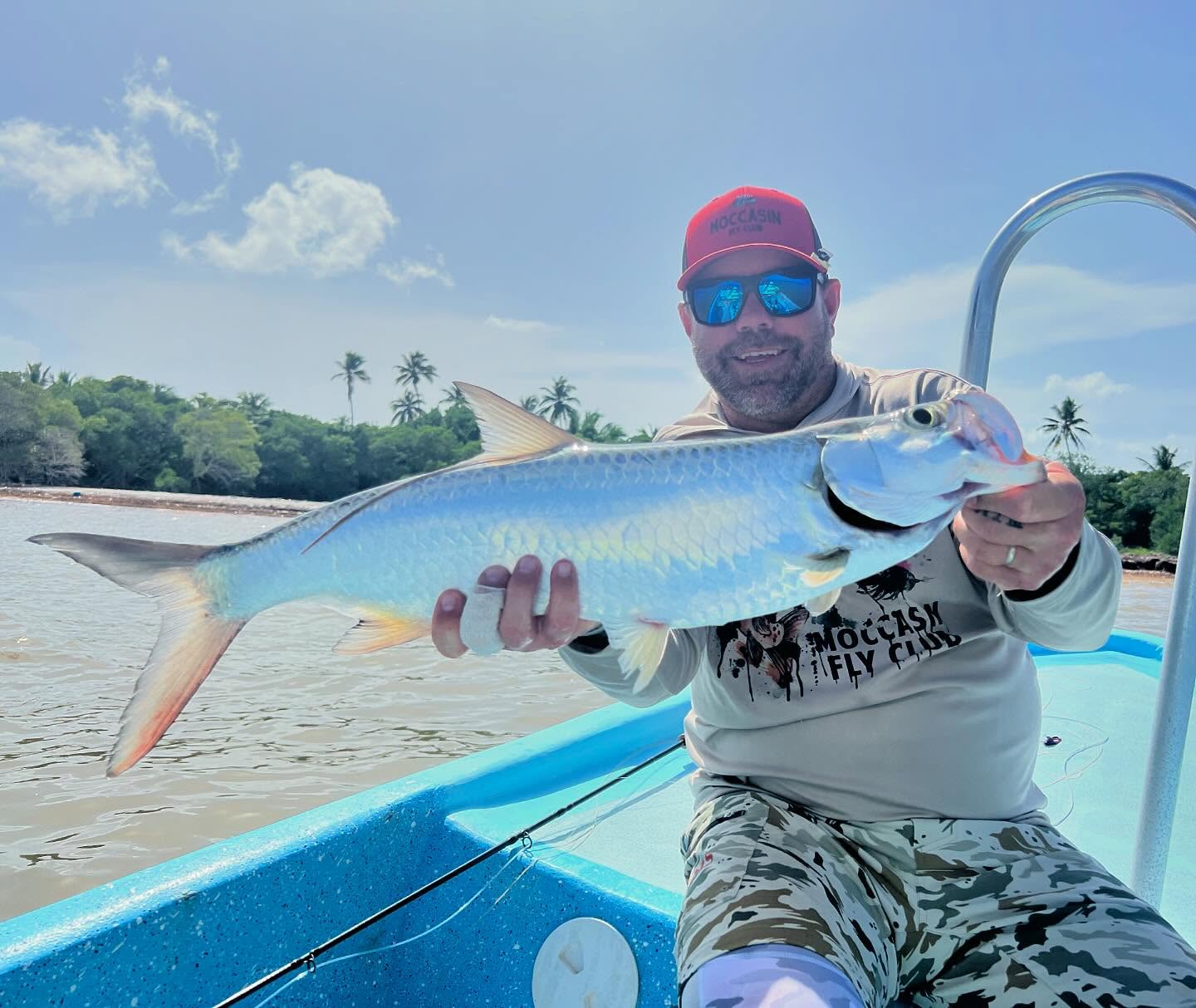
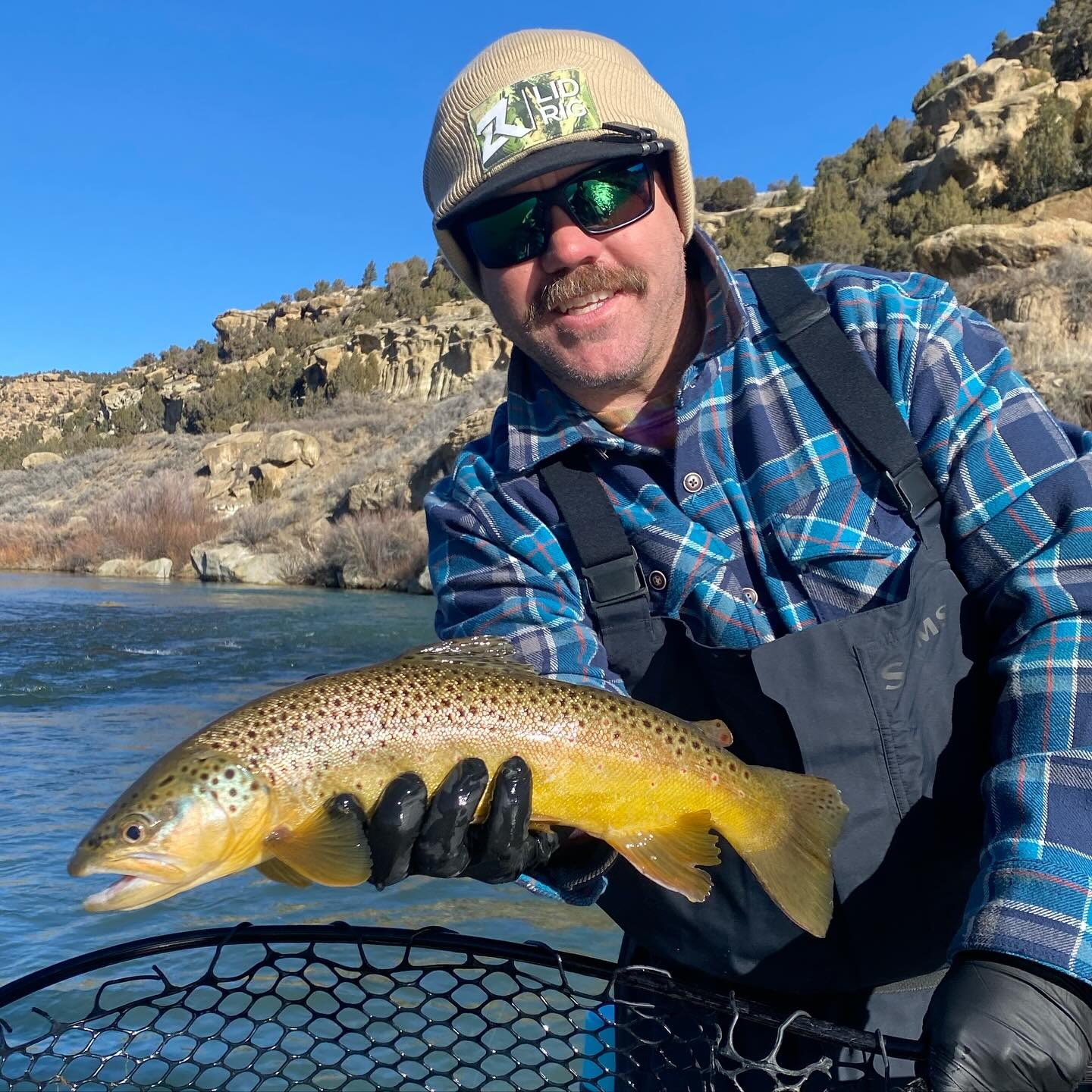
August 25, 2024 in Tulum, Mexico “Sometimes ya gotta give the little kings some love 😂😂😂 Smashing juvenile tarpon on a 10wt is a fun afternoon 🇲🇽🎣 (Photo via: https://www.facebook.com/MoccasinFlyClub)

Skip the Rental Car in Mexico

Thinking about renting a car in Cancun and driving south to fish? John says skip it. Driving in Mexico (especially rural areas) is not like driving in the U.S. You’ll hit random checkpoints, some legit, some not. And if you don’t speak Spanish, you could end up paying bribes. Add that to rental and insurance fees, and it’s an expensive, stressful gamble.

John’s alternative? Book a chartered transfer with a local transport company. Ride in a van or car with AC, drinks, and a driver who knows the roads. Less stress, fewer surprises, and safer all around. It’s faster, smoother, and probably cheaper once you factor in “checkpoint fees.” If you’re fishing in Mexico, spend your energy on planning your casts, not dodging roadside scams.

John has an upcoming hosted trip to Xcalak in 2026, targeting tarpon, permit, and bonefish. It’s been fully vetted: he’s eaten the food, fished with the guides, and stayed at the lodge.

May 15, 2025 “@thedoublehaultourney has been moved to September 2026 in Xcalak, Mex 🎣💯🇲🇽 We have some awesome news coming later this summer on the tournament, venue, set up, and accommodations!!!! Drop them a follow and get your team (2 anglers) dialed in 👌🏽 Merch will be dropping this summer also 🔥- in Xcalak, Quintana Roo.” (Photo via: https://www.facebook.com/MoccasinFlyClub)

Practice for Windy Days and Prep for the Next Trip

Wind is always a factor especially in places like Cuba. John’s advice? Practice in the wind before your trip. Face into it, cast with it, cast against it. You won’t always get perfect conditions on the water, so practice the hard stuff now.

Once you’re back home, don’t just toss your gear in a closet. Do a full clean-up. Soak your reels and lines especially after saltwater trips. Clean your fly lines using rubbing alcohol or soap and a paper towel. Remove old leaders. You’ll likely need new ones next time anyway. Good prep after a trip makes the next one easier and helps your gear last longer.

Travel Safety, Remote Trips, and Why John Uses Global Rescue

If you’re headed off the beaten path like deep Mexico, Cuba, or the Amazon, safety isn’t just about crime. It’s about distance. Medical help can be hours away. That’s why John uses Global Rescue, a travel service that can extract you by air if something goes wrong.

Here’s how he stays prepared:

  • Global Rescue membership – Emergency extraction from anywhere, even by helicopter
  • Annual plan covers his family – He recommends all anglers get their own plan
  • Satellite communication – He carries a Garmin inReach so he can call for help without cell service.
  • Common sense safety – Avoid sketchy neighborhoods just like you would in the U.S.

In Cuba, for example, you’ll see military everywhere, but it’s mostly for control, not danger. In remote Argentina or Brazil, the bigger risk is medical not people. Know where you’re going, have a backup plan, and don’t rely on luck. Being ready makes the trip way more fun.

top travel tips
April 27, 2025 at Jardines De La Reina Cuba “This last week off the grid in Cuba (Jardine’s de la Reina) has been epic!!! Getting into migratory tarpon, snapper, bones, and permit make for a solid week of fishing. Big thanks to @jonheames from @bigskyanglers and all of the guides, crew, and other anglers that made it memorable. Shout to @the_actual_doctor_funk for the push to jump on board 🎣💯” (Photo via: https://www.facebook.com/MoccasinFlyClub)

Avoid these Common Gear Fails

  • Ceiling fans – Don’t rig up indoors. They’ve destroyed more rods than fish ever will.
  • Car doors – Another rod killer. Be careful loading up.
  • Stepping on rods – Happens often on boats. Always stow gear properly.
  • Stripping indicators into the top guide – On trout rods, this can weaken the tip over time.

John’s Trip Prep System

  • The “Pile” – He keeps a corner in his office with gear, flies, and documents ready weeks in advance.
  • Checklist comes later – About 10 days out, he lays it all out and starts making a list of what’s missing.
  • Custom gear lists for every guest – Everyone on his trips gets: a non-fishing packing list, a fishing gear checklist, a fly recommendation list, and some casting reminders.

DIY Fishing in Colorado or New Mexico? John’s Got You Covered

If you’re looking to plan a DIY trip this year, John’s got two prime options lined up:

  • Hook N Hunt in Silt, Colorado – Fish the Frying Pan, Roaring Fork, and lower Colorado. Access top rivers and reservoirs from one base. Lodging is just $180/night.
  • Rod & Rifle in New Mexico – Hit the famous San Juan River. Big trout, easy access, and lodging starting at $140/night.
top travel tips
Photo via: https://www.instagram.com/rodandriflenm/

Want a guide? You can add that. Don’t want a guide? Totally fine. John’s setup is built for both.

Camping, Kids, and Keeping It Simple: John’s Family Outdoor Life

When he’s not hosting fishing trips, John’s soaking up the Colorado mountains with his family in a classic pop-up camper. With two young kids and two dogs, they carve out time each summer to unplug at places like Turquoise Lake near Leadville and Chambers Lake near Fort Collins.

His go-to family camping tips?

  • Travel during nap time to get a peaceful ride
  • Plan fun stops along the route (even if it’s just a cool gas station)
  • No screens once they hit the campsite, just bikes, walks, and imagination
  • Keep expectations flexible because with kids, anything can happen

For John, these trips are about more than just fishing. They’re about making time to be outside together. Whether it’s a week on the flats or a few nights in the mountains, the best memories often come from the simplest moments.


You can find John Hunt on Instagram @moccasinflyclub.

Facebook at Moccasin Fly Club

Visit their website at moccasinflyclub.com.

Moccasin Logo


Related Podcast Episodes


Full Podcast Transcript

Episode Transcript
Dave (2s): Today’s guest has chased tarpon in Cuba, scouted redfish in Louisiana and helped hundreds of anglers plan trips from the Rockies to the flats, all without overcomplicating each trip. In this episode, we get into the intel and what you need to know from how to plan for a DIY trip, the smart way, and how to identify simple mistakes that ruin more trips than anything else. By the end of this episode, you’ll know how to better plan your next trip, how to pack lighter and fish with more confidence no matter where you’re heading this season. This is the Wet Fly Swing podcast where I show you the best places to travel to for fly fishing, how to find the best resources and tools to prepare for that big trip And what you can do to give back to the fish species we all love. Dave (44s): John Hunt, angler, traveler and founder of Moccasin Fly Club joins us to unpack what it takes to build unforgettable DIY and hosted fly fishing trips around the country from the San Juan to Cuba to the remote flats of Mexico. Today you’re gonna hear how he prepares for international trips, why rod choice isn’t nearly as important as your fly line, and key mistakes that even experienced anglers make before they step on the water. Plus John’s gonna share his biggest gear tips and why he keeps a pile of gear in the corner of his office. Here we go, John Hunt from moccasinflyclub.com. Dave (1m 24s): How you doing today, John? Good John (1m 26s): Man. I’m happy that we finally got some sort of end of spring summer type thing happening here in Colorado, so I can’t complain. Dave (1m 32s): Oh, cool, cool. Is that now as we’re talking, it’s, it’s early May. It’s gonna be June, July, so what’s going on? There was some snow, right? Did that clear out? Is it looking like more like summer now? Spring? John (1m 42s): Yeah, we, I mean as of this week we still had a bunch of snow in the mountains. I was over at our lodge in, in silt earlier this week and it was a fun drive there and back through the mountain passes. But here in the, in the front range in Denver, Boulder, et cetera, we got, you know, green grass, trees are blooming a lot of rain. But you know, I can finally say that I think we’re out of the cold, but who knows what next week. Dave (2m 7s): You never know. Yeah, yeah, John (2m 8s): It’s always the same. Dave (2m 9s): You never know. Okay, cool. I’m glad you mentioned the Colorado because we, you know, in the last episode we dug into that you have some awesome places to travel to in Colorado. We talked a little bit about that today. I think we’re gonna get into some DIY maybe talk about traveling abroad. I hear from listeners and people in our wetly swing community that, you know, DIY is big, you know, people love going on trips, but sometimes maybe if they don’t have a ton of money to do like a giant lodge trip, they might wanna maybe get a guide for a day or two and then DIY it. So we’re gonna talk that today, but, but maybe, yeah, just give us an update before we jump into that. Like high level, what’s going on with you as you look out over the summer? Where are you gonna be traveling All over the country, all over the world? How does that look? John (2m 48s): The summer usually keeps me, you know, pretty busy here in the Rockies. Our lodge in Colorado and our, our place down at the San Juan in New Mexico, it’s peak season. So we have a lot of DIY people or clients that, that have guides hired for certain dates. And then we also just have the, the normal tourism and transport that happens for everything. So, I mean, sometimes we have people that are staying with us that will never touch a rod, but wanna get out and go hiking and go see the sites and et cetera. I mean, for myself, I just spent a week in Cuba down in Ena de Laina chasing migratory tarpon and it was extremely eye-opening. It wasn’t DIY but it was a whole new country in the, in a whole new thing of water for me. John (3m 32s): You know, chasing migratory tarpon in two to four feet of water for six or seven days is, is a new experience. You know, it’s much different than the size of the fish and the keys, but it’s also very different than, you know, ocean fishing and, and different things like that. So, I mean, that was kind of the biggest thing that just happened next for me. I will be down at the San Juan coming up in a couple weeks. We’ll make sure everything’s good to go there. We’ll do some fishing, check on the guides, check on everything. And then June and July keep me most, like everybody else that has kids and, and people that are on summer break. We have camping trips in the rocky set up. John (4m 13s): We have people coming in from out of town. We’ll be up in Washington state with the in-laws, which hopefully I’ll be able to get some fishing done while I’m on that one, which is much like you’re talking is DIY stuff and kind of how about going, going into a new place or DIY where you need to do some research, you need to figure out what, what needs to happen locally just in, in regulations and where to go. And then, you know, how big is your network and how much information you can find on, on where, where it would be great to go fish. But the majority of our summer is, you know, just making sure the lodges are, are doing what they need to do, making sure all of the clients that need to get on the water are finding that out. Whether it’s DIY or a guide, wherever they’re gonna be. John (4m 55s): But we spend a lot of June, July in between the Southern Rockies and in New Mexico at the San Juan and into the heart of the Rockies here with our place in silt. And then, you know, hopefully if all goes well I’ll be able to get up to Wyoming for a couple days and you know, that’s, that’s the gist of it. It’s the, the height of trout season. So I don’t want to act like anybody that, you know, won’t go fish for trout as well, whether you travel or not, you’re home water, you gotta, you gotta be in it when you can. So, Dave (5m 23s): Yeah, definitely. No, that’s awesome. And I think, yeah, I love the Cuba. I think we’ll maybe if we have time at the end we’ll talk a little more about that trip. But let’s, let’s just jump right into, you mentioned some of the DIY so how do you frame that If you, do you have, think about a few like tips that apply both, you know, kind of domestically, internationally or how would you break that up for somebody who’s like maybe planning a big trip, like you said DIY, where do you help them start out? John (5m 47s): I think most of it is, you know, your home waters, you take a lot of stuff for granted. You probably know where fish are in the river. You most likely know what you’re gonna throw a hundred percent positive that you probably already have a fishing license. So a lot of the stuff with new waters, whether it’s domestic or international, just comes into the, you know, doing things before you get there. Obviously we wanna support any fisheries in any state that allows us to go fish. So you know, get a fishing license, whether it’s a 1, 2, 5 day if you know you’re gonna be going there a bunch. Obviously the annual is something that helps out the most if possible. But I think there’s a lot of easy things to do leading up to the trip. John (6m 27s): And I know that everybody’s busy and everybody’s got work, but there are simple ways to kind of know before you go, which is, you know, things that we take here in Colorado from like backcountry skiing and whitewater rafting and failing to prepare is preparing to fail. Kind of things like if, If you can start checking out, you know, one, get your fishing license, two, see if there’s a local fly shop around where you’re gonna go DIY, give them a call and ask them what’s going on that time of year. I, you know, you can’t, you can’t know the weather before you go and you most likely aren’t gonna know exactly where fish are. But the more you start to learn what’s happening, if you’re gonna be tying your own flies too, you obviously need time to get that box ready and get stuff tied that will be for that place. John (7m 10s): So you can talk to the local fly shop, you can ask them about flies, you can ask them about, you know, hey I, I’m gonna be with my family and I got a half a day. Is there someplace you would recommend or is it kind of, you know, you go on your own and check stuff out. Most of that, whether it’s here in the US or abroad, is all kind of the same stuff that you just wanna try to be as prepared as possible If you really want to net a fish, you know, put in the time ahead of time to try to net that fish. When you add international into the situation, you’re talking about, you know, other regulations, do you need visas to be able to go there? Do you need to have some sort of certain certificate or do you need to pay some sort of fee to be able to fish? John (7m 50s): How are you gonna get from wherever you’re lodging to where you’re gonna be fishing? Are you gonna bring your own gear? Are there people there that have gear that you may be able to rent or use? There’s a lot of things I think that once you get outside of driving your car or flying with your own gear somewhere that, that new water and, and definitely the, as we say, you know, there’s new water, new state and then there’s new water, new country and in the new water, new state aspect, you may be able to drive and take whatever you want. You just should be doing all the intel as much as possible. I would love to say that while you’re on the water and while you’re trying to fish, there will be people that will talk to you about what’s going on. But I think we’ve all had interactions with other anglers that are positive and negative when you’re in new water and trying to figure out what’s happening. John (8m 33s): But that’s all kind of the, the day and when it comes leading up to it though, I think, you know, get your stuff ready. If everybody where you’re going is gonna be using a two handed spay rod, then that’s probably something you wanna figure out as opposed to trying to use a one-handed ride. Dave (8m 46s): How are you doing that with your, let’s just take the Washington trip. So I mean that’s probably pretty easy because it’s, are you thinking, I guess you’re thinking trout on that trip? Yeah, John (8m 54s): It’ll be trout. So my in-laws are, are from Spokane, which is, is beautiful and has a ton of water around it. There’s a local shop there that I can stop into and usually I just call ’em before I go up there and see what they’re saying. There’s a bunch of different things within about an hour. There’s, you know, certain things right in Spokane that are central to it and maybe 20 minutes from where we stay. And those are trout aspects and I mean, you know, suffice it to say in my personal opinion, any day out on the water, whether you catch fish or not is better than not having a day on the water. So, you know, if I can get three or four hours in the, the late afternoon to go out and wet a line, I’m gonna go do that. If I can get a whole day to kind of plan a trip and go somewhere, then I’m gonna do that. John (9m 38s): Also, I’ll be flying and taking my own gear with me. So I’ll have a rod and reel in box and and et cetera. I usually only pack and bring one rod, one reel, one line and then a fly box net and some other stuff that doesn’t take up a ton of room in the suitcase. Dave (9m 52s): Right. Do you check your stuff or do you carry on? Like how do you do that? ’cause some people say like, man, I don’t check any of my, or I check all my stuff and then other people are like, man I I’m not gonna leave my flies. And how do you do it? John (10m 3s): So I think, I mean flies and everything with a hook you’re gonna have to check just per TSA regulations. When I go to Washington, everything gets checked in a bag with all the stuff for our kids and et cetera makes it really easy. When I go international or I’m going to somewhere that’s specifically for fishing or for work, I’m gonna carry that rod vault on. I’ll usually have, you know, four rods, four reels, backup lines, all my stuff except for the flies will be with me on the flight. Now that’s whether I’m going to Argentina, Cuba, Mongolia, Louisiana. Anywhere that I go that’s gonna be with Moccasin on a trip, I’m gonna carry that on. And it’s a lot like ski boots, you know, you always carry your ski boots on the plane wherever you get. John (10m 44s): You can get a new set of skis, you can get new flies, you can get certain stuff, but you always wanna have that equipment with you. Now if you’re traveling back from Louisiana or Pyramid Lake, they will let you carry on your stuff coming home. If you’re going from outside of the US and you’re coming into the us, Cuba, Mexico, Argentina, et cetera, most of the regulations say that you have to check that stuff coming back. But I have always tried to just take it as a carry on and if they let me carry it on, great and if they don’t let me carry it on, then I check it at that point. But going to a destination, I would always say you want to carry it on if your only priority is fishing. John (11m 24s): You know, in the, the family trip, in our camping trips we’re driving everywhere so you know, I got things packed on the camper and things packed everywhere else so that it’s easy to go. But yeah, I mean with rot and reel for family trips and stuff like that, I just, you know, take the bare minimum, check it through all my stuff. In the other situations I’m taking extra stuff and I mean I’ll have three or four extra lines in case somebody on a trip breaks a line. I’ll have extra rods and reels in case somebody, if somebody did check their luggage and they lost it, then I have a rod and a reel that we can give them for that. Dave (11m 57s): So you’re bringing back up so you’re bringing backups for everybody else. That’s awesome. So, and you’re, yeah, you’re setting these things up obviously. Yeah. I mean this is pretty cool. I think there’s a lot of things. What, what do you see that goes wrong? Let’s see, somebody’s planning a trip, it could be abroad maybe, maybe we just take it abroad a little bit. What are the the biggest things that you can see that could go wrong out there? John (12m 15s): There are some things that aren’t necessarily big that go wrong, but you know, if you’re gonna go somewhere and they’re all using eight, nine weights and you bring a seven, are you under gunned? Probably not. But most of the time it’s, it’s best to bring whatever they’re recommending. There’s a reason why they’re talking about certain rods and reels. I would say the biggest thing that, especially in DIY and also in your first couple trips is line selection. You know, like If you go down to New Orleans and you’re fishing for red fish in November, December and you bring a warm weather line or you don’t bring a cold weather line or a big enough line that doesn’t need to be hot so to speak, that’s gonna change the way that things are fished. That’s gonna change the way the line is in the water. John (12m 57s): Say you’re going somewhere and they’re talking about a sink tip and you just bring a floating line or they’re talking about an intermediate sink and you bring a full sink. There are just different things with, you know, your rod and your reel are great tools, but the most important tool is gonna be line leader, tip it fly and, and all of the stuff that goes into that presentation aspect of how the fish will view what you’re throwing at the fish. You know, If you’re going after peacock bass and you got a 20 pound liter instead of a 30 pound liter and you got a sinking line instead of like, a lot of that’s not gonna change with that species because they’re gonna attack anything and go after it. Now you get into your, you know, permit or bonefish or things that are a little bit more finicky then you know you need to have that 10 foot 16 pound or whatever and you need to have certain things that are tapered and it, it’s all gotta go together. John (13m 50s): And I think it, it comes back to, you know, to catch certain fish, you gotta have a lot of things go right, you gotta check a lot of boxes. So you know with with tarpon you know you can present to a tarpon and it can lean, you can present to a tarpon and it can lean and try to bite it. You can present to a tarpon and it can lean bite and hook it, then you can lose it in the jump. Dave (14m 9s): Right. Well would a tarpon be, that’s one good question Tarpon, ’cause you mentioned it at the start, but are there any DIY opportunities tarpon wise? Yeah, John (14m 17s): I think we have some aspects in Mexico where, I mean you can technically do some DIY tarpon aspects. It’s, it’s hard with the tarpon because being on a boat and being where they are is always gonna be better. There’s not a ton of tarpon that are gonna be like rolling in the surf right next to shore now. And there’s exceptions to all the rules, right? So you may get some shots of tarpon in that aspect. But you know, in the Florida Keys, there’s too many sharks really for some of that. In Mexico you can do some DIY stuff. If you really want to get after like a juvenile tarpon and smaller tarpon, there are some lagoons that you can kind of get into. But you know, you may have to to get a boat or something like that. John (14m 59s): But I think when you talk about biggest mistakes in traveling, line selection is something that’s, it’s almost critical. Like you can throw an eight weight line on a seven weight rod, you can throw a nine weight line on a 10 weight rod. But you gotta have the right line that they’re talking about using, whether that’s floating, intermediate, sinking. I’ve also run into this stuff for like, you know, I show up somewhere, I’ve gone through all my stuff and I go to make my leader and I’m pulling out 30 pound and I need, you know, seven feet to make my section and my, my little spool ends and I got five feet and then the whole rest of the trip I got no 40 pound. And some of that is again, just, you know, instead of, you know, failing to plan, prepare and playing fail. John (15m 42s): Yeah, all that stuff like yeah, you Dave (15m 43s): Could go through all your gear. Yeah, that’s something you could do like start of the trip, like have all your gear lined out and basically like that. Go through your leader, go through everything, check your lines, make sure they’re clean, right? I mean all this, make sure your reels are clean. Just, I mean if you’re doing a trip somewhere like that extra time preparation is what you’re talking about. And then when you’re on the water, you’re not like, oh man, I don’t have this like, you’re ready to go. John (16m 5s): I mean I feel like we, we have a lot of anglers that they book the trip, they know they’re going on the trip, they get down to the trip and when they get back home from the trip, man, you know, I really should have practiced my casting. It was a little bit different. Every shot wasn’t a 10 o’clock forehand, no wind, 30 yard shot. It was crazy. Like the only fish that got caught was on a backhand shot that was like 25 feet. You know, practicing that stuff and if you’re gonna spend the money, but also your time being down there for the fishing, you wanna make sure that you know you got the, the right equipment. You also wanna make sure that you’re available as an angler to do what you need to do. Whether it’s DIY or with a guide or anything. You know, the better you’re into, you know, you get somewhere, you’re going to Montana to go trout fishing and you get there, you got your five weight or your six weight, you got the right line, you got all the tipt, you open up your fly box and you got the right flies, but you only got two of ’em instead of six of ’em. John (17m 1s): Well you know it’s gonna be a long day If you hook anything and gotta make sure you get back those right flies a couple of times. And I think those are things that people run into, but specifically the stuff that’s abroad and in the salt, you know, go outside and even though you don’t really wanna make time for it, have a rod put together, have it already to go. Go out in your street, go out in the driveway, go out to a park, practice casting and don’t practice the perfect cast. Practice all of the hard stuff. Practice your back cast, practice your forward test practice casting over each shoulder in case you got a cast at 12 o’clock Dave (17m 37s): What about the wind? How do you practice with the wind? John (18m 32s): Just go outside, face into the wind, face with the wind, even though it’s a windy day and you see the leaves rustling in the trees. I hate to say it, but Murphy’s Law is gonna say that, you know, it is specifically in Cuba, our first three days in Cuba were like 12 to 20 knot wins and you’re standing on the bow of a boat. You still need to be able to cast it to where you want to cast. It’s not like you’re not gonna take a shot ’cause the wind is there. But can you take the best shot possible? That depends on how much you’ve been practicing and and what you want with it. The other big thing about traveling anywhere when you get home, that bag shouldn’t just be placed in a closet until the next trip. You should clean your lines. John (19m 12s): Even if you’ve washed everything off in the salt and you’ve given it all the right bath and you’ve put it all together, you should still make sure you pull that whole line out and clean it before you put it away. Turn your drags down so that there’s no pressure on the drag. Right? Dave (19m 26s): Yeah. Is that something on the drag? So that’s the, you know that little stuff like that. If you, you should turn your drags down when you’re not using ’em for say an extended period. John (19m 34s): Yeah, when you get back from a trip, I like to do a whole nother soak and clean and granted, you know, you gotta make time to do all of it or get a big Tupperware, put all your reels in it, turn the water on it, let it sit somewhere for a couple days, then pull the line out. I like to use and which people don’t always like, but I usually use some iso alcohol on a paper towel and I just pull the whole line through it. You can use dial soap, you can use whatever you want, pull that whole line through, you’ll be amazed how many dirty lines you’ll have on that paper towel. Then you reel it all back up. Once it’s all ready to go. I take all the leaders off too because wherever I’m going the next time I assume they’re gonna tell us a certain leader that they want Nate, so you don’t have to clip something off at that point. John (20m 14s): I turn the drag all the way down, I put it back and it’s real sock and that goes up on the wall. Now I know that the reel’s been soaked, the line’s been clean, there’s no liter on it and when I grab it off the wall to go on the next trip, I may have to change the line and I don’t have to go through some certain stuff before I change it. Or if I don’t have to change the line, it can go right back into the bag and it’s going on for the next adventure. But there’s a lot of, a lot of preparation to get ready to go on a trip. Yeah. Dave (20m 43s): What about If you were to go to, like, is this okay to do, let’s say you’re going to this, this place in Washington or you know, new Orleans or something, you’re maybe not gonna get a guide, but you’re talking to a guide. Is it okay to call a guide and just pick their brain but maybe not get a trip? Is that, what do you think? John (20m 57s): Yeah, call up a guide and say, hey look man, you know, I’m trying to see what’s up. I’m gonna be here for a day. I don’t think I can hire you as a guide. And he may tell you, look, I’m already booked on that date. Which is, makes the whole conversation really easy or yeah, I mean I’ll be like, hey, you know what, what are you seeing around that time of year? Is there anything special I should be tying or bringing? Is there anything that you know, you feel that you could tell me and be okay with it? Now if they say no and whatever, there’s probably another guide you can call and talk to. I really like local fly shops because the people that work in the fly shops are supposed to help you with that. So I mean that’s the, the whole goal of you. So even if they’re, if they’re an hour away and you call the fly shop, Hey look, I’m gonna go over and fish the paty next weekend and I’m there with my family. John (21m 39s): I only got a couple hours Andy. Yeah, you know, we’ve seen this, this and this. Our guys that have been over there fishing have tried that. You know, you just gotta watch out in case it’s blown out. Make sure you check the weather. If it rains, there’s no reason to do the drive. You know, there’s certain, certain little things you can learn. I have no issues with people calling and talking to guides because a good guide is gonna tell you what they think is okay and then they’re gonna say, Hey look, If you got a lot of trouble, you can’t do it, call me back and you know, we’ll try to get you on the water. I will tell you that you going to DIY fish and then hire a guide is not the right timeline. Do day one with a guide, learn what’s up, see the flies, understand the fishery, and then do your DIY days. If you’re just gonna DIY from the jump, obviously you should be asking people questions about what’s going on. John (22m 22s): Especially if it’s brand new water. Like, you know, I’m, I’m here in Denver. If I was gonna go up to West Yellowstone, I’d be calling, you know, the people in West Yellowstone and ask them questions about the Henry Sport or Yellowstone Park. Hey, what’s going on? What are you guys seeing? I’m gonna be up there for a day. Is there any intel you could gimme? What’s usually happening here? Is there any place that you would recommend that I should go? Is there a certain stretch that’s better for waiting? The worst thing that happens is that you drive somewhere, you put all the stuff in the, in the truck, you go out and you’re driving along the river and there’s all these people fishing and then you see a stretch of a half mile where nobody’s fishing. So you go down there and fish. Well, there could be a reason why all those people were Yeah. Where they were and you’re not there and any of the know before you go stuff can help you out. Dave (23m 7s): Any intel. Yeah. John (23m 8s): You know, you want the best shot at catching the fish, you might as well get as much intel as possible. Now if it’s just about getting away for three hours and wetting the line and having a great time and having a couple beers, then so be it. But if, if you’re really trying to put a fish on the net, Dave (23m 22s): Yeah, I always feel like that’s for me, you know, or probably for a lot of people, the species, getting the the new species is kind of a, a cool thing to think about. You know, main fish. I always feel like you go to a place, right. It’d be cool to catch what is, have you heard, this is interesting, I was kind of gonna think about this because it’s kind of a, I guess it’s kind of a negative story, but it’s the, you ever heard that story down, down the path? That story about the, the guy that disappeared? No fly fishing up near in Belize it’s called, we just, and I know about this because Brian Ska, our kind of steelhead spay host, just interviewed Will Rice, who basically put this podcast season together and, and a story about this guy. It was just near the Mexican border, near in Belize, right in that area. Dave (24m 5s): And it’s really bizarre. This guy’s up there fly fishing on the flats end of the day, just disappears. And nobody, and to this day I don’t think they found out what happened to him. Wow. And it was this, yeah. So it’s this crazy story, but it gets you thinking about like, okay, that’s the very extreme, right. Some guy who knows what happened to him, whether he got, you know, capped by a, a mafia guy or, or maybe just, who knows, maybe just walked off on his own and disappeared into the, you know, but you know, for safety, that’s the extreme stuff. Right. And people, I think salt water, you’re a little unsure anything there when you’re thinking about that. Somebody’s doing the salt, maybe a DIY trip to Belize, Mexico, maybe let’s just take it to Mexico. Are there any other concerns you’re thinking about people should be prepared for it before doing a Mexico trip or is it pretty safe or is it pretty safe down there? John (24m 47s): I will say that as somebody that, that is, I assume I’m considered an avid, avid traveler. Like there’s ways to check certain stuff out. The biggest thing I would tell you that anybody that’s gonna be traveling and we do this for our clients, If you need it, you can contact us, we can help you out. But Global Rescue is an unbelievable service that that can be used in those situations. So, you know, you can check in at the airport before you fly out and put your flight info in. You can check in at the airport when you land, you can check in and let them know where you’re gonna be staying. You can have your phone on you, et cetera. So I mean, we use global entry all over the world and it is there in case you need to be extracted from medical issues. So, you know, if we have somebody on a trip, God forbid they get hurt or get cut or something, we can call over global rescue, get out. John (25m 33s): How does Dave (25m 33s): That work? Does Global Rescue, is that a thing where they come in with like a helicopter and fly out in the middle of nowhere? John (25m 38s): Yeah, they come in, you, you contact Global Rescue, you give ’em the coordinates. They have GPS on your phone. They come in, they pick you up, they take you as fast as they can to wherever they gotta get you. Dave (25m 48s): Wow. And is that a, is that like a service, like a, a monthly service or how does that work? John (25m 52s): I pay an annual fee and we usually tell people same thing. If you’re gonna be traveling a bunch, pay the annual and you’re in. Dave (25m 59s): Oh. So if they’re coming with you, so if people are go on one of your trips, would they be covered with this global rescue? They John (26m 4s): Won’t be covered by mine, but we, we let them know that they should have it so that they can have their own plan. Now I do the family plan, so it’s me and my wife and the two boys and, and et cetera. But Global Rescue, you’ll help out to a certain extent. I don’t know if it’ll help out with the down the path one, you know, if he was in the water and something happened. Yeah. He’s not getting out Dave (26m 21s): Eaten by a shark or something. John (26m 23s): Yeah, yeah. What, whatever. So I think there’s, there’s different aspects of that. But again, before you go somewhere, you can have global rescue. We probably have anywhere from like eight to 20 people a month that we’re signing up. They’re great to work with and, and we have a, a long relationship with them on many aspects because of all of our trips. But I think that, not only that, but just in general a little research. So, you know, I’ve gone to Brazil a bunch of times and people are like, oh, you know, or do you think Sao Paulo Brazil or Manels Brazil is safe? And I’m like, yeah, I mean if, If you go into any bad neighborhood of anywhere in the US Dave (26m 56s): Yeah you’ll find it. Right. John (26m 57s): It’s not safe. If you go into the bad neighborhoods in another country, it’s probably not safe. You know, just recently I was in Cuba and Cuba has a very heavy domestic military presence no matter where you go because everything’s owned by the, the government. So the military kind of runs everything because, well Dave (27m 15s): What’s that look like? Are you just walking down the street like for coffee and there’s like just machine guns on the corner? John (27m 21s): Not machine that’s on the corner, but like at the came way airport, If you walk out of the came way airport and cross the street to go see a NDA or a shop, there’s probably seven or eight dudes in Army fatigues just walking around. They won’t all have guns on them, but I mean they can detain you and, and do whatever if you’re, if you’re acting like an idiot as opposed to checking stuff out. But I mean, everywhere that you go, there are military bases, there are people in fatigues. The military is a huge employment aspect for people in Cuba because it’s a socialistic country and they don’t have a lot of options to make a lot of monies. So that’s a good job to have. Now also I’ve been in like the most remote places of northern Argentina where you’re probably, you know, two hours away from the closest hospital and you’re, you know, on a river and et cetera. John (28m 8s): Like are those unsafe because of humans or are those unsafe because you’re super remote. Like when you’re in the middle of the Amazon in Brazil, if something happens to you, you’re a two hour flight to even get back to Manaus to be somewhere. So I mean safety is, is not only like human caution, but also just environmental caution. Like, you know, you get hurt in the mountains around here, who knows how fast you can get out or whatever. Especially if there’s snow or there’s rain or there’s forces of nature that are keeping people away from it. So I think the, the safety part of it is knowing before you go, things like global rescue are, are unbelievable. That will help with that aspect. Also, we carry an inReach garment satellite phone. John (28m 50s): So as long as my cell phone and the inReach turn on, then it’s a satellite phone. Now the satellite phone coupled with the global rescue means that I could call global rescue if I had to for somebody else or somebody else could call global rescue if they had to for me. And that at least allows like in extreme travels, there’s, you know, being able to, to reach out and touch somebody, being able to have communication when possible is a big thing. So I think when you’re traveling, you know you gotta know where you’re going. Now if we talk about Mexico, right? I’m gonna assume, yeah, we’re talking about the East coast where you would go fish anywhere from like Cancun down to Ishak where there’s permit and tarping and bone and whatever. John (29m 31s): So you’re flying into Cancun. Cancun is a resort town, two and a half hours south of theirs. Tulum Tulum is another resort town. Then you got another two and a half hours, you’re by Ishak and you’re pretty close to where Belize is. And at that point you’re more remote but you still got a cell phone service. Now If you go in the wrong places, I know people that have rented a car in Cancun and been stopped five different times going to Tulum and Act pay off the cops for being stopped ’cause it’s a green go driving a rental car and they know what that is. Now, if you’re in a ground transportation charter type of aspect, whether it’s a taxi, van, bus, you’re most likely not gonna have any run-ins with any of that because it’s somebody that is a Mexican driver, a Mexican car. John (30m 15s): How Dave (30m 15s): Does the rental car, so how does that, that work? So somebody, so you don’t want to get a rental car in, in Mexico on the East coast. John (30m 22s): I advise against them unless you wanna spend more money. So you land in Cancun and you get a rental car, one driving a car in most of South America and Central America is totally different than here in the us you know, there’s, there’s not really speed limits. Sometimes there’s one lanes you gotta pass everybody you gotta honk. I mean, driving a car in Buenos Aires to me sounds almost as horrible as like trying to drive a car in, in Tokyo or, or London or whatever. Like just you don’t doing it. So If you get a rental car in Cancun, then you start driving south and you’re getting into rural aspects, well you have to go through some places where there’s checkpoints. That could be local Pia, it could be federal government, it could be military, it could be none of the above. John (31m 3s): And just people that are doing their own checkpoint because they want to take people’s money. Oh wow. So you get there, you know, they start talking to you in Spanish. If you know Spanish it goes a lot better. If you don’t, it doesn’t. And they usually ask for whatever cash is in your wallet, you gotta pay ’em and then you continue and then you may run into a bunch of those. So you know, a rental car is gonna cost you four or $500 and it could cost you another four or $500 in cash to do that. As opposed to, you could have had a charter thing where you’re drinking water or beers and chitchatting and somebody else is driving and it costs you 250 bucks and nothing else. Dave (31m 38s): Gotcha. So the charter’s just getting like a, getting a on a bus or something like that? John (31m 42s): Well most of the time it’s a, it’s a transport company so you’d be in a van or sometimes if it’s one or two people they’ll throw you in a nicer car. But you’re talking ACS and drinks and you sit in the back. Dave (31m 52s): That sounds better. Yeah. John (31m 53s): It’s still gonna be a bumpy, crazy, you know, 85 mile an hour drive and you’re gonna be on roads that aren’t paved. That’s gonna happen no matter what vehicle you’re in. But limiting the amount of exploitation and extortion is Dave (32m 6s): Right. That’s a, that’s, that’s a priority. Do you guys have places operations in Mexico or Belize or anywhere down there? Yeah. John (32m 13s): Yeah. So we can do, I mean we do everything pretty much in Mexico. We have some inland aspects by see de Mexico, which are are fun but are not salt. What Dave (32m 23s): Are they, if they’re not salt, what are the Mexico places that aren’t salt John (32m 26s): Bass, big inland lakes for large and small mouth bass that are Oh wow. Super fun. But not necessarily like what people want is destination fishing. But yeah, we, you know, you can do Isla hobo like off of where Cancun in between Cancun and Tulum. Once you get down into the Tulum and Maha Wall, Ascension Bay, chat Mall, bay Aspi, Santo Bay, all of that stuff. We have three different places on that side on the East coast that we do. And I mean in, in my personal opinion, it depends on what you’re going for. If you want Tarpon and things like that, you’re gonna be like Maal and Tulum and north of that. And if you’re looking for permit then you’re gonna be, you know, Ishak API santu and, and places like that, Ascension Bay, Chet Mall Bay and a Spear to Santu Bay all have the same kind of environmental aspects that are very prevalent for permit and, and that, that’s just how it works there. John (33m 21s): But I mean, you can choose where you want to be depending on what’s happening. Like if you’re already going to Cancun, we can try to get you to go outta Cancun if you’re gonna be in Tulum, we just had a, a group of people that were in Tulum for a bachelor party and two of the guys were like, yo, we’re down here, we might as well go out fishing. So they did two days fishing. We have a lot of people that go to ISHKA just because we have a unbelievable place, great pricing. You know, you’re probably looking at like $3,300 for a week with everything including Wow. Other than your flight. That’s your, your transportation to and from your fishing, your food, your lodging, everything. That’s amazing. And that those are good places to be. Now you can also go stay at a lot of those places and DIY fish, but you won’t have as many opportunities and shots at Permit or Tarpon. John (34m 4s): You’ll be able to get on bones, you’ll be able to get on a lot of salt water life just right off of the beach. It just, you know, if you’re gonna go out and try to hunt for, for something, you just gotta, you know. Dave (34m 14s): That’s cool. Does that 3,300 cover guides too. John (34m 18s): Yeah, that has everything included for the week. Dave (34m 20s): Wow, that’s amazing. And so that would be for Permit Tarpon? John (34m 24s): Yeah, five days, six nights, 3,300, which you’ll be everything except for your international flight and also your tips and et cetera. But I mean you can fly, you can fly Southwest into Cancun Direct from Denver or other places and then you got like a four hour, five hour drive south to get down to Ishak. You can fly connection through Dallas or Houston or Atlanta or Miami to get into Tulum and then you only got like a two and a half hour flight. But for us from Denver, if we go Denver to Cancun and drive down, it cuts about three hours off of your travel day. Then if we go Denver to Dallas to Tulum and then drive, we work with those things with, with everybody depending on what they’re looking for. John (35m 8s): But I mean Dave (35m 9s): That’s so cool. John (35m 9s): Yeah, you can do, you know, a lot of people will fly points Denver to Cancun. Well Dave (35m 14s): And that can ca I mean that’s not bad. Right. Can you, what do you fly down there for like, like six, 700 bucks. Denver to Cancun. John (35m 19s): So from Denver to Cancun Direct, I think it came out to be like four 80. Oh Dave (35m 23s): Wow. Yeah, that John (35m 24s): Was for this August because I may have to go down there. Now granted this is an announcement that hasn’t been made yet, but yeah, Dave (35m 30s): Let’s hear it. This is the first, we got some new stuff covered. Let’s hear it. Yeah. John (35m 33s): Breaking news. So as of this past week in September of 2026, we will have that ish GAC trip as a hosted trip. And for next year’s pricing, it’ll be five days fishing, six nights lodging in ish Glac permit, Tarpon bonefish 3,400. And that’ll have seven spots on it, either five or seven depending on what we finalize. Dave (35m 58s): Yeah, this sounds perfect. Yeah, this sounds amazing. And the, and the reason, and this is what Will Rice said on that that show down the path, the episode, we’ll put a link in the show notes to that. But he was saying like a big part of it, like yeah you can DIY, everybody can DIY. It’s great and you should, but like you said, getting somebody beforehand, that’s what’s cool about this is that doing this trip that you’re talking about, I mean the experience and the safety is probably gonna be better ’cause you’ve already vetted this stuff. You know, you’re not worried about some, you’re like you said, you’re telling them don’t get a rental car. You know, that’s all set. So pretty much Do you feel like safety is a big reason people are coming to you as well? I think John (36m 32s): Some of it is safety. I will say that overall our belief in Moccasin is more about the experience, right? And obviously safety is part of that experience. But you landing in Cancun and maybe you don’t know that much Spanish and if it’s, I mean, for that trip next September it’ll be me. You know, I, I know Spanish, I can handle that. We’re gonna get in the right car, we’re gonna make sure we have all your luggage, we’re gonna make sure everything’s right. Then you’re gonna be having, you know, water and drinks and stuff and talking with the other anglers. And that starts the experience before you even get to the lodge. We get to the lodge, we’re setting up rods, we’re getting stuff ready, you’re meeting guides. These guides have been fishing for permit and tarpon and bonefish for years. John (37m 14s): I have literally, you know, done the drive, eaten the food, slept in the bed, fish with the guides before you ever get there. It’s all been vetted that this is what it is. If there’s something wrong, not only can you talk to the lodge, but you can talk to me as the host and we fix that. If something doesn’t work, it gets handled. If the food isn’t the right way or If you have allergies or you can’t, you’re lactose intolerant, all of those things are kind of handled and that’s all part of the experience. Then you get out and you do the fishing. The only thing we can’t do is cast and hook a fish and land. Dave (37m 44s): That’s right. You gotta practice, right? Yeah. You gotta practice for the trip. All John (37m 47s): Of the other stuff is, is part of that trip. Now granted, I will say If you wanted to go to Ishak and DIY fish, If you did five days like we’re doing, you’re gonna be, you know, close to three grand already. So what we’re doing is just eliminating a lot of that stuff. Now you gotta bring your own flies, your rods, your own tackle. They don’t provide any of that in Mexico. So there are certain things that lead up to that. I think it’s more important that there are people that want to DIY fish and do it that way. And I’m one of those in certain situations. The other way is that If you’re really trying to take a week outta your year to go catch a tarpon or a permit or a bone fish, let’s make sure that happens for you. Or at least check every one of those boxes up to hooking, fighting and landing a fish that we can. John (38m 32s): So you’re practicing casting, you have all the travel stuff taken care of. We know that you’re gonna be safe with us. Plus we have global rescue, plus we have cell service, plus we have a SAT phone. Plus we know all of the people that you’re gonna be with. I have gone on trips to places that are remote. Like, I mean, when we first started going to New Orleans, I would go down to New Orleans and have to find a guide and go out for a day. And I was staying at a place, had to eat the food, had to check it all out, would go out fishing. And some days are great and some days aren’t. A lot of that is what you’re getting with your hosted travel is that it should be all vetted and it should be a good experience start to finish and it should be safe and enjoyable. It, you should be able to accomplish what you want to. John (39m 13s): I think that all kind of ties together. I will tell you that our trips to Mongolia is a different type of safety than a trip to Alaska. Alaska. You’re worried about animals and bears and things like that about safety. When you go to Mongolia, you’re talking about going halfway across the country right now and and that’s a different type of safety, right? Safety, we’re with good people over there and we know that Dave (39m 36s): We had a recent guest on I’m excited. Well, Brett Stoffel, he’s a survival expert and we awesome. We don’t do these episodes very often, but it’s really good. And he talked about, you know, there’s a lot of misnomers, there’s a lot of misinformation like that, you know, those survival blankets that everybody has, those little things that are really light. He talked about how those things are not good, you know, and like, you know, there’s three things you need, right? Most people are found within 72 hours and it’s really good. So I mean, I will put a link to that one as well. But I feel like, you know, wherever you’re at the preparation you’ve, you said at the start, you know, being prepared, doing your due diligence to make sure and hiring somebody like yourself, other people who have already vetted it is a big part. Dave (41m 43s): So this is exciting. I think, you know, again, talking about these prices, 3400, 3300 for a trip like that sounds amazing. Then also, I think on the next episode we might also be talking about some of the stuff down there for redfish, which is another big one we’re trying to get into. But before we get out here in a little bit here, we got a little bit of time here, but what about other resources, DIY resources, any other tips we’re missing you throw out there for people that are kinda listening here and I’m thinking like, you know, one thing I’ll just give ’em, I’ve heard, I haven’t ever done this, but the ceiling flan takes out a lot of fly rods, especially down on the salt water flats. Is that, have you seen that happen? Any other tips you have? John (42m 15s): I hate to say it, but like breaking rods is, is a part of life if you’re getting out there and and doing it a lot and I mean, Dave (42m 21s): Yeah, how does it happen? How, how does breaking rods happen mostly out there? Do you, you’ve seen a few. I John (42m 26s): Will tell. So in Cuba it was fortunate and unfortunate, but I had a 12 weight. There was a school of tarpon, probably like four or five. They looked to be large, put the fly like right outside the first one. First one swam past it, the other two turned and I think one pushed it up and the other one missed it. Hook went right into the head of probably like a 45 pound tarpon. So that fight was outrageous and when it finally came time to like get it close to the boat, try to land it and get the hook out, that fish took another sprint right under the, the boat. Oh yeah. And I was trying to get around the front as fast as I could. That thing exploded into three pieces. We eventually landed the fish. Dave (43m 6s): Oh you did? With the broken rod. John (43m 8s): I got a, I got a reel on a piece of butt and one eyelid. Dave (43m 12s): Oh wow. What was the rod? What was the rod that blew up? John (43m 14s): It was a 12 weight rod. So Dave (43m 16s): Like what was the brand? Oh, John (43m 18s): It was a, it was a red truck we used. Oh Dave (43m 19s): Yeah, red truck. Yeah, red truck’s. Awesome. Yeah. John (43m 21s): And I already sent pictures to James when we had a good laugh that happens in those situations. Obviously car doors break a ton of rods. Ceiling fans, like when you’re down there in Central or South America and it’s hot, you usually go in and the first thing you’re doing is turning on the AC and turning on the ceiling fan. And then instead of going outside and setting your stuff up, you’re doing your room. You get the rod already and of course you pick it up in the air and the whammo. Dave (43m 46s): Ah, have you ever done that? John (43m 48s): I have not done the ceiling fan of the car door, but I have watched both of those happen probably three or four times or more. God, also, I’ve seen a lot of it, like If you haven’t been on a skiff or a boat before and there’s rods out and people step the wrong way, that’ll kind of snap it. I have not seen a rod break in a rod vault on a car or in a rod tube on a skiff. So I tell a lot of people, you know, rods aren’t cheap, so put ’em in the right spot and then you should be good. But you see that all the time Now, I also will tell you in like the trout world, if you’re stripping enough line and that indicator hits that top eyelet, that is another way to break a rod. ’cause that indicator hits the eyelet and it can get pressure on it or it can bend it. John (44m 31s): And even if the indicator gets stripped into that top eye and then you let it go again, that little tip of that rod is definitely gonna be somewhat damaged in the future. So that, that has happened too. But I think in the DIY world, I think a lot of it is doing the research before you go somewhere. But I will tell you that for me personally, I still call people. I’m not always texting. I mean, you and I text and we email or whatever. Yeah. But a lot of it is like, I like calling around wherever I’m going, I’ll call the hotel that you’re gonna stay at, ask them some questions about who they would recommend. Then I call the people that they recommend I talk to them. Then I’m gonna call somebody that I just found on a Google search that came up first or second call and talk to them. John (45m 11s): And I, I do usually, I mean with all of my travels, like there’s a corner in my office that everybody makes fun of, but it’s like my pile for the next trip. Dave (45m 21s): Oh. So that’s it. So that’s how you do it. So you’ve got a pile going the side of your office, there’s John (45m 24s): A, a pile in my office, that office right now that’s already slowly getting ready for the, so if line the lines that I need, I pull those out, I put them in the pile, the reels, they’ll get there. And Dave (45m 33s): Do you have a list? Are you going off a, like a checklist on your phone or a paper sheet to know like that you’re not missing anything? John (45m 39s): I used to do a checklist and now I have gone full pile style where like things that come in, I’m just throwing them in there. Then after I have like the pile there, about a week to 10 days out, I pull that pile out and I lay it all out. And then I make a list of the stuff that I don’t have. I go through the tip hit, I go through this, I make sure I got the nippers, make sure you got your pliers. I got the right lines to go on the right reels to go on the right rods. Now this pile was just a, you know, menagerie of BS for a month or so beforehand. And there’s people that when they come in my office, they’re like, oh, where are you going next? And I’m like, well that piles for blah, blah blah. And they’re like, oh, well you know, this works well or that works well or you should try this. We have fly tires that send us flies. If those flies are for luck trip, they go in the pile. John (46m 21s): And then from that I’ll pack up my rod vault the way I want it. Everything else will go into my, my bags. Now in that pile, I’ll probably have visas printed flight information in case my phone goes down for some reason. I’ll have my passport. I got, you know, the bug spray, I got a map of whatever’s happening. I got everybody else’s information that I need. And all of that’s in the pile too, just to make sure that, you know, as the day approaches, I’m not spending three or four hours in one day trying to do anything over the course of a month. You know, I got five or 10 minutes put in here, put in there, you know, lip balm, toothpaste, whatever. Gotcha. Dave (46m 58s): Do you have a list? What about for people that are going on the trip with you? Do you have a a list you send them? John (47m 2s): Well, yeah, every time we do a trip, we have a a what to pack list, which is non-fishing. Then we have like a, a fly fishing gear list or a tackle list. Then we have recommended flies. And then we have a whole nother thing that’s like, you know, you can use our fly line sponsor, Mon and Boulder has got this line. Red truck’s got this rod If you want this real, all of that kind of stuff we have that goes out just to the group that’s going on the trip. So they get a list of all of that stuff. And then usually within that, those email communications, there’s always in bold, you know, please go outside and practice your casting before the trip happens, and then please go outside and practice your casting before the trip happens again. And then usually like two days out, I send out an email and all it says is, you got 48 hours. John (47m 45s): It’d be great to go outside and practice your casting, even if it’s for 20 minutes. When you get there and we’re on site, you’re gonna be able to cast a little bit, but nothing’s gonna get you ready for what you have to do. As soon as a a, a fish shows up and adrenaline’s pumping and wins at your back and the guide says is at one, but it’s really at one 30 and he says 20 feet and you don’t see it and blah, blah blah, blah, blah. It’s all different when you’re standing on the bow. So as much as you can be ready or in a better situation on the bow, so be it. And I fell victim to this on the cubit trip. I was super busy and all over the place. I only practiced casting like a week before the trip. I got down there, I got on the boat, I got on the front and I was like, man, I should have practiced more because now I’m throwing an 80 pound tarpon that I really want to catch. John (48m 30s): But is it as good as it could be on my side? You know, the fish is gonna do what the fish is gonna do, but if you’re on top of it, hopefully you check all those boxes and you can hold a 70, 80 pound tarpon if that’s what your goal is. Dave (48m 43s): Nice. Well this has been awesome. I think that, you know, we’ve got a few more things to touch on, but maybe, you know, as far as your trips, you wanna highlight anything else you have coming up here, you know, this year, say If you, as you look out that you’re really excited about John (48m 57s): Yeah, if we stay on the DIY topic, If you know, If you guys are trying to get to Colorado, you can DIY, the frying pan, the Roaring Fork, the lower Colorado, a bunch of reservoirs, a bunch of other salts, all from our place Hook and Hunt, which is in Silt, Colorado outside of Glenwood. And then if you’re looking for real big trout and you wanna really get after it, the San Juan and New Mexico is fish and great every day. And rot and rifle is our place down there. But I mean, on the DIY tip, you know, come on out for, I think it’s 180 a night in Colorado or one 40 a night in New Mexico. You know, you can DIY fish for a whole week. If you wanna do something with a guide, you can do that, but it’s, it’s not a necessity, but any means. But I think on the DIY tip as always, you know, get out there, check out new water or, or have an adventure or you know, one of the best ways to learn how to do a lot of DIY destination stuff is to just go do it for a day, just like we talked about last time. John (49m 49s): Pick a place, call them up, ask them when the best time to go is figure out a date you and a a fishing buddy. Go out there and go fishing and check it out and see what it is. And If you land a new species, the whole thing was worth it. And if not, it’s on your skunk list so you have to go Dave (50m 5s): Fish. It’s still worth it. Exactly. Well, I’ve got a couple of random ones you mentioned at the start. I wanted to touch base as we take it outta here. And, and so I wanna always give a shout out to a few of our wet fi Swing Pro members. So Sean and Raphael have been chatting with them recently about some of the, some of the DIY stuff, so I want to give them a big shout out today. But you mentioned you a camper, so it sounds like, are you guys doing some travel? Do you got a camper that you’re, what’s that look like for your family? John (50m 30s): We have a, a old pop-up camper that we’ve had for a while. My boys are still little, but usually at least once June and July we take the camper somewhere out in the middle of the mountains and set it up and, and rock out for a week. Dave (50m 45s): Is this like a popup, like a trailer pull behind popup? John (50m 48s): Yeah, yeah. Like a, an old school troop popup fabric style. But yeah, so we do, we used to do two in June and two in July. Now we do one in June and one in July. And then we also spend time at the Colorado Lodge and time at the New Mexico Lodge. But this year we’ll have it up by Leadville at Turquoise Lake for a week, which will be a bunch of hiking and just outdoor stuff for the family to do. And then we also have another one up by Fort Collins called Chambers Lake, and then we’ll, we’ll have a week there. My wife is a teacher, so we, we take advantage of the Monday to Thursday, which is a little less crowded, but yeah, a camper and popup and dogs and kids and the whole kind of Rocky Mountain outdoor life for a week. Dave (51m 29s): That sounds awesome. Yeah, no we are, we’re doing the same thing. We’re, we’ve got the popup, we’re gonna be heading out. We’ve got, we’ve actually got the four wheel camper project m popup we’ve been talking about. So we’re nice be actually traveling, doing Alaska thing and kinda doing that. But with the kids, what’s your family kid tip for people that’s, that have families that, you know, maybe young kids out there. Any words of advice there if they haven’t done that before? John (51m 50s): Oh man, Dave (51m 52s): Just expect the madness. Yeah, John (51m 53s): Yeah. Plan for, and granted like, you know, my life is like being organized and planning and trips. Dave (51m 59s): Right. And how old are your kids? John (52m 1s): I got a 5-year-old and a 3-year-old. Dave (52m 3s): Oh wow. Yeah, you’re right. And that’s awesome. Nice. John (52m 5s): So you know, all of that stuff goes out the window. I would add on a little bit of time to any travel stuff. I usually try to find something that’s on the route going anywhere that we can stop and do like, you know, even if it’s just like the Bucky’s gas station on the way up to, to one of the places we Dave (52m 20s): Stopped. Right. Just John (52m 20s): To break. Yeah, spend a little time walk around. I have always been told, and it has worked well. We used to work a lot of driving around like nap time so that they would sleep. If we can do enough stuff at the house and leave later in the day, I can usually get them tired enough that as soon as we pull outta here, the two dogs and the two boys are sleeping for a couple of hours. And that has always been beneficial. The other thing I will say is that sometimes less is more man, like kids have a great imagination. We take some toys, we take some other stuff, but we take zero screens and pads and any of that kind of stuff, so there’s no screen time when we’re out there. A lot of walks. Dave (52m 58s): That’s awesome. So no screen time at all for the, when you’re going with the kids. John (53m 1s): Not on the camping thing, man, like in the car, in the car it’s, you know, a lot of music and games and stuff, but as soon as the camper gets set up it’s, you know, let’s go check this out, let’s walk down there. You ride your bike around the campground, like just keep them doing stuff. And then that also helps out at the end of the day when they gotta go to sleep, they’re usually passed out next to a campfire already asleep for you. Dave (53m 21s): Yeah, that’s right. Awesome. All right John, well I think we can leave it there on until the next one here. We will send everybody out to moccasin fly club.com or moccasin Fly Club on social, YouTube, everything out there. And I think this is cool because you mentioned a trip that I wasn’t even thinking that much about, but I think that one you mentioned with the Mexico is huge. And then I think upcoming we might talk more about some of these other trips, you know, made that redfish stuff. So yeah man, this is exciting. We, we’ll obviously be sending people out your way and maybe talking more about some of this hosted stuff and yeah, thanks for all your time today. I John (53m 52s): Appreciate it guys. Have a good one and go out there and keep ’em tight for me. Dave (53m 56s): If you get a chance today, head over to moccasin fly club.com and check out their DIY friendly launches and resources. If you’re interested in one of these trips, let me know and we can put something together through wetly Swing Community. We’re talking, we’re thinking Redfish, but some of these other locations sound pretty amazing, so check in with me. You can also go dave@wetlyswing.com. If you haven’t yet, subscribe, follow the show really easy. Just click that plus button or follow the show. I wanna give you a heads up that we just launched the giveaway lodge of Palisades Creek. Go to we fly swing.com/giveaway and you’re gonna get a chance to to win one of those big trips to Eastern Idaho. Dave (54m 36s): All right, that’s all I have for you today. Hope you enjoyed this one and If you get a chance tomorrow, CJ’s Real Southern podcast is back. Tune in for that and hope you have a great evening. Hope you have a good morning or a great afternoon wherever you’re in the world. Thanks for stopping in. We’ll talk to you on the next one. Outro (54m 51s): Thanks for listening to the Wet Fly Swing Fly fishing show. For notes and links from this episode, visit wet fly swing.com.

top travel tips

Conclusion with John Hunt on Top Travel Tips for DIY Fly Fishing 

Whether you’re chasing tarpon in Mexico, exploring new trout water in Colorado, or just getting your gear dialed for the next big trip, John’s insights offer a clear path forward. If you’re looking for a vetted, safe, and fun way to travel for fly fishing, John has you covered. And if you’re more of the DIY type, you’ll still walk away with some solid strategies to make your next adventure smoother.


786 | Bonefishing Hawaii with Mike Bressler – Fly Fishing Oahu

Photo by Mike Bressler

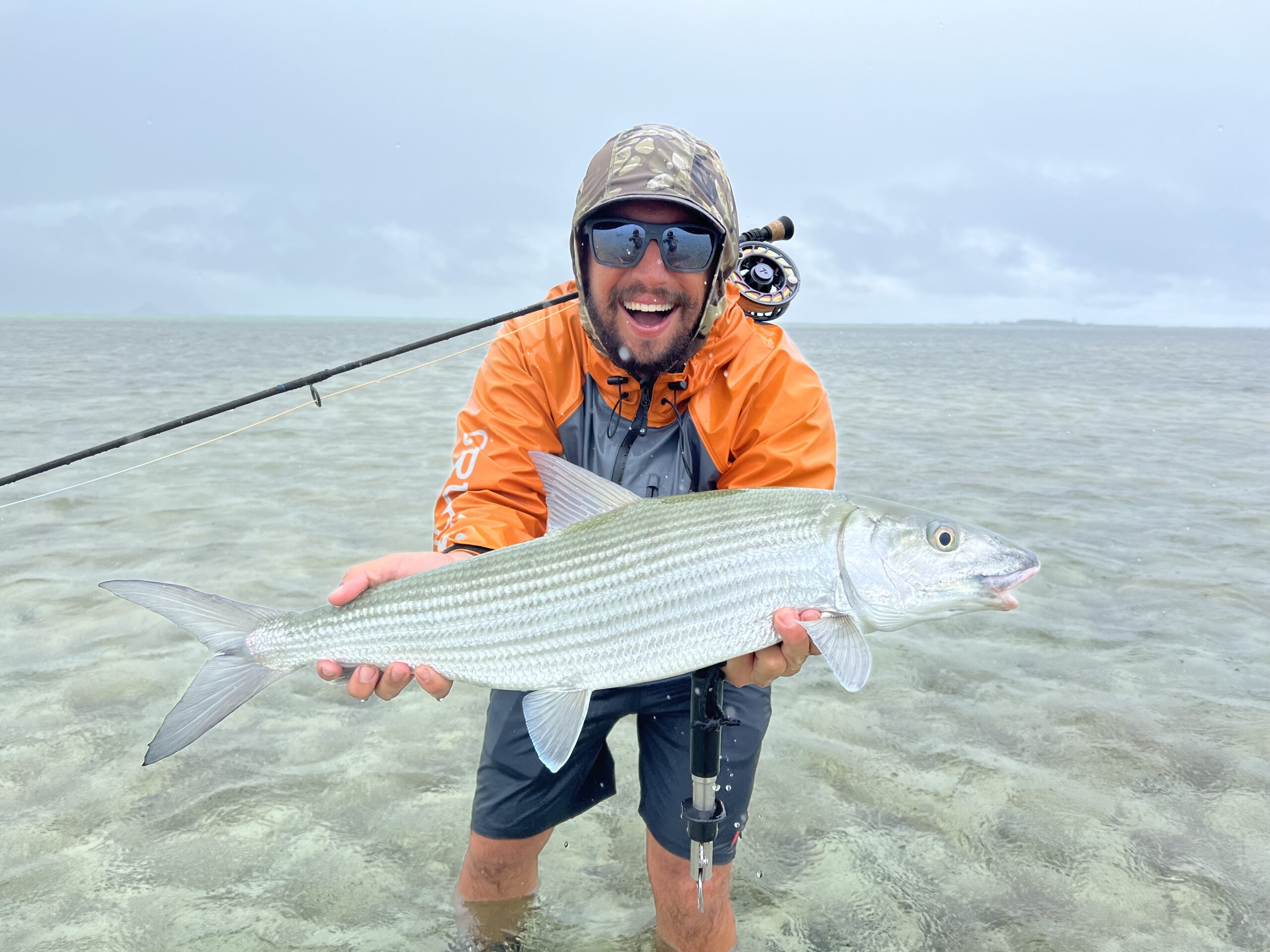
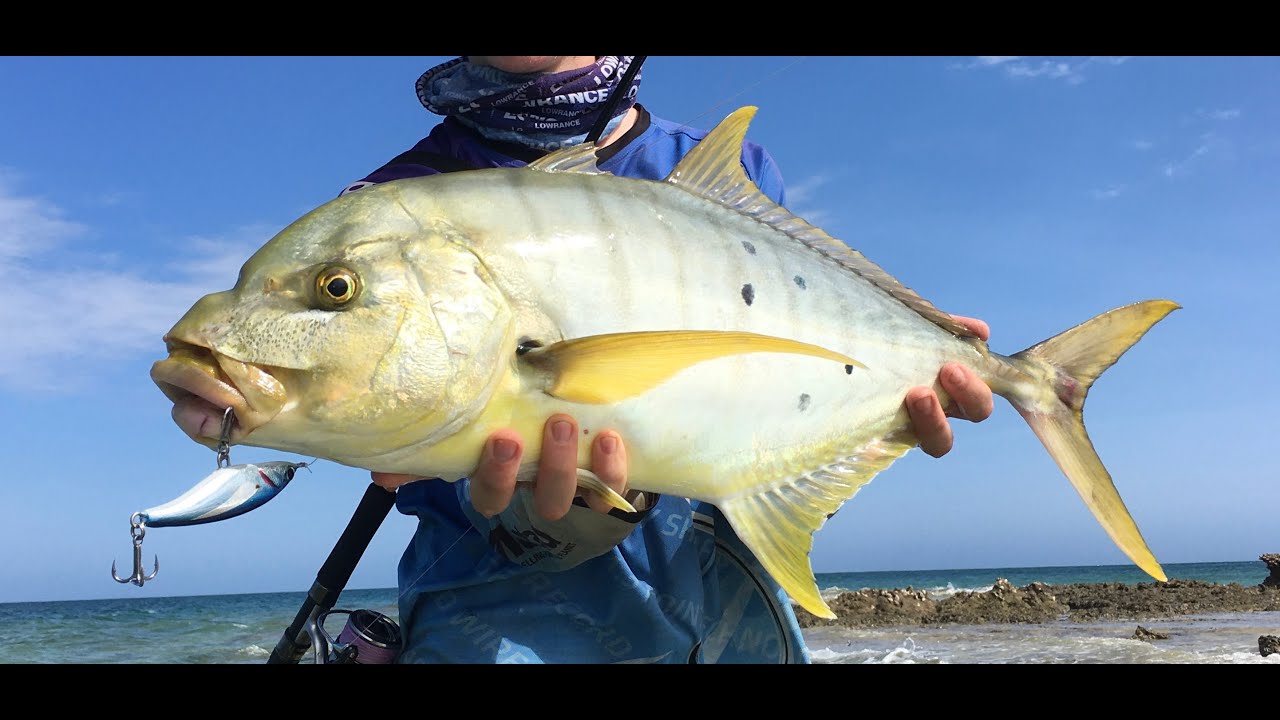
BoneFishing in Hawaii might not be the first thing that comes to mind when you think of saltwater adventures, but for Marine veteran Mike Bressler, it’s become both a calling and a way of life. In this episode, we head to the island of Oahu to uncover what makes Hawaii’s flats fishery so unique—and so challenging. From bonefish (known locally as ō‘io) to golden trevally, Mike shares what it’s like to guide in one of the Pacific’s toughest but most rewarding destinations. Whether you’re planning a DIY trip or dreaming of landing a 10+ pound bone, his insights are packed with practical value.

We talk about everything from how to master casting in Hawaii’s relentless trade winds to how moon phases affect bonefish behavior. Mike also opens up about building his homegrown “Bone Lodge” for guests, the cultural realities of fishing in local waters, and why he takes veterans out monthly for healing on the flats. This episode is more than a fishing guide—it’s about patience, local respect, and finding purpose through saltwater fly fishing.

Hawaii Fly Guide Website Logo

Hit Play Below to Listen to Mike Bressler on Bonefishing Hawaii

apple podcasts

Find the show:  Follow the Show | Overcast | Spotify

Subscribe on Apple Podcasts

Subscribe on Android

Subscribe via RSS

(The full episode transcript is at the bottom of this blogpost) 👇🏻

Sponsors and Podcast Updates


Notes with Mike Bressler on Bonefishing Hawaii

2:03 – Mike Bressler explains that while bonefish are active year-round in Hawaii, spring and summer bring peak action. The largest fish stay on the flats during the winter spawning season, starting around November’s full moon. Still, Hawaii is a tough fishery—constant trade winds and challenging conditions make it a true test for any angler. As Mike puts it, “If you can get good out here, you can be good anywhere.”

3:15 – Mike Bressler is based on the island of Oahu, Hawaii’s most visited island, known for its iconic Waikiki but also home to quieter country towns like Hau‘ula, where Mike lives. He explains that bonefish—locally called ‘ō‘io (pronounced “oyo”)—can be found all around the island, from beaches to flats. While flats fishing is preferred, Mike notes he has even spotted bonefish from the shoreline. In addition to bonefish, the waters also host various trevally species, including bluefin, golden, and the rare giant trevally, though bonefish remain the main attraction for visiting anglers. Click here for more information.

5:46 – Retired Marine Mike Bressler discovered Oahu’s bonefish flats during a COVID quarantine on Ford Island. Now based in Hauʻula, he guides anglers year-round, with peak season from October to December. Windy conditions and remote flats make boat access and strong casting skills essential.

https://drive.google.com/drive/folders/1w0cuzobSTNOOnEtdp9xKG4wwrTVZLZHH

09:06 – Mike Bressler emphasizes that handling Hawaii’s wind starts with mastering the double haul and sidearm cast. He recommends aiming for at least a 40-foot cast under the wind and leading the bonefish—not landing the fly on their head. Sometimes, a short flip of the fly is all that’s needed, as long as it’s placed ahead of the fish’s path.

9:49 – Mike Bressler explains that Hawaii’s largest bonefish are most active from October to December, as they begin their deep-water spawning cycle around full moons. He advises avoiding fishing three days before and after a full moon since fewer fish are found on the flats during that time.

12:29 – Mike Bressler and his wife host guests at their private rental, the Bone Lodge, a freestanding Airbnb-style unit that comfortably accommodates couples, small families, or fishing buddies. He offers customizable half-day and full-day guided trips, often using his 18-foot Kayo Boatworks skiff—weather permitting—to pole clients across the flats in search of bonefish. Click here to learn more.

16:36 – Mike Bressler explains that while fall offers peak conditions, big bonefish are still catchable in May. These “home guard” fish are older, resident fish that tend to stay shallow and fight with brute weight rather than long runs. Hawaii’s bonefish can reach impressive sizes—Mike has landed 12-pounders and knows of fish near 14, with the state record sitting at 15.7 lbs on conventional tackle. He also notes rumors of even larger bonefish—up to 20 pounds—coming from remote areas like New Caledonia.

18:17 – Mike Bressler shares that while bonefish populations are improving globally, Hawaii faces unique conservation challenges. Bonefish are considered a local delicacy, and with no regulations against harvesting them, locals often use nets or hook-and-line to catch them. Although enforcement is limited due to resource constraints, Mike hopes increased awareness will lead to better stewardship of the fishery.

20:51 – Mike Bressler starts most guided trips around 6:30–7:00 AM, timing for sunlight to spot fish while walking the flats and watching for signs of life like turtles or goatfish that indicate bonefish are nearby. Rather than tailing fish, anglers are taught to look for “Heineken backs”—a green shimmer just under the surface as bonefish move in with the incoming tide to feed.

24:31 – Mike Bressler shares that many first-time anglers struggle to spot bonefish, as their green shimmer is often mistaken for similarly colored reef fish. He recommends multi-day trips to learn proper sight-fishing technique—walking slowly, pausing often, and watching for subtle signs like nervous water, much like stalking prey in a hunt.

26:40 – Mike Bressler explains that while guiding, he positions himself based on the angler’s casting hand and wind direction, often spotting bonefish 10 to 50 feet—or even 50 yards—away. He coaches clients to observe the fish’s movement like a grazing animal, place the cast ahead of it, and use a slow strip to trigger a bite, reminding them never to trout set, but to keep stripping steadily for a clean hookup.

29:16 – Mike Bressler explains that a trout set often pulls the fly out of a bonefish’s mouth, while a strip set keeps the fly in the zone, allowing the fish to hook itself through steady tension. He adds that Papio, or juvenile trevally, sometimes rush in and steal the fly mid-strip, earning their nickname as “thieves” on the flats.

31:24 – Mike Bressler shares that while bonefish are the main target, golden trevally are considered the “unicorn” of Hawaiian flats—rare, elusive, and highly prized. Unlike their aggressive GT cousins, golden trevally feed on crabs, mantis shrimp, and baby octopus, making them a challenging and exciting catch that can grow to over 15 pounds.

https://www.gettyimages.com/search/2/image?utm_source=chatgpt.com&phrase=golden+trevally

32:53 – Mike Bressler emphasizes using a slow, smooth two-foot strip to keep the fly close to the bottom, imitating natural prey like crabs and mantis shrimp. He teaches anglers to let the fly sink fully, clear slack for direct connection, and make gentle, quiet adjustments—since bonefish, like snipers, will spook if prey behaves unnaturally or the line is moved too aggressively.

37:00 – Mike Bressler prefers a 12–14-foot leader built from 40-30-20 pound sections, finishing with a Rapala loop knot and adjusting to 16-pound tippet on calm days to reduce visibility. For gear, he recommends a 9-foot 8-weight rod paired with a sealed drag reel, 150 yards of backing, and Cortland’s Redfish Tropical fly line, which he trusts for its durability against coral-heavy flats.

39:46 – Mike Bressler prefers natural, flash-free flies for Hawaii’s bonefish, favoring subtle patterns like his variation of the “Spam and Eggs” fly, heavier Crazy Charlies, and shrimp-style flies made from materials like Arctic fox, raccoon, and EP fibers. He believes the key to success is imitating local prey like mantis shrimp and crabs, which have no reflective qualities, reinforcing his philosophy that “less is more” when it comes to fly materials.

Watch this for more information.

43:08 – Mike Bressler shares that the most effective fly colors for Hawaiian bonefish are browns, tans, blacks, and occasionally a translucent orange, matching the natural hues of local mantis shrimp on the flats. While some mantis shrimp in other regions show vibrant rainbow-like colors, Mike notes that the shrimp in Hawaii’s flats are smaller, subtler, and adapted to their muted, sandy environment, reinforcing the importance of natural tones when fly tying.

44:59 – Mike Bressler advises that while Oahu is ideal for DIY bonefishing with walkable flats and public shoreline access, islands like Moloka‘i should be approached cautiously due to cultural sensitivities—locals may challenge visitors fishing near their homes. For Maui or Kaua‘i, DIY anglers should use satellite imagery to identify promising flats and focus on incoming tides, which provide better access and more time on the water without needing a boat. Enjoy a breathtaking view of Moloka‘i.

48:35 – Mike Bressler notes that while bonefish are present on the Big Island, it’s the one place in Hawaii he hasn’t personally landed one, and he primarily guides out of Oahu, where conditions and access are more reliable. He encourages anglers to book at least a half-day with a guide—not just for learning spots, but to understand the local waters, tides, and fishery culture—emphasizing that for him, guiding is a passion rather than a livelihood, unlike many full-time guides who depend on it to make ends meet.

51:21 – Mike Bressler highlights a major step forward in Hawaiian conservation with the new non-resident fishing license requirement, which began in April and helps fund efforts like coral restoration through DLNR. While no major bonefish-specific conservation group currently operates in Hawaii, Mike stresses the importance of ethical fish handling, reef awareness, and hopes for future support from organizations like Bonefish & Tarpon Trust to expand research and protection efforts in the islands. Get more information here.

55:04 – Mike Bressler reflects on the historical weight of living and guiding near Pearl Harbor, noting its deep connection to his 24 years of service in the Marine Corps. As part of giving back, he offers free monthly guided fly fishing trips to fellow veterans, believing strongly in the mental clarity and healing that comes from time on the water—something he says benefits anyone going through stress, not just those who’ve served.

59:20 – As the episode wraps up, Mike Bressler offers heartfelt encouragement to new and seasoned anglers alike, reminding them that the real reward in Hawaii isn’t just the bonefish but the experience of being on the water in such a stunning place. He expresses support for Project Healing Waters, offers to help veterans get out and fish, and leaves listeners with a simple message: come out, enjoy the island, and if you catch a fish, that’s just the bonus.

You can find Mike Bressler on Instagram and visit their Website here.

Top 8 Bonefishing Tips from Hawaii Guide Mike Bressler

1.  Hawaii’s constant trade winds make it essential to learn the double haul and sidearm casting techniques to effectively reach bonefish in tough conditions.

2.  Approach the flats like a hunter—move slowly, pause often, and avoid sudden steps that could alert fish via vibrations in the water.

3. Bonefish in Hawaii often appear as a glowing green shape, like a Heineken bottle, moving through the water. Training your eyes to spot them is key.

4. Mike recommends fly patterns with no flash, using natural materials like Arctic fox, raccoon, and EP fibers to mimic mantis shrimp and crabs.

5. Strip Set—Never Trout Set. When a bonefish eats, maintain a steady, long strip to hook the fish. Lifting the rod (a trout set) often pulls the fly right out of their mouth.

6. Mike’s go-to leader build includes 40-30-20 pound sections, prioritizing strength to manage coral-heavy flats and powerful runs from big fish.

Bonefishing Hawaii Videos Noted in the Show

Related Podcast Episodes

Read the Full Podcast Transcript Below

Episode Transcript
0 (2s): He didn’t grow up sight fishing the flats or even thinking about bonefish. But after a military posting brought him to Hawaii, a quarantine on base, gave him enough time with a fly rod to understand bones and create a new obsession. By the end of this episode, you’ll get practical tips on spotting bonefish and tough light, how to improve your casting in the wind, and how to choose flies that won’t spook pressured fish. You also learn how to time your trip around the tides and the moon faces, and what gear holds up best on the coral flats. This is the Wet Fly Swing podcast where I show you the best places to travel to for fly fishing, how to find the best resources and tools to prepare for that big trip, And what you can do to give back to the fish species we all love. 0 (42s): Mike Bressler, Hawaii based guide and founder of Flight Ordinance takes us on the inside to what it’s really like to chase trophy bonefish in the Pacific. We also find out what it’s like and how he built a guest friendly program from the ground up, and how anglers find success in one of the toughest flats, fisheries on the planet. Along this journey today, you’re gonna feel how he’s building a different experience, one that blends local knowledge, low pressure approach, and a deep respect the fish and culture from balancing guiding with his family life to hosting guests in his home built bone lodge. Michael shares what it’s meant to create something special in Hawaii. All right, let’s find out how he does it all. Here we go. Mike Bressler from Hawaii fly guide.com. 0 (1m 23s): How are you doing, Mike? 1 (1m 24s): Good, thanks guys. Thanks for having me. 0 (1m 26s): It’s, it’s great to always good to have a Hawaii chat. It’s been a little while since I’ve been down there, but we’ve had definitely some listeners asking about it. I know it’s always a, you know, a hot topic because it’s a place that maybe isn’t known as the, you know, as far as the salt water stuff. You know, you don’t hear as much about it, But I think it does have some good resources, and I think you are in a place that’s pretty amazing. So, so before we jump into all that, maybe just take us back kind of this time of year. What, what are we at now? It’s, it’s May, June. This probably will go live in July. What’s happening this time of year down there? 1 (1m 60s): This time of year? It’s getting warmer. It’s our spring, basically, and, and as it gets warmer, the, the water’s getting warmer and, and the fish are getting more active. I mean, bonefish here are year round, more so in the spring and summer starting November. They, they start their spawning cycle usually on a full moon. So it’s, it’s a lot of bigger fish that are staying on the flats during the winter months, which is, which is something that everybody wants to get that 10 pound bone, you know? So it’s, it’s a humbling place. It really is. It’s not an easy fishery. It’s, it’s really tough on, especially beginners. 0 (2m 39s): Why is it so tough on, on V? Is it tougher than other places you might, 1 (2m 43s): I mean, we’re, we’re in the middle of the Pacific. We, we, we have a lot of trade wind, so if, you know, you’re not, if you’re not up to par with the, say, just double hauling and, and casting into the wind, it can get really frustrating for, for folks out there. It’s, it’s a huge learning curve if in the salt water fly fishing game, you know, if you can get good out here, you can definitely be good 0 (3m 6s): Anywhere. Nice. Well, we’re gonna definitely talk some casting, you know, some wind tips and stuff like that today for sure. But yeah, let, let’s go back first, like kind of where you are now. Talk about that which, which island you are. Do you fish one area or what does that look like? 1 (3m 20s): Sure. So I’m on the island of Oahu. It’s, it’s probably the most visited tourist island, you know, because of Waikiki. But where I live in the town of Haah, it’s considered country fishing wise. You can pretty much get bonefish all around this island for the most part. I mean, everybody would rather be on a flat, but I’ve seen ’em from the beach before, and it’s not just bonefish. We do have traval species here. You know, we do have the occasional giant, giant traval, bluefin, traval, golden traval. They’re, they’re fewer and far between, but they are definitely here. But I think the one that catches everybody’s eyes is, is the bonefish. 1 (4m 4s): The oal. 0 (4m 5s): So, yeah. So you’re on Oahu and you know, there are some other islands obviously out there. You don’t hear as much about the bonefish on the other ones, right? I think people think of Oahu as the big one. 1 (4m 15s): Yeah, there’s a, there’s a few of us that are trying to get the ev a bonefish on every island. So every island does have bonefish out here. It’s just different fisheries. Not every island has, has flats fishing like Oahu or Molokai. Molokai is really well known for its hunting and its bone fishing as well. Bones on Maui Lanai, the hardest places to get a bonefish out here right now is the big island and Kauai, those, those are the challenging ones right now. 0 (4m 47s): Why is that? Is just different in habitat types. It’s 1 (4m 50s): The lack of flats, you know, and so you’re, it’s the site fishing form is a little bit tougher. You gotta get really lucky to spot one from the shoreline, you know, by being on a flat, it’s, you know, 12 inches of water or even a little bit more where you can really spot these guys tailing or just seeing them swimming. 0 (5m 8s): Okay. So, so you’re on Owa. What is the, maybe let’s take it back real quick to your background. Have you been on, in the Hawaii Hawaiian islands for a while? What, how’d you, how’d you land out there? 1 (5m 19s): Sure, sure. So I am a Marine, I’m a retired marine now. My last duty station was here on Oahu, But I’ve been flying out to Oahu now for the past probably 15 years now, just to come chase these, these bonefish. And lucky for me, my last three years happened to be on Oahu. So, you know, the height of COVID was, was in effect when I got sent over here. And lo and behold, yeah, lo and behold, that was, 0 (5m 50s): So, that must have been kind of cool. Not a lot of pressure in during that time. 1 (5m 54s): It, it wasn’t, it’s, it’s funny, Dave, I I, I was on quarantine on the, on Ford Island, which is in Pearl Harbor, and a buddy of mine called me up. He’s like, you know, there’s bonefish on that island, and you know, the, the only thing the only stipulation was I couldn’t leave the island. I had to stay within the lodge in the limits of the lodge there on, on Ford Island. And so I got the fish for 15 days on quarantine for bone fish. So yeah, I, I got really lucky there and there was plenty of fish and, and yeah. 0 (6m 26s): So Pearl Harbor, is that right in the area? Are there some flats right out on those in that area? So 1 (6m 30s): That, so there’s flats on, on Hickum Air Force Base. There’s very limited flats on Ford Island. It’s more of fishing from the shoreline. If you want flats, you go over to the triangle, which is a most common one. All the guides here have access to Triangle Flats, which is the closest one to the airport. And then we have flats throughout the island. You, you’ve got ’em over on Kaneohe Bay, you have ’em over on the west side. Yeah. So I mean, it’s, it’s more convenient to have a boat to get out to some of these places for sure. Otherwise, you’re, you’re getting on a standup paddle board or a kayak. 1 (7m 12s): There’s still a few places out here that you can walk, walk in and wait. 0 (7m 16s): Right. And we’ve talked about that too. Maybe we can just start it off here with just, if they were, somebody was kind of gonna be coming, maybe hooking up with you. What does that look like? If you mentioned that you can fish year round. I think probably a lot of people love to go to Hawaii during the, you know, maybe during the colder months, you know, in on the lower 48. But when do you think is the most popular time? When do you recommend people come out to fish? 1 (7m 37s): I mean, right now is, is the moment’s heating up, you know, right now is a really, you know, may, June really good if you’re someone that’s really looking for getting that 10 pound fish. Plus, I’d recommend starting coming out here in October into November and December. The challenging aspect with being out in the middle of Pacific is, is the trade winds. I mean, you never know, so you gotta be really comfortable with windy situations. 0 (8m 7s): And what is the secret when you have windy situations on, how do you deal with that? 1 (8m 12s): I mean, it’s, there’s really no secret to it. It’s the double hall in, in my opinion. It, it’s all in your double hall in the timing. If you can get a good side arm cast underneath the wind with a good double hall, at least 40 foot, you’ll be okay. If you can get more than 40 foot, great, that’s awesome. You know, but, you know, and there’s, there’s times that you don’t even need to cast that far. You’re just gonna flip your fly over and, and in front of this fish and just cross its path. You know, the key thing here is don’t land the fly on their head. You know, you wanna lead them by at least the rock. 0 (8m 49s): Let’s think of that. If we’re, you know, thinking big fish. So the, you mentioned the October through December is a good, and that’s mainly because of spawning? Or why, why is that again? Why, why is that the time to get the big fish? 1 (8m 60s): Yeah, so the spawning cycle starts usually November all the way into May. You know, these fish go out during full moons, you know, and, and they go out into the deeper water. They’ll go into, you know, 400, 600 feet of water and, and they’ll, you know, dive down deep, shoot up to the surface. And that’s when, you know, the, the magic happens with the eggs and, and, and the males doing their thing. Yeah, it’s funny, it’s, it’s a big reason why those offshore guys that are trolling for big Marlin will use bonefish as 0 (9m 31s): Bait. So the spawning on bonefish is, they’re going deep. Are they, are they broadcast spawning there eggs out there? Are they actually, how does that, do you know how that looks on a little bit of that? 1 (9m 43s): No, I, I, I, there’s not a lot of information on it, you know, just through looking at some of the studies that bonefish and Tarpon trusts and the University of y done, you know, just reading some of those, those information papers is, is what we know, but there’s just not a ton of information once, you know, we know they go deep and they go spawn, and then, you know, we, that’s why, you know, we tell, I would suggest to anybody, you know, and, and this is just my guide head talking, is you don’t wanna fish three days before or three days after a full moon because there’s usually not that many fish on a foot. 0 (10m 23s): If it’s a full moon, don’t fish three days before or three days after. 1 (10m 27s): Yeah. Yeah. I, I, I don’t like to, it’s just, maybe it’s just my theory, but you know, I, I know guys that’ll go out. It doesn’t matter. They’ll go out full moon or not. And, and some people still catch fish. I have caught fish during a full moon, but there’s just not as many bonefish on the flats is what I’ve seen and noticed. 0 (10m 47s): So they’re essentially going out spawning. Those are the times where they’re kind of migrating out, and then they might come back after the full moon’s done. 1 (10m 54s): Yeah, and, and you’ll see it too, on the flat. I mean, these fish, after they come back on the flat, they’re hungry, you know, they’re all, they’re all what we call lit up and, and just, you know, they’re really bright. Their pectoral fins have a really cool, like, like really blue teal outline, and it really glows on the flat. You can really see ’em, you know, 50 yards out. You can see ’em coming your way. 0 (11m 18s): Could you see, do you have some of these photos of some of those colors on your out there, social out people can take a look? 1 (11m 25s): Oh yeah, for sure. For sure. 0 (11m 27s): Yeah. Yeah. So we got the full moon, and, and you mentioned if we’re sticking with the big ones, we’re thinking October through December. What does it look like if somebody’s coming in, let’s just say they’re coming in in November for a trip. What’s that look like for you? If they were coming out, do you typically do like day trips, half day, full day? What’s that look like? 1 (11m 45s): Yeah, so the unique aspect with what my wife and I have out here is, you know, we do have a, a little Airbnb freestanding building. We call it the Bone Lodge. You know, if, if it’s you know, two people, it’s comfortable, you know, if it’s you and your wife, your significant other, or you and a friend, it’s more than accommodating. 0 (12m 5s): What about you, your wife and a couple of of kids? Little kids? Yeah, 1 (12m 9s): That’s, that’s, I mean, we’ve got some blow up mattresses for ’em, and the, the couch cools out and it, it’s been done. We’ve had, oh man, we’ve had like five people in here before, you know, not all fishing, but you know, it’s usually the, the husband or the wife that wants to go fish and then the significant other goes out and does other things around the island. But yeah, I, I do, I can custom to anything, but the, the, the standard is, you know, your half days and your full days. I do have a skiff here that I just got last year. I brought it out from Florida. It’s a coyo boat work skiff, 18 foot flat skiff, you know, and, and weather permitting. If it’s not blowing 25 knots. 1 (12m 50s): And I’m on the back of that skiff and I’m pulling year round and, and showing you fish and hopefully getting you off too. 0 (12m 56s): How often throughout the year is it, is it, you know, there’s enough, there’s not that much wind that you can have the skiff out there. I mean, I know you just got it, but if you look ahead, 1 (13m 6s): Oh, I, I mean, I’m taking the skiff out no matter what. So yeah, for sure. You know, regardless of the wind, you can still take the skiff out and get out to some of the flats, whether it’s triangle or you know, anywhere around the island. It’s just polling an 18 foot boat against the wind can be a, can be a feat in itself, you know? 0 (13m 27s): So you guys have, so if, yeah, if somebody had a wanted to stay, you have that option. Are people typically coming there and getting booking a couple days with you? Are you doing, you know, more than that? How does that look? Fish to Fly Guide service is dedicated to sharing the incredible fly fishing opportunities around Jackson Hole. Whether floating the Scenic Snake River in search of native cutthroat trout, or hiking into the mountains to explore pristine tributaries every day on the water is an adventure. You can join them for an unforgettable fly fishing experience in the heart of the tetons@fishtofly.com. Stonefly nets builds handcrafted landing nets that are as tough as they are beautiful. They’re shaped, sanded, and finished by hand from premium hardwoods. 0 (14m 10s): You’ll feel the difference the moment you land your first fish light in the hands, strong at the hoop and made by someone who knows what it means to earn your trust. You can head over to stonefly nets do.com right now and see what they’ve got in the shop today. That’s stonefly nets.com? 1 (14m 26s): Yeah, yeah, yeah, for sure. Usually come out for four or five days. I’ve actually got a, I actually got a client coming out at here next week on Tuesday, who’s just coming back from Christmas Island, decide to stay. Yeah. So yeah, it’s usually a, a why is that stopping point before you go out to Christmas Island? So usually stay stop here for a night and then leave the next day. 0 (14m 53s): So you have some people, so of those people coming in on Tuesday, let’s just talk about that. I know it’s, right now, it’s kind of mid-May as we’re speaking here, so how’s that gonna look for them? But what, talk about your day, so your first day you’re gonna meet ’em, describe that a little bit. 1 (15m 5s): Yeah, usually I’ll go out and I, I’ll pick ’em up from the airport, you know, and then that gives us, you know, it’s about a 40 minute drive to the airport from where I live. So during that drive back is, you know, we’ll go through question and answers and I, you know, I show him around the island going towards home and we talk fishing and, you know, this client in particular, I know him really well, so I know he’s just excited to get out here. And he’s, he’s on the hunt for a big one. So we’re definitely gonna put in a lot of work. A lot of time we’ll do both, we’ll do some skiff fishing or take the skiff out to some of the flats, but I’ve got some locations that are, you know, little top secret that I’ll probably take him to chase for that nine plus pound bonefish. 0 (15m 49s): So you can get nine, you can get bigger bone still in the, the May, even though the, the fall’s better. 1 (15m 54s): Oh, yeah, for sure. It’s just in the fall. The, the thing is, is those, I, you know, I think those bigger fish are older. They’re, you know, they don’t wanna, they don’t want to get all, you know, they don’t want to go through the trouble of going to the deep water. They’re like home guard fish now. They’re just, they’re, they’re living their retired life in a sense. It’s funny, those, those really big bonefish, they’ll get one big run and then they’ll just turn around and come directly at you and just, you know, they’ll just use their weight. Whereas you hook a, you know, a three to six pound bonefish and they’re gonna get multiple runs, you know, up to 150 yards at times. 0 (16m 32s): What’s the largest bonefish you’ve seen or heard of out there? How big do they get 1 (16m 37s): Heard of is 15.7? I believe it was. It’s the new Hawaii State record. Now that’s not fly, that is on conventional tackle, but you know, I’ve, I’ve, I’ve caught ’em at 12 pounds. I’ve, I know guys that have gotten them, you know, really close to 14 pounds, but the standard is your 10 to 11 pounds, I would say, or really big fit. 0 (17m 0s): Okay. And is that, do you know, is that, are there other places around the world where you can get even bigger ones or is that pretty, pretty up there? 1 (17m 8s): So I, I have heard there is other places, you know, further out in the Pacific, new Caledonia, I’ve heard there’s some really big fish there, but the, it’s really tough to get to some, supposedly it’s, so I’ve heard, I’ve heard up to 20 pounds been over there, but it’s, you know, who knows if it’s or not, but 0 (17m 31s): You gotta head down off the east coast of Australia to, to get there. 1 (17m 35s): Yeah, exactly. Yeah. So I mean that’s, I heard that’s really good spot, you know, and the bone fishery is starting to climb up even for Florida now. I’m, I’m hearing fish are getting bigger and more bones are coming, you know, they had that big freeze in 2010, and I’m hearing the fishing’s getting better. So, you know, it, it looks like it’s getting good across the world. So I just hope that, you know, with the, with everybody’s eyes and minds on conservation and, and having a better, being, better stewards of our earth, I I hope that the fishery gets better for everybody. You know, it’s, it is tough here in Hawaii because bonefish is a delicacy here, 0 (18m 11s): Right? That’s the, we’ve heard about that. Yeah. So people are definitely harvesting bonefish, I think. Have you seen, is there some more conversations around changing that a little bit? Or how does that look? That’s always a tough conversation. 1 (18m 24s): Yeah, I mean, I man, it, it’s, it’s a bummer to see, but you know, Hawaii doesn’t have any, any regulations for catching bonefish and keeping them for food, you know, that’s the Hawaiians wines have to eat. And that’s, they’ve grown up doing that for ages, you know, so I’m, who am I to tell them that they can’t do it? You know, I, I I, you know, DNR doesn’t have a ton of funding, doesn’t have a ton of manpower to, to uphold regulations. They’re doing the best they can with, you know, a lot of the netting that’s going across the shorelines and, and illegal fishing and, and, you know, protected zones. 0 (19m 2s): Is that how they catch them? Do they typically catch ’em with a, a net or they use in other types of gear? 1 (19m 7s): They, they, they use whatever they have to their veil, whether it’s hook and line nets, you know, you won’t see too many guys spearing ’em. I mean, if you’re in the water splashing around, you know that bonefish is not gonna be anywhere near you. But they will, they will net ’em out here. But again, you know, it’s, as long as your nets are within regulations, you can do it. 0 (19m 34s): Well back to, you know, Turing that trip. So you’ve got this thing next week, so somebody’s gonna be coming in there for four or five days. So talk about the day, let’s, let’s say the first day on the water, how is that gonna look? What, what time are you getting rolling? How does that Yeah, 1 (19m 48s): Yeah, we’ll start, we will leave the house about 6 30, 7. There’s, there’s no need to, to totally rush. We’ll go out to the, you know, to the marina there and, and we will either launch from, from KeHE or Sand Island or, you know, heya, these are all boat launch areas. I do have access to the, to the Marine Corps base here, as, you know, as a retired Marine. And we can launch from that marina there. You know, the, the, the key thing is, is it, it doesn’t make it any better to go earlier. You, you want some sunlight, you want that sun to come up, up, up on the horizon so you can actually start the hunt, you know, and we’ll have waters and sandwiches on the boat and we’ll motor out. 1 (20m 34s): We will, more than likely, if the wind’s, if the wind’s a little too high, we’ll just anchor the boat on the flat and we’ll, we’ll get out there and we’ll start hunting it. It’s, it, it is a, it’s, I I love fishing for these bonefish, as, as it is, like I said, is it’s a hunt. You know, you’re, you’re walking slow on the flat, you’re searching for activity, you’re searching for life on the flat. You know, the more life I start seeing on the flat, whether it’s turtles or, or stingrays or you know, goat fish moving around, the more excited I get. ’cause I’m pretty sure there’s gonna be a lot of bonefish on there. You know, when you see life on the water, it’s a pretty, you know, telling sign that, you know, there’s, there’s gonna be crabs on there, there’s manta shrimp on there because you’re starting to see all this other activity. 1 (21m 22s): So there’s gonna be bones up there, you know, the summer months, you know, spring and summer we start getting those negative low tides. So we get to spend a good, a good amount of time up on the flats. And typically, I like to see, I’d like to get out there just before the tide shifts to come up. ’cause that means the water’s gonna be moving across the flat and, and that’s gonna bring life across the flat. It’s gonna bring the bonefish up there. They’re gonna start hunting and we’re gonna start hunting them depending on where, what flat you’re on is, is, you know, depending on whether you’re gonna see tailing fish or you’re gonna see fish just underneath the water, you know, these, these bonefish are hugging the bottom of the ocean, the bottom of the flat, just feeding away. 1 (22m 8s): They’re not always necessarily tailing all the time. Like that pictures, you know, you, you picture The Bahamas and everything, you picture these tailing fish everywhere. But that’s, that’s not the case. You know, we, we call it, we’re looking for what we call Heineken Heineken backs. So Heineken bottle green backs. So it’s that green color that we’re looking for in a fish that’s moving across a flat. 0 (22m 32s): So you, you mentioned the tides. So negative tides are good and you wanna get there just before it shifts. So you’re basically there as the tides starting to come in and flood those, those areas. Yeah. 1 (22m 41s): Yeah. And that’s, that’s just a personal preference. That’s how, that’s the kind of conditions I like to fish. But it’s, you can get bonefish on a high, high tide, low tide, slack, tide. You can still catch fish if, if there’s a bone fish on the flat, it usually means that it’s looking for food. 0 (22m 60s): Describe that again. What, what’s the, how are you finding the fish? What’s the color you’re looking for? 1 (23m 4s): So the, they, we call ’em greenbacks. So you know, I, I use a Heineken bottle as a reference. ’cause that’s the color you’re basically looking for. 0 (23m 12s): And is that because you don’t see any other species out there that have that same color? Is that kind of why that is? 1 (23m 18s): Exactly, exactly. I mean, we, we have some other re fish that are very similar, but it’s more of a blue color. And sometimes that’ll throw, you know, if, if you’re new to sight fishing, that’ll throw a lot of people off. But yeah, once, you know, I would say 80% of the clientele, if, if they only go out with me for a day, they usually never see the fish. I have ’em casting to 0 (23m 41s): So that you’re seeing them, but they’re not. 1 (23m 43s): So, you know, and, and so that’s why it’s really, it’s, it’s, you know, if you can, if you can do it, take a couple days so you can really learn how to, you know, spot these fish, cast these fish, you know, walking across a flat is, is is key. It’s, it’s how you walk. You’re not just, you’re not walking normal. If you, if you ever see a, you know, a water bird, like a heron or something walking across, you know, the shoreline looking for prey, they’re just going really slow and, you know, tiptoeing through the water. So you really, that’s, that’s where that hunting aspect comes in. You’re not, you know, you’re not jogging through the woods looking for an access deer. You’re, you’re going slow, you know, slow is smooth and smooth is fast. 1 (24m 26s): So you’re taking your time, you take pauses on the flat, sometimes up to 30 minutes to an hour, you’re just gonna stand still and just watch the top of the water looking for fish. You know, you’re looking for that nervous water. 0 (24m 39s): So I always think of the, like blacktail deer hunting. I haven’t done much of that, but I’ve heard that that’s what you walk through the forest like that you’re just like super slow one step, you know? Yeah, 1 (24m 50s): Yeah. You know, any, any crunch on the bottom of your foot, whether you’re, you’re, you know, you’re crunching down on shell or whatever the case is, is is basically a loud noise in the water for these fish. They can feel it on their lateral line and, and you can see them, you know, if you make the wrong step, you, they’re either gonna shoot away from you or they’re gonna, they’re gonna kind of like, it’s like them tilting their head to the side, like, wait, what was that? That’s not normal. You know? 0 (25m 17s): So you’re sitting there slowly hunting and then you, and are you as the guide, are you kind of sitting there right over the shoulder? Or are you kind of walking with them? 1 (25m 26s): Yeah, depending on, depending if you’re left-handed or right-hand. If you’re a right-handed caster, I’m gonna pro more than likely, you know, and then wind dependent too, so, so it’s key that you can forward cast side, arm cast, do a backhand, cast it. It’s because depending on the wind, you know, I can place myself in multiple places for you. But, so I, if we’re walking around, we see a fish, you know, I’m gonna, I’m gonna say something, I’m going to, you know, I’m gonna whisper over, Hey, hey, take a pause right here. I see something and I’m, we’re gonna watch this fish. ’cause I’m probably gonna see ’em probably, you know, anywhere from, you know, 10 to, to 50 feet out away. You know, at times you can, you can almost look 50 yards away and see these fish coming in. 1 (26m 10s): And we’re gonna, you know, and then I’ll, I’ll point the fish out. If the client sees them, great. If not, I’ll just have ’em get ready to cast and, and we will just kind of, you’ll kind of just watch the fish and see which way it’s, it’s swimming, which way it’s feeding, you know. And then, then, then you’ll determine where are you gonna place the cast. Bonefish aren’t necessarily like erratic swimmers. They’re, they’re more of like, imagine a goat that’s grazing out on the grass. They’re not going from left to right really quick. They’re just kind of grazing and keeping going, keep going forward to the next blade of grass. And it’s kind of the same, same thing these bonefish do, you know, they, they’ll get on a trajectory and, and you can kind of study ’em for a little bit and be like, okay, I think they’re gonna go from left to right. 1 (26m 57s): Go ahead and start casting out to, you know, your two o’clock, about 40 feet, lay that cast down and you’re just waiting to see if this fish gets closer to fly. Usually the fish gets to within three, to two to three feet, and you’re doing a really slow and smooth long strip. And at that point, that fish usually sees, it comes over the fly and they just do basically a headstand on the fly. And they, you don’t have, don’t trout set. Whatever you do, whatever you do, just don’t trout set. If anything, put the tip of the pole in the water and just keep stripping that fish will hook itself. 1 (27m 39s): And before you know it is running off with all your fly line and into your backing. Yeah. It’s, it never gets old. 0 (27m 47s): Got it. And so why, just a reminder on the the not trout, why, why is the trout set so bad? What is it doing versus the strip set? 1 (27m 54s): So the, the trout set, as soon as you pick up that fly is basically doing, you know, if you, if you imagine the fly’s mouth, the, the mouth of the fish going down on the fly, as soon as you trout set it provides a basically a big U bend in the fly line and into, into your tippet, which basically just rips that fly out of its mouth and then out of the water. So it’s going out of the mouth, down into the water and then straight back up. Whereas when you’re doing a strip set or just stripping, it’s a direct connection to that fly without moving it away from the zone. It’s, it’s keeping it into the fly, into the fish’s mouth. 0 (28m 36s): Yeah. In the fish’s mouth because it’s eating and then you’re just stripping it right into the mouth. Yeah, 1 (28m 40s): A lot of times, you know, it’s, it’s just, if you just keep stripping that fish will feel that hook and you know, they get so spooked that they hook themselves by turning and it’s taking off. So a lot of times it’s just, you don’t even, you know, in the blink of an eye, you’re already hooked up and, and all your fly line is leaving you. 0 (28m 59s): Exactly. And the strip set too is you’re in the water still, so even if it didn’t hit it, it’s still in the water being so it could take it again. Right. Or or do you ever, do you ever have other fish? Does that ever happen where you’re stripping that fish doesn’t take another fish, takes it later? 1 (29m 12s): Oh yeah. So Papillo, which is a, a basically a, a juvenile bluefin traval or, or a traval species, they’re called papillo in Hawaiian, you’ll sometimes go, 0 (29m 24s): How do you spell that? 1 (29m 26s): P-A-P-I-O. 0 (29m 28s): So how does that look? What, what, what happens there? So describe that situation. 1 (29m 31s): Yeah, we, we call ’em, they, they’re thieves. There’s times a bonefish will see or fly and, and they’ll be quicker, quicker to the fly than the bonefish and just steal it from you, you know, and they don’t get, they’re a fun fight, you know, but they don’t, if you get one that’s five pounds, that’s a big one, you know what I mean? So, but yeah, still a good time. You know, it ka 0 (29m 54s): Yeah. I still feel like that’s cool. I feel like, like me and a lot of the people, we talk about listeners on the podcast, I think species is cool, right? Numbers and just getting different species, even if they’re, you know, like, this sounds like I, I’d love to see this fish. It’d be kind of cool. 1 (30m 8s): Yeah. It’s, it’s a blast either way. You know what, what everybody strives for on the island is, is getting the golden traval. That’s, that to us is our, yeah, that’s, that’s the big one for us. 0 (30m 21s): And why is the golden trial? Is it because it’s just a unicorn? What, why is that one so special? 1 (30m 25s): It’s, it’s a unicorn. ’cause there’s, there’s not many caught, you know, for instance, I had one year I caught eight and then two years where I didn’t catch any. And, and I’ve seen ’em on the flat, you know, so they’re, they’re few and far between, but they are definitely a treat to catch. And, and it’s just that one traval species that, that has like a, a really gummy carp like mouth. And, and they’re the ones that feed on the flats. Unlike where you see a gt on the flat, a giant chival, they’re more than likely chasing the bonefish. You they’re chasing goat fish. They’re, they’re more predatory to other fish. Whereas the, the goldens are eating crabs, mantis shrimp and, and baby octopus and such. 0 (31m 10s): And they’re, and they get big, right? They, these fish can get pretty decent size. 1 (31m 14s): Oh yeah, yeah. I mean, you can get ’em up to, you know, 15 pounds, they, they get bigger than that as well. And, but yeah, they’re, they’re, they’re a treat. 0 (31m 24s): So there’s another species. So we talked a few here, but let’s take it back on the flap. So you mentioned the slow smooth strip. So is that, describe that just to kind of a, you’re just pulling slowly, just like long, like two, two foot strips. 1 (31m 36s): Yeah. So you, you know, you get your initial cast out however far you’re getting out. And then usually always suggests that you take a couple, like maybe two strips at the most just to get all the slack outta your fly line and all the slack outta your leader system out. So you have that direct connection to your fly when you get ready to start stripping. And that, when that fish sees the fly. And, and so basically in a sense, if you’re starting your strip, I mean, it’s, it’s, you’re not, how do I describe the speed? It, it’s really just slow and easy. What you’re trying to do is just bump that fly and keep that fly on the floor of the ocean there and you’re just barely slowly ticking it and long strips. 1 (32m 23s): And what I mean by long strips, if you’re starting your strip, you’re ending your strip behind your back or behind your leg. So you’re, you’re basically stripping about two feet, you know, within, you know, 10 seconds real slow 0 (32m 38s): And you’re imitating. And what are you imitating typically when you’re doing that? Yeah, 1 (32m 41s): You’re, you’re imitating that crab or that manta shrimp, you know, just bumping along, searching for other holes to live in for other, other manta shrimp to fight and, and other things to eat. And that’s what you’re doing. And you, you know, you’re just trying to make that fly act as, as, as nature has made crabs and manta shrimp to at, 0 (33m 3s): Which is, which is just kind of a walking 1 (33m 5s): Yeah. You know it, and it’s funny, you see ’em on the flats and as soon as they see you or they, they hear you crunching on a flats, they scurry really fast away from you, but they’re definitely out there. But when they’re, when they’re not, you know, they’re not afraid or they don’t even know you’re around, you can sit there and watch ’em and they’re just slowly creeping around, just searching through different cracks and crevices on the ocean floor just looking for their food and doing their thing. You know, they just want that, you know, and that’s why, that’s why like a lot of times if you’re, if you’re on a bone, you’ve got a cast out and you know, say you do a quick strip and it makes that fly jump up into the water column a little bit before it flutters down. 1 (33m 48s): A lot of times that’ll spook a bone fish away because their prey never jumps up at ’em or jumps out of, you know, into the water column, higher water column before going back down. That just freaks ’em out. They wanna be snipers on their, on their, on their food. 0 (34m 5s): That’s the amazing thing. Yeah. They’re snipers, they’re fast, they’re, they’re out there. And, and so you make that cast the first cast and you just basically let it sink. Is that kind of what you do once you, if you see, let’s say, yeah, 1 (34m 15s): You’re gonna let that, you’re gonna let that fly flutter down all the way to the bottom. You’re gonna get the slack outta your fly line and, and your leader system and then, you know, we’ll just keep watching that fish. But you know, at, at times you may have to take a recast depending on say the fish’s coming, your, you know, it’s coming in the direction of the fly and then it decides to, to meander off just a little bit to the left. So you, you, this is why it’s a good reason why we lead these fish by at least the rod length is in case you need to pick up and cast again to get better placement. You can do that without spooking the fish. 0 (34m 50s): So you might have to pick it up. And then how do you pull it out? Do you just, how do you not spook ’em? Do you just kinda slowly strip your line in or, or how do you pick it up without 1 (34m 59s): Yeah, depending how much line you have out. You know, you’re definitely not ripping that ripping the fly line off the water. ’cause that’ll spook ’em too. So you, you wanna make sure you’re able to cast where you’re picking up that fly line. And then once you see your leader system, then you can start your, your back cast to get ready to place it somewhere else. You know, it’s all dependent, you know, if you got, you know, 60 feet of line fly line out, you’re, you’re probably not gonna rip that all the way out. You’re gonna overpower your fly, fly, fly rod. 0 (35m 31s): And what is your, just to finish that up on, well, leaders was one other thing and then flies, I think you, you might have some fly patterns to talk about a little bit here, but maybe talk about the leader first. What, what does that look like? 1 (35m 42s): So here’s, you know, and everybody’s different. A lot of guys out here, they like to use the, the 16 pound tipt, but typically my nor my standard build of a leader is, is I’ll do a, a six foot piece of 40 pound nail knot to the fly line and then I’ll take another three foot piece of 30 pound and I’ll do a, a slim beauty knot connection between the 40 and 30. And then I’ll take another two to three feet of 20 pound with your standard blood knot and then the fly, the connection to the fly. You know, any, any loop knot is gonna work. But I definitely usually stick with the, the standard rippa loop knot on there. 0 (36m 23s): So, so it’s okay. And then so you stick with 20 pound tip it? 1 (36m 26s): Yeah, I, I do, I do. I like to catch the fish. There’s, there’s a lot of rock and coral out here for them to get wrapped up around, you know, and, and I don’t think it has any effect on ’em. You, you can, if it’s, if it’s a really calm day, there’s no wind, i, I will probably drop down to 16, you know, a good three to four foot piece of 16 pound tip it and I, and you know, standard lengths, 12 to 14 feet liters is what we use out here. 0 (36m 57s): 12 to 14. Okay. And what’s the perfect bonefish rod for out there? 1 (37m 1s): Yeah, I’ve, I’ve, you know, I’ve got plenty of rods to provide if needed, But I use an eight, eight weight, nine foot, eight weight, you know, real, you wanna make sure you have a, a sealed drag system. Real Definitely. ’cause we’re in salt water. So you want the advantage as much as possible, you know, at least 150, 50 yards of backing. 0 (37m 24s): Yeah, 150. Okay. 1 (37m 25s): Yeah, at least. And you know, if you have, you know, if, if you have issues casting in the wind, I, I’d say just keep that eight weight and just put some nine weight line on there. And you know, my go-to my go-to line out here and I haven’t changed it now in five years is the, the Cortland red fish tropical. I haven’t had that fly line break on me anything like, and I’m not endorsed or sponsored or anything like that by Coral. I just, that is, I love that line out here for these fish. It, it with stands, the coral. I haven’t had any breaks. I haven’t had, you know, I haven’t lost the fly line yet due to the coral out here. 0 (38m 5s): And you’ve probably scraped some coral in your time. Oh, 1 (38m 8s): Absolutely. You know, how’s that, how’s that saying? If, if you’re not, if you’re not bumping in a race, you’re not racing 0 (38m 14s): Right. You gotta get down there a little bit. It’s awesome. And then, and we talk leaders and then, and then what about flies? Do you have some flies that you are kind of unique for out there or talk about that what you’re using on DeMar Lodge offers a world-class experience with one of the finest rainbow trout and brown trout fisheries in the world. They’re family owned and operated. Missouri River Lodge offers comfortable accommodations, delicious homecooked meals and personalized service that make you feel like family days on the water are capped off by appetizers, beverages, dinner and stories on the back deck and around the campfire. Book your stay for an unforgettable fly fishing adventure where memories are made and the fish stories are real. 0 (38m 56s): You can head over right now to wet fly swing.com/on DeMar, that’s O-N-D-E-M-A-R-K on DeMar right now to book your magical Missouri River trip. Step into the world where the river whispers and the fishing is nothing short of legendary. This year I ventured into the heart of Eastern Idaho’s Yellowstone Teton territory where the fish were larger than life and the waters held the secrets of the best fly fishing out West Yellowstone Teton territory is not just a location, it’s a gateway to adventures that will etch themselves into your memory with crystal clear rivers like the Henry’s Fork and the South Fork of the Snake, and enough lakes to keep you going all year long. 0 (39m 38s): Make your way to Yellowstone Teton territory and embark on a journey to one of North America’s finest fly fishing destinations. Whether you’re planning your trip now or just dreaming it up, the YTT is where those dreams turn into reality. Remember Yellowstone Teton territory, that’s Teton, T-E-T-O-N. It’s time to experience eastern Idaho for yourself and support this podcast at the same time. 1 (40m 3s): It’s got a fly that’s called the spam and eggs and, and that fly is online. You can see it, you can learn how to tie it. I have a fly that’s very similar, maybe a little bit, it’s a little bit smaller than his pattern. And there is some tweaks, just like every fly tire does. They, they all make a little tweak here and there of, of a normal pattern. You know, I usually, I’ll do that pattern, but I’ll, I’ll, you know, take a feather and palmer that feather across the whole base of it. And I tie my, tie my silly legs on a little bit differently than that pattern. And it works great. You don’t need much out here. 1 (40m 44s): I don’t use, I really don’t use any flash on any of my flies. I don’t know what it is, but the more natural looking without any shine on it, the better. You know, crazy. Charlie’s a a heavier weighted crazy charlie still works out here just fine. Any, any shrimpy pattern that that is made with a a bunny strip works fine. You know, Arctic Fox works great, raccoon works great. EP just as good, you know, you could, you could take a hook and, and put a, put, you know, a good EP tail on there and put some brown stripes on there and, and dub the, dub the body up and put a couple of silly legs on there. 1 (41m 30s): It’s gonna work, you know? But I think key is no flash, 0 (41m 35s): Right? No flash. And, and and why do you think that is? Because they’re kind of spookier out there because the flash is the idea of being a, a little subtle, like it looks like a fish flashing right? Or, or whatever the creature is. 1 (41m 46s): Yeah. I I I don’t think it’s, I having a bunch of flash is, is not what the bonefish is looking for. They, they see that and they’re like, well, what, you know, a crab’s not out there with, with pompoms made out of chail and, and flashing ’em, you know what I mean? And, and neither are mantis shrimp. If, if you, you know, there’s days that I go out on a flat or, or I take the wife and the dogs out to the flat just for, just to hang out on the sandbar. I’ll walk out there and just look at, you know, I’ll look at these manta shrimp and I’ll look at the crabs and I don’t see any shine. If anything you see, you know, a translucent look to their body. So, you know, the the key thing that it tell that tells me is, is less is more on material. 0 (42m 31s): Yeah. The, the, the spam and eggs is definitely a cool looking fly. Does it vary in color or is gold and a typical color gold yellowish. 1 (42m 40s): Yeah. Your, your typical colors out here are gonna be your browns, your tans, and you know, at times even black, you know, we’re, we’re matching the hatch per se, you know, and when you look at these manta shrimp that are out here, brown, tan and black, I mean, we, there’s sometime, you know, here now in the spring and, and summer you’ll start seeing some manta shrimp that have an orange color, orange hue to ’em, a translucent orange. And, and at times that color will work as well. 0 (43m 9s): Yeah, I’m looking at some photos of mantis shrimp and they’re like super amazing like blues reds. 1 (43m 18s): Yeah, they’re wild. They’re, they’re, they’re adapted to their surroundings for sure. 0 (43m 22s): All the colors in the spectrum looking at one and it’s got like every color of the rainbow and more. 1 (43m 27s): Yeah. So I mean, and those, there’s, there’s different species across the world, Dave, but you know, when you come to y you just take a look around and, and you like, I’m pretty sure I know which picture you’re looking at that’s got all the green and purple and, and pinks on it. Yeah, they’re, they’re, I mean I’m sure we have ’em here, but you don’t see that color up on the flat. We’re, we’re looking at these, you know, one to two inch mantis shrimp that are, you know, really small and juvenile that they’re still in their growing phase. Whereas, you know, they have mantis shrimp that are white and black, you know, white with black stripes coming all the way around them, you know, so there, there’s so many different colors you can do. 0 (44m 9s): Yeah, it’s a spawning thing probably with the, or something with the sexual, you know, dimorphism or something with the other coloration. 1 (44m 15s): Oh yeah, for sure. For sure. Yeah. Color, color attracts right in that sense. So 0 (44m 20s): That’s a little on the fly. So, so that’s awesome. Let, let’s kind of go out high level real quick on, we’ve been talking, really focusing Oahu. Talk about that. If somebody’s going into one of the other islands, whether that’s Kauai or Maui, what would you recommend as far as understanding if maybe somebody’s doing a DIY what, what’s your, what’s your best tip there to figure, to figure, you know, get a chance at a fish 1 (44m 39s): For starters? I’ll say this for Molokai. You, you don’t really want to do DIY there, it’s one of the few islands that is holding true to being a true Hawaiian native island. Doesn’t have a lot of touristry. Yes. They, they have fly fishing there and you know, I think there’s two guides left there, but if you get caught walking the flat and, and there’s a house right there, they’re the locals there. Their thought is, is they own the water behind their home and they own the land up in front of their home. So they, it, it’s not that they’re aggressive, but they’ll get out there and be like, Hey, you’re gonna have to leave type thing, Maui, they, they have very limited flats, but there’s definitely bonefish there. 1 (45m 30s): And sure, I mean, DIY you know, if you get on satellite imagery and you look, you know, you look for those beaches that have a little bit of a flat on ’em or a little, you know, and then there’s, there’s a barrier reef just outside. Those are usually good holding points for these fish, you know, on the island. Oahu, I mean, really that’s, it’s prime there because just about everywhere on the island, there’s gonna be flats. I think for anybody that’s doing DIY, if you’re gonna do walk and wade, I think the focus should be on tide. You know, if you, if you, you’re not gonna try to go out on a high tide, there’s usually most flats, you, you won’t be able to get out to ’em either if it’s too high. 1 (46m 13s): So you wanna focus on those low tides where, where you have a, a gradual high tide coming in so you get more time on the flat. 0 (46m 21s): So you wanna go out, optimize. So maybe get there during, from a high tide going down to a low or something like that, or somewhere in there. Yeah, 1 (46m 30s): No, you go, you know, depending on the, the, the tide swing, you know, if it’s, if it’s only going to one foot, then more than likely you get to spend the whole day out on the flat, you know, the tides swinging to, to 2.8 feet, then you, you know, you’re gonna be limited as, as how far out you can go. Gotcha. You know, but you won’t, you won’t be swimming though. So that’s the good part. 0 (46m 53s): Right. So, but there are places you can, if you didn’t have a boat, you can go right off find some flats Oh, 1 (46m 58s): Absolutely. Around 0 (46m 59s): Oahu that you just walk to. Yeah, 1 (47m 2s): Absolutely. Yeah. None of that’s, you know, and ev everywhere in Hawaii, if you’re on the beach or in the water, it’s, you’re allowed to be there. It’s not like you’re in somebody’s backyard and, and nobody owns the water per se. 0 (47m 15s): Oh, okay. So nobody owns e and even on Moka, it’s just that things are a little bit different there. 1 (47m 21s): Yeah. Just things are different there on that island. 0 (47m 24s): Yeah. That’s always a good, no matter where you are in the world, and no matter what the laws are, I think think the, the landowner’s always right. You know what I mean? Even if they’re wrong, it’s always a good 1 (47m 33s): Yeah. You wanna respect the locals, you wanna, you know, you wanna respect their way of living and, and you know, the locals, you know, there’s not much going on Molokai anyways, you know, I don’t think they even have a a, a road light there or stoplight there yet. 0 (47m 48s): Right. It’s remote. 1 (47m 50s): So those guys are dependent, really dependent on living off the land and living off, off the ocean. 0 (47m 55s): And then what about the, on the big island? What, what is that? How, is there any opportunity there? 1 (48m 0s): There is, there absolutely is. That one’s a hard one. I haven’t figured that one out. I’ll be honest with you. That’s, that’s the one area that I haven’t been able to get a bonefish yet. There in Kauai. 0 (48m 14s): In Kauai. And, and that’s the, the opposites, right? Because isn’t the big island is the newest, right. The most, and then Kauai is the oldest island. Is that how it works? 1 (48m 22s): That’s a great question. I, I don’t know that answer. 0 (48m 25s): I think that’s, I think that’s right. The more active volcano, it means it’s a little bit newer and Kauai I think is the, 1 (48m 31s): Well, well, the, the more active volcanoes on the big island of Hawaii. 0 (48m 35s): Yeah, the big island. Yeah. So I think that is, I think that’s the newer island. It’s still being created and then it goes down the chain to the oldest, which is Kauai. We’ll have to fact check that to make sure I’m, I’m correct, but 1 (48m 45s): Yeah. Def I’m gonna look it up because it’s something I should probably know. 0 (48m 50s): Yeah, yeah, exactly. Cool. But you spend most of your time, it sounds like, fishing, Oahu, I mean, that’s where you live, so that’s obviously the, the place you’re, you’re at most of the time, if somebody’s gonna get a trip from you, that’s where it’s gonna be. Correct. Okay. And and I am looking now, yes. Kauai is the oldest of the main Hawaiian islands. It was formed approximately 5.1 million years ago. 1 (49m 11s): Wow. Amazing. Huh? 0 (49m 13s): Yeah, it is. It is. So, okay. So I, it sounds like with the DIY, which you know, a lot of people will be DIYing it, I think if, you know, like a lot of these things, if they wanna decrease the learning curve, you know, connecting with you for at least a day would be a good idea. But there are some opportunities to do it there. Yeah, 1 (49m 29s): Yeah, for sure. You know, and, and you’re gonna get a lot of information if you hire a guide, say for a half day, you know, whereas you just go up to a guide while he’s loading his boat and just asking him, Hey, where should I go? A lot of times they’re gonna be like, well, why don’t you just get me for a half day and then I can not only just teach you about our place and where we live and our water and this bone fishery, but more, he’s more susceptible to tell you, Hey, on this tide tomorrow I would go here. You know what I mean? Yeah, 0 (50m 3s): Right. 1 (50m 4s): Yeah. And then, and we’ve got a, you know, like we got a few guides here that are really great, that are very experienced. Not just me, you know, it, it’s, we got guys here that are, you know, that not only guide here, they guide here Alaska, here in Puerto Rico. You know, my guiding here is more, it’s, it’s something, it’s a passion of mine. It’s something that I love to do. I’m not trying to do it to put food on the table every day. You know, as, as a retired marine, I have a, a, you know, that cushion where, you know, I’ve got my pension, where a lot of these guides, they don’t, they’re, they’re dependent on their guide business. 0 (50m 40s): Right. Well, I mean, pretty amazing. I was gonna ask you a little bit about that because I think it is kind of a cool, unique, the history there of, of Oahu, right? With everything. And, but, but before we get there, I, I, I want to talk, let, let’s start to take it out here with our, our conservation kind of corner segment. We always like to kinda start to wrap things up and you know, today we’re gonna give a shout out to Patagonia, Patagonia’s, new Swift current waiters. We’re helping get the word out on them and I’m learning more about ’em as they go. The great thing about Patagonia, it’s an amazing company because all the conservation stuff they do, right? I mean from, you know, we had Yvonne sch on the podcast and he told me, you know, talking to him, he is like, man, his mind is always on that, how do they make the world better, right? 0 (51m 22s): Saving our, saving our home planet. So we wanna give a big shout out to Patagonia ’cause we think they’re one of the best companies out there first. But for you, maybe what is that? We talked a little bit on the conservation. Are there groups you’d recommend we, we should be following out there helping to protect support bonefish not only in Hawaii, but around the world? Yeah, 1 (51m 39s): Right now, I mean, I, I think it’s key to understand that, that Hawaii just started This year is purchasing a fishing license for non-residents. So for all those DIY guys and those guys that are coming into Hawaii, and that’s any island, there is a requirement to buy a fishing license. Whereas years past you didn’t have to have that. So I think that’s a really good step in the right direction. It provides funding for, you know, DL and our Department of Land natural Resources. It provides that funding for coral restoration. You know, if you got a healthy coral, if you got a healthy reef, you’re gonna have healthy fish. 1 (52m 23s): So I, I think there are steps that are go, We are, that Hawaii is taking, it’s just still pretty fresh because the, in April is when that, that fishing license requirement came into, into effect. But they’ve started doing basically like Zoom calls and zoom meetings where they’re, where they’re talking more of the biologists and what the biologists are seeing on the reef. How they’re, they’re trying to clean it up or how they’re trying to let it grow. So again, I mean that’s, that’s a start. You know, us as fly fishermen or fishermen in general, I think it’s key that, you know, we, we treat these fish correctly. You don’t pick ’em up by their gill plate. 1 (53m 5s): You don’t pick ’em up by the bottom lip, you know, wet your hands before you, you pick up a fish if you want to take a picture, you know, and, and take the picture quick and, and get ’em in the water and get ’em on their way. There’s a lot of guys that are fishing barbless for bones out here, you know, and that it helps to get that fish off the hook quicker and, and can be done. You know, as long as you keep a tight connection with that hook on that fish, you’re not gonna lose them. So I think just in general, just, you know, take self-awareness and, and fish handling and, and where you’re walking on the flat, you know, if you’re on the flat, you’re not walking on, on top of big coral heads that are alive. 1 (53m 47s): You know, you’re, you’re kind of walk around it, you know, and leave, stay off the, stay off the, the coral and that that’ll help as well. But there, there isn’t, you know, per se an organization that I’ve seen out here that’s, that’s doing really much in the terms of conservation out here for specifically for bonefish. You know, there’s, like I said, there’s been limited studies on ’em. You know, I’m, hopefully we can get bonefish and tarpon trusts to expand and, and come out here and do some more, do some more research and help us out. 0 (54m 18s): Yeah, that’s a great idea. Yeah. Well hopefully somebody’s listening now from that organization, we, we will give a shout out to them right here. And it seems like, you know, yeah, Hawaii is one of those places that, you know, who doesn’t want to travel to Hawaii, right? I mean, it seems like every, everybody, I’ve never heard anybody that didn’t love Hawaii, you know, so I feel like it seems like a place they should be good. So, so we’ll work on that a little bit as far as, you know, the conservation and, but let’s, let’s hear, I want to, I’m interested a little bit. We’re doing, you know, an event This year with Project He Waters and it’s the first time we’ve had ’em on the podcast, but we’re actually going do an event down on the White River and it’s gonna be, we’re really excited about it. 0 (54m 58s): ’cause we’re gonna be on the water with some veterans. I’ve, I’ve never served, but I’m learning about it. But I mean, you’re in a place Pearl Harbor, right? I mean, in that area, what does that feel like being, I mean, I don’t know your history as a Marine, but just do you think about that? Is that something like daily you’re like, wow, because I, I think of the history there, how much that just right. Well before our time, but yeah, what’s your take on that living there? 1 (55m 21s): Yeah, I mean it’s, yeah, there’s definitely a ton of history all over the island. There’s reminders of, of, you know, the past and, you know, 1941 and 42, it was that, that Japan came across, a lot of people don’t know this, but they, it was Marine Corps base Hawaii that got bombed first before they flew over the mountains and started bombing bombing in Pearl Harbor on the ships and, and people there. It, it definitely resonates with me, you know, so, you know, not just as a veteran myself, you know, so there, there is one thing, you know, if there’s a veteran listening, you know, reach out to me because I definitely, I try to take a veteran out every month for free to go fly fishing. 1 (56m 10s): So that’s just my take on it, you know? And so, and the reason why I do that is, you know, 24, 24 years in the Marine Corps, numerous combat deployments, you know, I know what Marines, sailors, soldiers, airmen, even Coast Guard have gone through with, you know, the mental stress of either combat or, or a rough time. And you know, there’s this movie out there called Mending the Line, which kind of depicts that, right? And, and it’s, it’s really true. And, and for our veterans out there. So I, it’s not just about going out and hunting for these bonefish, it’s, it’s mind clarity. 1 (56m 52s): It’s not thinking about anything else but what you’re doing on the water that day. And I think it helps greatly and it does, you don’t need to be a veteran to do that, you know, if you’re going through a rough time, you know, mentally, physically get out on the water ’cause it’ll rejuvenate you. 0 (57m 10s): Yeah, I think that’s, that’s the great thing about, you know, one of ’em about fly, you know, once you do it, but really it’s anything outdoors, you know, being on the water, being just out in the fresh air. I think we, it’s, it’s kind of crazy how the world’s changed, right? With the iPhones and all the electronic stuff and the kids who are, you know, in their devices, just like adults are, you know, I, it, it seems crazy, you know, to think like, just as we’re getting ready to go on a trip next week or thinking like, man, right, 1 (57m 33s): You’re, you’re working right? 0 (57m 35s): I’ve been behind the computer a lot, you know, I’m, I’m behind it right now, right? We’re talking because we love sharing information. Yeah, we, you know, but it’s, but at the, but we’re really excited about getting on the water, like, you know, taking that break for a week, you know, or whatever, you know, a few days or a day just for, to get away from it and, and just be, yeah. So, so no, I appreciate that. And you know, I think that, like I said, this event we’re doing in on the White River is really, is gonna be really cool because I’m gonna get a, probably hear some stories, you know, from people and, you know, maybe, maybe just connect with some people that had a different, you know, history than I have had. But, so I guess that was one thing I wanted to definitely touch on that as we take it out here, I have a couple of random ones for you, but let’s, let’s just kick this off with a few tips. 0 (58m 17s): So we’re going back, that person is gonna be listening now, their man, they’re going to Hawaii, maybe they’re gonna be on Oahu. You wanna give them two or three tips? Let’s just say they’re DIYing it on their own. What, what are you telling them if they’re either getting ready or on the water to maybe have more success for bonefish? 1 (58m 32s): Yeah, so I, I think my first tip is, you know, you’re, you’re, you’re spending money to come to Hawaii. It’s, it’s not a cheap trip, right? So take the time, go out to the park and, you know, hopefully it’s windy for you and just start casting into the wind and double hauling and being able to double haul and cut. Make sure that fly line cuts through the wind with a side arm cast. Get that practice in, take the time out so when you get out here on the water, you can fully enjoy what you’re about to do. 0 (59m 4s): Yeah. And what does the side arm, what does that do when you have the side arm low? What is the load? So 1 (59m 9s): In, in sense, you know, instead of going, you know, straight up your 10 and two normal casts, you’re basically going to the side. And what that does it, it cuts underneath the wind, right? So if, if you’re doing a normal fly cast, you’re gonna have more base of that full wind catching that fly line as that loop is trying to turn over. Whereas by going sideways, you’re kind of going, it, it’s, you’re not, you’re still going against the wind, but you’re kind of going underneath and you’re not hitting a big wall of wind, you’re hitting that undercut of wind. Does that make sense? 0 (59m 43s): Yeah, it does. It does. Yeah. So you’re, you’re getting outta the wind a little bit. Okay. And then, and then to practice, if somebody was gonna be practicing at the park, how, how, let’s say their trip is in a month, how often should they be gonna the park for like 10 minutes at a time? Five minutes, an hour? 1 (59m 57s): Yeah. I, I think if you go out for, you know, 15 minutes to half an hour, that’s good. You don’t wanna overdo it, you know, you don’t want to create bad habits or anything like that. If you feel a really good cast, you know, put that fly rod down for, for a little bit for a minute and then, you know, just think about how you did that, cast what you did right? And then pick it up and try to do the same cast again. You know, e everybody develops bad habits. Even I do at times. You know, you, you’re on the water for eight hours and you’re on your last hour and you’re, you know, you’re, you’re tired, you know, you’re probably dehydrated because you haven’t been drinking enough water. So it’s, it’s, you know, getting really comfortable with your cast and casting into the wind is crucial out here. 1 (1h 0m 45s): I think two is just, you know, learning how to walk on the flat. You’re, you’re, don’t just take your time. Slow is smooth, smooth this fast, learn to take your time. And three would be, you know, your, your, your head, your eyes are on a swivel look as far out as you can into the water with a good, you know, a good pair of polarized glasses is, is crucial as well. But you know, just study the water, look, look for the differences in the water. You know, if, if the wind is pushing against you and you see the wind ripples coming against you and then all of a sudden you look, you know, 20 yards off and you see awake going against the wind, well that, that’s not the wind, that’s probably a fish that’s moving around there, you know, you know, take a look at the surroundings, take a look at what you’re stepping on and just be aware of, of your environment, I think is is crucial as well. 1 (1h 1m 46s): You know, it is, it is a hunt when you get out here and it’s, it’s not a rush to get on a fish, it’s, it’s a rush to find them by going slow. 0 (1h 1m 55s): Those are killer. I think that’s perfect to set somebody up for success here. And the practicing is always good. And you mentioned the double hall as well, and I think you could, you could always, if you wanted to before you got on, get a casting instructor, I have no, I’ve heard, you know, Chris Kch has been on, he’s a, he’s a casting instructor and he’s talked about guys going to the Salt Flats and, and you know, maybe their first time and then checking in with him and being like, Hey, I need some help. And what he finds is that a lot of times it’s the rod sometimes they, they don’t have the right setup or the right action or Rod and 1 (1h 2m 23s): Yeah, you, every human is different, right? So everybody’s cast is gonna be different, you know, there’s people that look down at over, over lining a rod. There’s people that say, Hey, you know, you don’t need the nine weight line for an eight weight rod. I, I, I don’t think that’s the case, you know, depends on how you cast, you know, if you’re a a, a big dude like Arnold, you know, Schwarzenegger and, and you know, you’re, you probably, he probably doesn’t need all that power to accelerate to a stop. He’s, he’s gonna use more of his forearm and his wrist than anything else, you know? So yeah, that’s, if you can get to a fly shop, I would, I would definitely suggest if there’s, if there’s an instructor that has a couple different setups that you can try out different brands and, and I think it’s crucial that, you know, if you’ve got a park that’s got a pond or, or a fly casting pond nearby, I’d highly suggest go cast there because casting on land without the drag of the water on your fly line is gonna be, it’s gonna be two different things. 1 (1h 3m 28s): So it helps to, to understand that there, you know, when you’re casting on the water, you’re, you know, when you go to pick up that cast and go again, you’re already starting to load that rod by picking it up and dragging that fly line through the water so it’s automatically starting to load. So maybe you don’t have to power it back on your back cast as much. Yep, 0 (1h 3m 48s): Exactly. No, those are, those are all awesome tips and I think we’ll leave it there for today. We will send everybody out to Hawaii fly guide.com and at Fly Ordinance on Instagram, it sounds like. So yeah, any other words of advice before we head outta here? Do you feel like somebody listening now might have a chance at a bonefish on their next trip? Do you guys have one? Is there a project Healing Waters in Hawaii? 1 (1h 4m 13s): Yeah, you know, hey, definitely. I mean, you, you brought up Project Healing Waters. Hey, shout out to those guys. I love what they do and again, I’m, I’m a I’m, that’s why I say, hey, give them, give them my name if you want. Again, I’d love to start it up here. You know, if you’re, if you’re new to fly fishing, you know, come out, come enjoy you. You’re not just going out to catch a a bonefish. Go out to enjoy the day. Go out and to enjoy the sites of what you’re looking at and where you’re at in Hawaii. It, it’s beautiful out here. 0 (1h 4m 46s): Yeah, the fish is just a bonus. The, you know, the, if you get a bonefish, that’s the bonus right on top of the trip. Yeah, 1 (1h 4m 51s): Absolutely. Cool. 0 (1h 4m 52s): Absolutely. All right, awesome. Well appreciate your time today and we’ll definitely be in touch and look forward to hopefully seeing you out there on the water someday soon. Thanks, 1 (1h 4m 59s): Jake. 0 (1h 5m 2s): If Hawaii’s on your radar, if you’re heading there for travel, if you’re heading there for fun, bonefish, they are a calling. Mike’s built a setup that keeps things simple, local, and super dialed in. He’s got a great flats fishery, but like you heard all around the island and not just this island all around Hawaii. Wanna check ’em out? Go to Hawaii fly guide.com right now and check out the Bone Lodge and if you get a chance, shoot me an email If you’re interested in a trip here, Dave, at wetly swing.com and we’ll look forward to following up on all the details there, maybe putting something together if you get a chance, please follow this show if you haven’t done already, if you haven’t sent me an email yet, send me an email to the email I just mentioned dave@wetlyswing.com. I’d love to hear if this episode was helpful and, and I hope to see you very soon On the water We are launching, we actually just launched the lodge at Palisades Creek giveaway event. 0 (1h 5m 48s): It’s going right now, wetly swing.com/giveaway for your chance to win a all expenses paid, all inclusive trip to the lodge at Palisades Creek on the South Fork of the Snake River. It’s going right now. Sign up now for your chance and I appreciate you, appreciate you for stopping In today and sticking around to the very end. Hope you have a great afternoon. Hope you have a spectacular evening and if it’s morning, hope you’re enjoying those eggs. A little bit of toast, hopefully enjoying those with you on the river subtype. We’ll talk to you soon. All right.

Conclusion with Mike Bressler on Bonefishing Hawaii

Mike Bressler’s journey is more than one of saltwater success—it’s about service, purpose, and patience on the flats. Through the relentless wind, subtle bites, and shimmering backs of elusive fish, he teaches us what it means to listen to the ocean, move with intention, and respect the waters that feed our souls.

What’s your biggest challenge when sight-fishing on the flats? Tell us in the comments or on Instagram.


785B | King Salmon Spey Fishing in Alaska with Jordan Larsen – Togiak River Lodge

Episode Show Notes

Jordan Larsen didn’t grow up with a fly rod in hand. In fact, he used to avoid fly shops entirely. But one summer filming anglers in Alaska changed everything. In this episode, we hear how Jordan went from lodge videographer to lodge owner, how spey casting rekindled his passion for fishing, and what it’s really like building a fly fishing program from the ground up—in one of the most remote places on earth.

You’ll learn about the challenges of launching a lodge during COVID, lessons from running a multi-style guiding operation, and what it takes to bring a new spey season to life in Alaska’s Togiak River. Expect stories of bear fights, massive king salmon, hard-earned wisdom, and a deep love for the fish and the people.

Hit play to start listening! 👇🏻🎧

apple podcasts

Find the show:  Follow the Show | Overcast | Spotify

Subscribe on Apple Podcasts

Subscribe on Android

Subscribe via RSS

(The full episode transcript is at the bottom of this blogpost) 👇🏻

Sponsors and Podcast Updates

Jordan Larsen, Togiak River Lodge owner and first-generation spey angler, takes us inside on what it’s like to build a fishing program from the ground up. We’re going to dig deep into one of the world’s most remote corners up in Alaska. You’re going to hear about this summer job as a videographer turned into a full-blown obsession, what it took to learn two-handed from scratch – this all started on the dock on the back of the lodge, and then how chasing kings and the swing might just reset what you know about fly fishing today.


🔗 Resources & Links Mentioned

Togiak Spey
🔗 https://togiakspey.com
– New spey-specific website for trip info and booking

Togiak Lodge
🔗 https://togiaklodge.com 

Related Videos

Related Episodes

WFS 563 – Fly Fishing Togiak with Zack and Jordan Larsen – Togiak River Lodge, Alaska Giveaway, Bristol Bay

720 | Chinook on the Spey with Floyd Carter – Togiak River Lodge 

Full Podcast Transcript

Episode Transcript
Dave (2s): He didn’t grow up with a fly rod in his hand. In fact, for a long time he wanted nothing to do with fly fishing. But that changed after a summer spent filming anglers on a remote river in Alaska, watching cast after cast and eventually seeing the light. In this episode, you’re going to hear how the first season on the water sparked a quiet shift leading to a new approach to fishing, a deeper respect for the resource, and a total career pivot. Today we talk about the challenge of running a lodge through uncertainty, what it takes to build a spay program from scratch, and how learning to cast with two hands open the door to something much bigger. This is the Web life swing podcast where I show you the best places to travel to for fly fishing, how to find the best resources and tools to prepare for that big trip, And what you can do to give back to the fish species we all love. Dave (46s): Jordan Larson, Togiak River Lodge owner and first generation spay angler. It takes us on the inside of what it’s really like to build a fishing program from the ground up. We’re gonna dig deep into one of the most remote corners of the world up in Alaska. You’re gonna hear about this summer job as a videographer turned into a full blown obsession, what it took to learn two-handed from scratch. We’re gonna talk about that again. This all started on the dock on the back of the lodge. And then how chasing kings and the swing might just reset what you know about fly fishing today. All right, we’re breaking down all the challenges of what it’s like. Dave (1m 26s): Let’s hear it. Here he is, Jordan Larson from togi x bay.com. How you doing Jordan? 2 (1m 34s): Doing good, Dave, how about yourself? Dave (1m 36s): Really good. Really good. I’m, I’m super excited for this one, because we’re not far away from traveling up to your lodge. It’ll be my first time there and you know, we’ve got some people coming. We’re gonna, we’re actually doing a tying session here in a couple weeks to plan with Jonathan Farmer. And so we’re gonna be doing that, which is amazing. But today we’re gonna circle back around. You’ve been on the podcast before. It’s been a little while. We’re gonna hear your journey kind of on fly fishing, but really focused on spay because I think that’s an interesting part that a lot of people, you know, hear about, maybe struggle with. And, and I’m excited to hear yours because you are in such this an amazing place. So, but take us back real quick. First of all, let’s start real quick with what’s going on right now, and then we’ll get into your background. Dave (2m 17s): So are you guys, are you guys like getting ready, like full tilt right now? Where’s that at with the lodge? 2 (2m 22s): Yeah, so we leave in a little over a week. It’ll be a week Monday. And yeah, This is just, This is a real anxiety ridden part of the year for us. It’s a little bit more so for me this year, just ’cause my wife and I have a eight month old and it’s my first time leaving and it’s never easy leaving once we get there. Like literally the moment my toe touches the dirt and togiak, I’ll take a deep breath and feel good about it. But the travel day is pretty rough, so yeah, it’s, it’s full tilt. We’re, we’re going as hard as we can and that’ll only increase once we get up there, there. So I’m excited. Like, I tell people this all the time and you know, I don’t know If you saw the posts or not, but we just, we’ve been trying to hire a last minute laborer. 2 (3m 9s): Maybe we should hire one through the podcast next year, but, right. Dave (3m 12s): Yeah, yeah, for sure. 2 (3m 13s): Once we get there, like, it’s so peaceful, like there’s no bugs this time of the year and there’s no one on the river and it’s just, God. Startup is really a magical time. Yeah, it is. I’m excited. I am. Dave (3m 25s): Right, right. Wow, that’s amazing. It seems like in your story, we’ll get into it here because I think it is, it’s an amazing story. You know, the fact where you and your brother are now, you know, basically run this own this lodge, run this lodge. It’s this really cool story and, and, but yeah, I love that. The peaceful thing, you know, I mean, we were just talking to a lodge down in, it was a Baku lodge down in the jungle, like Columbia. Right. And, you know, and it’s a little bit different, right. But it’s similar. ’cause they were saying like, some nights it’ll be just totally quiet and you won’t hear a thing. And then, then some nights it’ll be, you know, there’ll be monkeys and stuff going crazy. Oh, interesting. Right. Wow. But I mean, you guys kinda have the same thing, right? It could be totally quiet, but the next moment you might have some high water, might be some other stuff going on there. Dave (4m 10s): I mean, what are the, what are the sounds, let’s just take that real quick. If you’re at the lodge, what are some of the sounds you’re hearing at the lodge 2 (4m 17s): Early in the season? It’s pretty much like, there’s a, there’s a few birds that are making most of the noise. I don’t know what kind of birds they’re, but it’s like, it’s, it is classic like late spring on the river. But as far as like noises that might be waking us up at night, there’s really few, the few that I have been woken up by are bears fighting with each other. And that’s happened a few times. Oh wow. I mean, I’m talking right outside of my window and the only sound I could compare it to when they’re fighting like that is like a cliche zombie noise. Wow. I mean, like, it’s, it’ll definitely rattle you. Like that’s not a fun thing to wake up to. Holy cow, it happened three or four times, but for the most part, dude, it’s, it’s incredibly peaceful. 2 (5m 1s): I mean, that’s why we’re there. Yeah. You know what I mean? Yeah. It’s pretty, I mean, I’m very in tune with what’s going on, so I’ll wake up and I will know if there’s a generator not running or there’s a power issue, and that often will wake me up. But as far as the guests go, they have nothing to listen to. It’s as peaceful as it could be until the mosquitoes show up. So, yeah. Dave (5m 21s): Yeah. Gotcha. Okay, cool. So yeah, so This is, and we’ll be talking more about this, like I said, the webinar will be talking about it. We’ll be kinda getting ready as we go up, you know, get ready to head up there. But let’s, let’s take a roll back to your, you know, just fly fishing. Like, tell us again, remind us again, how did you get into this? Because I’m, I’m guessing you didn’t foresee yourself owning a lodge and where you are now back in the day. 2 (5m 41s): No, I mean, it’s, I, I still have to pinch myself and we tried to remember where we came from, and I don’t take any of what we have for granted, even though at times now, I mean, This is my 10th year in Alaska. There are times where I’m, I’m getting a little burnt out, I won’t lie. But it’s like things like the space, our space season and learning how to spay fish that have kind of lighted my passion to be in Alaska just because it’s new and it’s new guests and it’s, I, I just, it’s like my heart has changed and it that has helped me. You know what I mean? But as far as, as far as me getting into fly fishing, you know, we did not come from a fly oriented family. 2 (6m 23s): I mean, it was primarily spin gear, you know, bait fishing for salmon. We live right on the quale, so like we fished a ton. But, you know, my brother and my dad way more into the salmon, steelhead side of things than myself. Like, I just, I always tended to orient myself towards the hunting. Like, it’s not that I don’t like to fish, it’s just that I wasn’t as gung-ho about it. But like, I’ll be honest, like we would make fun of, you know, fly anglers. Sure. When I was a kid all time. In fact, I wouldn’t even go into the, I would not go into the fly shop at Cabbel because we would, I don’t know, I just, oh yeah. I thought it was funny, you know? Totally. And so the really, the way that changed was through Alaska. 2 (7m 5s): So my, in 2016, I graduated high school. Three days later I left for my first season up there. And I had been hired as a videographer. And so my job was to hop in the boats with the guests and film them and put a small video together. And even back then we were burning them to, to DVDs. And so I had this opportunity to hop in three or four boats throughout a five day rotation and then spend a whole day editing. And, you know, we, I got to film all sorts of different clientele and my interest was definitely peaked watching a few people because it is elegant, right? I mean, even If you know myself making fun of fly anglers, like I was like, it’s interesting. 2 (7m 48s): Oh Dave (7m 48s): Right. So in those when your videography, you were actually, those were fly guys, not not gear guys? 2 (7m 53s): Well, it was a mixture of both. Yeah. A mixture, yeah. Is my point. Yeah. And especially during silver season, like that’s when we’re getting at least, I guess at that point, that was where we were getting the bulk of our eng our fly anglers. Now it’s split pretty 50 50 throughout the season. But, so that first year, 2016 was also a pink year. And one of the dock hands that I had become decent friends with, he’s from Idaho and Avid Fly Angler. And I just remember watching him off the dock and thinking to myself, you know, maybe, maybe I’ll have to give it a whirl. And it just so happened that one of the guides that was fishing for us, he had been on the Togiak since like 1987. 2 (8m 38s): And we called him the Legend because he had guided for a couple different camps. Like he had been on the river before, way before the lodge had ever even Oh, wow. And his name is John Bianchini, great guy. And just this like kind of a mentor. And he offered to me, you know, to, to really teach me how to fly fish and gimme casting lessons and stuff. So like every evening, you know, pretty much the entirety of the silver season, he would take me out onto a gravel bar and just, and just start teaching. And he didn’t wanna have a bunch of other guides there to give their opinions on how I should cast and blah, blah blah. And he was really patient with me. Dave (9m 16s): Was this single hand or, or spay Single hand. Yeah, single hand. Okay. Yeah. 2 (9m 20s): And it was just spectacular. And so my dad had been given the opportunity to come up during our silver season with a opioid addiction for a long time. And he was just starting to kind of claw his way out of it in, in late 2016. It’s from an injury. And so Larry, and this like, this shows you the heart of the previous owner. Like he had invited my dad to come up the whole entirety of the silver season to try and give him a wow. Something to look forward to. Wow. Dave (9m 49s): That’s that’s crazy. That gives me goosebumps. 2 (9m 52s): Yeah. And it’s, and we try, you know, not to rabbit trail we will a lot, but that’s why we, we have big hearts and we wouldn’t be in this position if there hadn’t been a ton of grace extended to us. And so we do, we try to take advantage of giving other people those opportunities. But anyway, we’re in the boat and I had, you know, I was just good enough to get, you know, a pink clouder out, you know, maybe 15 feet, 20 feet, but with the amount of pinks in the river, it just didn’t matter. I mean, they’re always willing participants. And so I got to catch my first salmon on a fly rod with my dad and my brother. And I couldn’t cast with a dam, but it was like, it was pretty gratifying to be able to catch something and not be able to cast. 2 (10m 34s): And that’s what I tell folks is like, it’s a great place to learn because it is a target rich environment and there’s no better way than to actually have fish in front of you to be able to teach yourself, okay, This is how I need to cast. You know what I mean? Like, it, it just helps. And so once I got that first pink, I was like, This is pretty dang cool. And so the rest of the season, you know, I made it my goal to try and get a silver. And I don’t know if I did that first season or not. I know for a fact bought a couple cheap eight weight setups that following year. So 2017 I really got into it and I had learned a ton. And, you know, at that point, like I really enjoyed it. 2 (11m 14s): And so, especially during the silver season, I’d go out with my dad and my brother in the evenings and, you know, despite being ridiculously tired because filming, you know, especially after a editing day, I, I was working 13, 15 hour days sometimes trying to get everything done. ’cause I didn’t wanna, I didn’t want any of the customers to leave without their videos being done. ’cause I knew if they left, like there was a good chance if I procrastinated, it might be a while until they have them. And I didn’t wanna be put in that situation. So it’s like, despite being tired, we’d go out, man. And like I said, there’s nothing better than, you know, catching a handful of silvers on a eight weight, you know, with nobody around, with my dad and my brother. 2 (11m 54s): Like, I mean, how special is that? So it’s like, that is amazing. Yeah, there was just a lot of compounding emotions and you know, I was young, 19 years old and it just kind of stuck with me. And so that’s really, 2017 is when my heart started to kind of soften, I will say. And I was like, This is how I want to fish. And my brother and my dad will give me crap. Not that they don’t like, they can fly fish too, and my brother does enjoy it. But that was kind of when I made my decision that This is my preferred method, you know, it’s fun and I wanna learn, I wanna bass fish at home. Like there’s, so it’s just, there’s so many opportunities that I could think of while I was up there that I could do at home fly fishing that I thought would be super unique and cool. 2 (12m 35s): And we had never done them as a family. And, you know, and but then also too, like the conservation side of things, that’s what I, that’s what I was referencing with my heart softening. It’s like, at that point I had started to think about like harvest and especially towards kings and stuff. And, and, and I just, I don’t know, it just kind of just kind of changed my mindset a bit. And so after that season, I just kind of went gung-ho into it and, you know, in the springtime we’d make a trip over to the east side of Washington to Banks Lake. And I was like, okay, well let’s, I wanna catch a couple bass on, on, you know, on the single hand. And so then I started doing that, and then it was just each summer I started gear fishing a lot less and fly fishing a lot more. 2 (13m 18s): And so my first interaction with spay was 2019, and this was right before we bought the lodge, or, so we, we entered our agreement, so to speak that winter. But Larry, the previous owner, had been toying around with the idea of facilitating a spay camp through Steve Morrow. And so 2019 was the first year that Steve came up and he brought two of his customers. And dude, I didn’t even know what spay was like, right? I had no, no clue. And so Zach ended up guiding them and I mean, Zach had no experience either, you know, but fortunately, I mean, you’ve interviewed Steve, like yeah, he’s, I mean, he is, Dave (14m 3s): He’s the man for sure. He’s the 2 (14m 4s): Best. He’s the man. So he kind of directed the show, but we were just patient and you know, when he told us, Hey, This is where the boat needs to be or whatever, like Zach did exactly what he asked him to do, but I made it my goal. I wanted to get out and film some content for him. And I wasn’t, at that point, I was helping Larry manage the business, but what I told him coming into the 2019 season was that, you know, I need to do some amount of filming because at the time, like I wanted to run a, a production company. That’s what I was trying to grow. That’s what I wanted to do after I was done with, with school. And ultimately I had no intentions on, you know, ever becoming owner of the lodge or co-owner. And so I told him, I was like, you’re gonna have to let me get out at least once every other week to go film and I’ll post content for the lodge, but I also wanna be working on my own projects as well personally. 2 (14m 53s): But I just, it was perfect because If you wanted to grow any amount of spay clientele, like Steve was gonna need the content, the lodge was gonna need the content. So I went out with him for a day, might have even been two. And they had really good success at a pretty decently low water year that year. Lots of great places to swing. And I just remember, you know, filming one of his guests and just having a real wide shot on the guy while he was casting. And I was like, man, This is like just watching him cast. And then of course watching some of it back through like slowmo in one 20, I was like, This is, This is kind of cool. Yeah. Like, especially just listening to the sounds like I’m, I’m really, I’m really into smells and I’m into, sounds like I’m an ambiance guy. 2 (15m 39s): And it’s like, I remember sitting like kind of knelt down in the water filming and listening to the line, you know, strip across the water, right. And it was a gorgeous, sunny, beautiful day. And then watching him, you know, get a grab and hook into their first fish. And I was like, This is just, I got a lot of feelings going on right now and I really like it. Like, This is cool, you know, but I didn’t have an opportunity to learn how to cast or anything like that. I just, for the sake of content, I was like, This is just as far as cinema goes, like This is beautiful. So that was really my, my first little taste and I didn’t do anything with it. So fast forward, you know, we’d go through our purchase agreement with the lodge in early 2020 and Steve had a handful of customers that Yeah. 2 (16m 25s): Rolled through between 2020. Dave (16m 27s): Stop there for a sec. Jordan. I think that, yeah, the first off, and we, This is for 2020, as we all know, was like COVID. Yes. You know, right. So I mean, you are literally buying this lodge 2020 COVID hits. 2 (16m 40s): Yeah. So we had a initial purchase agreement agreed upon by the three different parties. So Larry, the previous owner, our investors, and then of course Zach and I by like January 8th, 2020. So at that point, nothing crazy was going on besides the fact that we had a season to prepare for. And that’s pretty late in the game to be making big changes like that. And it was, we, like, there were a lot of risks taken on both sides. Like, you know, Larry is operating in good faith that we are likely going to purchase the lodge, but here we are relying on two of our customers who are now our investors to carry through with this agreement because we come from humble roots, dude. 2 (17m 24s): Like we weren’t carrying the, the, the contract, you know what I mean? Like it was all, it was all on them. So here we are in the middle, the prospect, new owners. And so, you know, Larry was uncomfortable with us making purchase decisions, but at the same time we told them, okay, well if this goes through, This is our season to run. Like, no offense, but we don’t really want to not buy the things that we feel like we need to buy if we’re gonna be the new owners and take on new projects, et cetera. And so there was a lot of good faith on both sides and a lot of, like, if we didn’t know Larry, it would’ve never worked. And a lot of people in hindsight probably would’ve told us like, you made some pretty risky moves. We were spending his money before. 2 (18m 4s): Right. Purchase agreement was like settled or anything if it would’ve fallen through. Like he would, I mean, we would’ve figured out a way to pay him back, but geez, it would’ve been a disastrous situation and COVID did not help with that. And so, you know, we get into late March and we’re like, uhoh, like This is not looking good. Right? We’ve already had money spent and you know, we had told our investors, if this isn’t the right time for you guys, we completely understand. Like, I mean, how would you feel If you were in their shoes? Yeah. Like, we’re about to make a, Dave (18m 35s): Well everybody’s so nobody knows what’s gonna, this has never happened before. Right. Everybody’s, we, and the thing is is it was crazy ’cause some, at one moment you’d be like, okay, okay, I think I know what’s going on. And then all of a sudden the next morning you’re like, man, I’m running for my life. This thing is nuts. 2 (18m 48s): Yeah. So I’ll be honest with you. Like, everything’s closing down. And we were just like, well, we’re gonna pretend like none of This is happening, right? We don’t really have a choice. Totally. Like we’re loading 20 foot shipping containers and taking stuff up to Seattle to ship out. And it, and it was, yeah, it was crazy. And it’s, you know, not to throw Larry under the bus, but he hadn’t followed his own deposit policy and people were asking for refunds and oh dude, it was really stressful. So once we got to May 7th, which is when we technically closed on the whole deal, it felt good, but we weren’t in a great financial position. 2 (19m 28s): And so at that point it was like anyone who hasn’t made a deposit that hasn’t said that they’re going to cancel needs to make a deposit right now also, we’re selling half price trips. Oh yeah. Like it’s, you know what I mean? Like, it was just how do we get anybody in the door? And it was crazy chaotic and I don’t wanna have to ever go through that again. Dave (19m 51s): God. So you made it in some ways, you know, you always look for the silver lining, you know, but you, you started this thing at probably one of the hardest times in history to start what you guys are doing. So it, and now that you made it through that, you know, I’m guessing things are still definitely hard, but probably won’t aren’t that hard, right? 2 (20m 9s): No, there’s a couple silver linings. One is that we had to operate at reduced capacity for several reasons. And that was good to get our feet wet. And I mean, I knew I had experience managing the last two years, but it, managing guests and then now being the team leader for your staff is two different things. And so the staffs and, sorry, the customer side of things was an old hat to me, but directing, directing our team as the new leaders, I hadn’t been given full authority to do that until this point. And that was, that was probably the real learning curve. And really, I think the biggest part of it, it was just learning how to communicate effectively. 2 (20m 50s): Like 90% of any issues in any business is a communication problem. Like a hundred percent of the time don’t, you won’t change my mind on that because, because I’ve learned it firsthand. And so it was just trying to communicate to staff to take care of, you know, particular customers a way that you thought that they should be taking because each guest is a guest is different. And you know, we try and latch on to particular things to make them feel special. Right. And so that was a big learning curve and there were a couple very difficult guests that humbled me, I will say. Right. Was, yeah. Anyway, so that season was, God, it’s, I can’t believe it’s been five years, but yeah. Really difficult. But silver lining, we operated at reduced capacity. 2 (21m 32s): It gave us an opportunity to figure out what the hell was going on. Right. Dave (21m 36s): Figured it out though. I love, and going back to you mentioned your heart softens for fly fishing. I mean it’s really, I love that story because you know, we all have the journey. Like for me, I grew up with fly fishing, but I remember on the other end we used to like have, you know, anti almost gear stuff or the jet sleds. Yeah. The Jet sleds coming up, the Deschutes. In fact, my brother, when we were little kids, made a movie about, it was like a, it was during deer hunting season, it was like anti jet sled movie on the river. Right? Like we all, we hated the jet floods because we had drift boats and they would zoom by us and splash us and stuff. Yeah, 2 (22m 7s): Of course. Dave (22m 8s): But the cool thing about it is, is fly fishing has evolved a lot and, and, and especially now because, you know, I’ve interviewed tons of people, some of the best anglers in the world and fly and they all had a, a lot of ’em had a start in conventional and they actually attribute a lot of the changes in breakthroughs in fly fishing from their gear background. Oh 2 (22m 26s): Sure. Yeah. Dave (22m 27s): Right. And I also feel like it’s just, it’s all like the diversity and stuff, I think it’s all out the windows now. It’s, it’s not the, we’re trying to get away from the old white guy, you know? 2 (22m 35s): Exactly. Dave (22m 35s): Right. And try to get to more of a diverse community of people and 2 (22m 38s): Stuff. Yes, a hundred percent. And absolutely. If I may I have another si little side. Yeah, let’s hear it. Regarding spay for 2020. Well, okay, so we, you know, we were supposed to run and operate a new spay camp with Steve and it fell through completely that season. And and Dave (22m 54s): This is the one, This is the one that we had the episode on it. Yes. The guy who taught you Right. Recently did some spa casting. Who is that? 2 (23m 2s): Floyd? Dave (23m 2s): Yeah, Floyd. So Floyd. 2 (23m 4s): Floyd, This is, This is Pref Floyd. Dave (23m 5s): Oh, This is Pref Floyd. Okay. 2 (23m 7s): Pref Floyd. Gotcha. So we had sent up a container with all of the camping supplies and that, like, that’s a whole, I could do a whole episode on the disastrous trip to get the camping supplies. But anyway, that fell through. But they had a handful of customers that wanted to carry out with their trip. And so, and I’m, when I, you know, it was a handful of ’em, maybe five or so. And so, well, we were desperate for people to be there. So we said, okay, well we’ll take ’em, here’s the rotations. We can do ’em. Really, they can pick whatever timeframe they wanna come. Well that wasn’t a really great experience with, with some of his spay customers. 2 (23m 48s): Some of them were pretty old white guy-ish, If you will. And it’s like, again, it’s a communication thing. And I don’t blame Steve for this. It’s, there just was a lot going on. But they show up, right. And we have them all roomed together. No one has told us otherwise on special room rooming requirements or whatever. All I know is they’re all older except for one dude who has a dog and we’re gonna take ’em space fishing. Right. Okay. So they get there, come to find out there’s a severe conflict between two of them that, of course I have room together and I didn’t know better because I wasn’t told. But there is a severe conflict between these two guys. 2 (24m 28s): They do not like each other. Somehow they end up on the same trip all the time, but they don’t like each other at all. Oh, wow. So now I’m having to rearrange rooms without them there and moving their stuff around. And it was just disastrous. Oh man. The one, the one older guy was, was a lot to deal with. And so, and, and dude, we don’t have any dedicated spay guides at this point. Like, that was the whole point of having Steve and his crew there was to facilitate these guys in their specialty, This is not ours. And so it was a kind of a rough five days and I didn’t have the best taste in my mouth. I’m like, man, if This is how their customers are gonna be, I don’t know that I’m really interested in this. 2 (25m 8s): Anyway, so it was a little bit of a disaster. 2021, we roll into that finally get the, the camp going, but we get this terrible high water and they flood out. You know, for those who’ve listened to Floyd and Steve’s podcast that they’ve heard this, it was, it was an epic, epic disaster. And so we quickly see this idea of spay, you know, sinking no intended. And, and to be honest with you, we didn’t need it. Like it was just a side gig. Like, okay, this will make us a right. Dave (25m 41s): But that’s really the interesting thing about This is that while we’re going, you’ve got all this schnook stuff in other areas of Alaska, right. These changes and closures and stuff, and you guys are seeing the writing on the wall, the fact that man, yes, we’re not gonna be killing fish at a a rate that we did in the past. 2 (25m 55s): Yeah, yeah. For sure. 2019 was a huge drop off in numbers and for a number of reasons, like it was really hot, like the water was low and we just didn’t get the fit. Like it started out really strong and then it just fell on its face. And so 2020, dude, honestly, I can’t really remember what the run was like. I know that people caught fish. I know that there were long-term customers that had complained about the fishing, but Yeah. So, but, but my point was is that the spay camp was supposed to be this like little side deal that would give Steve an opportunity and us an opportunity to make a little extra money that we ultimately wanted to use to pay off, you know, the investors quicker. 2 (26m 39s): But we didn’t wanna be, we didn’t need to be reliant on it. In fact, we said if this isn’t gonna go smoothly, then we’ll just xna it and move on. Right. But it was like e each season maybe we would have a handful of, of spa guys. So 22, he had like five dudes that came up and they did okay. But the biggest conflict here is that we had spay customers mixed in with our gear customers. And even, even when they had a separate camp and a split shift and they’re on the water at different times, like there’s just conflict, Dave (27m 16s): Right? Because were guys still in 22, were guys still able to kill Chinook. Yes. 2 (27m 22s): Yeah. Yeah. And so there’s conflict. Dave (27m 25s): So you had guys that were, you had the gear guys that were looking to kill fish and, and then the spay guys, which were probably not 2 (27m 30s): Correct, but, and then on top of that though, speaking specifically to 21, I, you know, it doesn’t really matter how many times we told the gear team, like, Hey, we’re all one team, we need to work together, give them their space, blah, blah, blah. You get particular guides with preconceived notions or opinions like I used to have. Yep. Right? Yep. They’re like, you know, f these guys, right? This is my water, whatever. And so God bless our spay crew, they didn’t really say anything about conflict until our exit interview at the end of the season and kind of enlightened us on a couple of guides that were just completely hosing them intentionally. And it, dude, it pissed us, Zach and I off so badly. 2 (28m 12s): Like, like I just don’t understand, like I we’re, we’re, we are the same team here. Like we’re all wearing the same logo. Like why is there this contention between the two? And it just, it’s unacceptable. Like that’s it. I tell people all the time that we expect our staff to be an extension of Zach and I in our hearts, and that’s not it at all. And I’m not interested in having any staff, any guides there that are gonna treat, you know, other people that way. It’s, it’s bulk crap, you know? And so anyway, we made it through that and, but in, in kind of a, I don’t even know how to describe how to, how to describe this. There were proposals on the table in 2022 that would move our king fishing to catch and release only artificial only as well. 2 (28m 60s): And to be honest with you, we had been told by our regional biologists that really it was of no concern that it likely would go through blah, blah, blah. And so we had every intention of being at the Board of Fish meeting that fall to fight that proposal. But I mean, and I mean in terrible timing, Zach and I, days before we were supposed to fly up to Anchorage got really sick. I mean, we never get sick. And I’m Dave (29m 25s): COVID 2 (29m 27s): The flu. Dave (29m 27s): Oh, the flu, right? Yeah. Started 2 (29m 29s): With RSV and then it moved into the flu and we just got hammered. Dave (29m 33s): God. Yep. 2 (29m 34s): Yeah, dude, I just, I feel, at the time I felt just incredibly weak for not going and pushing through, but I couldn’t, I’m like, there’s no way I can get on a plane right now. And so I was like, okay, the biologist has told us it’s really not a worry, it’s not gonna pass, et cetera. Well, I’m listening, I’m listening to the Board of Fish meeting and they get to our proposal and they’re him hawing and it’s like, okay, it’s gonna go our way. And then they vote unanimously to pass the proposal. And I was like, dude, Dave (30m 3s): And what was the proposal? 2 (30m 4s): Catch and release only for kings except for fish under 20 inches. Which I mean Dave (30m 10s): They’re, yeah, that’s not, yeah. So basically this shuts down the way of life of, of Togiac the way it’s been for years at Togiak, 2 (30m 17s): 30 years, dude. Dave (30m 19s): Of of people coming up there and being able to take home 50 pounds of fish 2 (30m 23s): For of kings. Yeah. This is like, This is 50% of our business like right, gone right there. And I have people on the books for 2023 fully anticipating getting there and being able to retain kings. Like that’s, that was our clientele, you know, so when I tell you that it threw me into a state of mourning as if I had lost a family member, right. Or in depression, like I cannot stress that enough, like severe depression. Wow. Like how am I gonna break the news? Like, dude, integrity for us is everything. And how am I gonna break the news to half a season of clients that they can’t kill kings? 2 (31m 3s): And I think our, we overreacted, but it’s just, it was out of just, it was out of good faith like that. We want to take care of our guests. Yeah. We don’t wanna be that lodge. It’s like, Hey, by the way, you can’t do this. Dave (31m 14s): Right. You were thinking worst case scenario, like, oh my god, everybody’s gonna cancel or they’re gonna Yes. It’s the end of end of chinook fishing. Yes, 2 (31m 21s): Yes. Yeah. They’re all gonna cancel and Yeah. Dave (31m 24s): Yeah. So what happened, what happened with those people with that season? 2 (31m 28s): So we, we strategized, how can we get around this? What can we offer them that will outweigh not being able to take fish home? Can we work with a cannery in town to potentially get kings from them so that they can still take some amount of fish home? Because it’s not that they can’t fish for ’em, they just can’t kill ’em. So I’ll be honest, we waited probably a bit longer than we should have, but like we just wanted to have a solid plan in place. And so we send them an email in like, I wanna say March, right? And we knew about it in November and we send ’em an email describing all the new things we’re gonna offer. So we’re gonna offer boat out trips to a couple new systems. 2 (32m 10s): We’re gonna get 25 pounds of king and sockeye from the cannery for everybody to go home with on top of whatever else they might choose to harvest while they’re there. And if they really are so upset about the situation, then we will roll it forward to a, a good silver date in a following year if they want to. Dave (32m 28s): Wow. Those are all, I mean those are all super valid. We, yeah. 2 (32m 32s): We started a halibut program where we bought a, this mutant of a ocean boat to send up there to do halibut trips. Like, I mean we, we in hindsight, we way overreacted, way overreacted and, and the resp, the bulk of the responses that we got were, thank you for letting us know, like, we appreciate it. Still gonna be a good time, blah, blah, blah. And if I would’ve known, if I would just would’ve known that that would’ve been the reaction, then I just, we wouldn’t, I mean dude, we spent a lot of unnecessary money Yeah. To Dave (33m 5s): Do you still have the, do you still have the mutant boat? Oh 2 (33m 8s): Yeah. Oh yeah. But if we didn’t have to go through that like it, God, it would’ve saved us so much. I mean we’re over, well over a hundred thousand dollars God, you know, trying to facilitate people’s happiness because we were so scared of the backlash. And I only had out of everybody, I had two people cancel. I had one guy roll a trip forward to the following year and then I had a group of three, three people out of, you know, a hundred guests or more. That really gave us a hard time. Sure. Like hardcore time, like really, really, really upset. And I gotta give it to my brother, he’s a really good negotiator. He’s pretty good at getting people to come back from the edge, so to speak. 2 (33m 50s): And we just told these guys, we’re like, okay, we’ll take a gamble here. You guys follow through with the trip. If you really are so disgusted with the trip on day five, we’ll give you a full refund, but I don’t think that’s what’s gonna happen. And they were pissed, man. Like they were really, really pissed off. Dave (34m 7s): Did they ask for a refund 2 (34m 8s): Initially? And we just told ’em like, Hey, hang in there, it’ll be okay. Like, just ’cause we didn’t want to and it was the right choice. And that was gonna like, so that was the gauge on how is our season gonna go? How are these three people going to react to their trip? And that’s gonna tell me how the rest of the season is gonna go. And so they were there July 6th through the 11th, great time for Kings and AKA and everything else. And so they’re there and like we had a saltwater halibut signup sheet and I put them on the signup sheet first before they even got there because if there was any sort of inclement, whether at any point in the trip I wanted them to have dibs, like I was so concerned about these three guys and what their reaction to the trip was gonna be. 2 (34m 52s): And so they get there and Ryan Pitcher was guiding them and their first afternoon they went and caught a bunch of chums on the fly and a couple of kings. And it was interesting because like two of the guys were pretty diehard fly anglers, but they wanted to kill kings bad. Oh really? It was really kind of strange. Like I don’t see that real often. And so first afternoon they had kind of lightened up a little bit, but they were pretty pissed even getting off the plane. And that first afternoon when they said they had a good time, I was like, okay, well we’re moving here and we’re moving in the right direction. Well they are, like I said, they have dibs on the first trip out into the ocean. So they go the next day, they have the best halibut day that any of our guests have ever had. 2 (35m 35s): Oh really? Yeah. They come back with three halibut over 60 pounds, the biggest one being like, wow. Probably close to 90. And they were elated Dave (35m 44s): And you can keep halibut. 2 (35m 45s): Yeah. Two Dave (35m 46s): Per day. Yeah. So they were, so they got their fish, they got some, I mean they got their fish. There’s not much better than halibut, right? No. 2 (35m 50s): And they were so stoked with that trip that they ended up donating like 35 pounds of halibut so everyone could have a halibut dinner. Oh, cool. And it was epic. And they apologized. They apologized and they left a couple of five star reviews. And it, at the end of it, the older guy that booked the trip is in his mid to late eighties and he sent us this email and was like, you know, if This is my last trip, which it certainly could be, his exact words were, this was a humdinger of a trip. And so I read that, look at that, I read that out to Dave (36m 22s): That’s amazing. 2 (36m 22s): All of our staff at the next meeting. And was I just, man, Dave (36m 26s): That whole story is so amazing is that it could have gone a lot of different ways, you know, it could have gone really bad, but I think This is a testament to you guys, you know, and This is what I hear and just been working with you, you know, I mean, I think that you guys, what you guys bring is, is that, you know, you could have fought with the guys more. Yeah. But you didn’t, you went out and bought boats and stuff and, and were so Yeah, right. It turned out good. Right. 2 (36m 47s): Well, we want every single person that comes up there to have that kind of trip. And if it’s any less than that, like I feel burdened by it, you know what I mean? Like it’s, it’s so incredibly important. Will that change with time? Possibly. We have people all the time that ask, well, are you gonna find someone that can manage it during the summer so you don’t have to be there as much? And the short answer right now is no, because I don’t feel like unless Zach and I are there, our guests are not gonna get the trip that we feel like they deserve. I’m sorry. Like our heart is into it so much. It’s like I, I know every little thing that makes a guest just absolutely so elated and they deserve it, man, it’s a lot of money. 2 (37m 27s): And for now, no way. Like we ha one of us has to be there to make sure that that trip is facilitated Anyway, so I know we kind of got into the weeds. Yeah, Dave (37m 35s): Yeah. Well well let’s take it back to on the spay, because we were in the middle there. Your, your journey. So Yeah, where are you out now? Are you, are you a master spay? Caster? Oh God no. 2 (37m 45s): I know if I, so let me go back to 23 because This is a really important element to me learning how to pay fish. So 2023, Steve reaches out to us and he says, Hey, I got a guide, you know, from the Deschutes, his name’s Chris Childs and he has two Scottish guests that wanna come and space fish for like, I can’t remember if they came for just two weeks the first time or if it was a full three weeks. But it was an unbelievable amount of time. And of, of course, you know, with the reg changes and other customers and stuff, we were gonna take whatever we could get at that point. And so we said, okay, interesting. I guess maybe this might be a good gauge on whether we have a legitimate spay fishery here and if they like it then maybe we can think about running a space specific season and we’ll run it outta the lodge. 2 (38m 33s): No more tent camps. Like it’s really the way that it probably should be. And so Chris comes, of course, he’s a wonderful human being. You’ve interviewed him, he’s just Fanta, I can’t wait for you to meet him in person. Yeah, definitely. He’s a nice guy. And so his two guests from Scotland come and they’re a hoot too. Like they’re amazing people. They were there for at least two weeks, had a great time. And they walk away from that trip saying, This is the most bizarre and epic king fishing we’ve had on two handers ever. And they came over from the, they came over from the connect talk. Right? Oh wow. Yeah. They left good spots at Alaska West that they had. Sure. And that’s where Chris came from as well. And they said, This is the most epic king fishery we’ve ever experienced. 2 (39m 15s): Now granted, they were the only two spay fishermen the whole season, right. And so they were largely left alone, but they did have to work around gear anglers and, but they were, they just had the kind of personality that there were no conflicts there. So based off of their trip, and I gotta give it to ’em, and I hope that Jeff and Graham are listening to this because they definitely were huge in kind of pushing us into running a space season. They had a great time. And Chris was like, I’ve never been so obsessed with a river before. And so like, I wanna be a part of this and I think that it’s gonna work. And so that’s what ultimately made us decide, okay, 2024 we’re making a spay specific season and epic, you know, Steve Morrow is gonna book a lot of the trips, but we’re gonna see if this works. 2 (39m 60s): And so this was, you know, we’re relying on them a ton because again, we don’t come from that industry, we don’t come from that niche. You know, I’ve never casted a spay rod before. I’ve always made fun of them, et cetera. So yeah, I couldn’t, dude, I couldn’t even sell a trip. Like if I could not articulate what it was sales pitch Yeah. To someone who may have called. Right, right. Like, I just, not possible. So I made it, my goal last year, I’m like, I gotta be able to talk the talk if we’re gonna do this. And so they’re out fishing, it was probably like late June and all of our spay anglers are out and they stay out all the way through lunch, which our gear anglers later in the season do not. So there’s actually kind of a, an abundance of time for Zach and I not interacting with guests, which is, feels strange, but it’s quite nice actually. 2 (40m 46s): And so I’m standing there on the edge of the dock and I look over and I see one of Steve’s lodge, you know, nine, 10 nam spay rods. And I’m like, Hmm. And I, dude, I have never, I’ve never even held one and he’s not there, no one’s there. I’m like, well, we’ll we’ll see if we can whip a bug. Like we’ll give, we’ll give it a whirl. I had no idea what the hell I was doing. And so needless to say, I could not cast it all, but I was like, This is interesting. This is interesting. So he comes back in that evening, I’m like, All right man, I’m ready. Like can you teach me how to do it? And, and he’s just such a soft, was it, was it Steve or Steve Morrow. 2 (41m 27s): Yeah. Yeah. Such a soft, mellow, nice guy. So like the next two evenings he gives me these small lessons on the doc. And so it didn’t take long. It’s like, it’s all physics, right? Like they’re just giant role casts, like that’s not Yeah, they’re, Dave (41m 40s): That’s what, it’s not 2 (41m 41s): Like if you’re explaining it to someone, that’s Dave (41m 43s): All it is. 2 (41m 43s): Understand the physics and understand they’re just role casts. And so I was pretty quickly able to get it out, you know, good enough ways. And you know, for the guests that are coming with you up to the lodge, they’ll see like, there’s a fantastic run right off the dock and we catch fish there all the time. Oh, wow. Yeah. All like kings chums, sockeye. So the water was really high and that run right in f off the dock was just swinging great. Like, people were catching fish right off the dock. And so within a week I just made it my goal. I’m like, I’m gonna go cast a little bit each day and just try and get into some sort of repetition. And, and it also, it’s, it’s, it’s soothing and it’s, you know, it’s stressful being up there for us. 2 (42m 24s): And This is very therapeutic. And so just learning how to cast getting a little better. And within five days it was bizarre. I get this grab, I’m on the dock and I’m like, oh my gosh, This is crazy of all species. I cannot believe that my first, you know, fish on a spay rod was a sockeye like 10 pounds. Oh, Dave (42m 44s): A sockeye. Yeah. Right. Which are known to not really bite that much or Yeah, 2 (42m 48s): No, but that’s again, you know, we’ve made the argument that in the right water conditions they will bite. And that’s a great example. But I’m fighting this fish. I’m like, oh my gosh, This is like a 10 pound, you know, you know, buck sockeye. Unbelievable. And I was hooked because that grab is much different than it is on a single hand. And it’s like you get down towards the end of the swing and then bam, it just hits you and it’s panic, it’s sheer panic. And I didn’t know how to set the hook or anything. I just kind of let him grab it and turn. And then it was like panick. We set the hook and bam, there it was. And so after that I was so hooked, like I was like, This is, that was Dave (43m 23s): It. You got your fish. 2 (43m 24s): This is amazing. So every day I’m out there casting, I practiced every day of the season. Now that doesn’t necessarily mean that I wasn’t developing incredibly bad habits, which I later learned with Floyd, but I caught a handful of super jacks, you know, su jack kings, you know, 27, 28 inches, which was super. And then I took mine and Zach’s boat out a few times and rallied on some chums, which are always willing participants, especially on a swung fly like that. And I was just like, This is magical. I love this. I want to go home and explore fisheries at home and do this same thing. Like it’s just, I don’t know what it is about it, but This is, This is what I’ve been looking for. Dave (44m 2s): Yeah, you found it, you found your, your tribe. Oh, 2 (44m 5s): It just, it just lit this fire, man. And I’ve just, you know, I try to articulate what it kind of, how it makes me feel and like my dad doesn’t understand and a lot of, a lot of the gear anglers that I talk to about it, yeah. I think I’m kind of crazy and right. But they, I don’t know, maybe I’ve just, maybe I’ve just adopted this fine taste for life, but magical. And so, you know, I, so I practice, I practice a ton that this last season. And so we book, we book four Days with Floyd on the Olympic Peninsula and the whole point of it was to train one of our gear guides who was like really interested in getting into spay. And that was, it was just, it was gonna be a crash course for him, but you know, I wanted to go through with it, it was as well and, and continue to learn. 2 (44m 52s): And so Floyd very quickly is like, dude, you got some really bad habits. Dave (44m 58s): Yeah. 2 (44m 58s): You got some really bad habits. And so finally, like, my problem was that my D loop was horrific. I wasn’t bringing the rod back enough, I wasn’t loading up enough and I was more concerned with where am, where am I casting? And so now I’m trying to just shoulder my way through everything, right? And so at a certain point he looks at me and he is like, okay, you are no longer allowed to look at where you’re casting. You are only allowed to look behind you and make sure your D loop is doing what it needs to do. And do not look, do not with a capital D look where you are wanting to cast. And so that’s how I had to break it. And so at the end of day two, we come into this last spot, we’re on the Boga Shield. 2 (45m 38s): We didn’t, I didn’t plan on hooking anything. I was just so stoked to be there and to be casting and learning, et cetera. And we get down in this last run, we’re not too far from the pullout. And he tells me, get out, go make a few casts and If you make one good one then you know, we’ll get outta here. And so I’m casting, and it was so funny ’cause him and Aaron are watching me and he is like, dude, you are casting 110 degrees up river. You need to be at like 75. And I just turned and looked at him and I’m like, you told me not to look where I was casting you. Dave (46m 10s): Right. 2 (46m 11s): And so he’s like, I want you to make one more cast, and if it’s a good one, we’ll get outta here. And so I do. And for anyone that doesn’t know Floyd, he’s, he can be very intense, especially when he’s like on the river, it’s a good intense, but it’s like sometimes I don’t know how to read it. Yeah. And Dave (46m 27s): He, he’s diehard, he’s, he’s, he’s full 2 (46m 29s): On, he’s diehard. It’s wonderful. And so I make this last cast and apparently it was a good one. And he come, he comes like storming up to me and with this serious face and I thought he was upset ’cause I didn’t feel like the cast was very good. And he comes up to me and he is like, that was perfect. Let’s go. And I was like, oh, wow. I, there Dave (46m 47s): You go. 2 (46m 48s): I thought you were going a different direction there. But yeah, so it’s, that’s my journey, man. Yeah. It’s like, it’s not much. I’m still an infant really. And Right. Dave (46m 57s): And people have said that. Great. Spanglers on this podcast, you’ve chosen to do the hardest thing in fly fishing, the swung fly, try to, and especially you’re down, I’m assuming boggo shield, you’re steelhead fishing. Yes. Yeah. So I mean, you are choosing to swing a, a fly, a swing up a steelhead. Right? There’s nothing harder than that right. Out there. It’s, it’s one of the hardest things to do. So you, that’s part of the pain. That’s what’s, nobody quite gets it if you’re not in it. Right. But you gotta love that pain. 2 (47m 24s): Yeah. And it’s like, I had no expectations on fish. Like I said, it was just incredibly therapeutic to be out there. And I just wanted, I’m like, dude, I just wanna learn how to cast farther and, you know, mend and all that stuff. And, and it’s, you know, with a eight weight, it’s way easier to learn than on the nine, the nine tens can be really tough. Oh yeah. And that’s a problem that we have with some of our guests coming up is like, they’re so used to throwing lighter spay rods and then they get there and it’s like, dude, when you’re playing with the big boys, it’s, it can be really difficult to get the fly where it needs to be. Just ’cause it’s, it’s a heavy setup, you know, it’s just, you got a lot going on there. So I’m excited to need to learn, and I’m taking it one step farther. 2 (48m 6s): Our spa crew doesn’t know this yet, and this will probably air significantly after this timeframe, but July 1st through the sixth, my video production mentor is coming up to shoot content for his business, but also for the lodge as well. They’ll have a Oh, nice. I had two spots left is that I could have booked, but I said, you know what, my, myself personally, I’m gonna take these last two spots. I’m gonna take a guide for five days and we’re gonna just film and Oh, nice. Learn, and we’re gonna get some great content, you know, and it’s gonna be epic, and I can’t wait. Dave (48m 36s): That’s perfect. Nice man. Well, This is, This is gonna be a good year. I think that Yeah, that’s right. You know, we’re gonna be up there. Like we said, we’re gonna be in talking more about this, what this trip looks like, because for me, to be honest with you, I haven’t done a ton of the big stuff either. You know, I’ve, I’ve fished for salmon, but never kind of at this level with the big stuff. So, so yeah, it’s gonna be a fun year all around. Well, as we kind of take it outta here, I think we’ve, we’ve definitely heard, you know, an amazing story. What is it, as you look out now, I mean, you, you can’t know, but do you look, guys look out like next five years? Are you thinking like, what’s gonna happen here with the thing and, and also with your spay, do you see yourself kind of going all in on this thing? Oh, 2 (49m 15s): We are already all in. I didn’t make a great plan, nor did I really understand the different avenues that I needed to book up a space season. So that has been a little bit of a struggle, as you and I have talked about, but now I kind of have an idea of what needs to happen. And we’re already booking trips for next year, so the snowball is rolling. You know, Chris Child, I had a great conversation with him a few days ago, and he was saying, you know, you have all these spade customers that are on the Sandy or on the Connect talk. They’ve had these spots for years and years and years, and they’re afraid to lose them to try something new that may not be as good like they have tried and true things, but it’s just, we have such a unique system. 2 (49m 55s): I mean, I’m gonna, dude, I’m gonna step out on a limb and say that we have one of the most exclusive remote spay opportunities in Alaska. Like it’s, I mean, we’re talking 12 guests, 12 to 14 guests. No one else is on the river. We’re the only lodge and camp there June and July, pretty much at this point where six miles from the salt, we had the freshest fish. And not in a tent, like you have a hot shower you can go back to every night. Like, there’s not a lot of other places that can offer that. It is truly is exclusive. So we’re all in, and I see us in the next five years having a spay program that is, you know, two years booked out and extremely successful and has gotten good publicity. 2 (50m 40s): And the snowball will be, you know, an avalanche at that point. That’s what we’re working towards as far as the lodge in the big picture. Like I said, This is mine and Zach’s 10th year in Alaska, and I’m young, I didn’t expect to have spent a decade up there already working in five years owning the lodge. So I’ll be honest, like, as much as I love it, I don’t wanna be there forever. Like, it’s, it’s a lot. Dave (51m 8s): Yeah. It’s a start, like you said, next week and then you’re there through when? Wednesday, September. 2 (51m 12s): Yeah. Late September. So ideally in five years, our investors will be paid off. We’ll own everything outright, and then from there five years to show good books and, and maybe think about, okay, who’s, who’s gonna be the next steward? Yeah, Dave (51m 28s): Exactly. Yeah, that’s right. 2 (51m 31s): I hope it’s someone great. We’re not gonna just sell out to sell out it. I mean, it, that replace means way too much to us to, to just let it go to anyone. And I’m, no, I, we’re, we’re talking 10 years out probably here. Dave (51m 41s): Yeah. It’s always 2 (51m 42s): Anyone listening, don’t think that This is gonna happen tomorrow, but it’s something I think about. Yeah, Dave (51m 47s): Yeah. Like any, any good business should have a, you know, should be thinking about that. Right. 2 (51m 52s): A good exit plan. But that’s where I’m at. Like, I love it up there. It’s just, you know, I, dude, I miss my summers down here a ton and you know, we got an eight month old daughter, and I know I wanna be able to share all those. Dave (52m 4s): How is that, let’s take it because that’s amazing. What does that feel like for you having a, you know, now how old is your daughter? 2 (52m 10s): She’s eight months tomorrow, Dave (52m 11s): Eight months old. Like, what is that? That’s, was that a, something that, I mean, hard to explain, right? What that’s like 2 (52m 19s): Yeah, it’s, there aren’t words and people told me beforehand like, you know, it’ll change you. And it has, it’s just you’re like, I, like, I’m already a pretty compassionate person, but you can look at anybody now not to get all, you know, simply or whatever, but you can, like I look at people now and I’m like, man, like that was someone, they were someone’s eight month old sweetheart, just like Stevie is for us. Yep. You know, and it just made, it’s made me incredibly compassionate for everyone. But it’s amazing. I’m gonna miss her so much. I’ll be home in late July for a few days to be able to see her, which I haven’t done in the last two seasons. But, you know, the reality is, is while I’m gone for three to four months, I’m also home for eight. 2 (53m 4s): I’ve had a lot of invariably amazing time with her the last eight months that most folks that work in nine to five would not be able to do. Yep. I’m grateful either way. That Dave (53m 14s): Is, that is amazing. Yeah. And eventually the cool thing is that you could probably see her out up at the lodge. Right? 2 (53m 20s): I know, dude. I, I’m like, I know a lot of guides and you know, friends that, you know, their, their daughters haven’t taken to the outdoors and I’m, I’m deathly afraid. No, Dave (53m 32s): No. That, 2 (53m 33s): That she won’t have the same desire, but it’s like, yeah, I think about it all the time. Like, dude, how cool would it be to go on a spa trip with her? I know. Dave (53m 41s): Ugh, I know. It’s, I’m, I’m, my kids are now 11 and 13 and they’re, you know, both girls. And I remember when I first, I always thought before I had the kid, I was always thinking, oh man, it’s gonna be cool maybe to have a boy Right. To pass on the Yeah. All that stuff. And you know, it’s so crazy ’cause all that stuff goes out the window and you realize, man, these are just amazing people. And, and it’s been so cool because now, and we actually have this river trip we’re getting ready for and they’re not super like, you know, they’re not like all star fly casters or anything like that. Sure. But they love being outdoors, and I think that’s something that I’ve planted the seed that they’re excited for getting on the river, you know what I mean? Well, 2 (54m 17s): Good job. Good job. Because that’s gonna be my goal. And I don’t really care how good they ever are. Like, I just want, want to spend time and I wanna make it fun and I don’t want to, I don’t wanna make it too serious, you know? But yeah, dude, I agree with the, you know, with, I was hoping for a boy too, I think naturally and typically do. But now I really, I’ll be honest, I don’t know that I really can see myself not having girls. No. Is weird. Dave (54m 42s): No, it’s different. Yeah. I, it’s so, yeah, you’re gonna, and it only gets better, right? It, it gets, it’s the hardest thing, you know, that’s the thing about it. Right? It’s the hardest thing you’ll ever do. And the greatest thing Yeah. Is having a kid. Right. Is having a is so cool, Jordan. Well, anything else you want to give a shout out today? I mean, we’ve obviously got some more good stuff coming because we’re gonna be talking, you know, as the trip approaches for us and all that stuff. But anything else you wanna give a shout out, you know, today for everybody who’s listening? Yeah, 2 (55m 8s): Of course. So, you know, it’s not to force anyone into panic buying, but I’m telling you, we got a really cool spay program and we are taking reservations for 2026. We got a handful of spots left this year that we’re running some pretty crazy promotionals for. So If you wanna get in, you know, on some last minute fishing, whether it be spay or single handed stuff later in the season, we got some good deals going. But more importantly, you know, I just wanna convey to people that like our heart and soul is into this program, and while it’s new and some people have a hard time choosing new things, God, it’s epic. And we want people to be a part of a cool new thing. And it’s, Zach and I are an anomaly. We’re incredibly young, and I have a ton of ambition. 2 (55m 47s): And this isn’t just a classic old dudes lodge ran by old dudes, you know, like, it’s fun. It’s a ton of fun. We got a new website out that’s specifically for spay, it’s togiak spay.com. It’s a avenue for, you know, those diehards to get more detailed information on what nice this country looks like, so they don’t have to weed through a gear website as well. But yeah, man, like it’s, it’s cool. We want everyone to have the opportunity to be able to experience how special it is and yeah, it’s just amazing. And so, yeah, we’re taking, taking reservations for 26 already. We’ve got some booking agents that are hosting some trips already, and I’m really excited about what the future has to come for. 2 (56m 31s): Sure. Dave (56m 32s): Awesome. All right, Jordan. Well, like we said, like you said, we’ll send everybody out there, links in the show notes and, and we’ll be following up on all this as we go. So thanks for all your time and yeah, I may really excited to, you know what I mean, to, it’s, it’s, it’s getting closer. Like July is, is right there, right? And so getting 2 (56m 49s): Really close. Dave (56m 49s): Yeah. Cool, man. All right, well thanks all your time. We’ll be in touch. 2 (56m 52s): Awesome, Dave. Thank you. Dave (56m 55s): If you’re thinking about swinging flies in Alaska, whether it’s your first time with a two-hander or your hundredth Jordan and the crew at Togiak have built something special and we’re checking out remote water, fresh Kings, no crowds, it’s all there. You can go to togiak spay.com right now and find out what they have available for the season and let Jordan know you heard them on this podcast. And we will thank you for that in advance. If you haven’t yet, please follow this show. Click that plus button wherever you get a chance on your app, on your Apple or your Apple choice. I also wanna give you a heads up that we’ve got a good episode coming right around the corner and next week it looks like we have CJ’s Real Southern Podcast back next week. Dave (57m 38s): So if you’re interested in hearing more from Chad Johnson, the great Chad Johnson, This is your time to get a feel of Chad and all the goodness. And just wanna say thanks again for checking out the show today. Hope you have a great afternoon. If you have a great evening or if it’s morning, just getting started on the road this morning with this podcast episode, I appreciate you for checking in and check in with me anytime, Dave, at wet fly swing.com. Would love If you haven’t sent me an email yet, please do that. Let me know you’re listening, where you’re coming from, and what species you’re interested in. We’ll talk to you soon. 3 (58m 10s): Thanks for listening to the Wet Fly, swing fly fishing show. For notes and links from this episode, visit wet fly swing.com.
         

Littoral Zone #19 | Stillwater Fly Lines, Leaders, and Tippets with Chris Walker of Rio Products

If you’ve listened to Phil’s two-part series on making sense of Stillwater fly lines, you probably get why this topic is so important. For anyone new to stillwater fly fishing, understanding fly lines, leaders, and tippets can be confusing. But when you’re fishing lakes, knowing your gear options, especially the right fly line, leader, and tippet, is key to success.

Hit play to start listening! 🎶🎧


apple podcasts

Find the show:  Follow the Show | Overcast | Spotify

Subscribe on Apple Podcasts

Subscribe on Android

Subscribe via RSS

(The full episode transcript is at the bottom of this blogpost) 👇🏻

Sponsors and Podcast Updates


Stillwater Fly Lines, Leaders, and Tippets - Chris Walker

Show Notes with Chris Walker on Stillwater Fly Lines, Leaders, and Tippets

Today, Chris Walker from Rio Products joins our Stillwater guru to dive deep into fly lines, leaders, and tippets tailored for stillwater fishing. This episode is packed with solid info to help you get your setup dialed and catch more fish on the lake.

 If you haven’t already, be sure to check out Phil’s two-part series on Stillwater fly lines:

Littoral Zone #5: Making Sense of Stillwater Fly Lines with Phil Rowley

Littoral Zone #6: Making Sense of Stillwater Fly Lines with Phil Rowley (Part 2) – Sinking Lines, Hover Lines

Meet Chris Walker

Chris Walker has run the product development team at Rio Products for over seven years, working on everything from picking materials to designing fly lines, leaders, and tippets. Before this, he was a manufacturing engineer at a semiconductor factory.

Chris has a degree in material science and engineering and has been fishing his whole life. He grew up in upstate New York chasing smallmouth bass and carp, spent some time striper fishing in New England, and fished the Great Lakes tributaries for a while. After a few years in North Carolina chasing false albacore and trout in the mountains, he now lives in Idaho, where he fishes for trout a lot.

Stillwater Fly Lines, Leaders, and Tippets - Chris Walker
Photo via https://www.instagram.com/cjwalksalot

Stillwater Fly Lines

Chris says stillwater fly fishing is one of the most interesting parts of fly fishing because there are so many ways to do it. You’ve got everything from big heavy rigs with indicators and long leaders, to super light setups with tiny midges fishing shallow water. He’s designed lines for all kinds of situations, from shallow to deep.

Chris says he loves working with experts and then designing fly lines that really fit what anglers need for these different styles and places.

How Fly Lines are Made

Every fly line has two main parts: the core and the coating. The core is inside and gives the line its strength and stiffness. It’s what keeps the line from breaking when you’re pulling a fish. The coating makes the line float or sink and helps shape the taper for better casting. Rio uses two basic core types:

  1. Monofilament cores
    • Monofilament cores tend to be stiffer and clearer. They are suitable for clear intermediate lines, especially in tropical or stillwater fishing.
  2. Braided cores
    • These are more supple and have less memory, which makes them great for low-stretch and smooth casting.

Chris says that with monofilament cores, they look at a few things beyond just strength. Diameter affects stiffness. A thicker core is stiffer and stronger. But a big part is how the core is made. They can tune the core to be either the strongest for its size or more supple and easier to straighten.

For tropical lines, they pick the stiffest and strongest cores. But for stillwater lines in cold water, they go for the most supple core that’s easy to pull off the reel and lies nice and straight. It doesn’t have to be the highest break strength. The goal is a line that works well in cold, low temperatures without memory issues.

Check out this video by RIO on how fly lines are made:

Line Memory vs. Line Twist

Line memory and line twist are two different problems anglers often face. Memory happens when the line sits coiled on the reel and wants to stay that way. It usually gets better the more you cast and straighten it out.

A line twist, on the other hand, happens when the line actually spins around itself, often caused by certain casting styles like the Belgian cast or by a spinning fly or indicator.

How to tell if it’s a line twist or memory?

If it’s a line memory…

  • The line holds the coil shape from being wrapped on the reel
  • Gets better the more you cast and stretch it out
  • Usually doesn’t get worse during fishing

If it’s a line twist…

  • Line spins around itself like an old phone cord
  • Gets worse the more you cast without fixing it
  • Check by pulling the line between hands; if it spins, then it’s a twist.

How to Fix a Line Twist

  1. If you’re in a river, the easiest way is to take your fly off, let about 60 feet of line flow downstream in fast water, and let it untwist for a couple of minutes before reeling it back in.
  2. On stillwater, you can tow the line behind a boat or float tube, but it takes longer.
  3. Another trick is to cast out your line onto the water and spin your rod and reel in your hand the right way. (This can fix the twist if done correctly, but will make it worse if you spin the wrong way!)

Check out this video on how to avoid twists in your fly line:

Turnover

The key to casting heavy stillwater rigs, like indicators, long leaders, and weighted flies, is turnover. Turnover means the line straightens in the air and delivers the rig on a straight path.

The challenge is that these rigs are heavy, so the line needs enough power to turn them over. You can get more power in the taper by putting more weight closer to the fly, which means a shorter front taper or “front-loading” the taper.

For example, Rio’s Stillwater Floater has a short, about three-foot front taper, designed to give that extra power without forcing anglers to use heavier rods. It’s all about matching the taper to what the rig needs.

Roll Casting and Line Control

Chris explains that the back taper is really important for roll casting. It controls how much weight is in the D loop, which powers the cast. A longer back taper means a smoother transition from thick head to thin running line. That helps you pick up more line off the water and carry it farther before shooting the line to your target.

If your heavy section is too short, you can’t lift enough line when there’s a lot of thin running line between you and the head. More mass in the back taper loads the rod better, helping with accurate and precise casts.

Chris says it’s totally different when you’re fishing delicate dry flies. Instead of a big, heavy indicator and weighted fly, you’ve got a long, tapered leader and a really light, fine fly. Now it’s not about power, but finesse. You want a long front taper and a relatively light head so you don’t kick the fly over hard.

For maximum accuracy, you’ll have a long head and a long rear taper so you can carry line and don’t have to shoot to reach your target. It’s all about turning the fly over delicately so it lands lightly and doesn’t spook the fish.

Sinking Lines

Chris says the main thing with sinking lines is how deep and how fast they sink. The tricky part is that sinking depends on how long you wait and how fast you retrieve. Any sinking line, whether it’s a slow type 3 or a fast type 7, will eventually get to the bottom if you wait long enough.

To control sink rate, Rio changes the density of the coating (not the total weight) so faster sink rates have a thinner but denser coating. Rio’s Fathom series offers type 3 to type 7 sinking lines with the same weight but different sink rates.

Sink Rate vs. Grain Weight

Grain weight is just how heavy the line is. It’s a unit of weight, similar to pounds or ounces. In the past, lines were sold by grain weight, and people thought heavier grain meant faster sinking. However, sink rate now depends on the coating density, not just its weight.

For example, Rio can create a floating line and a sinking line with the same grain weight; however, the sinking line features a denser coating with tungsten, allowing it to sink faster.

Tip: When choosing a line, Chris advises focusing on sink rate, not grain weight, to understand how your line will behave in the water.

Sweep Lines

Chris says sweep lines are different from regular sinking lines. Usually, the tip sinks fastest to keep the line straight and reduce slack. But sweep lines have a slow sinking tip, a faster sinking middle, and a slower running line again. This makes the belly the deepest part, with the fly trailing higher.

Density Compensation

The tip of a sinking line is the thinnest part and has the least coating, so it sinks slower than the rest of the line. To fix this, Rio uses density compensation — adding a denser coating on the thin tip section. This keeps the tip’s overall density the same as the thicker parts of the line, so the whole line sinks evenly in a straight line.

Hang Markers

Hang markers are small bumps on the line that indicate when to start the hang. Rio’s hang markers are made by sliding a thin plastic sleeve onto the line and welding it in place, creating a smooth, easy-to-feel bump.

This bump doesn’t mess with casting or shooting through the guides, but you can clearly feel it when stripping in line. Plus, it’s a different color, so you can see it coming too. Chris says it’s like a little “wake-up call” telling you you’re near the end and it’s time to initiate the hang.

The Ambassador Series

Rio collaborates with local fishing experts to design lines specifically tailored for their unique fisheries. An example of this is Phil’s lake lines, where they added a tippet ring at the end to eliminate worries about welded loops hanging up in the guides.

The series also includes switch lines made with Pyramid Fly Company for Pyramid Lake’s big cutthroats, and saltwater lines developed with Sarah and Brian for false albacore fishing in North Carolina.

This series combines RIO’s line-making expertise with ambassadors’ deep local knowledge to make fishing easier and more enjoyable.

Leaders and Tippets

Leaders and tippets are mostly made from two materials: nylon and fluorocarbon. Both materials are thermoplastic polymers, meaning they can be melted and reformed. The process starts by melting raw nylon or fluorocarbon and extruding it into the shape and diameter needed.

  • Tippets are simpler to make because they have a level diameter throughout, so the material is extruded into one continuous filament.
  • Leaders can be trickier because they need a taper. While cooling, they use different draw rates, stretching the molten material more at the tip to make it thinner, and less at the thick end to create the butt of the leader. There are many manufacturing techniques and trade secrets behind doing this well and consistently, but that’s the basic process.

Nylon vs Fluorocarbon

When choosing between nylon and fluorocarbon, the biggest difference is price. Fluorocarbon is much more expensive.

But fluorocarbon’s main advantage is its density, which helps sink flies faster, making it great for nymphing or indicator fishing when you want your fly to hang at the right depth longer.

Fluorocarbon also has different optical properties because of its refractive index, which changes how light bends and affects how fish see your fly underwater.


Check out more about Rio Products here: RIO Products

Check out RIO Products on YouTube

Stillwater Fly Lines, Leaders, and Tippets - Chris Walker


Explore more tips on Phil’s RIO Products Playlist


Stillwater Fly Lines, Leaders, and Tippets Resources Noted in the Show

 RIO Products How to Clean Lines YouTube Video Part 1:

RIO Products How to Clean Lines YouTube Video Part 2:

Related Podcast Episodes

Full Podcast Transcript

Episode Transcript
Phil (2s): Welcome to the Littoral Zone podcast. I’m your host, Phil Rolli. The Littoral zone, or shoal area of the lake is a place where the majority of the action takes place. My podcast is intended to do the same, put you where the action is to help you improve your Stillwater fly fishing On each broadcast. I, along with guests from all over the world, will be providing you with information, tips, and tricks, flies, presentation techniques, along with different lakes or regions to explore. I hope you enjoy today’s podcast. Please feel free to email me with your Stillwater-related fly fishing questions and comments. Phil (42s): I do my best to answer as many as we can prior to each episode just before the main content. Thanks for listening. I hope you enjoy today’s show. If you’ve listened to my two part series on making sense of Stillwater Fly Lines, you’ll perhaps understand my interest in this subject for fly Fishers First venturing into the world of Stillwater fly fishing. Understanding Stillwater fly lines leaders and tippets can be daunting and confusing when fly fishing lakes. I believe having a good understanding of the fly line leader and Tipt options available to you is key to your success. It’s important that you choose the right tool for the job, If you will. Phil (1m 26s): I’m looking forward to this episode as Chris Walker from Rio Products joins me to discuss flylines leaders and tipits in detail. We’ll be focusing on the requirements that Stillwaters often demand. It is an interesting episode full of valuable information to help you better understand the specific line leader and tipper requirements for fly fishing lakes. I hope you enjoy this topic as much as I do. Well, good morning Chris. Thanks for joining me. Morning Chris (1m 55s): Phil. Thanks for having me on. Phil (1m 57s): We’re gonna talk about one of my favorite things, probably something you’re probably sick of hearing me talk about in this or ask questions of our fly lines. But first, why don’t you tell everybody, my listeners, a little bit about yourself, your role with Rio, how long you’ve been there, and any other cool fascinating facts you can provide. Chris (2m 14s): Sure thing. Yeah, so my name’s Chris Walker and I manage the product development group here at Rio Products. So that’s everything from material selection to taper design and product positioning for various applications of fly lines leaders and tip tippet. I’ve been here a little over seven years now. Before this, I was a manufacturing engineer at a semiconductor factory, which was much less interesting for fishy people like you and I. So it’s been a great change that way. My background is in engineering. I’ve got a degree in material science and engineering and I’ve been a fisherman my whole life. So it’s really a, it’s a great job. Really enjoy what I do here and never get tired of talking about fly lines. Phil (2m 56s): No, and as you know, you and I have had discussions before. You’re from North Carolina, is it? Or South? Is that where you grew up on the East Coast? Chris (3m 4s): I grew up on the East Coast. Yeah, I grew up in upstate New York actually. Oh, okay. And that semiconductor job was in North Carolina. So I was there for about four years. But yeah, grew up fishing for a smallmouth, bass and carp in my local river. Spent some time in New England, so I did a little striper fishing there. Of course, I did the Great Lakes Lake run tributary fishing circuit for a while. I was all over those tributaries for a couple years in North Carolina. It was false albacore trout in the mountains and now that I live in Idaho, tons and tons of tr fishing. Phil (3m 38s): Yeah. But a lot of sort of Stillwater stuff, oceans Lakes, so, Hmm, interesting. Chris (3m 45s): Yeah, exactly. There’s certainly, there’s plenty of Stillwater opportunity out here. I would say I’m mostly oriented as a, a river and stream angler here. But you and I have been out on our local stillwaters a couple times now. Yeah. So yeah, we have that opportunity as well. Phil (3m 60s): No, you have some beautiful river and stream fishing and I, one thing you’re not, you’re being too modest about, you’re one of the nicest casters I’ve ever seen. Chris (4m 8s): Oh, well thank you. It’s Phil (4m 9s): A little bit of envy in that, although I did I still remember that day on the Henrys Fork. Do you remember it? That what I remember it well. Yeah. Yeah. What stretch were we fishing? We were fishing Chris (4m 20s): Between, that was the lower Henry Fork. So aura to Chester that day. Phil (4m 24s): Yeah. It was a short little stretch And we were sitting there having lunch. It was a pretty slow day and then a fish row right against the bank and not in a place we expected to see a fish. And you were up and the amount of stealth and you change your fly before you cast and everything and then you made a perfect cast. It was poetry in motion, set the hook and you forgot to check your tip and broke it off. Yeah. Chris (4m 46s): Beautiful cast. Not such a beautiful hook set. Ah, Phil (4m 49s): I never saw a fly run reel throw that high in the air. That was so funny. You know, if we all had a good laugh about that. ’cause we’ve all done it, right? We’ve all done it. Oh yeah, Chris (4m 58s): It happens. Phil (4m 59s): It was the take after that. It just would’ve been fighting it and having to land it and let it go and all that stuff. So anyway. Okay. That’s Chris (5m 5s): Right. We got the best out of them. Yeah, Phil (5m 6s): That, that was good fun. That was good fun. And you’ve joined me once before on my YouTube channel. I did a live event. I checked the time of the, the date of that. That was April, 2021. It was you and Simon And we talked still water lines and fly lines at that time and we’re sort of, I guess we’re probably at risk doing it again, but we’re, things have changed a lot since 2021 on a variety of fronts and particularly fly lines. So why don’t we just jump in and talk about fly lines for still waters primarily welcome to obviously pull in other line types as well because I think they all have applicability to, to everything, at least from what you’ve taught me. Phil (5m 47s): But typically in lakes, as you know, we’re throwing indicators, some dry fly fishing, fishing subsurface with floating lines, long leaders, midge tips, and a lot of sinking line work from hovers lines that sink at one inch per second down to lines that sink at seven inch per second. And now the sweep lines, we’ll talk about those ’cause I get a lot of questions about that. And just I guess as a bunch real like still water fly fishers ’cause we are line addicted to say the least. Chris (6m 18s): That’s absolutely true. Yeah. I think Stillwater fishing is one of the more interesting applications in fly fishing because there is such a wide variety of technique. It’s, as you said, everything from, you know, big heavy rigs with a, a big indicator and a long leader and a heavy fly underneath to some of the longest lightest leaders out there. Like level leader setups with single kiid flies probably more like two or three kiid flies. But really light setups that are designed to fish shallow all the way up to heavy setups that are designed to fish deep. So it is a rich, a rich application for a fly line designer. Certainly. Phil (6m 55s): Yeah. Of lots of weird, ’cause we all do things a little different. And of course, not only are you, I think it’s important that not only is Rio, you know, handling the needs of, of fly fish Stillwater fly fishers in North America, but all over the world, particularly in Europe and the uk, we’re still, water fishing is very big. Isn’t it Chris (7m 12s): Big? Yeah, absolutely. And that’s, that’s actually one of the first times I was exposed to Stillwater fly fishing. I was pretty new at Rio still and I got the opportunity to travel to the UK and fish with a couple Rio Pros on their stillwaters. And it was totally foreign to me, a completely different technique and application from anything I’d seen before. We spent the whole day throwing mid tips and doing hand twist retrieves with multiple fly rigs and catching big grown on rainbows as they call ’em over their stocked rainbows that have had a chance to, to get big and fat on Carus Phil (7m 45s): Survived a carnage of their planting. Like, like most stillwaters, they get the heck kicked out of ’em in the first two weeks of being inserted into the lake stocky bashing, I think they call it over there. Chris (7m 57s): Yep, you got it. Yeah. But it’s great. That’s, that’s one of the cool things about my job is I get to, I get to fish with people who know exactly what they’re doing in a specific fishery and then we get to turn around and try to design a product that’s well suited to that application. Phil (8m 10s): That’s cool. Well you wanna start talking about how fly lines are made and cores, strengths, weaknesses, you know, I know for example, monofilament mono cores, if that’s the right term nowadays. Is it common with your clear intermediate lines and memory issues and some of the critiques people may have of the, about those? So maybe walk through maybe what the Cores Rio uses without giving away, you know, too much proprietary stuff but you know, what they’re best suited for, why they’re done, those kind of things. And just a general understanding of how fly lines are made. Chris (8m 44s): Sure. Yeah. So every fly line we make has two basic components. The first is the core and the second is the coating. So the core, as the name suggests, it’s inside the coating, it’s the in the center of the line. And that’s actually the material that gives the line all of its strength as well as a lot of the stiffness properties. So it’s the part of the line that bears the load if you’re pulling on a fish, the core is the thing keeping your line from breaking. And the coating is really there just to either make the line float or sink and also help us distribute weight in a specific way to make the line cast well. So that’s how we create a taper and a fly line is by adjusting the coating. Now within those two categories cores, we’ve got sort of two basic types of core and that’s a braided core or a monofilament core as you said. Chris (9m 32s): So the major differences between those two, A monofilament core tends to be a little bit stiffer. Sometimes that makes it better for tropical applications where you want your line to be a little stiffer, but it’s also clear. So that’s why we use it for those clear intermediates, like you said. And of course there’s different, different versions of a monofilament core. Some are stiffer, some are more supple for cold water, still water applications. We usually choose a more supple mono core if we’re gonna go that route. Phil (10m 2s): And it has pretty low memory too, like low stretch I wanna say as well. ’cause it sounds like you’re not using your traditional multifilament dacron cores much anymore. Is that true? Chris (10m 12s): Well, we still use a multifilament core and it’s actually the, so we, we call that a braided core. That’s the nomenclature we use here at Rio. Okay. And it’s actually a common misconception that that’s Dacron. There might be fly line brines that that use a dacron core, A braided core is based on nylon. Okay. So a little bit different chemically. Those differences aren’t, aren’t especially important. But one of the reasons we would choose that braided core is it is a little bit more supple that makes it a little bit less prone to memory than a monofilament core. Phil (10m 47s): Okay. Is nylon stronger than Dacron? Is that one of the reasons too, or, Chris (10m 52s): You know, that’s an interesting question. Phil (10m 55s): Sorry. Chris (10m 55s): It it’s gonna depend on the, the construction. So you could, obviously you could make a Dacron braid that’s really strong, like your braided backing 30 pound Dacron breaks a 30 pounds. You can have a a 20 pound version that’s a little bit thinner and less strong same’s true for nylon course. So we have braided nylon as light as 12 pound braking strength and as heavy as 30 pound. So just depending on the application we would, we would pick different brake strengths Phil (11m 22s): And maybe not so much in stillwaters, but that always sticks in my mind because you get, sometimes people will, you know, set up a leader system that has a breaking strain in excess of the core strength and their fly line breaks. ’cause now it’s become the weakest link in, in simple terms. And then critiques are, oh those lines break all the time and, and well you had a hundred pound test on there. Yeah, that’s not going to break. The weakest link is now your fly line core and ping off it goes. So yeah. Chris (11m 51s): Yep. That does happen from time to time. And hopefully we’re not getting too far a field here, but the, the most common situation for that is somebody who’s fishing like 15 pound maxima. Yeah. Everybody knows maxima as super strong tip at 15 pound is crazy strong. And that’s ’cause it doesn’t actually break at 15 pounds. It breaks at like 23 pounds. So if you’re tying 15 pound tip it Yeah. With, you know, maximum of 15 pound on the end of a 20 pound break strength fly line, just like you said, all of a sudden the fly line might be the weak link in that system now. So, Phil (12m 24s): But some guys, I know some guys for their still water leaders will build a butt section not as thick as a maybe a, you know, a, a factory tapered leader and and are using 15 and 20 pound maxima because it’s a little thinner diameter. But they’re still getting some pretty strong core strength in excess of the posted limits on the spools. So that, that’s interesting ’cause what’s your typical in your, you know, your 5, 6, 7 weight that still water fly fishes use most often. What’s the typical brake strain of those cores? I know I should know this. Chris (12m 56s): No, you’re fine. 20 pound is pretty typical in those applications. So a, a braided core that goes in a a 5, 6, 7 weight still water line would be 20 pound brake strength. The same sizes if we make ’em on a mono core like the mid dip series, those are probably more like 25 pound. Phil (13m 13s): Okay. Alright. That’s interesting. All right, so that’s cores. You mentioned the, I guess the mono core would be the critique. Some fly fishers have is the memory concerns. ’cause my first experience is with a, a mono core line. Were not really fly fishing lakes. It was the fall months. We used to chase coho when I lived on the west coast of Canada. They like to hold up in what we would affectionately call frog water. They like to slower pools or even back waters. They’d stack up in there and they’d become very spooky. It’s low, it’s clear. And you know, a traditional line with a, they could see that going through the water. I don’t think they knew what it was, but they didn’t like it, so they would just move aside from it. Right. It was moving and, and then the mono cores came in. Phil (13m 55s): But they were all originally done for a salt water application. So they weren’t great as far as being, you know, less visible to fish. But oh, it was like cas in a slinky. Those things were horrible because we were using a tropical line in a, you know, a temperate almost cold water environment. It didn’t work well. So what are you, you know, the different monos you are using for the cores? You mentioned looking for more supple. Is that what you’re doing with the still water lines? Because we’re using it, you know, in water temperatures. My last trip of the season, everything froze up. The water temperature was 37 Fahrenheit. So definitely a no swimming day. But yeah, it’s a little cold. So that’s probably a challenge, isn’t it, for a line that’s got a cover. Phil (14m 36s): Conceivably, if you’re trout fishing won’t even get into car and bass, another things that live in more warmer water. But you could be, you know, if you’re fishing responsibly that you know low, you know, mid to low thirties all the way up to 65 Fahrenheit, how do you manage that temperature range? Chris (14m 52s): Yeah, that’s a good question. So within mono cores, we look for a couple different properties. Strength is obviously a big one. We just kind of covered that outside of strength, the things that affect stiffness are diameter of course. So, you know, higher diameter core is gonna be a little stiffer than a lower diameter core. It’s also gonna be stronger. And then beyond that, it’s actually a property of how the core is manufactured. So for all monofilament, you can sort of choose between the highest brake strength to diameter ratio or a more supple, an easier to straighten material. So based on how the the core is actually manufactured, you can kind of tune that property. Chris (15m 36s): Yeah. So to, to give you an example, a tropical core, we’re probably looking for the strongest core we can get for a given diameter. And we’re also looking for it to be pretty stiff. Yeah. So that would be one end of the spectrum. Like you’re talking about a Stillwater monofilament core, it’s gonna be used in really cold conditions. We’re looking for sort of the most supple and the easiest to, to straighten. So there is a material property we can tune that way And we work closely with our suppliers to make sure we’re getting that right. But in the case of a a cold water monofilament core, we’re looking for one that isn’t necessarily leaning heavily on the highest brake strength. Like we just said, 25 pounds is plenty for a Stillwater application, but we want to be able to pull it off the reel and give it a stretch between our hands and make sure it lies nice and straight. 2 (16m 25s): Since 19 72, 4 wheel campers has been building rugged, lightweight campers designed to fit almost any truck in every kind of adventure. Whether you’re keeping it simple like me with the Project M or gearing up for full-time off the grid travel, there’s a four wheel camper built to match your lifestyle. You can head over to four wheel campers.com right now to use the builder tool to find your perfect topper slide in or flatbed camper for your next journey. Patagonia just launched the next evolution in waiters and they’re built for anglers just like you. The swift current line includes ultralight, packable options for the hiking crew and expedition ready waiters. If you’re hard on your gear like me, they’re designed for comfort, built from recycled materials and backed by Patagonia’s ironclad warranty. 2 (17m 11s): You can check them out right now at wetly swing.com/swift current, that’s wet fly swing.com/s W-I-F-T-C-U-R-R-E-N-T Swift current waiters. Check ’em out now. Phil (17m 27s): Yeah, and I think that’s important. I think people sometimes have this expectation it’s gonna fall off, you know, like a, you know, a regular braided core line and be supple and that’s just, you know, I, I think I’ve had this discussion when people like to compare different brands of line and they all fall victim, it’s physics, they all follow, they have to follow the same rules, they’re bound by the same constrictions and it’s all the same. ’cause you mentioned the tropical application, that’s obviously big fish, warmer temperatures. We’re obviously with a few exceptions, not catching fish that big and not that warmer a temperature. We probably shouldn’t be trout fishing in those situations anyway because they’re not gonna be liking it much. So I think that’s important because that leads to another question I have is you, you get, I ran into an angler that was struggling with a line and he just, it’s brand new and it’s coiling up and it’s horrible and it’s ugly. Phil (18m 17s): So I went out to the, it was a destination trip at a lodge And we went out to the dock and, well, let’s see how you could cast, he was good caster, his issue wasn’t line memory, you know, he was trying, it was line twist. So maybe we can, you know, when you’re talking about memory, just the difference between the two and, and the causes of twist and, and how you fix both. ’cause I think memory you just said just, you know, the first thing you do I do with my, when I gonna use a clear intermediate line before I make the first cast is, you know, give it that as you’re pulling the line off the reel and, and sort of getting ready to cast is to give it a good stretch, you know, three to four foot pulls and, and put a little tension on it and it just, the memory falls out of it. But line twist is a little different right. It’s a different cause and a different fix. Chris (18m 56s): Absolutely. Yeah. Yeah. So the, the very easiest way to tell the difference between memory and twist is, what I like to do is I’ll pull an arm’s length of line off my reel. Let’s say I, I’m having issues with my line coiling up. I’m trying to determine is it memory or twist. I’ll pull, you know, five or six feet off the reel between my hands and then I’ll just bring my hands close together. And what I’m looking for is the loop of line as it goes slack between my hands. If it spins around itself, if it actually winds up on itself and spins itself into a loop, I know it’s memory and that’s because, or sorry I said that the wrong way. Yeah. Twist if I bring my hands together and it twists around like a Phil (19m 38s): Phone cord Chris (19m 39s): That’s twist Phil (19m 40s): Like an old for those who remember phones with cords on ’em, but yeah. Chris (19m 43s): Yeah, exactly. And what’s going on there is the one end of the line is actually twisted relative to the other end of the line. Yeah. There’s a bunch of things that can cause that, it could be a casting fault or it could even just be a casting strategy. If you’re doing a, like a Belgian cast or like an oval constant tension cast that can put a twist in your line. And as you cast more that way, it increases the twist. So that, that Phil (20m 8s): I, I ran into that very thing down in Argentina for Golden Dora, because you’re slinging, you know, forough, andino’s deceivers with big, you don’t want to hit yourself or anybody else. So using an oval cast, and guess what, I had line twist and we had to had to fix it. ’cause that’s ’cause the rod tips is, is not moving parallel, not in the same path. Is that true? You’ve got, you know, tip, I think I read the saw somewhere, you know, the, on the back, you know, obviously on the continuous motion build you’re sweeping around more horizontal to sling all that trouble away from you and come up to the vertical position and without pausing immediately power forward. So you’ve got your rod tip, part of the cast is moving in a, in an arc and then part of it is your traditional overhead straight path. Chris (20m 55s): Yep, that’s right. So a like a, a very typical overhead cast, which is just a mirror image front and back. You know, you’re, you’re making a forward cast and you’re doing exactly the opposite on the back cast. Phil (21m 5s): Well that’s the way it’s supposed to work. Okay. That’s good to know. Chris (21m 8s): Ideally, yeah, when the conditions are good, that’s what you’re striving for. So that obviously doesn’t induce any twist in your line. Just like you’re saying though, in a Belgian cast, you’re basically making your, your back cast under the rod tip your forecast over the rod tip. Yeah. In a constant sort of circular motion. And that does introduce twist. So that’s how you tell if it’s, if it’s memory or twist or that’s how I tell anyways, I, I bring those two pieces of line together. If it spins around itself, that’s twist. The other dead giveaway is the more you fish memory should, should go away. Even If you’re not stretching your line, you know, If you pull that clear intermediate line off your reel, make your first cast and it’s a little bit coily, your second cast should be a little better. Chris (21m 48s): Your third cast should be a little better still. It should get progressively better throughout the day. Twist on the other hand, if you’re doing that, that Belgian cast, it’ll get worse and worse. Yep. Another thing that can cause twist is a fly or an indicator that’s big and wind resistant enough that it spins on the cast. Yeah. Same thing. The more times you cast it, the worse that twist will get. So If you find the coils of your line getting worse throughout the day, that’s another indication that it’s probably line twist. Phil (22m 17s): So why does the memory get better with repeated casting as opposed to the twist which gets worse? Chris (22m 25s): Yeah, so the, the memory usually what people are talking about is memory from the reel. Yes. So Phil (22m 32s): That’s Chris (22m 32s): Good. Yeah. We start, when we make a fly line, we, we make it in a straight length. That’s the only way we can, we obviously can’t, you know, apply a coating to a 90 foot line that’s in a coil already. So it’s created on a straight axis. Then when we go to coil it, there’s some stiffness in that line. We, we bend it around that coil, put it in a box very similar to when you re it up on a reel, you’re taking a line that’s relatively straight, you’re bending it into a coil on that reel and the longer it sits on that reel, the more that bending stress relaxes. Yeah. So it basically starts to assume the shape of that reel. So then the converse of that is when you take it fishing, you strip it off your reel. Now you’re trying to get your line to assume a, a straight line again rather than that tight coil. Chris (23m 15s): And just the longer you spend with it off the reel straightened out while you’re casting, the more that memory tends to relax. Phil (23m 22s): Okay. That’s interesting. ’cause yeah, and that’s another good way to tell too, if they can’t figure out the twisting and the coiling is just, is it getting worse with every cast or is it getting better? Right. So I always say with memory two about a five pound rainbow of brown’s a good line stretcher a two. So yeah. Yeah. Chris (23m 38s): That’s the easiest way to stretch it. You can stretch the whole line at once. Phil (23m 42s): How do you cure line? You know, memory cure is, you know, put it under tension, give it a tug. How, what’s the recommended cure for line twist? Chris (23m 49s): Yeah. So the only way to get rid of that line twist is to, to undo it essentially. So there’s a couple ways, the easiest way If you do happen to be standing in a river is you can just let your entire line flow downstream of you Phil (24m 1s): Take the fly off. Of course. Right, Chris (24m 3s): Exactly. I cut my fly off first just to make sure the end can spin freely. Yeah. Works best If you’re standing in fast water, you can just strip off however much line you’re fish in. It’s probably 60 feet is usually enough to, to cure all the, the issues you’ve got. Yeah. And then you just stand there for a couple minutes and let it un twist when you reel it up and and fish again. It should behave much better If you happen to be in Stillwater you can tow it behind the boat. Yeah. Whether you’re kicking around in a float tube. That would be the hard way to do it. Phil (24m 33s): Take a little more times a slower unwinding. Yeah. At least the speed I go. Chris (24m 39s): Right? Yep. If you fire up the outboard, you’re moving between spots, you can drag it behind the boat that way too. The other really tricky way to do this, it’s cool when you get it right it actually makes it worse when you get it wrong, is you can, you can cast however much line you’re working with 50, 60 feet onto the water and then with your line laying on the water, you actually spin the rod and reel in your hand. So you’re essentially spinning the line from the end. You’re holding the rod end around the axis of the line. Now the trick there is you gotta spin it the right direction. Yeah. It’ll be a dead giveaway If you get it wrong ’cause it twists it more. Yeah. If you spun it the right direction it gets much better. Chris (25m 19s): It should be obvious ’cause your line’s un twisted. Phil (25m 22s): Yeah. When I was in Argentina we just took the big ’cause. It was a combination of the Belgian noval and a big wind resistant fly that, you know, sort of made it even worse. And we just, when we were moving from spot to spot, I just trailed it out the back of the boat and let get beat around in the current and that that in the chopped from the boat and the motor and that seemed to make it better. So, and I know on Rio’s YouTube channel there is a good video on memory and twist, isn’t there? I think back when Zach was with the, with the company he was, he had a good tip on that. So people should check that out. I’ll put links to that in the show notes as well. Okay. So we we’re jumping around a bit here ’cause you’ve talked to me before. You know, that’s the way I, I go tapers and I think really important with the, the floating line, the Stillwater floater for example, the, the demands on that line when you and I worked with that was trying to ca you know, the challenges of casting complex indicator rigs, level leaders, long leaders, weighted flies, and that whole taper discussion because you know, a floating line is, I’d argue is the most versatile line you can have still water fishing, you can fish drives with it. Phil (26m 28s): You can fish, you know, a team of flies with it. You can fish weighted nymphs, you can fish indicator systems and you can fish from the surface to, you know, 20, 25 feet down with the right setup. And, and that’s kind of, we’ll let’s step aside from the dryly presentations for a second. Let’s talk about that. What’s needed for a fly line to, you know, fish those rigs subsurface the indicator and the way it flies. Long leader stuff to get that to turn over. Chris (26m 55s): Sure. Yeah. So you, you said the key word there, which is turnover. Yeah. That’s very common fly fishing vernacular. The best definition of that is, is simply when you’re making your cast, you’ve formed your loop, your rig is flying out there, dragged by the line, does the line actually straighten and deliver the rig on a a relatively straight line? That’s what we mean by turnover. If it turns over the line straightens in the air and it delivers that rig effectively. So for the, the application you’re talking about like a Stillwater rig with an indicator long leader, heavy flies really the main challenge there is the rig itself is pretty heavy and it’s pretty cumbersome. Yeah. So you need a line that has enough power to turn that over. Chris (27m 39s): And that’s really sort of where we start with all our taper design is what rig am I trying to deliver and what does the line need to do to facilitate that? So in the case of that Stillwater floater, it’s really about the power to turn that rig over. And the way you get more power in a fly line taper is, well there’s a couple different ways you can add weight, which would be like going up in rod weights go from a five to a six or a six to a seven, obviously you don’t always want to do that. You want to take your six weight rod and you want it to be able to, to fish a range of different technique. So that doesn’t always work. The other way you can achieve more power in a taper is by putting more of the weight close to the fly. Yeah. So that could be a shorter front taper. Chris (28m 20s): That’s one of the things we added to that Stillwater floater is a pretty short front taper Phil (28m 23s): That’s three feet I think. Chris (28m 25s): Yep, exactly. And it could also be what we call front loading a taper. So putting more of the weight of the head nearer to the fly. Nearer to the rig. Again, giving it more power to turnover Phil (28m 37s): Because that’s important too. ’cause you see some lines that you know may have a higher grain weight and we’ll get into that in a second. But it’s where you put that. Right. Because my understanding is with the Stillwater floaters, the example here is not only we shorten the taper to put the, what I call the mass of the line closer to the, the front of the line to push that over. But also we upped the, the line weight literally from a six actually has a, an eight weight head on it again to do that as well because it also, that also gave the line a little more surface area for roll casting, which is an important component of an indicator rig. ’cause we love, I love to roll cast that thing because it is tangle prone and a roll cast is a great way to avoid that. Phil (29m 22s): Similar I guess to your trout spay and those kind of things where you’re using the roll cast for perhaps not the same reasons but similar. Chris (29m 30s): Yep. Yeah, definitely. So the another thing that contributes to a good roll cast is just getting enough weight in the D loop. Yes. So yeah, the difference between an overhead cast and a roll cast and an overhead cast, the entire line’s in the air, the entire line is contributing to the, the weight that loads your rod and ultimately delivers the fly. A roll cast differs in that you have an anchor, there’s a, you know, your, your fly, your leader, your indicator and probably the tip of your fly line are actually in the water creating the anchor to load the rod. So in that instance part of the line is, is static, it’s on the water and it’s not moving. And then it’s really the back of that fly line’s head that ends up in the D loop and that’s the weight that you’re using to load the rod. Chris (30m 15s): So a couple characteristics that make a line roll cast better. One is simply that it’s just a little bit heavier than a line that’s meant to overhead cast nicely because you have less of that line weight contributing to the rod load. And the other thing that helps is having more of that weight actually towards the back of the head. So that puts more of the weight in the D loop, less of the weight in the anchor. And that means the heavier D loop sectional line has a little bit more momentum and power to turn over that line that’s creating your anchor. Phil (30m 45s): Okay. So that’s why the important that’s right here that we’re talking about the back taper, the rear taper and its importance on helping form the roll cast. I know Simon was also talking about the line how it aids. You’re able to aer realize more line. So if a fish, If you are using that line just fish for fish moving on the surface, you can pick up more line and then you know, pick it up and deliver it to the target without having to strip it all the way back in, get that head in the guides, get a couple of false cast and then get it off to the target. Then in that situation your opportunities miss ’cause the fish is gone. It takes too long to get that line there. So is that correct? Am I understanding that right? Chris (31m 25s): Yeah, that’s right. I would, I would say for a, in a roll casting situation it’s, it’s the back of the head is really where all the action is. That’s where you’re tuning how much weight goes into the, into the D loop and how much power you can turn over your, your tip width as you said the back taper, the longer your back taper is that just gives you more control at distance. Yeah. So let’s say I’ve got, you know, most of my head weight is in the first 30 feet of a fly line. If it goes from a 30 foot head straight into running line, if I have 50 feet of line on the water, I can’t pick up that head. There’s a bunch of light running line between me and the more powerful section of fly line there that’s actually gonna contribute to my cast. Chris (32m 6s): Yeah. Phil (32m 6s): It just can’t physically lift that you’re asking something that’s just can’t ’cause the running line’s designed to do is its name, it’s run right on when you shoot line it, you know, low resistance and off it goes and you get that nice long distance cast you’re hoping for. Right, Chris (32m 20s): Exactly. So the, the converse example would be, let’s say I’ve got my 30 foot heavy section on the water, but now I have a long 20 foot back taper. Now there’s a much smoother transition between my thin running line and my thick head section and that allows me to pick up line at a little greater distance. It allows me to carry a little bit more line before I decide to shoot to my target. Yeah. So that’s better in those applications where being really precise and really accurate helps Phil (32m 46s): And helps with the roll cast too because you’re getting that obviously that thicker, you know that as that line tapers down the running line is more mass back there, which is gonna help load your rod if I understand that correctly. Yep, Chris (32m 56s): That’s correct. Phil (32m 57s): Okay. All right. Now obviously the difference when we’re fishing And we do fish dry flies and lakes, that’s not what you want because you’ve got a line with a, a lot of mass, you know, short front taper, oversized head section, longer back taper a lot of material out there and you try to target a surface feeding fish on a relatively calm or light wind day, there’s a pretty good chance that line’s gonna come down a little on the heavy side and scatter things. Right. So now you’re looking for different properties for surface feeding fish much I think much the same way. You know that day we tease you about on the Henry’s fork but you did not want to use a still water floater for that situation unless you’re trying to knock the fish unconscious. Phil (33m 40s): Right? Yeah. The same basic principles, whether it’s moving water or still water, you want that delicate presentation. So what’s the difference between those? We talked about the first line design for turning over indicators, long leaders, all that stuff where the mass oversized head, what are we looking for in a floating line for those delicate situations? Chris (33m 57s): Yeah, so it’s totally different. You know, your, your rig that you’re trying to deliver is completely different instead of a a big heavy indicator and a weighted fly and a lot of, you know, leader in between the two. Yeah. Now we’re talking about a long tapered leader. It probably goes down to a fine tipt that fly I broke off and that Henry Sport fish was like a size 18 CDC compare iton, Phil (34m 19s): I think I tied it on so it was probably my fault. Chris (34m 22s): Yeah. But in any case, really, really light fine fly. So, so now it’s less about power and more about finesse. You don’t need any of that power to turn over powerfully and you know, really kick the fly over and deliver it to the target. Now it’s all about accuracy and being able to turn the fly over delicately so it lands lights and doesn’t spook the fish. So in that case, we’ll go back to that same rule more, more weight close to the fly means more power. If I move weight farther away from the fly, I get more finesse. Yeah. So that means a long front taper a relatively light head. I’m not gonna use a a line that’s two sizes heavy to deliver a small drop fly. Chris (35m 2s): Yeah. And like we were talking about with rear tapers, you’re looking for maximum accuracy. So you’re probably gonna have a long head and a relatively long rear taper so you can just carry line and you don’t have to shoot to reach your target. Yeah. Phil (35m 16s): More almost like a conventional double taper approach, right. Where you just have to continue to cast. Yeah. ’cause that I, and the difference between I think the Stillwater floater has a three foot head and I know the, the one I, you know, I use for my technical still water casting dry small nymphs and shallow situations where I can see fish and I don’t want, you know, I want that delicate presentation. It’s, that’s technical trout is 10 foot of, of front taper. So quite a difference and, and If you ask that technical trout to chuck an indicator rig it can do it, but you’re asking a lot of it and then you’d have to start overpowering things more horsepower, you’re tired and overpowering cast usually causes all kinds of casting problems. Phil (35m 59s): Tailing loops and all tangles. It’s good for leader sales. We’ll get to that in a bit. Okay. Yeah, exactly. Now one of the things you talked about there was the whole, you know, oh it’s, you know the, If you got a six weight floater that’s got an eight weight head basically on it, you know, what am I doing to my fly rod? It’s, I think some people worry they’ve just tied a truck onto the end of the rod and you know, sooner or later that rod’s gonna shatter and there’s gonna be graphite splinters everywhere. That’s just not the case. ’cause the grain weight in that five six range that most times we’re still water trail fishing for example is insignificant really isn’t it? The difference between the two Chris (36m 40s): It’s, it’s insignificant in, you know, keeping your rod in one piece. Yeah. You’re not gonna break anything and you’re not gonna overload your rod by going up a couple line sizes like we just alluded to. It’s very significant in terms of how the, the fly line delivers your rig. Yeah. But yeah, that’s a very common question I hear is, you know, why would I buy a six weight line that actually weighs as much as an eight weight line? Isn’t that gonna overload my rod? There’s a couple ways to approach that. The one I usually like to talk about is what is two sizes heavy actually mean. Yeah. So, so one size heavy, if I’m fishing a five weight rod, you know, the AFTA standard says that my line should weigh 140 grains in the first 30 feet for a six weight rod. Chris (37m 22s): That AFTA standard is 160 grains in the first 30 feet. Right? Yeah. Grains are a funny unit of measure. Nobody really has a good picture of what a grain is. So I’ll give you one. A standard business card weighs about 20 grains. Wow. Yeah. So If you think about that example going from a five weight to a six weight, I could take a five weight line, I could tie a business card to the end of my tipt and now it weighs as much as a six weight line. Yeah. So it’s not so much weight that it’s gonna, you know, ruin your casting or break your rod. It’s really just the way we tune a line to fit a certain application better. Phil (37m 57s): Yeah. And there’s, I’m sure rod design comes in, you know, fast action rods versus moderate action versus really soft action rods impacts that I, I was talking to a friend over in Australia and he often underlines for fishing from shore underlines his rod to get a, a different presentation so he could be fishing sevens and eights and have a five or a six line on it for that application. ’cause there’s a lot of personality I’ll call it, that gets put into these things that make, because years ago we used to certain rods deliberately overload ’cause it just seemed to load and cast better and just felt probably more masking our casting flaws than anything in the rod or line design. Phil (38m 37s): But it, it worked and I always get asked that If you should overline or underline and I generally just, if it’s a six weight rod, put a get the six weight line and geniuses such as you have done all the figuring out and I trust you so Chris (38m 53s): Well. I don’t know how much genius there is behind it, but it, that’s my approach too. Yeah. Is I fish, you know, a line that’s marketed for a six weight rod, I fish it on a six weight rod for the most part. Of course it’s important to choose a a line that’s suited for the application. We sort of covered that already, but you know, when I’m designing a line, if I write six weight on the line, I’m intending for it to be phished on a six weight rod for that given application. One more good example of, you mentioned there’s lots of personal preference. Some people like to underline, some people like to overline. If you’re one of those people that’s great. I would never tell anybody to, to stop casting away that they like to cast. Like I think that’s the ultimate proof of what works for you is If you like it, do it. Chris (39m 35s): Yeah. One example I’ll give you is something that Simon Goss worth actually showed me for the first time we were having a sales meeting. We had a bunch of our sales reps around And we were doing some casting competitions and Simon brought out what he calls the flip flop casting competition where he puts a 10 weight line on a three weight rod, hands it to the first guy and then he puts a three weight line on a 10 weight rod and hands it to the next guy. And both of ’em have to cast that as far as They can. Then they gotta trade and cast each other’s setup as far as They can. And what I’ll tell you, it doesn’t feel good. Nobody wants to cast a 10 weight line on a three weight rod. But a good caster like Simon who’s, you know, world class Yes. He can make it look easy on both. Chris (40m 16s): Yeah. So it’s not like, you know, it’s not like a 10 weight line’s gonna break your three weight rod. And it’s not impossible to cast a three weight line on a 10 weight rod. It truly is just down to, you know, what works for you and also what works for your application Phil (40m 30s): And the technique you’re using. I remember at a end of a fly fishing show one day everybody left and all the presenters were given this casting challenge, I think on a five weight, I think it was to cast some giant marlin or sailfish fly that was more wood than fly. Not fun. And we could cast it but you know, you, it was all technique, right? ’cause If you tried to get up there and just muscle it, you had to really let things load. And really it was just, it was horrible and it was embarrassing as hell. ’cause you’re in front of everybody. And I think I was happy that I got it, you know, middle of the pack and I was, I was done. I was, yeah, Chris (41m 8s): Yeah, Phil (41m 9s): Yeah. You usually, you’re like, probably like me. You see those contests and you disappear. Right. Just going to the bathroom. Yeah. So, okay, so we talk floating lines. Let’s talk sinking lines now. What are you looking for in sinking lines? The, the challenges there? What do, what, what are the design considerations you gotta think about for a sinking line? Chris (41m 27s): Oh yeah, that’s a good question. So in a sinking line, like obviously the, the first property you need to tune is how far is it gonna sink and how fast. Yeah. And that’s one that, that requires some unpacking, right? Yeah. So a lot of people say, well I want to fish 15 feet down. What sink rate line should I use? Phil (41m 46s): How long is, that’s a good que how long is a piece of string? Right? Chris (41m 50s): Exactly. Exactly. How long are you gonna wait? You know, how fast are you retrieving? So Phil (41m 55s): Are you anchored definition? Are you drifting? Are Yeah, yeah, Chris (41m 57s): Exactly. So, so by definition, any sinking line we make anything from a hover all the way to a type seven. If it’s a 90 foot line and I wait long enough, it’s gonna end up 90 feet deep, right? Yeah. It’s just a matter of how fast you want it to get down there. So to tune that property, we, we change the density of the coating. We don’t actually change the, the total weight of the fly line for a given series. So a good example would be the Fathom series where we have everything from a type three down to a type seven. If I choose any six weight line in that fathom series, it’s gonna weigh the same amount in the first 30 feet. The only difference is the density of coating we use to get that weight. Yeah. So obviously the faster syn rates, they’re gonna have a higher density coating. Chris (42m 41s): It’s gonna be a thinner line, but it’s gonna weigh the same and that’s gonna allow it to sink more quickly. So if you’re trying to get deep really fast, you would choose a faster sinking line. Of course. Phil (42m 51s): Yeah. ’cause I always look at it like you say, a lot of factors come in the depth you’re trying to achieve the retrieve speed of your fly closely linked to the activity level of the fish. So if the fish are not in the mood to chase, they’re not aggressive, you have to use slower retrieve. So typically you’re gonna use a slower syn rate line. ’cause you need to move that fly slower. And obviously you don’t want that to sink below the fish and be lying on the bottom for most applications. So there’s yeah, there’s no mag and are you anchored, are you drifting? Is there any kind of wind induced current? That’s why you have to have all those lines. That’s what I tell myself anyway. So one of the things there you touched about, we, I think a couple of times is grain weight. Phil (43m 32s): And I, I gave, I told you I’d asked this question when we were talking before we started recording, but a lot of confusion between syn rate and grain weight and people assuming that a high, a line that has 4, 5, 6, 700 grains is gonna sink like a rock. And that’s just not the case, is it? And, and then you’re gonna have to defend yourself a bit here. Why in some line types outside of still water, do you follow a grain standard which sort of more this to do with sync rate than grain weight? If I ex if I articulated that question properly, go. Yeah. Chris (44m 8s): All right. All right. I love this question. I love answering this question because it is confusing and I think, I think the confusion starts with some historic line designs. Like, like past tips were sold by grain weight exclusively. It was one density of sink tip. You could have it in 150 grain, 200, 2 50 and so on. And manufacturers of those styles of lines, Rio was one of ’em for many years. They assigned a syn rate to each of those grain weight lines. So automatically we sort of condition people to think more grain weight means faster syn rate. Right now in the the fly line world, that’s not really the case. Chris (44m 50s): And what it comes down to is the definition of a grain. So a grain is just a, a unit of weight. It’s the same as a pound. It’s obviously not the same as a pound. There’s Phil (45m 0s): Oh No, Chris (45m 1s): You know, way more weight in one pound than one grain. Boy, I’m trying to remember the, the conversion off the top of my head. Nobody cares. Phil (45m 7s): I’ve got it written down. I I should have had it written up, but I looked it up. Right. ’cause it’s grain weight is used to determine, for the most part the weight of the line. 6 0 8, 7 weight, eight weight, as you said, the AMA standard, so many grains over so much length of line determines whether it’s a five weight or six weight or seven weight. And then syn rate is about the coating, the tungsten powder on the coating of the line that makes it sink. ’cause you can have a 400 grain weight line that sinks like a rock and it can float like a feather on the surface too. Correct. Chris (45m 37s): Yep. That’s exactly right. So, so I think of grains, you know, there’s that, that old trick question which weighs more a pound of feathers or a pound of lead, right? Yeah. The answer spoiler is they weigh the same. Right. Oh, Phil (45m 49s): Well that’s good to know. Chris (45m 51s): Same could be said about grains, which weighs more, you know, a hundred grains of feathers or a hundred grains of lead, they weigh the same. Yeah. Grain is just a, a unit of weight. Yeah. So it says nothing about the density. So to, to go back to your example, I could have a 400 grain shooting head for a, a spay rot. Let’s say, let’s say I’ve got a 400 grain skagit shooting head. Yeah. That’s actually a floating head. I could equally have a 400 grain shooting head that’s set up to sink. It could be like a, like an outbound short shooting head with a type six coating. Weighs the same, but it’s got a denser coating. So now it sinks really quickly. So the number, the number the consumer should pay attention to when they’re buying a fly line is sink rate rather than grain weight. Chris (46m 35s): Okay. If they’re looking for how their line is gonna sink or float or, you know, hover as the case may be, they should be looking for sink rate rather than grain weight. Phil (46m 43s): Okay. And it’s, no, the tungsten powder doesn’t have any impact subtly or otherwise on grain weight. Chris (46m 50s): Oh, sure. Yeah, of course it does. So, so the tungsten powder, yeah. This is a component of the coating Yes. Phil (46m 55s): That makes it sink. Yeah, yeah, Chris (46m 57s): Exactly. So we have a whole range of coatings we can apply to a fly line here at Rio Floating coatings. They actually use a, a hollow glass sphere. So it’s a tiny little particle, it looks like just white powder in your hands. But we mix that into the coating and that makes your line buoyant. So it, it drives the density down. It means we have to put on more volume of that coating to get to a desired weight. The tungston powder, like you’re alluding to, does exactly the opposite. So that’s a, a very dense metal powder. We mix that into the coatings and it drives the density of the coating up. So we make coatings everywhere from, you know, call it 20% less dense than water up to like 350% more dense than water. Chris (47m 47s): So it runs the gamut from high floating to fast sinking. And that all comes down to the components of that, that coating. Did we mix in microbus or did we mix in Tungston powder? 2 (48m 0s): Let’s take a break and check in with Jackson Hole Fly Company right now. The right gear can turn a good day on the water into an unforgettable one Jackson Hole. Fly company’s combo kits are built to match the rhythm of the river, giving you everything you need in one simple package. Each kit pairs a perfectly matched rod and reel with essential accessories rated to fish right outta the box. From the beginner friendly Crystal Creek to the high performance Flat Creek, there’s a setup for every angler. And don’t forget about their packs and slings. I’ve been loving my Jackson Hole sling pack for a number of years now. The perfect size to fit all your gear, but not too heavy and not too big to drag you down. 2 (48m 40s): Check out their slings and rods and much more at Jackson hole fly company.com. And you can support this podcast by checking in with Jackson Hole Fly Company today. Phil (48m 52s): And I guess one thing we, we didn’t talk about is how lines are made. They’re typically, you’ve got the core, you’ve mixed the coding up, and there’s some good videos on your YouTube channel that show how this process is done. Then I’ll make sure to link those in the show notes as the the notes as well and just how they’re made. And then those, that line is extruded out and the coating’s applied. And it goes through, from what I’ve seen, a complex pulley system all over the place. And it comes off, you know, how many lines are you running in a production run? Like how many lines if you’re gonna make a Stillwater floater and it’s Stillwater floater day, how long is, is the total length of line you’re making? Of which, how many lines are within that length? Chris (49m 32s): Yeah, it’s a good question. And it, it all varies, you know, based on what our production needs are. So, you know, the, probably the best example of a big production run would be like a Rio Gold. Yeah. Something that’s kind of a, a general purpose, multi application trout line. Those are always our highest sellers. When we schedule a run of those that might be thousands of lines, we might just run ’em continuously for weeks. But in the actual manufacturing process, the way it’s done is fly lines are made end to end. So you’ve got one continuous chain of core that we’re running through our equipment. We’re applying coatings with all their, you know, specified densities and diameters and colors to make a fly line. Chris (50m 18s): And then basically those are manufactured in what we call a skain of about 15 to 20 lines. So every 15 or 20 lines we’re, we’re cutting a SCA off of our machinery. Those are taken to the next step, which is the coil ’em into individual fly lines. After that, we weld some loops. Many of our lines have printed information on ’em, so you can identify what line is on your reel, and then they go to packaging. But yeah, to answer your question, it’s probably 15 to 20 lines made end to end. And we like to run obviously longer production runs that’s more efficient. It takes less set up time, less change over time. Yep. Phil (50m 55s): So there’s obviously a, a bit of a complex schedules to line needs for current needs and anticipating the future, all based on past sales, anticipated growth, all that typical stuff any manufacturer goes through trying to figure out to make sure they have the, just the right amount of product for the needs at the time. Right. Chris (51m 15s): Yep. Absolutely. Phil (51m 16s): And you’re, and you guys are handling the world. That must be a fun equation. Chris (51m 20s): It’s more fun to be the guy who designs them than Yeah. To keep ’em in stock. That’s for sure. Phil (51m 25s): Production manager comes out. What have you been doing? Have you been talking to Phil again? Yeah, yeah, exactly. Yeah. Some of our, our crazy things we want to have, let’s talk a little bit about sweep lines, because I think more and more people are becoming aware of them, but not quite understanding, you know, what they are, how they’re made their applications. I can help with that, but just maybe you can give us a little from your perspective, the sweep lines that Rio manufactures. Chris (51m 51s): Yeah, I’ll, I’ll defer to you on application because you’re the, you’re the sweep line master in this conversation. But I can tell you technically what it is. I would say the, the typical way to make a sinking line is you want, under most circumstances, you want the end of the line furthest away from you closest to your fly. Ideally, you want that sinking the fastest or at least the same rate as the rest of the line. Yeah. And what that helps with is it just make sure that the line is in a relatively straight line between you and the fish. That’s an advantage because there’s less slack in your system If you have light biting fish, it’s a little bit easier to fuel a take. It’s a little bit easier to set the hook and you don’t have to pull slack out. Chris (52m 32s): And where the sweep line diverges from that is, it isn’t sinking at its fastest at the tip of the line. So our sweep lines are set up to have a relatively slow sinking tip and then a body section in the middle that sinks faster and then a running line that sinks slower again. Yeah. So you get, when it sinks, you get this interesting pattern where the belly of your line is actually the deepest point and your fly is sort of trailing behind it higher up in the water column. Phil (52m 57s): Yeah. And I like those lines ’cause you’re literally sweeping vertically through the water to find where the fish may be. I, you know, I tend to use those lines a lot off drop offs, over deeper water where fish could be stacked up 10 feet down, 15 feet down, 20 feet down, or scattered throughout and you’re trying to pull your flies through as opposed, If you look to an indicator method where we are, our fly is suspending at a set depth. And if those fish are at that depth, life is good. But if it’s not, that’s where the sweeps come in. And it often happens for me when you’re fishing deeper water. ’cause fish will, they don’t just go lie on the bottom. They will go stage out there and just do their thing. And a sweep line is a, is a great way to, to get through those. And you do those in two sync rates, right? Phil (53m 38s): You do a slow version where that midsections four inches per second, right. If my math is right and then the fast is the six, right? Chris (53m 46s): Yep, exactly. Phil (53m 47s): Okay. And you mentioned something about the tip thing, and I don’t think we’ve covered it yet, but you know, we’re, I don’t wanna take you all day here, but a little bit of talk on density compensation ’cause that is important for sinking lines and what is it? And you know, how did, why did it come to be? Chris (54m 1s): Absolutely. Yeah. So that gets, that gets even a little bit more complicated. But it’s important to understand with our, our density conversation. So on a typical fly line, a weight forward design, you have a front taper. So it’s, it’s thin at the tip, then it tapers up and gets thick in the belly, then it tapers down and gets thin in the running line on a sinking line. What that means is the tip section, if I were to use just one density the whole way Yeah. The tip section is the thinnest part of the fly line. It has the least coating. And because of that, it actually has the highest densities, or sorry, I said the bad words. It has the lowest density. So the, the core is less dense than the coating and a sinking line typically. Chris (54m 43s): And If you have less coating over that core, it drives the overall density of that section of line down so it sinks a little bit slower. So if we were to make our lines, our sinking lines with just one density of coating along the entire length, that thin tip section is not gonna sink as fast as the rest of the line. You know, in a sweep application, maybe you want that, but in a typical sinking line application, you probably don’t want the tip of your fly line trailing behind the rest of it and kind of pointing up in the water column. So the way we fix that is we use a technique called density compensation. So a bunch of our sinking lines at the, the very tip, the thinnest part of the fly line, we actually put a higher density coating on there. Chris (55m 25s): And what that does is it keeps the overall density of the tip the same as the overall density of the belly. So now the line sinks nice and level. So instead of getting that tailing effect where the tip floats a little higher or sinks a little less quickly than the rest of the line, it sinks in a nice straight line and you maintain that straight line connection to the fish. Phil (55m 45s): Okay. Yeah. And that’s sort of a feature, you know, ’cause I always tell people, sometimes they’ll see two sinking lines. Like I know you’ve got kind of an entry level lines and the elite lines And we, you know, that’s one of the reasons for the price difference is the elite series has that density compensation where as that entry level line does not, right? Yep, that’s exactly right. Obviously got a few other things as well. Hang markers. Do you wanna say anything about those? For those of you don’t know, a hang marker is a marking on the line that is a prompt to initiate the hang, which is a, a rod raise and pause at the end of your retrieve to induce any fish following your flies. They have the opportunity to take it. Phil (56m 27s): And with most of the lines, Rio’s got, they’re on there because from floating line to the fastest sinking you can initiate the hang. Now you, we use a, a focused, you know, other manufacturers use line color or texture changes. We use more the way I used to do it by wrapping thread on the line and, and making a short focused bump that didn’t affect the castability of the line and the ability to shoot through the guides or any of that stuff. It’s just, I always joke, it’s kind of a wake up call, Hey, you’re near the end, you better start to initiate the hang. And, and so that’s sort of the application. How are you, how is that install, you know, on the line? How is that manufactured? Chris (57m 6s): Oh yeah, that’s a good one. And it’s, it’s one that’s evolved a lot over the years. I think I’m really proud of where our hang markers ended because it took a lot of iterations to get there. And I think we’ve got a really, a really functional one that is, you know, not disruptive Yeah. When you’re casting. But it is obvious when you get to it, the way we make those is we actually add a thin sleeve of plastic to the surface of the line after we’ve manufactured it. So instead of taking our our coed up fly line and stick it in a box and shipping it, yeah. We actually uncoil about 20 feet of it And we slide a small plastic tube up the end of the line and then we weld it in place to give you that sort of tactile reference. You, when you’re stripping the line in, you can feel it hit your fingers, you know, you’re getting close to the end and you can start your hang. Chris (57m 49s): Yeah. I really like ours because they’re smooth. So we, we weld into the line in a way that there’s a nice tapered step up to that hang marker. They come through the guides really easily. They go back out through the guides really easily when you’re casting. So there’s no issues of the hang marker hanging up while you’re fishing. But they are easy to feel and they’re easy to see too. It’s a, obviously a different color than the rest of the line. So you can see it coming Phil (58m 15s): And they’re set at 20 feet, correct? Chris (58m 17s): Yeah, that’s Phil (58m 18s): Right. And I like that because most times we’re using nine and a half, most often 10 foot rods in still water fishing. So I have two, I always call it at least two hang opportunities. I could hang the line when that marker hits the tip. That may be a scenario where I’m using a shorter liter setup and I still want a bit of distance between myself and the fish so I don’t spook it. Or I could bring it down through the full length of that 10 foot rod to my real hand and feel it or see it there and longer leader setup. So I’m still, you know, I still have the opportunity to do the hang there, use ’em in different colors too. So that’s a, you can also use that to determine the sink rate If you happen to get your lines mixed up. I know some competitive anglers color them all, all the same color. Phil (58m 58s): So their competitors, their, their competition can’t tell, they know they’re using a sinking line but have no clue as to what sink rate it is. And the other thing is castability, right? You get that marker at the tip area of your rod, you have enough line outside the, the tip to effectively load or bend the rod for casting as well. Correct. Chris (59m 17s): Yeah. They’re just a really useful tool. It’s a, a great reference point so you know how far away the tip of your line is, how much more you have to go in the retrieve. And as you said, it’s helpful to know how much line’s at the tip when you’re casting. Phil (59m 28s): Okay. Alright. Running a, how long we been going here? Oh, coming on an hour. So I’m gonna keep you a little longer. Let’s jump out of the fly line bucket right now. ’cause I could certainly spend more time down there. I know we didn’t talk, well actually we should, before we, we close off. You’ve just released the ambassador series of lines that cover, you’ve got the line, you work with me on that. We put the Tippet ring at the end to remove the concerns people have around welded loop connections and running through the guides and hanging up on that. And that’s probably something we can talk about maybe in a future episode in more detail. You’ve also done them in a, a switch line. Correct. You worked with Pyramid Fly Company to develop a line to the needs of that specifically Pyramid Lake. Phil (1h 0m 13s): And then you worked with Sarah and Brian on Saltwater Line as well, correct? Chris (1h 0m 19s): Yep, that’s right. Yeah. Yeah. I love the ambassador series. It’s great. It’s just a, it’s a great way for us to really connect with specific fisheries. I think what it speaks to is, you know, Rio, we have lots of expertise in how to make a fly line, but our ambassadors have all the expertise in their specific fisheries. So whether that’s your Stillwater applications or Sarah and Brian fishing for false albacore in North Carolina, or the Pyramid Fly code guys fishing for big cutthroats in Pyramid Lake. They’re the true experts in their fisheries. So if we work with them on a set of specifications to make the ultimate line for that application, I think everybody wins. It’s a really cool series of lines that way. Phil (1h 0m 59s): Yeah, these line, what I like, you know, I, I guess there’s always some critics out there that, you know, oh, another, another fly line, but we’re trying to solve problems here and make life easier for people and, and give them a tool that, that makes their day on the water or time on the water just that much more enjoyable. So thanks for letting me do that. I appreciate it. Okay, let’s take a walk. Chris (1h 1m 18s): Thanks for feeding us ideas. Phil (1h 1m 19s): Yeah, yeah. You say that sometimes, sometimes you’re like, oh, Phil, what have you been drinking leaders? And tip it, boy, we could spend another hour on this. So maybe a quick, how are they made, how is a tapered leader made Tippet nylon versus fluorocarbon leader out? Just go. Okay. Yeah, you can FreeWheel here. Sure. Chris (1h 1m 44s): Yeah. So leader in Tippet, as you said, there’s two primary materials that they’re made out of. There’s nylon and there’s fluorocarbon. The thing that those two materials have in common is that they’re both a thermoplastic polymer. And what that means is They can be melted and reformed. So the way liter and tip are manufactured, most of that manufacturing is done overseas. But a good tidbit and leader manufacturer, all the processes run sort of analogously. They’re, they’re pretty similar. You’ve got a piece of machinery that melts your raw material, your raw nylon or fluorocarbon, and then it extrudes it out into whatever shape or diameter we’re trying to achieve. Chris (1h 2m 25s): Most of these things are made to our specific requirements for a given product. So we, we hand a set of specifications to a manufacturer and they make it happen with their equipment tip. It is a little bit more simple than leaders tip it. You’ve got a level diameter throughout, so you’re just extruding that material into one continuous filament that’s the right diameter, whether that’s, you know, three x or five x or 20 pound or whatever. Leaders are a little more complicated because as you alluded to, you do need to get a taper. Yeah. So the way those products are made is you’re extruding that material out and as it’s cooling, they use different draw rates is what it’s called. Chris (1h 3m 6s): So, so they’re actually stretching that molten material to draw it down into a thinner diameter at the tip of end of your liter. And they’re stretching it less, they’re drawing it more slowly at the thick end. So that gives you the butt of your leader. And there’s all kinds of technology and trade secrets and intellectual property and manufacturing techniques that go into doing that effectively and repeatably. But that’s the basics of how they’re made. Okay. Phil (1h 3m 31s): So one of my favorite leaders, and you know, This is the indicator leader for still water because of that short butt section that gives me a little bit of support, you know, when I’m indicator fishing between my fly line and my indicator. So how’s the extrusion process for that done? Because that leader features seven feet of level tipt after that butt section. Chris (1h 3m 49s): Yeah, so it’s, it’s done with the same technique. It’s just all about the manufacturing conditions along the length of the liter. So, as I said, you gotta draw faster to get a, a smaller diameter. So you’re doing that for most of the way on that indicator liter, seven feet of tip it, that’s all gotta be drawn pretty fast. Your short taper, that’s where your, your draw speed is gonna change. And then your short butt, that’s gonna be the, the slower draw speed and the larger diameter. Phil (1h 4m 17s): Okay. Interesting. Interesting. Okay. Fluorocarbon and nylon, what’s your basic elevator pitch on the difference between the two? Chris (1h 4m 27s): Yeah, that’s a really common question. So the most obvious difference is price. Phil (1h 4m 33s): You Chris (1h 4m 33s): Could, you could walk into a fly shop and tell which is which really easily based on a price tag. Fluorocarbons a much more expensive material. But it does come with some benefits. So the, the one that I am probably the most interested in when I’m choosing between nylon and fluorocarbon is density. Yeah. So just like we talked about, density affecting sink rate on fly lines, the same is true for leader and tipt. So fluorocarbon is significantly denser than nylon. If you’re fishing a technique that requires you to sink a fly more quickly, I always choose fluorocarbon for that reason. Yeah. So it could be, it could be nymph fishing on a, a river stream, you’re trying to get your nymph to, to get down to where the fish are feeding quickly. Chris (1h 5m 13s): Fluorocarbons gonna help you that way. Same is probably true for indicator fishing on a lake. If you want your, your flies to hang at the right depth for longer, fluorocarbon will get them there faster than nylon. Phil (1h 5m 25s): Yeah. ’cause typically in my leader setups for indicator and I use my, the indicator leader as the foundation and everything after that is all fluorocarbon and also visibility too. Correct. Chris (1h 5m 35s): Yep. So there’s a, a difference in optical properties between nylon and fluorocarbon. And this one gets pretty technical. Every material has this property called the refractive index and all that is is it measures how much light and bends when it enters or exits that material. Yeah. So water has a refractive index. That’s why, you know, looking at a fish from above the surface, it looks a little different than If you were to look at it under the surface. There’s a, a effect of light bending. It changes where the fish appears and how deep or shallow they appear. Phil (1h 6m 9s): Yeah. It appears, I think it, the best analogy somebody’s showed me this was stabbing a rod tip in the water and looking at it sideways and it appears the rod tip bends up, which you know it better, not clearly it doesn’t. So if the tip represents a fish that’s gonna tell you that, that fish appears closer to the surface and further away when actually it’s deeper and closer to you. Right. Chris (1h 6m 32s): That’s exactly right. Yep. Phil (1h 6m 33s): That’s the way I look at it is look how a rod, you know, the way the refraction works, the bending of light as light passes from air to water, that’s probably the easiest way for me to figure out where the fish are because usually you’re not letting your fly sink far enough or you’re, you know, casting over that fish and spooking it. So yeah. Okay. Chris (1h 6m 53s): Yeah. So nylon and fluorocarbon have that same property. They bend light in much the same way. There’s a difference in how much they bend the light. So basically the way I think of it, nylon has a refractive index that’s more different from the refractive index of water than fluorocarbon. So if I’ve got fluorocarbon underwater light’s going from the water into the fluorocarbon and then back into the water, it bends less than if I were to do the same thing with nylon. So when you hear people talk about fluorocarbon being more transparent and clearer underwater, they’re both clear. They both allow light to pass at pretty similar rates, but the light bends less when it goes through fluorocarbon. Yeah. So that makes it appear more invisible underwater. Phil (1h 7m 33s): Yeah. Okay. So you could conceivably, if you’re fishing in murky water, you know, and current isn’t really that you could, you could interchange the two and not see any real difference in, in success if everything was down to that. There’s so much involved in success. Chris (1h 7m 50s): Yeah, absolutely. Yeah. So, so typically, like you said, if you’ve got, you know, murky conditions, it’s less, you know, less imperative that your tip it be clear. You don’t have to fish as fine a tip it everybody’s pretty familiar with, with that effect, if the water’s muddy, you can get away with thicker tip it, same true for nylon versus fluorocarbon under those conditions, there are a couple other different material properties between those two classes of tip it, but they’re less hard and fast. I, I don’t want to talk about ’em in as general a term. The general rule that people throw out is that fluorocarbon is less prone to abrasion than nylon. Yeah. So if you’re fishing somewhere with structure and you’re expecting your leader to get dragged over rocks and sticks and whatever salt Phil (1h 8m 35s): Water flas carbon’s a Chris (1h 8m 36s): Better. Yeah, yeah, exactly. Fluor carbon’s a better choice there. That’s not always true though. Again, there’s, there’s a couple ways you can tune those properties. There’s different intellectual property type processes that are, are manufacturers that can affect how abrasion resistant those materials are. So it’s not a hard and fast rule, but more of a, you know, general rule of thumb. Phil (1h 8m 57s): So what is two questions I got here in, in no particular what’s you get sometimes anglers go to a bargain basement of a big box store and buy a thousand yards of monofilament foric fluorocarbon rather for a ridiculously low price. And the difference between quality fluorocarbon and that example. Why, why would somebody, you know, I’m an advocate of using the best stuff you can. There’s enough things throw working against you when you go on the water as it is you need to make sure If you gear is taken care of, that’s one thing you can rely on. What would you say to that argument and the difference and why? Chris (1h 9m 32s): Yeah, so that, that usually comes down to a quality of the raw material going in. When we’re working with our suppliers on a premium fluorocarbon tidbit material, we’re obviously asking ’em for the best, the best material money can buy. So they’re, you know, that’s why, you know, fly fishing tidbit is a little bit more expensive as you alluded to, than the stuff you fill a, a spinning reel with to to go fish bait. Yeah. And probably the most important property you’re trying to tune there is the break strength to diameter ratio. So for really high quality fluorocarbon, you’re gonna have a higher break strength for a given tipt size. So for like a high quality fluorocarbon four x tipt, it’s gonna break maybe a pound heavier than one of those cheaper alternatives that’s sold in 200 yard spools. Chris (1h 10m 21s): Yeah, Phil (1h 10m 22s): That’s al It’s funny ’cause it’s fly fishers, you know, we can spend a lot of money on fly lines and rods and reels and then cut the corner on fly quality with hooks and tip it. Right. And If you don’t have a hook that doesn’t straighten out or breaks or tip it, the brakes, all that other expenses stuff is kind of immaterial. ’cause it never gets into the fight. Right. Everything’s broken off and your’re frustrated. Exactly. Yeah. Chris (1h 10m 43s): And I’ve been guilty of that. I’ll, I’ll raise my hand and fess up to it. Phil (1h 10m 46s): We’ve all done it. We’ve all done it. Chris (1h 10m 47s): Yeah. And I didn’t wanna spend money on tipt. I was, you know, using strand monofilament or whatever as my, my fly tipt and I learned pretty quickly. I figured out after a while that I was probably spending more money on gas getting to and from the Fishman hole than I I was gonna spend on a good spool of tbit. So now I just fish. Good stuff. Phil (1h 11m 5s): Plus you were pretty angry by the end of the day, right? You could had a great day. Exactly. Everything wasn’t breaking. How many, without giving away all that proprietary stuff. There’s not a lot of fluorocarbon manufacturers in the world. Is there? I understand it. Chris (1h 11m 18s): Nope, it’s relatively few Phil (1h 11m 20s): Rough Guess how many, Chris (1h 11m 22s): Oh man. If I had to guess in terms like every factory that extrudes fluorocarbon in one form or another, it’s probably six or eight. Phil (1h 11m 30s): It’s not a lot is it? Chris (1h 11m 32s): No, it’s not very many. And I would, I would wave that the floor carbon that is spooled up as fly tipt, that probably comes from, you know, three or four of the best in the world. So it’s a pretty small, small pool to choose from. And really the way different brands differentiate their materials is by specifying different things to those manufacturers. So we do, you know, we command enough volume in our flora carbon sales that we can go to a manufacturer and ask them for something very specific. We’re trying to tune one property versus the other. We can test a range of samples. We can pick the one we like best. And that’s what I would say is setting apart various fly tippet manufacturers. Phil (1h 12m 15s): So is there some properties that you, you can’t compromise with? You can either have, I don’t, maybe I’m wrong here, like suppleness versus abrasion strength. You can have one or the other. You can’t have both. Is is, is that accurate or are there things like that? Because I think sometimes on the, as consumers are looking at a product and going, you know, they’re being told information and, and it’s, I think it’s important for consumers to be educated. It’s why one of the reasons we do these podcasts is so to help them, you know, solve problems and, and you know, be comfortable about their buying decisions. So is there anything you can add for that? Chris (1h 12m 48s): Yeah, definitely. So the, the trade off that we always run up against, you know, we’d like, we’d like our tip it to all be as strong as possible, as thin as possible and as supple as possible. Yeah. Like those are, those are all good things regardless of application for the most part. Unfortunately, like you said, there is a trade off there. So you can have, you can basically optimize your tbit to be as strong for a given diameter as possible or as supple as possible. Yeah. You basically sacrifice a little bit of strength to get more suppleness or you sacrifice a little bit of diameter. You can make it supple, but it’s gonna be a little bit bigger to give you the strength you need. Yeah. And there’s actually given application some subtleties of like the way you’re, you’re gonna use the tipt. Chris (1h 13m 34s): There are reasons to choose one or the other end of that spectrum. And we actually have a series of tipt that kind of falls along that spectrum. So over nylon tibbits for freshwater fishing, we have supple flex. It’s the least well known, but one of the coolest ones out there. I love that stuff and fish it myself. That is sort of the, the least strong, but it’s the most supple. So if I’m fishing tiny dry flies with confused surface currents and I want my fly to drift as naturally as possible, that’s a great tipt. I can sacrifice, call it 5% break strength for more suppleness just to, to get a fish to eat my fly in the first place. The other end of that spectrum is powerflex plus. Chris (1h 14m 15s): So that would be our strongest tipt material for a given diameter. But it’s also the stiffest. Yeah. So again, there’s situations where you, you want maximum strength and suppleness is not as important. That’s a better tipt in those applications. And then our old standby that that sits right in the middle between those two is regular powerflex. Nice compromise between both. Phil (1h 14m 36s): That’s cool. Do we want it to go down the x hole a little bit versus breaking strain? ’cause I know that confuses, I I think when I learned to fly fish eons ago, you would take the X from the number eight I think it was, and that would tell you that’s five pound breaking strain. But that’s probably not the same analogy or same process anymore. What’s, how, how do we, yeah, any, any tips for unconfusing that X system versus breaking strain. I tend to talk, you know, I’m using eight pound, three x or because I’ve learned to know for three x, it’s about eight pound thereabouts depending on the product I’m using. And I just know that, but that’s, I should probably read the things change. Phil (1h 15m 18s): So yeah. Chris (1h 15m 19s): And, and in that case, the, the X system has been around for a long time. It’s been around long since, you know, TIBIT turned it a nylon and fluoro. There’s, you know, totally different material properties we’re working with these days. But the X system remains the same. So the X system, it actually doesn’t say anything at all about your brake strength. Obviously thicker tipt is gonna break stronger, but the X system itself is strictly there to specify diameter. Okay. So the, the rule to remember is to get the diameter of your tippet, you take 11 thousandths of an inch and subtract the X number. So to put that in, in terms of an example, if I’m fishing three x tippet, I can find the diameter by saying I’ll start with 11 thousandths of an inch. Chris (1h 16m 4s): I’ll subtract three from it. That leaves me with eight thousandths of an inch. So three x is 8000th of an inch in diameter, five x you can do the same math that’s six thousandths of an inch and so on. So that’s all we mean when we talk about X size, that’s just a, a specification of what the diameter of your tip it should be. Phil (1h 16m 23s): Has no, no relation to pound breaking strain really does it. Chris (1h 16m 27s): No strict relation. Of course, of course. The thicker your tipt the stronger it breaks. Yeah. Yeah. But that’s why we put both the, both the numbers on there. We put the, you know, three x 8.8 pounds in the case of yeah. Floor flex strong. I’m not sure I got that number exactly right. But Phil (1h 16m 41s): Not after I don’t have ’em in front of me. It’s good. That’s why you put the labels on the tip it for those. Exactly. So you don’t have to crime your brain with with stuff that’s gonna get bounced around and lost. So, okay. Not strength, wet knot strength, dry knot strength, what’s that all about? Because it, I think it can be confusing to people as well. Does it mean, is it relevant? Does it mean anything? I don’t know. Chris (1h 17m 4s): Yeah, that’s a really interesting one and it’s the one that probably confuses people most. So the, the strength that we write on that SPO of tipt, that is a straight pole strength. That’s how strong the tipt is. If I don’t have a knot in it, I’m just pulling on it on either end. Yeah, it’s probably the least relevant strength number on your tipt. ’cause you can never fish tip it if it has no knot in it. There’s no way to use this stuff without tying a knot in there. But it’s been the industry standard and it gives you an idea of relative strength of one material versus another. So that’s why we continue to use it. When people start talking about knot strength, they’re usually referring to the fact that tip, it always gets weaker when you put a knot in it or it stays the same. Chris (1h 17m 45s): There’s certain knots that have what’s called a hundred percent knot strength where you don’t sacrifice any tip of strength by tying that knot. That’s the gold standard. But there’s no such thing as a tipt that gets stronger when you nod it. Yeah. So that the property we were talking about where you can choose for, you know, you can choose supple or you can choose stiff and strong, that also plays into knot strength. So a more supple material because it bends more easily, it’s easier to tie a good knot, it’s easier to seat your knot. So typically those materials lose less of their strength when you tie a knot in them. And probably more significantly they’re just easier to tie a good knot. You can tie a really good knot in a stiff material, but you need to check it, you need to, to seat it more tightly. Chris (1h 18m 29s): Sometimes I have to, you know, cut off and start over again and make sure I got it exactly right to get the most strength outta that material. Phil (1h 18m 35s): Yeah. Is it necessary to lubricate or knot, you know, absolutely saliva versus, you know, the, some people advocate your saliva is more acidic and it could break down. Ah, is there any truth to that or is that No, Chris (1h 18m 49s): There’s no truth Phil (1h 18m 50s): To that. I’ve heard that. You know, I always, I have a friend, I, I never lick it. ’cause your spit could, you know, I always over the side of the boat or in the water and I, I tug it tight that way or I have a little however he does it. I’m like, okay. Yeah. Chris (1h 19m 4s): Yeah. The, I don’t know, maybe there, there’s maybe some, you know, minuscule incremental effect of like the acidity of saliva. I haven’t, I haven’t studied it that carefully, but what I would tell you is you’re always better off lubricating than not. Whether that’s with chapstick or saliva or water out of wherever you happen to be fishing. And really what you’re trying to avoid there, you’re, you’re trying to lubricate it so it, it slips down and pulse tight more easily. But the other thing you’re trying to avoid is what it is slipping over itself when there’s tip it rub rubbing against other tbit, it can develop heat because of that friction. So having a wet knot, like a, a lubricated knot, again whether it’s chapstick or saliva or whatever, that reduces that friction. Chris (1h 19m 50s): It reduces the tendency of the tip it to heat up and the heat it up tip it will end up getting damaged. So, okay. You can actually see that effect too. If you, If you don’t lubricate a knot and you pull it down tight and you see a little waviness in the tipt just above the knot, that’s a pretty good indication that the tipt started to heat up and started to burn or you know, you know, you created some defects in it. You, you compromised it strength a little bit. Phil (1h 20m 15s): And that’s why I advocate too is when I think sometimes when we get different knots, maybe they’re a little more complex knot. For me it was always a blood knot with small diameter material is once you get the knot formed and wanna snug it tight, you get excited, holy crap, I’ve got this right. And cinch it tight as though it’s gonna escape on you If you don’t move fast. But really you wanna draw those materials together slowly. Right. To reduce that friction buildup as well. Correct. Chris (1h 20m 39s): Yep, that’s exactly right. Yeah. Phil (1h 20m 41s): Okay. Alright. We covered a lot here today. I could keep you for hours. I love this kind of techy stuff. Is there anything you think we’ve missed? Is there anything you’d like to speak to, whether it’s line design or properties or leaders tip it, anything you can think of? Chris (1h 20m 58s): Why don’t we go back and talk about your, your signature series lines, your ambassador series of lines just briefly. We don’t have to spend an hour on it, but it’s worth talking about that feature. So for those of you who haven’t seen it, Phil’s ambassador series lines, it’s six different models of lines that Phil you use all the time. Yep. And the difference between a standard Rio mid dip, for example in the Phil Rowley Ambassador series, Mitch Tip is we have welded a tipt ring into the front loop of that fly line. And what that is useful for is it makes a really nice tie off point for your leader. So rather than making a loop to loop connection to attach a leader to the fly line, now you can just blood not a leader directly to that tippet ring. Chris (1h 21m 41s): And this was an idea that Phil pitched And we kind of, you know, we shrugged our shoulders and said, oh I don’t know maybe and we’ll see if we can do it. We ended up experimenting with it a little bit and the result of that tippet ring is the, the line leader connection slides in and out of your rod guides much, much easier than a loop to loop connection. So anytime you’re fishing a long leader, which is a lot of the time when you’re fishing lakes with Phil (1h 22m 6s): Those lines. Yeah, Chris (1h 22m 7s): Yeah. Being able to pull that line leader connection into the rod guides to land a fish or being able to get it outta the rod guides when a fish decides to run again that tidbit ring just makes it that much easier and that much more effective. Phil (1h 22m 20s): Yeah, well that was, you know, it came about because I know a lot of angles, the first thing they do with any line is lop the loop off. Which as an ambassador, I’m sure you wouldn’t want me running around advocating that practice because they found, and I don’t think it’s the loop that would bind up as much when I started to really pay more attention to it. It was the actual leader and where it got you into trouble, a lot of times if you’re using a long leader trying to a, get that line out to start your day’s fishing or bringing a fish in and If you had a raw high rod position when you’re landing it, you don’t have that nice bend, you know, that arc of leader in line to the fish, it would become more vertical. We like to use those long rods in fishing. It could bind up there. There’s not a lot of graphite up at the tip section. Phil (1h 23m 2s): Worst case scenario, you could break fish off, you could break rods, you know, and then ang say, well they would use nail knots, which is another point of, you know, to jam up there even If you coat it. Or they’d use, you know, micro loops like the European MFer do or complex splices where they’re feeding, you know, they’re up inside the core. I remember doing those with beating needles years ago, stabbing a lot of thumbs in the process. So it was just a way to stop that. And the other thing too is line changes. We carry a lot of lines on lakes and if you’re in a float tube or a pontoon boat or even sitting in a boat, I know competition anglers, if I understand this right, it’s been a while since I competed, but you couldn’t stand in a boat, you couldn’t change the line. Phil (1h 23m 42s): Your competitors certainly didn’t want you passing your, Hey hold my rod for a second while I string this thing through with that tippet ring connection. You can reel your leader in as close as possible. And I use a wooden close peg and I peg that leader against the blank, not to damage the blank, cut it, change my line, clinch knot back on few false cash, you’ve threaded the rod. So it really, you know, makes threading the rod easier. But I know some people are like, okay, what’s all this about? What’s Phil up to now? You know, some concerns about, you know, damaging guides. And I think, I think If you look at the way you, how well you’ve done the weld for that Tippi ring, the weld itself protects the guides and those guides are, it’s a round smooth surface. Phil (1h 24m 23s): It’s gonna shoot through there. It’s not been an issue. I think you told me once when I drew that question up, what a sinking line can do to a tips. I, I think you said that’s the worst example of what you’ve seen to damage guides. Chris (1h 24m 37s): Yeah, that’s right. So that tungsten powder we talked about so much. Yeah. Not only is it dense, but it’s really hard and it’s a tiny powder. It makes like a really fine grit sandpaper almost so fine that it’s, it’s not abrasive to your fingers. You’re not gonna cut yourself using that. But for anglers who, who strip of a sinking line through their guides, you know, thousands of times every day fishing streamers or whatever it may be, They can actually saw through chrome’s snake guides. We’ve seen a couple instances where a rod gets returned to sage or redington and there’s somebody is actually broken through the ring of the tiptop by sawing back and forth with that tungsten line. Chris (1h 25m 17s): The good news about the tipt rings is when you’re pulling ’em in to the rod, the weld is so smooth that it basically, it doesn’t, it’s not like the tipt ring has to pull over that tip top. It basically the weld pulls through the tip top first. The, the tipt breaks Phil (1h 25m 32s): Follows, it breaks the path. Yeah. Chris (1h 25m 33s): And the Tippi ring itself is, yeah, very smooth. Phil (1h 25m 36s): Yeah. When we were working through the initial stages, I was actually attaching split rings on which were a lot larger because you know, some of the welded loops you needed a bigger split ring to get around the loop without damaging it. It went through, it worked, but it was, it’s not a solution. It had a long lifespan on it. So when you guys came up with that, but that’s why we do, you know, I had another gentleman concerned about, you know, the ability on Castability and the loop and, and all that. And I’m not sure if he was a Stillwater angler. He figured there’d be some kind of bad hinging going on, which would impact casting accuracy or I’ve not noticed anything to do with that. I have a lot more issues with my casting stroke than the line to leader connection to work out yet. Phil (1h 26m 18s): But I don’t think that’s, I can’t see that being an issue. Yeah, Chris (1h 26m 21s): Likewise. I’ve, I fished them a little bit when we were working on the, the prototype stages. I’m sure you fished them a lot more than me since then. It’s a, it’s certainly an unconventional look for a connection between a fly line and a leader. But I’ve never had a problem with them coming through guides or damaging a guide going out. I’ve never noticed a problem with them hinging when I’m casting. Yeah, it’s, it’s unconventional but the, the best ideas are always unconventional when they start. So yeah. Phil (1h 26m 48s): So I guess my question is when do we get them on the balance of the Stillwater lines? But I guess we’ll have to sell a, a few more lines first justify it. Okay. That’s up to me. I know. Well Chris, I can’t thank you enough for spending time with me. I know we covered a lot. I almost wondered whether maybe we should have done this in two sections. ’cause I think we could have gone further down the rabbit holes in both Fly line and leaders, but maybe we’ll just have to have you back for another day. I think that would be great. I always enjoy talking to you. How can people learn more about Rio Products? Chris (1h 27m 17s): Best way is through our website. So If you go to rio products.com, you’ll be promptly redirected to far bank.com. Don’t worry, that’s still our website. Far Bank is the, the parent company of Sage Rio Redington and Fly water Travel. There’s still tons of good information about Rio and all our fly lines on that website. We’ve also got a bunch of kind of a archive of how to videos, tips for specific phishing applications. You know, product videos describing how different products are designed and for what application. And all those are available on YouTube. If you go to YouTube and search for, for Rio products, that whole trove of information will come up. Phil (1h 27m 58s): Yeah. And I’ll put links to some of the ones we talked about today about removing line twist. One of the things we didn’t talk about was fly line maintenance. Today’s lines are pretty maintenance free, aren’t they? But there’s still a few things people can do. There’s, are those videos still applicable today as they were years ago? I know a lot of the coatings now are, you know, all I I teased you, why would you wanna make a fly? You guys are never gonna sell fly lines if they don’t wear out at some point. Chris (1h 28m 23s): Yeah. That, that information is all relevant. All those best practices apply. It’s basically treat your fly line well from the beginning and If you, you do abuse it, try to clean it up after, kind of boils down to that. Phil (1h 28m 35s): Yeah. ’cause you’ve got cleaning kits as well, right? The microfiber cloth and lubricant. Do you still, do you really need that on the, the new coatings that are out there nowadays on the elite series? Yeah, Chris (1h 28m 45s): I would say for cleaning a dirty line, those are still really useful. If your line does, If you do get it dirty and you’re trying to clean it up, all those products are still relevant and helpful. Yeah. Phil (1h 28m 56s): And good old mild soap and water for sinking lines. Yep. Chris (1h 28m 59s): That works great. Yeah, you can use a dish rag and and soap in your sink if you don’t want to go out and buy a specific product. Anything to keep that line clean is gonna gonna help your cause. Phil (1h 29m 10s): No Emory cloth though, right? Chris (1h 29m 12s): Right, right. Yeah. Leave the steel roll out of it. Yeah. Phil (1h 29m 15s): Okay. Yeah, don’t scrub it. Okay. That’s excellent Chris. So didn’t mean to with our conclusion there, but again, follow Rio on their YouTube channel. It’s just some excellent videos there. You can see Chris’s smiling face there as well to put a face to the voice you’ve been hearing today. If you’re not familiar with Chris already. YouTube, Facebook, Instagram. Hope you enjoyed today’s episode. We covered a lot of information. Probably maybe have to listen to it a few times, which is good. Good for long drive. So again, thank you for joining us And we look forward to having you again and thanks for listening. Chris (1h 29m 44s): Thanks Phil. Phil (1h 29m 47s): I wanna thank Chris for taking the time to discuss Stillwater Flylines leaders and Tippet in detail. I always love my conversations with Chris, especially when we take deep dives into the dark world of Stillwater Fly Lines. I enjoyed our in-depth discussion and these items, particularly fly lines, are a key component to my Stillwater strategy. I believe the better you understand these items and how best to use them, the more successful you’ll be as a Stillwater fly fisher. You’ll make the right choice at the right time for the conditions you’re facing. I hope you enjoyed this episode and I look forward to having you join me again as we delve into additional Stillwater topics. Phil (1h 30m 29s): Until next time, I hope you can get on on your local lakes or perhaps travel to a new one and enjoy the challenges Stillwaters offer as much as I do.


784 | Tim Huckaby on Fly Fishing Southern California – Golden Trout Wilderness, Fly Fishing Technology, Bill Gates Story

Episode Show Notes

Today’s guest takes us where technology meets the river. He shared the stage with Bill Gates multiple times, leads the charge in AI, and still finds time to run a guide business in the Sierras. We’re heading into California to explore its wide variety of fly fishing, from bays to the beaches, to Baja and high mountain streams chasing golden trout. By the end of this episode, you’ll walk away with fresh tools and inspiration for planning your next fly fishing adventure.


Hit play to start listening! 👇🏻🎧

apple podcasts

Find the show:  Follow the Show | Overcast | Spotify

Subscribe on Apple Podcasts

Subscribe on Android

Subscribe via RSS

(The full episode transcript is at the bottom of this blogpost) 👇🏻

Sponsors and Podcast Updates

Tim Huckaby, Microsoft executive and guru on AI, is going to walk us through the Sierra Nevadas, what he does there for guiding, he’s going to take us into San Diego, all the diversity of species down there, and all the interests that create this amazing life he has going. You’ll find out what big species you can find in the bays of California and why the Hoi kayak is a must-have if you’re heading down there. You’re also going to get a few tips on fishing the Golden Trout wilderness, and what you can do if you’re planning a trip down in that area. He knows it very well. Plus, we’re going to find out what good AI and what bad AI looks like in the outdoors, coming from the man who’s creating it. A very interesting conversation. So let’s get this one going.


🔗 Resources & Links from the Episode

  1. Tim Huckaby’s Website
    🔗 https://timhuckaby.com
    – Personal site with info on guiding, trips, and his tech background.
  2. San Diego Fly Fishers Club
    🔗 https://sandiegoflyfishers.com
    – Local club with 350+ members, weekly events, casting lessons, and conservation projects.

3. Conservation Contact
📧 Gary Strong – Conservation Lead
Email: conservation@sandiegoflyfishers.com
– Especially involved in Golden Trout restoration and SoCal steelhead eDNA efforts.

4. Golden Trout Wilderness Pack Trains
🔗 https://goldentroutpacktrains.com
– Provides mule support for fishing trips deep into the Golden Trout Wilderness.

5. Peppermint Falls Ranch
– Mentioned as private property with road access to the wild Kern River.

6. Fast Lane Kayaks (San Diego)
🔗 https://fastlanesailing.com
– Local shop where you can rent Hobie kayaks for bay or surf fishing.

7. Hobie Kayaks (Hobie Mirage Series)
🔗 https://www.hobie.com/kayaks/
– Pedal-powered kayaks popular for fly anglers in saltwater and mangrove settings.


Related Videos

Related Episodes

684 | Surf Fishing California with Tyler Vanosdell – Mission Bay Fly Fishing, Corbina, Halibut

WFS 219 – California Striped Bass Fly Fishing with Al Quattrocchi – Corbina Patrol, Surf Fishing

Full Podcast Transcript

Episode Transcript
Dave (2s): Today’s guest takes us where technology meets the river. He shared the stage with Bill Gates multiple times, leads the charge in ai, and still finds time to run a guide business in the Sierras. We’re heading into California to explore its wide variety of fly fishing, from bays to the beaches, to Baja and high mountain streams chasing golden trout. By the end of this episode, you’ll walk away with fresh tools and inspiration for planning your next fly fishing adventure. This is the Wet Fly Swing podcast where I show you the best places to travel to for fly fishing, how to find the best resources and tools to prepare for that big trip, And what you can do to give back to the fish species we all love. Tim Huckabee, Microsoft executive and guru on AI is gonna walk us through the Sierra Nevadas, what he does there for guiding, he’s gonna take us into San Diego, all the diversity of species down there, and all the interests that creates this amazing life he has going. Dave (57s): You, you’re gonna find out what big species you can find in the bays of California and why the Hoi kayak is a must have. If you’re heading down there. You’re also gonna get a few tips on fishing the Golden Trout wilderness, and what you can do if you’re planning a trip down in that area, he knows it very well. Plus, we’re gonna find out what good AI and what bad AI looks like in the outdoors coming from the man who’s creating it. A very interesting conversation. So let’s get this one going. Here he is, Tim Huckabee from tim huckabee.com, and San Diego fly fishers.com. How are you doing, Tim? Fantastic. Tim (1m 34s): Great to be here, Dave. Dave (1m 35s): Yeah, yeah. This is gonna be a really fun, I think a unique episode because you’re in a place that we’ve done a few episodes. I mean, where you live, actually, San Diego, but you fish in kind of up in Northern California. You do a lot of traveling. I think a lot of our listeners are interested in places of travel too. And the other unique thing is you’re a, you know, I guess a technologist. You have this background in like AI working, you know, bill Gates, the whole, the whole thing, Silicon Valley, right. I’m sure is part of your, your world. So I’m, I’m really interested to talk about that a little bit too. But before we get into all that, maybe let’s just kind of take it back to, you know, your website, tim huckabee.com. I mean, how did all this come to be where you’ve got this tech going and then you also have this, you know, kind of some guiding and, and stuff like that? Tim (2m 18s): Well, I, I guess it’s like how in the world did, does a software executive that stands on stage with Bill Gates and Steve Bamberg become a fly fisherman, right? Dave (2m 26s): That’s it. Tim (2m 27s): That’s a, you know, fairly long story. I’ll make it short, but I got invited to a fly fishing trip by some college buddies of mine. They said that they had an extra spot. They said, oh, we’ll help you out. You won’t have to spend a lot of money, you know, blah, blah, blah. And of course, it was the exact opposite. The minute we hit the water, they disappeared. And I had to figure it out myself. But I did, and I have this obsessive personality. Not obsessive compulsive, but obsessive. So I just dove headfirst in, learned This is, you know, 35, 40 years ago now. Learned everything I could about fly fishing, read everything I could, watched everything I could, and just went over the top. Tim (3m 8s): And, and you know, that’s kind of my software life too. If I’m gonna learn something, I learned it a hundred percent. You know, I don’t typically, which means I’m, you know, I could be pretty narrow in scope in some things, and pretty broad in, in other things. In any event, in my career, working forward with Microsoft since, you know, the late nineties, Microsoft sent me all over the world. And I would, on every trip without exception, either bring a fly rod with me or a snowboard with me. And that prescription of work life balance just worked, just made for a fantastic life for me. So I’ve been super lucky. Tim (3m 50s): Microsoft has paid for me to fish all over the world. You know, I’ve chased Atlantic salmon in Lel Norway, on the Arctic Circle, you know? Wow. You know, and, and certainly all around the U us my, my garment, GPS in my truck has marked locations of where to park, like in almost 50 states where you could fly. Oh, wow. Yeah, yeah, yeah. So it, it’s been a fun ride. And, and like I said, I’m, you know, a little bit obsessive. So that turned into guiding, it turned into tying flies professionally, venting flies, you know, because I’m a software guy by trade, it’s not my job, you know, to sell flies or, or guide or things. Tim (4m 33s): I do it ’cause I love it. And then I just love teaching people, especially beginners, especially kids, how to fly fish. So, you know, and in terms of my fly fishing life, you know, there, it’s very contrasted down here in San Diego, it’s all saltwater fishing, right? There’s, there’s only one place left in San Diego County that has wild trout, you know, that’s unfortunate. But that’s the way it is. And getting to them, I was just helping some kids in email, trying to figure out how to get to them. Getting to them is arduous. So we do a lot of salt water, fly fishing. I’m the president of the San Diego Fly Fishers Club, which you would think we were joking earlier, would be the 12 old guys. Tim (5m 17s): But it’s, you know, 350 active members and, and 200 events a year. But the interesting thing I think, for your audience, because of where we’re located, is we have not just one or two, but a huge number of lifetime fly fishers men and women who have never fished for trout. Oh, wow. Just think about that. ’cause we don’t, we don’t have them. They’re experts out saltwater fly fishing, which means our bays, the surf, and then offshore. Right. And then we do, we’re so close to Baja. Dave (5m 51s): Is this the reverse then, with the people that, you know, everybody there, they’re mostly saltwater. Are they, do they have bucket lists of going for these trout or, because you know, usually you hear people, you know, you get started in trout fishing and then eventually you might get into salt water. Right? Is it, does it work the other way? Tim (6m 6s): No, no, no. It doesn’t. At least in my Dave (6m 9s): Experience, that means salt water is so amazing. That means that, right. That, that you just start at the top and you don’t go, you know, you know, I, Tim (6m 14s): I think it’s, they don’t know what they’re missing type of thing. Yeah, right. You know, that nothing fights like a trout. We all know that they, they go ballistic. Yeah. You know, the, the saltwater fish pull hard. And some of the species mako sharks, some of the tuna, a mackerel, a 12 inch mackerel fight you like crazy on a, on a little five way, you know, some of the species fight dorados jump around in the, in Baja and they, they fight pretty good. But, you know, pound for pound, in my personal opinion, nothing fights like a wild native trout. Nothing. Yeah. Yeah. So, so yeah. They’d have no interest in driving 300 miles north to go fishing, you know, to hike their ass off. Tim (6m 56s): They, they have no desire to hike for miles and miles and miles at altitude to catch six inch fish. Only people that have done that know how special it is. Right. Yes. You know what I mean? Dave (7m 7s): That’s right. Yeah. That’s right. Yeah. No, I think it is, that’s the cool thing about the fly fishing is that it could be a six inch brook trout, you know, in some high mountain stream or whatever. And you’re just, it’s the ultimate, it’s just as good as a, as a whatever, a mako shark. Right. As Tim (7m 22s): Totally, totally agree. I was just, last weekend I was up in the Sierras fishing small creeks. ’cause the, you know, the, the rivers are too big right now. And just that vicious take from that 10 inch wild trout is just so fun. ’cause you gotta make the perfect cast. ’cause it’s all overgrown and ah, so fun. It’s good. Dave (7m 43s): Yeah. Well, This is good. I think we’ve got, definitely, we’re gonna talk about some of the places you’ve been to. It sounds like you’ve been all over, you know, the U us and also abroad. So we’re gonna talk about that. I want to hear a little bit, because the Microsoft thing is so interesting to me. You know, bill Gates, you’ve been on state, all this stuff. Maybe talk about that as an executive. I mean, I’m guessing a lot of people, me as well, don’t understand what that’s like. I picture somebody that’s just working all the time and is in this tech world. How does the tech world, how is it different from being there than when you’re in the fly fishing world? Like doing that stuff? Tim (8m 14s): Yeah. Yeah. It’s, it’s a lot different, right. As you can imagine. So, you know, the long story short, I, I worked at Microsoft in the late nineties on server Windows server. In fact, windows NT for your listeners Dave (8m 27s): Who have Oh yeah. Nt right? So before, now Windows nt, was that the first windows that came out? Tim (8m 33s): That was the first legitimate Microsoft server product when I worked on the internet side of things. You, you, your listeners, you were your listeners maybe remember that famous email from Bill Gates that said, we’re behind on the internet. We we have to commit to the internet right now. You know, blah, blah, blah, blah. Famous email for, oh, is Dave (8m 55s): It? No, I don’t know that email. So, so this email he sent out to like, company employees, the Tim (9m 0s): Entire company. Dave (9m 1s): And what did it say? Essentially it said basically we’re behind, we’re getting beat. Tim (9m 5s): It said, Hey, we’re way behind. We missed the internet boat. This is 1998. Oh, wow. Dave (9m 11s): So 1998. This is amazing. ’cause I remember that 1998, I remember I was just starting to learn about, I mean, I was behind a little bit too. I was just starting to learn about email and stuff, I think back then. Tim (9m 21s): Yeah, yeah, yeah. So, you know, I worked on the internet server product, which is called IAS and then this, this other product called Site Server, which was a, a competitor to the Lotus product, which was just kicking our ass, or the IBM product and the Lotus product. We’re, we’re getting our ass kicked there. So, but Windows NT is just a fantastic operating system. People, you know, there’s a cult following for Windows nt. Anyway, see, you know, I worked a couple years up there and, and had a career path there. And my wife said, I am not moving to Redmond, Washington. Which is not, which is not Seattle. Right. It’s eastern Washington, by the way. Tim (10m 2s): You can catch salmon just 18 miles from the Microsoft Campus campus. Oh, Dave (10m 7s): Nice. Tim (10m 8s): Right. So, so in any event, I, in my career, I’ve now founded three software startups. So I’m, I’m, I’m on my third one. And from Microsoft, I went and started this, this really cool company. We built a lot of awesome software, but I always had my Microsoft connections. In fact, you’ll love this. I can’t name, name, I can’t name names, but you know, the people that I was working with that were my age in 1998 are now the people running Microsoft. Oh, Dave (10m 40s): Really? Tim (10m 41s): The top five people. And one might speculate that I do an annual fly fishing trip in Montana with these people. Dave (10m 49s): Oh, there you go. Tim (10m 50s): I’ve even turned those people into to fly fishers for at least once, once a year Dave (10m 55s): For once. And I haven’t seen, I haven’t seen Bill Gates out there with a fly rod, so I’m guessing he’s, nah, he’s not in it. Yeah. Tim (11m 1s): It’s, you know, fly fishing’s two handed, so he can’t read a book at the same time. He’ll play golf because in between shots he can read a book. Dave (11m 8s): Oh, right, right. Is that, is that, do you know Bill Gates a little bit? What, what’s he, is it, I mean, you spent some time back in the day. What, what’s he like? Tim (11m 15s): You know, I haven’t seen him since he retired. Oh, okay. Yeah. All long time, which means a long time ago, long time ago. But I, I did do some keynotes with him. You know, I’m the guy that no one noticed on stage doing the demo, because everyone’s staring at Bill Gates. And I do have some amusing stories about him, but, you know, his life, and I’m sure it’s still very, very, his life is so complicated. Right. I saw firsthand how miserable his life can be with so many people pulling on him. Oh, right. You know, you know, there, there’s a certain point of wealth where, you know, you just don’t have buddies anymore. Right. I’m sure if I ran into him here in San Diego, he’d be like, oh, Tim, how the hell Dave (11m 56s): Are you? Right. Right, right, right. Well, that’s the funny thing about the wealth thing, because you know, I mean, eventually you can only have so much money, right? I mean, like, you get to a point where you need more billions or billions of dollars. Right. You’ve, you’re pretty much set your family set, like, so I guess, right. There’s a whole, that whole thing interesting there. But no, I, we won’t go too deep into that because that’s, that’s something maybe for another episode, but I love that, you know, background that you have there. Tim (12m 19s): Well, in all honesty, Dave, the every Bill Gates story I have, and some of them are crying funny, have the f word in them, so they’re not appropriate for, Dave (12m 28s): Right. Is that because Bill was used this Tim (12m 31s): Oh, filthy mouth at the time. Dave (12m 32s): Oh, No kidding. Tim (12m 34s): Oh yeah, yeah. Now Steve Balmer actually is kind of the opposite, you know, super fun. Bill, bill Gates had to go on script. He would lose his temper if you didn’t do a keynote. And it went on script. Steve Balmer is the opposite. He loved when things grew up, that gave him humor opportunities and it made it more interesting beforehand. Dave (12m 56s): Steve Bomber, what was his connection to all that? Tim (12m 58s): He was the CEO. After Bill Gates stepped down from CEO, Steve Bomber was the CEO for a good decade. He single handedly, not many people know this, but he’s responsible for Microsoft Azure, which is their cloud platform. And he is the owner of the Los Angeles Clippers basketball team. Dave (13m 17s): Oh, No kidding. Yeah. Tim (13m 18s): Yeah. So he, he is all about fun. Great guy. Dave (13m 20s): He’s all about fun. Cool. Well, it is interesting. I always love it because you always have the, you know, the Microsoft and then the Mac thing, right? We’ve had some conversations about that. You know, I’m, I’m using, I’m in the Mac world, right? But there’s this, I think Microsoft is much bigger, or no. Well, I guess that’s an interesting, ’cause Microsoft for the computers is much bigger, I think, but Microsoft or Apple obviously has the phones and all that. But what, what, what’s that? What’s your take on all that stuff real quick on the Apple versus Mac? Well, Tim (13m 47s): A decade ago, Microsoft did a really smart thing and accepted everyone as partner. So your iTunes, that all runs on Microsoft Azure. Not many people know that. All the backend, all that cloud stuff for Apple that runs on Microsoft. Microsoft has a suite of Apple software that’s unparalleled. Right. The, the office suite, you know, all the developers on my team use Mac, but they use Microsoft software on Mac. Dave (14m 14s): Yeah. Why is that? Why, why do developers on your team use Mac and why do people love Mac? Tim (14m 19s): That’s a great question. Because they’re young and trendy. They’re not old windows. Dave (14m 24s): Okay. Because I know why, I know why I use a Mac. Here’s my Mac store real quick for you. You’ll love this. I, I was always a PC guy, mainly. Probably. ’cause they were less expensive, right? I never bought a Mac and Exactly. And I went through every, for a period of time, every two years, my laptop would just die. I mean, whatever, whatever the computer was, and it would die. And I was like, what the heck? And then like two or three died and I was like, you know what? I’m gonna spend five times as much money and buy this Mac and see what happens. And, and I did. And guess what, you know, 10 years later, I’m still like addicted to Mac. And so, I don’t know. I’ve never had a problem with one. And I don’t know if that’s because there’s more of viruses out there for micro or, you know what I mean, for the PC world versus Mac, again, we’re talking PC versus Mac. Dave (15m 6s): I’m not sure how that changes with Microsoft, but you know what I mean? So I, that’s my take on it. I’m not sure if I am even right. Honor it with any of that. Tim (15m 13s): No, no. You’re, you’re spot on. And you said it earlier, it cost, the reason I don’t use a Mac is because they’re so much more expensive now. My dad used to say in life, you, you get what you pay for. Right. And that’s why the Macs are so brilliantly designed, and that’s why they last, in fact, they outlast themselves. Right. You know, unlike a US car that is designed to die after 20 years, they just don’t die. They just get slow. If you, if you wanna continue on this path, another Yeah. Dave (15m 43s): Yeah. Keep, let’s keep going. For those tech people, they’re gonna love this. This Tim (15m 47s): Is a super interesting thing that most people don’t realize. You know, Microsoft beat Apple to the touchscreen thing. Oh, wow. And, and that was with, believe it or not, windows Vista. Dave (15m 58s): Yeah, I remember that. Tim (15m 59s): Yeah. Piece of crap operating system. Well, it great operating system with 10 huge bugs. Anyways, you know, the, the iPad came shortly thereafter, and then the iPhone, well, apple went to Intel and said, Hey, we need a CPU for this revolutionary telephone. We’re gonna build, This is actually Steve Jobs. Right. And we, we want you guys to do it. And Intel, you know, said, screw you. You’re, you know that that’s not gonna be cost effective for us. That that thing’s never gonna go. Yep. You know? Right. You know, Intel is just such a magically awesome company, but they’ve made some serious mistakes throughout the years, and that was one of them. Tim (16m 41s): So Apple went, you know, the, the big guns at Microsoft, like Dave Cutler, I assume, who invented the OS and said, Hey, what do we, what do we do? And, and Microsoft, I think guided them to, you’re gonna have to build your own CPU. And they did, apple built their own CPU and it happened to come out because it’s on a reduced instruction set. It happened to come out faster and less battery draw than anything on the market. Oh, wow. They revolutionized the CPU. Dave (17m 15s): And what does the CPU and what does the CPU, what’s that stand for? The Tim (17m 17s): Brains of the brains of the computer. That’s what’s facilitating ai, the processing power, Dave (17m 23s): The processing. Tim (17m 24s): Yeah. So with that basic CPU that Apple invented, they moved it over to Mac. And now those, those M series chips on the Macs, oh my God, they’re so powerful. M series Dave (17m 36s): Powerful Tim (17m 36s): To the point that I know tons of people who just buy a Mac, wipe the thing clean and, and install windows on it. Dave (17m 43s): Oh, wow. No kidding. That’s Tim (17m 45s): How good that machine is. Dave (17m 47s): Right? That’s the MacBook Pro or whatever. Yeah, Tim (17m 49s): Yeah, yeah, yeah. Or, or any, any line of their m series of chips. Wow. And, and they’re coming down and cost, well, of course we got this tariff thing going. Yeah. Who knows what’ll happen. Yep. But they, they’re actually are coming down to cost. And I’ve said a million times, you know, God, I should buy a Mac. God, I should buy a Mac. Yeah, I know. But I’d rather buy a, you know, a $1,200 fly rod. Dave (18m 10s): Right, right. That’s the thing. Yeah. Do you want the fly rod on the back? Yeah. Our Tim (18m 13s): New waiters. Dave (18m 14s): Our new waiters. I know, I know. It’s really interesting. Or a Tim (18m 17s): New kayak. Yeah. You know. Yeah. Dave (18m 21s): If you’re looking for a world class fly fishing experience, it’s time to check out Mountain Waters Resort. Nestled along Newfoundland’s, legendary Portland Creek. This spot has a history that runs as deep as the Atlantic Salmon that call it home once they fly fishing. Retreat for the Great Lee Wolf. Today. It’s your turn to step into these historic waters and swing up your salmon this year. You can head over to wet fly swing.com/mountain Waters right now and make it happen. That’s wetly swing.com/mountain Waters. Let’s get out there today. This is Graham. Glad we had a little tech talk here. So maybe we’ll save a few questions till the end. But let’s jump into a little bit on, you know, you mentioned you’ve traveled all around the country. Dave (19m 2s): Maybe we can start there. If, as you look around at what you’ve done in the U us, you know, you’ve got all these 50 states. What, what do you think if you, if you had a top list of states, do you have that where you’re thinking, okay, these are my favorite places? I’d love to go back to. Yeah. Tim (19m 15s): I, I get asked this all the time. What’s your favorite place to fly fish? And, you know, I could give you 50. And the answer usually is, well, it’s the one I’m at. But as I get older, I found, you know, let, let, just without this becoming trite or obvious, you know, I know my way around a western trout stream, so I’ve become infatuated with stuff. I’m not an expert in this whole salt water fly fishing in a hobie kayak thing. Oh my goodness. It’s so fun. And I’ve learned so much. It’s so different. And, you know, large mouth fishing in a lake, whether it be a flow tube or a kayak, I’ve learned so much about this world, you know, throwing pop butterflies into just dead steel water and having this enormous bass come up and take it. Tim (20m 6s): So fun. That is cool. So I tend to, I guess the point is, I tend to aggregate or, or move to stuff that I don’t have expertise in, because I just love learning about it. And, and frankly, in the San Diego Fly Fishers Club, there are so many experts, and isn’t it always the case, Dave, that fly fishers are typically the ones that are more than willing to help. Right. That they just go outta their way to help fly fishers will for, if a beginner walks up on a stream and they’re killing it in a hole, they will give that hole to the beginner, because that’s what we do. So these folks in the club club, and I think it’s important to tell you that in the San Diego fly fishing club, the freshwater bass experts are all females. Tim (20m 56s): Really? They’re just killers. They are one of ’em. Kim Jones, I called the, the Queen of Lake Barrett. Lake Barrett is a very famous lake here in San Diego County. It’s been in all the, the fly fishing magazines. It’s been in all the fly fishing shows. And we, we get to rent it from the city of San Diego for ourselves in the beginning of the season every year. Anyways, these women have helped me so much unlearn. How, so that’s what I love to do. So the point is, if I go to the East coast, you know, or out where you live, you know, I, your bugs are different. And shoot, you fish, the Delaware River and, you know, upstate New York, and they have the, their flies are white. Tim (21m 38s): Our flies aren’t white. Dave (21m 39s): Right. Different bugs. Yeah. Tim (21m 40s): Sulfur things, you know, that. And I wanna say that the trout hold differently and they strike differently too. So I’m always on a learning curve. If I’m out east, you know, brook trout or brook trout, you know, they’re spread everywhere. They, they attack like crazy. They’re, they’re, they fight, they’re easy to catch. They don’t get typically huge, at least out here. You know, and, and then we have the golden trout thing out here. Yeah, Dave (22m 4s): You have the golden trout too, which is cool. What about the, you mentioned the saltwater kayaking. So what does that look like for San Diego? We’ve had a couple episodes down there on some of that, but what are the big things people are going for for salt? If you’re down in San, like the people, the 300 members that are in your group there? Tim (22m 19s): Well, the way to do 200 events a year is every Wednesday a group of them go out on San Diego Bay. So there’s 52 right there. Okay. And I’m not kidding when I tell you these guys go out on Eastern Christmas, they’re just nuts. And it could be raining sideways. And these guys will be in their float tubes in San Diego Bay. So in San Diego Bay, we have like 30 plus native species to catch cold water sinking lines, nothing comes up. Right. But we also have the remnants of some hurricanes in the past. So for instance, we have a significant population, the bonefish in San Diego Bay. And they, they got washed up, up north from a, a Mexican hurricane and landed in the bay and just thrived there. Tim (23m 5s): We have green sea turtles from Hawaii Wow. In San Diego Bay. A huge population of them. Crazy. So the, the point is, you never know what you’re gonna catch. Now, being that said, eight times outta 10, you catch spotted bay bass. We call, we call ’em spotty here. They get big, they fight pretty good for about, I don’t know, 20, 30 seconds. But, you know, two times outta 10, you’re gonna go, what the hell is that? Or at least I do. I’m like, what is that? And somebody will say, you know, oh, that’s a sargo. And I’ll be like, what’s a sargo? Right. So you, you just end up catching a, a, a ton of different species. We up, up north here, where I live in Carlsbad, California, we have our own, we have a number of, of bays in Carlsbad. Tim (23m 50s): One is within a couple miles of my house. And I railed a white sea bass the other day. Hmm. Yeah. Nice. Oh yeah. Just a couple miles from my house in my kayak. We, we use these Toby kayaks that have the pedals. Oh Dave (24m 2s): Yeah, yeah, yeah. Talk about that. I wanna hear, because I’ve never done the ho I mean, I’ve been in ’em, but I haven’t done it for like, in the salt. What, what are those are pretty cool. Tim (24m 9s): Changed my life. You know, the, the, the problem, the, the huge problem with these hobie mirage kayaks is they’re so expensive, but oh my goodness, I’m glad I made the purchase. There’s a good 50 of us that own these hoey kayaks. And the cool thing is you can go in reverse. So when we, when we go down to Baja And we camp And we fish in the mangroves on the Pacific side. Right. You know, there, there are some species that attack on top. The broom tailed grouper. Cor corvina with a v Dave (24m 43s): Corvina. Yeah, corvina. Yeah. And, Tim (24m 45s): And, and if you don’t, just like conventional in Florida, when you hook these guys, if you don’t fricking pull ’em out of the mangroves, you lose. Right. So you ram that thing in reverse and you start to dripping line, you know, trying to get them away from the mangroves. And, and, and the mangroves are so tight, you gotta go in reverse. It’s like, you know, driving a truck down a one way street and going in reverse, you know, it, it could be difficult, you know. So we do a lot of bay fishing. Lake fishing, and then the Baja thing, which is just awesome. Dave (25m 21s): Yeah. Bays, lakes and Baja Tim (25m 23s): In these kayaks. Now there are competitors for Hobi, of course, pedal type kayaks. But that’s the thing, you know, fly fishing is a two handed thing and you need your hands free. So, Dave (25m 34s): So if you go down there, if you’re down in fishing, any of these areas, bays, lakes, Baja, are you seeing lots of these hobie or are you seeing more other floating devices? Tim (25m 44s): I know it’s, it’s mainly hoi that, that owns, it’s the fly fishing thing. Dave (25m 49s): Okay. You mentioned float tube. So guys are out there and like float tubes doing, doing some stuff Tim (25m 53s): In our bays, without a doubt. It, it just in a float tube. You know, we, we have tidal swings and some of our bays have significant tidal swings. So it, it’s not unsafe, but you don’t wanna be dragged out into the ocean because the tide is moving as fast as the Madison River in Montana. And it’s, it’s happened to me a couple times, you know, and Dave (26m 14s): I’m Oh really? You’ve been out, you’ve been out on the ocean. Yeah, Tim (26m 18s): The my bay awa Ida is, has this huge tidal swing. ’cause it’s kind of like a Coke bottle. It’s choked down. And yeah. If you could get caught in that thing, again, it’s not unsafe ’cause you’re just being pulled away, but you know, it could ruin your day because you Dave (26m 35s): Yeah. Well, when you get pulled out, how do you, so you got pulled out in your kayak or in your float tube? In Tim (26m 40s): The float tube. The kayaks are lightning quick. So there’s, there’s, you know, not much that could overwhelm the kayak. Dave (26m 47s): Oh yeah. How’d you get back in, once you got pulled out to the ocean? How’d you get back in, in your floating? Tim (26m 50s): You, you wait, you either call your wife and say, pick me up. Or you weigh out the tide so you can get back to where you were. Dave (26m 58s): Yeah. Yeah. Wow. Okay. So you, so you got two. And what is your model of Hobie cat? You have? Tim (27m 2s): I have a Lynx, which is a hard hole made out of the material that a standup paddleboard is made out of. Without all the stuff, it only weighs 40 pounds, which means I could pick it up and put it on top of my truck easily. Right. They’re fairly expensive though. And I lucked out because, you know, I had a buddy at Hoi who got me a deal. Most of the people in my club though, have what are called the, the I 11, the Hoi Mirage I 11, I meaning inflatable. So they’re, the, the inflatables are easy to pack up. Right. You just throw ’em in the back of your truck. In fact, they make an I nine that technically you could check on an airplane. Tim (27m 46s): They’re also, you know, kind of expensive. And I wish I had one, honestly. But that’s the prevalent one only ’cause it’s so convenient. Dave (27m 55s): Yeah, I see. These hobie cats are more, they’re more like standup paddleboard than they are kayaks. It looks like they just have a, a chair that’s, Tim (28m 2s): That’s on mine is, mine is more like a standup board. The inflatables dye elevens are, you know, the, you know, you could stand up from your chair, but, you know, if I wanted to, I could walk up the bow and down the stern in my kayak. Totally stable. Now being that said, being that said that neither of these kayaks are ready for our open ocean, you know, the Pacific, the swell is just too big. You know, they, they, they wouldn’t tip over per se, but you, you’d take water, Dave (28m 31s): You would, have you been out on the ocean in yours? Yeah. Tim (28m 34s): Yeah. When it gets really mellow. Dave (28m 36s): Really mellow. Tim (28m 37s): Yeah. It’s fun to fish the kelp, you know, we get in the summertime in San Diego, we get a lot of species that come in our waters, including Dorado Mahi. Oh wow. Yeah. They come within, you know, a hundred yards as shore. Shoot. We had a great white shark wander in here the other day and stare at some surfers. Yeah. So lots of species. Oh, we didn’t talk about surf fishing. Our surf fishing is awesome. Dave (29m 4s): Yeah. Surf fishing’s good Tim (29m 6s): At certain times of year. And we’re coming up on it, you know, we’re, we’re talking in April or is it May, Dave (29m 14s): April. May almost May, yeah. Yeah. Tim (29m 16s): And that means the corino with a B, which is the, our, the Southern California version of the mo fish. That’s when they come in. And that, if you think the steelhead is the fish of 5,000 cast. Well the Corbin is the fish of 10,000 cast. When you catch ’em, when you hook ’em and you fight, they fight like hell. They’re super fun to catch the, the real pros, which I am not the real pros actually spot fish them, they hunt them, They can see ’em. I don’t know how they do it, but they do it. You know, so that’s just starting to happen. I I, I was watching on the club’s Facebook site that the, the people are just starting to catch the corta in our Dave (29m 58s): Oh, so that’s right now, so that starts right now in Tim (29m 60s): May. Yeah. Yeah. May to July. Dave (30m 2s): Okay. Yeah. We have a couple episodes we cover. I think we had Al Q on a while back quite Tim (30m 7s): A while ago. Oh, he’s a great guy. Dave (30m 8s): He’s a great Tim (30m 8s): Guy. Yeah. I love that guy. Dave (30m 10s): And Tyler Van Elle was on. Tim (30m 12s): Yeah. Yeah. Tyler’s a member of our club. Yeah. Yeah. Dave (30m 14s): And he did a great job talking about the surf fit. It was, it was a good episode. We’ll put links to those in show Tim (30m 18s): Notes. Also a great guy, Tyler. Yeah. Yeah. Dave (30m 21s): Tyler’s awesome. Good. So, so yeah, you guys have that. Well, I, I, I am interested because I think we haven’t talked as much about the, the kayak stuff. Right. It sounds like that, that if you were gonna be down there, that’d be a thing. And and you’re saying in the bays and kind of everywhere you could use these, these boats lakes kind of all over the place. Yeah. Tim (30m 37s): And there are certain places like in Mission Bay on South that you could rent them. So a big thing about San Diego fly fishing, just like Hawaii is people vacation here and they’ll either send a note through our website, the club website, or they’re go, they’ll find us on the club’s Facebook page and they’ll say, Hey, coming on vacation to San Diego, what do I do? What do I bring? And, and I’m so proud of my club because they, they’re so wildly helpful to these visitors, you know. So, you know, they, if if you do that, if you come vacation in San Diego and you can break free for a couple hours, man, there are, there literally are a plethora of opportunities. Tim (31m 21s): Even if you wanted to rent one of these hoby kayaks from like Fast Lane kayaks down in Mission Bay. Yeah. Dave (31m 28s): You should get, so if you’re coming down to San Diego, get a kayak for sure. Tim (31m 32s): Well, flow tube’s fine. In all honesty, you know, for our bays, the flow tube is fine. And if you don’t wanna bring a flow tube, don’t bring anything. Bring a bathing suit and fish our surf. You know, get a six, six or a seven weight so you can punch through the wind and throw clouser into our surf and you’ll catch a gazillion surf bridge. Dave (31m 50s): Right. Yeah. So, and that’s, no, it’s cool. I think there are a lot of opportunities. You mentioned 30 species, which is cool. And those are in the bay. Is that where you’re getting a lot of those? Is that kind of where the Interesting, there’s a diversity of species there? Yeah, Tim (32m 2s): So we, you know, the, there’s basically three types. Three, well, you can argue four basic types of saltwater fishing in San Diego. The surf, the bays, the open ocean. And the trick with the open ocean is you have to be on some type of vessel that will support a fly fisherman. So, you know, the charter boats, you know, they, they cramm like 30 people and sit in the kelp. Well, the last thing they want is a fly fisherman. No, Dave (32m 28s): They don’t wanna fly here. Tim (32m 29s): Right. So that’s a little tricky. And then the Baja thing, oh my God, I’m in love with the Baja thing. The Baja we’re very close to an annual club trip, which is most people’s favorite. And that’s that mangrove thing I was talking about. You know, it’s Mexico, so you know, it’s not for everybody. And it’s camping sounds Dave (32m 48s): Amazing. Tim (32m 49s): So it’s not for everybody, but the fishing is ridiculous. Dave (32m 53s): It is. So what are the, what are you going for on, on the Baja? Tim (32m 56s): That’s basically the same thing. There’s multiple species, A lot of which I have to ask my, you know, buddies in the club. What the hell is this? Dave (33m 5s): What about the rooster fish, Tim (33m 7s): The roosters? We do two annual trips a little bit farther to a tiny city called La Ventana. We use this resort picture, me putting that in quotes ’cause it’s Mexico, it’s called PPAs Ventana. Fairly inexpensive. The guides picture that in quotes. ’cause they’re really just ponga drivers that speak only Spanish. They take you out the food, the, you know, air conditioned rooms, the whole thing. But they, you go out each morning and they make bait with, and the bait down there is a, a Mexican sardina flathead herring, which is different than our anchovies and sardines here in San Diego. Tim (33m 48s): It has a spot, like a, a false eye. Anyways, they make bait And we run out to Alvo Island, which is, I don’t know, a 20 minute trip that Alvo Island is famous because that’s what Jacques Csau called the World’s Aquarium. Oh Dave (34m 4s): Yeah. That Tim (34m 4s): Was his favorite place in the world. And anyway, they, they chum the water with this bait and the fish come from everywhere. The roosters, the dorado, it’s the easiest fly fishing in the world. You know, you have to use like 10 and 12 weights because the fish are so huge, you know, and you use 20, 30, 40 pound fluoro as your leader and then all bait fish patterns. Right. But you know, you’re using floating lines. So they come up top and they go ballistic. And, and the first time I caught a dorado, I almost fainted. I’d never seen a fish swim that quickly. It came from like, I could see it ’cause the water’s crystal clear. I could see it from a hundred feet away. Tim (34m 46s): I actually rolled casted because I couldn’t get a cast ’cause I would’ve hooked my buddy behind me. I roll casted about 20 feet, and this rado came from a hundred feet away like a fricking jet. They swim over 55 miles an hour and he hit this thing so fricking hard and almost ripped the rod outta my hand. And then I was hooked. Right Dave, you know, oh my God. How could, how could fly fishing be more fun than this? Right. Dave (35m 14s): God, that’s crazy. And you’re getting some roosters catch ’em off the boat too. Tim (35m 18s): Yeah, they, the rado are super easy to catch. The roosters, you know, I don’t wanna say smarter, but they’re more finicky about an artificial bait, you know, so you really gotta make a good cast trip as fast as you can to fool ’em. Throw it into existing bait, you know, live bait. You know. But when, when you catch a big rooster, it’s like your first steelhead. It’ll change your life. You know, it’s also every muscle in your body will hurt. Dave (35m 47s): You think you need a bush plane to fish? Alaska’s legendary waters? Think again. Fish Hound expeditions specializes in road accessible adventures that don’t skip on excitement. Picture yourself fishing for massive rainbow trout, arctic grayling, and plenty of salmon species all within Alaska’s epic road system. It’s doable. I fished the road system on our first day with Adam and the crew and it did not disappoint. The largest leopard rainbow I caught and landed was right off the road system. And we’ll be driving up again this year, heading up from the lower 48 all the way up to Alaska to hit those streams again. You’ll experience the breathtaking beauty of Alaska’s wilderness from mountain streams to hidden rivers Perfect for anglers of all levels. Dave (36m 29s): Fish hound expeditions makes it easy to explore Alaska. Why wait? Your Alaska adventure is just a drive away. Book your spot now before spaces fill up. That’s fish hound expeditions.com. F-I-S-H-H-O-U-N-D expeditions.com. Don’t miss out. Pescador on the Fly offers a full spectrum of fly fishing gear for any angler at any budget. By bringing high performance rods directly to the angler, they eliminate the middleman markup saving you time and money. The top tiered l ray series is designed for serious anglers with the L ray G six being the most packable high performance rod on the market. And most anglers who try the G six can’t believe it is a six piece rod. Dave (37m 9s): It performs just like a four piece. There’s no difference in performance. Whether you’re fishing local streams or embarking on your next adventure across the world, the G six delivers precision and power wherever you go. You can get 10% off your next order right now if you use the code wet fly swing at checkout, that’s pescador on the fly.com. Use the code wet fly swing for 10% off. Never fly without your G six. Discover the L Race series and more at pescado on the fly.com. So yeah, we mentioned the, the San Diego Club. I wanna hear about that a little bit. You mentioned you guys do a lot of events. Maybe talk about the, the club. Like if people were down there, if they wanted to get some information. Tim (37m 49s): Well, you don’t have to join the club, we help anyone, you know, ’cause we had, it’s such a vacation destination, you know what I mean? Yeah. It’s, we help anyone you can come to our meetings because it’s a big club And we do so much conservation and outreach and fundraising. You know, we put a lot of money to a lot of great organizations. Like a couple weekends ago we casting for recovery. That’s the Oh yeah. Amazing women that Face Death and they’re taught how to fly fish. So I, I guide for casting recovery and, And we, we give them a ton of money. Well, in my, in my meager terms, a ton of money. But we do, you know, free casting lessons every Saturday morning. Dave (38m 32s): Oh you do? Every Sunday morning. So free casting lessons. Tim (38m 35s): Yep. And that is really well populated. And those guys just love to teach people how to flag cast and, okay, so there’s another 52 events, well that’s probably more like 50. I think they take Christmas off those guys and gals, you know, a lot of women in the club, which is great. Where we’re really hurting in all honesty is diversity. You know, we, we need more young people, we need more young people And we need more brown people. But we’re, we’re doing pretty good, pretty good in that respect. You know, man, I, because we raised so much money, I have the budget to hire some pretty big guns in the fly fishing world to come speak at our, at our, oh yeah. Tim (39m 17s): Our monthly meeting. Our monthly meeting. Do Dave (39m 19s): You do these, do you do these monthly meetings by like Zoom and in person or Tim (39m 23s): Just No, we do, we do ’em in person now. Dave (39m 25s): So everybody’s coming in. So you got a big, big group coming in in person. Yeah, we Tim (39m 28s): Typically average 50 to 100 in the room for our monthly meetings. Wow. And it’s at the, we hold those at the Southwestern Yacht Club in Point Loma, which is just a beautiful place in San Diego, you know? Right. Right next door to the Naval Dolphin Training Center. Oh Dave (39m 47s): Yeah. Tim (39m 47s): You know, where they train the dolphins to look for bombs or whatever they Oh wow. Yeah. You know, we’re a military town, so you know, you could be float tubing next to an aircraft carrier and get yelled at in San Diego Bay. And every once in a while one of those nuclear subs will just appear pop Dave (40m 4s): Up. Yeah, right. You know, Tim (40m 5s): There’s legendary stories. Oh, oh man. You know, one of those multimillion dollar jets crashed into our bay about a month ago, two months ago. Really was in national news. No one got hurt, but you know, they had to inject. And that crashed within a quarter mile of that Wednesday float tubing group I was telling you about. Dave (40m 26s): Oh man. Tim (40m 26s): Yeah. Yeah. Dave (40m 28s): So what the heck’s going on? That’s great. So excitement, Tim (40m 31s): Fly fishing in San Diego. Dave (40m 32s): Yeah. So you have, so these, these events, so once a month you guys meet up, you have 50, a hundred people. And then what does that look like? What is the meeting, what do you guys do typically Tim (40m 40s): I get up for, for two minutes and, you know, talk about either fishing events we have coming or conservation events that we have coming. We, we do a, a ton of conservation and, and I should talk briefly about that at some point. Yeah, let’s hear that. ’cause it’s important stuff. And then I let the speaker go and the speaker, you know, we don’t waste a lot of time, you know, with us, the speaker, you know, speaks for 45 to an hour and then most of them love to do q and a. So we do that conservation. We have, we have a legendary member of the club, at least legendary in in southern in California. His name’s Gary Strong. He leads our conservation group. Tim (41m 21s): He is fa most famous for repair restoration and enhancing the, the spawning grounds in the golden trout wilderness for the California golden trout. We do that twice a year. It includes building artificial beaver dams just like Trout Unlimited, who, who’s now involved with us, you know, improving the stream beds, things like that. But most importantly in the spring they put up fences to protect these streams from the cows. Believe it or not, we have ranchers with multiple heads of cattle that are grandfathered into letting their, their cattle roam free in the Sierra Nevadas. Tim (42m 7s): So it’s a bummer, but Oh, in the Dave (42m 9s): Creek They can actually go in the creek. Tim (42m 10s): Oh yeah, they stomp right through it. Get it. Oh wow. So we put up fences in the spring And we take ’em down in the winter because the winter is so punishing that it, it’ll knock ’em down anyway. Dave (42m 20s): Oh, No kidding. So you put up temporary fencing just for the summer. Right, Tim (42m 23s): Right. And we’ve been doing this for years and guess what? If you ever wanna catch a golden trout, This is the easy way to do it. ’cause there’s a ton of them because of the work that these folks have done. And we do a lot of EDNA testing too. You may have heard about the Southern California steelhead, which was once thought to be extinct. It is not. So we EDNA test for where their populations are. I’ve got to do that. It’s crazy. Dave (42m 50s): Yeah. Is is this the McLeod, is this like the McLeod strain or what, what is this? Tim (42m 53s): No, these are all the SoCal streams. McLeod’s wing. Oh, Dave (42m 57s): Wow, wow, wow. Yeah. So you’re talking, you’re talking Yeah, historically. ’cause steelhead did go into Mexico even historically, right? Oh yeah, Tim (43m 2s): Yeah. The Southern California steelhead still is in Mexico. Dave (43m 6s): So is there, is there still a, a few fish remaining down there of the Southern California? Tim (43m 11s): Yeah, and we’ve proven it in EDNA testing. The weird thing is, you know, that because of what we’ve done, whether it be dams or whatever, these fish have evolved to, only these adrenalized fish have evolved to only come into fresh water like once every five years when we get enough rain. And these creeks get big enough so they don’t go every year like, like a, you know, a west coast steelhead, the northern steelhead. They go every, you know, and they, they’re smaller obviously ’cause they’re in smaller creeks. It’s a super cool story. Yeah. Dave (43m 46s): This is really interesting ’cause I have, This is the first time I’ve heard about these southern cow. You’ve always heard that they’ve just kind of been extirpated from, you know, there, but, and have you seen any, I mean, have they seen spawning fish at all down there? Tim (43m 57s): I’ve never seen spawners. I’ve certainly seen the fish You have. I haven’t seen reds or anything like that because it is so overgrown. Bush whack, no trail, just brutal hiking there. There’s a river, the St. Louis Ray in, in the Camp Pendleton property in the marine base, which is huge. If your listeners aren’t familiar, that’s what we say separates us from them. That separates San Diego from Los Angeles, this giant, or la Los Angeles, orange County, this giant marine base, which also has a wild population of bison. That’s how, that’s how big this marine base is. Tim (44m 39s): So there’s some creeks in there and I don’t wanna say they’re thriving, but they’re in there. They’re in there. And so we get special permission from the Marines and, you know, get biologists involved, the, you know, the from the state And we hike our way up there And we do our E-N-A-E-N-A testing. Yeah. Dave (44m 58s): Who would be the one to talk to on that? Because I, I think This is a really interesting conversation on the, the southern, you know, this would be the, probably the southern most very Tim (45m 5s): Strong and you could reach him at conservation at San Diego fly fishers.com. Dave (45m 10s): Okay. Gary. Yeah, we’ll we’ll talk to Gary then. Yeah. ’cause I think that part of that is the, it’s cool because you know, with steelhead there are some species, right. That are resident and then they become anus or vice versa. Right. So, so you probably have some of that going. That’s probably what’s kept that steelhead strain going. Yep. I’m guessing. Yep. Tim (45m 26s): Yeah. Dave (45m 26s): Yeah. Wow. This is amazing. Tim (45m 28s): I mean certainly they were overfished, you know, a hundred years ago. They’re definitely overfished in Los Angeles. The Los Angeles river, which goes all the way up through Pasadena into the mountains, had a huge population of steelhead a hundred years ago. Right. They’re trying to fix that. They’re throwing a lot of money at it. There’s some great people in involved in that too. Bernard Yin comes to mind. He would be a great interview for you. A huge conservation guy up in, in Soquel and a generally great guy. And his, his real job is, he’s a rock star. So you wanna talk to him too? It’s a lot more. Dave (46m 2s): You mean he is act, he’s actually a rockstar. Tim (46m 5s): He’s actually a rockstar is a lot more interesting than software. Let me tell you Dave, Dave (46m 9s): Right? Tim (46m 10s): Yeah. Dave (46m 11s): Bernard Yen. Tim (46m 12s): I’ll hook you up with him. Great guy. Okay, great guy. Dave (46m 15s): Gotcha. Okay, well, well let’s keep, let’s go back. So we talked about the club, which is great. You guys have tons of events. They can follow you. San Diego fly fishers.com. The other thing I wanna get out before we get outta here, maybe we can just start with our conservation kind of corner here as we kind of take it outta here in a, in a bit. But I wanna talk about some travel tips. ’cause you’ve traveled all over the world and I want to get you thinking like, okay, we’re, we’ve got some listeners that want do more traveling and, and what should we be thinking about there? So, so first on the conservation we just talked about. Anything else you wanna spotlight for the conservation work you have? Tim (46m 46s): Well, we, we also do work in the Golden Trout wilderness on the other side of the mountain. And that’s, you know, trail repair, things like that. That’s where I guide, by the way, in the Golden Trout wilderness, there’s, there’s no roads into the Golden Trout wilderness. You have to hike except with two exceptions. I guide for two different entities, which are worth mentioning because it makes something very difficult. Easy one is a place called Peppermint Falls Ranch. They, some rich guy bought this huge property on the, the wild section of the Kern River, like 50 mile by 50 mile property. And it allows you to drive a, a road, not a dirt road, a real road within striking distance of the river. Tim (47m 30s): So you don’t have to backpack, you just did, you know, this 20 minute Ike down to the river, that’s a special place. Pepper Falls Ranch. The other one is Golden Trout. Wilderness pack trains. So if you don’t wanna do the backpacking thing, which I do a lot of, like, you know, put 40 pounds on your back and spend a few nights, you know, hike a bunch of miles, they’ll hike in your stuff on a mule train. And if you wanna ride a horse in, you can. I, I’ve, I’ve got a guide trip for a week coming up to a, so far up the Kern River. It’s a place I’ve never even been. And it’s the only way we could do it is with the mules and I, I can’t wait. ’cause it, it’s basically at the backside of Mount Whitney, the largest mountain in the contiguous United States. Tim (48m 16s): And that’s what the Kern River drains. Oh yeah. I’m totally stoked. And, and, and you know, the, the, there’s three wild natives in this, in this area. The Golden trout wilderness. The golden trout, the little Kern girl golden and then the not so golden Kern River Rainbow, which gets huge and mean. And it’s wild. It’s native and it’s almost exclusive to the river almost. Right. You know, there’s a bit in the EDNA testing I’ve been doing, there’s a natural barrier and there’s a couple brown trout here and there because they were planted in a creek a hundred years ago and blah, blah, blah. They don’t s stock it anymore, thank God. Tim (48m 58s): But above that it’s a hundred percent pure strained wild natives. And that just means they, they’re eager to take an artificial and they fight like hell. Dave (49m 7s): Right. And, and you know that, I guess for those that don’t know, the EDNA is environmental DNA. So you’re sampling the water basically. You can go to an area, sample the water, and it’ll tell you by doing your samples, like what species were there, right. Within a certain time. Yeah. Tim (49m 22s): Yeah. When we were talking earlier, I said the great thing about fly fishing is there’s no technology. Well, I guess I’m a hypocrite. Dave (49m 28s): Yeah. This is tech. This is pretty high. Is this pretty high tech? Is this not quite at Microsoft level? Tim (49m 33s): Totally high tech. Dave (49m 34s): How does it work? Do you know? How do you know the tech? Do you know how it works? Yeah, Tim (49m 37s): I do. Guys like me go into the, these watersheds and take a sample with this, this kit. And if it’s, if it’s really clear, crystal clear water, like the upper current river, then it takes forever to get the DDNA out of the river. ’cause you’re, you’re pumping it and it’s basically in simple terms, there’s a screen that’s catching the DNA the cool thing on the backside. So you send in the kit to these laboratories. The backside, the cool thing on the backside is if you say, I wanna test for humans, it will, and it’ll tell you if they’re humans upstream. Right. If you step in the river and your skin touches it, it’ll catch your DNA. Tim (50m 20s): Right. If you wanna text test for some of, you know, some of our animals in this part of the world, the golden trout wilderness are either extinct or getting extinct. Like there’s a, there’s a beaver, there’s an otter, and you just rarely see ’em anymore. You know, this area used to have grizzly bears a hundred years ago. It does, it no longer does, you know, but we test for basically salmonoid, at least me and my club do. Other entities will test for different animals. There, there’s texts moving quickly as you know, there’s no one catchall test. You know, tell me everything that’s alive in the river, including the bugs. There’s, there’s no catchall test for that. Tim (51m 0s): Oh, by the way, you can test for bugs too. You can. So if you wanna, you know that, you know that the world famous Steve Shalla of the Sierra Fly fish of the sierra.com says that we have over 300 species of midges in the Sierras. So if you wanna test 300 different species of omi, I can’t, Dave (51m 20s): Well, I could see how that would be important because I think the bugs tell you a lot about the, the quality water quality of the stream. Right. If you have a Tim (51m 26s): Bunch of, yeah. So imagine a world long, This is the world I do not wanna live in, so hopefully I’ll be gone. But imagine just sticking a device in a river and it telling you what’s hatching That to me is totally wrong. But, you know. Dave (51m 42s): Right. Well, it’s already getting there. That I think some of these areas, the forward facing sonar you hear about that people are using in lakes where They can actually, it’s like watching it on a, you know, like a video game. You could see exactly the species. Tim (51m 54s): And I mentioned in at least to you, maybe not on this, that, you know, I’ve, I’ve been in doing AI for over a decade. Yeah, Dave (52m 1s): Yeah. That AI definitely is taken over, like AI is taking over. Tim (52m 5s): Well, you know, AI is another bad, there’s, there’s certain components of AI that I would call bad. And one is not in the U US ’cause it’s so illegal, but in Mexico they’ll send out drones and the drones have a camera. You run an AI algorithm, a model that does computer vision and it identifies species. So they’ll send out the drone and just say, go find me a marlin, and it will, and then it’ll steer you to the marlin. That, that I think is totally Oh, wow. Totally wrong. That, that’s ruining the sport of Dave (52m 39s): Life. Yeah. That is ruins Tim (52m 40s): Actually, it’s not good. Black fishermen don’t do that. But the, no, the conventional folks, you know, Dave (52m 46s): But that’s kind of similar, you know, in ways to the sonar, this forward facing sonar. Yep. Right. Where you’re actually Yep. You know, a lot of people are saying same thing. I mean, there’s a certain point where, yeah, you’ve just gone over, you’ve gone too far. Tim (52m 57s): It’s no longer, you know, an art or a sport. Yeah. Right. It’s not phishing anymore. No, it’s, yeah, it’s catching. Dave (53m 4s): Wow. So that’s bad ai. What, what’s good ai? Tim (53m 7s): Well, you know, the AI is, is solving some of the world’s, at least on the provider side of healthcare, it’s solving a lot of problems. For instance, I read the other day, I wish I was involved in the project. I’ve been involved in a lot of cancer research projects as I relates to ai, but the, the trickiest cancer is pancreatic. If you get pancreatic cancer, you basically, you’re lucky if you get a year right. Typically you die in, in three months. I read that the, you know, AI mapped the protein structure of how the pancreatic cancer thing morph, something like that, which is a huge leap into understanding what the hell happens if you understand what the hell happens. Tim (53m 52s): You can have AI help you manufacture a drug that either stops or, you know, enhances or whatever. Yeah. Yeah. So, right. Dave (54m 2s): Yeah. So that’s the cool stuff about, and that’s really tech. I think a lot of people, when they think of the world’s problems, you know, environmental too, right? You think like, oh God, we got all these problems, water quality, everything. But I think people say, well, maybe the technology eventually will save some of these. And we’re, and I think people are hopeful, but yeah, I mean, that’s a potential, right? That the tech could get, keep getting smarter an might. Tim (54m 22s): That’s easy. That’s an easy one. You know, helping us do menial, menial tasks, no brainer for ai, you know, telling, you know, back to Mac and Windows telling Excel to build you, Hey, build me a spreadsheet that is based on this and has a pivot table and a, and a bar chart. You know, just telling the computer to do it and it doing it. Yeah. You know, that This is stuff that’s gonna help us. Unfortunately, the news, at least I can speak for us, news only talks about, you know, scamming old people out of their money, you know? Right. And, and doesn’t really focus on the, the great things that are happening in ai. And that’s a shame. And, you know, so when I get up on stage and do this keynote, I, you know, I talk about, you know, AI is kind of like a nuclear weapon because, you know, we got the microwave oven from nuclear technology, from nuclear technology. Tim (55m 17s): We can certainly have propulsion, we have electricity generation, fire alarms are based on nuclear technology. Oh, wow. But it’s also the most destructive and awful weapon in the world. Dave (55m 29s): Exactly. So Tim (55m 30s): That’s kind of ai, AI could be the most destructive weapon in the world in the wrong hands. Dave (55m 36s): Right. Tim (55m 37s): Without being controlled. We’re not talking about fly fishing, but you know, the big concern for people like me is that the tech is outpacing the security it needs. Dave (55m 48s): Right. Well, the worry is, you know, This is almost, it’s like aliens coming down right to the planet. You know, the worry is the terminator The terminator thing. Right. I mean, that’s the amazing thing is that ai, right, okay, this thing takes over is like, you humans, we don’t need you anymore. Let’s just, Tim (56m 3s): Right. It’s a great movie line that’s been done a a bunch of times. Dave (56m 6s): A bunch of times. Well, what’s scary to you, Tim, is it scarier to have well, Tim (56m 10s): Deep fakes Dave (56m 11s): AI taken over you? You have three things AI takes over. You have aliens coming down or a nuclear thing. Which one? Tim (56m 19s): Oh God. All those are scary. I can tell you people that are afraid of robots taking over, I promise you, We are at least a decade away from AI reasoning or being creative. Those are two biggies. Dave (56m 35s): Oh, really? Tim (56m 36s): Yeah. We’re a decade away from that. And basically because of CPU power. Oh, in battery. Yeah. We, we just don’t have the power. The human brain calculates it, it like, what is it, like 150 trillion calculation per seconds or something like that. But beyond calculation, which is the only thing us that AI can do, the human brain reasons. And there’s, there’s no way to explain that scientifically. And that’s why we’re far from AI doing it now. Politics scares me a lot more than, than AI isolationism, you know? Yeah, Dave (57m 13s): Yeah. Politics, Tim (57m 14s): You know, there’s crazy people all over the world now. It used to be only crazy us people that shot at schools. Now that’s all over the world, you know, people need to get in the wilder. Here’s the problem, people aren’t getting in the wilderness. Dave (57m 27s): Yeah. That, that’s where the fly fishing comes in, I think. Right. Yeah. I think we need to keep that message is what, what needs to keep going? We need more pe. Although that’s kind of the ironic thing too, right? More people out. Fly fishing means more crowds, but I think overall it’s a better thing. Yeah. Tim (57m 39s): And people need to, you know, people are afraid to go into parks these days to take, to take their children into parks. Yeah. Dave (57m 45s): That’s nuts. That’s nuts. You Tim (57m 46s): Know, And we all know, those of us who have wandered into wilderness know how, you know, mentally healing and, and how much clarity we get from that experience. Yeah. That I think that, you know, we, they have people growing up in cities that have never seen fish or trees. Dave (58m 3s): That should be part of Well, it sounds like you guys are doing some of that down where you, you’re obviously in a very heavily populated area, right? So you have, you know, those opportunities to, to teach some of that. What do you think, let’s take it outta here with our, like we mentioned some travel tips, because you’ve traveled all around the country, all around the world. What, what do you, you know, somebody’s out here, maybe they’re new to some of the travel. What are you telling somebody to maybe help them on their fly fishing journeys? Is there anything that you’ve learned? Yeah, I know, like, yeah, Tim (58m 28s): I, I can tell you what my biggest barrier was, and I casually mentioned how I overcame it. My biggest barrier when traveling at least business travel, when I wanted to, you know, just grab two hours after work and, you know, find a stream is finding where to park Dave (58m 47s): Right. And where to park. Yeah. Tim (58m 48s): Because the difference between private water and public water, if, if you’ve traveled like me, you’ve had a rancher come up and stick a gun in your face and say, Hey, you step on my land and I’m gonna shoot you. And I’m like, oh, I, I thought I knew the rules. I thought I was okay here standing in the river. Well, you are, but if you stand on my land, I’m gonna shoot you. You know? Right. So the trick for me always was, I don’t wanna waste time searching on the internet or maps. I just wanna park. If you, if I could get my rental car within a place to where I fish, I’m good. If I can see the water and read the water and look at bugs, I can figure that part out. So, you know, like I casually mentioned, I’ve built this, this incredible list of places to park this GPS file, you know, and I, I offer it up on my website. Tim (59m 39s): Oh, Dave (59m 40s): You do? So you, you can actually get a hold of this list. Oh, Tim (59m 42s): Yeah, yeah. I’m all about sharing, you know, but, and there’s guidance documents on my website that I sell for $5 and all that money, a hundred percent of it goes to Calt Trout. Calt Trout is an amazing organization specific to the waters of California. Complimentary to to you. They’re not combative. They work together. Dave (1h 0m 3s): Yeah. Where can we find this, this parking list on your side? Tim (1h 0m 7s): Jim huckabee.com/shop, I’m guessing slash Dave (1h 0m 10s): Shop. Okay. So, so shop, that’s the fly fishing shop. And then there you have links to, Tim (1h 0m 16s): There’s guidance documents there, you know, the, the Oh Dave (1h 0m 19s): Yeah. Guidance. There it is. Yeah. Guidance documents. Tim (1h 0m 21s): There’s few flies that I’ve invented. You can buy ’em there. Please don’t buy a lot of ’em. You know what, they, they, I, I started selling those flies because I worked on the e-commerce server at Microsoft and, and you know, a decade later I wanna, I was thinking like, oh, I wanna learn how the tech has changed, so I’ll sell a couple of my flags. Well, there’s nothing worse than, you know, someone begging you to get a FedEx out, you know, when, and you’re tying at three o’clock in the morning for the poor guy who’s taking a trip, and then you gotta just turned, you know, so what’s the point? The point is, you know, I, I don’t offer those things on my website because that’s my career or, you know, paying our mortgage. Tim (1h 1m 3s): I do it because I love people to have fun and, and those particular flies for this particular part of the world are wildly effective. Yeah, yeah. They’re guide fly. Yeah. If you do Dave (1h 1m 15s): You Yeah, that’s the Tim (1h 1m 16s): Guide Flies, guide flies on, on your podcast guide. Flies are the ones that don’t look so pretty in the shop. In the Bins guide are the ones that, that look, you know, from the bottom look good. The way the Dave (1h 1m 29s): Exactly. Yeah. Guide flies are the ones that you can tie really quick and the ones that are work and then add Tim (1h 1m 34s): A magic marker, they’re more, and they, yeah, they look good on the bottom. Yeah. From the bottom up. Yeah. Dave (1h 1m 39s): Yeah. That’s good. Yeah, we’ve had definitely, we’ve talked guide flies from some, definitely some good a mix of people here, but no, I see it now. You got the, and the other shout out I’ll give out is to Trout Routes or any of those apps that show land ownership now. Yeah, you can actually, yeah, you can see exactly, you know, OnX, I mean, where you are. And I think those are great. So, so Tim (1h 1m 57s): There you go. I am a hypocrite because I do use a lot of tech and fly fishing. Yeah, yeah. I figure at maps all the time. You know what, yeah. Maps Dave (1h 2m 5s): Are great. You know what Tim (1h 2m 6s): We need? We need some motivated person to do like BLM mapping for the U us for specific to fly fishing. Like where is the BLM land that is right on the river that I can disperse camp and fish without? Dave (1h 2m 22s): Oh, that’s out there. I’m a hundred percent. I mean, I don’t know if Trout Routes has it, but I’ll bet you they might. Or Onyx, which are the same company now. So Tim (1h 2m 29s): Yeah, Onyx out of, out of Bozeman. Yeah. Great company. Yeah. Yeah. And Trout routes. I’ve u I’ve used two, but you know, if you go to the BLM website, it’s so overwhelmingly complicated because it’s federal government, but Right, right, right. Yeah. Gotcha. So I want those features and trout routes and Onyx and Gaia. Dave (1h 2m 48s): Yeah. So we got the tips, so we got the mapping stuff. What else would you, what if somebody’s hopping on a plane, traveling to the other side of the country, Tim (1h 2m 56s): Reach out to the local fly fishing club of the area and say, Hey, I’m visiting the area. Where should I fish and what should I throw? And I guarantee you they will help you because that’s what we do. Yeah. Dave (1h 3m 13s): That’s why fly fishing clubs, that’s one of the reasons it’s, it’s great, right? You’ve got, yeah, it’s like a fly shop, kind of a local place that knows the area, knows the people. Tim (1h 3m 20s): Yeah. Fly fishers typically help each other, you know, it’s very rare where you run into that guy. My son guided in, in Montana for a number of years and he, he’d tell you the best, it’s the best job in the world, except for that one guy out of 20, they’d ruin the experience. Dave (1h 3m 38s): Yeah. Occasionally. Yeah. That’s always the, there’s that. Nice. Well this has been awesome, Tim. I think we’ll send everybody, like we said, tim huckabee.com if they wanna check in with your stuff, your flies. Tim (1h 3m 48s): Yeah. Feel free to give a, a shout. Yeah, you can contact right off that site. Yep. Dave (1h 3m 53s): Okay. And San Diego fly fishers.com if people wanna check in with the group there. And yeah, Tim (1h 3m 57s): If you want a vacation in San Diego, we’ll take care of you. Dave (1h 4m 0s): We do. We’re gonna be heading down there. I think we’ll be hitting you up, maybe hitting, you know, universal Studios, some of that stuff here, the not too distant future. So, and I wanna hear more of these stories about Microsoft. Yeah. You know, bill Gates with Tim (1h 4m 13s): The F word. Yeah. All right, we’ll do that. We’ll fish Dave. Dave (1h 4m 17s): All right, Tim, thanks a lot. We’ll be in touch. Tim (1h 4m 19s): Take care buddy. Later. Dave (1h 4m 22s): All right, there we go. Another one for the books. Hope you got your fill of the tech on that one. I’m not sure how you’re listening to this. Take a look at it. Are you on an iPhone or are you on a Android? You know, look at what’s going on. Tim’s the guy who’s driving some of this stuff. But if you get a chance, check in with Tim. Let him know you heard this podcast. If you’re interested in heading down to San Diego, we might be doing some big things with the San Diego Fly Fishers moving ahead this year. We see a trip in the future, so let me know if you wanna go down there and chase maybe that Baja trip. Send me an email, Dave, at wef fly swing.com and put, just put a message, subject line for trips. If you haven’t already, please subscribe to this podcast, follow us, and you’ll get that next episode delivered to your inbox. Dave (1h 5m 5s): And I’m gonna get outta here. That’s all I have for you today. I appreciate you for checking In today, and I look forward to seeing you on the next episode. Hope you have a great morning. Hope you have an amazing afternoon or evening. If it’s evening and you’re going for it right now, hope you enjoy it and, and we’ll see you on that next episode. Talk to you then. 3 (1h 5m 23s): Thanks for listening to the Wet Fly, swing Fly fishing show. For notes and links from this episode, visit wet fly swing.com.
         

783 | Kvichak River Fly Fishing with Jack Mitchell of The Evening Hatch

kvichak river

If you’ve ever wondered what it’s like to swing flies for giant rainbows on one of Alaska’s most famous rivers, this episode is for you. We sit down with Jack Mitchell of The Evening Hatch to dig into Kvichak River fly fishing. Jack shares what makes this river so special, how his late-season program came together, and why swinging flies here is unlike anywhere else. You’ll also hear tips for landing these hard-fighting rainbows and how this trip compares to his other fisheries in Washington.


Hit play to start listening! 👇🏻🎧

apple podcasts

Find the show:  Follow the Show | Overcast | Spotify

Subscribe on Apple Podcasts

Subscribe on Android

Subscribe via RSS

(The full episode transcript is at the bottom of this blogpost) 👇🏻

Sponsors and Podcast Updates


Kvichak River

Show Notes with Jack Mitchell on Kvichak River Fly Fishing

Big Rainbows and Swinging Flies on the Kvichak

The Kvichak flows out of Lake Iliamna, Alaska’s biggest lake, into Bristol Bay. This river is famous for massive rainbow trout. Why? It’s all about the food. Millions of sockeye salmon head up these waters every year. More food means bigger fish.

Jack’s crew fishes the Kvichak in late fall when most of Alaska is empty. Their go-to method? Swinging flies. It’s the best way to cover water and find aggressive, hard-fighting trout as winter approaches. Jack runs a full lodge program at The Evening Hatch with experienced guides, good food, and a solid crew, everything you need for a real Alaskan adventure.

kvichak river
Photo via: https://theeveninghatch.com

Big Rivers, Big Rainbows, and How to Get There

The Upper Columbia and Kvichak Rivers are huge. On the Upper Columbia, it’s not just about fishing the edges. Jack says the secret is finding those long, wide seam lines way out in the current. That’s where the food piles up and where the fish hang out.

As for the Kvichak in Alaska, it’s a fall adventure. Most folks leave Alaska by mid-September, but that’s when Jack’s crew shows up. The big rainbows are still around, moving between Lake Iliamna and the river, getting fat for winter.

kvichak river
Photo via: https://theeveninghatch.com/alaska-kvichak-river

Why Alaska’s Different

The Kvichak is a dream for learning how to swing flies, especially with two-handed rods. Unlike steelhead fishing on the Olympic Peninsula, where hooking one fish can be a big deal, Alaska gives anglers lots of chances.

And it’s not just the fishing. You’re on a remote island lodge, with easy wading, quiet waters, and barely any crowds. Bears? Not many here. It’s a huge river, so they pass through but don’t hang around. You might spot moose, foxes, or even a wolverine if you’re lucky.

kvichack river
Photo via: https://theeveninghatch.com/alaska-kvichak-river

Gear for the Kvichak: Keep it Simple, Keep it Strong

When it comes to swinging flies on the Kvichak, Jack keeps the gear pretty straightforward. His go-to? A 12 to 12.5-foot, 6 or 7wt spey rod. Switch rods can work, but they often don’t have the reach or feel dialed in for this river.

One cool tip? Your first short cast, just 15 feet out, might hook the biggest fish in the run. No need to bomb 100-foot casts right away. Those big rainbows often eat close. Keep your casts short and controlled to start.

How to Fish the Kvichak (and Actually Land One)

Your first morning on the Kvichak? No need to rush at sunrise. Jack’s crew fishes a solid 9 to 5. It’s fall in Alaska. The warmer part of the day often means better fishing anyway. The key? Start short. Big rainbows often sit close. No hero casts needed.

Jack’s Top Tips for Success:

  • Start short: First 15-foot cast might hook the biggest fish.
  • Tip down, no lifting: When they eat, don’t lift the rod. If you lift, you lose.
  • Bow to the fish: When they jump (and they will), drop the rod tip like you’re bowing.
  • Rod low and sideways: Once hooked, keep the rod low to control them.

Want to Swing a Fly Without Breaking the Bank?

If the Alaska trip feels a little pricey, Jack has options closer to home. His team runs three solid swing programs in Washington that still deliver epic fishing and plenty of time with a two-handed rod.

Best part? You don’t need a full week. Jack can set you up for a day, a weekend, or longer. Just give him a call, and they’ll help you build your own trip of a lifetime, whatever your budget looks like.


You can find The Evening Hatch on Instagram @TheEveningHatch.

Facebook at The Evening Hatch Fly Fishing Adventures

kvichak river


Read the Full Podcast Transcript Below

Episode Transcript
Dave (2s): It started with a remote island in Alaska, a stretch of river fed by the largest lake in the state. And a fish so powerful, it makes seasoned steelhead anglers rethink just about everything. What came next was a five year run guiding the Kvichak where swinging flies for wild rainbow trout means shot after shot at a fish that fight like freight trains. By the end of this episode, you’ll know why September is the best kept secret in Alaska, what it takes to hook one of these migratory giants, and how a single 15 foot cast might be your chance at a fish of a lifetime. This is the Wet Fly Swing podcast where I show you the best places to travel to for fly fishing, how to find the best resources and tools to prepare for that big trip, And what you can do to give back to the fish species we all love. Dave (45s): Jack Mitchell, longtime guide lodge owner and founder of the Evening Hatch joins us today to share what it’s like running multiple fly fishing programs across the west from the Yakima to the Olympic Peninsula, and to the Hidden gems of Alaska. Jack was on the podcast last almost eight years ago. He was on the podcast almost eight years ago and talked about his steelhead program. You’ll also hear about how he built this full swing lodge on the Kvichak. And we’re gonna talk, like we said about September. We’re gonna talk about some swinging fly tips, and then what this trip is all about. Plus, you’re gonna find out what a 35 inch rainbow feels like when it’s flying through the air. Dave (1m 26s): Here we go. Heading back to Bristol Bay, Jack Mitchell from theeveninghatch.com. How you doing, Jack? Really Jack (1m 34s): Good. I think I was one of your first, wasn’t I? Or close Dave (1m 37s): You? You were number two, is that right? Number two on the back in 2017, December it went live, which is pretty amazing. I was thinking about that a lot the last couple days. The fact that you, before when we first got started, you know, you were gracious enough to come on and be our second guess. I think our, I’m trying to think. Well, yeah, you were actually officially the first, because the first episode was like an intro, so you were the first We had, we had you and Jim Tini and some other people that, and I can’t remember where I think we connected. I don’t even remember exactly, but I just wanna say, yeah, thanks again and thanks for coming back on. Jack (2m 11s): Oh yeah. Well, it’s my pleasure. Yep. Yeah, you got some good people on there. I, they’ve had some good shows. I don’t sometimes don’t have a lot of time to, to keep up with all of it, but I see it here and there. Yep. Or I’m sorry, I hear it here and there. You hear it, Dave (2m 25s): You hear it. Yeah. It’s hard to keep up with it. It’s, you know, we’re over getting close to 800 episodes now, so we’ve Jack (2m 32s): Done Wow, that’s impressive. Dave (2m 34s): Yeah, so we’ve done three guests a week for quite a while now, and, and it’s been pretty cool. So we’re gonna do an update, but back, you know, eight years, So we can’t update it all, but just give us high level for people that didn’t hear that first episode, which are, you know, quite a few, what do you do out there? What’s your program look like? Yeah. And who, yeah, Jack (2m 51s): We’ve been doing this since 1988, but we started on the Yakima and we still have people, I have people on the river today and, and then of course we have our, or we have the click attack Steelhead Ranch Lodge and, and guides on that river seasonally. And then we have the Upper Columbia Black Bear Lodge and guides on that. In fact, we’re full swing up there right now. And then we have our Olympic Peninsula operation seasonally during the Winter Steelhead program. And then we also have our Alaska program in the fall, which is kind of what we’re gonna talk about today. Dave (3m 24s): Yeah, we’re gonna talk about that today. And, and most of the, everything you label, you know, talked about there are pretty much focused on, you know, MICUs Right? As far as steelhead, trout, rainbows are, are there other species you’re hitting other than the, the rainbow steelhead Jack (3m 38s): When we were there on the Ku Jack River, you know, it’s the end. I, I chose to grab that end of the season partly because, well, there wasn’t really anybody doing it, so, believe it or not, in this crazy world, it’s a pretty light pressured river at that time of year. And, and what’s there at that time is our game is the rainbow, there’s no doubt about it. And then, you know, there’s a, there’s some grayling fishing as well and an occasional coho in the beginning of our season, but our, our focus is the rainbow. Yep. Dave (4m 8s): And the Ku jack, it’s, I’ve heard that name a lot. I think it’s one of those places up there, but it’s spelled a little differently. Can you spell that So we can kind of know what to find? Jack (4m 17s): It’s spelled K-V-I-C-H-A-K. And it is the outlet of Lake Ilena, which is the biggest lake in Alaska. And it dumps into Bristol Bay or the Alag and the Ku jack almost join each other at the same time that it goes into Bristol Bay. And then just a little bit more south and west. The Nak neck joins Bristol Bay. So there’s three major rivers that pound into or pour into Bristol Bay that are all kind of just Yeah, they’re, yeah, they’re big rivers. Yep. Dave (4m 53s): Kinda all of those are known for big rainbows. What is it about that area, do you think that makes those rivers kind of known? Or is it Yeah. Why is that? Jack (5m 2s): Well, I mean, if I answered that, I’d be, you know, if I was able to give you the, I mean, there’s a great food, there’s a food mass of obviously big Yeah. Big, big sockeye runs, which obviously increases the major biomass of everything. Right. Yeah. I mean, we’re talking millions of, of, lake Ileana actually has full-time resident freshwater seals, so they live up in the lake, meaning there’s obviously enough food in that whole system that, from which the ku jack comes from that produces enough food for, you know, seals to live in, in fresh water. Pretty special. Really. Dave (5m 42s): Wow. And I’m trying to get my bearings on this So that the ku jack comes in and I see how the neck, neck is down to the south. And then where is Lake Iama? How far up the river is that lake? Jack (5m 51s): So it’s about a, I mean, roughly 40 miles and, and you know, honestly, you fish from the lake down till about 10 miles. What happens is you have, you have some braids coming out of the lake, and then it really starts to braid about three and a half, four miles down and becomes a myriad of, of little rivers, if you will. And they all come back together eventually. And what we, as our team calls the abyss, it’s a heck of a wide spot in the river, and then it funnels again into kind of a one trough and then makes its last 30 miles or whatever. Jack (6m 33s): Yeah. To the salt. Yeah. And, and that, that stretch obviously has fish in it, but it’s very, very difficult to target them down there. And it’s a long ways away from anything, you know, it’s, you know, remote Alaska, So, yeah. Dave (6m 45s): Yeah. Gotcha. So it’s basically, it’s, so it’s the food. Yeah. I mean the, there’s tons Yeah. Millions of sockeye. Yeah. So that’s a big part. It’s not that these are some genetic strain of, of rainbow up there that are specifically built to be bigger. Right. Like, like you can’t see, I Jack (6m 60s): Will tell you they’re not, there are in the ku jack leopard rainbows Okay. Resident rainbows. But these fish, the ones that we target most in catch most, I wouldn’t call them leopard rainbow. In fact, they’re not. They are, they are very steelhead esque black and white fish. That doesn’t mean some of them don’t have color. But, and I think that, I think the term that some people have used, and I’m not a biologist, but I is that fluvial, I think they, you know, they, they love that lake, they love that river and they love the estuary based on food, you know, and Dave (7m 34s): Yeah, they’re migrating. Jack (7m 35s): Yeah. They’re kind of moving around, grabbing the best of what they can and or even not, some of them may just stay put in the river. Some may be, you know, moving around, but they are a black and white fish. And I would, it would be hard pressed to find a fish. Pound for pound is strong. I, I would, I, I, after all the years of guiding since from 1988, I don’t know if I’ve found a fish that is as strong pound for pound. Yeah. Dave (8m 0s): Huh. How similar are these fish to a, like a steelhead say in the op or the click attack? Well, Jack (8m 7s): They are not ocean going specifically. I mean, they’re not going out to the ocean for any period of time. When you look at some of the images, you would say, wow, that looks just like a steelhead. The, the tails are a little less sizable. They tend to be a, a little bit not as broad, although I have caught some with really big paddles, you know, so, and then there supposedly is a steelhead run in that river, a very small one. So be, it is possible that some of them we are catching may actually be quote, steelhead, you know, it’s a fine line that we’re talking there actually. I mean, yeah. Dave (8m 46s): But yeah, same species, right? Same species, yeah. Jack (8m 49s): But the majority of them do not have the big paddles that like a steelhead would and big broad wrists. The wrists tend to be a little narrower as well than, than a steelhead. But the power is unbelievable. And quite frankly, the, the amount of big fish that are hooked that are lost is the statistic is, is mind boggling actually. Partly because, you know, it’s the, the initial reaction for someone to do is lift their rod and high. And that generally contributes to losing fish. Yeah. Dave (9m 20s): Gotcha. Are you guys, when you’re up here, is this a, mostly a swing game? Is that what you’re doing? Jack (9m 25s): A hundred percent at the time, we’re there, that is the best way to get them. I mean, I don’t get me wrong, I’m, they catch fish nipping at that time of year up there. The, the pressure is way less. I mean, generally Alaska empties out September 15, you know, or let me put it this way, the majority is emptying. Yeah. And that’s when we’re just kind of kicking into gear. And so partly because there is no egg drop and you know, egg fishing can be very productive as we’re all aware. So, but the egg drop is pretty much over on that system and, and that area. And then so our, yeah, covering water with a swung fly for aggressive fish that the winter is coming and that they need to store up is a very, very, very good technique. Jack (10m 8s): And if I, I don’t like to quote numbers, so I won’t, but it’s Yeah, a far greater concept than steelhead fishing. And the numbers are action is, is remarkable actually. Yeah. Yeah. Dave (10m 20s): And are people that are coming up there, are they going up to a lodge or their DIY opportunities? What does this look like on your program? Jack (10m 27s): On our program, I lease a place, right on the river seasons on the fly lodge. I lease that from Greg. And we are running a full, full meal deal package. I have a chef come in and I have, well, not to toot our own, my own horn, but we have a great crew. I’m part of it. Yeah. But, but the other guys I’ve got are spectacular guides. They are dedicated full-time guides who’ve been guiding for eons, you know, I mean multiple, multiple years. And, and this is what they do. It’s not a summer thing. You know, Dave (10m 60s): Who’s your most tenured guide on out there? Is that, do you know who that is? Jack (11m 4s): I have Larry Floyd and John John’s probably got more time in Alaska than all of them. Oh, Dave (11m 11s): That’s right. And you have Floyd, who we talked to, I think on a recent episode, Jack (11m 14s): Right? You had him on because he does a togiak Dave (11m 17s): Exactly. Yeah. Jack (11m 18s): In June, he’s on the Togiak guy. Floyd also works for me on the, or with me on the Olympic Peninsula and at the Steelhead Ranch. And then he does Oh, okay. And he does some stuff also on, in Oregon during the in-betweens. And then Larry is next level Michigan angler. He, he’s swinging flies out in Michigan long before many were swinging flies out there. And then he has a charter boat service on Lake Michigan as well. He, and then John, I, John is, I mean, I, he’s done time on the Al Agac. He’s done time on the Togiak. He’s with us. He’s done, I, there’s a myriad of other, he’s done many, many years on the Olympic Peninsula, so, Dave (11m 58s): Nice, nice. Yeah. Yeah. It’s cool you have this Roy, I mean the area you cover seems like you got it all covered. ’cause the clicka tap brings in a little, the summer, the summer steelhead. Right. A little bit there. Then you also have the Yakima summer fall. You have the Yakima, the op with the hardcore, you know, all the winter stuff and everything and, and the Upper Columbia. Jack (12m 17s): Yeah. The black bear lodges. Honestly, that place right there might be one of the most unique trout fisheries. You know, there’s no other trout fisheries on earth that are at, at 180,000 CFS. I mean it, or there might be, but I don’t know of them. And it’s a massive river. Right. Anywhere from basically 50 to 200,000 CFS. Right now it’s running at a hundred thousand. I just left there and, you know, I just kind of opened up. That’s a cool fishery. Just, just because of the uniqueness of it, you know, I mean, you don’t really think of 150,000 C cf s for trout. But it works actually. Dave (12m 51s): No, you don’t, you think of, you know, you go to like, well the click tat I’m guessing is probably under a thousand, right? Or something like that. Or I guess in the wintertime, maybe a little more. Yeah. Jack (12m 59s): I mean it anywheres from 600 to 1800, but Yeah. Yeah. But I mean, if you go to the Missouri, it’s, you know, two to 4,000 CFS and you go to the Yakima, it’s a, it’s a thousand to whatever, 3000 CFS and you know, we just, you just never think of a river for trout that’s over. No. Dave (13m 17s): Yeah. Well, let’s take a quick tangent on that. So on, on that, and I know we probably talked about before, but how are you fishing that, is it, are you fishing it on the margin? ’cause if it’s a a hundred thousand CFS, like is it similar to at all to fishing? It Jack (13m 30s): Is this, that river the upper Columbia is, it’s not hard to figure it out now after many years. But at first, you know, you would think, you know, your, your main thought was let’s, let’s pound the edges. And, and edges do work at certain times of year, but at other times a year, the big predominant seam lines, there are certain seam lines that are like two miles long that you can drift that are not even close to the shoreline. Right. I mean, they are a predominant main current that holds a lot of food. ’cause there are massive hatches up there. And, and wherever that food is getting funneled, that’s where the fish are gonna be. And they move around a lot. I mean, it’s a river where, you know, kind of on your favorite stream, Dave, if you wanted to go say, Hey, let’s go catch a fish by that rock over there. Jack (14m 14s): Well that doesn’t happen on the upper Columbia. What you say, let’s, let’s go catch a fish in that acre over there because Right. Because it’s a different dynamic every time. You know, that zone is the zone that I’m referring to, might have a lot of rocks in it, but it is, you never really go to one rock. You kind of go to a zone and you’ll know that there are fish there. You just gotta play it out. Yep. Dave (14m 36s): Yeah. You gotta see ’em. Okay. So, So yeah, so the Columbia, So we might hang on some of that to another episode, but back to the, the Ku Jack, let’s kind of build that trip out. So you’re, you’re saying September and why in the late September are, is everybody leaving Alaska? Is it because it’s getting colder? Or what? Why is that? Jack (14m 53s): Well, I mean, as you’re well aware of, when you go to Bozeman, the most volume they see in Bozeman is June through September. Right. To go fish trout. Yeah. Well, June through September is, is a highlight, Dave (15m 4s): I guess you have school, right? You have the kids, the people with kids. Jack (15m 6s): Yeah. The fall is, you know, if you could design the fall So that you could have different layers of the fall, it should be nice because you got football school, you got the s Skeena River for steelhead, you’ve got Dave (15m 19s): Hunting, you hunt. I mean, I think the fall, I think the fall is the greatest time for outdoors people. Right, true. Jack (15m 25s): It truly is amazing. And it’s just, there’s so many choices for an outdoorsman to, to take their time that it, yeah. Anyways, the other thing about the fall and and anywhere is that you’re going into winter and you are in Western Alaska. Things do change. We have never really had any, we’ve had a couple, and in the years that I’ve only been doing it now five years, but we’ve never really had any major problems. We’ve had a couple big storms that kind of shut us down for a day, but nothing, nothing crazy. You know, usually we’re kind of, we leave there on the 17th of October. There’s, Tatiana is one of the native gals from the, from the village up there, and she fishes it. Jack (16m 7s): I saw her post a video just the other day, you know, well, two and a half months ago on the Ku jack. And she caught a nice trout in the middle of winter, you know, so there, you know, you can still fish it, it’s just a matter of how much weather you wanna put up with. Right. Dave (16m 20s): Gotcha. Gotcha. Okay. I’m, and I’m seeing it now on the map seasons on the fly lodge. Yeah, you’re right, right near the lake. Yep. You’re just downstream of the alpha. Yeah, that makes sense. Now. So you got these big giant rainbows that are living part-time in the lake and just moving down into the river and back and forth. And you’re, and you’re quite a ways up from the ocean from saltwater. Jack (16m 37s): Yeah. We’re fishing the really, I mean, realistically we’re fishing the first 10 miles of that river from the lake down. I mean, the, so the river is flowing at 35,000. That’s a big river. Oh, wow. Okay. Yeah. It’s not a small river. So when it hits the braids, it creates little rivers. And there’s a lot of them. I mean, you could, you know, some of those braids may be funneling, let’s just call it 800 CFS. Some might be funneling 2000, some might be funneling 8,000. But, but it just creates a whole nother world down there. And, and as the season progresses, you will see less and less fish in those braids, partly because of the lack of spawning. Jack (17m 21s): But they’re still, they’re still in there looking for flesh and they’re in there. You, yeah. Dave (17m 27s): Grand Teton Fly Fishing is a premier guide service and fly shop that has access to some of the most coveted rivers and lakes in western Wyoming. Their simple goal is to share their valued resource and have you experience a native cutthroat trout rising to a single dry fly in the shadows of the Tetons. You can check out Grand Teton right now at Grand teton fly fishing.com. Let them know you heard of them through this podcast. Experience the Waters of Bristol Bay at Togiak River Lodge, where fly fishing meets Alaska’s rugged beauty. This is the place to complete the Alaska Grand Slam with all five salmon species, rainbow trout, arctic char, and more, where each day offers a new Alaskan adventure. Dave (18m 7s): You can visit togiak lodge.com right now to start planning your Bristol Bay experience with Togiak River Lodge. So people, are they flying in? Maybe talk about that. They come into Anchorage. They, they take a plane over there and where they land there, Jack (18m 23s): Our program is you just arrive in Anchorage at Ted Stevens International Airport. And then you take, I always just suggest grab an Uber or a Lyft over to what we call Merrill Field, which is a 15 minute Uber. And then from there we got you covered, meaning we get you there at a certain time and we handle the shuttle plane or the charter plane from that point over. You don’t have to deal with anything after getting to Merrill Field. Just get there on time and, and try not to bring more than 50 pounds. And Dave (18m 53s): Yeah. And that drops you right in, just right in seasons, just north on, on, near the lake. Jack (18m 58s): It drops us in on a wheeled plane right there in yy, AIG is the name of the village. And that’s a nice village. There’s nice people there. They’re hardworking. And, and then what we do is we just commute from the little airport about a half a mile, if you will, or quarter mile down to our boat. And then we commute from town down to the lodge. ’cause the lodge is on an island. Dave (19m 21s): Yeah, I see. It’s on the island. Amazing. Yeah, it’s Jack (19m 24s): On Blueberry Island, by the way, where there are some wild blueberries on that island. It’s pretty cool. God, Dave (19m 28s): That’s great. Jack (19m 29s): Yeah, it’s a kind of a special place. And we always make sure that our guests, when they arrive, we always tell them to make sure they have a, some sort of rain gear, because if it is raining and we hop in a boat for a two and a half mile drive down the river to our lodge on the island that you, you need to be, have some sort of Yeah. You know, you’re getting off a plane and next thing you know, you’re, you’re riding down a down a river in the middle of a rainstorm. You want to make sure you have some sort of shell to put on easily. Dave (19m 56s): Yeah, I’d be ready to go. Okay. No, this is awesome. I love that. Yeah, it’s right on the island. So, so maybe break out, when are people arriving, typically? Is this like a week long thing? Describe that a little bit. Jack (20m 6s): Yeah, we don’t have a, a Sunday to Saturday program. We have a back to back program. You know, I’m, I’m leasing the place and, and I have a business arrangements with Greg. And so, you know, our first program starts on the 10th of September this year. And you arrive and we actually fish that day. We get one third, you’re taking off out of the Merrill field at noon on our day one of our program. Right. And then we arrive at one 30. It’s an hour and a half flight. Beautiful flight. If you have, if you, I mean, it’s in a spectacular flight if you have visual. And then we are actually, when we get to the lodge at one 30 to two, about two o’clock, we get you guys settled in and we have a little lunch for you and we have a little orientation, and we’re on the river at three 30 that day, four o’clock. Jack (20m 56s): And we’re fishing until seven o’clock. Then we get a little, almost a almost a half a day of fishing in on day one. And then we have five more solid days of fishing. And then on the, that final morning, we are transferring you back out and the new group is coming in. So we are back to back guests. And so there is no Saturday to Saturday program. Dave (21m 18s): How do you keep organized with all of this, these multiple overlaying trips? It seems like it’d be challenging. Well, Jack (21m 24s): I have to say, I do have one calendar that’s color coded with every program. So I can look at one, one program. Yeah. We come in on the 10th and you’re, and they’re leaving on the 16th actually. And, and then the 16th through the 22nd. And So we run, we run six programs, six groups of, of 8 48 guests for that period. And a hundred percent swing. You can do it with a single-handed rod if you want, but really it makes things so much easier with a two-handed rod. And if someone’s afraid of two-handed rod fishing and or, you know, the step into, you know, spay or 200 rods is this is the best program to learn how to spay fish. Jack (22m 8s): Partly because there’s so many opportunities when it comes to fish. You know, you go spend a day on the Olympic Peninsula with us, and if you’ve caught one, if you’ve hooked a fish on the Olympic peninsula swinging, you’ve done good. Now that doesn’t mean we don’t, that doesn’t mean we don’t hook more than one fish in a day sometimes. But there’s many a days where we worked hard and to get a, you know, have one fish on and lost them. So, you know, up here is a whole different thing. And like I said, I don’t like to quote numbers, so I won’t, there’s a lot of opportunity up there when it comes to swinging a fly. That’s Dave (22m 37s): Awesome. Well, that’s a cool thing about I think Alaska and any of these destinations is that, you know, the, the fishing’s definitely part of it, a big part of it. But, you know, just the experience, you know, you’re in Alaska, you know, at this remote lodge on an island, you know, in the middle of the river. Jack (22m 51s): Right. A lot of people really want to see bears, believe it or not. And you know, oh yeah, I will, I will say that we don’t see a lot of bears on, it’s a migratory zone. There’s, there is not really any reason for bears to be congregated in that area. Think about it, when they’re in, most of the rivers you see bears on are generally smaller rivers where they can concentrate on mass populations of dying fish. Right. Well, that is not the case of the Ku jack. Ku jack’s a huge river. And so these bears are more migratory and not really so much resident. We, you know, we usually see a handful of a handful of bears a year. We see moose often. We see, well, I saw wolverine one day and then a lot of fox and or not a lot, but we see fox if you keep your eyes open and eagles and, and all that. Dave (23m 41s): Yeah. It’s kind of cool. As you look at the lake, you start to think, and you mentioned your John, the Michigan guide you have there. I wonder, this would be a good question for him or really anybody out there, but it seems like that lake is kind of like the mic, you know, how the great lakes or the ocean for those migratory steelhead kind of the same, I’m guessing maybe the same thing for these rainbows. They’re using that lake, they’re kind of migratory and they’re living, growing out there and then coming back. Jack (24m 4s): I’m sure that they winter up a lot. A lot of the population will winter up in the lake, you know, and that’s what I’ve been told. You know, I’m not a biologist and I haven’t done tracking studies and, Dave (24m 14s): But that would make total sense. Yeah. And the funny thing about that is, is that there’s that thing at the Michigan, I’m not sure if you fish the Great Lakes, but they’re always like, well, they’re not really steelhead, you know, their migratory rainbow trout and actually here Yeah. You’re not calling these steelhead, you’re calling ’em migratory rainbow trout. Right. And so that’s what they are. Jack (24m 30s): Correct. I’ve had a great, I love Michigan fishing. It’s pretty Dave (24m 34s): Cool. Yeah. Have what have you hit out there in Michigan for steelhead? Well, Jack (24m 36s): Larry is the, is the guide out there. And he’s spent a lot of time in, I have fished the Muskegon. Oh yeah. Wow. And I have, yeah, I fished the para Marquette. I, you know, the para Marquette is a cool river. It’s just a little river. It’s a little too small for me with as many people that can be on it. The Muskegon seems like a western stream really. I mean, when you’re on the Muskegon, it is almost like you’re on a, a western stream. And then I, I spent a lot of time, or not a lot of time, but quite a bit of time on what they call the St. Joseph. Now. There’s not as much natural propagation on that river, in fact, hardly any. But it is a cool swinging river, partly because it’s a big river and, and there’s no one swinging it to speak of. And then there’s a tributary to the St. Joseph called the Dja. Jack (25m 18s): And I’m probably one of my best days in Michigan was on the Dwa jack when it comes to swinging a fly. And, and we had a great time on that river. It’s a little river and kind of like para Marquette size and, but it’s not near as crowded as the para Marquette. Dave (25m 32s): No, it’s not. And I’m guessing that’s why part of this Alaska experiences, you’re not having not as crowded as some of those Michigan rivers. Right. Is that the case out there? Jack (25m 40s): Oh no. This, when I went up there for the first time to fish the fall, I thought to myself, why is I should be quiet about this? Why is no one up here doing this? Right. I mean, yeah. Anyways, I don’t know if it could handle, I even, it certainly wouldn’t be fun to see. And nothing against the naknek and the nak neck, you know, has an amazing, is an amazing fishery. And, but it has become a, a very, very busy, and you’d have to understand that king salmon, where Nak, the nak neck is, is a major hub. So, you know, I can understand why, you know what I mean? There’s Airbnbs there, there’s boat rentals there. You, you know, it’s, yeah, Dave (26m 14s): It’s right there. Jack (26m 15s): Yeah. It’s a major hub. So, and it’s a different river than the Cree Jack, the Cree Jack. Most of the water we’re fishing is two to five feet deep, whereas on, on the Nak neck, you know, they’re fishing big runs. Oh, Dave (26m 27s): They are. Are you guys fishing these things like, you know, as far as the fishing itself, are you doing the out of the, you know, stepping and waiting down run sort of thing? Jack (26m 36s): Oh, absolutely. But we, we can walk the boat. It’s the easiest waiting you’ve ever seen. Okay. The, the que jack is the easiest river you’ve ever weighed. Now sometimes you gotta get waist deep, but the bottom is about the easiest bottom I’ve ever weighed, period. The, the neck, that’s a different story. That’s a completely different biomass on the bottom or you know, the river structure. And it is, I mean, it isn’t crazy hard, but it isn’t easy. I, but the que jack is easy now for those that have issues, you know, there’s plenty of, you know, I understand. I dynamically get it. As you get a little older, it’s not as easy. Oh yeah. But the ku jack is, is certainly one of those easy rivers to wade. And if they do have issues, we just leave ’em in the boat and walk ’em down swinging from the boat. Dave (27m 17s): Oh, you can do that. Yeah, you can. And, and the boats, what do you guys, are these sleds you guys have out there? Jack (27m 22s): Yeah, I actually, to be honest, use a prop on them. But we have two, we have two jet pumps and two props up there. And that river, if you know, the river is no problem with a prop. It sips, it sips the gas a little bit better, you know, meaning, and, and if you, if you, you know, and I’ve been operating for all my life. So I mean, I’m used to utilizing a prop and it’s, it’s pretty simple to use a prop on that river if you Gotcha. Dave (27m 44s): Yeah. What do you mean by, what do you mean by sipping the gas? Jack (27m 47s): Yeah, I mean a, a, a prop sips gas compared to a jet, you know, you’re going through fuel with a jet weight. Dave (27m 52s): Oh, you are? So the jet actually burns a lot more fuel. Oh, Jack (27m 56s): Absolutely. And, you know, fuel’s pretty expensive up there, so, Dave (27m 59s): Right. Yeah. Yeah, good point. You’re Jack (28m 1s): In the middle of nowhere. Yeah. Dave (28m 3s): Yeah. Okay. So, so basically you’re, so people are arriving there, let’s just take that week of the 10th. So they arrive on the 10th, they’re fishing that, that evening for a little bit. Are the runs or people, are you going out to specific runs? Or are you fishing out from camp? What does that look like? Jack (28m 17s): Yeah, we have every run named and every zone named in our crew. I mean, I mean, it’s, it’s the namings that we’ve given them. I don’t, you know, everybody, whoever guides the river probably has their own names, but amongst our crew and we just divide it out So that people are seeing different water every day. And then, and we’re not overlapping, you know, I going into a run that has already been fished an hour before now do realize these fish are migratory anyways. So it is possible you could fish a run, you know, at, at 10:00 AM and then go back there at three and even catch different fish. Yeah. There’s kind of steelhead ask in that, meaning they’re not always holding in a specific spot and they must Yeah, they’re moving. Jack (28m 57s): So, Dave (28m 58s): Okay. Yeah. So let’s talk kinda gear and all that stuff real quick. Is this your typical, like seven weight spay rod? Talk about the length and the kind of that stuff real quick. I Jack (29m 7s): Believe that the best rod for that river would probably, other than switch rods, which I’m not a big fan of. There are some, you gotta make switch rods need to be dialed and sometimes switch rods are not dialed. The, the, the thing about a switch rod, it never really can reach out there as well as a standard spay rod. So my favorite rod would be a 12 to 12 and a half foot, six or seven weight space. Dave (29m 31s): So basically you’ve got this 12 and a half foot, six, seven weight, something like that. And the lines, are you guys doing like a mix between sinking and dry? Or what does that look like? Jack (29m 40s): Honestly, our, I think our best line last year was a five and five T 11. Just to, just to kind of get it down with a weighted fly quick. Just get it down and boom, you’re there. But we, we also fish five and five T eights and I’ve, and I also fish 10 feet of T 14 in a couple zones, but not much. T eight, T 11 weighted fly and T 11. Okay. And generally a short head. Yeah, we’re running short headss. I like, I I do like the 20 foot on a 12 or 12 and a half foot spay. I kind of like a 20 foot Skagit head as opposed to the 24 because it allows you to, it’s inevitable when we, when we step into these spots, I always tell my guests, I said, look, this, look, this is different than steelheading here where I’m gonna step in here partly because, you know, we caught a lot of fish in this zone and your first cast, I mean, literally your first 15 foot cast, meaning just 15 feet out from your rod could be the biggest fish in this run. Jack (30m 33s): Partly because trout are eating actively and the big trout in that pod, if there’s a pod there is gonna be the predominant alpha fish and Dave (30m 44s): Right. It’s gonna be the eater. Jack (30m 45s): Yeah. He’s going to want to eat before anything else. And so whenever we step into a run and you make your first cast, it isn’t, we don’t need to cast a hundred feet here. I mean, that doesn’t mean our final cast won’t be 60 feet. It could very well be a 60 foot cast on our final cast. We might not even move from that spot Stand right there, make your first cast at 15 feet. It could be a fish. And then literally keep lengthening out from that spot and hardly ever even step down the run. And it could be over by the time, meaning that run might be done without even hardly stepping down the run. Right. Dave (31m 21s): Could be just like right out in front of you, there’s a giant fish. Jack (31m 23s): Yeah, exactly. So, so short headss make it real easy to fish short you, the longer your head, the more you kind of gotta get it out there to kind of turn it over. So there’s no point in if you have faith in in front of you, you better be running short to begin with. Dave (31m 38s): Okay, sure. And do you guys like any certain type of the brands, Rio or? Jack (31m 42s): Oh, they’re all good. I mean, SK Rio, Dave (31m 45s): Everything’s good. Just get a short head Skagit. Yeah. Yeah. Okay, perfect. So, so that’s that and leader setup, is that something where whatever leader, just throwing a short leader Jack (31m 55s): Personally, I run six foot of 15 or 17 pound fluoro or 15 max. Yeah. One of those two. Yeah. Dave (32m 1s): Yeah. 15. Okay. So short leader and then, and then fly wise, is this grab your favorite steelhead fly and throw it on there? Or what do you guys got going? Jack (32m 9s): The Dalai Lama is a good fly. It’s good fly. I mean, yeah, that, that one predominantly is one of our go-tos. Yeah. The problem with the Dalai Lama is that they aren’t as easy, I mean, a full a Dalai Lama that’s tied with Major rabbit, you know, once they, we, it’s kind of heavy. So we do tie some Dalai Lamas that are not as heavy So that they’re easier to cast. Dave (32m 30s): Okay. Because you’re imitating essentially. Yeah, just the flesh or the egg of that whole thing. You’re not so, Jack (32m 34s): So we’re repre Yeah. We’re representing a smolt or flesh. That’s pretty much what we’re, what we’re trying to replicate. And then there’s, there’s more scoping in that river than you could imagine. I don’t like utilizing Sculping, partly because there’s so many sculping that you’re just one in a a billion, you know, that. I mean, there, there is an amazing video, I’ll try to send you that link that a former guy up there had taken. I didn’t take it, but it, he was holding a chunk of eggs underwater and there was 150 to 300 sculpin trying to eat it out of his hand. I’m not, I’m not quitting. He was unbelievable. So when you’re trying to, you know, I’d rather be more pronounced. Jack (33m 17s): I’d rather be Dave (33m 17s): Yeah. Stick out. Yeah. Jack (33m 19s): As opposed to one of those 150 s scoping, I’d rather be the big smolt or a big chunk of flex. Dave (33m 25s): Yeah. So that’s gonna, and the fly. And then our guys, could you throw on something like an Atlantic salmon pattern or something more steelhead fly, you know, traditional You Jack (33m 34s): Could, in fact, we have, in fact we’ve skated some fish. I mean, we, you can skate them. Dave (33m 40s): Oh, you can? Jack (33m 40s): Yeah. I mean, I’ve used kind of a minnow pattern on the surface and got them to eat. It just depends on how many, you know, you’re gonna catch one to 10 that way, you know, probably. But yeah. Yeah. Dave (33m 51s): Okay, cool. Well, we have a, a, a group, you know, kind of our wetly swing pro members and Raphael was asking, you know, I think some people love the trips because you know, when they can afford it, but sometimes the DIY stuff is also cool. Is this area, not to put more pressure on this, but are these trips, do you see anybody, you know, flying in and trying to do this whole thing by theirselves? Is that even doable? Jack (34m 14s): Well, I mean, I would highly recommend, see, we’re running, our crew has Garmins and we’re communicating all the time with the apps. You know, the Garmin is linked to our phone. It is. I mean, you’re in the wild, wild. I did do A-A-D-I-Y program once here and I told myself I’d never do it again. Now that doesn’t mean some people have, there’s a large population of people that, you know, bless their souls, they’re adventurous, but they have never been on a big river in the middle of nowhere. And that’s probably not a smart idea unless you really have some skillset. Right? Dave (34m 47s): Yeah. Like coming in, I mean, I can imagine if it was me, I would be saying, I’m not even sure the distance, but it’s like, well, let’s put in the seasons on the, on the fly and let’s just float all the way out to salt. Right? Jack (34m 60s): Yeah. Dave (35m 0s): Is that doable or is that a, is that a disaster? That Jack (35m 3s): Would be a great adventure I’ve seen, believe it or not, I’ve seen some people come through with big, big kayaks Yeah. Wow. That are doing that. Yeah. That’s quite the adventure. I’m sure, you know, that is, it’s certainly an an angle. Yeah, yeah. Dave (35m 19s): Do your research. Right. I’m about, yeah. You know, again, I’m, I’m not promoting this and obviously, you know, but, but if somebody wanted to do it, there’s probably a way to do it, you know? Oh, Jack (35m 28s): Absolutely. Yeah. Dave (35m 29s): But the easy, you know, the easy way obviously is to connect with you or really any, any lodge, you know, in, in the area that they wanna fish and kind of dig into it. What is, so when they, on your program, if somebody’s interested in it, do you typically, are you booking out like, you know, a couple years in advance? Or is there availability this season? As we’re looking now, Jack (35m 49s): We actually, we have 50 spots a year. And we have, for one reason or another, we still have nine spots left this year. Okay. It’s a weird year that we were full last year. I have a lot of people interested in creating the, their 2026 adventure. I, my guess is we will be completely plugged next year. Dave (36m 10s): I feel like this year has been a little bit of a, the instability I think maybe with the government. Yeah. Like, I think that’s part of it. People are like, well, you know, we don’t know quite what’s going on. And so I feel like maybe that’s, but again, I think with the travel is that people, you know, a lot of people, it’s like, it’s these trips they plan on, you know, it’s like a trip of lifetime. You know, this trip you’re talking about here is a trip of a lifetime, you know, probably. Do you find some of these people are coming up once? Or do you find these people or people that are coming back multiple times? Jack (36m 40s): Well, I have a group that comes back every year because they know it’s the best swing fishing they’ve ever, I mean, I’m telling you, it is in the top short of back in the day when we had huge summer run steelhead numbers. It is the best swing fishing I’ve ever experienced. Dave (36m 57s): Not many companies are building their own gear these days. But Intrepid Camp Gear is changing that. Based in Boulder, Colorado Intrepid designs and manufactures some of the most rugged, technically advanced rooftop tents and aluminum cargo cases on the market. Their gear is built in-house with patented designs that stand up to the elements and the miles. Whether you’re chasing elk deep in the back country hunting for fresh powder, or heading out for your next fly fishing trip. And Trepid gives you the confidence to go further. Their rooftop tents keep you warm, dry and off the ground. Their cargo cases bombproof weather tight and ready for just about anything. So stop settling for flimsy mass produced gear, level up with the gear that’s built to last and engineered for real adventure. Dave (37m 40s): Go to we fly swing.com/intrepid right now to get started. That’s I-N-T-R-E-P-I-D Intrepid Camp Gear. Get started right now and on the summer run steelhead again. Another quick tangent. Your background is you fished the click tap, but back in the eighties were you also fishing other summer? What was your big river for Big summers? Well, Jack (38m 3s): I mean, the biggest program I’ve ever had for summer runs is on the click attack. Before that though, I did Fish the Met how quite a bit and, and the Grand Run, which are wonderful rivers. I really have a, I really have a, a place in my heart for the click ta. It comes out of a wilderness right off of the flank of Mount Adams. It’s unencumbered, there are no dams. It has some big strong wild fish and the region is spectacular. My, I, you know, I remember coming here for the first time when I was like eight because my uncle ran all the timber operation for St. Regis at the time. And then it became Champion and now it’s all owned by John Hancock, believe it or not. Dave (38m 43s): Oh yeah, John Hancock. Jack (38m 44s): Yeah. That being said, I just remember this region and thinking how beautiful it was. And now I call it home actually. That’s where I, you know, even though I have multiple programs, home is actually on the brakes of the click ta. So Dave (38m 57s): Yeah, it is breaks of Yeah, that’s right. Yeah. And you have the, and is it the Steelhead Ranch out there on the click tat? Yep. Yeah. Steelhead Ranch, which I’ve been to a while back. You know, we we’d, that was the cool thing about this is that I had, we’d done, I think actually one of our first trips was with you. We did that op way back in the day and then I think I met you out the click tat. You had a a little event out there. You used to do a spa clave too, right? Jack (39m 19s): Oh, that’s right. Yeah, we had a little two-hander day. Yeah, Dave (39m 21s): Yeah. You had a 200 day. Do you guys still do that, that little two-hander thing? Jack (39m 25s): We have not done it, but I think what we’re gonna try to do is create a fly fishing day that encompasses everything, not just the two-hander, because not everybody is all tuned into spay. By the way, if someone is interested in going, here’s a plug though, I’m plugging myself. Yeah. But if someone is interested in bringing a group or going to Alaska and they want to get familiar with their two handed rods, I have, I have one group particular coming to Alaska this year, and I’ve donated a day and a half of, they come out to the ranch and it’s basically a space school So that they can get tuned in to, you know, the two handed rod prior to their Alaska trip, which is a great little added bonus, if you will, or added benefits. Jack (40m 12s): So it’s a free, it’s a free day and a half clinic at the Steelhead Ranch prior to their Alaska trip. Oh, Dave (40m 18s): Cool. I gotcha. Yeah. So if somebody’s doing this Alaska trip we’re talking about here, they get a bonus day and a half at the, at the ranch to kinda get prepped. Yeah, Jack (40m 26s): They do. In fact, it’s really like a two day, a two day thing. And, and it’s worked out pretty good for some people because, you know, they, they want to feel more comfortable with it and there is no better way to learn how to two hand cast than on our program in Alaska because you’re gonna end up, even if you’ve never done it before, you’re gonna end up with fish eating your fly often, so. Dave (40m 47s): Right, right. Gotcha. Okay, so back to the, the KU jack. So we’re on the KU jack, it’s that first morning. Let’s just say it’s the September 11th. We’re heading out in the morning. Are you guys getting started? Is this a thing where you wanna get started early or does it fish all day long? Well, we Jack (41m 0s): Like, you know, we wanna put a full eight hour day in and as the evening progresses on a day, you know, the, if I mean you are in a remote area, we don’t like being out too late on a river in case there was an issue. We’ve never had one, but, you know, it’s smarter to be. So we are doing kind of the nine to five, which makes sense. I mean, it’s fall, it’s the warmer part of the day typically can be some of your best fishing anyways. So, Dave (41m 25s): Okay, so you got the nine to five, and then when you’re out there on, you know, on that run, are you guys just stepping through, like getting on a run, fishing it for an hour? Or is somebody sitting there? Yeah, Jack (41m 35s): Well, well, like, I, like some of these spots are small, let’s just say they’re a hundred feet long or a hundred, they’re transition zones. We fish a lot of transition zones and, and that doesn’t make a whole lot of sense as I say that, but there are some runs that require us to move down through literally 300 yards of water. Not a lot of those though. A lot of them are 50 feet to 300 feet runs, so they’re not, we’re not stepping through a lot of water. Right. And it’s always imperative that when we step into a run that we, we start short because we’re gonna put you right above the guts of where we believe they are and where we know they are actually. Yeah. Dave (42m 11s): That’s awesome. Do some of the things that you do out there on the KU jack apply to, could they apply to steelhead fishing, swinging, or even swinging for trout in other areas? Jack (42m 20s): Oh, absolutely. Yeah. Yeah, Dave (42m 22s): Yeah. What, what are some of those? What are the, if you got a couple of guys, maybe we’re out there and you’re coaching us on the water, what are a couple tips you’re telling us that day? Jack (42m 31s): Well, the first one is start short. Don’t we don’t need a hero shot to begin with. Secondly, keep your tip down when it comes to a fish grabbing your fly. You don’t, if you lift, you lose. I mean, I, I’m gonna throw this out there. I saw a problem. I’m just, and I don’t like to completely talk statistics, but I believe that every day I saw a fish over 28 inches on the end of our rod. And that we only landed eight of them. Yeah. Every day. I saw one on the end of our line, but we only landed eight of them, partly because they’re lifting and losing, meaning don’t lift the rod. And the thing, if, if you have a two to four feet of depth, where’s that fish gonna go? He is gonna go away and up. Jack (43m 11s): He’s got no hole to go down into. He’s got to go away and generally up in the air and it’s instant. And when they, the creature I’ve watched, I have stood on a bank and watched fish move 15 to 20 feet at Mach 10 to eat a fly. Wow. So when they hit it and they hit it so hard, I mean, it’s the most vicious grabs you’ve ever had when it comes to swinging. I, yeah, it is for me anyways, they are instantly in the air a lot. And Dave (43m 37s): They are so, they’re jumping Jack (43m 38s): Instantly and you better be bowing to ’em instead of lifting your rod or you’re gonna lose them. Dave (43m 43s): Okay. So that’s the bowing, is that the bowing to the, that’s what my dad used to say. You bow before you do anything. Right. Jack (43m 49s): And that’s, it was very tarpon esque. I mean, the cool, here’s the thing though, the thing about a tarpon is you kind of know oftentimes once you have a tarpon on, you know when he’s gonna come up. ’cause you watch that line start to write, you can kind of get a feeling. These things, it is so quick and so fast that it catches you off guard. It catches me off guard still to this day, you know, meaning I’ll, I lose fish too. And it’s, it’s not that we don’t lose fish either. I’ve, I’ve seen plenty of fish go by the wayside by experienced slingers, you know? So, Dave (44m 18s): Okay, so, so there’s, they’re gonna be going nuts on you. And, and what’s your tip? Once they’re going nuts and they’re jumping, how do you, once you have ’em on, how do you land them? Jack (44m 27s): Rod, low and sideways and the other, they will hit it and then hit it again Sometimes. So like, they’ll hit it so hard and I think they, they come by and hit it and then turn around and come back and hit it again. So if you lift, you’ve lost right there. ’cause that doesn’t look natural to them. If you like, if they hit it really hard and you lift really hard, you in essence pulled it away. And it just doesn’t, for one reason or another, they’re not coming back. But if you keep that rod down until you got him on, because even with steelhead, I’ve had many a steelhead eat it and then eat it, and then boom, he’s finally on. Well, if you lift, you lose. It’s the same with these fish. There’s no doubt about it. If you lift, Dave (45m 5s): You lose. Okay. So no lifting. And then in these areas, are you pretty much, are there other species that you’re hooking in these areas? No, no. Jack (45m 14s): We do not catch bull trout on that or char on that river. They must like Dave (45m 16s): No bull trout, no salmon. You’re, you’re, you’re too far. All that stuff. Jack (45m 20s): Well, we do hook coho in the beginning of the season, but not in the end. And then there’s obviously char that come through the system because there’re a char in the upper watersheds, but they just must fly through there or whatever. But we can do flyouts. I mean, it is an extra, our rate is 64 50 this year. It’ll be 69 50 next year. But if we, I have a couple pilots that I know that if we have a group that wants to go somewhere else to, to maybe target char or or another rainbow fishery while they’re there. It is an additional cost, but we can do it. Yes. Dave (45m 59s): Okay. So you can do Flyouts. Gotcha. But yeah, so this is a rainbow. So this is, like you’re saying, the the focus here is swinging for, for big giant rainbow trout, Jack (46m 7s): For the baddest rainbows on earth, as far as I’m concerned. Dave (46m 10s): That’s right. Cool. Well this is good. Let’s, I was gonna take it outta here. We have this segment we call our plays of the game. And you know, today it’s basically sponsored by a Smitty’s fly box who does these material boxes. They sell flies. And the cool thing about Smitty’s is, I don’t know if you’re a big sports fan, but there was a great basketball coach for Indiana, the Hoosiers, Bob Knight, right? Jack (46m 32s): Bobby Knight. Yeah, Dave (46m 33s): Bobby Knight. Well, well Smitty’s the owner. His dad was a basketball coach and actually coached for Bobby Knight was his assistant coach. Oh, wow. And I got all these great stories with, with Smitty’s. We’ve talked about this on the podcast, but, ’cause I’m a big basketball fan and I love Bobby Knight was his heart. He was amazing coach. Right? Jack (46m 50s): Yeah, absolutely. Dave (46m 52s): So, so anyways, we’re gonna give a shout out to Smitty’s and the great stuff they do and, and our ip, Bobby Knight and all that stuff here. But, but the question for you today is plays of the week, right? Same thing, right? You go to SportsCenter and you’ve got these plays of the week, you got these LeBron doing a reverse 360 jam. What is your play of the week? If you think about this river, the Ku Jack, do you have a memory something out there? Sure. That, that, yeah. Give us one of those. ’cause you’ve been talking 28 inch trout is, do you have one that sticks out? Jack (47m 18s): Well, let’s not even talk the 28 out. Yeah. Here’s the beautiful part of that river. We have a code that’s called five. If I, you know, if I got two guys fishing, they’re not right next to each other. Sometimes there’s one’s right around the corner and one’s on the other side. On in a side channel that’s coming in and, and they’re both swinging. And if I’m not right next to them, I want them to yell the code word five. If they got a big one on and they need the net. Right. Well, on myriad of occasions I hear five, five, I hear this five, and I come running around the corner and their seven weight spay rod is torqued and the fish is 23 inches. So these fish got power. Jack (47m 58s): They’re so strong that, you know, when they first grab it, you feel like you’ve got the, the biggest fish you’ve ever had on. And, and nothing to shake it. I’m not shaking it. No. Dave (48m 6s): 23 is Jack (48m 6s): Good. Yeah, it’s a great hammer. I love that fish. But when the guys are shaking in their, in their pants on a 23 inch fish, they don’t even, you know, the, so you can only understand how strong these 20 eights plus, or, it’s just remarkable how, how often I hear the word five on a, on a 23 inch trap. Dave (48m 26s): Right. So you’re, you’re heard five all. And are the, are you getting fish occasionally that are in the, you know, like 16 inch fish or what, what does that look like? Jack (48m 34s): Not often. I mean, everything is pretty much eight. I mean, there are some smaller fish. Yeah. Yes. But it’s predominantly 18 to third, I biggest is 35 inches. Dave (48m 44s): 35 inches. Really? Yep. Jack (48m 46s): Wow. I caught one that was longer. I just didn’t tape it. I, I, I swam it up next to a dead, a dead salmon. And I, and I didn’t wanna screw with the fish. I really didn’t. And I just let ’em go. And the fish that I swam it up next to was 24 inches and this thing worked it, so my guess it was 35 plus Dave (49m 3s): 35. What does that fish weigh, do you think? Jack (49m 7s): That one was very steelhead esque. It was streamlined, but I, I think a proper 32 inch fish, you know, you’re looking at about, you know, 13 pounds anyways. Yeah. Yeah. Dave (49m 18s): Exactly. Wow. Yeah. This is great. Well, anything else you wanna shed light on about this trip that we missed today? Jack (49m 24s): No, but kudos to you for keeping the love alive in the world and doing these podcasts. It’s, you know, a lot of people, they love your show and Yeah. And I hear it all the time and, and the inspiration gathered from it from, you know, people in the industry. And so definitely good work day. Oh Dave (49m 39s): Yeah. No, it’s, it’s been obviously one of those things you find, just like you, I’m sure your trips, you’ve done the same thing. You found these little spots like the Ku Jack, you are like, wow, this is the place I wanna take people to, you know, and you love it. Right. That was gonna be a question I had for you because you’re doing a lot, you know, I mean, you’ve got all these big trips and you traveling, you’re doing all this stuff. It doesn’t sound like you’re getting tired at all of, of doing any of this stuff. Does the travel and everything, do you just kind of get energy from all that? Jack (50m 4s): You know, I have, I would have to say the energy level that Jack has, there’s a little bit higher than most people. Dave (50m 10s): I was just say, yeah, your energy level is another, another level. Yeah. Jack (50m 13s): Yeah. Yeah. I love it. I love building programs for people that, you know, some of, like you said, you are the one that stated it. Some of this is a trip of a lifetime for ’em. Yeah. So, you know, it’s great building memories, you know, hopefully we’re making memories for people. That’s the goal. That’s Dave (50m 27s): Awesome. Well, well let’s, you know, and I, again, I mentioned our kind of wet fly swing pro, some of those swingers, you know, I, I love the swinger too because it’s like, you know, wet fly swing swinging flies, but also the swingers, I want to call our group the swingers, but that kind of, you know, terminology isn’t good. Right. And some, there’s different meanings. There’s different meanings. So I’ve never gone to the Swingers group because that’s not quite what we wanna be. But, but for those people that are listening, you know, you’ve got all these other programs. If we were gonna, somebody came in and they said, well, maybe in 6,400 actually is a pretty good price for this trip. You know what I mean? But if they didn’t have that money and they were coming to you saying, Jack, I wanna build some trip of a lifetime, you know, and maybe isn’t quite as high a price, where would you direct them? But they wanna get the swinging in, they maybe wanna do the spay. Dave (51m 9s): Where would you, out of all your stuff? Jack (51m 11s): Well, we have three major swing programs in Washington. We have the Upper Columbia, the Olympic Peninsula, and I mean, the Upper Columbia also affords dry fly fishing as well. But, but there is the swing season and then the Clta and the Olympic Peninsula, if you’d wanna fight rain, and you know, the chance that one of the iconic winter steelhead that everybody talks about, you know, the Olympic Peninsula, if you, if you’re looking for shorts and sandals and swinging from a boat, the Upper Columbia, ’cause we do a lot of swinging from the boat. If you’re looking for, you know, shorts and sandals for summer run, steelhead the Clits had. So I mean, it, they’re they’re all great program. Dave (51m 45s): They’re all good. And on all those, do you do a little bit of, you know, if somebody had a day or if they had a two days, do you mix it up on the timing? We Jack (51m 52s): Can do anything. We can do a day trip to four. I got, I have a group coming here to the Steelhead Ranch this fall for five days out of their, from the East Coast. So, Dave (52m 1s): Okay. So that’s it. So they can do, So that, that’s the way to do it. I think that people maybe that didn’t have as much money, they call you up and say, Hey Jack, I want to get a day out here, or two days or something like that. And you can build something for Jack (52m 10s): ’em. Absolutely. Absolutely. Yeah, yeah, yeah. Dave (52m 13s): Cool. We had one of our programs in the bucket, Brian nis is doing some of our West Coast kind of episodes. And, and he had this thing on a recent one about some tread. I’m not sure if you heard about this. It’s called Down the Path. I’m not sure. Did you hear, have you heard that story about the down there in Belize was the guy that went missing Will Rice? No. Yeah, so he, he, it kind of disappeared a little bit, but Will Rice essentially wrote this, did a podcast. I mean, there was a story, but he did a whole podcast, which is specifically on this missing angler who was down on Ila or what, what’s the name? Like one of those places down there. Jack (52m 50s): AK in Southern Yucatan? Yeah. Dave (52m 51s): Yeah. It was somewhere in there. But anyways, he went missing and never was discovered. It’s a mystery. And so he did this story, this whole podcast on, it’s called Down the Path. And I’m, and I haven’t listened to the whole thing, but I’m gonna listen here. Wow. This, this, yeah. And, and he, he was like a journalist. Like he went in and tried to discover like, what happened to this guy? Did he just disappear? Did he get murdered? And they never found, but they talked a lot about safety, right. Safety was a big thing in that episode. And I thought it was cool because Alaska, like you said, is a thing. If somebody’s going up to Alaska, what’s your safety talk? Do you have something you’re telling them? Jack (53m 23s): Oh, I would make sure that they had, well, nowadays our, our new iPhones actually have the ability for satellite reception. Right. But I would have a Garmin, I would have a Garmin that’s linked to a phone, which really allows you to the Garmins grab satellites all the time or just have a sat phone. Do Dave (53m 42s): You guys have that at the lodge or do you guys have actual internet and stuff like that, the lodge? Jack (53m 46s): Oh yeah, we have, believe it or not, up until a couple years ago, it was a mess because there was no but thanks to or bless the soul one way or another. Yeah. Dave (53m 55s): Yeah. What, what’s his name? The Tesla? Jack (53m 56s): Elon Musk. Dave (53m 57s): Elon Musk. The man. Yeah. What the what? Starlink. Starlink Jack (54m 1s): Starlink is a game changer. Dave (54m 3s): I’ve heard starlink is way better than everything else too. Even, even, oh, it’s, yeah. Jack (54m 7s): It’s unbelievable. It’s truly amazing. And so, So we have that there. And then of course we have a game plan. If there are, are, we’ve never had an issue, but we have a protocol if need. Yeah, Dave (54m 18s): Protocol if need. Okay. And a couple more random ones then. We’ll, we’ll let you get outta here, Jack, on this today. We mentioned a fly, you know, we kind of talked about that. What would be another one you’d be putting on other than the big one? What, what’s another second fly? Maybe a follow up fly or something else you’d be putting on up there. Jack (54m 32s): Well, we fix a lot of, I mean, Dalai Lamas and flesh Dave (54m 35s): And just flesh, like what is a flesh? Is that just literally a piece of bunny? And that’s, that’s all it is. Is that a flesh fly? Jack (54m 40s): Yeah. I mean, you know, you can get real bright with flesh. You can get real subdued with flesh. Personally, I fish a little bit more subdued, not bright, but I’m here to tell you that bright will work as well. And then sometimes in certain fisheries where there’s a lot of pressure, you need, you need to be smaller and flesh with an egg inside of it, like an egg bead or something inside of it can be more productive. I do fish a lot of big flesh on, on thewe jack, meaning I, there’s nothing subtle about our, it’s not an inch, it’s more like three inches. So, but there are, you know, when you, when you do feel like you are in a pressured zone, that is, you know, downsizing is always a good Dave (55m 18s): Yeah. But that’s not something you guys necessarily have to do, Jack (55m 20s): It sounds like. Not really. Yeah. You’re, Dave (55m 21s): You’re making the ca is this a just a 45 degree cast out and just like, that’s pretty much what you’re doing? Jack (55m 27s): There are times where I’ll quarter up and not even mend it. Yeah. Dave (55m 30s): Get it down. Yeah. Jack (55m 31s): But a lot, most of it is 90 degrees across. I let it go. Dave (55m 35s): Great. Well, this has been good, Jack, to catch up with you after eight years. I mean, we, obviously, we’ve been chatting over the years, but as far as the podcast, so we’re gonna have to get you back on sooner than eight years from now and see, you know, kind of what’s, what’s new coming up? Well, what is new? What do you have if you look out, we’ve talked about everything, you know, your program. Are you adding any programs or do you have what you, this is your stuff right now. What you have, Jack (55m 55s): You know what’s really new lately is the grand babies. Oh, they are pretty impressive. Yeah. So like, you know, kids are overrated, but the grand babies are the best, Dave. That’s right. Dave (56m 5s): I’m here to tell. So you’ve got a couple of little ones you’re, you’re seeing occasionally out there. Oh, Jack (56m 9s): Often. Often. But when it comes to fishing, I have a buddy who created a program in, in Baja. He said he spent five years looking for Shangrila and he said he found it. So I’m excited. I’m hosting my first group down there starting this Sunday. Oh, Dave (56m 23s): Wow. So you’re doing the ba Yeah. We’ve heard a lot about the Baja down there. What’s that? Who’s, who’s that program? Who’s doing that? Jack (56m 29s): Oh, Colin is his name. Colin Flanagan. And, and his partner Brett. And they, you know, they’re, they’re not online. They don’t want to be online. They’re kind of obscure out there. They don’t wanna Dave (56m 38s): Yeah, they got their own thing. Yeah. Jack (56m 39s): They just kind of wanna, they’re full already. Dave (56m 42s): Yeah. They, they don’t need, yeah, they don’t need extra. Yeah. Right. No, that’s awesome. I think the Baja and are we talking roosters? Is that what it is? Jack (56m 48s): Oh yeah, it’s, it’s next level Roosters and Jacks and, and I, you know, personally, you know, we, you know, they do a lot of sardina tossing out there where you chum ’em and keep ’em in. But I can’t wait to spend, you know, I’ll do a few of those days, but on the rest of my week will be just on the beach trying to get one from the beach. And if I don’t, I don’t, you know, I’ll be okay with that. Dave (57m 7s): Yeah, you’re gonna be, I mean, I think it’s the same thing, like if I was up at the Kui Jack, you know, obviously we wanna get some rainbow action, but I mean, just sitting at the lodge, hanging out on that island, looking at the river, you know, same thing with the roosters. You’re gonna be sitting there probably drinking your favorite cocktail, right. Hanging out in the evenings. Jack (57m 24s): Absolutely. The, the lodge they built is, it’s pretty cool. It’s, I mean, it’s not huge, but it’s really, really nice. And, you know, you’re sitting literally a hundred feet off the water. So Yeah. Dave (57m 35s): What, what is your, what is your, well take it out here with the cocktail hour. Are you a cocktail drinker? What’s your drink of choice in the evening? You Jack (57m 41s): Know, 14 years without a drink. Oh, Dave (57m 43s): Really? So there you go. So 14. Jack (57m 45s): I’ve got, I’ve got more top shelf alcohol around me all the time, and I have no problem with it. Dave (57m 49s): You know, you have no problem with it. I love that, that, I think that’s really cool. I’m on a, a little bit of a, what I call my 30 day no beer challenge, you know what I mean? Like, I’ve never been a huge hard alcohol drinker, but definitely love my IPAs. Which your, because that’s amazing. I think that there’s a lot of, you know, inspiration to get from that, you know, 14 years. And, and I know for me, my dad, you know, had a problem with alcohol, and that’s why I’ve always thought about it. I’ve always been like, man, I gotta be careful because this is a problem. And, but what’s your biggest tip? Jack (58m 17s): Yeah, I passed zero judgment. Everybody can do their own thing. I just know that there was a lot of problems in my family, or at least one, one quarter of my lineages had a problems. And I, I kind of went down that path a few times and I thought, you know, me too. I’m good. I’m good. Without it, it’s not the best thing, you know? No, I hear you. I suppose if I drank, yeah, Dave (58m 36s): What would it be? Jack (58m 37s): It would be a Modelo beer. Oh, Dave (58m 39s): It would be model. Well, here’s the interesting thing. So again, I I love the podcast tangent, Robin Williams, who we all know the great Robin Williams. Yeah. He told this crazy story. I heard him on a podcast. If nobody, if everybody hasn’t heard the, what the fuck, what his name of the podcast, you know, WTF and he told this story, he interviewed Robin Williams. And Robin Williams is one of those guys where you can never get him outta character. He would literally always be in character. He would never be himself. But, but, and, and, and WTF Mark Marin actually did this episode with him that got him out. And he, he and Robin talked to as himself, and it was really crazy. And he told all these really deep stories. One of them was the fact that he was sober for many years, I think, you know, I don’t know, 15, 20 years. And he had this movie, it was probably during a rough time up in Alaska, and he was sitting there, and it was so rough being in Alaska for that time, that Robin just walked in and said, you know what, God, I’m gonna go check out this bar. Dave (59m 30s): And he just got wasted and, you know, 15 years sober or whatever. And he, he was just, and the, and even the bartender at one point said, aren’t you sober? You know, and anyways, it was not good for Robin, you know what I mean? But there was this whole story, and, you know, I’m not sure where I’m going with this one, but I, I think the point is, is that I think hearing these stories is, is, you know, I don’t know. It’s inspirational because I think we all have struggles, right? Jack (59m 54s): Absolutely. And lights, I mean, I, I feel so good. I mean, I, I, you know, I’ve had a few health issues, but I never, I’ve never had a hangover. I never, you know, I feel good. Dave (1h 0m 3s): And there’s your secret. I think that’s your secret, Jack. The, the, like we said, the energy that is the secret. One of ’em is that, you know, alcohol is essentially, you know, it’s kind of a poison, right? It’s kind of a weird thing, but, you know, I mean, how can you do what you do with, with all this energy? You know what I mean? And I think that’s probably part of your, your success. Jack (1h 0m 21s): Yeah, well, I’m, I’m fortunate. I, I, I, if I were, I would not change a thing. Yeah. Dave (1h 0m 25s): Yeah. Good. All right, Jack. Well, we will send everybody out to the evening hatch.com if they wanna check out your website, the evening hatch on Instagram. And yeah, this has been a lot of fun. I appreciate, you know, shedding light on this program, which sounds amazing. Hopefully we’ll get some people excited and, you know, connect with you on some of your stuff. And thanks for all your time today, Jack. Jack (1h 0m 44s): Thanks again, Dave, and keep up the good work. Dave (1h 0m 47s): All right, that’s it. Check in with Jack the evening hatch.com or go to Instagram the evening hatch on Instagram. Let ’em know you heard this podcast. If you’re interested in one of his trips, check in with him. Obviously we talked Alaska today, but he mentioned a few of the other ones, and it sounds like he can build whatever you need. So if you’re interested and, and want to go a little bit smaller, if you wanna grab a day, Jack’s the man. So check in right now and, and go from there. If you haven’t yet, please subscribe to this podcast, follow the show, and you’ll get that next episode delivered to your inbox Next week. We’re jumping into the lodge at Palisades Creek. This is the South Fork of the Snake River giveaway event we’re kicking off. If you’re interested in joining that, you can go there next week on Monday. Dave (1h 1m 29s): And, and you can join that and, and get a chance to win a trip in all the gear, as we always do. We’re going big next week. Thanks again for stopping by today. Hope you have a great morning. Hope you have a wonderful afternoon. And if it’s evening, if it’s late in the evening and, and you’re hanging out, I hope you’re enjoying this episode and I hope you stick around for that next one. And, and check in with me anytime, Dave, at we fly swing.com. We’ll talk to you soon. Have a good one. Outro (1h 1m 55s): Thanks for listening to the Wet Fly Swing Fly Fishing show. For notes and links from this episode, visit wet fly swing.com.
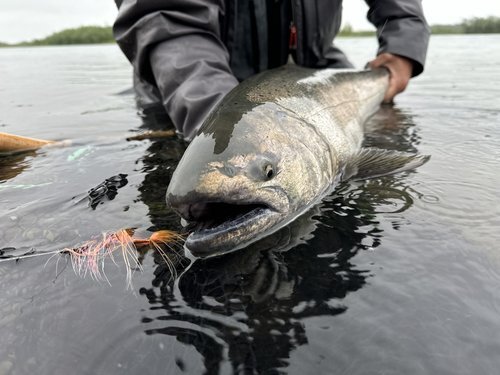

kvichak river

Conclusion with Jack Mitchell on Kvichak River Fly Fishing

The Kvichak River offers some of the best rainbow trout fishing on earth and Jack Mitchell knows it well. With decades of guiding experience and a deep passion for wild places, Jack has created a swing fishing program that brings anglers face to face with big, aggressive trout. If the Kvichak or even Washington’s Klickitat or Olympic Peninsula is on your radar, you can learn more about Jack’s trips at theeveninghatch.com.


782 | Fishing for Atlantic Salmon on Portland Creek with Les Wentzell – Mountain Waters Resort

Les Wentzell, founder of Mountain Waters Resort and our guide on this year’s big trip, breaks down fishing for Atlantic Salmon on Portland Creek. You’ll hear why a WiFi signal is the perfect way to think about covering water.

Plus, get the scoop on what to do the moment you get a hookup, why a dead-straight cast can make or break your day, and Les’s simple but powerful leader formula, the secret weapon every angler needs. Here’s Les Wenzel from Mountain Waters Resort.

Hit play to start listening!  🎶🎧


apple podcasts

Find the show:  Follow the Show | Overcast | Spotify

Subscribe on Apple Podcasts

Subscribe on Android

Subscribe via RSS

(The full episode transcript is at the bottom of this blogpost) 👇🏻

Sponsors and Podcast Updates


Portland Creek

Show Notes with Les Wentzell on Fishing for Atlantic Salmon on Portland Creek

Les got into salmon fishing as a teenager. He and Rod Brophy even biked to the area when it was booming with fishermen. Les learned the river from locals and fished the spots he knew well by his early twenties. After some years away, he returned and found that the property had been neglected. So, he and a few couples pooled their resources, bought the land, and began building Mountain Waters Resort.

Portland Creek

Portland Creek is right where the lake meets the ocean in Newfoundland. The water starts in the mountains and runs into what they call “ponds”. There’s a narrow channel between ponds where you can fish from a small boat. The big lake outside is eight miles long, with a couple of tributaries where fish move in and out.

The Portland Creek River itself is about a mile long and flows from the lake out to the ocean. There are also fishing spots on the north and south sides of the river.

Once you arrive, you’ll be picked up from Deer Lake and taken to the property, which is about 300 yards from where the fishing starts. Fishing usually kicks off around 8 AM and continues until noon. After a couple of hours, it resumes from 2 PM to 6 PM. You can fish all day if you want to, but fishing in the dark isn’t allowed.

Learn more about Portland Creek and Newfoundland in this video:

Trout Fishing Around Portland Creek

Trout fishing around Portland Creek is fantastic, especially in the inner pond. Les says some clients had two amazing days where every cast brought a fish. Most trout are brook trout, with some searun trout and a few browns that can get up to six pounds.

They swing flies for trout in the summer, mainly July and August, which is the best time. The spring season is ideal for targeting larger trout with spinners and lures. Salmon season kicks in around the last days of June.

Portland Creek

Once you arrive, you’ll be picked up from Deer Lake and taken to the property, which is about 300 yards from where the fishing starts.

Casting Tips for Tough Conditions

Les explains that most anglers still use single-handed rods, although spey rods are also gaining popularity. Many switch between the two depending on how tired their arm gets.

The wind makes casting tough, so he recommends using a line a bit heavier than your rod, like a 9 or 10 weight for single-hand rods, and keeping your fly line and leader short. Long lines in the wind just float without fishing much.

When covering water, Les compares it to a WiFi signal…

Start close with short casts, then gradually lengthen your casts to cover more ground without missing fish between you and the farther casts. Fish hold near gravel and boulders, mostly in runs, usually in water 18 inches to 5 feet deep, sometimes stacking in groups.

Portland Creek

Rod

Les uses an 8.5-foot Fenwick rod with a 9-weight Airflo floating line, which he says works well, especially in windy conditions. He has been using this rod for 20 years now.

He points out that heavier lines help in windy conditions, and while some anglers do fine with an 8-weight, most prefer going one size heavier to handle the weather.

Leader Setup

Les keeps his leader setup pretty simple. He usually goes with a straight leader, mostly 6 or 8-pound test, sometimes switching from 10 to 6-pound test if it’s windy.

His leaders are about 12 feet long, but he’ll shorten them to around 8 or 9 feet on windy days. He says he doesn’t like going shorter than that because shorter leaders just don’t work as well for salmon fishing.

Flies for Atlantic Salmon

Les says some anglers go there just to hook a fish, others want to catch on a dry fly, or try specific patterns. He shared stories about unusual flies, such as tube flies, which surprised everyone by catching fish. One of the craziest flies he’s seen is a black silver tip that looked like it had been through a bomb but still caught a 12-pound salmon.

Orange shows up mostly on bombers, and Les thinks patterns like my dad’s Max Canyon could work well there. The Undertaker tube fly is also a favorite. Calvin landed 15 to 17 fish on it during one trip!

If you wanna see how I tie the Undertaker fly, I’ve got a video for that. Check it out and maybe give it a try on your next trip:

Dry Flies and Bombers

Les says the most luck with dry flies is on calm, sunny days with no wind. He calls it the “dead float,” where the fly goes out and drifts down the river without creating ripples. You have to keep the line above the fly so the fly hits the water first.

His go-to flies are the Bombers with lots of caribou hair. They look pretty big, about an inch and a half long, but it’s amazing how even small fish go for them. We also discuss classic patterns such as the White Wulff, Gray Wulff, and Royal Coachman patterns.

Casting Strategy

Start fishing with about 15 to 20 feet of line, casting at a 45-degree angle upstream. Let the fly drift down toward you, then repeat the cast a dozen times before adding more line. This way, you cover more water gradually without spooking fish.

You can fish both sides of the river and even the center, casting out 30 to 40 feet. Unlike steelhead fishing, where you move frequently, when you fish for Atlantic Salmon, you stay put in one spot to avoid crowding others and to fish the area thoroughly.

Les also notes that during prime time, there are usually fish in the run, and sometimes they jump close by, even if they don’t always show themselves, especially when the water is cold or high early in the season.

Portland Creek

Conservation Efforts Protecting Atlantic Salmon

Several groups are working diligently to protect Atlantic salmon in the area. The Atlantic Salmon Federation covers all of Atlantic Canada. There’s also a local group called the Salmon Preservation Association for the Waters of Newfoundland (SPAWN), which focuses on the fish in their own backyard.

Over the years, factors such as fishing limits and commercial fishing have significantly impacted salmon numbers. While some rules have helped slow down the decline, it sometimes feels like it’s too late. Nevertheless, everyone is hoping these amazing fish will make a strong comeback.

Portland Creek

Brown Trout Fishing

Brown trout fishing peaks in July and August, with some anglers using lures. However, lure use is not permitted in the scheduled salmon rivers, such as Portland Creek itself, but is allowed in the lake. Anglers are now limited to keeping just two salmon per season, compared to eight per day in the past.

Tips for Fishing Atlantic Salmon on Portland Creek

  1. Bring felt wading boots. They work much better than rubber boots. Some people use studs or cleats, but felt is still the best choice for this river.
  2. Make sure to wash your boots really well before coming, so you don’t bring anything unwanted with you.
  3. The water isn’t particularly deep, usually up to your waist or a bit higher, but the river bottom can be rocky, especially along the edges. Take your time and be cautious while wading.
  4. Pack some warm clothes. Weather can change, so it’s good to be ready.
  5. Know where you’re going to fish the night before. Having a plan helps you focus and be ready.
  6. Don’t stress about gear. You can bring whatever you want, and if you forget something, it’s easy to go back to the lodge.
  7. Cast your line straight. Mending is okay, but you’ll catch more fish when your line is out straight and you’re fishing right away.
  8. Keep your fly rippling on the water’s surface. A fly that moves across the water works way better than one that’s just drifting underwater, where you can’t see it.
  9. When you see a fish hit the fly, react as if you’re answering a phone call, but not too quickly. Timing is everything!

Check out their website at MountainWatersResort.ca

For inquiries, you can email Ryan at arwentzell@hotmail.com

Or call them at 709-640-8557

fly fishing newfoundland

Related Podcast Episodes

Full Podcast Transcript

Episode Transcript
Dave (2s): There’s more than one way to swing for naus fish from single hand raws to space setups from surface flies to wet flies, from riffle hitches to bombers and muddler. Today we’re taking it back to Atlantic salmon as we head into Newfoundland to learn how they do it and how you can boost your chances with salmon, trout, and steelhead this season. This is the Wet Fly Swing podcast where I show you the best places to travel to for fly fishing, how to find the best resources and tools to prepare for that big trip, And what you can do to give back to the fish species we all love. Les Wezel, founder of Mountain Waters Resort, and our guide on this year’s big trip is gonna break down how he chases salmon on Portland Creek. You’re gonna hear why a wifi signal is the perfect analogy for covering water for Atlantic salmon. Dave (45s): What to do the moment you get a hookup, if you see that fish and why a dead straight cast can make or break your day. We’re also going to get less leader formula. We always love the leader formula. This is definitely keeping it simple and, and is the secret weapon. All right, let’s do this. Here is Les Wenzel from Mountain waters resort.ca. How are you doing, Les? Doing Les (1m 11s): Great, Dave. Thanks Dave (1m 12s): For putting this together today. We are, it’s exciting because we’re getting closer, the closer the year goes on, the closer that we get to getting up to the lodge. I’m gonna be there in June, kind of later in June, which is exciting. It’ll be my first time. I’ve talked a lot about Atlantic salmon. I’m gonna have some great anglers on, but never done it. So this will be my first time. We’re gonna talk about that trip today, you know, and give some people some tips for swinging flies and all that. Before we jump into it with Mountain Waters Resort and everything you guys do there, take us back to fly fishing. I wanna hear the, the initial story that, when did you get started? Were you, I know Rod got started when he was a youngster. How about you? Les (1m 49s): I got started now into the, the salmon as such when I was just a, a kid about Rod’s age, I guess I was more into the trout than the salmon, but as, as it progressed, and I guess when I became a teenager, a young teenager, I started into the, the salmon fishing, and we used to go for salmon earlier in the little streams that ran right directly to the ocean. This place was kind of a little ways away at the time from where we grew up. So as the years went by, I actually, myself and Rod started coming in here in our teens by bicycle, and the place was booming pretty big at that time with the fishermen. Les (2m 30s): So we started getting into the, the fishing in air at the park itself. And I didn’t fish outside river part of the river until later in my late teens, early twenties. That’s when I started there and got to know all the places that were here to fish from all the older people. And, and then my work took me away for a few years. And yeah, then we finally ended up getting interest in the place and yeah, so that’s it. We ended up partnering. Yeah. Dave (2m 58s): Yeah. And were you there, I know if you’re kinda similar to Rod’s age range and that it sounds like Lee Wolf, that was just before, like you as you’re a kid, like just after Lee Wolf kind of wrapped up his program. Is that the case? Les (3m 12s): Yeah, I’m a couple years younger than Rod. Yeah, Dave. And in my case, Lee Wolf was gone. He was gone by the time I started coming in here and the place was still running. It was going by a Great Lakes carbon company, and then there was a company called Sperry ran after that, that purchased the place. And they ran it for a few years and eventually the place ended up being basically given to the church for $1. Oh wow. And the church ended up owning all land and, and the property, everything that was on there. And they done nothing with it, and it just sat for a number of years, just stagnant. Dave (3m 51s): Yep. And what did it take, so to kickstart this, like where did that idea come from? It seems like that’s kind of a big, a big thing to take on. Did that, was that that start from you? Les (4m 0s): Yeah, it kind of started from me. I, I’m, I wanna say that I wanna take credit for that. I was away working at the time and I ended up coming home in the, in the salmon season of course, and was on the river fishing and just had a good look around again. And the place was getting run down at that time pretty good. There was a, a newer road that was put in for a spray program years before, and the local people was coming in here and they were, you know, just offloading garbage here and there, and there was, they were fishing as well, But I just got the idea on my head, you know, what a great spot this could be if, if somebody had it and, and cleaned it up and, and just the nature, the scenery is just a, it was a beautiful spot. Les (4m 45s): It still is. So the idea with me and my wife at the time, we, we took it another couple, two couples, actually there were three couples. And the more we talked about it, the more it rested, we got into it and we approached the church with a sum of money for to purchase the property. And it was about six weeks later, we got word back that yes, you can have it. Hmm. So we bought it. You did? We bought a 170 acres. Wow. And the land, basically, there was a hair strip on the land at the time. There was a bunch of rundown cabins. The cookhouse a garage, and the land itself is, except for high watermark, which is nom man’s Right. Les (5m 28s): For five meters, I think eight meters. The land is both sides of the river. Right from the lake to the ocean. Yeah, Dave (5m 34s): That’s right. Yeah. And this is, and you have the Portland Creek, basically. Maybe describe that a little bit. We haven’t talked in detail about kind of the, the lake and the water there. How, how does, you got the ocean literally right there. I mean, it’s interesting where Newfoundland is, because you’re way, you know, you’re way up there. You’ve, you’re on the edge of the ocean, but you have this lake looking a water by talk about how the river flows in and out of that and where you fish. Les (5m 59s): Okay. So if you go back to the mountains, Dave, where the mountains is starts, basically the, the water from the mountains runs into what we call the inner, I’ll call a lake, but actually we call it ponds. Dave (6m 10s): Ponds, okay. Les (6m 11s): That flies into the inner pond and that flows into the inner pond. And that pond is six miles long. And there’s places in that, that pond where it’s probably three, 400 feet deep to water. It’s like a, it’s like a fjord that you might see in Norway as such. Oh yeah. So then there’s a, a narrows between that pond and the next one that you can get through with a small boat and which is a good spot for fishing as well. And then the, the, then the lake outside is eight miles long. And on that lake, there’s a couple of nice tributaries that runs into that lake as well as from the inner lake as such that that fish comes and goes up one of them, just a little way, the other one quite ways. Les (6m 57s): So if you come to the, out, out part of the lake, the Portland Creek River empties out from that lake to the ocean. And Portland Creek River itself is about a mile long. Dave (7m 8s): Yeah. So that’s Portland Creek. So that’s that mile long. And then you have, I see the trips. There’s another, there’s a long trip on the south side and one on the north side. And, and that those are areas you can also fish? Les (7m 18s): Yes, you can fish them as well. Dave (7m 19s): Gotcha. Wow. And, and so, and you mentioned the trout too, so there’s a little bit of opportunity. We’ve talked a lot about Atlantic salmon, but are there, maybe describe that, what’s the trout fishing look like in this area? Les (7m 31s): The trout fishing is, we’ve had the last couple years we’ve had clients in, and we had some fantastic fishing at the, the inner pond. And there was a week there where it was just amazing. We had four fishermen up there for two days in a row, and they couldn’t believe it. Every cast they had a fish on and they were ecstatic about the trout. And of course the scenery, which made the trip more than anything. Dave (7m 55s): Yeah. What are the tr these are, are these brook trout that are migrating to the ocean. Les (8m 0s): These are some brook trout, and then there’s some sea run trout that comes in as well. Dave (8m 4s): Oh. And the sea trout. So now are these, are these brown trout or are these all brook trout? Les (8m 9s): They’re mostly brook trout. There’s some browns. Dave (8m 11s): Some browns. Okay. Les (8m 13s): Yeah, you can catch, you can catch ’em up to, we’ve caught ’em up six pounds. Dave (8m 18s): The, the brook trout or the browns? Les (8m 20s): The browns, yeah. Dave (8m 21s): Gotcha. And is this a, is it all swinging for all species? Brook and browns and, and everything? Les (8m 27s): We swing flies in the summertime for pretty well, for, for the trout and the salmon in the springtime. Like another two weeks from now, the spring season will open up and for that we’ll be using the, the spinners lures. Dave (8m 42s): Oh, gotcha. For, for and for which species? Les (8m 44s): That’s trout. Dave (8m 45s): Okay. Could you target the brook trout on, you know, with the fly in, in these areas? Les (8m 52s): Yes, you can. Later in the summer, like in July is a good time for the trout. July and August is, is the best time, about the best time for the trout. Like a multiple, lots of trout. The, some of the big trout we get in the springtime, you get ’em in the summer too, of course. But in the springtime, it seems like when the heist leaves the lake, that’s the prime time for, for getting the bigger trout. Okay. And the salmon works around the last week of June, last 10 days of June. From that forward is for the Atlantic salmon. Dave (9m 23s): Yeah. So that, and that’s gonna be our focus on the, you know, This year is Atlantic salmon, kind of later in June through July. I mean, people can fish not only, you know, June, July, but even August, September, October. Right. For Lang salmon. Is that, do you guys fish through that whole season or do you focus more in that kind of June, July? Les (9m 41s): We do June July and we do August. August can be a little slower depending on the water levels and the water temperature of course. And the season closes here. I think right now it’s like the fort or 5th of September summer’s around there that, that’s when the season closes on this river. Oh, Dave (9m 58s): Okay. Les (9m 58s): There is a fall fishery on some rivers, just a couple hours south of here. Dave (10m 2s): Yeah. Okay. And what is, you know, we haven’t really talked, I mean you’ve got Newfoundland, Labrador, you know, these giant areas and, and we’re kind of focusing on Newfoundland. Do you know, I mean, have you traveled all around Newfoundland itself? You know, what, what does that look like? Are there lots of opportunities on the island for fishing, for Atlantic salmon? Les (10m 22s): There is, there’s lots of salmon rivers on the island and of course just south of us, about three, four hours south. They all start getting salmon there probably 10 days, two weeks sometimes before we get ’em here is just the way they migrate. Hmm. And on the east coast as wild island, there’s salmon rivers, not as many, not as big. Central. Newfoundland got some big rivers, Gander river, exploits river, those are pretty big rivers and Labrador. I fished on the Labrador. One place that was remarkable was the Hawk River. Hmm. I took a Cano trip up there back in 1985 and had to, was wicked. The fishing was on Unreal. Really? Dave (11m 2s): Yeah. That’s a big area though, right? The Labrador and it’s pretty remote. Les (11m 7s): It’s a big area. Yeah. It’s float plane accessible. Like if you don’t have the time, some of those places you gotta go in float plane, helicopter, whatever. Yeah, Dave (11m 16s): Yeah. Exactly. And for the, for some of the people, the US folks listening that aren’t quite on all the, the geography is this, which province are we in? Is this the province? Describe that a little bit. Newfoundland Labrador. Les (11m 30s): We’re in the province of Newfoundland. Newfoundland Labrador, what is it? Nine miles stretch across the ocean at the northern tip of Newfoundland. And that’s the Labrador part once you cross over there. Yep. It’s a ferry ride of a couple hours on the ferry. And then you got the trans Labrador highway, of course that runs on up through Labrador, some of the coastal communities on the southern part of Labrador. And then after the road kind of hits inland going in towards some of the bigger centers in there. So the sit the towns north of that is, is kind of isolated. Yeah, yeah. Yeah. There’s some great rivers up there. Right, Dave (12m 7s): Right. But you can, there is some driving eventually the road kind of peter’s out probably. But you can access some of Labrador by road. Les (12m 15s): Yes, you can. I’ve made trip a few times myself since the road went through. Dave (12m 19s): Gotcha. Okay. Yeah, so that’s it. I mean that’s the, the cool thing. You got Labrador, Newfoundland, that province, and then right next to that is Quebec and then Ontario, which we’ve talked about a decent amount as well as well. So, alright. So yeah, you guys are right on the edge of, I mean, what’s the weather look like there? I’m kind of curious on, you know, do you guys, what are the, what are the winters like there and then what are your, you know, right now I guess we’re talking, it’s kind of getting into May, it’s gonna be June. What can you expect for weather that time of year? Les (12m 45s): Oh, you can have some nice days. You can have some not. And nice days, Newfoundland is well known for if you don’t like the weather, wait five minutes. Yep. It could change. And, and that happens quite often. And going forward from here, I mean we’ll have 10, 12, 15 degree day temperatures from here on forward until warms up later in early June. And by night we can have, right now down this morning it was five degrees. Hmm. At SIUs. Of Dave (13m 15s): Course. Yeah. So that’s kind of like a 40, yeah. 42 degrees, something like that. It’s not too bad. Les (13m 19s): Yeah. We still got snow on the mountains there yet, so that kind of keeps things cooled off as well. Right, Dave (13m 23s): Okay. And what will be today? What, what will be the high temperature today? Les (13m 27s): Right now we got a plus 10. Dave (13m 29s): You got a plus 10. Okay. Yeah, so plus 10. So get Les (13m 32s): Up to probably 1215 this afternoon. Dave (13m 34s): 1215. Yeah. So yeah, it’s gonna be pretty mild. Yeah, well you’re right on the, you know, you’re in a, I don’t know if it’s a temperate, you know, but it’s pretty mild. You’re on the coast, right? So you get some cold weather for the most part. You’re not getting a ton of snow in the wintertime. Les (13m 47s): Not anymore, Dave. No, but the, the global warming you might call it. Yeah. We used to have winter go and March month would be buried in snow and minus 20, minus 25 like that. But those days are long gone and everything is warming up. Of course. Yep. And because of that, one of the things with the later in the summer is the water temperature in the rivers and Porter Creek river is, it just seems to, it hardly ever shuts down. And when a lot of the other rivers all around closes because of water temperature, this river is for some reason it might be the, the big deep lake and behind Yeah. The lake. But the, the temperature is, yeah, they just haven’t closed, never closed the last year or the year before. Dave (14m 33s): Right. So the lake basically that keeps it cool. I mean that’s a big part of it. So even in August when things are really hot or warmer, you’re still getting some pretty cool temperatures and some fish action. Les (14m 43s): Well we’re getting cool enough that they don’t shut it down. Its borderline, you know. Yeah. Some of the are shut down. Yeah. They don’t have the big watershed behind ’em. Right. Yeah. Dave (14m 52s): Gotcha. Nice. Well let’s jump into a little bit on, you know, on the fishing, what we’re gonna be looking at here. So we’re, you know, gonna be there, I mean really anywhere between June and July that, you know, that’s kinda the timeframe, whether that’s This year or next year. But as we come in there, maybe talk about that a little bit. What’s the, you’ve, you described a couple of those areas where might be the first place we’re gonna be heading out to. Are we gonna be hitting that lower part of Portland Creek where it’s kind of going out towards the ocean? Les (15m 18s): You’ll be coming in landing in the town of Deer Lake and you’ll get picked up there and brought to the property and once, once the orientation, everything else is all done and you’re good to go. We’ll be, it’s probably 300 yards, I’ll say yards. Yeah. From where you’re gonna be staying down to where you’re gonna start fishing first. And that’s basically right where the river starts to run out of the lake. Dave (15m 42s): Gotcha. And this is that lower that mile section. So you’re gonna be fishing there. What is the, you know, what will that look like in the morning? Is that typically you’re getting out there right at daylight or you know, can you get out there? Are you fish, can you fish all day? Does it matter like how much light and all that stuff? Les (15m 60s): No, you gotta wait, you gotta, you can’t fish while it’s dark. You’re not allowed to fish in the dark. You gotta stop like an hour after sunset I guess it is in the evening. And you can fish daylight in the morning. And what we normally do, we start fishing normally around eight o’clock and we fish till 12, take a couple hour break and then fish till six. Dave (16m 19s): Yeah. W could you potentially fish there just all day? I mean, is is the middle of the day say, you know, 1:00 PM just as good as say mornings. Evenings? Les (16m 29s): Yeah, it sure is. Dave (16m 30s): Yeah. Okay. So you could, so for the diehards, so you could fish all day if you wanted to. Oh yeah. Skip lunch. This is great. Okay. And talk about the gear a little bit. We’ve talked about this before, but do you see, it sounds like mostly it’s a single-handed rods out there. You don’t see a lot of spray rods in that area. Les (16m 46s): We’ve seen it’s mostly single hand rods. Yes. We grew up with single hand rods and everybody around there was single hand and most of the people that was coming earlier with single hand, but then spray rods did start showing up. And the last couple years there is quite a few spay rods showing up. And so a lot of them, they’ll bring more than just the spay. They’ll bring their hand rods as well as single wan. Yeah. They’re flexible. Right. They’ll fluctuate between the spay and the, the single wan. And some of them will your single hand until the harm gets tired, you might say. And then they’ll go to the bay. Dave (17m 20s): Yeah. Go to a bay. Do you find that, do, does your arm get tired out there? I mean you’re probably doing, you’re a lot more guiding than fishing, but back when you were fishing a lot more are, are you getting tired out there after a full day of casting? Les (17m 31s): Well, the most tired time you would get with the, if the wind was up. Dave (17m 34s): Oh yeah. Les (17m 35s): On a, on a cam day when it’s not too much wind. I mean back then was younger too. Right. So, yeah. You know, somebody is not doing it all the time. Yes. You will get a tired arm. Yeah, Dave (17m 46s): Yeah. You know, that seems to be something that can come up the wind, you’re right there. What, what do you, how are you coaching somebody on the win? How do you deal with the casting? I know that’s been, I’ve dealt with some wind before as well. What, what are your tips there? Les (17m 58s): Well, the biggest thing with the wind is if you’re casting is having the right line for the rod or a tad ier than the rod nine 10 weight line for a single hand rod and not a lot of line and on top of not a lot of, and you don’t need a lot of line, this river, you can cast a lot of line in the river, but it’s a big river. But on a windy day you’ll be doing more fighting than you will be casting. And if you got a long line out, and I would say 90% of the time with the long line, you’re not fishing. ’cause the line is substream and it’s floating down and the, and the, the fly at the end of it is so, and just bobbing on down or whatever. Les (18m 39s): And that’s not fishing. So you’re just better off with the short line. Dave (18m 44s): And by line, are you talking about your leader tippet or the actual fly line? Les (18m 48s): Well, I’m talking about you won’t be cast a long fly line on a day and you won’t be using a long tipt on a windy day. Dave (18m 55s): Gotcha. Okay. Yeah, that seems to be, I know in some of the rivers, the bigger rivers we have out here, I’m not sure how similar in size they are, but sometimes I know there’s been that, you know, conversation like, is it better to cast further if you’re casting way across the river, are you actually covering more river, more fish or is it better to come in tighter? Right. And just, you know, like what are your thoughts there? Do you think if it’s good conditions, is it better to cast further to chuck that, you know, mega cast and does that help you cover water? Les (19m 25s): What we do, Dave, is we kind of put it as the wifi. So if you look at your wifi signal on your computer or your phone or whatever, and you see it starts off with a short bar and then the bars get longer as they go out. Yep. So you start off with a short line and you start fishing and you have so many casts with that short line, and then you just take it another foot and you do the same thing again for so many casts. And every time you make the line a little longer, you’re covering more area. Yeah. And what you’re also doing is any fish that’s between you and the farthe point that you will end up casting if you go out there right away. Les (20m 5s): Well, you know, you, your, your line is over the fish and you’ve missed all them fish. Mm. As you go out, you’re covering the ground as you go out. And it’s only getting disturbed as you go out with the line. As Dave (20m 18s): You go out. Okay. So start in reclose. And is that, so is the water out there, is this mostly just a gravel? Are there, are there slots and boulders all throughout where fish are kind of holding? Or could they be just holding anywhere out in front of you? Les (20m 30s): They could be anywhere, but there is gravel and there is boulders. Not huge, huge boulders, but boulders that salmon lay beside down behind and yeah, it’s, it’s a, it’s, it’s a good spot and it’s not deep, deep water. Yeah. You can, you know, the water, the deepest part of the water in normal conditions on that river where the salmon are being caught for the most part is, is probably five feet. Dave (20m 55s): Oh, five feet. Yeah. Les (20m 57s): The deepest. Dave (20m 57s): Yep. So what’s the shallowest? You might see a fish holding in Les (21m 1s): 18 inches? Yeah, even less than that sometimes. Hmm. Dave (21m 4s): Wow. So they’re coming in here and are these fish coming in as like together kinda stacking up in these runs? Are you like in a, if you’re sitting there fishing a run that’s only, you know, you out 30 feet. Are you, is there how many fish might be in front of you there you think? Les (21m 19s): Oh, there’s hard to tell is the, there could be 10 or could be 50. Dave (21m 23s): Yeah. Really. Oh wow. Yeah. So, so it could be, Les (21m 26s): Yeah. Or, or or in that spot there might be three or four, you know, Dave (21m 29s): You don’t know, Les (21m 30s): But there’s places where they do, they, they congregate in, in, in bigger schools than others. Dave (21m 35s): Yeah. Okay. Les (21m 37s): We got one spot here at the, at the lower end of the big pool called the deep hole. I wouldn’t even want to think how many fish holds up right there. Mm. Dave (21m 45s): So you’re not catching them in like necessarily pools, you’re catching ’em when they’re up in the runs? Or are you fishing the actual deep pools and scour pools? Les (21m 53s): They’re in the runs mostly where we catch ’em. But we also catch ’em sometimes in the deep pool with, with what we call the, the bomber, the dry flies. Dave (22m 2s): Oh you do? Okay. Yeah. So the bomber of the dry flies. Yeah. Les (22m 4s): That’s deeper water. Right. That’s real deep water. Dave (22m 7s): Yeah. I think that’s for, I mean, when people come there, do you find that you get a mix of people that are like, oh man, I just wanna catch a fish versus say a person that’s like, I wanna catch a fish on a dry fly. You know what I mean? Do do you find there’s a mix or is it most people just come and they’re like, Hey, they just wanna hook their hook, hook that fish no matter what technique. Les (22m 27s): Oh, some people, some people just want to hook the fish, Dave. And there is people that, you know, they got specific flies that they wanna try and see what they can do. We’ve had that happen a few times and, and sometimes it works, you know. Yeah. I think Rod mentioned to you earlier about the, the tube flies. Oh yeah. We saw some of those. The first one we looked at them, we said, well, you know, what are you doing with that in your, in your kit? And they said, well, we used them in some places and we kinda laughed, you know, but yeah, they were pretty persistent and you know, they caught fish on Dave (23m 1s): Them. They caught fish. Yeah. That’s it. Yeah, they did. I know Calvin shared a couple of those that he used, which are, yeah, they’re just tiny little tiny tubes with some, you know, some feather, or not even feather. I think it was hair coming off the back. What, so what is the craziest fly you’ve ever seen that’s caught a fish out there? What, what do you think? Anything crazy, weird? Les (23m 21s): Well, I think one of the craziest ones I ever seen is, is called a, a black silver tip. And there was hardly anything left on it. Oh yeah. The fly was, it looked like it had went through a, a bomb or whatever, had blown it pieces. There was nothing really left to it. And, and there was a 12 pound salmon. Dave (23m 40s): No kidding. Just, yeah. So the sparse, and that’s interesting because I love, you know, one of the flies that we use out here is one actually my dad invented a long time ago called the Max Canyon. And it’s orange, orange and white and black. But I, I love a black and orange. It’s mostly black with a little bit of orange and like a couple pieces of crystal flash. Do you think that one would work well there? Les (23m 59s): It sure it could. Yeah. Dave (24m 1s): Orange Is orange a color you guys ever see much of out there? Les (24m 3s): We do On, on the bombers. On the bombers, Dave (24m 5s): Yeah. Les (24m 6s): Bombers got quite a bit of orange and Yeah. Some of the wet flies not, not so much, not too many wet flies, but bombers got lots of orange. Dave (24m 14s): Yeah. Okay. Yeah. That’s one thing that I’m excited, I I know you know where people come from. Right. Because that’s where it is. I’m, I’m excited because if I come there, catch a, my first Atlantic salmon on a fly that my dad, you know, kind of created and, you know what I mean, it’s, it’d be kind of cool to do that. And, and even if I didn’t, it would be cool, you know, even if I came there and didn’t catch a fish, it would still be amazing. Right. Because yeah. You know, we’re traveling out to this new area. Yeah. And Les (24m 38s): Yeah, so we had Calvin, Calvin came last year and that was the second time he came early and we put him out on the river and turned around and walked back in and I said to Rod, rod was there the same time and I said, you know, it’s a little early and he’s up way up at the head, the pole there. It might not be too much up there at this time. And, and before we got back to the shoreline, he, Calvin just shouted out he had fish on. Yeah. And I, if I, my memory serves me correctly, I think it was the Undertaker tube fly. Dave (25m 9s): Oh, the undertaker. Yeah. Nice. The undertaker. And Les (25m 14s): He fished a lot of tube flies there last year when he was here and I don’t know if it was 15 or 17 fish yolk while he was there. Dave (25m 20s): Oh, no kidding. He hooked 15, 17 fish. Les (25m 22s): He did? Yeah. He fished third. It was nights that he fished till until nine o’clock at night with him. Sure. But he enjoyed himself. Yeah. That’s great. Dave (25m 31s): Yeah. The undertaker is a, yeah, it’s basically a black fly with a little green and red butt, you know, a little tag. Right. That is that pretty much the fly. Yep. Yeah. Les (25m 40s): Undertaker is a good fly. The blue charm is a good fly. They’re all great flies. Dave (25m 44s): Yeah. So the undertaker is a great pattern. Again, you know, another pattern that we use, you know, old school pattern out here, it’s called the green butt skunk. Right. Green butt skunk. I think it’s obviously got a green butt. It’s got, it’s just like this fly the undertaker, it just has a little bit of a white wing. Right. Like a skunk kind of thing. But yeah. And, and I actually have a video. I just realized that back in the day when I was tying on YouTube, I do have an undertaker video, I tie it. So we’ll put a link to that in the show notes. When I was kinda getting into this, one thing we’ve done some coverage of is Atlantic salmon fly patterns, you know what I mean? Like these really beautiful jock Scotts and all this crazy stuff. And there’s a whole world of, of fly tires. I think some of them that don’t even fish at all. They just tie these beautiful flies. Dave (26m 24s): Do you guys see any of that or are there people tying these flies out in your area? Do you ever see people taking those to, you know, fish ’em? Les (26m 31s): We used to have the old guy, Henry Green, you’re familiar with the name and they used to come here and he used to, he used to tie flies at the cottage where he stayed. He used to come for six weeks every summer. Hmm. Set up his gear and he’d tie flies and fish ’em under the river here and the s department of, of whatever he, you know, make ’em up as you go. And yeah. That some of the, the good remarkable flies like Mar Lodges and Jock Scotts and Blue Charms, undertakers, stuff like that. He tie all that. Dave (27m 1s): Do you think that that makes a difference or it sounds like, you know, you could tie on anything with a little speck of black and might work out there. Is it kind of like the sparse or the better for the most part on these flies? Les (27m 13s): Yeah. Some guys tie a beautiful looking fly rod Brophy beam, one of them. And it’s just, it’s amazing Oh, how beautiful a fly is. And I think Rod would probably tell himself that, you know, he catches lots of salmon on those flies and there’s times when he’ll catch a fish on something that probably nobody else wouldn’t probably use or, yeah. Yeah. Right. Sometimes you can catch your salmon on something that looks the worst in your box. Dave (27m 40s): Definitely. Okay, so you mentioned the, the, you know, starting out short, so just starting out with a little bit of, you know, line right at your feet and then working your way out. Is the cast, is the cast a always the same or are you just systematically casting kind of at an angle out? Describe that a little bit where we’re gonna be casting as we’re working our line out. Les (28m 0s): Well, you start off Dave with 15, 20 feet line, something like that. Just, you gotta have enough line out there. You can actually do a cast and you just start out with that and you cast, you’re stand in the river and you cast like 45 degrees to the river that’s running out and you cast with, with a wet fly. You cast 45 degrees and you get that fly starts ripping along, ripping along, and he just comes in and comes in and it just ends up straight down from you and you just repeat that or sometimes a dozen times and then you pull ite another foot. Dave (28m 33s): Oh yeah, take us back to that again. So you’ve got this, you’re in the run and now are we fishing river, right and river left both sides of the river? Les (28m 41s): We are, We are, Dave (28m 42s): Yeah. Both sides of the river. So we’re gonna be on both sides of the river. So let’s just say we’re on, you know, river, right? And we’re making a cast. So we, we make our cast out at 45. We start out say 15, 20 feet and then, and talk about that. Once you make that cast, what are you doing with the cast to have a better chance? Les (28m 58s): Well the thing with the cast is, is all about how, how good you can cast and a good caster. You wanna be able to lay that line out. Whenever you make that cast, that casting line, you wanna lay that out straight and you tip it needs to go straight out past that. And the fly is straight down below and it’s fishing right away. So at 45 degrees to the river and then it’s doing a sweep with the current, it’s coming in, coming across, coming across toward you and ends up directly below you. And once it gets below you, then you repeat that cast again. And after a dozen times or whatever, then you pull out another foot of line or two feet of line and you repeat the oil procedure. Les (29m 39s): And of course as the line gets a little longer, you’re covering more area because your arc is getting wider and you’re just slowly reaching to what you’re hoping is you’re reaching out to find a fish and, and you basically, you cast as much as you can at the end of what you’re comfortable with. And at the end of the day, if nothing happens, then if you want you can pull in and start again with the same fly or retire or fly on. Mm. Dave (30m 7s): Because Les (30m 8s): What we find sometimes salmon is, is very, very stubborn. That’s what we say. And sometimes you gotta torment them to get ’em engaged. Dave (30m 19s): Right. And so that makes sense on the arc. Yeah. You start out small, the, the further you get out there, the further water you’re covering out deeper are the fish, are they all the way across? Could you cast, you know, 15 feet or a hundred feet and still find fish out there? Les (30m 33s): Yeah, for the most part where we’re gonna be fishing, there’s, from where you’re standing they can be out there 30 feet, 40 feet out. Yeah. And, and below you all the way through, right? Yeah. And right side of the river, left side of the river is the same procedure just depending on what side of the river you’re on. You’re fishing the center part of the river Dave (30m 54s): Center part. Okay. How is the, the waiting here, is this something where it’s pretty easy the waiting and kind of getting out there Are, are you pretty much finding your spot and you’re sticking to that spot while you’re fishing that run? Les (31m 8s): Well what we try and do is keep the client in one spot. What’re fishing. We find a lot of people that come here is, is got a background of steel lid fishing. And I guess with steel lid, you, you do a cast or two and you make a step or two. Yeah. And the thing, what we find here is we put you in that one spot and we’d like for you to stay there. And another reason for that is the, the amount of area that you got the fish in. ’cause if you were walking, you’d be down on the next guy in no time. And where you are fishing in that one spot, there’s gonna be fish out there that you’re gonna be fishing over. Dave (31m 42s): Yeah. For the most part there’s fish out there. I mean you’re in there during the prime time, it’s likely that there’s at least one fish out there in the run. You, you know, wherever you’re at, Les (31m 51s): Oh there’s fish out there. And if you’re here in July and August and you’re there fishing and, and you’re, if you’re ever wondering if there’s any fish out there and then one will jump, yeah, three 10 feet from you just though from you and then another one 20 feet, 15 feet down river, up river, whatever. Oh right. Then you know they’re there. Then you’re kind of saying to yourself, well how come he is not not biking what I got on my line? Yeah. Dave (32m 15s): How often do they, are they not jumping at all, you know, and not, not giving you any signs that they’re there. Les (32m 22s): You don’t see as much jumping when the river is high early in the season, you got higher water, you got colder water and the fish don’t jump as much as they do when the water warms up and when it gets lower. I think they jump more and warmer temperatures for some reason it does something to ’em. I haven’t really figured that out. Gotcha. Dave (32m 40s): Talk about the gear a little bit. I know on my gear I’ve got a mix of stuff, you know, old rods from, you know, old lamb glass to some other newer stuff. What, what do you use, what is your rod of choice? Are you using the same rod you’ve always used? Talk about that. Like kind of what Rod, you know, length, weight and then lines and stuff like that. Les (32m 59s): Yeah, I got a eight and a half foot Fenwick rod that I use. Dave. It’s for eight weight line and I use a nine weight on it. Nine weight line floating line, a weight forward. Airstream. Dave (33m 10s): What, what is the line, what’s the brand you used? Les (33m 13s): Airflow. Oh Dave (33m 14s): Yeah, airflow. Yep. Les (33m 15s): Yep. That’s, I don’t know if you can still get them or not, but that’s a good line. Dave (33m 19s): Yeah. Airflow’s great. Yep. Les (33m 21s): I’ve had it for a while but it still works great. Yep. And even last or last year we had a couple guys come and the lines they had was not, wasn’t working out too well for ’em, they were too light. So I think Rod gave one guy his and I gave mine to the other guy until they ended up getting the line and the difference was unbelievable what they found. Yeah. Dave (33m 43s): You want a heavier, a little bit heavier line for the, to balance it. Les (33m 47s): That’s right. And a little heavier line works way better in a little bit of wind Dave (33m 51s): And wind. Yeah. So if you gotta And you think the typical, the best rod there is, is it a nine weight or is it an eight weight? Les (33m 57s): Well it depends on the fisherman. Like the, it depends on the, the person who was behind the rod, right? Yeah. You know, it’s depends how good the caster you are and everything else. And there’s, there’s people can, can lay the line out just as easy with a eight weight as somebody else can with a nine. So heavier we, we like to go one size heavier and most of the reason for that, all the reason really is the wind. Dave (34m 20s): Oh, the wind. Yeah. Les (34m 21s): Because on, on a cam day when there’s no wind, you could put a, you can put a five weight, you can have a rod, a short rod with a five weight line and lay a line out there. You know, if, if you know anything about casting. Yeah. I I’ve also caught salmon air on, on a seven foot rod with a five weight line. Hmm. And that in itself is, is another story that’s, you got the long rods, you’re playing the fish for the most part. When you go to a little short rod, then the fish starts playing you. Dave (34m 50s): Yeah. Right. That’s And what, what was that? Why were you using this such a short rod? Was this back in the day? Les (34m 56s): I just, I still got it. It was just, I just wanted to try it and just get the fun over it. Right. Yeah. And it was a lot of fun. Dave (35m 3s): Right. But you, you lose your leverage. Right. The shorter of the, the lever, the harder it is to work the fish in, well Les (35m 9s): Shorter to rod with a single hand rod when you, when you do your casting is the longer rod is just a elbow to the wrist and the hand forward for the most part. But the shorter rod, you start ending up using the shoulder as well. Dave (35m 21s): Yeah. What’s the biggest salmon you’ve ever seen caught on a, on a, a single handed rod Les (35m 28s): Or there 25 pounds I guess for myself. Dave (35m 30s): Yeah. Really? Yeah. So you landed a 25 pound salmon and what was that experience like? Did, do you remember that pretty well? Les (35m 36s): That was absolutely amazing and I, I hooked that salmon at the, at the head of the inner inner lake. Dave (35m 44s): Oh the head of the inner lake. So this is at, so this is not in between the two ponds? No, this is at the upper. Les (35m 50s): That one came on through the river and went up to two lakes and it was in August and it was Yeah, some, Dave (35m 56s): So when would that, when is that, when we’re there you’ve got this amazing channel which is going out to the ocean, but when would you go up and fish say in between the lakes or at the head of the lake or those other two tributaries? For Atlantic salmon? Les (36m 7s): For the most part, the middle of June from the, sorry, the middle of onward for the fishing up the lakes. Dave (36m 13s): Oh. Because it takes a little more time to get up there. So once you get into Jo Yeah. Les (36m 16s): Once they leave the ocean right here, they’re in here pretty quick. ’cause it’s only a mile from the ocean. Right, Dave (36m 21s): I see. Les (36m 22s): And it’s only, I want to say about 15 feet difference in elevation of, of the ocean and where the river runs outta the lake. Dave (36m 32s): I see. Yep. Okay. So, so those other areas you can hit once fish migrate into the lake and then they get up a little bit later in the season and then that, that makes total sense. And then as far as you mentioned with the, the brown trout, when would, when are the brown trout in there? When, when are they, when are you guys hooking into them? Les (36m 51s): Well we, we hook them in in July, mostly July and in August. But like I told you earlier, in, in now the heist has gone to lake two more weeks, the season will open up and some people will be getting five pounders on the lure up the lake. Mm. Not fly Dave (37m 9s): Now fly. So there are some people using conventional gear up there. It’s not just flies Les (37m 14s): Just for just locals in, in the Hurley spring. Other than that, using, using the wet flies, dry flies, you can use it but the most luck you’re going to have like later on while we with the flies. Dave (37m 27s): Okay. Yeah, I was wondering about that because I, I, you know, here where we’re at, we have a lot of conventional fishermen. There’s probably actually there’s more conventional fishermen than there are fly anglers, you know what I mean? So it’s Right. But I, it sounded like in your area that there’s a lot more fly, almost all fly anglers. But it actually sounds like there’s definitely are guys throwing spoons or whatever like gear out there. Oh Les (37m 47s): We do, we do. We go to the, we go to the mouth of this, this Porter Creek river right where it empties into the ocean and just moving forward here in another couple weeks and you, you can catch some of the sea run trout that’s coming right in from the ocean. Oh you can’t with the lu at the mo of the river, you’re not allowed to use it in the river itself because it’s a scheduled salmon river. Dave (38m 8s): Oh I see. So no lures in the river. Les (38m 11s): No lures in any scheduled rivers. Dave (38m 14s): What are scheduled rivers? Les (38m 15s): Well scheduled waters and that’s waters where most rivers are scheduled. That’s big enough. Any river that’s big enough for an Atlantic salmon to come in. Dave (38m 24s): Oh I see. Which Les (38m 25s): Don’t have to be a real big river and you’re not allowed to use lures in those rivers. You can use them, you can’t use a lure in the river at Portland Creek, but you can use a lure in the lake. Dave (38m 36s): Yeah. Les (38m 37s): But the river itself is scheduled but the lake is not. Dave (38m 39s): Oh really? That’s interesting. ’cause you could potentially, could you not hook a salmon in the lake? Les (38m 45s): Yes, but you can’t keep it. Dave (38m 46s): Oh you can’t keep it. Yeah. Les (38m 48s): If you oak a salmon on a lure in the lake, you gotta let it go. Okay. Dave (38m 51s): And can you still keep salmon anywhere in there? Can you still kill salmon? Les (38m 57s): Yes, you can. I think it’s two a season right now on this river and that’s it. Dave (39m 4s): Two per season. Yeah. Les (39m 5s): When I was a kid growing up you used to be able to keep eight per day. Right. Dave (39m 8s): Wow. Eight per day. Yeah. I guess we’re kind of where We are because partly of those regulations. Right. A little, little. Probably too many keeping Les (39m 16s): You can only catch ’em once. Dave (39m 18s): Yeah. Just once. That makes sense. And I think probably, I’m guessing there’s a lot of places probably for Lanston where you can’t keep anything. My guess is right. Maybe not. Les (39m 26s): Places where you can’t keep anything. And for the most part, a lot of the fishermen, most of the fishermen really that we have, they just wanna open and Dave (39m 34s): Release. Yeah. Catch and release. Les (39m 36s): We even had fishermen a year before last that the water, they had one day to go and the water was getting pretty warm, the river was still open and they just decided to go do some sightseeing. They didn’t really wanna fish because they said, you know, there’s really warm water, yo fish not gonna be good on to fish. Right. No. You know, that’s a person’s own preference. But those guys were obviously into looking after the fish. Dave (40m 2s): Yeah, that’s right. Les (40m 3s): Which is a great thing to see. Dave (40m 4s): Are there any conservation groups in your neck of the woods? Is there are groups out there kind of fighting to protect, you know, like who’s fighting to help protect on the regulations to help protect those fish out there? Les (40m 16s): There is a, a group called the Atlantic Salmon Federation. Oh Dave (40m 20s): Yeah, yeah. Les (40m 22s): I think there’s another one if they’re still on the goal called Spawn. Spawn. It’s PAW and I’m not quite sure what that stands for now Dave. Dave (40m 29s): Okay. Spawn. That’s interesting. Les (40m 31s): Atlantic Salmon Federation is pretty big. Dave (40m 34s): Yeah, they’re huge. Yeah, Les (40m 35s): I know they’re in Atlantic Canada. I don’t know how far west they go, but they’re in Atlantic, well they, Atlantic Salmon Federation, so they’re in Atlantic Canada for sure. Dave (40m 44s): Oh yeah, here it is. It’s called the Salmon Preservation Association for the waters of Newfoundland Spawn. Les (40m 51s): Yes. Since there Dave (40m 52s): You go, since formed in 1979, spawns mandate is to, is the conservation of Atlantic salmon. So yeah, you, so you, you have right there, I mean you’ve got not only one international group but you also have a local group, which is amazing. That’s protecting. Les (41m 5s): Yeah. Well over the years they, they got to the point over the years where as we talked about earlier, the hate fish per day you could keep was having a big impact on the fish. And then of course the commercial fishering, the hoan was, I think that was the really the big thing that that put the, the hoop into it. Yeah. And that subsided somewhat, but you know, sometimes it’s too little, too late. But we’re just open and to keep our fingers crossed that they will come back somewhat like they were. Dave (41m 35s): Yeah. Right. No, it’s, it’s challenging times. I think that’s what’s pretty amazing, the fact that you still have this great fishery there, you know, given that there’s, you know, you hear about these stories in other parts of the world with Atlantic salmon and steelhead, you know, steelhead in our area Right. Have, we’ve seen major impacts on the west coast all around the Pacific rim. But no, this is, I think having these groups is a key. I think that would be somebody I’d love to chat with more. But, but let’s take it back on. So We are talking gear a little bit so we’ve got the gear lined out. I was interested on that Fenwick rod mainly because I’ve talked to a lot of expert fly casters This year and they’ve talked a lot about how some of the older, maybe older rod, the, the me more medium action, full action rods are a lot better for casting. Dave (42m 20s): What is your take? Is that Fenwick a pretty old rod and is, would you consider it a full, like a full medium action? What, what type of action is it? Les (42m 28s): I think it’s about medium action. I’ve had to rod for about 20 years. Yeah. And for myself it’s fine. And I’ve tried rods, I’ve tried other lines on the rods, like people’s rods. And a lot of it Dave is to me is if you can cast the line and you’re into it, then you take, hey Rod, whatever, rod whatever line. And if, if you are a caster, you can go and tell pretty quick if that rod is any good for you or not. Yeah. And, and you know, and, and sometimes you can probably take three or four rods and, and they might all be okay for you, but there might be just the one that’s not and the next guy might take that same rod and it would definitely be no good for him. Les (43m 13s): Right. It’s all to do with the casters guy behind the rod is a lot. And, and you can pay big money for some of those rods and some of those lines and, and you can have some great stuff and the guy can walk in front of you with a 20-year-old rod that everybody looks at and frowns on and all of a sudden he’s got a fish on. Dave (43m 34s): Right. Exactly. No, that’s what I love about it. I think that there’s, I think that there, all the rods are kind of like good these, you know, these days, but it’s really, that’s why you gotta go out and cast the rod. You know, it’s a good idea to go into your local shop or you know, test out a few raws different lines. But I think one thing is a good takeaway is for sure if you have an eight weight, you know you’re coming in there or a nine weight to maybe go up one line heavier. So if you have a nine weight, maybe try putting a 10 weight line on it. A Les (43m 60s): Hundred percent. That’s why last year when the couple of lines was here that we ended up myself and Rod giving them our reels with the lines. Yeah. Their rod seemed fine, but just the line wasn’t big enough. Right. With the, with the conditions. Dave (44m 11s): Yeah. Okay. What about the, the, the leader? Is your talk about your leader set up. Is that pretty state straightforward? We’ve got everything set up other than leader, what, what do we got there? Les (44m 21s): Yeah, we pretty well like the maximum leader, that’s what we use. It’s the, the brown color stuff and some people use the tapered leaders and, and you taper down from, you can go from 12, 15 pounds right down to four or pounds and some people just put on a straight six or a straight eight depending on water levels. And it’s a preference. Dave (44m 43s): Yeah. What do you do? What do you like to do? Les (44m 46s): I just, for the most part I just use a straight liter. Yeah. Dave (44m 49s): Just eight pound or six pound. Eight Les (44m 51s): Or six pound. And sometimes I’ll go from a 10 to a six, like if it’s windy but for the part I’ll just use a straight leader. Dave (44m 59s): Straight leader. And then how long is, what would your liter typically be? Les (45m 2s): About 12 feet. I shortened it up on a windy day. It could be nine feet on a windy day, eight feet. Dave (45m 8s): But never like down to say six feet or four feet or anything like that. Les (45m 12s): No I don’t. That don’t work. You know, you can probably catch the salmon but it don’t work as well as if it’s a little farther, that’s for sure. Dave (45m 19s): Yeah. Okay. And then talk about, I think the dryly is something would be pretty cool to, you know, have some action on the surface. Is that something that you’re doing quite a bit out there, the dries versus say a wet fly? Les (45m 30s): The most luck that we find with the dry fly is on cam days with no wind and top that off. Go take a step farther is what we call the dead float versus having a rippling across the water and with the dead flows, you basically, that fly goes out and when the fly is coming down the river you sometimes you gotta main your line, but if you get good at it, the line stays above the fly. ’cause the first thing you want coming down that river over them fish is the fly, not the line. Dave (46m 1s): And what would be a fly you would be casting with the dead float? Les (46m 5s): That’s the bombers, what we call the, the hor bombers. There’s different collars now you get the brown bomber, the hor bombers, the dirty bomber. Hmm. And before that we used to have the white wolf, the gray wolfs, the rile. Coachmen and stuff like that. Dave (46m 18s): Yeah. The wolf. Les (46m 19s): But the bombers are different shape, a lot of hair on it. His caribou and they work good. Dave (46m 27s): Yeah, they do. Les (46m 28s): Some of them is pretty big and it’s amazing. You know, you, you look at it and say that’s that’s pretty big. But Dave (46m 34s): How big? How big? Les (46m 36s): Oh like, I don’t know, inch and a half long. Dave (46m 39s): Yeah, it’s like a size four or two or something like that. Yeah, Les (46m 42s): Actually, well with all the air on it, it looks big. Great. Yeah, it’s good that you can see it going on the water and, and when that fish comes, it’s amazing how small of a fish you can get on the big bomber. Dave (46m 53s): God, a big bomb like so you got the Big Mo and the wolf is really interesting too. Again, back to Lee Wolf because I think that he actually invented those wolf patterns, which are so famous now for his, when he was going to Canada. And a lot of people I don’t think know that, But I think, I’m trying to think, I know Jack Dennis was on the podcast, he told the story about how that was named. But essentially somebody helped him name those flies. But is the wolf something that we, we could potentially fish up there if we wanted to get some of that history in? Les (47m 19s): You can certainly fish it no problem at all. And I’ll be honest with you, I don’t know who ties them anymore around here, the white wolf stuff they got, but there’s hardly anybody uses them. Everybody’s got old bombers. Dave (47m 33s): The bombers. And what would be that w is it the the royal wolf or what would be the pattern you might use if you wanted to use something? Les (47m 40s): It’s the white wolf. The white wolf and then called the gray wolf. That was the only difference with the color. One was gray and one was white and, and there was the Royal Coachman with the other one that was a dry fly. It was all tied similar, right? Yeah. Dave (47m 54s): The Royal Coachman, right? Yeah. Same thing. They same, I mean it’s just like the bomber. It’s got a bunch of caribou or you know, whatever sticking out the front that, that basically creates a, a disturbance. Les (48m 5s): That’s right. Well they used to have a tip on the front like the bombers got and the bombers now is like a wrap around the hook. It’s almost like it’s pretty rounded the air coming out of it. Yeah. And thing going straight back from the high of the hook and the, the white wolf is, they had like two wings going out on them. Dave (48m 23s): Yeah. Two wings Les (48m 24s): On the back. Yeah. Dave (48m 25s): Yeah, that’s right. Wow. Yeah, I mean, like I said, for me it would be cool to catch one on a, on a wolf or, or a bomber or really anything, you know, But I, I think there’s kinda, there’s some options here. So you got the leader, we got the fly. Pretty straightforward out there. Anything else we should be thinking about as far as, you know, somebody’s coming in there, they got a big trip. What are you telling them before they get there to kind of be ready to have the best success? Les (48m 51s): Well, we would like to see people come with felt thunder boots, wading boots for one thing. Dave (48m 55s): Oh, so felts. So no rubber, no rubber boots felt Les (48m 58s): Is what works really well in this river. What Dave (49m 1s): About studs? Do you, do you guys use studs on your boots too? Les (49m 4s): Some people use the cleats as well, but we find the felts is even better than the cleats. And if you’re gonna bring boots with felts, make sure you wash ’em really, really well before you come with them. Yeah. Just because of whatever might be on them not to bring in. Right. Yeah. And as regards to wading, the water is not deep, deep, deep as such. It can be up to your waist, maybe a little higher. And it depends on the person I I’ll agile and what kinda shape the person’s in. And the bottom can be a little rocky in places and the outer part of the river can be quite rocky, so you just gotta take your time. Yep. But for the most part right here where we started off fishing, you don’t wait too far. Les (49m 47s): Anyway, Dave (49m 48s): So we get started. So we’ve got the morning, the evening fishing. What, what’s it like once we wrap up at the end of the day, we’re coming back to the, the lodge. What’s that experience like? Is that pretty cool hanging out there in the evenings? Les (49m 59s): Yeah, it is. It’s a great spot. You’ll get to see it. There’s a nice, nice building put up there and supper’s usually around six o’clock. Dave (50m 7s): What, what’s typical supper? What are we looking at for food there? Do you, do you have, you know, I’m just kind of always try to get that picture. That’s kind of something that can be like an X factor. What, what do you think that’ll look like? Les (50m 21s): Well, you’ll have some steak, you’ll have pork chops. Steak. Ooh. Yeah, you’ll have lobster. Oh, Dave (50m 27s): Lobster Les (50m 28s): And Oh, you will? Yeah. Oh, Dave (50m 29s): Nice. And what about drinks? Do you guys have some adult beverages there as well? Les (50m 34s): Yeah, we do. Yeah. Yeah. No, it’s, it’s a full blown lodge as regards to the lodge. The cabins are nice and the building itself where you’re eating us all nice stuff and, and there is a new building that was put up a couple years ago. Dave (50m 47s): And is Lee Wolf’s, I know the old cabins have all been taken away, but were Lee Wolf’s original cabin. Do you remember that? What that looked like? The actual, when you know, after Lee Wolf was there, what, what his cabin, the situation looked like. Did he have just one or was there a few different cabins? Les (51m 1s): Well, there was quite a few here on the property that he had for people to stay in, but his own personal cabin was, was situated. It’s about, I’d say 150 feet from where I live right now. I live on the river. Oh, Dave (51m 14s): You do? So you’re right on the river. Les (51m 16s): I live about 150 feet from where Lee Wolf’s original cabin was at. And the place where my cabin and the place where I live right now used to be the pilot’s cabin back in the day. Dave (51m 26s): Oh, the pilot’s cabin. Yeah. So this was his pilot, Lee Wolf or No, he was the pilot. That’s right. Lee Wolf was a pilot, Les (51m 33s): Well he was a pilot in a small float plane, but he also used to bring clients in from Gander, Newfoundland and DC three airplane. And they would land on the strip here. Dave (51m 46s): Oh, so there’s a strip. So there’s actually a concrete strip. Les (51m 50s): No, it was not concrete, it was dirt and it was close to 4,000 feet long. Dave (51m 54s): Oh, okay. Les (51m 55s): And that’s all on the property. It’s growing up now the strip is growing up and, but yeah, that’s, he used to bring a lot of his people in by that way, by that plane. And this is where the pilot would stay and some more of his guests stay. Dave (52m 10s): That’s awesome. It’s kind of cool. Do you ever think about that much? The fact that, you know, Lee Wolfe was such a kind of a famous fly angler in the history there. Do, do you, is that something you think about much? And then also do you, have you, you know, talked to, ever talked to Joan Wolf or any of the family? Les (52m 27s): I’ve never talked to Joan. I think Roy and I, through email I’ve had contact with her and the two sons, Al and Barry, they were here. Yeah. They kind of grew up during the summertime and I guess back in the day, Dave, when Lee Wolf was doing what he was doing, you know, the wilderness was not what it is today. And an entrepreneur back then, there was so many more chances for doing what he’d done that it was, it was tough. It was a tough life, but there was many opportunities. Yeah. And then an abundance of resources, you know, like, like the fish. Dave (53m 2s): Yeah. Good. Well let’s wrap it up here with our, you know, this is kind of our three tip segment that we do. You know, again, we’re thinking about this trip, we’re gonna be coming there, people are gonna be coming there, getting excited for a chance. So if you had somebody that’s the night before getting ready to fish, what are a few tips you’re giving that person for the next day for Atlantic salmon to, you know, have, like we said, have some more success? Well, Les (53m 26s): Well, depending on the weather of course is the, that’s the other thing is if they’re coming to bring some warm clothes just because of the weather conditions that might be. Yep. And the night before, if we’re going fishing the next morning is basically you’re gonna know where you’re gonna go fishing first and foremost. So you can have that in your head that night as you go to bed. Yep. Dave (53m 45s): So you know, where you, you know, kind of the spot you’re gonna be hitting and you’re gonna be knowing what to focus on. Les (53m 50s): That’s right. And you’ll have an idea of some people got spay rods, single hand rods. Well you can bring whatever the next morning wet you and there’s only like a lot of fishing we’re gonna be doing, as I told you, is not too far from the lodge. And if somebody forgets something or whatever, it’s just a hop skip jump to go back, pick it up and you’re gonna have a big river and hopefully there’s gonna be a bunch of fish in there. Dave (54m 16s): Yeah, yeah. So when you’re on the water, it’s basically, you know, what are you telling somebody as you’re sitting there, you know, waiting for that first hookup or you know, you’re watching somebody, what if they’re, I think a big struggle is the fact that, you know, you, you really need to cast straight. Like if you’re casting, you’re probably don’t want somebody casting 90 degrees out and then making a big mend. Does that ever catch fish if somebody’s doing that where they’re actually, you know, maybe struggling with the cast a little bit, can you mend, is that okay to do? Les (54m 41s): You can mend yes and yes, you might catch a fish, but you won’t catch hardly any fish compared to what you will catch if you put that line out straight and it’s fishing right away. Dave (54m 52s): Yeah. Straight line. So this is key. This is a very important key and straight line because that’s mainly because those fish could be literally, it could hit the water and there could be a fish right under it. Les (55m 1s): A hundred percent. And the, and the thing, again, what we find is, is if the fly is rippling along the water coming down, we find that that thing fishes way, way better than if that fly is up river just floating down. You don’t even see the fly is just, is sunk so far underwater and oh, you would never know you got a fish on until you, you pulled or whatever, you know. Oh, I see. To have that fly rip across the water and see that fish when it comes breaks water for that fly. I mean that’s the trail itself. Dave (55m 31s): That’s what you want. Yeah. So that’s where the, the Portland hitch comes in the riffle hitch, which is helps the fly stay on the surface for the most part. And you’re actually seeing that’s what’s exciting about this because when these fish hit, for the most part, you’re gonna see this fish eat a lot of the time. Is that true? Les (55m 46s): That’s true. And that depends on the person behind the rod on how the reaction is as regards to setting up on that fish. I had a guy last year and he raised that same fish about six times and the fish was probably 1215 pounds and he never did help Dave (56m 1s): The fish. No kidding. Like six. So he cast it came up and he made six different casts to it. Les (56m 6s): He rose the fish, the fish came for the fly, but his, his reaction was just, it was too slow, too fast or just, you know, not never had the in between. And he ended up getting so excited on the last three. He just, that was it. He gave up on the fish. Dave (56m 21s): Oh he did. So if you’re swinging that down, you make your cast this nice straight cast, your your fly, you can see it kind of rippling across the water and you see the e what do you do in that moment? Les (56m 31s): You sit, you just sit up on the fish as soon as you see, as soon as you see any action. Dave (56m 35s): Is it, I’ve heard people say it’s like answering your cell phone. Is that what you wanna do with the rod? Les (56m 39s): That’s what you wanna do with the rod. Some people, you know, some people with cell phones, they grab it like it’s the last thing in the world and some more takes their time. But it’s something like answering a cell phone. Dave (56m 49s): Now this is like the, this is the, the prime mister or the president call. You want to answer that phone quickly, not too quickly though. Les (56m 56s): That’s right. So Mr. Fish is no different. Awesome. Dave (56m 59s): Okay, well there’s a couple of good ones I think I, I feel like there’s gonna be a chance that, you know, we’re gonna miss some fish. If you’re out there fishing, what percentage of fish do you think out of, you know, a fish? I always think of it as touches. We always talk, call ’em tips taps with steelhead because we have summer steelhead where we live and the summer steelhead are, are a lot like Atlantic salmon. In fact we’ve had, there’s been books written for Atlantic salmon that I’ve read since I was a kid that I used for summer steelhead because they’re so similar. But we talk about these tips and taps and tugs and the fish do all these little things and you’re always thinking like, what is it doing under there? Right? It’s not grabbing it, but it could be grabbing it or it could be pulling it. Are you getting all those things, all sorts of different little grabs and stuff like that out there? Les (57m 40s): Not as much, not as much that stuff Dave, because we’re, we’re surface fishing and you know, you, you’ll get that stuff if you are, like I said earlier, if you’ve got a sink and fly that fly sunk or whatever. But with the surface fishing, the, the hatching, you’re, you’re gonna see it most of the times you’re gonna see it. Right. And you react right now. Yeah, Dave (57m 60s): You react right now. Les (58m 1s): And it’s not a big pullback on the rod, it’s just a Dave (58m 4s): Thick, so that’s one big thing about, I mean that’s a great tip too, the wet flies versus the surface. The fact that you use the surface because now you can see the flies. If you’re using a wet fly out, there’ll be the same thing. You’ll probably be getting a lot of, a lot of those things where you’re not hooking up. Les (58m 17s): That’s right. And, and again, you know, I’d say probably 80% of the fish, if you see a fish come for your fly and see the hatch action, I’d say 80% of the time you’re gonna hook that fish and the other 20. Yep. You might not. Oh Dave (58m 31s): Wow. So that’s good. 80 20, I mean I’ll take 80 any, any day. That’s pretty amazing. Yeah. Les (58m 36s): If, if, if you see a fish, he comes for the fly and you miss him, I’ll say 80% of the time that fish will come back. Dave (58m 43s): Yeah. Now out there, do you’ve probably heard of the 80 20 rule, you know, where like 20% of the people are catching 80% of the fish. Is that the case out there? Do you find people you know or is it, do you think most people, if you’re in a run, you have a pretty good shot at at hooking one? Les (58m 58s): Well, you know, it depends on the fellow who’s fishing and stuff like that. But for the most part, if there’s fish, deer and if you can, if you’re a decent caster, yeah, you catch fish. Dave (59m 8s): Awesome Les, well I could talk to you all day here about this. I’m excited because right around the corner we’re gonna be out there on the water and, and we will, we’ll kind of leave it there for today and we will be picking your brain more as we once we get out on the water. But we’ll send everybody out to mountain waters resort.ca if they have questions for you or you know, Ryan or anybody on trips. And yeah, appreciate your time today. This has been a lot of fun. Les (59m 32s): No problem Dave. Thank you. And we’ll chat later. Dave (59m 36s): All right, if you get a chance, your call to action today is a check in with Les and Ryan. Go to mountain waters resort.ca. If you’re interested in one of these trips and you wanna find out more about availability, check in right now. Mountain waters resort.ca. We are gonna be there as well This year and we’ve got some good stuff coming in upcoming years. So let me know if you’re interested as well, Dave, at wetly swing.com. If you haven’t already, if you’re brand new to the show, please hit that subscribe button, follow the show so you get the next episode delivered to your inbox. The next one and next week we got Phil Roy back on for Laur Zone. Always we’re talking, we talked to Lakes Ponds today, still water a little bit today. Didn’t really get into it, but I’m guessing if Phil was up there, there would probably be some fishing in those, in those ponds. Dave (1h 0m 21s): I’m not sure for Atlantic salmon, but that’s something of interest for you. So La Toro zone next week. And that’s all I have for you. I hope you have a great morning, hope you have an amazing afternoon and if it’s evening, I hope you’re having a great dinner. Maybe you are listening in the background right now. That’s all I got and, and we will talk to you very soon. Thanks.
Portland Creek


Conclusion with Les Wentzell on Fishing for Atlantic Salmon on Portland Creek

If you’re interested in one of these trips and want to see what’s available, now’s the time to check it out. Check in with Les and Ryan to learn more .


CJ’s Reel Southern Podcast #4 | Sulfur Hatch, Hopper Fishing, and the Legacy of Dave Whitlock with Ben Levin

Episode Show Notes

In episode #4 of CJ’s Reel Southern Podcast, Chad Johnson kicks things off with a July fishing report from the White and Norfolk Rivers, highlighting the sulfur hatch and prime hopper season. The transition from sulfur in the evening to hoppers during the day opens up a ton of topwater opportunities, while nymphing with girdle bugs and pheasant tails remains productive. Chad shares fly suggestions like the Fat Albert, Psycho Ant, PMX, and two-bit hookers—solid patterns for the Ozark summer bite. The brief segment wraps with Diamond State Fly Shop’s usual shoutout, plugging tying nights and their new podcast, Guide Talk.


Hit play to start listening! 👇🏻🎧

apple podcasts

Find the show:  Follow the Show | Overcast | Spotify

Subscribe on Apple Podcasts

Subscribe on Android

Subscribe via RSS

(The full episode transcript is at the bottom of this blogpost) 👇🏻

Sponsors and Podcast Updates

The rest of the episode shifts into an intimate, storytelling-driven conversation with longtime friend and fellow guide Ben Levin. Together, they reflect on youth fly fishing competitions, the influence of legends like Dave Whitlock, and their early guiding experiences across the Ozarks, Idaho, Chile, and beyond. Chad and Ben trade heartfelt stories and fishing lessons from Whitlock himself—ranging from barefoot stream canoeing to master-level finesse casting. Packed with insight, nostalgia, and a touch of humor, this episode honors mentorship, deep friendships, and the never-ending journey of learning in fly fishing.

🔗 Resources Noted in the Show

Diamond State Fly Shop

🐟 Flies & Patterns Mentioned:

You may want to link to your own store or recommended shops, but here are the flies referenced:

  • Hopper Patterns:

    • Fat Albert

    • Psycho Ant

    • Swisher PMX

    • Gould’s Western Lady Hopper

  • Nymphs:

    • Pheasant Tail (soft hackle version preferred)

    • Frenchie

    • Two-Bit Hooker (brown)

    • Newbury’s Rocker PMD

    • The Possum (soft hackle with CDC collar from Fulling Mill)


Related Videos

Related Episodes

CJ’s Reel Southern Podcast #3 | Trophy Fishing, Summer Hatches, and the Dying Minnow Technique

Full Podcast Transcript


Traveled #31 | The Best-Kept Secret in Idaho Fly Fishing with David Raisch of the Lodge at Palisades Creek

idaho fly fishing

Episode Show Notes

If you’ve ever wondered what it’s like to truly dial in Idaho fly fishing, today’s episode is for you. We’re joined by David Raisch, longtime guide at the Lodge at Palisades Creek and co-founder of Hawgfish, who has spent the last 25 years exploring some of the most diverse and overlooked fisheries in the West.

From the famous Henry’s Fork to the sprawling South Fork of the Snake, all the way to the ledges of American Falls, David has seen it all. And today he’s sharing the lessons learned. You’ll hear why Idaho might be one of the most underrated fly fishing destinations, how to rethink your setup for big winter trout, and why those smallmouth bass flats deserve way more of your attention this summer.


Hit play to start listening! 👇🏻🎧

apple podcasts

Find the show:  Follow the Show | Overcast | Spotify

Subscribe on Apple Podcasts

Subscribe on Android

Subscribe via RSS

(The full episode transcript is at the bottom of this blogpost) 👇🏻

Sponsors and Podcast Updates


idaho fly fishing

Show Notes with David Raisch on Idaho Fly Fishing

Winter Trout Fishing Below American Falls

David has spent years dialing in the waters below American Falls Reservoir and it’s not your average trout spot. This section of the Snake River offers some of Idaho’s best winter fishing for big trout.

The secret? It’s all about timing. When irrigation season ends in October, the river drops, making the water perfect for walk-and-wade fishing. The fish get packed into smaller areas, especially along the lava rock ledges that line the riverbed.

idaho fly fishing
“April 10, 2024 Fishing American Falls.” (Photo via: https://www.facebook.com/PalisadesCreekFlyFishing)

How to Nymph Fish the Snake River in Fall

When the water drops after irrigation season, it’s prime time for nymph fishing around American Falls. David keeps it simple with a Thingamabobber for his indicator and uses tungsten nymphs like size 14 or 16 Frenchies. Big fish? No problem. David isn’t afraid to fish heavy tippet like 1X or 2X. The fish aren’t that picky.

Pro Tip: Let your drift run long even below you. Most hits come right in front of you or just downstream. And in colder months, get your flies close to the bottom, about 6 to 8 inches off. Warmer days? The fish might come up for your fly, so you don’t always need to hit the bottom.

idaho fly fishing
Photo via: https://www.facebook.com/PalisadesCreekFlyFishing

South Fork Hatches and Fly Choices

If you’re fishing the South Fork in summer, you’re in luck. It’s packed with hatches from now through fall. You’ll see stoneflies, yellow sallies, PMDs, and plenty of caddis. And when July rolls around, hopper season kicks off — one of the most fun ways to fish this river.

David says you can’t go wrong with a Chubby Chernobyl. Foam, rubber legs, and that big white wing make it easy to see and trout love it. Some anglers also like the Morrish Hopper for a different look.

David’s other go-to? Simple, tough dry flies with good floatability. He ties them using materials from Hawgfish.

Photo via: https://www.instagram.com/hawgfish/

Best Time to Fish the Snake River

If you’re trying to plan the perfect trip on the Snake River, timing is everything. David breaks it down simple:

  • For Smallmouth Bass: June, July, August, and September. Hot weather, easy fishing, and lots of action. David says catching 100 smallmouth a day isn’t unusual. If you want fun, flip-flops, and non-stop bites. Summer bass fishing is the ticket.
  • For Big Trout: Late October, November, February, and March. That’s when the big fish are stacked up below American Falls. You’ll mostly be nymphing or throwing streamers in colder water.
idaho fly fishing
“Sept. 26, 2024 @buckeyeflytying bringing up some big smallmouth bass. Nice job Dave! We offer trips on to American Falls reservoir for a number of different species. Call our shop for more details. 208 483 2222” (Photo via: https://www.facebook.com/PalisadesCreekFlyFishing)

Where to Eat, Stay, and Explore Around Pocatello

If you’re heading to Pocatello for a fishing trip, you’ve got a few great spots to grab a bite. First stop? 5th Street Bagelry, owned by David Raisch himself. It’s a local favorite for breakfast and lunch, serving up best-selling bagel sandwiches like the Adobo and the California. Perfect for a quick breakfast or grabbing guide lunches before you hit the water.

For dinner, David recommends the Sandpiper for steaks and seafood or Jakers, a solid Idaho favorite.

Things to do besides fishing? Mountain biking and rock climbing, hot springs at Lava Hot Springs, bird hunting and big game hunting, and whitewater rafting or kayaking.


You can find David on Instagram @buckeyeflytying and @thelodgeatpalisadescreek.

Facebook @PalisadesCreekFlyFishing

Visit their website at tlapc.com or hawgfish.com.


Related Podcast Episodes


Full Podcast Transcript

Episode Transcript
Dave (2s): Today’s guest packed up for Idaho in the late 1990s chasing powder and trout streams, and never looked back from the technical waters of the Henry’s Fork to the sprawling South Fork and LA ledges of American Falls. He spent the last 25 years dialing in some of the most diverse overlooked waters out west. By the end of this episode, you’ll rethink how you rig for big winter trout. You’re gonna hear the secrets to catching fish during the fall irrigation dropped, and see why smallmouth bass season just might be Idaho’s best kept fly fishing secret. This is the Traveled podcast series, and I’m gonna take you on a journey today. We take you to new places, give you tools, and the success you need to travel. Dave (45s): This year, David Raisch, Guide for the Lodge at Palisades Creek and co-founder of Hawgfish is here to help you get into more fish this season. And maybe think twice before skipping over that, that small mouth bass flats in the summer, we’re gonna help you cover hatches, dig into trophy trout, and learn everything about the Snake River. This episode of travel is presented by Yellowstone Teton territory home to some of the best fishing and wild country out west, and we encourage you to visit Idaho this year. You ready to rethink Idaho? Let’s jump into it. Here he is, David Raisch. How are you doing, David? Doing David (1m 24s): Great, thank you. Dave (1m 25s): Yeah, thanks for coming on here. We are gonna dig into a bunch of stuff. You know, we’ve mentioned Lodge at Palade Creek. We’re doing a amazing event here. We’re doing a giveaway event, giving away a couple of spots here. We’ve got a bunch of brands on board, but you also have a bunch of other stuff going here, which I’m excited to hear about around fly tying and some of the other stuff you do. It sounds like some other businesses and, and things in fly fishing. So we we’re gonna get into that and maybe just remind us right off the top, your flight tying, you have kind of a a site. What’s the best place there for that? David (1m 55s): We have myself and a partner. We’re a small company called Hogfish, H-A-W-G-F-I-S h.com. We sell innovative and, and new fly tying materials to the market. I do a lot of expos. You can find us there at some of the big expos. Dave (2m 11s): Perfect. Awesome. Well, we’ll get into that today. I think it’s gonna be a, a fun one. We always love to chat on flight tying, but, so we’re gonna talk about, you know, basically fishing the South Fork of the Snake. I mean, you know, a famous river that’s out there. We’re gonna talk about that today. Maybe just take us back real quick here. Have you been out in that part of the country for a long time or what, what’s your story there? David (2m 30s): Yeah, I was born in pa but grew up in Ohio, Dayton, Columbus moved to Idaho in 98 to pursue, you know, skiing and fishing, fly fishing, and ended up back in graduate school at Idaho State University. Didn’t plan on staying in Idaho more than about five years, but fell in love with it. The South Fork of the Snake beat was the obvious favorite river right off the bat. I mean, just driving through there without even fishing, it kind of fell in love with it. Although I cut my teeth a lot on the Henrys Fork, which is its neighbor and the port enough river here out of Pocatello where I live. David (3m 11s): But the South Fork was a bigger river and just provided opportunities at bigger fish and less people when I first moved here in 98. And you could just, you know, fall in love with it very easily. Dave (3m 24s): Yeah, that’s right. And how far is it from Pocatello up to, if you’re gonna fish the, like at the lot to the lodge at Palisades Creek there, David (3m 32s): It’s about an hour and a half to the lodge up to Swan Valley where I like fishing. It’s about an hour. So the lower South work there, you know, in the past there’s less people there, a lot of good streamer fishing, bigger fish and opportunities. And it’s a little bit closer to home at this point. Yeah, it Dave (3m 52s): Is. Okay. And you, but you spend a lot of your time these days down near Pocatello. Is that more of your time guiding? David (3m 58s): That’s correct. We’re about 20 minutes from American Falls Reservoir and that includes, you know, the dam and the waters below it. There’s 10 to 15 miles below it, all the way down to Masco Rocks. I fell in love with that because it has huge fish. They grow quick. There weren’t the crowds at the South Fork or the Henry’s work receives it. And it’s a very diverse fishery down here. Summer, it’s a, it’s a bass fishery and then our off season on the South Fork further up in Swan Valley is prime time down here for trout. So we’re talking October, November, January, February and March we have an amazing trout fishery, and then it switches gears from June, July and August to a bass fishery. Dave (4m 43s): Right, right. Gotcha. So, so is the way you have American Falls, which is, is that a natural falls there? Is that what’s going on there? Describe that a little bit, that whole system in that area. David (4m 53s): Yeah, American Falls Reservoir is a bigger reservoir. It does have a dam. You’ve got Palisades further up river towards Jackson, and those two reservoirs are the largest in southeast Idaho, mostly for irrigation, flood control, some energy production, but really they grow a lot of fish quickly. That one of my favorite parts about American Falls. The lake itself, it’s shallow and it’s big. So it’s actually a food factory in that it has cooler water temperatures, but receives more nutrients from agriculture, which allows the rate of fish growth to just be excessive. David (5m 35s): You go further up the Snake River towards the South Fork, you have much cooler water, not as many nutrients, and the fish grow slower. So we’re right at the sweet spot with American Falls and that it has a, a good nutrient content and cold water temperatures, which allow trout to grow some of the fastest in the state or the fastest in the world. Dave (5m 57s): Right, right. Awesome. And where is the confluence? So the Henry’s Fork and the South Fork come together. Where is that, where does that occur? David (6m 4s): That is close to Manan, Idaho. You know, you, one of your last kind of towns on the Henry’s fork is St. Anthony, and then you have Rigby, which is really close to the south work there. So just below that, a few miles, a place called Manan is closest to the confluent. Dave (6m 23s): Gotcha. Okay. So they come together there and then it becomes the snake and then through Idaho Falls and then down, like you said, an hour or so down to where you’re at down there. Let’s talk about that. You mentioned, I mean, I, the cool thing is you have the winter fishery right up there. What, what does that look like? So come October, you could still fish the South fork snake, but eventually, you know things right, the weather changes and things get colder and all that. So are you in November, December, describe that a little bit on the, you know, American Falls area. David (6m 50s): Yeah, it’s a lot of, it’s tied to irrigation. So we have an irrigation season, which runs, you know, the second week of April through the second week of October when irrigation season ends, you have a marked drop in flows that come out of those dams. And what that does is sets up a fishery that’s walk and wade accessible. There’s some floating available down to about 2000, but when the river drops below that, it tends to become a walk and wade fishery. So there’s quite a bit of large fish squished into a much smaller volume of water with a great lava substrate. You, you don’t tend to have a lot of dry fly fishing. David (7m 33s): What happens after you leave Idaho Falls? The Snake River kind of becomes a predatory fishing system with not those classic hatches. It becomes more bait fish and cray fish oriented, so it grows fish a little bit quicker on those, those diets. Dave (7m 50s): And then as you get down into, so talk about that maybe if you know the area that you’re guiding or you’re out there most often, how long of a section is it and is it, are you pretty focused in a, you know, a little area down there? David (8m 2s): Yeah, it’s, it’s actually, you know, there’s at least 10, 10 miles before the water starts to back up into a flat water, slow moving, you know, river. So we have enough moving water through that, up that stretch below the dam to keep the trout in there. October and November is great fishing. You know, I don’t fish a lot in December and January, even though it still is a, a good winter fishery, it’s just colder. But by that time you hit February and March, it kicks back in the mid start hatching. There’s blue wings down there, but once again, you’re not throwing dries. It’s, this is all gonna be subsurface, snis, worm patterns, you know, some streamers right off the bat, once the water temps get cold enough, I’ve noticed a little diminished return on streamers. Dave (8m 54s): So that’s what you’re doing doing mostly, you’re kind of nipping, is it kind of a nipping game nipping in streamers throughout like October through the winter? David (9m 1s): That’s correct. And by, by Thanksgiving the water temps have hit, you know, not rock bottom, but they’ve, they’ve definitely gone cold enough where the fish metabolism slows down. You’re getting a lot more fish on nymphs or balanced leches. I do a lot of leches, slower moving leches under a strike indicator. You can still strip leches just a little bit slower and works the fine. Dave (9m 25s): And so That, and, but, and this is in the river, it’s a kind of a more of a slower moving river type. And maybe describe that a little bit. What does that look like when you’re fishing a balanced leach in the river? David (9m 33s): Yeah, the typical depths, you know, there’s holes that get over 10 feet deep, but a lot of what I’m fishing is four to six feet deep water. The substrate in this stretch is not a free stone gravel stretch like you might have in the South Fork. It’s a sheeted lava rock, much more like you would see on the up, you know, parts of the Henry’s Fork where it’s this big black lava sheets. So you can walk out on these sheets and then you’ll walk up to a ledge, which has four to eight feet deep water, very slow moving, but that’s where the trout holt all winter. And it’s, it’s really unique substrate down there. David (10m 13s): If you haven’t fished, you know, sheeted lava, it’s a lot of fun. You can spend time, sometimes you’ll walk up to a ledge and one more step will be over your head, right? Dave (10m 24s): You gotta be careful. David (10m 25s): It doesn’t gradually get deeper. It just, you know, kind of drops off. And often I’ll tell people, Hey, don’t, don’t walk up to that ledge and just throw to the middle. You might stand back from the ledge and actually run your flies right along these drop-offs. And the bigger fish will get the spots they like so they can, they can be right next to the lava walls. Dave (10m 46s): Oh, right. That’s awesome. So six to eight feet and they’re in this, this water. What, what is it, what’s your typical setup look like when you’re nipping? Is it, is that more often, are you more often nipping than you are like doing pulling streamers or something like that? David (10m 59s): Yeah, I mean, I, I’ll throw streamers as soon as the water drops in mid-October into the first week of November, those first three weeks. I mean, the, the water temps are still warmer, they’re perfect for streamers, they’re perfect for nipping. But if you really wanna throw streamers that, that three week opportunities there, as the water temperatures drop, you’re gonna throw nymphs. It can be anywhere from two feet under a strike indicator and you’re just slaying fish. Or if you find the deeper spots, you might be six to 10 feet deep under a strike indicator. But they’re more than willing. I mean, the, the fish there tend to eat first and think second. David (11m 41s): The beauty of this irrigation season ending is these trout haven’t been fished for possibly for months. It’s not got the summer pressure that the, the Henry’s Fork and the South Fork do. So right out of the gate, mid to late October and November can just be a fantastic bite. The fish are large, their bellies are full and they just keep eating. Wow. Dave (12m 7s): No, that sounds amazing. So that’s, you know, it gives more options, right? The snake, that’s the cool thing about it. It’s a pretty diverse river from what you’re talking about up higher, which is interesting this year because they’re, the championships are coming, you know, team USA, the youth and the women are gonna be fishing the South Fork and, and the Henry’s Fork this year and some still waters. So, but that’s a totally different game it sounds like, than this area. And then how does it, how does it work as you go down? Have you spent much time down below? Is there a continued trout fishing as you go down the Snake River? David (12m 37s): It does there, you know, you might have some, some gaps in the river between say, massacre rocks and Rupert and Burleigh, there’s another dam anywhere. There’s some either a dam or cold water spring inputs, you’re gonna, you know, see more of a trout population all the way down past Twin Falls. But you, you need some kind of an input. It tends to flatten out. The river can be really wide and shallow, so they have to find the right spots to have either moving water, colder water, there’s brown trout, there’s cutthroat trout, there’s rainbows, there’s hybrids, and they all get to well over 20 inches if not 30 inches. David (13m 23s): And they just, they’re fast growing. Right, Dave (13m 25s): Right. Nice. So, so yeah, we’re talking mid, you know, mid October, November, and let’s go back to that nymph kind of setup really quick. So you’re talking about, maybe describe that a little bit if somebody’s gonna be fishing that, you know, those nymphs kind of in that period, the fall, it sounds like it’s pretty diverse, like you’re kind of run your indicator. What, first off, maybe talk about your indicator, what are you using there? David (13m 46s): I mostly do thema bobber. It just, for me it’s, it’s easier to move and they hold up fairly well. Other folks like the newer, you know, twist ons and and so on to each their own on that. I tend to prefer the small thingama bobber if I’m fishing up by the waterfalls and kind of, there’s a deep four bay up under the dam where we will use the drift boat and a lot of times I’ll use the medium or three quarter inch thing bobber. Typically there’s not a ton of weight on these flies. I’m not throwing extra split shot. A lot of my nymphs are tungsten size fourteens and twelves and sixteens. David (14m 29s): So you know, if we’re gonna hook a good size fish, 20 to 30 inch fish, try not to hook ’em on size eighteens and twenties. You just don’t need it. The other thing that is imperative is a really solid, strong hook. If you bring the light wire, cheapy nymph stuff, you’re gonna, the fish you came to hook, you’re gonna be disappointed. It’ll bend you out or break you off if you’re using too light a tip, it so think big and, and the fish aren’t that picky. So you’re getting away with larger nymphs, heavier tipt so That you’re able to land the big ones. Yep, Dave (15m 7s): There you go. So you’re not afraid, you’re not really worried about spooking many of these guys? David (15m 12s): No, no. A lot of my tidbits one x two x, you know, at the, for the most part, if I was doing streamers I’d be using zero X and so on, but, Dave (15m 23s): Okay, cool. Yeah, I’m on your site here taking a look at the, at Hogfish and you got some, you know, basically yeah, you got a mix here. Like you said you got some balance, some leches and you’ve got some stones a mix here and then yeah, you’ve got a, and then some streamers. What do you find yourself tying? What, what do you like these days? Do you have anything you specifically kinda really enjoy tying? I’d David (15m 45s): Like the new stuff. Balanced leeches, using the new materials. You know, I kinda get bored with some of the nymphs and so on. So it’s fun to build something that’s a little bit bigger. But also, you know, most of my flies are guide flies. So three minutes, three to five minute bug, two or three steps. And that was part of hog fish’s design wasn’t to necessarily sell the angler a a, a ton of materials just to sell them effective materials, simplify some patterns so kids can get into it easier. If there’s one fly I would have at American Falls, it would probably be a Frenchy. And in fact there’s times I’ll tie two frenchies on rather than anything else. David (16m 27s): Yeah. But worm patterns have worked great. You know, squirmy worms still work, that kind of stuff. But all the midges are gonna work. I use a split case, nymph quite a bit down there. There’s a flight called a blue pill that I came up with. That’s, I mean, it is dynamite down there and works in a lot of other places. Dave (16m 47s): Nice. So that’s good. So we got a couple of good pads of the frenchie definitely is a good one. On your, on that nymph setup, so you would have, what would be a typical with the frenchie, let’s just say, or a size what, 14, 16? Is that typical or are you going a little bit bigger? David (16m 60s): Yep, yep. 14, 16, a decent sized, you know, gold or copper, tungsten head on ’em. Dave (17m 7s): How do you fish that frenchie? So you got the indicator, are you typically casting upstream, sinking down? Like let’s say you’re fishing off those ledges, what would be your tip there to get the fly down and are you having to get down to the bottom or are you, where are you at in the column? David (17m 21s): Yeah, because the currents aren’t very fast, your flies should be able to take you down to the depth you need pretty quickly. As anywhere in Idaho, a long drift is great. So not only am I throwing ’em, you know, up river, I’m gonna let ’em float by me and continue about the same amount of distance down river, even though most of my hits are gonna happen right in front of me or below. So in Idaho, that’s kind of the classic drift is a long drift. And the further you can let it float below you, the better downstream. I will say this about American Falls, it’s really been a fun fishery as a fly tire because things that you would not traditionally throw on the South fork or the Henry’s fork may work very well down there. David (18m 9s): So we come back to the fish not being so picky, you know, be creative, try something new. Dave (18m 15s): Yeah, that’s right. No, it’s pretty, it sounds like a pretty diverse area down there, so, okay, so, and that’s it. So let you want to get a drift out. So if you’re flies are drifting down, how do you find that depth? Let’s just say, do you typically down there, if you know the depth of water is six feet deep, are you trying to get it down to a certain level, you know, above the bottom of the river? What, what does that look like? David (18m 35s): I would say early in the fall, you know, after the water has dropped, you’re going to get away with your nymphs being in different parts of the water column, we’re talking mid-level and deeper, where at the deeper and colder it gets in the winter, you’re typically finding yourself running those flies a little bit deeper, trying to, you know, keep ’em six or eight inches off the bottom, where when the water’s a little bit warmer, the fish will come up, eat your fly, and then dive. So if, if you’re in that scenario, don’t, you may not want to put your nymphs right on the bottom. You may not detect the hits as well. David (19m 15s): And also if you can get a fish to swim up, eat your presentation, and then dive, you get a much better look and hook set with your strike indicator as well. Gotcha. Dave (19m 27s): Are you fishing the, when you’re fishing the indicator, say with a balanced leach versus like a Frenchy? Are you fishing those differently or is it a similar drift? David (19m 35s): Similar, same depths. The, you know, it’s not uncommon to tie a nymph on first and then that second fly might be a leach. So it doesn’t always have to be two leches. It could be a Wireworm and a Frenchy or a Wireworm and a Omi Scuds is another popular food down there, scuds. Yeah, Dave (19m 57s): It sounds like you come outta the summer on that section, we’re just talking about this section of, I mean, do you call it American Falls? Is that what you call that area? Yep. Yeah, American Falls. So you have this American Falls, which is, it’s hot in the summer, obviously you’re in the desert, so it’s super hot and it’s a reservoir. So you’ve got these warm temperatures and lots of the, the great warm water species we all love, right. Bass and everything. But then there’s this, is it a quick switch when they like turn the water? Talk about that. What happens when, how does it switch over from that summer, that warmer to October, where it sounds like the things switch? Is it, is it pretty drastic like that? David (20m 30s): It’s pretty major. You’re gonna see, you know, August the irrigation demand starts to drop a little bit in September it drops a little bit more. Typically your reservoirs in September in Idaho are pretty low. So we, we start seeing some color in the water coming through the dam in September. And then when we hit that, that hard irrigation end, the second week of October, you’re gonna have a reservoir that’s almost empty, could be 5% full, or it could be 25% full, but it’s very rarely over 50% full, which means you’d have much cleaner water coming through. David (21m 10s): So right out of the gate down there, it’s a hard drop. In September it might be 7,000 or 5,000. And then as soon as irrigation ends, we go down to 2000 and then we go to 300 CFS. Wow. Yeah. And that is within a week you may see the off color water coming through, But I can tell you, as soon as it’s down to those levels, the fish are going to eat. Even if, even if the water’s off color, it’s still gonna be a smorgasbord. Dave (21m 37s): Oh, wow. So in the summertime, what are all these trout doing? Are they hunkering down in around springs, or how are they surviving that warm water David (21m 44s): Depths, that’s really it. You’ve got, you’ve got a, a really wide river channel in the summer, very shallow. And then if you think about the winter channel, which has dug down deeper in the lava rock, it’s basically like cracks in the lava that go a little bit deeper. That’s where the trout are gonna be. And they, they hold there in the summer. They also hold there in the winter because there’s nowhere else that’s deep enough for them to be, so they’re very inaccessible in summer for fly guys. And then they drop, you know, they’re in those, most of those same spots after the, the irrigation ends. Dave (22m 22s): Wow. And so, so that’s it. And then at some point that irrigation changes in the springtime again, or, or when water flows, when does that switch back to where you start getting the, the flows again? David (22m 32s): The second week of April. Dave (22m 33s): Okay. So they just turn it on. So David (22m 35s): Assuming we have an average water year flows are not gonna go up much in February and March, and then second week of April hits, boom, you see flows go to 2000 and 5,000. Now you’re out of walk and Wade range, you’re in a drift boat at that point. One other phenomenon that kind of happens right when they, they take that water down so quickly and you have all this porous lava rock substrate. Well, the cadi that is in that pore space is biblical numbers of cadi. So if you’re there when that water drops from 2000 or 1200 down to 400, you are gonna see little small pools of cadi by the thousands. David (23m 21s): Oh Dave (23m 22s): Wow. Are these all sorts of different species of cadi? David (23m 25s): No, mostly just the, the, you know, the little green standard. Dave (23m 29s): Oh, the free living, the green rock, rock worm or whatever it is. David (23m 31s): Yep. You know, they’re good size, they’re fourteens and twelves when they’re, when they’re dry in the summer. But what these fish, they’ll just sit at these exits where these cat are pouring outta these little pools back into the, the channel right. Where there’s deeper water and the trout will just sit there with their mouths open. Wow. And, and gorge on cadi, even though I’m still using Frenchies and, and some other flies, Cadis are gonna work great, but the fish are just fattening up. So right off the bat, as that water drops, there’s a feed that happens that’s, that’s just insane. Dave (24m 7s): That’s cool. And is that, that can sounds like it’d be, it can be timed pretty good because the, the change is usually a similar time during the year. David (24m 13s): That’s correct. I’ve seen people swing flies cat presentations during that period and do really well. I mean, not gonna catch ’em on the surface, but anywhere in the water column while that seed is happening, those first couple weeks of the water drop. Dave (24m 29s): Yeah. Okay. And is the, the ca you’re fishing, so the Frenchy works, do you have a specific CAS pattern or do all those nips, those euro nip style flies work Well, yeah, David (24m 38s): You know, the little bright green cas, any or olive colored cadi nymphs are gonna work fine with, you know, a little blackhead on ’em. And same thing a 14. Dave (24m 50s): Okay, so kind of like a, like a nymph or more of a, well you, like you said, or a wet fly, people are swinging fly, so, but it’s somewhere in the surf, in the column water column. Yeah, David (24m 58s): Yeah. I mean they’re gonna do a little better a little bit deeper, but the swing thing where you see water pouring off of the little channels, pouring out of the lava rock swinging cas sometimes is the trick there. Gotcha. Dave (25m 13s): Okay. Let’s switch a little bit here and go back up the river. And you know, Justin at the lodge of Palisades Creek, we’ve had him on the podcast, we’ve talked about that. We’ve done a number of episodes in that upper area. Let’s say somebody was coming in out to where the lodge is located in that upper part of the, I guess do you consider that the upper South fork? Or what do you consider that? Where, where the lodge is? David (25m 32s): The South Fork? Yeah, Dave (25m 33s): Yeah, just the South Fork. Yeah. Yeah. David (25m 35s): Anything below where it comes out of Palisades Reservoir all the way down to the confluence with the Henrys, I would refer to that as just the South Fork. Dave (25m 44s): Okay. So that’s the South fork, and that’s what basically all the other guides that are there out of the lodge are fishing. Right. You guys are covering that with drift boats throughout the whole season? The summer, yeah, basically. Yeah. David (25m 54s): Yep. From here on out into October, it fishes very well. It stays cold. Right now, the water temps there are, you know, 56 degrees. So the stones are, are really starting to pop hard down. Where I’m at, we’re already at 69 degrees. Oh wow. Yeah. Okay. So the, the bass game over the last three weeks to a month has been kicking in, I mean, just phenomenal. But up on the South Fork you got all the classic hatches. We mentioned that the green Drakes are gone right now the stones are starting to pop, which includes the giants and then the yellow Sallys, that’s, that’s a prolific hatch that goes much longer into the season. David (26m 36s): You’ve got plenty of mayflies. And then the cataly probably are the biggest or the longest hatch throughout the season. They start early and they go all the way into fall, where eventually you’ll go into Blue Wing olives and Midges. Yep. Dave (26m 51s): Are you fishing the up there is the Cas just as popular as the other hatches, the yellow Sally stone flies all the other stuff. Yeah, David (26m 58s): They’re just widespread and you know, if I, some of the like evening fishing, if you’re gonna fish right up until dark, sometimes that cat is, is the best pattern. You’ll still do well with PMDs in the evening times all afternoon long where, you know, your giant stone fly hatch moves through an area and you’re getting ’em on those dries, but the other one’s grasshoppers, you know, so once, once you kind of end the big bug in late July, they’re still goldens around. So we have both the goldens and the Giants and then Salas early in the season. So, I mean, stone flies actually have a pretty long season there too. Dave (27m 39s): Yeah, they do. That’s right. Yeah. You forget, I always forget about that. There’s a lot of different species of stone flies as well and may fly. I mean, that’s the thing, it’s a diversity of, right. The South Fork has that a very diverse, and then you go to the Henry’s Fork and you got everything there, which is known as a little more technical. Is that what you’d say? The big difference between the Henry’s Fork and the South Fork is, David (27m 58s): I would agree with that. You know, I spent plenty of time on the Henry’s Fork in the first 15 years in Idaho and it was, you know, I I, I’m not gonna say easier water to fish, it’s smaller and it’s, it’s not as deep. But the South fork man, if you, if you dry flies all year, if that’s what you like fishing, you know, I mean that’s, that’s the reason a lot of people come there. Dave (28m 23s): Right, right, right. That’s awesome. Well, we mentioned at the start the, the giveaway we have going, this is pretty awesome because you know, there’s gonna be a couple people that are gonna win this trip to hit the lodge. I’m not sure exactly where they’re gonna fish. I’m gonna leave that up to Justin to figure that out. But you know, they do have a South fork. They’ve got a lot of water here. Maybe let’s just take it back to the timing right now. So it’s July, it’s early July as we’re kinda, you know, publishing this July into later July into August. So you’re, the hatches that you just mentioned are all out there. Stone flies ies PMDs pretty much is July, August, is that where it’s really like the most productive as far as hatches? Or does it kind of get hot there and a period and slows down a little bit? David (29m 5s): I think that’s right. The most diverse for sure. And then, you know, your studies later in the season, August, September, a lot of hopper dropper rigs, I mean, you can’t go wrong with that. A good hopper day is hard to beat. You’re still gonna see PMDs. That one actually goes for a pretty long time for the midday hatches sitting on riffles and so on. You’re gonna do, you’re gonna be able to fish PMDs all year. The bigger bugs early in the season, especially with some cleaner water, are gonna do really well as you get into August and September. You know, you might be looking for a little cloudier day if it’s gonna perk everything up, whether you’re throwing grasshopper dries or streamers. David (29m 52s): So, but you might scale down a little bit during that time of year, size wise. Dave (29m 57s): Okay. What’s your, as far as Hoppers, the hopper dropper, what’s your go-to? Is it, does it matter what hopper you have on there? Or just something big and and bulky? David (30m 6s): Yeah, I, I think it, I mean it matters a little bit between different, different folks. I still use a lot of just chub les and some years it’s, you know, a certain color purple or yellow. I like something with a little, once we get the hopper season, a little bit of red flash in the butt, you know, but not, it’s not the grand hopper. What’s that other one that Moish or something? Dave (30m 30s): Oh, the Moish Hopper. Yeah, he, yeah, he does have a hopper. David (30m 32s): That one it became real popular for a couple years there. Dave (30m 36s): Yeah, Morris Hopper, it’s got a, it’s got the bright foam on top David (30m 40s): And it’s a little, just shaped a little different where the, the grant hopper’s a little more squared off. You know, the Morris Hopper had a little different profile to it, but we’re still gonna throw chubs and water walkers and so on. Dave (30m 55s): Yeah, the chubby, I I, that’s one that you just keep coming back to. It feels like you can’t go wrong with the chubby. I’m not sure why that thing works so good. Why do you think that is? Is it because it’s got so much foam or what, what is it about that fly? David (31m 6s): Yeah, you know, that’s a, that’s a good question. I mean, it obviously has to have the right profile. Sometimes I wonder if it’s the, you know, the wing, what we use is to see the fly. Is that kinda white bushy wing on it or something? Maybe it, it just is a little bit softer look to the fish and they’re attracted to something that’s, that’s a little more flexible and goes down the gullet a little bit easier. Dave (31m 32s): Yeah, maybe. Yeah, because it’s got the big, the big white, I mean it’s a pretty basic fly too, that’s the thing, right? It’s just foam tied on top with some rubber legs and the big, the big white poly yarn. Right. David (31m 43s): Yeah. The indicator, you know, I think can make a difference. Or the belly, sometimes it’s their trigger and with that, a little sparkle in the belly. Oh Dave (31m 52s): Right. Yep. David (31m 53s): Some duck or something under there and you know, people have their favorites whether purple or something. Dave (31m 60s): Right on. What do you got as you’re behind the vice these days? Do you have some new materials, some things out there you’ve been testing you love working with out there? David (32m 9s): As far as dry flies, I do more kind of a bear hair style. Some of the winging material, the hog wing that we carry with Hogfish is old school makes a fly one float really well, but it’s just that the visibility and the light penetration that can come through that material looks like a natural wing. And that’s, that’s hog wing and you can get it in a lot of different colors, not just white, you know, whether you want it in pink or purple or a tan or done colored, I think that matters a lot. Sometimes I’ll put a couple pieces of C, DC, other guys prefer the bear hair, which obviously floats really well, but it’s harder to come by. Dave (32m 51s): Now this isn’t bare anything to do with a real bear, but this is the name of the, what you call your material. Because these are all synthetics for the most part you have on your, your site. David (32m 59s): That’s correct. I mean, I don’t sell bear hair, but No, but trust me that, and you know, if you’re seeing bear hair flies, it might not be a $3 fly, it might be a $20 fly. Dave (33m 10s): Right. Yeah. Bear hair is hard to come by. Right. David (33m 12s): ’cause of its float ability. Yeah. Dave (33m 14s): Not, not illegal. Probably not illegal to use bare hair. Right. But you don’t see it that often out there. David (33m 19s): Exactly. Dave (33m 20s): What about the Area 51? What’s that? Is that like a chail David (33m 24s): Those were, you know, products that were kind of test worthy and were, you know, I didn’t know what category to put some of them in. So when you think of experimental materials, that’s where we kind of put some of the stuff into there. Dave (33m 39s): Gotcha. So are you guys, are you now kind of creating these, making these materials or sourcing them from somewhere? Or they David (33m 46s): Yeah, that’s correct. There are products and we wanna keep developing, you know, part of the idea behind Hogfish was to bring new materials to the market that don’t overlap with, with what is already available. The other idea was, hey, you know, let’s let fishermen and shops help steer what they would like to see. Sometimes it’s colors, mixtures and things like that where we’ve had the same ideas in our dubbings forever. We just felt like there’s room for, for new items to come out, whether it’s the rubber legs that are there, one of a kind hog legs and then a lot of our dubbings incorporate UV in ’em and so on. David (34m 26s): We’ve had really good luck there. But the Dubbings have been a top seller of the last two years at the expos and just leads people into the other stuff as well. Dave (34m 36s): Yeah, okay, perfect. Yeah, and we will, like I said, we’ll get a link out to that, to Hogfish in the show notes here. So, well let’s take it to the person. So there’s gonna be a couple people that are gonna win this trip with, you know, the lodge, the Palisades Creek. And if they came to you and they said, Hey, we’ve got these, these spots, we wanna go fishing anywhere in the, you know, the Snake River, what time of year, what would you be telling them if you could pick any, you know, the best time, let’s just say they have some experience they can cast and they’re, you know, they wanna just get out and go for it. Yeah, David (35m 5s): Down here there is year-round fishing and it’s pretty awesome right now if somebody wants to catch a bunch of fish, if they wanna learn to fish streamers, if they want to just have a fun day and flip flops and you know, get some sun and catch fish, we’re catching about a hundred smallies a day, really? Eventually. And it’s the easiest good fishing. It reminds me of just being a kid like, man, I can’t believe it’s this incredible, Dave (35m 35s): Are you just, are you fishing off the bank or floating or what are you doing? How do you get in the small mouth? David (35m 39s): Yeah, we’re in a drift boat. Yeah. Yep. Absolutely drift it and work. You know, just pitching flies back, usually dry dropper rig works really good. If you would rather throw streamers or for someone that is new to streamer fishing, I would totally recommend the bass game. If you’re after Big Trout, you know, that’s, that’s the last part of October. All of November, all of February and all of March down on this end of the river. Okay. Those trout seasons aren’t necessarily what you go to the south for. For, I’ve had good fishing into October on the South Fork and then, you know, the water temps are cold for such a long time. David (36m 24s): I would say wait till March and April or May even to go up to the South Fork. So it, it just depends what they’re after. If you’re after that classic mountain, you know, kind of teton feel, deep river, big system, you know, this summer up on the South Fork’s gonna be great Down here where I’m at American Falls, you know, you have a transition to more of a desert. So we have mountain desert down here, lots of sage brush. Nice. But once again, there’s not a lot of people down here. Dave (36m 53s): Oh, there isn’t. So it’s not crowded for fly fisher, just fishing in general? David (36m 57s): Both. I mean, I don’t, I don’t hardly see a fly fisherman on the river. Dave (37m 1s): That’s amazing. David (37m 2s): All, you know, most of where I’m fishing all summer. Yep. Dave (37m 5s): There’s a big bonus right there. No pressure. David (37m 7s): Yeah. You know, you’re getting a few walking wade people if that come in for the trout season in October, November. But there’s still plenty of space. Like we’re gonna take, you know, we’re gonna go places that there aren’t a lot of people. We may fish up by the dam some out of a drift boat, so it could be an option. We just kind of feel it out and decide what, what kinda trip they’re after. If you’re after a classic drift boat trip in the summer on the South Fork, that’s fine. And then you come down here it’s, you know, for the trout it’s mostly Ming and streamers. If you come down here for the bass right now they’re actually eating size two grasshoppers off the surface. David (37m 49s): They’re eating leeches under the surface. They’re eating streamers readily. It’s not uncommon to catch two bass on two flies down there. Dave (37m 57s): Oh David (37m 58s): Yeah. So it’s you, you’ll see ’em, you know, friends show up and they start charging flies and it just becomes a berserk. Dave (38m 5s): That’s why the bass is great. So, so you got streamers with small mouth bass and trout. Is it, which one do you prefer? David (38m 12s): You know, because I fish trout almost exclusively for the first 20 years living in Idaho right now. My favorite’s the bass and it’s just, it’s warmer. They eat everything. They’re not small bass. I mean we catch bass up to six pounds, smallies nice in the summer. We’ve got sturgeon down here up to eight feet below American Falls Dam. Dave (38m 36s): Are you catching, or that’s one thing I haven’t heard about it. Is anybody catching a sturgeon on a fly that seems like one species, you can’t do it. David (38m 42s): Nobody’s catching sturgeon on a fly. I’ve seen it. But he was targeting big trout and swinging flies and he had about a six foot sturgeon on and, and I see this guy, he is in a pontoon. He is like, what do I do? You know, I’m sitting on the rock. I knew what he had, I was like, come over here, you know, I’m anchored on the rock. And he came over and we finally landed this, oh, you did this six foot sturgeon on his fly rod. What, Dave (39m 9s): What’d he landed on? What did, what did he eat? David (39m 12s): Just a big streamer and this guy’s a streamer junkie and chases big trout, but he was hooked into a sturgeon. We landed it, took some pictures right up in the lava, lava rocks and, but you know, you’re not gonna target ’em. I guarantee you. I’ve seen him lay in there, I’ve tried to throw at ’em, but it doesn’t happen. Dave (39m 31s): Doesn’t happen. But smallmouth, yeah, they do. So That, that’s pretty good. So yeah, that is one option. I think coming down there being, if somebody wanted to focus, like right now, I mean it’s, it’s summertime, but you know, as you get into the prime, reminds us again the prime time season for Smallmouth David (39m 47s): Prime time. June, July, August, September. Even October. But June, July, August. Dave (39m 55s): Yeah. So ju you have to pick three. Abby, June, July, August. All right. So you’re, so that’s what you’re gonna be focusing on here for yourself the next whatever, couple months here? David (40m 3s): That’s correct. Yeah. Dave (40m 4s): Okay. So how does it work with, you know, at the lodge? So you, you work with, I mean I, I don’t, we haven’t talked to everybody up there, but are you still doing some stuff or do you kind of have your own showdown where you’re at or describe that or how’d you connect with Justin on the first time? David (40m 18s): I guide through Palisades Creek. There’s, I don’t have a permit. They’re pretty rare down here. So every trip I run is out of Palisades Creek. Dave (40m 26s): Oh it is? Okay. Yeah. So all those trips are out of Palisades Creek. Okay. David (40m 30s): That’s correct. We are licensed from Palisades Reservoir all the way down to Massacre. But you know, it’s not a ton of trips that I do like the bass trips. It’s not, you don’t gotta be there at seven or 8:00 AM We can show up at noon and slay bass, you know, and it’s a little different down in Pocatello when guests will stay here in October through March. They’ll typically stay in Pocatello when our guests are here for the lodge of Palisades Creek in the summertime, they’re typically staying either at the lodge in the, in the cabins or the A-frame or they might come over from Jackson Hole, they might come in from Idaho Falls. David (41m 12s): But when we have people down here for the trout season, our lodge is closed so they’ll stay at a hotel close to Pocatello. Oh, Dave (41m 20s): Gotcha. So yeah, you guys have a lodge. So you have the lodge of Palisades Creek and then that’s the only lodge in that people can stay at or is there another lodge there? David (41m 27s): No, just the one up in, in Swan Valley. Yep. Dave (41m 30s): Okay. Yeah, yeah. Gotcha. And what is that for? Reminds again on that lodge I think, was there, is there a new fly shop there or has there always been a fly shop or describe that the lodge again, what people would expect there. David (41m 40s): Yeah, there’s always been a fly shop right at the lodge in Irwin. It’s probably at least two years, maybe three years that the lo or the fly shop down at the T where you turn to go up to Victor and Driggs or back to Idaho Falls, you know, kind of a main intersection there. We have a fly shop there as well. Dave (42m 1s): Oh, okay. Yep. So there you go. So there’s the connection and, and good. And I think we’re gonna be doing a little more as we get into this event and hopefully I, I’ve been out there but it’s been a little while and I’d like to get back, you know, going on it again. I think, again, I feel like the small mouth is a pretty good opportunity. But like you said, the dry fly is another thing that I’ve been thinking a lot about. So, and right now dry fly is, are gonna be going what through, like you said, through the summer, you could probably get some action up on the South Fork too. David (42m 26s): Yeah, no, I, I still run a, you know, a trip once in a while. If I have one of my return guests and they would like me to take them to the South Fork, I’ll go up there and do it. And I, I don’t run as many trips as the guides do up there that are going back to back to back all summer. Mine are a little more spread out and we target, you know, specific windows where it’s gonna be the best. If they really want to catch a bunch of bass, let’s time it. And same with the trout. My, you know, my peak guiding for trout down here, trophy trout is, you know, October 20 through November 10. I mean it’s good outside of that. And then once again, the last two weeks of February and all of March, because we can predict that irrigation hasn’t kicked in. David (43m 15s): That happens the second week of April and it just gets better and better in March. Big fish, a lot of colored up fish, you know, that’s spawning season for rainbows and cutthroats, so you’re seeing a lot more color in them if you’re targeting brown trout down at American Falls, that last part of October and all of November is your best season. ’cause they kind of disappear by the time we get to December and so on. So you can kind of pick the fish you, you know, you would want Chase. We were talking about it, me and a friend yesterday about the bass and why, you know, a lot of fly anglers just they really want the trout and probably more so on dry flies and why the bass does not appeal to everybody just blows our mind, but Right. David (44m 0s): That’s how it is and what we’re okay with that. Yeah. Dave (44m 3s): ’cause they’re just as exciting, right? The, you get a bass eat or a whatever, right. They fight, they fight fine and all that stuff. David (44m 10s): Oh man. I mean it and it’s just nonstop. A good bass day is like nothing, you know? Yeah, right. It’s not the same. Lots of doubles, lots of good size ones. These aren’t small bas a lot of these bas you’d be happy if you caught in Minnesota or y you know, up around Great Lakes in Michigan, these are, you know, a lot of ’em are two to two to three pounds and some between five and six pounds. So Dave (44m 37s): Yeah, I feel like it’s, it, it’s probably slowly changing. I think that, you know, we’ve been talking more about it, you know, and, and not just smallmouth bass like all species, you know, it seems like there’s somebody out there chasing just about everything. Right. And I feel that as time goes on, people realize, well yeah, I mean it’s not just about the trout, although, you know, I still struggle with dry fly fishing, you know, I always talk about that, how that’s something I could get better at, like a lot of these things. So it’s kind of a lifelong, you know, lifelong journey. Is that kind of how you feel with where you’re at? I mean, you’re guiding, you know, you’re at a higher level. Do you feel like you used to have a lot to learn in, you know, fly fishing and different types of techniques and topics, stuff like that? David (45m 16s): I, I do. I feel like, you know, the more you fly fish, the more you have to, you know, the harder it is to break outside of that box. So for me now it’s going to pyramid and chase, you know, real big trout or it’s going after stripers in the Delta or it’s going to Florida and chasing saltwater fish. But for, you know, 20 to 25 years, trout was enough. And Idaho has has plenty of that. I’ll quite often get my first trip with a guy and his friend, you know, a couple, a combo there. You know, the first trip will be pretty good anglers. They come in, they go, wow, this is, this is really cool, good fishing, easy to get ’em to eat. David (45m 60s): And then they start talking about, hey, and I would like to bring my kid here. I would like to bring my wife here because of how simple some of this fishing down here at American Falls is. And they feel like they’re gonna have a, a good day versus going to more technical waters and, and you know, throwing size 18 cripples all day and, and missing fish, you know, we’re these fish down here are gonna eat it and they’re gonna hold on. And so we land almost all the fish, we get chances at we and they say, whoa, I, I think my my son or daughter could do this very easily and have a great day. So, right. David (46m 40s): That’s the difference. And, and that’s partially why I love it down here after fishing, the Henry’s fork in the South Fork for so long is the diversity, the ease of which it can happen. Yeah, Dave (46m 51s): Yeah. No, you’ve, yeah, I mean I think, like I said, you that you’ve evolved too, right? You’ve had trout forever and, but now you’re kind of on your different journey and traveled around the country and hitting all these different species too. So yeah, everybody’s on a different thing. I mean at some point, I remember when I was there, right? It was all about the same thing. Trout, I feel like that’s the more common thing, right? Everybody, you start in trout a lot of times and then as you get into it more you realize, oh, there’s this other stuff, you know, and that might be in your backyard or across the country or world. Right. Maybe as we start to take it outta here, maybe we could talk about that. Like what do you have on your list? Sounds like you’ve been a few places. Do you have any species around the country, the world that you’re thinking, man, this would be cool to hit before, you know, I head outta here sort of thing. David (47m 33s): Yeah, I, I just got back from Florida and had a blast down there the first year I went down there, it was like all about fly rod and catching fish on a fly rod and, and some species you’re just not gonna get on a fly rod. But, you know, trying and I, this last season I was like, you know how many, how many people throw a strike indicator in salt water and nobody, it’s pretty much the answer. So I started doing some of that and caught some snapper and some of these other smaller species haven’t, you know, hooked a tarpon under an indicator or anything like that. But I think Golden Dorado would be fun to go and try some South America stuff, whether it’s the RA or you know, there’s one species, Barracuda, I haven’t gone on a fly Rod would love to go do that. David (48m 21s): And there was a phase where, you know, I was in, in Idaho here and for about 10 years wanted to do nothing but throw streamers like on south work and it, it paid off. I mean we started hooking the, some of the biggest and best fish we could in the south work. But then you change gears and you, you’re like, man, I can’t give up on Ming. And so having the diversity makes it a, a much more fun situation to be able to just switch and say, I’m going back to nipping or dry flies and so on. But yeah. Dave (48m 54s): Yeah, it sounds like you kinda have the best of both worlds there, right? You got the winter time you can fish, I mean year round, which is cool. You know, not everybody can say that fishing year round in your home waters. Right? David (49m 4s): That’s right. You know, and one, one of the best things about guiding one, you know, I had caught so many fish and did it my way. And then to be able to give back, you hope people learn some new techniques and so on, but really you’re trying to inspire, you’re trying to inspire people to love what they’re doing and where they’re at and to try new things and, and open your mind that way and it’s gonna happen. So. Dave (49m 28s): Yep. Awesome. Well give us, before we head out here a couple. And so you’re in Pocatello, right? That’s your kind of hometown? That’s David (49m 34s): Correct. Dave (49m 34s): Yeah. So let’s say some of these coming in here, you know, this, this summer. Where’s a couple of places, if they’re staying in Pocatello, where, where would they be? Where would you send them to get some, some food? Let’s just take it out. They’re having dinner out there. Is, is there some pretty decent options there? David (49m 49s): Yeah, Pocatello doesn’t have a ton. The bagel shop that I own is, is Oh really? One of the places, if you’re looking for breakfast or lunch, it’s one of a kind, it’s called Fifth Street Bagely. Oh wow. There’s now two locations. Dave (50m 3s): Amazing. So you own, you own a bagel shop in Pocatello? Yeah. David (50m 7s): Yeah. Cool. Nobody, you know, I tell that some of the employees, it’s like, you have no idea why I own a bagel shop. Dave (50m 14s): This is awesome. I love bagel It it, is this bagels and coffee or is it just bagels? David (50m 18s): Oh it’s bagel sandwiches. It’s, I mean we, we win all kinds of awards there for our hot sandwiches. We serve breakfast all, Dave (50m 26s): What’s a good, good bagel? If I was gonna like try to make a good bagel sandwich or what would be one you have that people love? David (50m 32s): You know, our top sellers, we’ve got the Adobo, which has a Chipotle, mayo, Turkey, and a bunch of other goodies. And then the California, it’s got avocado and sprouts and Turkey. Yeah, Turkey sounds good. And so on as far as breakfast sandwiches, we have the spicy red and white, the Vos, which is really good. Green chilies, nice take the meat and stuff. But getting a mural done in there, we’ve got a lot of southeast Idaho flavor there. Some of it fly fishing, big brown trout on the wall. But I love it. I can, I get all my guide lunches from there or down in this neck of the woods. The lodge has their own program there so the guides can pick up, you know, the, the client’s lunches before they go out that day. David (51m 18s): But down here we can touch base, figure out what kinda lunches to do out the bagel shop, coffees in the morning, if they forgot anything, we can certainly get ’em fed and get ’em a good coffee to start the day. Dinner restaurants, probably the Sandpiper. Okay. It’s by far, you know, steaks and seafood there. Jakers is a favorite in Idaho. We just don’t have a lot in Pocatello. I mean it’s growing, it’s growing fast. But those are my recommendations. Dave (51m 46s): Those are perfect. Okay, and, and then other than fishing in Pocatello around there, what is there to do? What would you be doing if you came in other than fly fishing? David (51m 55s): Yeah. Desert Mountain, you know, bike riding, rock climbing, people come in for the hunting, you know, bird season, big animals there. But a lot of guys like the birds Whitewater. I mean there’s Idaho’s full of whitewater if you’re a kayaker or a rafter and all those rivers have fish in them too. Hot springs locally. There’s lava, hot Springs. Dave (52m 20s): Oh yeah, lava. That’s right. David (52m 22s): Yep. There’s good fishing right out of there. Close to, you know, close to Pocatello. Dave (52m 26s): Yeah, that’s right. So Pocatello awesome. Yeah, I haven’t spent a ton of time. And then you got Twin Falls, which is the, probably the bigger city, just down downstream of you there. David (52m 34s): Yep. To the west. Yep. And then Idaho Falls, so it’s, you know, the eastern side of the state, Idaho Falls and Pocatello. And then as you get Central Twin and then Boise. Right, Dave (52m 46s): Right, right. Yeah. So you’re still, yeah, you’re definitely, Pocatello is Eastern Idaho. David (52m 49s): Yep. You could fly, you know, I’m two hours from Salt Lake, so you know, if people are gonna fly in from somewhere, you could fly into Salt Lake, be in Pocatello the same day. I would recommend, if you’re gonna get lodging stay here, American Falls just doesn’t have anything that’s, that’s gonna put people up. Dave (53m 8s): Oh, okay. So there is a town. Yeah, American Falls. There’s a town there that’s smaller. David (53m 11s): Yep, yep. Kinda reminds you of, you know, Midwest little small towns in Pennsylvania where I was born, you know, and Dave (53m 20s): Cool. Well I think we can leave it there. David, this has been awesome. I, I think, you know, we’ve talked a little bit on past episodes about this area, but never, you know, quite the full year round. So it’s good to check in with you here. We’re like we said, we’ve got this giveaway event we’re doing. We’ll send everybody out to swing.com/giveaway. They can enter to win this thing. And then we’re gonna be following up with you and, and Justin here as we move forward. And hopefully we’ll get on the water with you. But yeah, thanks again for all your time today and we’ll be in touch. Alright, David (53m 49s): Glad to be on the show. Dave (53m 51s): If you’ve ever thought about chasing trout and bass across Idaho’s High Desert with nothing but a fly rod drift boat and a few good streamer patterns. As you can tell, Dave showed us today, so please connect with him. If you get a chance, you can do that right now. Go to TA pc.com, the lodge, Palade Creek or hogfish.com. And I wanna appreciate and thank you for stopping In today and checking out this episode of Travel. We got a lot going on. If you get a chance, would love to see you out on the South Fork or any part of Idaho this year. We’re gonna be out there as well. So check in with me anytime, dave@webflyswing.com and hope you have a great day and we will talk to you soon.

idaho fly fishing

Conclusion with David Raisch on Idaho Fly Fishing

Idaho has no shortage of famous rivers, but as David shared today, some of its best fishing still flies under the radar. Whether it’s chasing winter trout, dialing in the fall irrigation drop, or exploring the smallmouth bass flats, there’s more to discover than most anglers realize.

A huge thanks to David for sharing his stories and knowledge from the Snake River and beyond. If you’re planning a trip to Idaho or looking to level up your fishing this season, keep an open mind — the best-kept secrets might just surprise you.


779 | BC Stillwater Fishing with Greg Keenan – Stillwater Edge, Chironomids, Leader Setups

Stillwater Fishing can feel like a mystery if you’re not sure where to start. Should you go with a balanced leech or a chironomid? Use an indicator or not? And hey, does trolling still count?

In this episode, we’re joined by Greg Keenan, host of the Stillwater Edge podcast and a guy who lives and breathes lake fishing. Greg breaks down his systematic approach to Stillwater, shares his hybrid leader setup, and talks about how to actually find fish, not just cast and hope.

We also get into stripping techniques, when to troll, and the new resources he’s rolling out to help you level up on the lake.

Hit play to start listening! 🎧🎶


apple podcasts

Find the show:  Follow the Show | Overcast | Spotify

Subscribe on Apple Podcasts

Subscribe on Android

Subscribe via RSS

(The full episode transcript is at the bottom of this blogpost) 👇🏻

Sponsors and Podcast Updates


BC stillwater

The Stillwater Edge Podcast

Greg saw a real gap in Stillwater education. A lot of anglers just didn’t know where to start. After years of running schools with Phil and teaching on the water, he realized more people needed that kind of guidance. That’s where The Stillwater Edge came in.

BC Stillwater Fishing with Greg Keenan

Greg is based in Kelowna, right in the heart of BC’s Stillwater mecca. He’s got access to about a hundred lakes within an hour of his house, and one of them (Okanagan Lake) is just three minutes away.

These lakes are stocked, well-managed, and the fish grow fast. A lot of them are part of a put-and-take system, but there are some gems with wild rainbows too.

Reach out to Greg to find out about his guided trips. He can build your day around whatever you’re looking for. Want a ton of fish? Greg’s got lakes where 40-fish days are possible with indicator fishing and chironomids.

But if you’re chasing a giant trophy fish, there are other lakes he’d recommend, where you might only get a couple of bites all day. Those fish can be huge, like 24 to 30 inches, but it takes patience. Either way, Greg’s got a spot for you.

BC stillwater

Why indicator fishing is so popular

Greg says that indicator fishing with chironomids is still the best way to catch big trout in BC lakes. People love it because there’s mystery and excitement. You’re staring at your indicator, and suddenly it disappears underwater, and you know there’s a big fish on. Everything comes together:

  • You found the right depth.
  • You picked the right chironomid pattern out of thousands of possibilities.
  • You got the wind just right to tighten your line.

It’s tricky, but that’s what makes it fun.

How to Find Fish on Any Lake

Greg says it doesn’t matter if the lake is huge or tiny, you look for the same things every time. That’s where everyone gets it wrong.

  • Look for structure.
  • Look for weed beds.
  • Look for drop-offs.

These three spots are key because that’s where the food is, and that’s exactly where fish will be.

Where to stay when fishing BC Stillwaters

Greg suggests starting near Kelowna, especially along the connector highway (97C). There are numerous lakes in close proximity, making it easy to hop between them. Here are some top lakes you can try:

  • Corbett Lake
  • Douglas Lake
  • Skeena Lake
  • Many lakes also have BC forest recreation sites for camping, if that’s your thing.

Leader Set Up for BC Stillwater Fishing

Greg uses a hybrid leader setup for stillwater fishing. Here’s how he builds it:

  • He starts with a floating fly line, then attaches a 12-foot fluorocarbon Rio Indicator leader.
  • He adds a quick-release foam indicator. These indicators slide up and down the line, which is key for landing fish in deeper water.
  • He connects a barrel swivel, then another two feet of fluorocarbon tippet.
  • Adds a split shot about one foot above the fly to keep it down, especially on windy days.
BC stillwater

Fishing from Shore in BC Lakes

Fishing from shore in British Columbia lakes definitely works, and you don’t always need a boat. Most people think the biggest fish live way out in the middle, but that’s just not true. Fish stay near the shore because that’s where they find their food. You can fish indicators and chironomids right from shore because those bugs come up from the muddy bottom.

  • Stay close to shore. The mud can get deep quickly.
  • Use indicators and chironomids. They work great from the bank.
  • Fish the littoral zone.

Chironomid for BC Stillwater Fishing

Greg says you don’t need super detailed chironomids to catch fish. Here are his top picks if you’re heading up his way:

  • Black, Red, and White (Ice Cream Cone): Black body, red wrap, white bead head. This one’s a classic.
  • Black with Silver Wrap
  • Gray with Black Head
  • Green Chironomid
  • Chromie

Best size to start with?
Go with size 14. It’s a bit bigger, but these lakes have big chironomids. Fish see movement and profile better than small details down at 20 feet.

Check out Greg’s video on mastering Chironomid hatches on YouTube:


Follow Greg for more Stillwater insights:
Instagram @stillwateredge

Podcast: Stillwater Edge

YouTube: Stillwater Edge

BC stillwater

BC Stillwater Fishing Videos Noted in the Show


Related Podcast Episodes

Full Podcast Transcript

Episode Transcript
Dave (2s): Steel water fishing is still a big mystery to many of us out there in the fly fishing world. Is it better to use a balanced leach or a carotid? Should I use an indicator or not? Is trolling still a valid method to catch fish in lakes Today we have an expert who is gonna walk us through BC fishing and carotid fishing under an indicator. So you have a few more tools in the toolbox for your next Stillwater trip this year. This is the Wet Fly Swing podcast where I show you the best places to travel to for fly fishing, how to find the best resources and tools to prepare for that big trip, And what you can do to give back to the fish species we all love. Great. Keenan, my good friend and Stillwater Edge podcast host is gonna give us a big update on what he’s got going with his new resources out there. Dave (44s): You’re gonna find out how to systematically fish steel waters, what his hybrid leader looks like, and what you should know about fishing these leaders and how to find the fish and what stripping method you’re gonna be needing to use with these hybrid leaders. Plus, we’re gonna find out, like I said, if trolling a fly is still something you should be thinking about doing this year. Let’s get into it. Here he is, Greg Keenan from the Stillwater Edge. How’s it going, Greg? Greg (1m 13s): Great, Dave, how are you? Dave (1m 14s): Good, man. Good. This is gonna be exciting to jump into more on Stillwater and hear what you have going. Really. You’ve got a, a bunch of new, I guess, channels and things like that out there. The Stillwater Edge is your new focus. I, I love this because I think niching down is really a good way to do it because you’re serving a specific audience, but we’ve been doing a lot of things. You know, the school fishing basically has been a big thing we’ve been working on the last couple years. We still have that going. And now this is Roy, your chance to may maybe talk about that first. Give us a little update on why did you start the Stillwater Edge? Greg (1m 49s): Well, I think one is I saw a need for it. First of all, I saw a need for the education space in Stillwater because a lot of people I find, you know, a lot of anglers either just don’t know. And that was all through the schools that I’ve done with Phil, and then just the school of fishing itself. And I’m, when I saw that gap that needed to be filled, I’m like, Hey, you know, I know a lot of information that I can, you know, help those anglers get into that, you know, fit, you know, educate them and help ’em get into that, that space. So That was kind of the main reason why I did it. I also wanted to, you know, try my handed fishing guiding as well. And, you know, I took, I always took people out on an education side of things where I took ’em out fishing, so I wanted to get into the guiding aspect as well. Greg (2m 33s): And I know the lake’s like the back of my hand up here and Yep. Quite frankly, you know what? Hey, you’ve known me forever and yep. Man, I, I love Stillwater and it’s something that I know I, I might not be the best saltwater angler. I admit that. And I might not be the best river guy, I admit that. But Stillwater, I mean, yep. You know, you’ve always known I could catch a fish in a lake pretty easily, so. Dave (2m 53s): Yeah, that’s right. And you’re in one of those kind of meccas for Stillwater fishing. I feel like Greg (2m 58s): This, this, yeah. This is the area, Dave. Dave (2m 60s): Yeah, this is, and so you’re in, physically, you’re in Kelowna. Do you guys have, like, what do you consider your area of like, you know, I guess it’s southern, the southern interior, what, what is that? There’s lakes everywhere, right? Greg (3m 12s): There is, yeah. Within my house there’s, I don’t know, a hundred lakes within an hour. You know, I’m, I’m three minutes away from a major lake, which is Okanagan Lake. It’s a hard fishery. It’s more of a wintertime fishery for still waters. And it’s a big water. It’s big. It’s a hundred kilometers long or something like that. So it’s not something you’d really want to go out on with a little boat. But yeah, I mean, this is a mecca. I mean, these high mountain lakes, they’re well managed, they’re well stocked. A lot of them are, it’s a put and take fishery up here. So these fish get big. They get big fast, and the, the government comes in or the ministry comes in and restocks them. You know, there’s a few of them, few lakes around here that actually do have the natural rainbows, which is great. Greg (3m 55s): Like, you know, those fish are, and in one of the lodges, skein is, is a great example. That’s all natural as well, all around there. Yeah. But you know, it’s just, it’s the mecca. It’s exactly where you need to be if you want to catch big fish on still water. Dave (4m 8s): Yeah. And do you have, I mean, maybe let’s talk about that. Start there with your, somebody’s coming up there to fish. Where do you, you know, where do you start with that? Like, well, let’s talk about your guiding, you’re gonna be guiding up there. Where is this, where could people first connect with you there, and then where are you gonna be taking people or how’s that look? Greg (4m 26s): Absolutely. So I think the biggest thing is if someone wanted to do a guiding trip is to reach out to me, you know, our prices are competitive with every other grinding company, and then reach out And we would build out the day based on your needs. So if you wanna catch a lot of fish, I got lakes for that. If you want to catch that, you know, elusive trophy fish, I have a few lakes for that as well. Right. Yeah. It’s just gonna depend on what your needs are. If you’re new to still waters And you want to get into, like, a lot of people, most people wanna get into indicator fishing, right? They want to get into chron fishing. Yeah. That is the bread and butter, that is the holy grail. And they want to get 40 fish days. Okay, well, if you’ve never indicated fish, then we need to time that to go to a lake where you’re gonna get for close to 40 fish. Greg (5m 8s): Right? I can, I don’t ever guarantee that, but you know what I’m saying? Yep. So those fish could be anywhere between, you know, 14 to 20 inches long. If you wanna get something above the 24 into the 24, 30 inches, there’s where you might only get one or two hits all day. There’s lakes that we can do that too. Right? Yeah. Those are long days, especially if you’re just beginning. It’s, you know, a lot of hunting. Dave (5m 32s): Let’s take it to, let’s, for my example, I always go back to this, I think I’ve talked about this a little bit in the podcast, but, you know, I remember my dad, and this is one of those things where you remember stuff, right? You always, everything was bigger back in the day, but I remember my dad come going back when I was a little kid going up to BC and bringing home these photos of these giant camloops fish. You know what I mean? But let, let’s take it there. If I want to get, go out with you and get a big fish, what’s our day gonna look like? I don’t know. We don’t have to give away any secrets on where we’re going, but, you know, talk about that a little bit. Is it, it’s gonna be some work to find that big fish, but can we do it with indicators and Chrons? Greg (6m 7s): Absolutely. A hundred percent. Okay. In fact, that’s the biggest way of doing it. Dave (6m 10s): It is. Yeah. Yeah. Why is the, because Keds, you have a different techniques why kran and mid fishing or, and with the indicators, why is that something that, you know, is so popular right now? Greg (6m 21s): I think it’s, it’s a mystery of it. I think people are just drawn to it. It’s the mis, I think there’s two folds to it. One is the mystery, and there’s honestly, like the high is watching that indicator get just pulled right under water. You’re staring at something and all of a sudden it just goes right underwater. And you know that there’s a big fish on the other end. I think that is truly what it is about indicator fishing, right? You know, you’ve worked hard, you put in the energy, you, you found the right depth, you put on the right fly. I mean, all the, all the puzzle pieces have come together and then you watch that indicator go under. That’s the magic. Yeah. I think the other thing with indicator fishing is it’s complex. It’s, it’s a complex leader system. It’s a complex, it’s a completely different cast. Greg (7m 5s): You know, it’s a big wide cast. If you do in tight loops, you just made a, a mess of your indicator leader, you know, so there’s a lot of complexity in, in indicator fishing, timing it so That the wind is pushing your, your indicator out. So your line is tight to the indicator itself. Finding the right depth, finding the right fly. I mean, there’s millions ofid patterns that guys are tie in. You know, the possibilities are endless. So finding that and having a fish take that, I think that’s what it’s all about. Right. Dave (7m 32s): Yeah, definitely. What is that, I wanna get into some of the details on all that leader set up, you know, casting, but talk about, are there any areas up there? I mean, are pretty much all the Stillwater areas known, or is there some secrets, or could you point out a few areas? Like if we were gonna be, we are gonna be potentially driving up there, you know, because we’re heading up to Alaska, so we were, if we were gonna stop in for the night, you know, maybe somewhere where would you, what would you say, are they, are there any se nons secrets up there? Greg (7m 60s): Yeah, there’s a lot, lot of nons secrets. I think the big thing is a lot of the lakes have forest, like BC forest rec sites that you can use. And I would just, if you’re to do the camping method, I would stay there and, and, you know, fish those, I can give you a list of those lakes or Yep. And you can put ’em in the, the notes if you want. Yep. And the, all the lakes that I’ll mention just for the, the record or lakes that I feel that can abstain pressure for sure. Right. So I wouldn’t give away anything that, you know, sent a hundred people to. Yeah. You know, the, the lakes up here in this region, like I said, there’s so many lakes and they’re just so close together within like kilometers to like, you know, spitting distance to each other. So, and that like, we’re truly blessed. Greg (8m 41s): It is, you know, it’s like you guys with your, your rivers down where you are, Dave, like you’re truly best as well. Right. That’s why it’s so good. So if you were to drive up here through, you know, Kelowna And you were to hit the connector highway, the 97 C, that area is just, is ary with lakes, and that’s my fishing grounds, you know, it’s like, it’s an endless possibility. Some of the, some of the top lakes, if you wanted to stay at a lake with resorts around our area, there’s, there’s what is there? There’s Corbett Lake, which is fantastic. There’s Douglas Lake, which is fantastic, both of which we do schools out. There’s Skain, which is, you know, a another smaller lake. It’s a bit outta the way, but it’s, you know, a great off the grid bike. And, and all these are, are able to accommodate people with sleeping quarters and whatnot. Greg (9m 24s): But yeah, start there man. Dave (9m 26s): Okay. And so there’s plenty. So we, we will, and we’ve had a few episodes where we’ve talked about, you know, kind of BC and travel and up that way. So that’s good. Well, let’s get into a little bit on, you know, the system that you talked about. So if we were going up there, we’re going to find one of these lakes, you know, we’ll find a campground to hit on the way up. What does the setup look like? Talk about, I guess the leader is the big thing. Describe that. How you build your leader setup. Greg (9m 50s): Absolutely. Yeah. So mine’s a hybrid leader design between what most guys do and then what Phil does. You know, having taught many schools with him for, for many years, he has a different leader system, but we’ve kind of adapt, I’ve adapted over the years between the two. So mine will start with your coming off your, your, I always use a, you know, floating line. And then I’ll come down with everything I have with fluorocarbon and I’ll use a 12 foot out of the package fluorocarbon leader indicator leader. Again, I’ll use like a Rio indicator leader on that. I’ll have a strike indicator from there. I work it down to a barrel swivel. And then from the barrel swivel down, I’ll add about another two feet of fluorocarbon tip it as well. Greg (10m 36s): I add a split shot about a foot above the fly if I need to extend that liter. So that’ll give me 12 and then two, so that’s 14 feet. If I need to extend it and say fish is 17 to, I don’t fish anything deeper on an indicator past 20. So if I needed to extend that leader, I would tie onto the real leader and use that as a working end. I would always have that two foot section from the barrel swivel to the fly as my fly section, if that makes sense for you guys. It does, yeah. I mean, that’s it, it’s simple. It’s easy. If I break off, it’s easy to tie. The other end is my more of a working end, and that’s where I chop and add leader to it. Greg (11m 18s): So. Dave (11m 19s): Gotcha. So the swivel is key because you can just cut off, put on new tip it, and then from the sw and then you’d have your, if you needed a split shot, the sw Greg (11m 27s): Yeah, yeah. The SW is key for two reasons. One, it actually acts, it, it’s a weight. Oh, Dave (11m 31s): It’s a weight. Yeah. My Greg (11m 32s): Fly in the zone, especially on wavy days. And two, it’s a bit of a pla like a pendulum. So my fly will swing and it won’t swing out of the, out of the zone because that swivel holds everything down is, and is on top of that. I have a split shot as well, particularly when I’m doing longer, like fishing in deeper water. Right. I really wanna make sure my fly’s in the zone that is a hundred percent key in Stillwater. I, you know, is finding that right area in the right zone. Yeah. Dave (11m 58s): The right zone. Where would your indicator be and what is the indicator you you’re using? Greg (12m 2s): So the indicator that we use is a foam indicator, like a quick release foam indicator. And it’s because of the longer, longer depths that we have in still water. So That indicator is a, with a quick release foam indicators, when you release it, it allows that indicator to slide up and down your line. Right. So if we were to use, say, an indicator for a river system, you know, one of those new Yeah. Dave (12m 28s): The thing about, about or so, Greg (12m 29s): Or say an Yeah. Thinking about Bob or an oros or something like that, that that’s actually locked onto the line. Right. That, you know what I mean? Yeah. It doesn’t allow you to slide. So if you have a 20 foot liter, you’re not gonna be able to pull that fish into the boat. Right. Because you’re 20 feet out. Yeah. So that’s why we use those foam quick release indicators, which are, you know, they’re fantastic. They don’t last as long as the other ones, especially in a day you’ll go through a couple pegging and repre pegging and stuff like that, but they’re great for what it’s doing up here. Dave (13m 1s): Yeah. So those are the ones where if you get a fish on it, it releases and it, it slides up and does it slide up? It stays on, it just slides up your leader? Greg (13m 9s): Correct. It’ll slide right down to the fly. Well, it’ll slide right down to the swivel is where it Dave (13m 13s): Goes. Oh, to the swivel. Yeah. I gotcha. Yep. Greg (13m 15s): Okay. Right. That’s exactly how far that indicator should slide down. Dave (13m 19s): Yeah. Perfect. Okay. And then, and then you can adjust this thing, and then do you adjust this indicator based on the depth that you’re at? Greg (13m 25s): Absolutely. Yeah. That is key. So again, if, you know, if we we’re fishing, the bottom of the lake is, let’s say it’s 20 feet down And we wanna start off at, you know, 19 feet, right? So you’re gonna, if you have a, a liter and say the liters 20 feet, you’re gonna peg it down, you know, a foot from the, from the fly line, right from the top of there. Yep. So That you’re a foot above the bottom. That’s about, that’s the prime feeding zone. Yeah. Dave (13m 53s): Gotcha. When you make that cast out there with that setup, I mean, how are you counting, how do you know when you’re down, when it’s actually straight down or deep enough below you? Greg (14m 3s): That’s a good question. So again, with that split shot that I put on there, it allows that fly that tiny little chron. And for those that don’t know what acro, like it’s a midge, right? Yeah. So it allows that to sink a lot faster, and again, gets me in the feeding zone a lot faster. Hence why I put that on there. Right. As opposed to waiting for that natural drift to fall. So you can do a countdown method, or you can just sit there and wait and you’ll kind of see your fluorocarbon, your lead just sort of slowly pull, and then you’ll see the indicator shift, and then when the indicator shifts, you know, you’re straight down. Right. It’s a, it’s funny, it’s a 90 degree, it’s the only way to fish a 90 degree in with a fly line if you were to take that indicator off. Greg (14m 44s): That method is called the naked wine fishing. Yeah. And to fish a naked wine, you would have a natural arc in that line just due to the water and everything like that. So, which is another Stillwater technique, and it’s fantastic. Dave (14m 56s): It is. Right. So we’re, we’re kind of focusing right now on just the indicator, but there’s Yeah, there’s a whole bunch of other ones. You Greg (15m 2s): Know what, there’s so many different, that’s the cool thing about stillwaters. There’s so many different techniques to fish lakes, right. And they’re unexplored, but the Yeah. With the indicators, I mean, that is the big thing. That’s what everyone loves, right? Dave (15m 15s): Stonefly nets build handcrafted landing nets that are as tough as they are beautiful. They’re shaped, sanded, and finished by hand from premium hardwoods. You’ll feel the difference the moment you land your first fish light in the hands, strong at the hoop, and made by someone who knows what it means to earn your trust. You can head over to stonefly nets.com right now and see what they’ve got in the shop today. That’s stonefly nets.com. Fish to Fly Guide service is dedicated to sharing the incredible fly fishing opportunities around Jackson Hole. Whether floating the Scenic Snake River in search of native cutthroat trout, or hiking into the mountains to explore pristine tributaries every day on the water is an adventure. Dave (15m 55s): You can join them for an unforgettable fly fishing experience in the heart of the tetons@fishtofly.com. And I think today we’ll see how many of these we can get to. But I wanna stick on the indicator because this is, this is good. You’re painting the good picture, so you get down to the depth. And then I guess that’s another thing that’s always the question is how do you get down, how do you know when you’re at the fisher at 19 feet, let’s just say in this example, how do you know what depth they’re at? Greg (16m 20s): Well, first of all, your best friend is sonar, right? So when you know is to locate the fish in the lake is, is key. That’s actually the hardest part is finding fish in a lake. ’cause the Lakers, like the fish in the lake, have to go find food. They don’t stay in one area, like in a river. It’s, you know what I mean? Yeah. There’s kind of like a little area that they stay in. The food comes down to them in a lake, they have to go find the food straight out. Yeah. So you need to isolate that lake and break it down into like, how do you find fish in a lake? Right. And, you know, like drop offs And wedges or key weed, ves, underwater structure, those are your three main primary sources. If there’s an inflow of a river or something like that, then that would be another way to find fish in a lake. Greg (17m 3s): Right. Once you’ve isolated, once you’ve located an isolated that then you just, you know that they’re the prime feeding zone. If it’s sonars telling you it’s 20 feet, you know that you start at 19. Hmm. They could be mid column, they could be at 16 in, in nine, in 20 feet of water. But start at 19 and work your way up. Dave (17m 22s): Gotcha. Is this like the sonar or forward facing sonar, the stuff for you? It’s like a super detailed or what, what Greg (17m 28s): No, I, no, no, you just, you know, you honestly, some of the, the, the cheapest, when I say sonar, I mean, you’re not looking for fish, you’re looking for bottom Oh, Dave (17m 36s): Right. Structure. Gotcha. Yeah. Greg (17m 37s): Most guys are looking for bottom, they’re looking for those drop-offs, right? Yeah. Anything that goes from, you know, that horal feeding zone and just slowly drops down. That’s the key areas. That’s what you’re looking for. That’s Dave (17m 50s): The key cutoff. So if you’re in a, yeah, so you’re looking at the bottom of the structure. So if you see the bottom’s like super flat and say it’s 30 feet deep, and then all of a sudden you see it go up to a ridge and there’s some, you know, Greg (18m 0s): Yeah. That Dave (18m 0s): Would be, that might be it. Greg (18m 2s): That’s prime Dave. Dave (18m 3s): And then you wanna get your fly within a, typically, like within a foot of that bottom. Is that where you’re starting? And then working your way up, Greg (18m 9s): Start there and work your way up? Absolutely. Right. Yeah. Yeah. Because that’s because the, the food source comes from the bottom of the lake and swims up to hatch. Yeah. Right. Those chrons Right. Come up. Or if you’re fishing leches or, or blood Dave (18m 23s): Worms, the same thing. They’re all coming from the bottom Greg (18m 25s): And all, it’s all coming from the bottom and working its way up the water column to either hatch or go find, you know, other food sources or to scoot away. I mean, if it’s mid call, maybe it’s, you know, something that wants to swim away. Yeah. Dave (18m 37s): Right. Nice. Okay. So That helps us get there to the fish. And is this going to be something where you need a boat or are there any situations on some of these lakes where you might be able to even fish off the shore? I can imagine, you know, some people, and we’re probably gonna be up there without a boat, you know what I mean? Yeah. I might be a place for a, well, we’ll just pull off the can, can you find fish right off the shore? Greg (18m 55s): You can, it’s a bit difficult here in British Columbia because all our, our, the bottoms of our lakes are all like, it’s muddy. Like you’ll be up to your, see. Yeah. So you literally, when I say close to shore, you literally have to stay right on shore, right? Yeah. Maybe, maybe a foot or two into the, into the water. But once you get past that, it’s just, you’ll sink up to your Oh, okay. Neck and mud, which is good. Which is why our lakes are so rich with like, food, right. Because that’s what grows in that mud. But yeah, absolutely. You can fish from shore, you can indicate fish from shore, because that again, is the primary area, anything close to shore. So again, if you’re on shore And you have the, the room to back cast and everything’s good, you, you’re fishing in that primary, that littoral zone, right. Greg (19m 37s): Is, you know, from shore out. Yeah. It’s just, it’s where the food is, the food sources in still water is, I mean, the biggest myth is everyone thinks the biggest fish live in the middle of the lake. No. That’s just so wrong, right? Yeah. So yeah, absolutely. You can fish from shore and you know, like, think about it, like how many times do you see kids out there, they don’t have boats, they’re fishing from shore and they’re catching fish. It’s great. Like, yeah. Dave (20m 1s): Yeah, definitely. Yeah. And you should, yeah. So that’s a good thing to know. So we can, you know, make our cast out and you know, again, find the littoral zone, which we’ve talked quite a bit about, you know, especially with Phils, the stuff he’s been doing and everything. So it’s good. Well, so we have that, so we know kind of where we’re finding fish. Talk about the flies. How do you know what pattern? There’s so many CIDs, whether that’s like bead colors, like what, where simplify this for us so we can say, Hey, we wanna throw on a a cid. Do you have a few top patterns you love? Greg (20m 27s): Yeah, absolutely. I think, and you know what, and that’s like a black rabbit hole. It’s kinda like, yeah. You know, you’re scrolling and, you know, there’s so many colors and there’s so many great tires out there that tie these k chronos that men, I wouldn’t even want to fish. Some of them have like gill filaments and like, you’re just like, wow. The amount of detail to these K chronos is crazy. I actually did a whole podcast on that myself. Oh Dave (20m 48s): Really? Greg (20m 49s): Yeah. You know, does it need to be that detailed? Right. Dave (20m 52s): Talk about that a little bit, Greg, before you get into it. Where Yeah. This podcast is this, is this on the, on YouTube or where could we find this podcast? Greg (20m 59s): Yeah, it’s, it’s, it’s on my, on the Stillwater Edge YouTube. It’s on pod, what is it? Pod beams in my house, so, Dave (21m 5s): Oh, yeah, yeah. And you got it out there on Apple Podcasts and all that. Greg (21m 8s): Yeah, it’s all the Stillwater Edge. Right. So it’s one of my episodes that I talked about, because again, you know, doesn’t need to be that detailed. ’cause there’s, like you said, there’s so many chron patterns and some of these things are works of art and Yeah. You know, people are like, does, you know, if it’s not seven segments within a chron and it’s not realistic, you know, there’s a lot going on. But you know what, if you stick with like few core patterns, you know, I’ll, I’ll like five patterns, like a aroy, a green, anything with a, a black, red and white, like that’s like the typical ice cream cone, like that, it is just so black body, red wrap, white bead head. Like that’s just your classic pattern, you know, same thing. Greg (21m 50s): But with silver wrap, those again are, you know, your classic chron patterns that you can’t go wrong with a gray with a black head that’ll have you covered if you came up here with those five patterns, you should be covered. Dave (22m 4s): Okay. And what about size? What’s your typical size if you said just in general? Greg (22m 8s): Yeah, I would, again, if you go fourteens, fourteens would be good. I like to stand out, right. So yeah, Dave (22m 15s): 14. So fourteens, is that a little bit on the larger side or smaller size for Chrons? Greg (22m 20s): It’s a bit on the, the larger side, you know, but we get some big kronites up here, right? These lakes get some big K CIDs and when you’re down, and that’s, again, when I talk about that on the show, when you’re, when you’re down, say, you know, 20 feet, the, the fish can’t zone in on things like that. So it’s more based on, on, in Stillwater it’s more based on movement and profile, right. Shape, movement and profile. That’s what they zone in on as opposed to detail. Right. That’s what’s gonna catch a fish’s a attention. So yeah. Dave (22m 48s): Perfect. I’m seeing it now. And the, I’m glad you mentioned that, the Stillwater Edge podcast, because you’ve got the, the full thing here. And I’m looking at some of these mastering cron, mid hatches, you got Leach versus Woolly. Bugger, you got a bunch of episodes already here. Talk about that a little bit on the Stillwater Edge. So if people are coming in to that podcast, and for me, I obviously love listening to new podcasts, so I’ll be, you know, kind of binging that as I go up there. But talk about what your plan is on the podcast. How are you choosing topics? What are, are you doing like weekly? How often are the episodes coming out? Greg (23m 19s): Man, I’m crushing, I’m doing biweekly topics. Dave (23m 22s): You are? So you’re doing two episodes every week? Greg (23m 24s): I am, yeah. Nice. Yeah, so, you know, as a former podcaster, I, I wanted to do something, but I actually wanted to do something different. I, I wanted to do it where it falls on me and something that’s just completely different to, I feel like the podcasting world for phishing. And that is like just short, punchy, snappy little episodes, right? Which are hyperfocused on one specific topic. So, you know, leach versus Willy bugger, there’s a great topic. So again, having taught, you know, many students over the years, like they, they always ask you like, a lot of this is from student questions or school of fishing and all, like, when we were doing all this stuff, like people ask us like, what’s the difference between, you know, a leach versus a willy bugger, right? Greg (24m 9s): And you know, like if five or six people are asking that I know more are thinking it, and then those that are thinking it aren’t saying anything. So it’s like, well, let’s do a topic on that, right? Because there is a difference, right? Totally. So it’s a, it’s a hyper focus. Like, you know, say for, I don’t know how long that episode is, but it could be anywhere from five minutes to 15 minutes long on what the difference is. And it’s literally just me explaining the difference in a super hyperfocused basic easy way so That everybody can grasp it. You know, like I said, these, these are short, punchy episodes where it’s just, just myself. So if you’re focused on still water, I mean this is, this is it, right? This is the easiest way to do it. Dave (24m 48s): This is it. This is the place to go. I love this. And I think when you were originally talking about it, I was so stoked on it because I think it’s a great idea. I think that, you know, we’re doing this interview style right now and it works really great for a lot of people because you’re the expert. I get a, we gotta all learn from you today. Right? And that’s the cool thing about the show you’re doing is that you’re over there just doing these quick little, you know, if you don’t have an hour, you can go get 10 minutes. And like the leaches versus woolie buggers. I’d love to hear that. Seven minutes. Okay, let’s figure out. And, and so let’s talk about that real quick. We have a link in the show notes to the Stillwater Edge podcast. But tell me, just ’cause I’m interested, I know this is off topic, but Leach versus woolly bugger. ’cause I I love both of those flies. How are they different? Greg (25m 25s): Well, they’re, they’re completely different. A leach mimics a natural food source right? In a lake. So a leach mimics a leach, a woolly bugger can mimic many things, right? So there’s a few, there’s about three differences. So a willy bugger can mimic, you know, it can mimic a leach, it can mimic a bait fish, it can mimic a cray fish, right? Due to its bigger profile. Why has it got a bigger profile? Because of the materials it’s tied with, right? And the, the next thing is, is a leach is streamlined in the water. Willy bugger is designed to push water. It’s in more of an attractor pattern. It’s a great searching pattern when you don’t know what’s going on. And, you know, the lake’s kind of at a tougher time fish, a woolly bugger. It’s a classic fly. Greg (26m 5s): I mean, I, I kind of tossed it aside for many years, but then I started thinking about it. I’m like, this is a great all around searching pattern. And it, man, it’s a classic fly, right? Yeah, yeah. You know, and a leach is, it’s a natural food source that’s in a lake that fish feed upon. Dave (26m 22s): Mm. So yeah, the balanced leach versus the woolly. But yeah, it’s just one’s more general. Yeah, it makes total sense. You Greg (26m 28s): Know, so that’s, and that’s why, right. So, and the time materials are completely different on the two one’s, you know, often rabbit strip. Dave (26m 35s): Yep. Yep. Cool. All right, well that answers that question. So let’s get back into, you know, kind of where we were at with the, you know, the CIDs and the indicators. So we talked about the leader. I think we got that Dow we talked about finding fish. Let’s talk about the, the casting, you know, so That is a tough thing. You got all this weight, you got a long, maybe a 20 foot liter or now first off, on the line, are you using, is this typically a six weight? What’s your rod line set up? Greg (26m 60s): You know, I, unless I’m going for going for smaller fish, I, I only fish two rods. So I fish either four or a six. That’s how I do it. I stay away from the fives and I more often use a six, you know what I mean? Unless I go to these smaller lakes, I’ll use a four paired with a fly line. ’cause it’s windy. When it’s windy, you need that line to punch through the wind. So, you know, so I definitely do that is the, is fish that’s six weight most often. Dave (27m 30s): Yep. Six weight. And that’s, is that a nine foot or a 10 foot? Greg (27m 33s): So that’s the thing too. So I’m actually, I using the lamps in radius. Oh cool. Yeah. Fantastic rod. And that’s the 10 footer for Stillwater. Dave (27m 42s): So you’re using a 10 foot six weight. Greg (27m 44s): Yeah. 10 foot six weight for indicator fishing. You want that? We, we, again, another episode. But you always want that leverage And you need that leverage for so many reasons. You know what I mean? On Stillwater, I can think of like five reasons why you want that, but you definitely want do that. But don’t, you know, what if someone has a nine foot rod? I need to say this, and this has always been my disclaimer. Yeah. If you have a nine foot rod, you can absolutely 100% still fish indicators and still catch fish, right? Yeah. Yeah. It’s, it’s, it’s key, right? But you know the best tool for the job, right? You can still build a house with a hammer or you can use a nail gun, right? Like, you know what I mean? Like, but we’ll get the job done. Dave (28m 21s): Yeah, totally. That’s awesome. So 10 foot six weight is a good rod for a number of reasons, but yeah, nine foot, five weight would work. You know, too if, if you had one, you betcha. Yeah. So we have the setup, we got that. So if I’m out there, we find a little lake and now talk about size. What if you had this little tiny lake versus you said the giant, you know, lakes. Do you, are you changing your tactics based on that? Or, or is this is gonna work in small or big? Greg (28m 44s): It’s gonna work in for the tactics? The tactics are always gonna be the same. This is where everybody fails is the, is exactly what you just said. Is there a difference between a bigger lake and a smaller lake? And it’s, if you know how to break down the lake, you’ll know how to find the fish. And what you’re looking for are those three areas. It doesn’t matter if the lake’s, you know, the size of an ocean. Yeah. You know, like, or if it’s a tiny little, you know, backyard pond, you’re looking for structure, you’re looking for weed beds, you’re looking for drop-offs. Those are your key areas. That’s where the fish are gonna be. Right. So as long as you always approach a lake with, with that in mind, you’ll be able to find fish. ’cause that’s where the food sources are right in still waters. Dave (29m 27s): Yeah, that’s right. That’s so structure, weed drop-offs. Yeah. Greg (29m 31s): That whole la toro zone area. Like that’s, if you’re, that’s how you do it. Yeah. You’re fishing those areas and, and that’s breaking down that lake. Dave (29m 38s): If we were to go to, let’s say we were go to one of these lakes that you know of that you think you can get into one of those potentially 30, you know, I, my my guess is a lot of people are thinking like, how do I, the 30 inch is the big mark, right? That’s, yeah. That’s how do you, how do you, if you’re on that lake, how are you finding that 30 inch fish? Or is this something where you kind of might even know, or, or can you go generally say this is where the bigger fish are? Greg (29m 59s): Yeah. So those are trophy lakes, right. And trophy lakes required a bit of a different tactic and di bit different, you know, presentation trophy lakes get a lot of pressure because a lot of guys go out there thinking they can catch that 30. Yeah. You know, 28 to 30 inch rainbow, you know, consistently. And I gotta be honest, like it’s not a consistent game. It’s not a game. No. You can put in as much time as you want And you won’t always have that consistency. It’s, it’s a hard, it’s a hunt. It truly is. It’s like when I went permit fishing and that was a hunting game and you know, I’ll tell you like, it’s the same thing going after those big fish and it’s a game of a bit of skill and luck together. Greg (30m 39s): That’s where that kind of rubs in together. But things change. Your presentation style changes, your approach changes on how you present your, I mean, these are big fish and they didn’t get big for a reason. Right. Like they, they’re smart, they truly are smart. But it’s fun. Right. And, and can I get you on there? I, I can’t guarantee a fish, but I can get you to the zone. I can get you, we can get hits all day, you know? Yeah. It’s up to the angler to I can, Dave (31m 2s): It’s up to the angler. Greg (31m 3s): Yeah. It’s up to the angler. Dave (31m 4s): So, so you just gotta put your time in, like you said. So whether if you’re, if there’s a 30 inch fish you’re chasing, you’re gonna use the same method of trying to find out, you know, where they’re at starting, whether that’s, if it’s 20 feet Yeah. Greg (31m 13s): Yeah. We’re breaking down that lake, going there based on what the day is based on where the wind’s blowing based on everything. Gotcha. I don’t know until you get there. Dave (31m 22s): Yeah. Until you get there. Yep. Do you guys have lakes up there? I mean, it’s always, always compare the thing, you know, the us more people, things are super pressured BC or just Canada general, less people. Do you find there’s places that are super busy, like your crowded lakes or, or is there most lakes not that so, Greg (31m 39s): So yes and no. So at the beginning, because we, you know, our, our lakes freeze over up here, you know, come December, December to about about a week or two. So April, let’s say mid-April. Okay. They, they freeze over. So when a lake has its ice off and it’s within close within a region, and it gets announced that lake will receive a ton of pressure because everyone’s itching to get out. Right. Right. Yep. As the lakes slowly start to open up, other guys will start dissipating and hitting other lakes. You do have your, your commercial lakes. So like your, you know, your, I’m gonna call ’em family lakes where, you know, someone comes up here, they don’t really know what they’re doing, they’re gonna fish these lakes and it, it, it can be busy And you know, they’re fishing in some of the worst times like July, right? Greg (32m 28s): Like, Dave (32m 28s): Oh, right. So July is not a good time to fish. Greg (32m 32s): It is definitely a harder time to fish. And when these people that come up here and they’re camping and stuff like that, like they’re fishing, you know, midday hot day July, and they, you know what I mean, that’s a hard time to fish. You can still catch fish if you again, know what you’re doing, know where the fish are. Right. So it is, you know, it’s totally doable, but if you don’t know what you’re doing, it’s, it’s gonna be a, a challenge. Dave (32m 52s): Yeah. And it could be busy. So the family lakes or the areas and are they stocking? I mean, are these lakes where they might be stocking fish more regularly? Greg (32m 60s): Yeah, a hundred percent put and take a hundred percent. Because they, because those lakes will get hammered and, you know, anything that’s, you know, you’ve all heard the term pan fry. Well everything’s a pan fry then, right? Dave (33m 11s): Yeah. You can kill, you can go. So you can go up there and get some small fish to eat on the fire. Right? You bet that Right. Which is cool. Which Greg (33m 17s): Is great because that’s the, like, again, it’s a put and take fishery stillwater. And that’s what’s great. And that’s why Stillwater’s growing because there’s so many regulations on different fisheries in British Columbia. Yeah. That, you know, this is a sport fishery that, you know, someone that is a, let’s called them a three time a year angler, they can come up here, they can catch a little rainbow and with their family and have that experience. And you know what, that’s great. It’s it, I avoid those lakes when I’m taking my guide, when my we’re taking clients out guiding. We don’t need to go to those lakes, let let other people go to those lakes. Right? Yeah. So that’s what’s cool, right? So it works for everybody. Dave (33m 52s): Patagonia just launched the next evolution in waiters and they’re built for anglers just like you. The swift current line includes ultralight, packable options for the hiking crew and expedition ready waiters. If you’re hard on your gear like me. They’re designed for comfort, built from recycled materials and backed by Patagonia’s ironclad warranty. You can check them out right now at wetly swing.com/swift current. That’s wetly swing.com/s W-I-F-T-C-U-R-R-E-N-T Swift current waiters, check ’em out now. We wrapped up a 5,000 mile road trip to Wisconsin last year. Dave (34m 32s): And our project m from four wheel campers made the entire journey better than we imagined from remote camp size to spontaneous detours. We had the freedom go where we wanted in total comfort for over 50 years. Four wheel campers has been building ultra durable, lightweight pop-up campers that fit almost any truck bed. The popup design sets up in under a minute. And with the project m like we have, I can set up and still use my tailgate and truck bed whenever I need it. Whether you want a minimalist setup like mine or something fully built out like the premium orvis edition for real campers as a camper to match your adventure goals. Do you have a truck head over to four wheel campers.com right now. Dave (35m 12s): Customize your camper, find a local dealer. See upcoming events and more. Trust me, you’re gonna love checking out four wheel campers And these techniques, we’re talking about this, you know, the carotid, I mean this works everywhere, right? PR probably everywhere in the world, right? You can use this technique to fish. Yeah, Greg (35m 29s): Absolutely. I mean, down where you guys are. I, yeah, I mean, yeah, I mean people are, they fish tiny little midges of pyramid. Dave (35m 36s): Oh yeah, they do. So pyramid, they fish midges too. Yeah. Yeah. Greg (35m 39s): Right. And then, I mean, Henry’s lake right down where you guys are like, yep, ING’s fantastic. Dave (35m 45s): It’s all good. Yeah. That, I think that’s the one cool thing about this is that yeah, you can learn this technique from you, you know, from Phil, from whoever, the experts, and then just take it to your home water and like you said, absolutely. And the kids, I think the still water is actually a really cool place for kids to get started because especially if you have a boat, you can get ’em out there in the boat. Right. Talk about that a little bit. You have some kids that, I think your kids are a little bit older than mine was that, are you still, are the kids at the age where they’re still loving? Do they get out there fishing with you? Yeah, Greg (36m 11s): I, you know, I brought them out two weeks ago And we, we went to a lake ’cause we wanted to, I I was telling ’em about this strain that the government put in called the horsely strain. And these fish grow big and they’re aggressive and whatnot. So I put, I brought the fish, or sorry, I brought the kids to fish And we were out there and then they just, they did so well. Dave (36m 30s): What were you guys doing? What, what was the technique you guys were doing? So Greg (36m 32s): We were, we were indicator fishing. And it’s funny because I’m at the, ’cause the kid, my kids are 12 and 14. Okay. Okay. So I’m out there where I’m like, okay, I’ll cast ’cause there’s two of them in the boat. I’m like, I will cast for you guys the indicator’s out And you guys do the rest. And I swear to God, so they landed 10 fish, big fish we’re talking, you know, like four to six pounds and wow, what is it called? So they did that. They landed 10 of those, but they lost 20. And, and what I mean by that is because I’m like, Hey, your indicator’s under, and they’re like, really? Is it? And I’m like, well pay attention to it. Right? Like it’s an inch and a half under the water. Right. So I’m like, they’re like, well, and again, it’s a teaching moment and they could have had way more. Greg (37m 13s): And they’re like, we could have had a big better day. I’m like, you could have, but I go that it was a teaching moment. Dad can do that for you, but it’s, I want you guys to learn. Right. And it is really cool. And they’re learning, right. And they’re trying to, yeah. You know, the, the older boy was getting in where he was sat, but he didn’t, you know, he didn’t strip in or, or something like that. And he’d lose the fish. And I’m like, I’m like, it’s just a fish. Cause we’re, you know what we, we’ve already caught a lot today. Dave (37m 34s): Yeah. Is that what it is on the, on the fish when you’re, when that indicator goes down? Is it, can it be super subtle? Like, talk about that. How do you know when Greg (37m 42s): Oh, absolutely. That that is, that’s what’s one of the best things. Right? So Stillwater fishing is, is, again, I love talking about this is because in Stillwater that fly, so That chron bit is, you know, sitting there on the bottom. Dave (37m 56s): Yeah. It’s just sitting there. Right. I mean, it’s sitting there literally like a foot above the bottom just doing nothing. Or maybe moving, maybe it’s moving a little bit with the wind current. Yeah, Greg (38m 3s): Exactly. Yeah. There’s always a, a natural current. So, and I’m a fish, I can come, you wouldn’t know. Right, right. Because it’s, you know, 19 feet down, I’m a fish. I could be an inch away from that fly inspecting every little thing on that fly and I could eat it or I could swim away And you would never know the difference. So the cool thing is, is like, so when you’re doing that, sometimes they just quickly sucked it in or they nose it or mouth it or swirl around it. And you see that indicator, that indicator’s indicating to you, which is what its job is to do right. Is indicate that something’s going on. Dave (38m 37s): Yeah. Will it turn, will that indicator like turn a little bit, or what will it do with a real subtle Greg (38m 42s): Absolutely. It’ll turn, it’ll, if they suck that chron it in and they feel that that line touch their lips, they’ll spit it out really quickly. So That indicator it’ll kind of go under and then pop back up. And then you’re like, oh, that was a fish. Dave (38m 55s): Oh, right. How do you set the hook on that thing when it’s doing that? You, Greg (38m 58s): You, you tip to the sky. So as soon as that indicator is moving or under, or you think it’s a fish tip to the sky, Dave (39m 4s): Is it a hard, is it like a, a super, like rip it as hard as you can? Or is it more like answering your phone? Answering Greg (39m 10s): Your phone? Yeah. A good answer in your phone, A solid answer in your phone. And then you wanna get, make sure you get that tension on that line is when you hook them, they’re gonna swim. Right? Yeah. If they swim towards you, you make sure you start stripping in some line. If they’re, you know, you, the, the key is when I say, and I guess I should point that out. So Yeah, tip to the sky. Make sure that you’re holding the line And you, your other finger, like in your ru like one of your Oh, right underneath the rod, you need that tension on that line. Right. Gotcha. And that’s where, again, when I, that story I was saying is my kids were, would tip to the sky, but they wouldn’t have the tension on the line. So therefore the fish could easily, you know, as soon as you put that tension on that line with the rod tip to the sky, it’s, you know, it’s came hard then Dave (39m 49s): That’s it. So if you’re a right hand caster, you’re gonna have, like, your index finger will have your line in holding it. So you could stop it and put pressure on it at any point. Perfect. Greg (39m 57s): There you go. Well, yep. Dave (39m 59s): Yeah. Okay. And then is it typically, you mentioned lamps And we love Nick at Lampson and all the good stuff they’re doing, of course they’re known for the one, the lightest reel in the world, right. In Lampson. But is it typically that you’re just stripping them? Or are you getting ’em on the reel in a drag A lot. Greg (40m 14s): Yeah. You’re stripping, you’re doing both. So if you can get them on in a boat situation, if you can get ’em on the reel And you need ’em on a reel, and there’s a, a variety of reasons why is number one is when you start getting all that fly line around your feet in your boat, you know, next thing it is wrapped around an or or a seat or you know, a gut like a Gunter. Right. And that fish takes a run. It’ll, if it, that fly line catches on, you know, a rivet in your boat, you’re done, boom, it’s gone. And if we were out fishing that day and that’s your 30 inch rainbow, and that fly line stops that fish, the chances are that tip it’s gonna break. Right. And you’ve lost that fish. Yeah. So having it on the reel is, is absolutely critical in, in that. Greg (40m 56s): Okay. Now there’s times when that fish is swimming towards you, you don’t have the opportunity, you have to strip that. You have, again, keeping that pressure on that fish, you have to strip that line in. And then once you have that fish under control and you’re managing that fish, hence why those 10 foot rods are so great. Oh yeah. You can start reeling in that, that slack line that’s around your feet to get it on the reel. And I highly suggest someone does that right away. Yeah. You know, it’s definitely key. Dave (41m 21s): Well that’s, that’s killer. I mean that’s a big part of it, right? Once you get a fish, if we go back to the, before you get the fish, and I saw you do a video, I think it was a video, or it was, maybe it was a, a reel. It was great. ’cause you were showing your stripping, you know, different. And you’re talking about the point you’re making was different, you know, mix it up. You know what I mean? But talk about that. So if you’re on indicator, are you actually also now can you strip in that or is that mostly you’re letting it sit there? Greg (41m 45s): Yeah, absolutely. So you can do is, so sometimes when you’re indicator fishing, trout wanna move and fly. And other times too is when you’re indicator fishing as an angler, it can get boring sitting there staring at an indicator. Right. If you’re not getting a hit. So what do you do? Well, to keep yourself engaged in the fishing and, you know, slowly pull that line in, like give yourself a tiny little one inch pulse and move that indicator. Remember it’s a chron, it’s not, you know, a fish. Yeah. Dave (42m 16s): What do AEDs do? Do krons? Like what do they, they kind of like just swim constantly up to the surface or they kind of, Greg (42m 22s): They swim. They swim straight up the water column. Dave (42m 24s): Yeah. Straight up. Yep. So Greg (42m 26s): They’re in the bottom, they swim straight up, they hatch, they fly away and they move on. Dave (42m 30s): Okay. So you wanna do like maybe an inch strip, and then do you also wanna maybe mix up and do longer or faster and everything in between? Greg (42m 38s): I don’t, I kind of do a a one inch, you know. Yeah. One inch, one two inch pull, you know. And the biggest thing is stopping a pause is, and like Dave (42m 46s): The pause, Greg (42m 46s): The pause. You know what? Same with to you guys with the river stuff, man, it’s the pause, Dave (42m 50s): Right? That’s when they hit is the pause Greg (42m 52s): Always when they hit is the pause. It doesn’t matter. Like, like so many different fisheries I’ve fished and you know, whether it’s salt or, or fresh or rivers or, you know, steelheading like, it, it’s always the pause. Dave (43m 3s): It’s the pause because they’re following it. They might be following it for potentially maybe a minute, right? Or, but who knows, right? Yes. And then you’re on it, and then as soon as it stops time to eat. Greg (43m 11s): Yeah. It’s the pause. It’s crazy. The only fishery that I can think of is like, if you’re trolling, you know, in the salmon fishery where there’s never a pause, right? You’re just, that boat is moving. I mean, maybe on a turn it hits it on a turn often. Yeah. Yeah. So, which is a bit of a pause ’cause that Dave (43m 28s): Oh yeah, same deal. Greg (43m 28s): That bait would kind of drop. Yeah. I guess it’s, it’s always the pause. Yeah. Dave (43m 32s): It’s always pause. Okay. Greg (43m 33s): But yeah, but to get for the chron, yeah, switch it up. Pull it in. If you’re gonna, if I’m gonna do a fly change, I’ll slowly strip that other fly in. And quite often you’d be so surprised. And like now again, like when you’re trying fishing, like, you know, five, 10 feet from the boat, boom, you get hit because you’ve stripped that in it is chased it, which is really cool. Yeah, Dave (43m 52s): I gotcha. Okay. So that’s cool. So That gives a little summary on kinda some of the techniques, indicators, stuff like that. Let’s go back to, you know, looking at the high level again. You’re in, essentially, this is Camloops, right? Kelowna, they’re kind of all, it’s all, would you consider it kinda the same area? Or is Camloops a little bit different area? Greg (44m 9s): Well, we have a bit of camaraderie between the two of us, of course, but Dave (44m 13s): Right, yeah. More similar than like Burns Lake. Yeah. Greg (44m 16s): Oh yeah. Oh yeah, yeah. We, I’m, I’m an hour and a half from Camloops. Dave (44m 20s): Yeah. Yeah. So Prince George, all that is more like, you get up in the Kvichak system. Greg (44m 24s): That’s the north, that’s, that’s the north, that’s northern British Columbia is what they call that area, for sure. Yeah. Yeah. No, I’m, our area is a great area. It’s, you know, Dave (44m 33s): Yeah. Yeah. It’s so big, you know, what I mean, that’s the thing about Canada, the provinces, is it’s, they’re so giant. I mean, literally, if you look at it on a map, just from looking at it, I mean it pretty much put California, Oregon, Washington, probably some in Mexico together. And you might have the coastline of British Columbia. Yeah, it’s massive. Greg (44m 49s): It’s insane. I mean, hey, but we’re the second largest country in the world, right? So, Dave (44m 53s): Yeah. Right, right. Totally Greg (44m 55s): By landmass. That is Dave (44m 56s): By landmass. You are. Right. So you’re the second. So what’s the first Greg (44m 58s): Russia? Dave (44m 59s): Russia, of course. Yeah. Russia’s first. So we’re exploring this little area of kinda southern bc you know, And you’re not far from a couple hours, right? From Vancouver. Greg (45m 8s): Yeah, I’m four hours from Vancouver. Dave (45m 10s): Oh, four hours. Yeah. Greg (45m 10s): Yeah. Four hours, which is pretty close. Yeah, it’s, and this is, this is the Mecca. I mean, if you wanna catch, you know, big rainbow trout. This is the Mecca. Dave (45m 20s): Yeah. This is cool. I’m excited about this. And we’re gonna talk more. So let’s take it outta here in a little bit where, this is our Instagram story segment here. And we’re going to, I’ve got a few more questions for you, and then we’ll start to take it out. But for the Instagram stories, I know you’re doing some stuff on Instagram. Give us a, give us, do you have a fishing? You talked about one with your kids, but do you have a big fish story? Have you, have you landed some of those big rainbows up there or something you could share with us? Greg (45m 45s): Absolutely. Yeah. Yeah, yeah. Dave (45m 46s): What’s your, do you remember one, like what, what’s one memorable one where you think and, and talk about how you caught that fish. Like what were you using? Were you using indicators of what that Greg (45m 54s): Look like? Yeah, I, I mean, been at some trophy lake, been working hard, worked all day, and all of a sudden, you know, you see, start seeing that little light coming on and you’re just like, man, this has been a, a grind of a day and nothing really happening. And, you know, you’re slowly starting to pack up a few rods. ’cause I have about, you know, eight rods in my boat at all times. And all of a sudden I just watch that indicator go under and boom, lift it up. There it is. And you’re bringing in a nice, you know, 28 inch rainbow. Yeah. Right. All on agronomist. Dave (46m 25s): On the indicator. Greg (46m 26s): On the indicator. And those are, those are great days. I can tell you another great one too was last year, actually, last year at ice off with my son, he had a, a massive fish. And again, he just, he couldn’t fight it. Beat a new fisher. And we were at a lake and it was ice off. He was fishing a balance leach under an indicator that leach slowly went under. I’m like, you have a fish long lift up. He did. And it was just a tank of a fish. And we got it right to the boat. The water was gin clear and yeah, my estimate on that would probably be about a 28, 29 inch rainbow and Wow. And we just went to get it, that fish just darted right under the boat. He’d just being a new angle, couldn’t get the no on there. Greg (47m 7s): And boom, the fly, actually the fly came apart. Dave (47m 11s): Oh, it did. Greg (47m 11s): When we came in, we brought that in and the eye was still attached to the fly. Dave (47m 17s): No kidding. Oh, so the hook, did the hook bend Greg (47m 19s): The hook bent. Oh Dave (47m 21s): Wow. Bent the hook Greg (47m 21s): Because it was a balanced leach. Right. That he was on. Ah. And it just came apart and it was right at the ball. Ready, just net in hand. Ready to grab that. Dave (47m 30s): No kidding. What, what was the, do you remember the color of the balanced leach? Greg (47m 34s): Yeah. Oh yeah. So it was a vampire leach classic, classic, classic pattern that you need, if you’re gonna do Stillwater Ice off. Dave (47m 41s): Okay. Vampire Leach. Greg (47m 42s): Vampire Leach. Great pattern. Yeah. It’s actually a Stillwater must it needs to be in your box. Dave (47m 47s): It does, Greg (47m 48s): Yes. Dave (47m 48s): Yeah. Awesome. All right, VAPA. And that’s what today, we’re not gonna get into all the techniques. We’ll have to bring you back on and talk more about some of this other stuff. But, you know, we did talk, I think, CIDs, anything on the CIDs you wanna, anything else we missed or you wanna highlight just on the CID fishing? You know what, Greg (48m 3s): It’s not as intimidating as people think. I think that’s what I need to highlight is it’s not as intimidating as you think. Listen to the podcast. Build the same leader setup that I’ve done. It’s, I’ve been doing it for years. You know, I got 20 years of doing this. So, you know, use that leader system. It’s, it’s, it’s there. It’s a tool. Follow it. Have fun. Dave (48m 22s): Yeah. Perfect. And what is the, what is your, you know, we talked about July. I think that’s gonna be the time we’re probably gonna be swinging up to there. But what is your favorite? I, is, is ice off better or is more the fall? What, what times do you like to really hit it Greg (48m 34s): Hard? I like to spring in the fall. Dave (48m 35s): Spring and Greg (48m 36s): Fall. Yeah. Spring. In the fall, particularly when the water, so it’s when the water temperatures start getting to that 50 mark. Mm. Oh man, it swipes out for kran fishing. I mean, there’s days where I, we can put two anglers in a boat and we’ll get 60 fish. Wow. You know, 30 a piece or Dave (48m 54s): So. It just warms up enough or it gets in that Right. Where it’s just the prime time eating and feeding Greg (48m 58s): The prime time it’s indicators down. You, you can’t keep them off, you eat. Actually, those are the days where you can’t even eat your lunch. Like Yeah. You know what I mean? Like Yeah. Dave (49m 7s): They’re Greg (49m 7s): On it and, And you have to tell clients, it’s like, do not let that rod, you know, it needs to be in a holder or it needs to be in your hand. ’cause that rod will just get pulled right in. So those are those days. Right. Those are massive times. And the, you know, obviously the feed’s on, you know, but when you’re coming up, it’s a great time too. It’s, you know, as long as we hit it in the morning or in the late or evening. Dave (49m 29s): Right. Hit it when it’s cooler. Right. Yeah. Greg (49m 31s): And then, and then you change tactics during the day for when it’s that higher tempera go deeper, right? Yeah. We go deeper and, and do different tactics, like a long lining chron mid tactic, which, you know, we’ll talk about another day on a show, but, you know, that’s how we get them then. Right? Yep. Dave (49m 46s): Wow. What are the, just quickly, you know, like rapid fire here, what are the other techniques? You know, you’ve got balanced leaches. Sure. You’ve got what other types of techniques? Greg (49m 55s): So there’s a naked type technique. There would be long lining technique. There’s a, a washing line, which isn’t so much allowed up here, but in other regions it is. There’d be the dangle, which is what we would probably be doing when you came out. That’s a highly effective technique. So those are a few good techniques. There’s always the cast and strip as well. So That wouldn’t be with Aron so much, but that would be, you know, within tractor patterns or leches or other bigger bugs that are gonna be out at that time of year for still water. So yeah, those are some crazy techniques. Dave (50m 30s): Wow. This is great. Okay. So I guess, yeah, a couple things I, I wanted to touch on here. One thing I, I was thinking about Brian Chan, you know, I think he is a guy up there. That’s the legend. Who’s Phil? Is Brian still up there going? So I know he’s not working anymore, but who’s filling his spot? Or is he’s still doing a lot of stuff. Greg (50m 47s): You know what, I, I don’t think anyone could fill Brian’s spot. Dave (50m 50s): He’s just like a famous Yeah, he’s the guy. It’s Greg (50m 52s): Hard fills. I don’t think anyone could actually fill Brian’s shoes. Yeah. I mean, he did so much for the lakes up here and he built a lot of this fishery that we’re actually talking about today. He’s been in all these, as a biologist, that’s what he’s done. So I don’t know of anyone that could fill it. I know, you know, Phil and I, we were business partners in a few things Yep. Up here. And we’ve taught schools for, for many years. And you know, like Phil’s doing it, he’s killing it. He, he, yeah. With the education department, he’s absolutely killing it with his schools. His, you know, his podcast and his Dave (51m 25s): Show everything. Greg (51m 26s): Right. His show, Dave (51m 27s): His show circuit. I mean, he is a that guy. You know what Phil is? And you know this better than anybody. I always talk about Phil Roy because he’s like probably in his sixties, right? Somewhere in there. Oh yeah. Yeah. He’s, and he, the guy is like, he could just go all day long. He’s a rock star. He’s a rock star. He could party with like, whoever, he’ll stay up and then he’ll get up and just do a full session. Right. He’s like, well, how, how does Phil do it? What, what’s the deal with Phil? Greg (51m 48s): I don’t know how he does it. I’ve been to times where I’m like, Phil, I gotta go to bed, man. He’s like, oh, come on. Right. And you’re like, Jesus. Like, you know what I mean? Like you’ve been there with that. Oh Dave (51m 58s): Yeah. Well it’s che we did that first sketched trip where we were there. Yeah, Greg (52m 1s): I remember you did like a straight shot drive and stuff. And Phil just goes, he’s like, I’m just like, wow, this guy can go, you know? And he’s just a machine and he is and he’s always on. He’s always on. Yes. He’s always on. You know, like it’s just, and it’s cool ’cause he just speaks with such passion and for me to learn, a lot of what I learned from him was like, you know, I can’t thank him enough. And I, you know, like, the guy’s awesome. So Yeah, totally. You know, Phil definitely. Yeah, he is. He’s the legend up here. So, so who else has taken the spots? I really don’t know. I mean, Dave (52m 33s): So there’s, nobody’s filled the spot yet. Greg (52m 35s): Phil’s no one’s filled the spot. I mean, like, there’s myself, like we, you know, we’re offering a great education program up here, you know, guiding I think who else would Yeah. Be up Dave (52m 47s): Here? Well, let’s take it to that with the guiding. So if somebody is listening right now and they’re thinking, man, this all sounds awesome, you know, I wanna learn more about this. What is, you know, what, what are you telling somebody if they’re calling you? Is that the thing you’re, you’re saying, Hey Greg, I wanna go fishing. What are we doing? You Greg (53m 2s): Know what, Hey, like my web designer is, is backed up. I mean, you know that. Yep. Dave. So I do have a website coming guys, and it’ll be moments right within the, within months. But I would say reach out to me on, on social media, reach out to me on my Instagram account. Let’s get you, let’s get you booked in. I have everything set and ready to send you like an email of like, boom, here you are. And then we book you in and get you a trip and Yep. Dave (53m 26s): Are you gonna be doing, are you gonna be doing more like, like are you gonna be open all months of the season or what, what’s that look like? Greg (53m 33s): Yeah, well I’ll basically, the guiding season is, is gonna be from, is from April to pretty much the end of November. That’s what I’ll guide. Yeah. I don’t do the ice fishing stuff, at least not right now. And then, you know, the bigger water here in Kelowna, I, I would need a bigger boat for that. Dave (53m 50s): Yeah. Oh, gotcha. Yeah. The bigger stuff. Right. Greg (53m 52s): But you know, that’s the still water fly fishing season for us. Right. And you know, Dave (53m 59s): That’s a big season though, April, I mean, you’re talking over six months, so, and they’re gonna come out, meet up with you, are they gonna meet up in the morning and hop on And you do have a boat. I mean, you got a, a decent sized boat, right? Greg (54m 9s): Yeah. You had to buy a new boat this year to accommodate two anglers at the, so if two full, you know, grown men wanna come Right. Or or whoever it is, two full grown adults wanna jump in that boat. We’re totally good and able to accommodate that. It’s comfortable. The boat’s been customized and decked out. It’s a Stillwater machine, Dave. I mean this is Yes. What we do, right. You know, it’s ready to go. So Yeah. To basically reach out, we meet at, there’s, there’s a certain spot that I meet at, ironically, it’s Canada, so there’s a Tim Horton’s Dave (54m 40s): Oh yeah. Meet at Tim Horton’s. Of course. Greg (54m 42s): That’s right. So yeah, we, so we would meet at the Tim Horton’s in West Kelowna and we’d either jump in my truck and drive up together to the lake, or if someone said, Hey, I wanna take my home car, that’s fine. Here’s where we’re going. Follow me. And we drive up to the, to the lake of that day. Again, a lot of it depends on that pre-meeting conversation of what your, what your objective is. If you’re going after a 30 or you’re going after, you know, a 30 fish. Right. Dave (55m 5s): Right, Greg (55m 5s): Right, right. That’s the biggest key. I wanna make sure that we’re able because, ’cause we can’t do both. Dave (55m 10s): Yeah. I feel like it’d be cool if I was coming up with you to be like, Hey, let’s go for the 30, let’s go for the numbers the first day and then maybe if we book another day, we’ll go for the bigger. Right. Because you get the technique down. Is that maybe a better way to do it? Greg (55m 22s): A hundred percent. Yeah. That’s exactly how you do it. Dave (55m 25s): Yeah. ’cause I, I mean, I would love, I, I’m not a crazy fish sno, you know, I don’t have to catch, try to catch the biggest, I’m, I love catching fish. So if I caught a bunch of even, you know, whatever, just learn the technique and then that’s cool thing is now you take that technique to your home water And you do it. Right. Greg (55m 39s): That’s right. And that’s key. That’s how you manage. ’cause when you’re, when you’re hunting for 30, it is a bit different, to be honest. Dave (55m 46s): Oh yeah. Well I think it’s probably, we’ve heard this a lot on the podcast recently. ’cause Chad Johnson, he’s been talking a lot about big fish and we’ve, you know, muskie, there’s all this stuff that they all say the same thing. Whether it’s brown trout or giant trophy fish, you’ve gotta put your time in and you’re, you likely will get skunked and it is still water. It sounds like catching a 30 inch still water is the same thing. Greg (56m 7s): Yeah. I mean, we might catch fish that day in that lake, but it might not be a 30. Right. You know, going for those big fish, it’s just, it’s just a different hunting method. Right. Like everything’s changed up. Right. What we, you know what I mean? And it’s not everything changed up. I shouldn’t say that. It quite a few things change up. Do you know what I mean? Because we’re hunting a trophy. You’re hunting a trophy. It’s, you know, and, and Chad’s a hundred percent right. Like you do have to put your time in. Dave (56m 33s): Are those trophy trout, those say the 25, 30 inch? Are they eating other fish? Greg (56m 38s): Some, some lakes they do, yeah. Dave (56m 40s): But they’re not lake trout. Obviously Lake trail’s a little bit different, but like a big, for the most part, you guys have big rainbows as the species. Greg (56m 46s): Correct. It’s big rainbows. Yeah. So, but in like 99% of the lakes up here that we’re, they’re they’re eating bugs. Right. But there could, you know, there could be mins in there. And I will tell you this though, this year, one of my goals is to try and get a big fish on a, a mouse in Stillwaters Dave (57m 5s): Oh, on a mouse. Greg (57m 6s): Yep. I want to get one on the, on a mouse pattern. And it’s, you know, obviously it’s at the d at the dusk in the evening, like, like late dusk evening and try and fish those shells and get a mouse on there. And that to me is gonna be an ultimate goal. Dave (57m 20s): That’s amazing. Yeah. I feel like the, back to the wooly bugger, I mean, I think the wooly bugger we’ve said it many times, I think is the greatest fly pattern of all time, you know, because it just, it does everything, you know what I mean? But yeah, it could imitate Right. You could be imitating a a, a minnow with that. Right? Greg (57m 34s): Absolutely. It’s an attractor pattern. It’s a, it’s, it’s like, you know, it’s like walking by a, a chocolate bar. It’s bright and colorful and it catches your eye for a reason. It’s an attractor pattern, right. You’re like, oh, I I’m gonna eat that. Dave (57m 46s): Well, one technique I, we’ll take it out here pretty quick, Greg, but I had a kind of another random question. So one technique I, you know, I used to do a lot back in the day when steel waters was, was trolling. You put on a wooly bugger or something, maybe a sinking line, And you literally in your float tube And you slowly, you troll cross or a boat or whatever. Well do, is trolling something you’ve ever done? Or why is trolling not as effective as, or, or do you think it is effective? Greg (58m 8s): All right, so if you’ve ever, ever listened to my podcast in episode one, I talk about how for many years I was a troller and that’s how I got started. And I built up my confidence and I talk about it on the Instagram. Dave (58m 20s): Oh, cool. Greg (58m 21s): Where I had, I do a video, I said, if you wanna catch a fish today in Stillwaters And you don’t know how to cast And you don’t know how to indicator fish. Yep. Get a sinking line tie on a a, on a pattern, like a woolly bugger and troll, you will catch a fish as long as you concentrate on these three areas, drop offs, weed, beds, and shoals. You’ll catch a fish. Dave (58m 41s): Right. Greg (58m 42s): You’ll catch a fish. It’s the easiest way to get started in Stillwaters and build your confidence up if you’re taking kids out. If I’m taking my kids out with a, a kid that I don’t know, I, I’m not gonna put ’em on indicators. We’re gonna troll long leaders and just troll. No, the kids get big fish. They still get the fish. Not as many, but they’re still getting fish and hey man, like that’s what it’s about. Get that confidence up. I don’t know anyone that’s gonna be like, oh, I only got, you know, I’m upset I got a fish. Right. Yeah. Dave (59m 9s): That’s why. Okay. So, so that’s still a valid technique. A Greg (59m 11s): Hundred percent. As long as you’re trolling with purpose, not, you know, like in the middle of the lake not knowing what you’re Dave (59m 17s): Doing. Yeah. Just mindlessly. Greg (59m 18s): So yeah, it’s, it’s an incredibly effective technique and it covers a lot of water fast. Dave (59m 23s): Perfect. Perfect. Good. Well, I think, I think we can leave it there, Greg, for today. I mean, this has been awesome. I do want to, one random one, you mentioned Tim Horton, so I do wanna know, I, and I’ve been there, you know, before, is it, what is it about, is it the coffee or is it the food that’s the better thing at Tim Horton’s? Greg (59m 37s): Well, you know what, Dave? I’m celiac so it’s not much for me, but Dave (59m 41s): Oh, right, that’s right. You don’t have any, yes. So it’s more just the, just the fa and who was Tim Horton? Who is Tim Horton? He was a Greg (59m 48s): Famous hockey player actually. Oh, course Dave (59m 49s): Of course. Hockey Greg (59m 50s): Was the case. Yeah, so he was a famous Toronto Maple Leaf and he invested in this coffee shop called Tim Hortons, I mean, based after him. And, and it kind of morphed from there. And you know, here we are now. It’s, it’s completely lost its roots. It’s sold out. I think it’s, you know, owned by an offshore company and Dave (1h 0m 9s): Oh it is. Sure. Just like, yeah. All, all good capitalism, right? Eventually. Exactly. So, Greg (1h 0m 13s): And now I don’t know what, now I don’t go there at all because again, I, you know, I can’t eat. So it’s it’s a donut shop, right? Dave (1h 0m 21s): Yeah. Well hockey is great because, you know, it’s, well obviously Canada, you guys still dominate. I think most of the great players have come from Canada and you know, probably are in US because they get paid more, right. Something like that. But, but what’s the hockey, are your kids still into it? Oh Greg (1h 0m 36s): Yeah. Oh yeah. It’s, yeah, we are, we’re a huge hockey family. Kids are into hockey, kids are doing the spring hockey now and Dave (1h 0m 44s): Yeah. Yep. They’re doing it. I love it. What are the chances? I always think of the NBA in my thing is that I, when I was a kid, I wanted to be in the NBA and I think 300 people make the NBA, you know, so it’s, you know, one in a million is hockey kind of similar Greg (1h 0m 58s): Hockey’s, even worse, I think, Dave (1h 0m 60s): Oh, it’s even worse. Greg (1h 1m 1s): You spend more on equipment, more on gear, more on ice time and everything like that. And Dave (1h 1m 6s): You know, of course it’s not about that, it’s about just the kids. Yeah. Yeah. Greg (1h 1m 8s): I mean these, I think it’s the parents that just have this illusion of, or, or disillusion, whatever it is, if Yeah. Kid making it. And you know, we, we’ve explained to our kid that you’re not gonna make it and there’s not a scholarship in sight, so don’t worry about it and just keep playing for fun until you say no. Yep. You know, it’s just, it’s not in the cards. He’s just, you know, Dave (1h 1m 28s): It’s a good way to remind No, I think, I think any activity is good as long as you’re, you know, doing something right. That’s always for the kids staying busy. Greg (1h 1m 35s): Absolutely. Right. You know, for for kids to get out there and whether it’s fishing or hockey or NBA or you know, like basketball, whatever. Right. It, yeah, just get out, have fun, you Dave (1h 1m 44s): Know? Perfect. Cool. All right, Greg, well, we’ll send everybody out to Stillwater Edge out there on YouTube on the podcast. Yeah, I love it on Instagram and yeah, man, this has been a lot of fun. I think we’ll definitely be following up with you and keeping up and, and hopefully getting a trip sometime soon. Well, Greg (1h 1m 59s): You’re always welcome here, David. You know that, so you know. All Dave (1h 2m 2s): Right. All right, man, we’ll be in touch. All Greg (1h 2m 3s): Right, buddy. Dave (1h 2m 5s): All right. Your call to action today is go check in with Greg on YouTube Steelwater Edge, subscribe to his channel, follow some of those shorties he’s got there. Also his podcast, Steelwater Edge, subscribe, follow that show and you’ll get some nice nuggets, like you said, 10 minute bite-sized nuggets to get little updates. And in an hour you could watch six of those probably. So go get your feel of content if you need more of Stillwater right now. Just wanna remind you before we get outta here, we have a CJ’s real Southern podcast will be live next week, and I wanted to make sure you can go after and chase some bigger fish on flowing rivers. Dave (1h 2m 47s): Chad Johnson, the Southern CJ’s Real Southern podcast, this one is epic. I appreciate you for stopping in today and listen all the way till the end. I hope you have an amazing morning. Hope you have a great afternoon. If it’s evening, if it’s late in the evening and you’re still listening to this one, maybe on a road trip, I always think of the road trip or maybe you’re flying across the country. I appreciate you for sticking all the way to the end, And we will see you on that next episode.
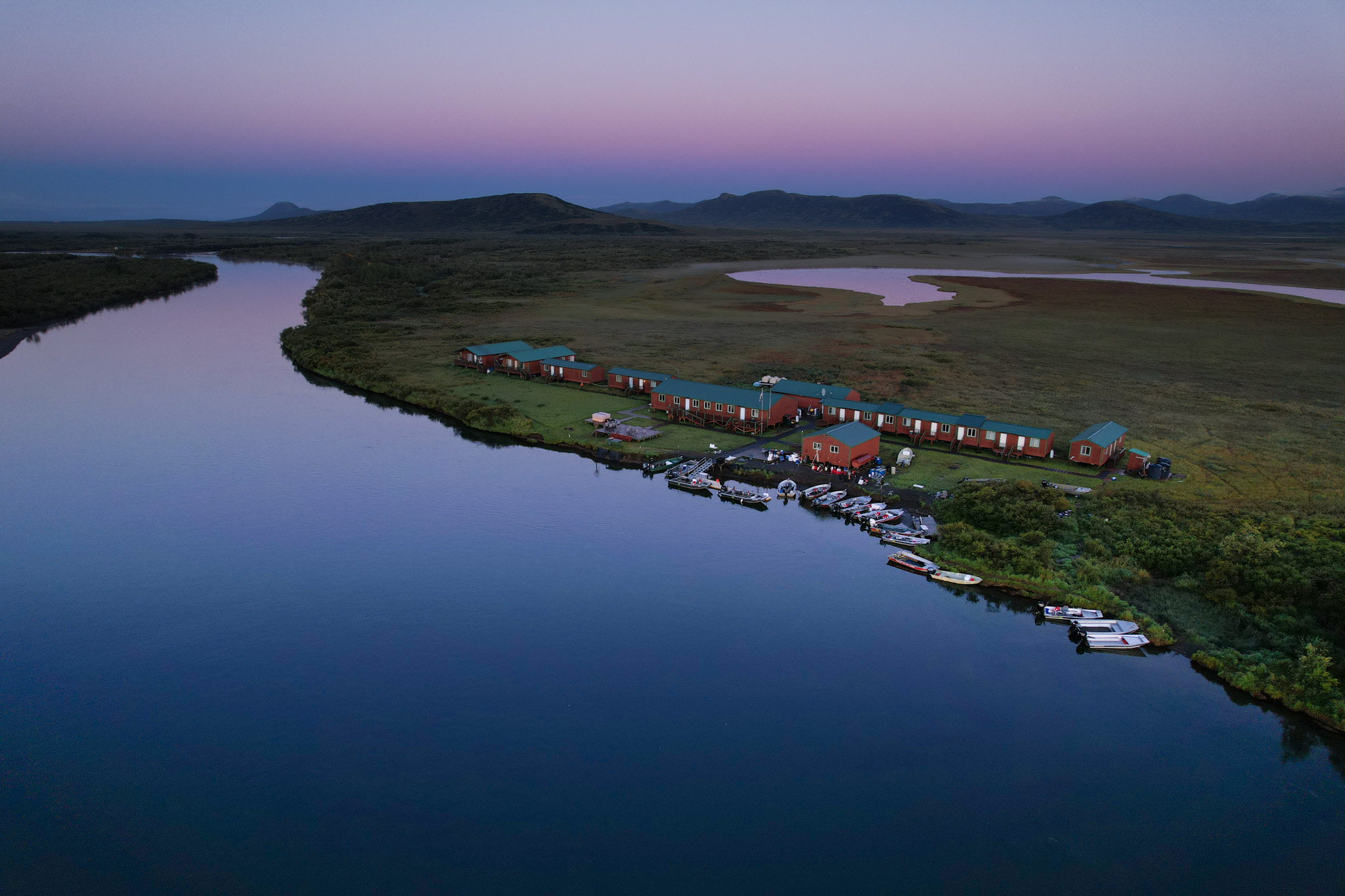
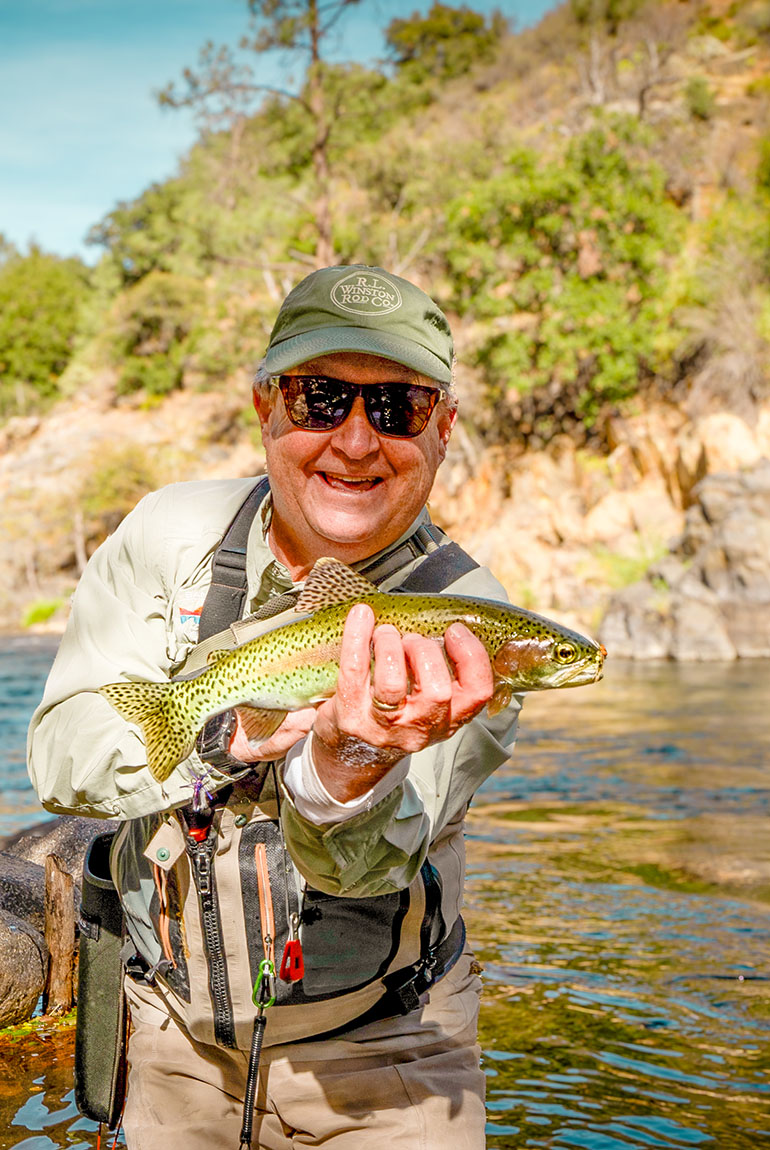
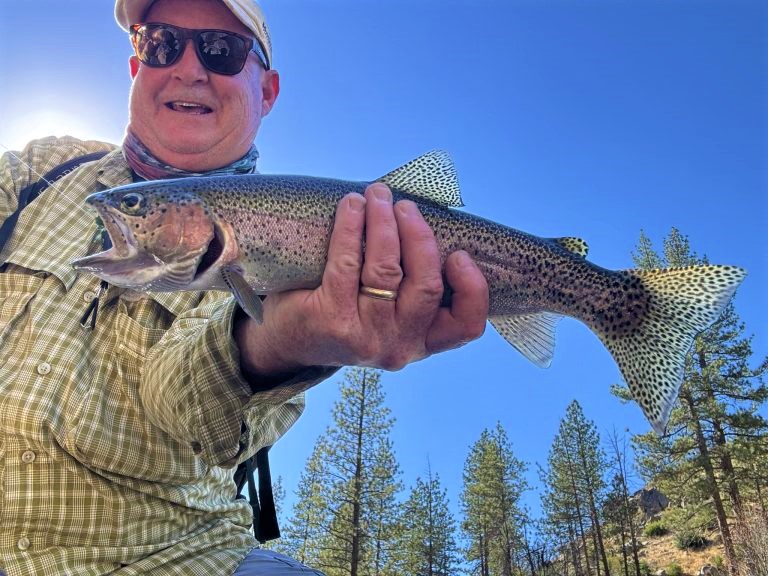
 

BC stillwater


Conclusion with Greg Keenan on BC Stillwater Fishing

If you’re fired up about Stillwater fishing after this episode, go check out Greg’s stuff! Head over to Stillwater Edge on YouTube and hit that subscribe button. He’s got quick, bite-sized videos that pack a punch.

         
Support Our Podcast Sponsors         
Support Our Podcast Sponsors       
Support Our Podcast Sponsors         

Support Our Podcast Sponsors

         
Support Our Podcast Sponsors         

POPULAR ARTICLES