I had the pleasure of sitting down with Joe Koffler from Koffler Boats. Joe is the son of Bruce Koffler, and today, we hear how Bruce turned a small aluminum gutter business into one of the top aluminum drift boat builders in the country.
I have been using a 17′ Koffler drift boat for many years now and love it for the carrying capacity, so I’m really excited to get into the full Koffler story. In this episode, Joe shares some of his best maintenance and boat care tips (including how to protect the bottom of your drift boat), which are the best-selling boats right now, and why a drift boat won’t help you get up on step.
If you’ve ever rowed a Koffler or you’re just curious what makes aluminum drift boats so tough and dependable, this one’s packed with great insights.
Click below and listen to the Koffler Boats Podcast with Joe Koffler:


Find the show: itunes | stitcher | overcast
Subscribe on Android | Apple Podcasts | Spotify Podcasts
(Listen to all Archived Episodes Here)
Sponsors and Podcast Updates
Episode Show Notes on Koffler Boats with Joe Koffler
How Koffler Boats Started
(02:17) Back in the early 1970s, Bruce Koffler was running an aluminum gutter business in Lane County when he decided he was tired of fishing from the bank. With the help of his old shop teachers, he built his first wooden drift boat, which he later sold to pay for Joe’s hospital bill when he was born.
Using leftover aluminum from the gutter business, Bruce built his first aluminum drift boat in 1974. Word spread quickly. Local anglers were tired of constant wood boat repairs, and by 1977, Bruce was building aluminum drift boats full-time out of Eugene, Oregon.
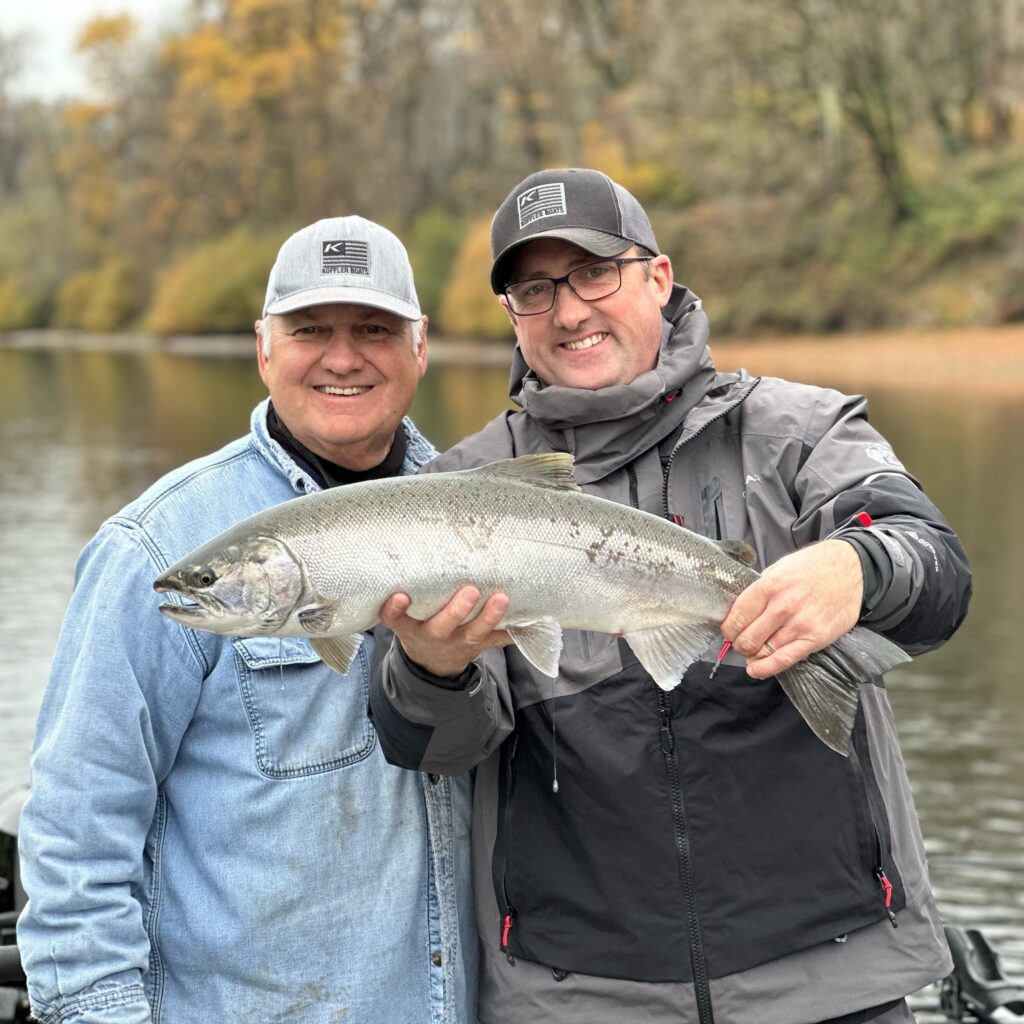
Photo via https://www.instagram.com/koffler_boats
The Early Days of Aluminum Drift Boats
(05:06) At that time, when Bruce Koffler started building aluminum boats, only a few others were doing the same. Page Stevens was one, Willie worked with Alumaweld before starting his own company called Willie Boats, and Wooldridge Boats was already building boats too.
Bruce worked in the gutter business during the day and built boats at night until 1977, when he went full-time. Aluminum boats like his are still popular today. Meanwhile, fiberglass boats like Clackacraft and other companies in Montana have also found a solid niche in the drift boat space.
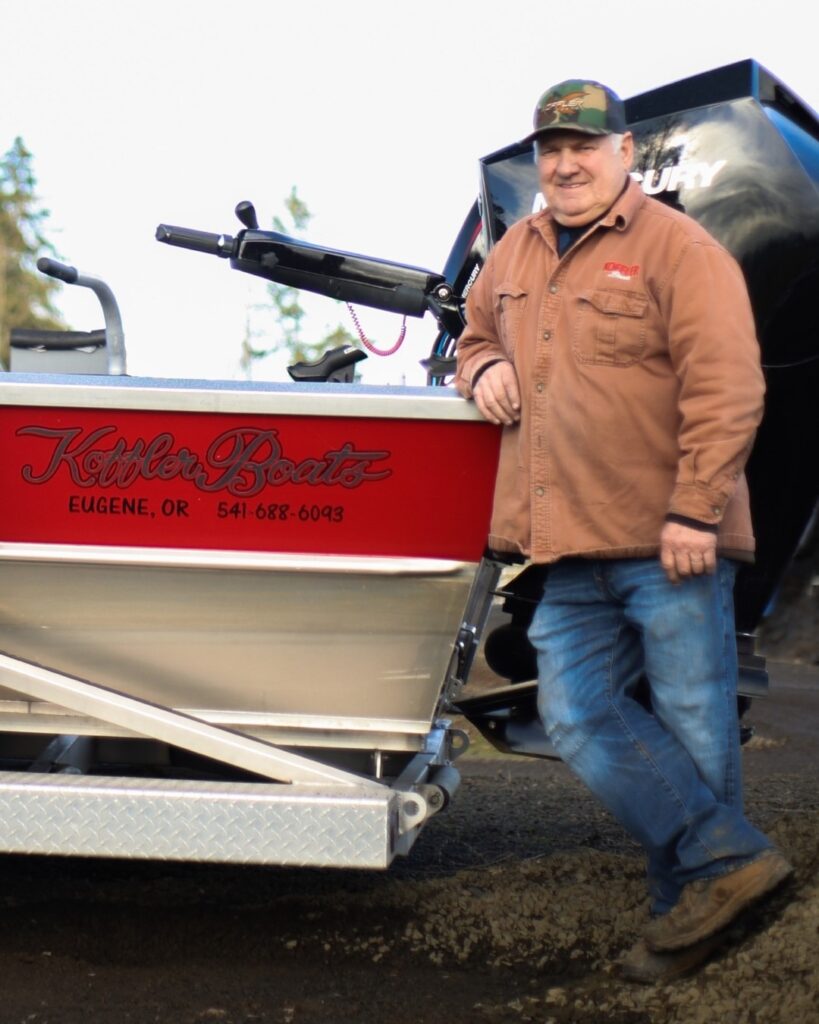
Photo via https://www.instagram.com/kofflerboats/
For a closer look at drift boat history, check out the episode: WFS 166 – National Geographic’s Pete McBride – Martin’s Boat, Grand Canyon (Drift Boat Series Ep. 1). Pete McBride, known for his amazing National Geographic documentaries, dives into the story of Martin Linton and the wooden boats of the Grand Canyon.
Koffler Aluminum Drift Boats
(08:00) – Joe Koffler says running the drift boat business has been a great way to grow up. He loves meeting people, talking fishing and boats all day, and working in Eugene, Oregon, where the shop is located.
The first aluminum boats were 16’ x 48” with 48-inch bottoms. By the 1980s, they moved to 54-inch bottoms to carry more people, more gear, and float in shallower water. Today, boats go up to 18’ long and 60” wide for guides and anglers who need extra room.
(11:00) Fun Fact: I shared my story about almost swamping an old Fishrite boat on the Deschutes. That experience led me to get a Koffler 17’ x 54”, which handles weight amazingly and still performs well with lighter loads.
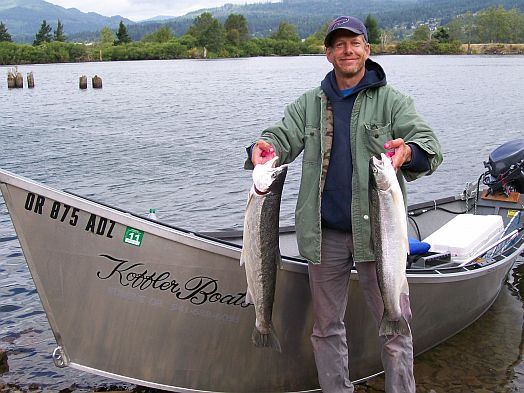
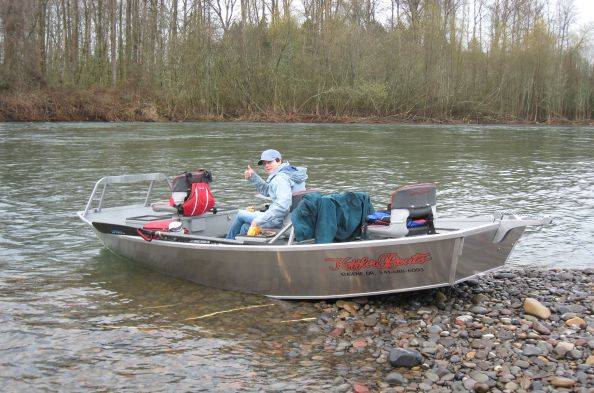
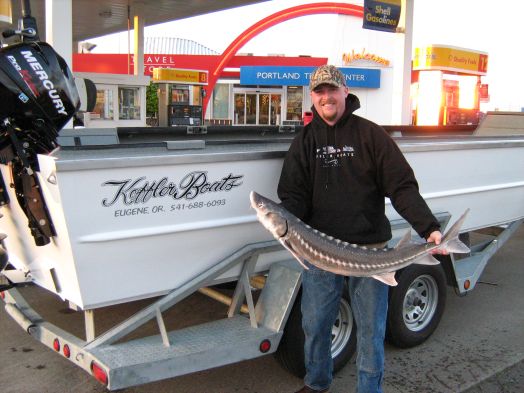
Beyond Drift Boats
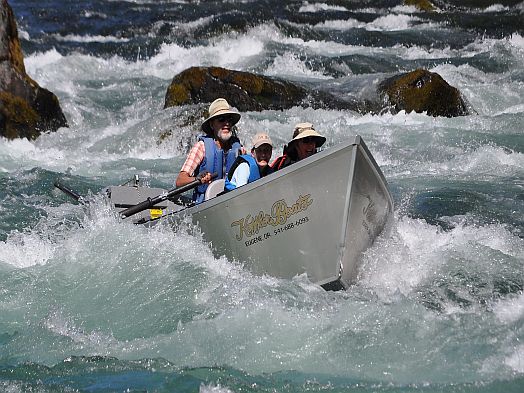
Joe explains that their main drift boats are Mackenzie-style. These boats are built for rivers with whitewater and tight spots. The Mackenzie style started with blunt noses for extra stability. Over the years, Koffler has seen other small companies come and go, but their focus on quality keeps them strong in the drift boat market.
Beyond drift boats, Joe’s team builds a variety of boats:
- Small prams (8–12 feet) for lakes and calm water.
- Rocky Mountain trout boats (13–16 feet) with wide ends for stability on rivers and lakes.
- Powerboats, jet sleds, and deeper V-bottom boats for aggressive water.
- Specialized landing crafts and sea dories for ocean use, especially on Pacific City beaches.
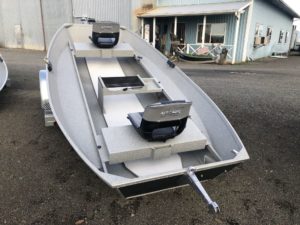
Durability and Maintenance of Aluminum Drift Boats
(14:54) Aluminum drift boats are tough. Joe explains that while wood boats are quieter when hitting rocks, aluminum can take a beating. You can get big dents, but they can be pounded out or rewelded. That durability makes them easy to repair and keep on the water for decades.
Joe says it’s not uncommon to see boats from the mid-’70s come back into the shop for a full refurbish — and after a little paint and metalwork, they look nearly new again.
Side note: I recall pulling an old 16×48 Koffler boat off the Oregon coast. It had blackberries growing through it, and the trailer had rusted apart. Joe and his team refurbished it, pounded out dents, fixed the structure, and repainted it.
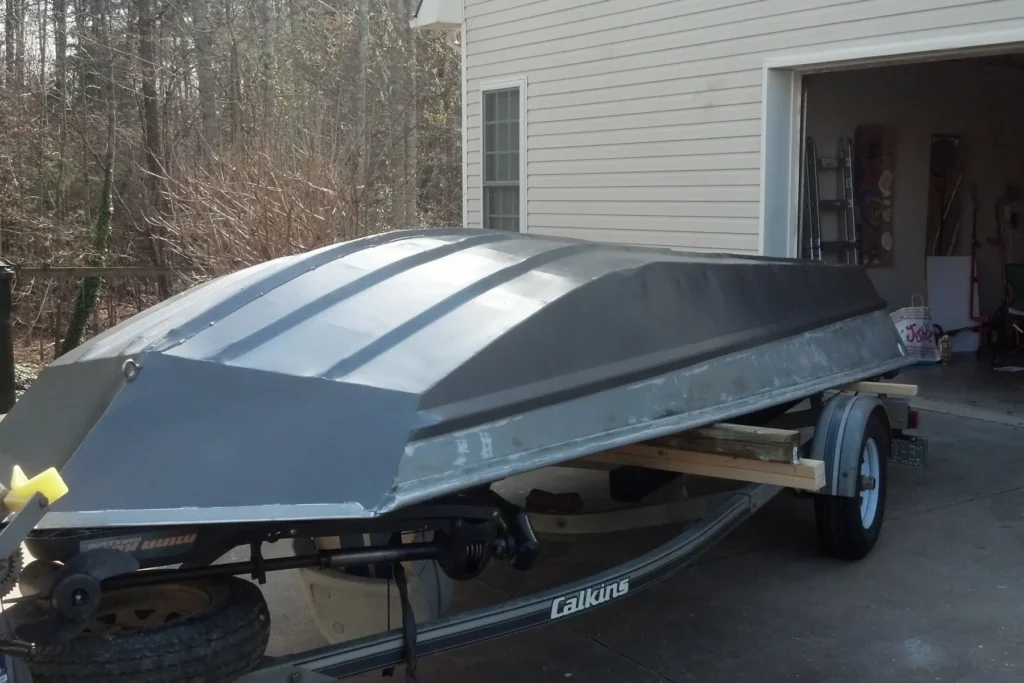
Protecting and Maintaining Your Koffler Drift Boat Bottom
(24:50) – Joe talks about how important it is to take care of the bottom of your drift boat. He recommends Wetlander, a slick new coating that helps the boat slide smoothly on and off the water. Unlike older coatings like Gluvit, which can crack and peel over time, Wetlander wears down slowly without flaking, which means fewer big repairs later.

Here’s what Joe shared:
- If your boat starts sticking on rocks, it’s time to recoat because that’s when dents can start forming.
- You can do it yourself by sanding down to bare aluminum and rolling on the Wetlander, but it’s messy work.
- Joe and his team at Koffler charge around $575 for a new coat, or up to $700 if they have to remove old Gluvit first.
- Dents, especially along the chine (where the bottom meets the side), can be fixed, but sometimes need welding and water testing.
Koffler’s Most Popular Boats
When asked about their best-selling boats, Joe didn’t hesitate. It’s the power boats.
He says most customers go for 16- to 22-foot models, with the 20- and 22-footers being the most common. These boats make up the biggest part of Koffler’s sales.
Joe also mentioned their trout boat is doing really well lately. A lot of anglers are looking to consolidate from two boats to one, and that model hits the sweet spot for versatility.
Why Rocker Matters in Drift Boats
Joe explained that a rockered boat won’t plane. To do that, a boat needs a flat planing surface in the back. His own design comes close, but because it still has a rocker, it won’t fully get up on plane.
He mentioned the Jet Drifter as one option that does plane. It’s light, small, and still rows well. But once you remove the rocker, you also lose that easy control in whitewater unless you’re using power.
So why is rocker so important?
- It helps the bow lift as the boat drops into rapids.
- A flat-bottom boat would push its nose straight into the wave instead.
- Rocker lets the boat “ride” over waves instead of diving through them.
As Joe put it, without a rocker, you’d basically nose-dive into every wave, and that’s never fun.
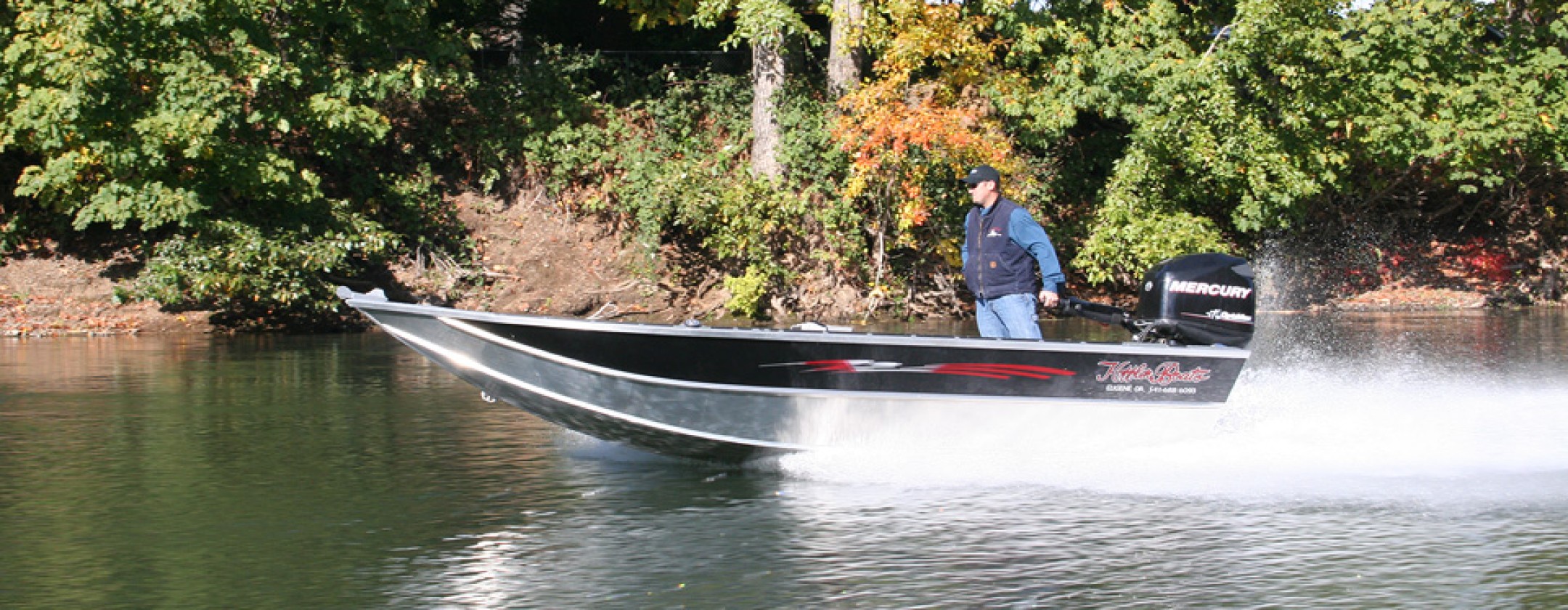
Take a look at the Kofler Jet Drifter Power Boat:
You can find Joe at KofflerBoats.com
Follow them on Instagram @kofflerboats

Top drift boat trips and models, and protecting them
- The difference between 48″ vs 54″ wide drift boats is focused on carrying capacity. The 48″ wide boat is great for day trips.
- The 17 x 54″ boat is great for gear and heavy loads
- Wood boats vs aluminum drift boats
- Use WetLander to protect your boat
- If you hang up on rocks, it’s time for a new wetlander coating
- The jet drifter can plane and can row well.
Koffler Boats Videos Noted in the Show
“When you’re doing big white water, there’s those that have had trouble and those that will.”
-Bruce Koffler
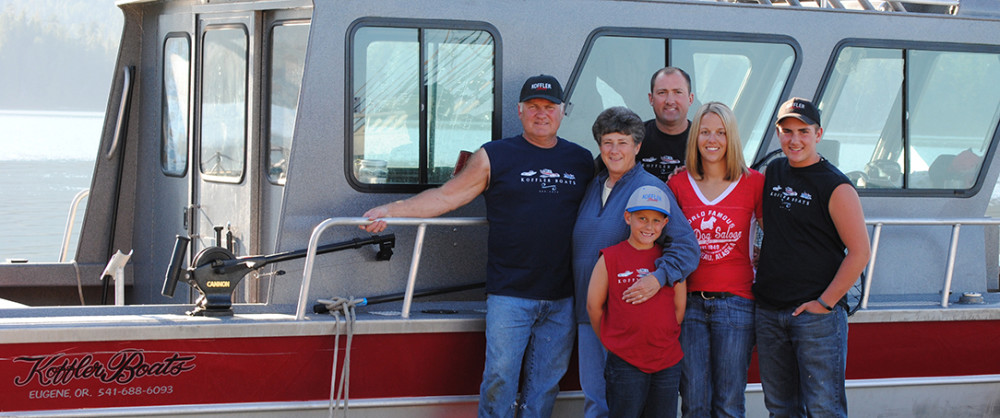
Koffler Boats Conclusion with Joe Koffler
Joe Koffler is on the podcast today to share the Koffler Boats story and how they created one of the best aluminum boat companies in the world. Also, Joe shares some tips on taking care of your boat, including how to protect it